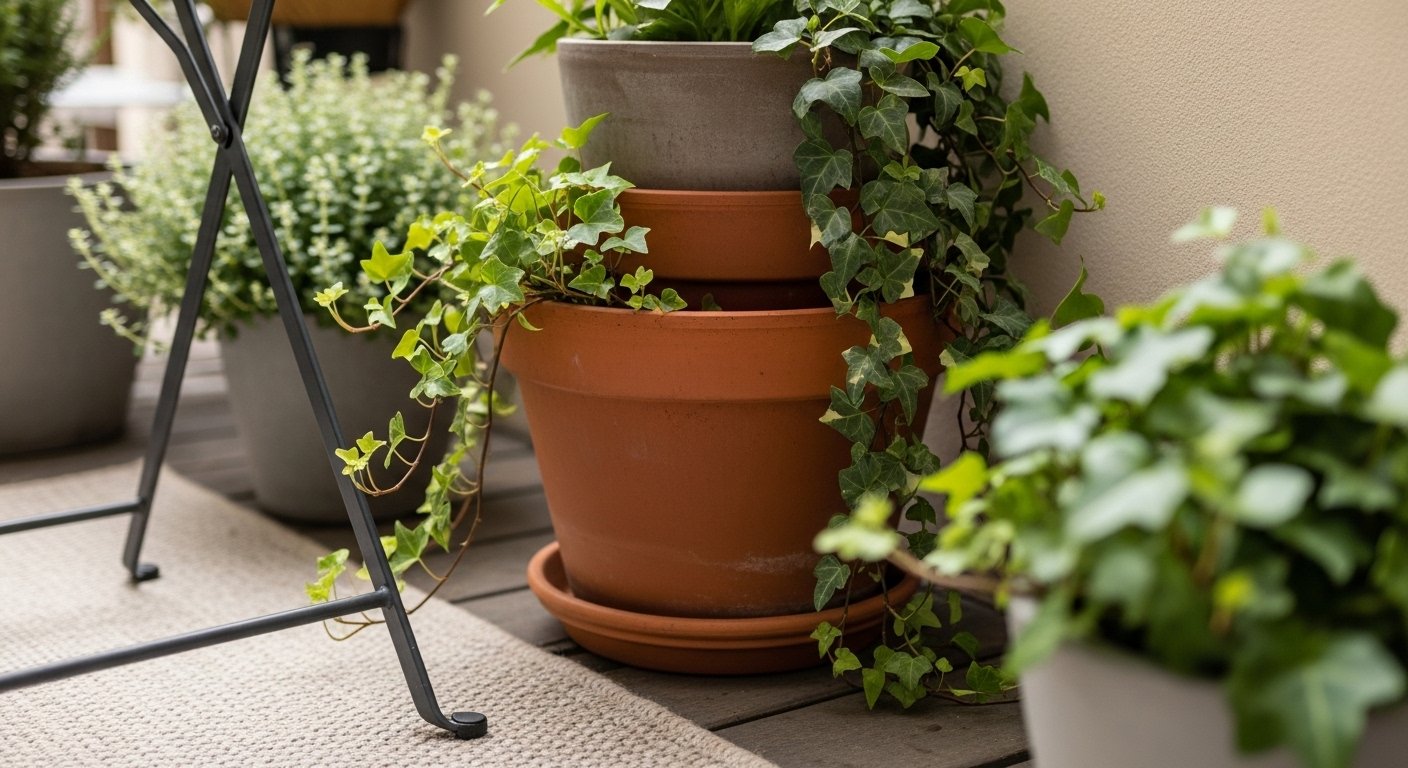
I used to cram plants anywhere and then wonder why nothing felt finished.
Now I plan small scenes—one corner, one chair, one plant combo—and it changes the whole patio.
These ideas are the things I actually built, messed up, and fixed. You can copy any of them.
27 Aesthetic Small Patio Garden Decor For A Stylish Tiny Space
These 27 ideas are real, practical ways to make a small patio feel intentional and cozy.
I include lighting, planters, seating, and storage—everything you can set up without a landscaper.
Try one or combine a few; all 27 are here.
1. Layered Container Planting That Makes a Patio Feel Full
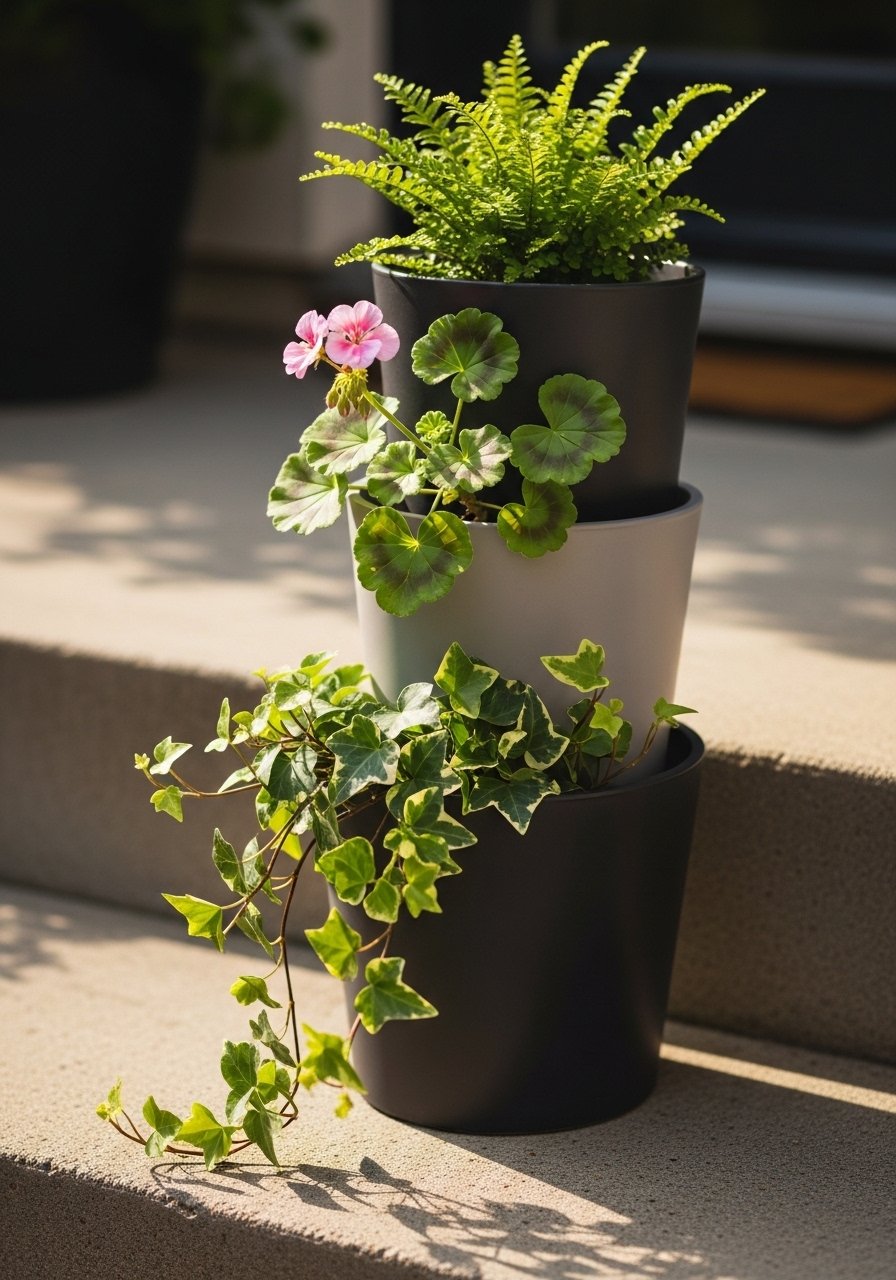
I layered three pots of different heights on my tiny step and suddenly the space read like a little garden. I used a tall statement pot, a mid planter and a small saucer for trailing plants. Early on I bought identical pots and everything looked flat—varying heights fix that.
It feels lush without crowding. I water from the top pot down and trim trailing vines monthly.
What You’ll Need for This Look
- Tall terracotta planter (12–14 inch)
- Medium ceramic planter (8–10 inch)
- Small saucer pot for trailing plants (4–6 inch)
2. Vertical Herb Wall on a Slim Pallet
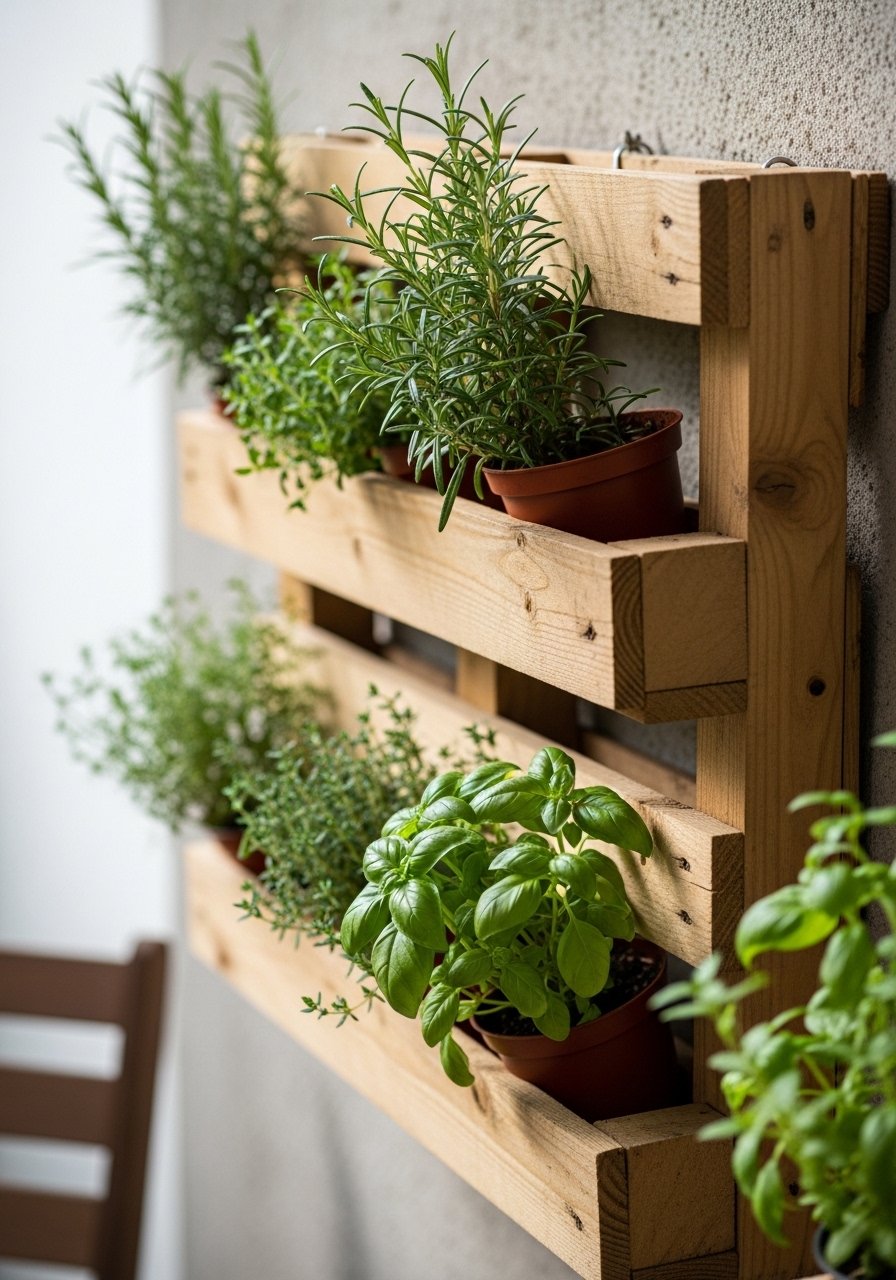
I built a slim herb wall with a reclaimed pallet against a fence. It fits where a chair might, and I harvest from eye level. I once planted basil too deep and it rot; now I pot herbs in good-draining mix and keep the pallet slightly tilted.
It smells good and earns its spot—fresh mint, thyme, and a greedy basil plant.
What You’ll Need for This Look
3. Fairy-Light Canopy That Doubles as Ambience
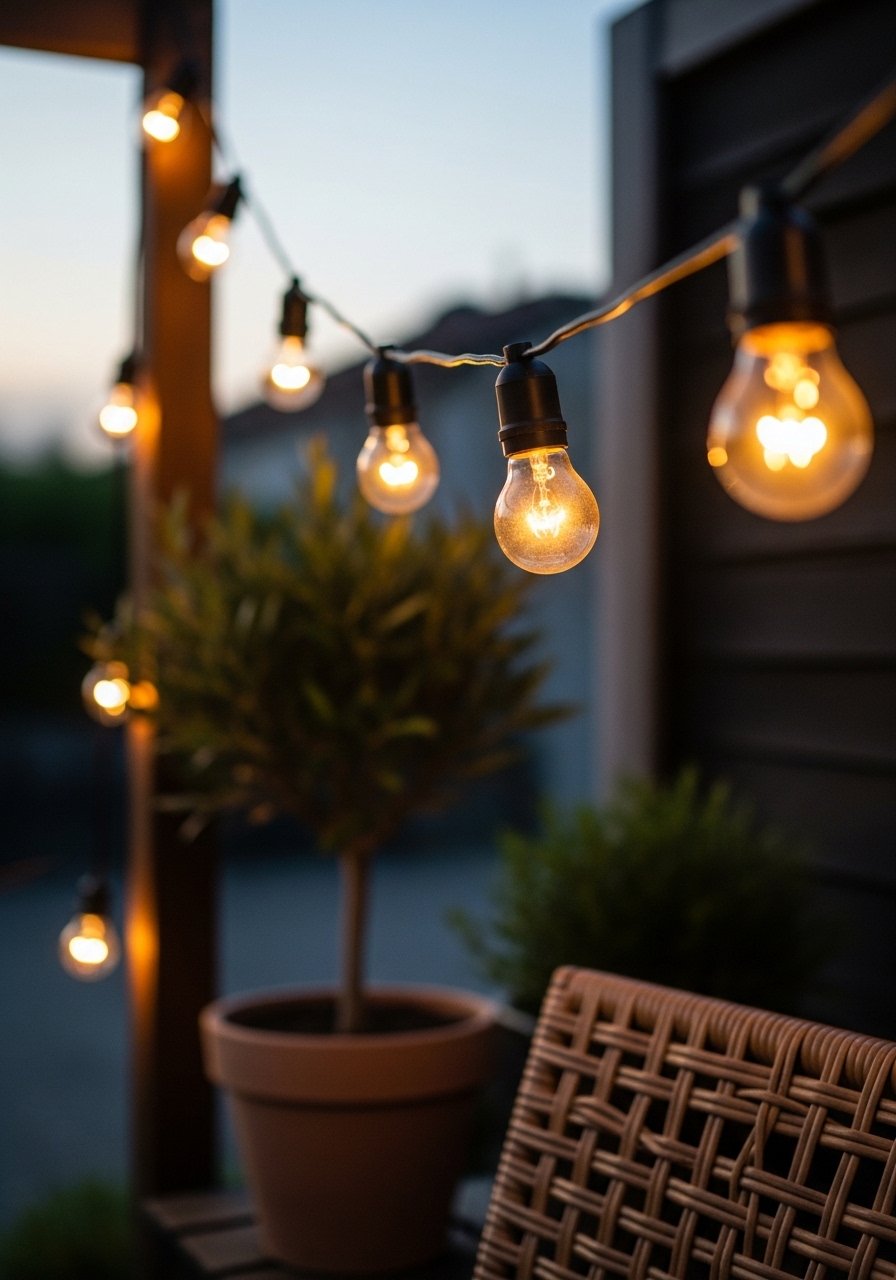
I strung warm white fairy lights across my patio and it changed our evenings. I made the mistake of using cool white once—too harsh. Now I use warm bulbs and clip lights to a wire so they stay neat.
They’re low-power and create a cozy canopy without big fixtures. I leave them on for soft late-night reading.
What You’ll Need for This Look
4. A Tiny Bistro Set Anchored with a Rug
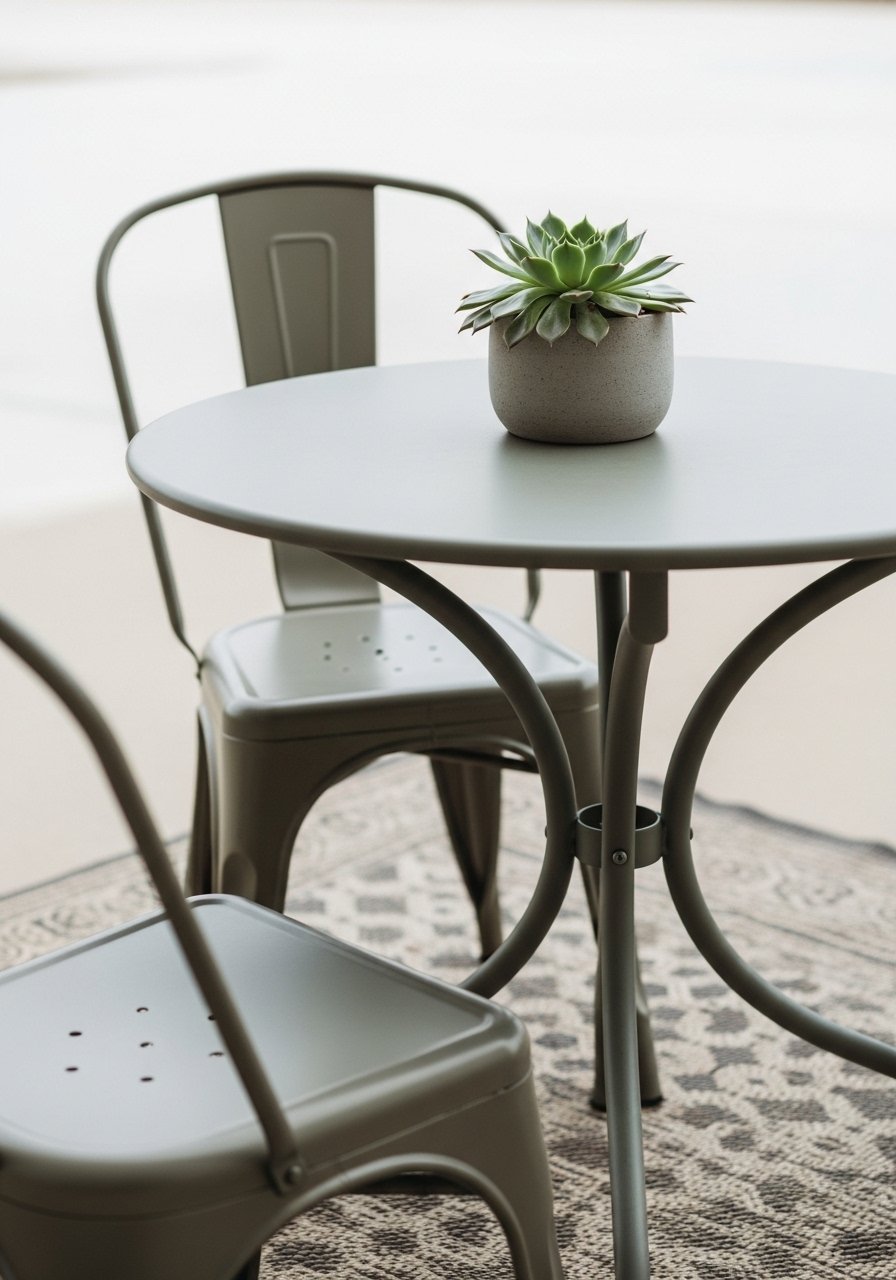
I bought a folding bistro set for a morning coffee nook. At first the metal legs scratched the floor—I added felt pads and a small outdoor rug. The rug ties the chairs and plants together and hides stains.
It’s my favorite morning spot. Choose a rug that breathes and dries fast.
What You’ll Need for This Look
- Folding metal bistro set (table and two chairs)
- Small outdoor patio rug (3×5 ft)
- Felt furniture pads
5. Mini Water Feature for Gentle Sound
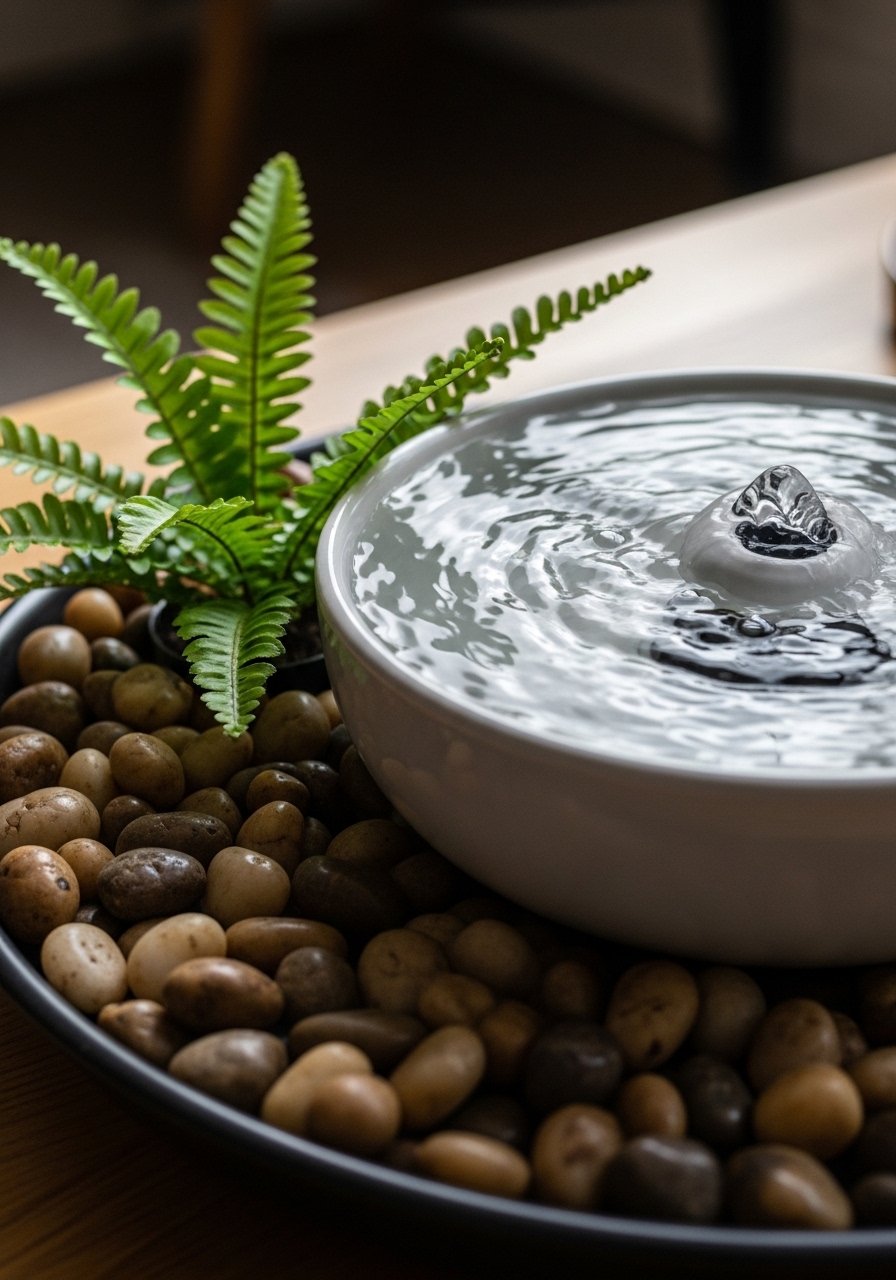
I added a tiny recirculating fountain on a side table and suddenly the patio felt calmer. I learned the pump size matters—too weak and the trickle stops; too strong and it splashes. I settled on a pump with adjustable flow.
It masks street noise and keeps humidity for nearby ferns.
What You’ll Need for This Look
- Adjustable pump for tabletop fountain
- Shallow ceramic fountain bowl (12–16 inch)
- Decorative river pebbles
6. Trellis with Clematis or Jasmine for Vertical Green
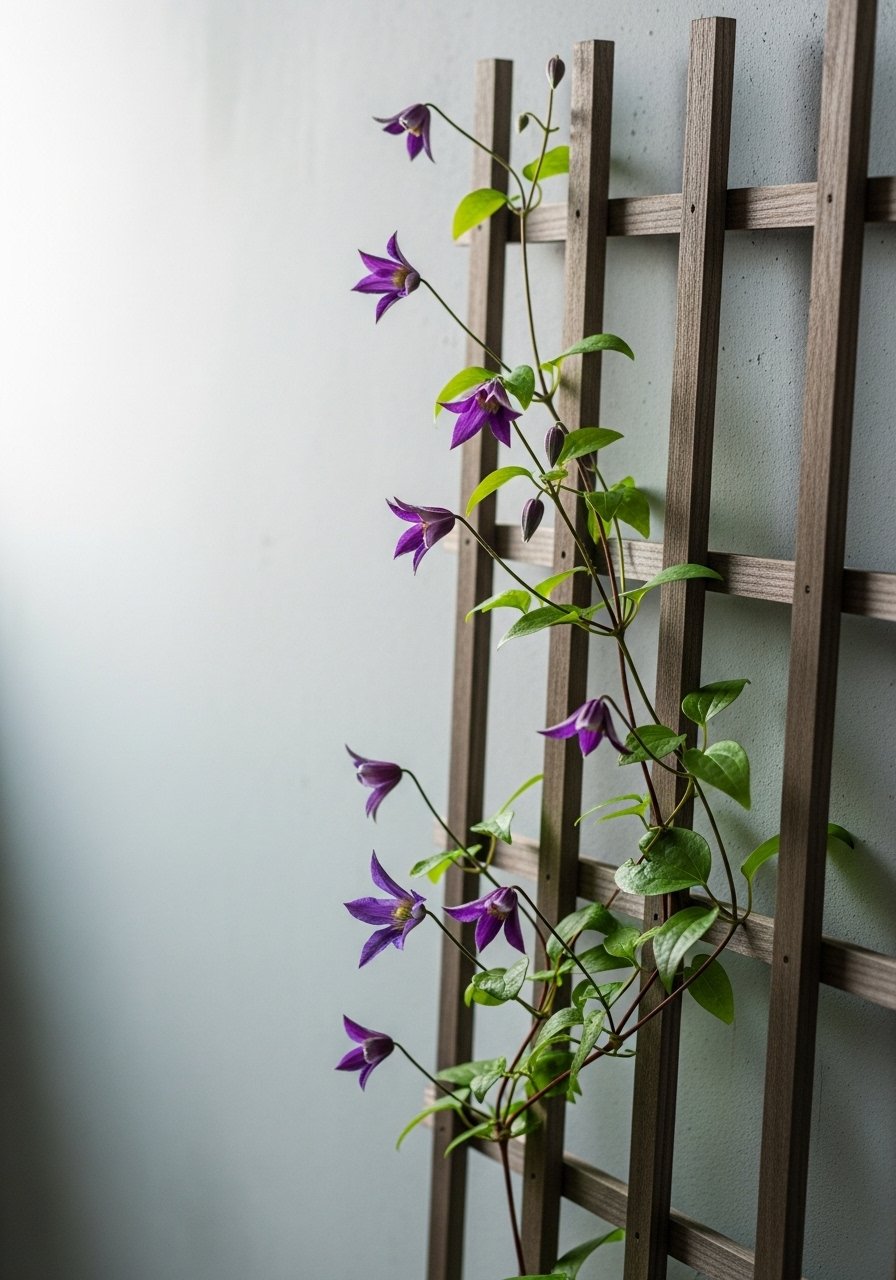
I added a trellis to a blank wall and trained clematis up it. First season the vines sulked because I planted in too-small pots. After repotting into deeper containers they exploded with flowers.
A tall trellis creates a green backdrop without using floor space. I prune once a year to keep things tidy.
What You’ll Need for This Look
7. Window Boxes With Trailing Annuals
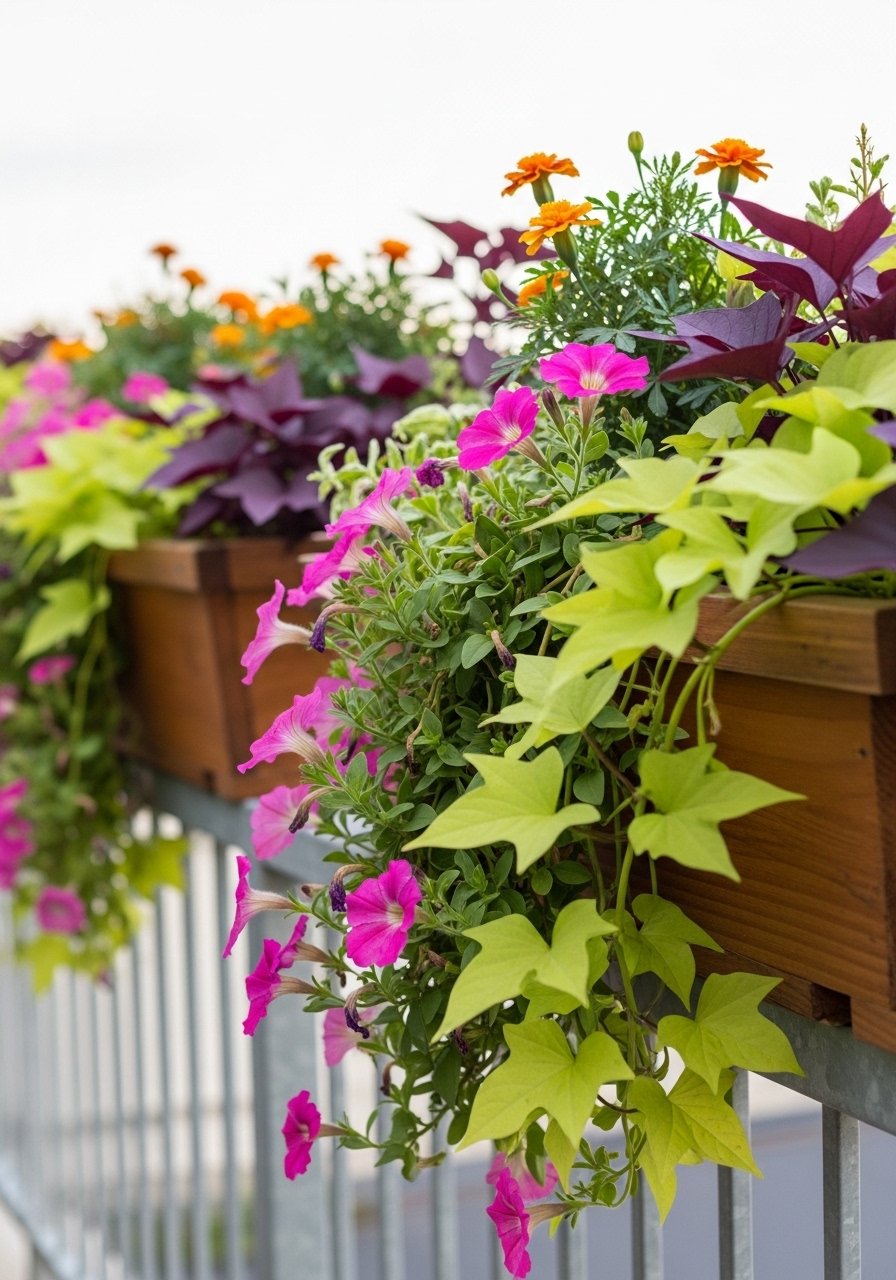
Window boxes forced me to think horizontally. I planted trailing petunia, a mid-layer geranium, and low filler—three levels in one shallow box. I once used garden soil and had drainage issues; now I use lighter potting mix and check drainage holes.
They soften hard rail lines and give color at eye level.
What You’ll Need for This Look
8. Mirror on the Fence for Instant Depth
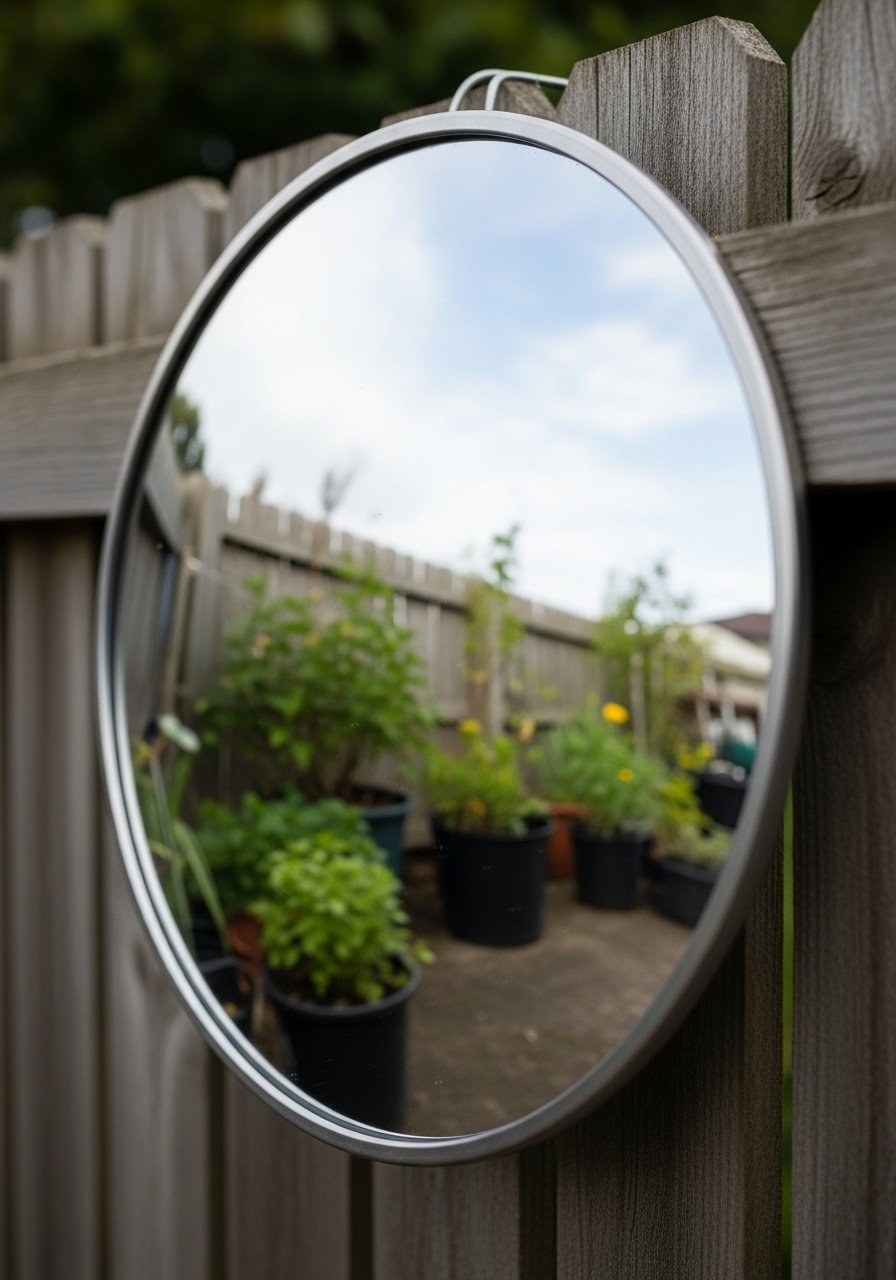
I hung an outdoor mirror and it doubled the visual space. Early on I picked a frame that warped in sun; invest in a weatherproof mirror. The reflection brightens shaded corners and makes the patio feel wider.
I angle it slightly to catch plants and sky, not the neighbor’s trash cans.
What You’ll Need for This Look
9. Narrow Plant Shelf for a Staircase of Green
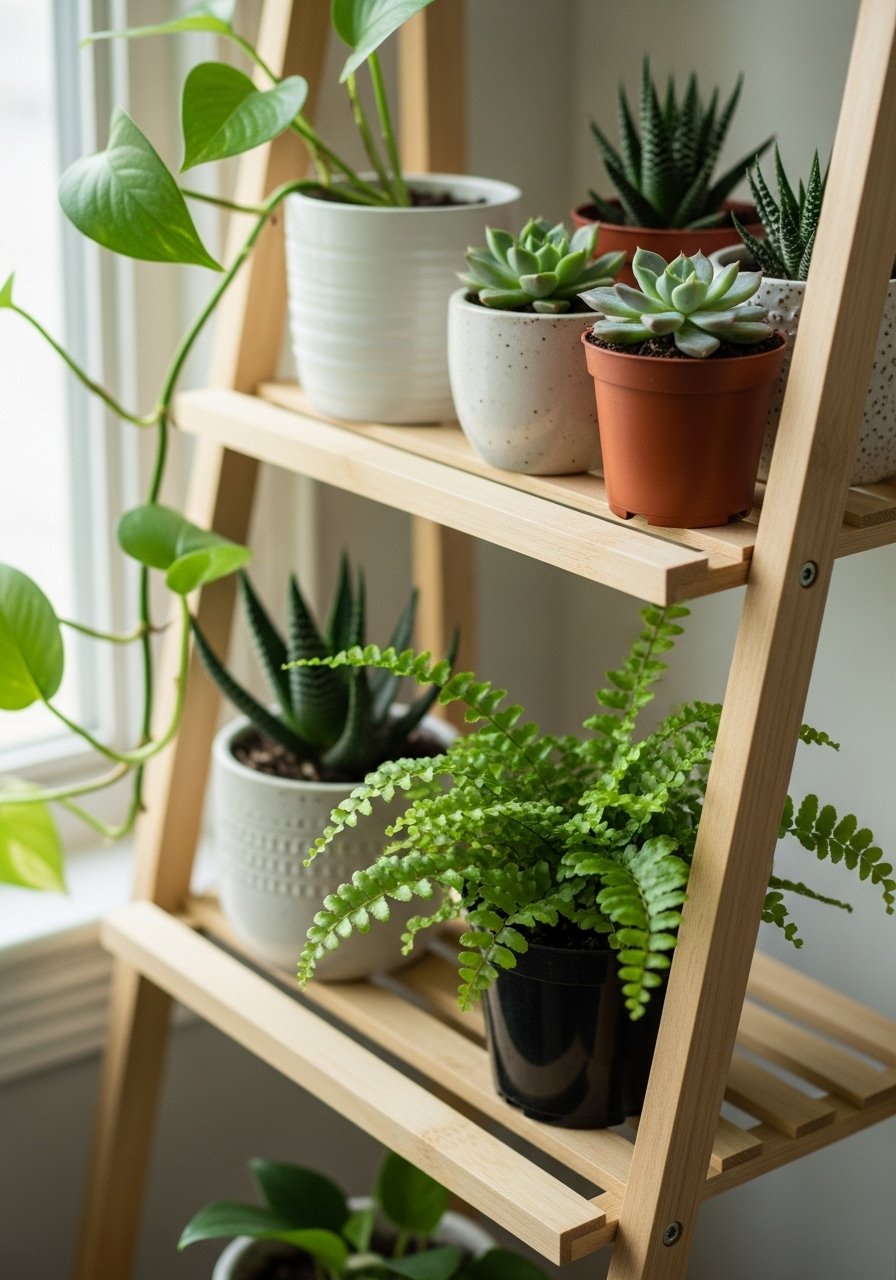
I added a narrow, tall shelf to a sliver of patio and stacked small pots. It became my rotating plant nursery. I learned that cheap shelves sagged—opt for metal or sturdier wood for outdoor use.
It organizes plants at different heights and doubles as a display for pots I like.
What You’ll Need for This Look
10. Hanging Macramé Planters for Airy Layers
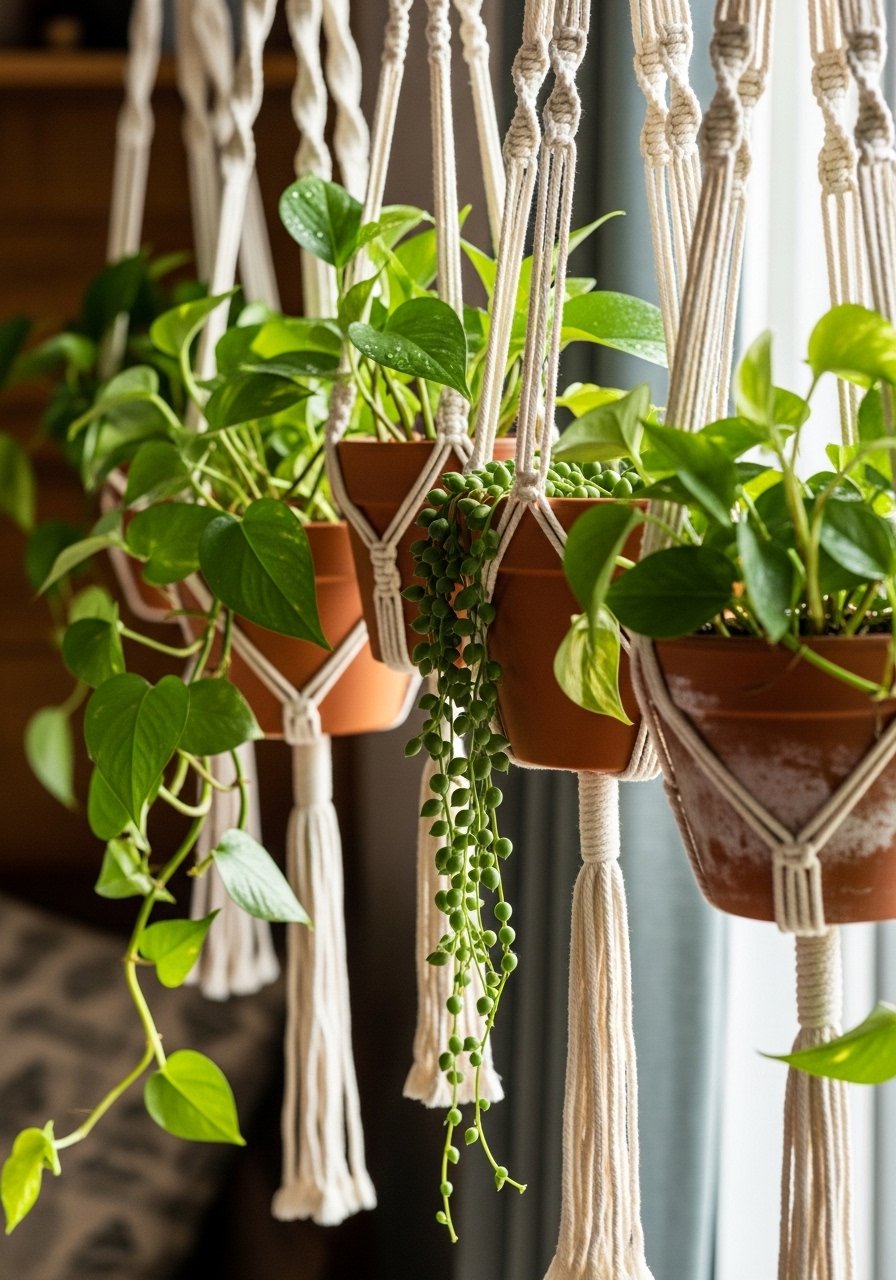
I hung macramé planters from a beam and gained vertical layers without losing floor space. At first I overloaded them with heavy pots and the ropes stretched. Now I use lightweight terracotta and know which knots to reinforce.
They feel airy and bohemian, especially with trailing plants.
What You’ll Need for This Look
11. Rail Planters That Don’t Block Views
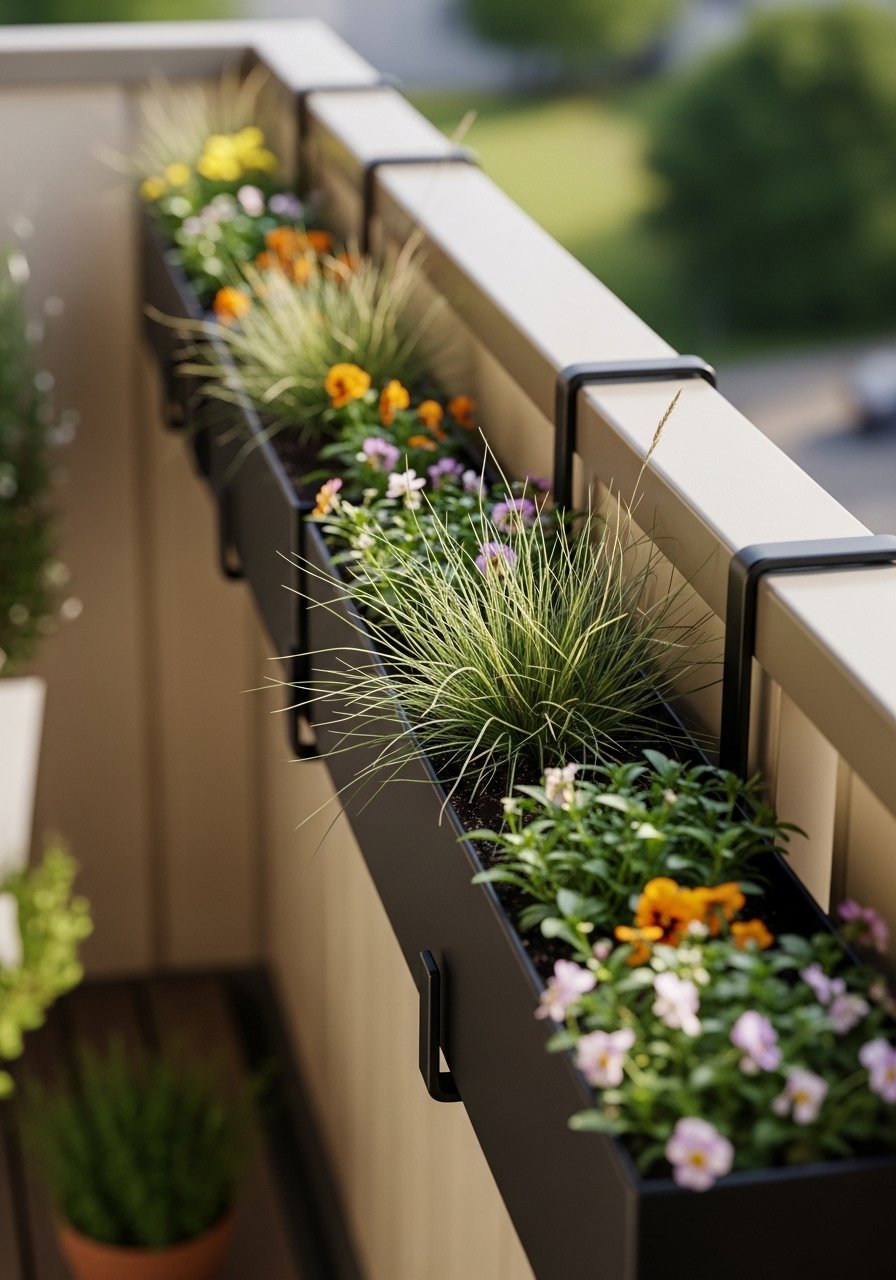
Rail planters are my go-to when floor space is tight. I use slim troughs that clip on, so the walk area stays clear. I once chose too-wide planters and lost legroom—measure first. I plant low varieties so they don’t block the sightline.
They create a green edge and are easy to swap seasonally.
What You’ll Need for This Look
12. Scented Corner With Lavender and Rosemary
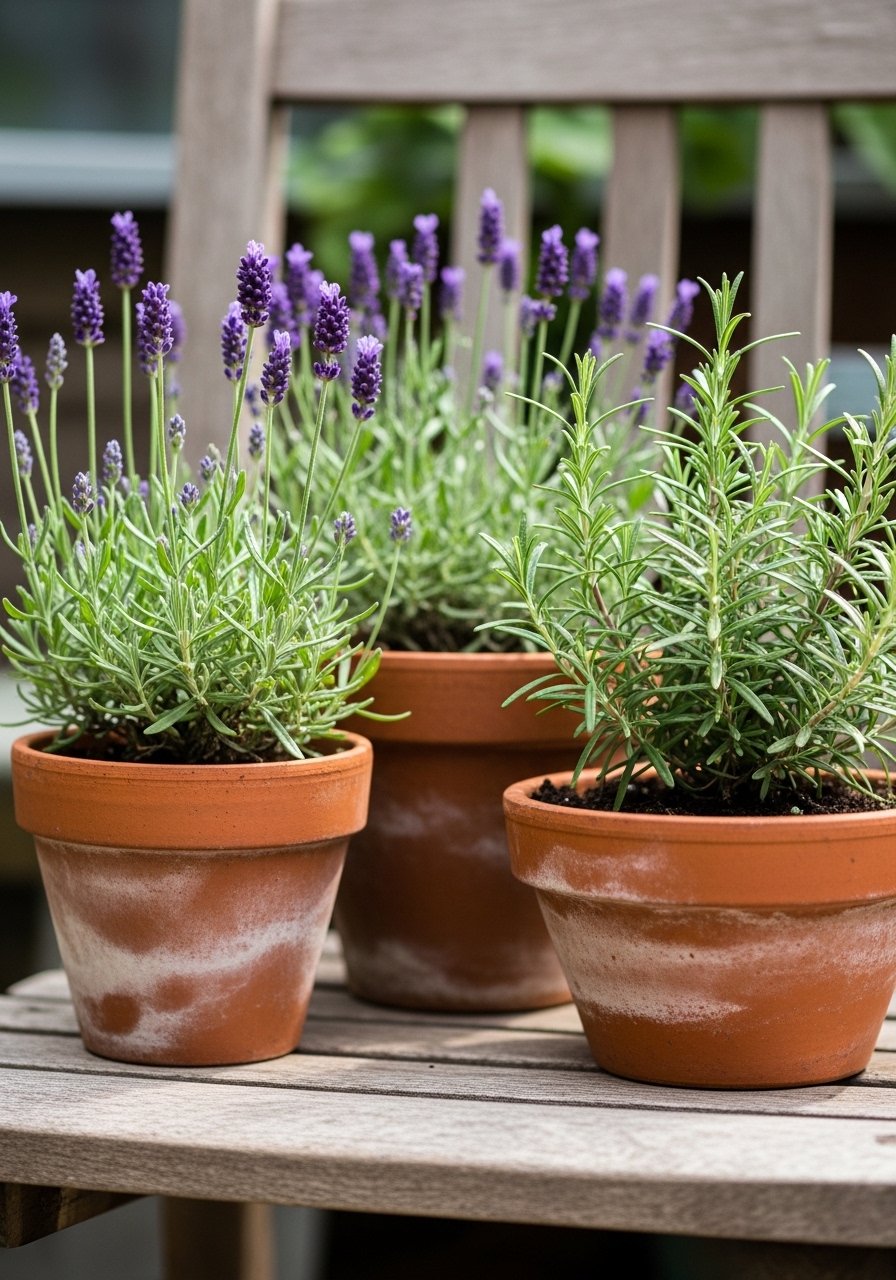
I created a small scented corner with lavender and rosemary. I sit there in late afternoon and the smell is relaxing. I once planted a big rosemary bush too close to a path and it got trampled—keep scent plants slightly inset.
They’re drought-tolerant and attract pollinators without overwhelming the space.
What You’ll Need for This Look
13. Painted Pots in a Soft Palette
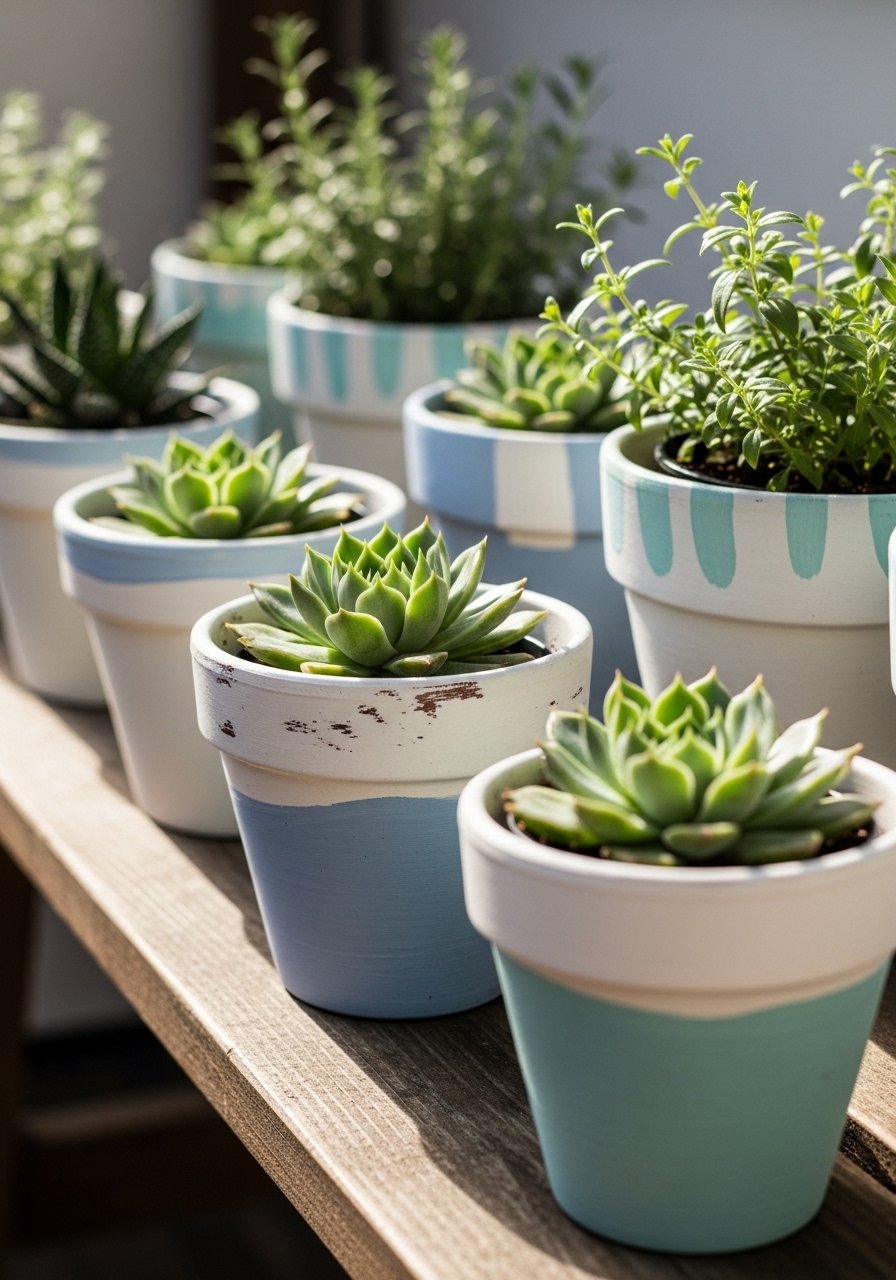
I painted cheap plastic pots in a muted palette and they suddenly matched everything. At first I used glossy paint that flaked; now I prime and use outdoor acrylic for durability. The subtle colors keep the space calm and cohesive.
It’s a quick visual upgrade that ties different plant types together.
What You’ll Need for This Look
14. Succulent Tray for a Low-Maintenance Centerpiece
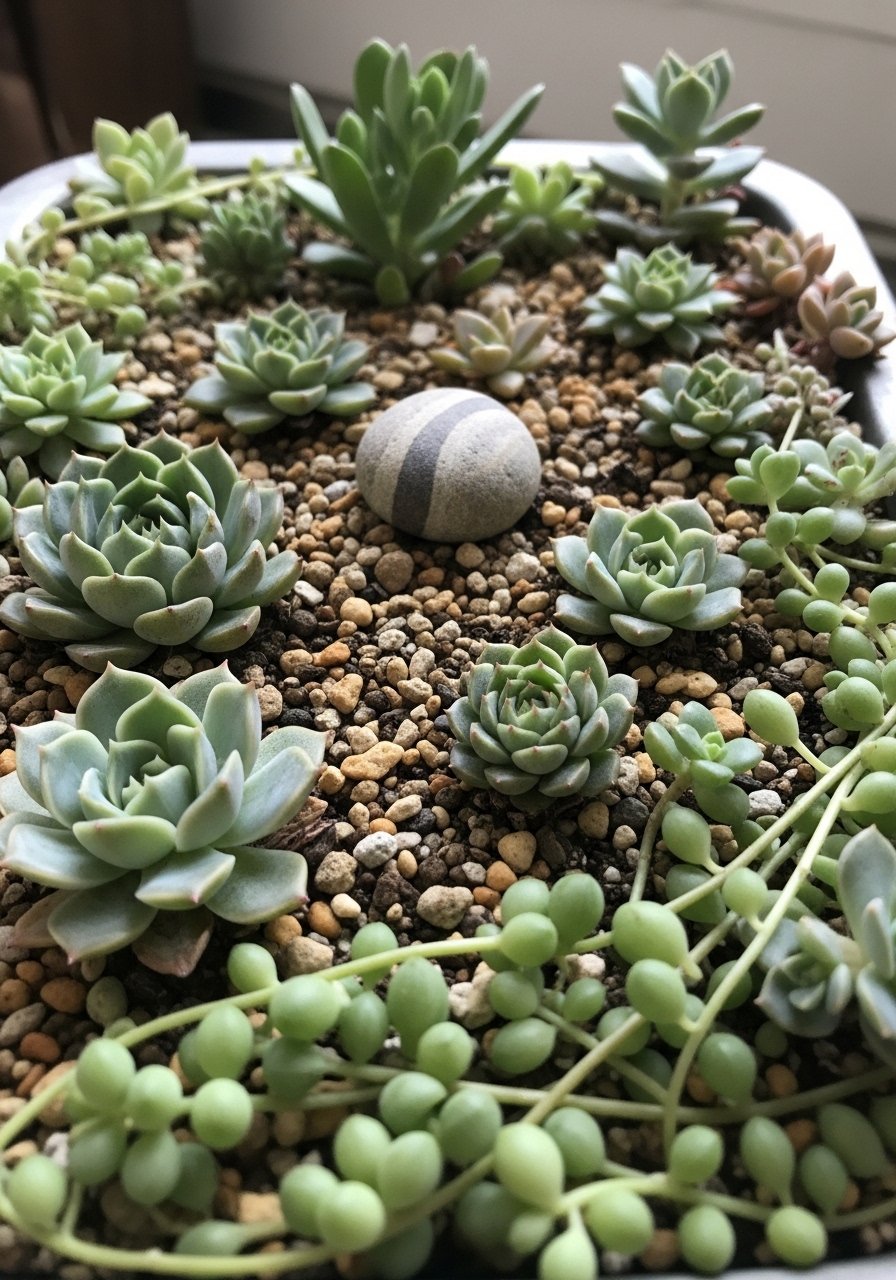
I made a shallow succulent tray for my table. It’s one thing I don’t baby. I mistakenly used deep soil before and the roots drowned—use a shallow dish and gritty mix. Now it’s stable, pretty, and nearly care-free.
A tray clusters many textures in one low spot.
What You’ll Need for This Look
15. Compact Compost Caddy Hidden in a Bench
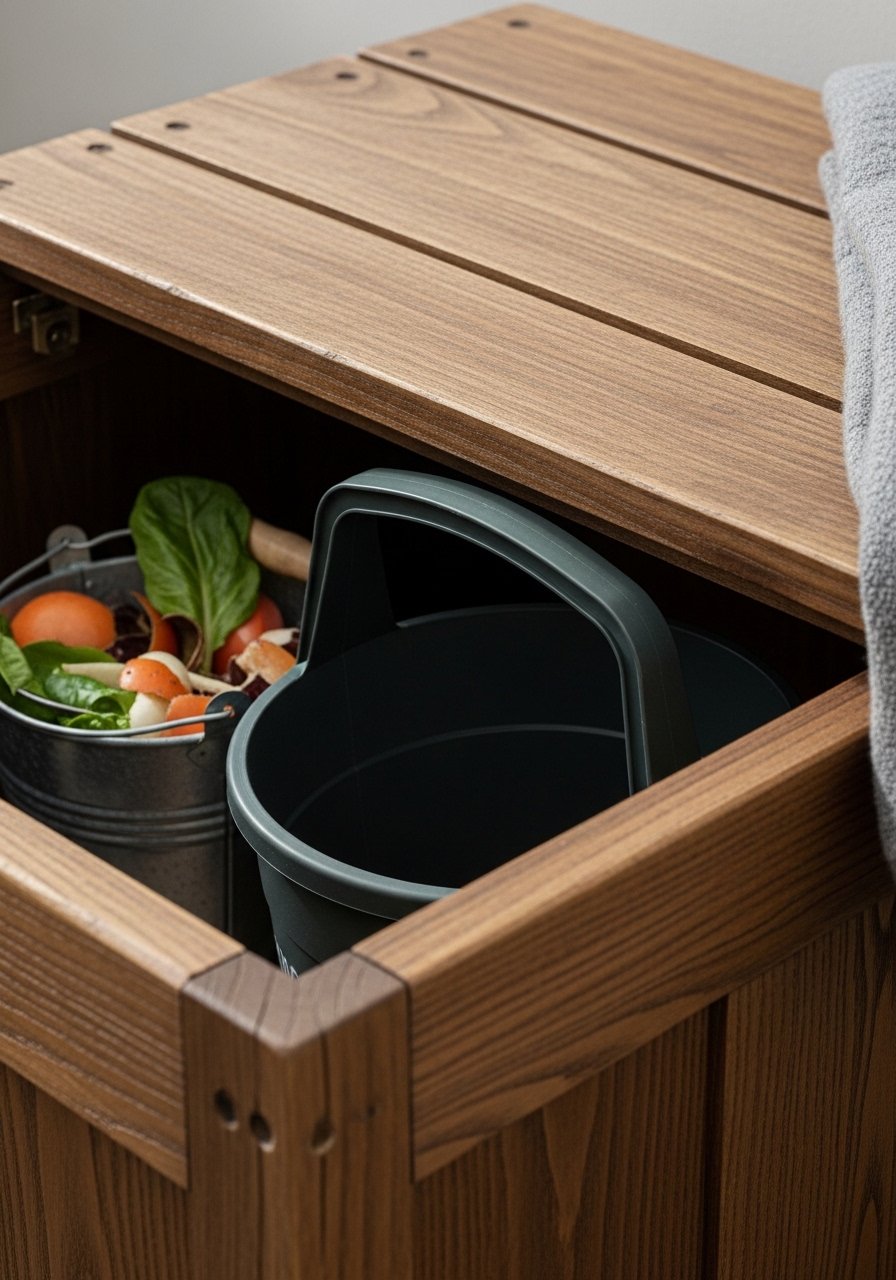
I built a bench with a hidden slot for a small compost caddy. Kitchen scraps go in and the caddy slips out for emptying. I once left food scraps too long and it stank—empty more often than you think.
It’s tidy, practical, and keeps my patio clean.
What You’ll Need for This Look
16. Mini Greenhouse for Seed Starting
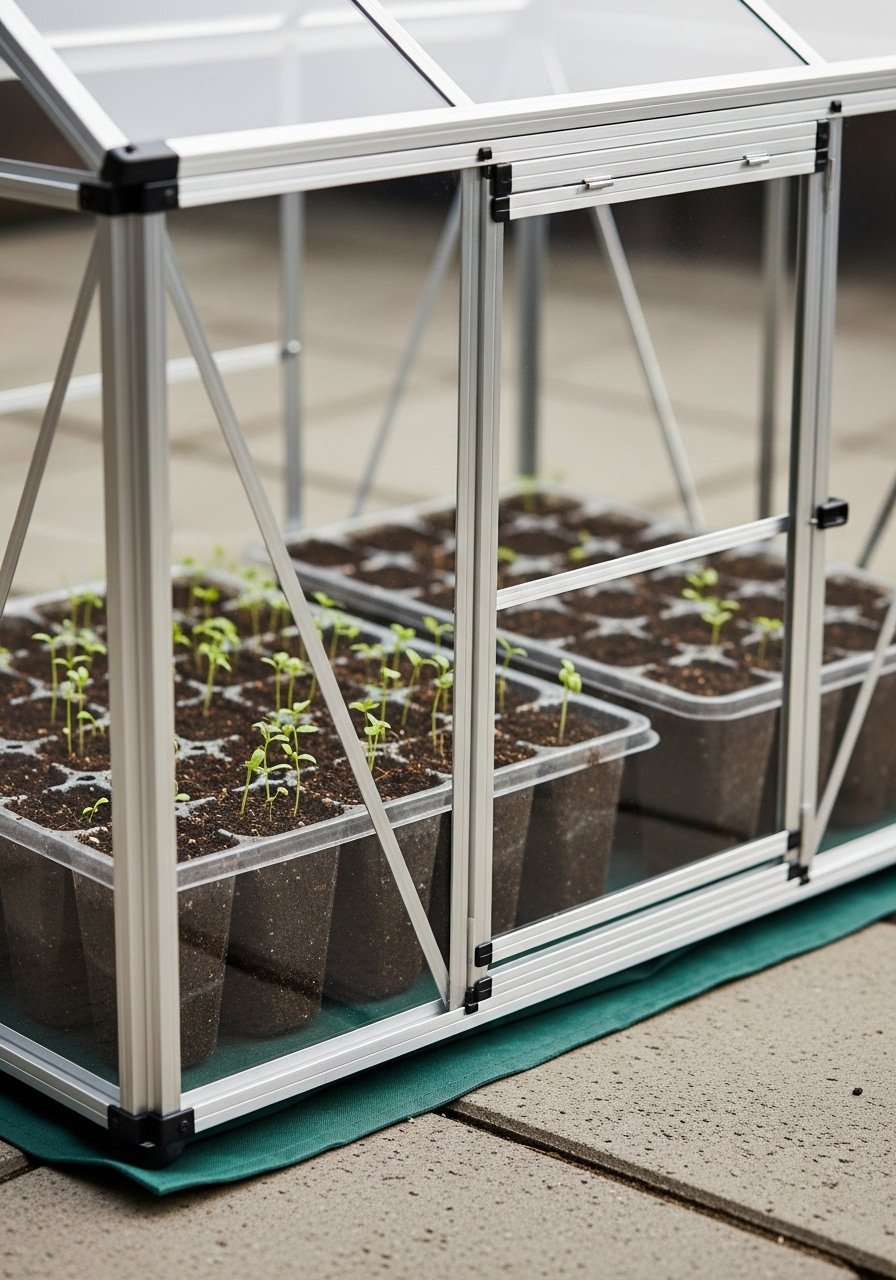
I bought a compact mini greenhouse to start seeds and protect tender plants. It takes up a little vertical space and has been worth it for early spring. I once crammed too many trays and growth stalled—leave room for air circulation.
It keeps seedlings safe from wind and hungry snails.
What You’ll Need for This Look
17. Small Fire Pit Table for Cozy Nights
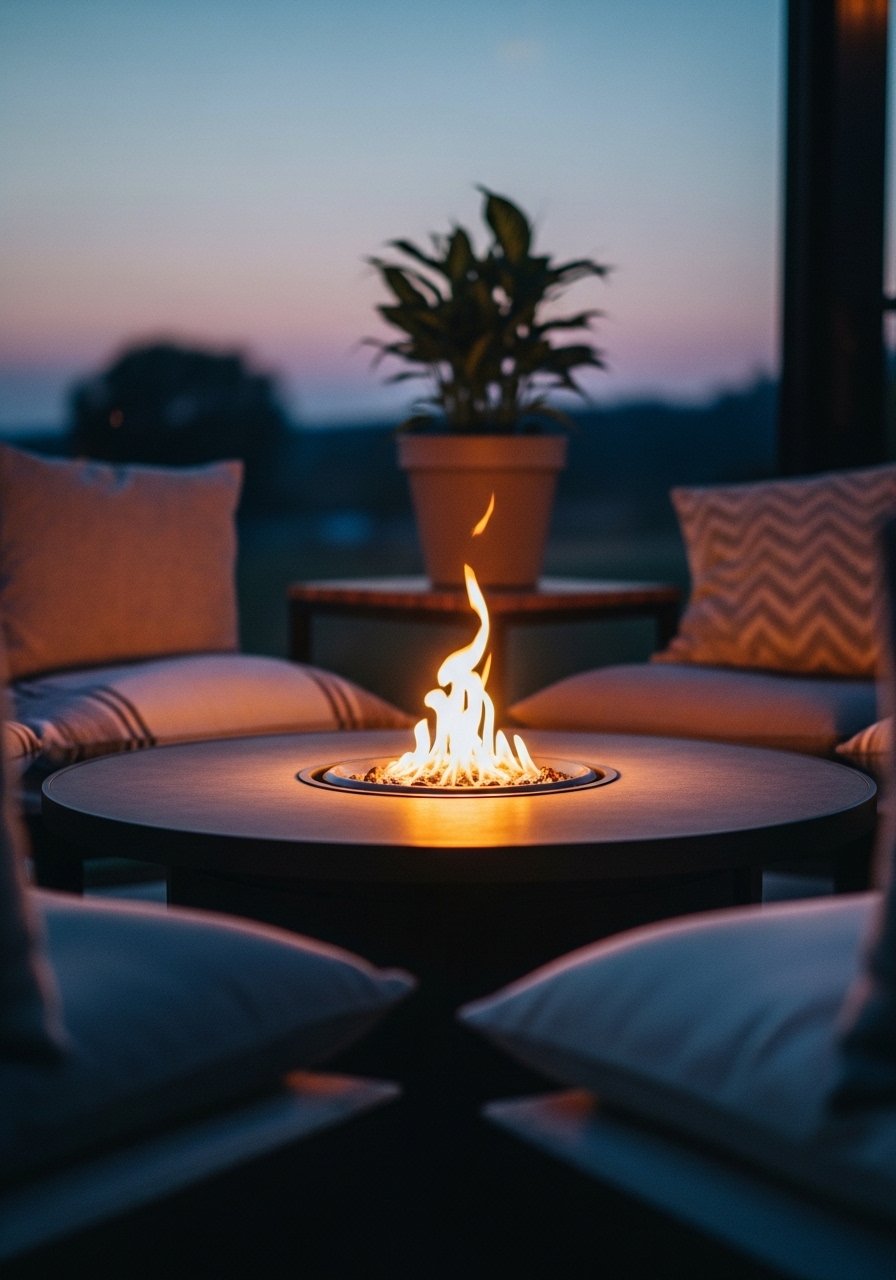
I added a small propane fire pit table and it extended patio use into chilly evenings. I made sure it fit code and is stable on my decking. Early on I picked a too-large unit that dominated the space—measure before buying.
It’s social and cozy without needing a full pit.
What You’ll Need for This Look
18. Foldable Daybed Cushions for Lounging
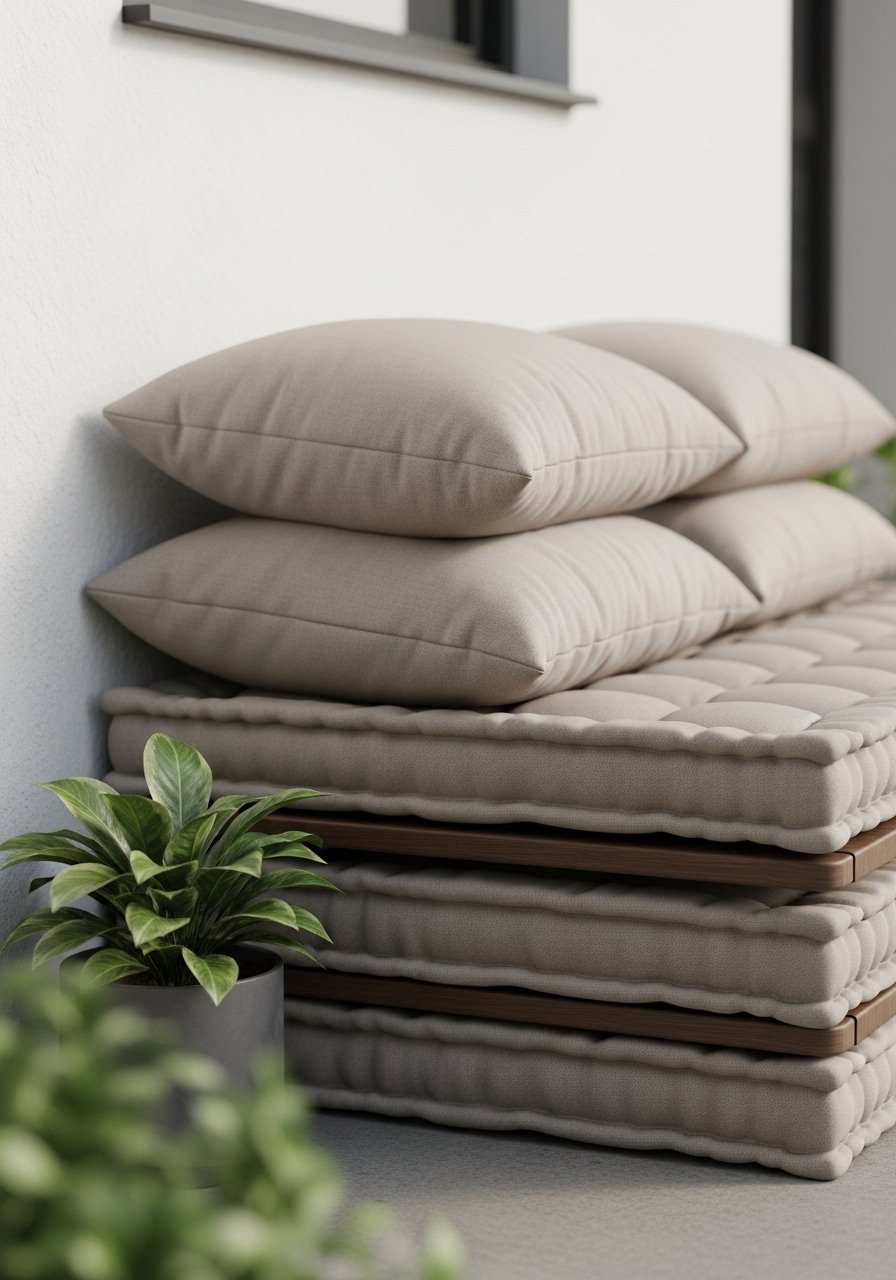
I made a foldable daybed from foam cushions that I bring out on sunny days. It stores easily and makes the patio feel luxe without bulk. I once bought non-waterproof cushions that mildewed—use quick-dry, outdoor fabric.
It’s a comfortable spot for reading or napping outdoors.
What You’ll Need for This Look
19. Pebble and Planter Arrangement for a Clean Look
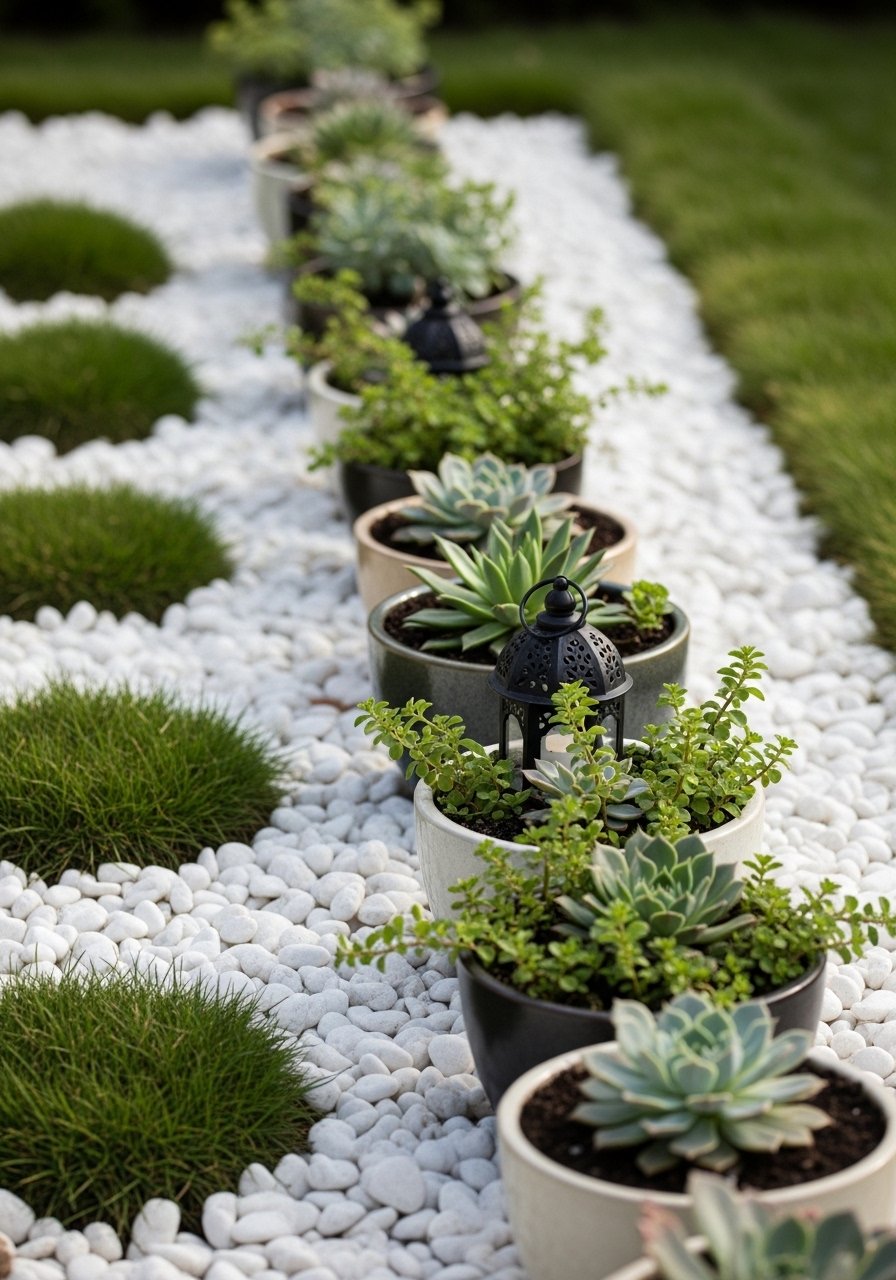
I cleared a corner, laid decorative pebbles, and grouped planters for a tidy, minimal display. At first I skipped a weed barrier and pulled weeds for weeks—use landscape fabric under the pebbles.
The clean base makes watering splashes less messy and highlights pots.
What You’ll Need for This Look
20. Compact Citrus Trees in Bold Pots
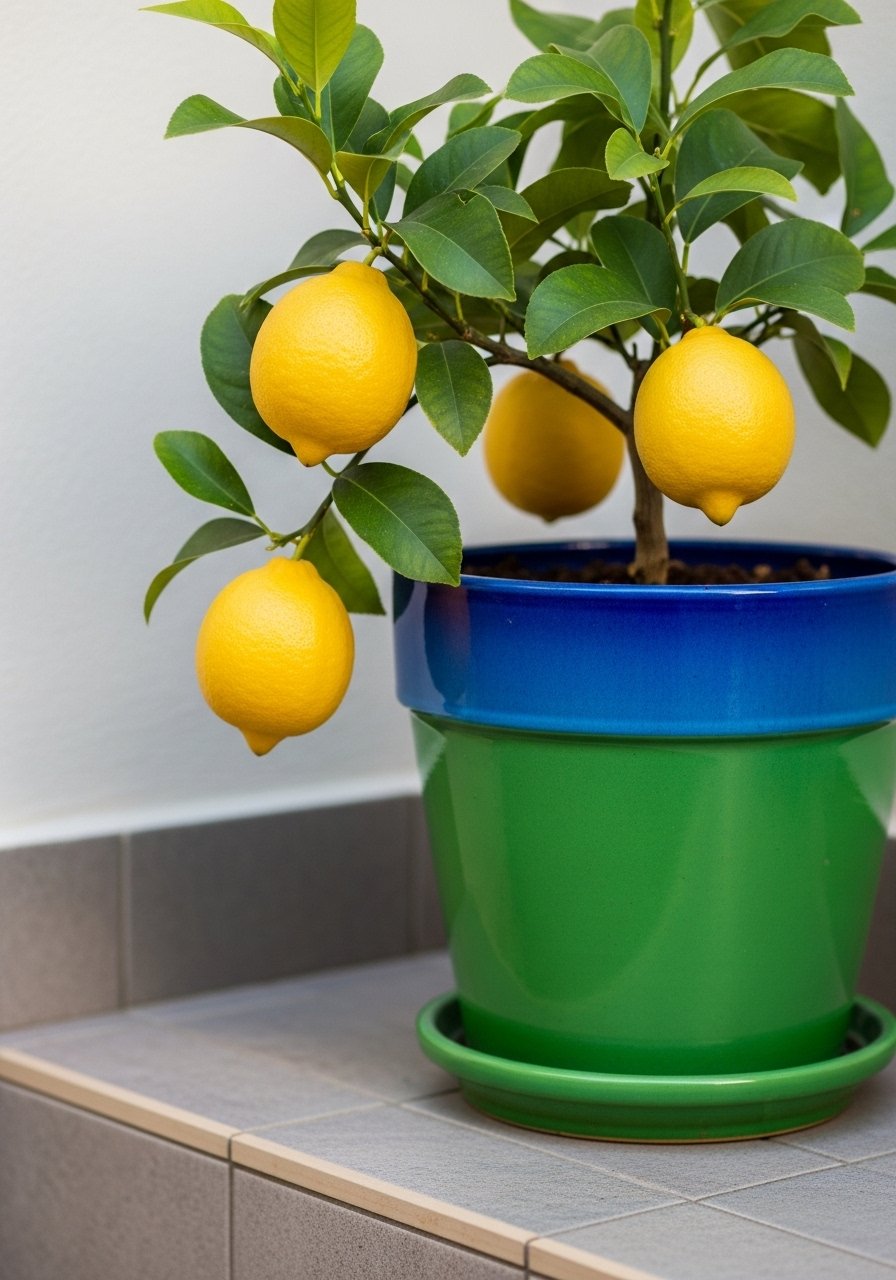
I grew a dwarf lemon in a large glazed pot and it gives me fruit and fragrance. My mistake was under-watering in summer; citrus needs more frequent checks in containers. I top-dress with fertilizer in spring and it rewards me with blooms.
A single citrus tree adds color and year-round interest.
What You’ll Need for This Look
21. Seasonal Planter Swaps for Year-Round Interest
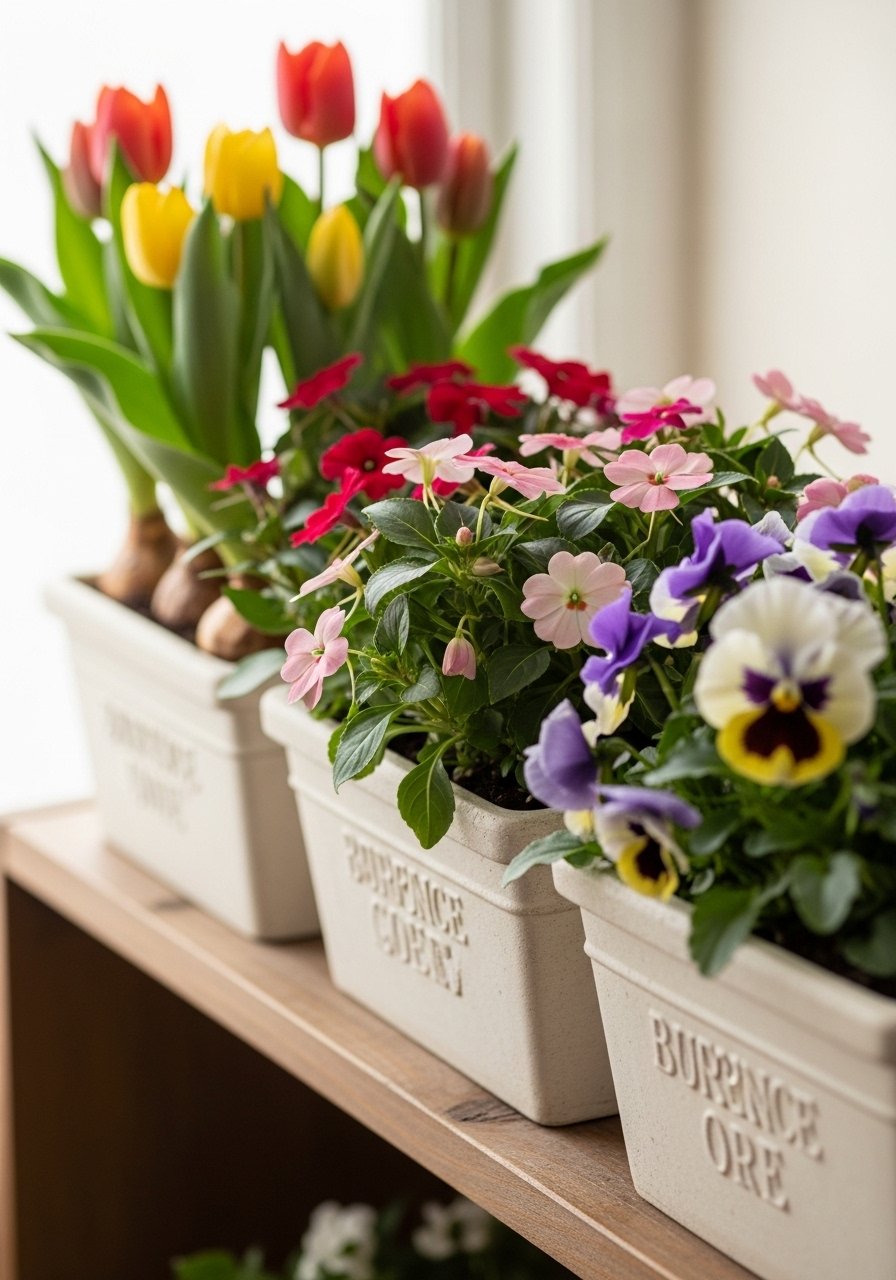
I rotate seasonal plants in the same planters—bulbs in spring, colorful annuals in summer, pansies in fall. Early on I overplanted and the pots looked crowded—now I plan spacing and remove spent blooms regularly.
Swapping seasonally keeps the patio fresh without buying new containers.
What You’ll Need for This Look
22. Small-Scale Edible Containers: Tomatoes and Chilies
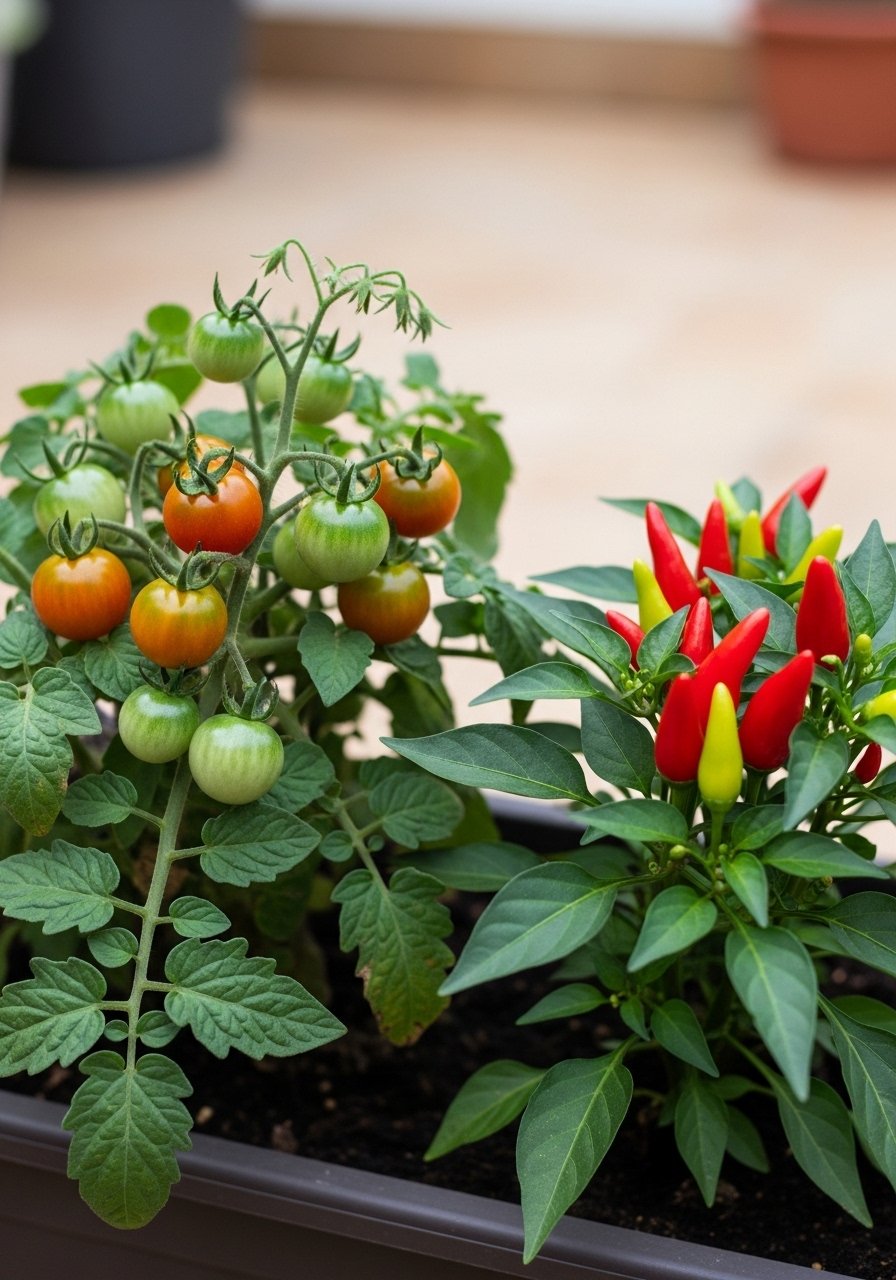
I grow patio tomatoes and chilies in large pots. I learned compact varieties are essential—full-size tomatoes flop or crowd. I stake and prune early, and the harvest is surprisingly generous.
Edible containers give you fresh flavor without a full garden bed.
What You’ll Need for This Look
23. Wall-Mounted Storage for Tools and Cushions
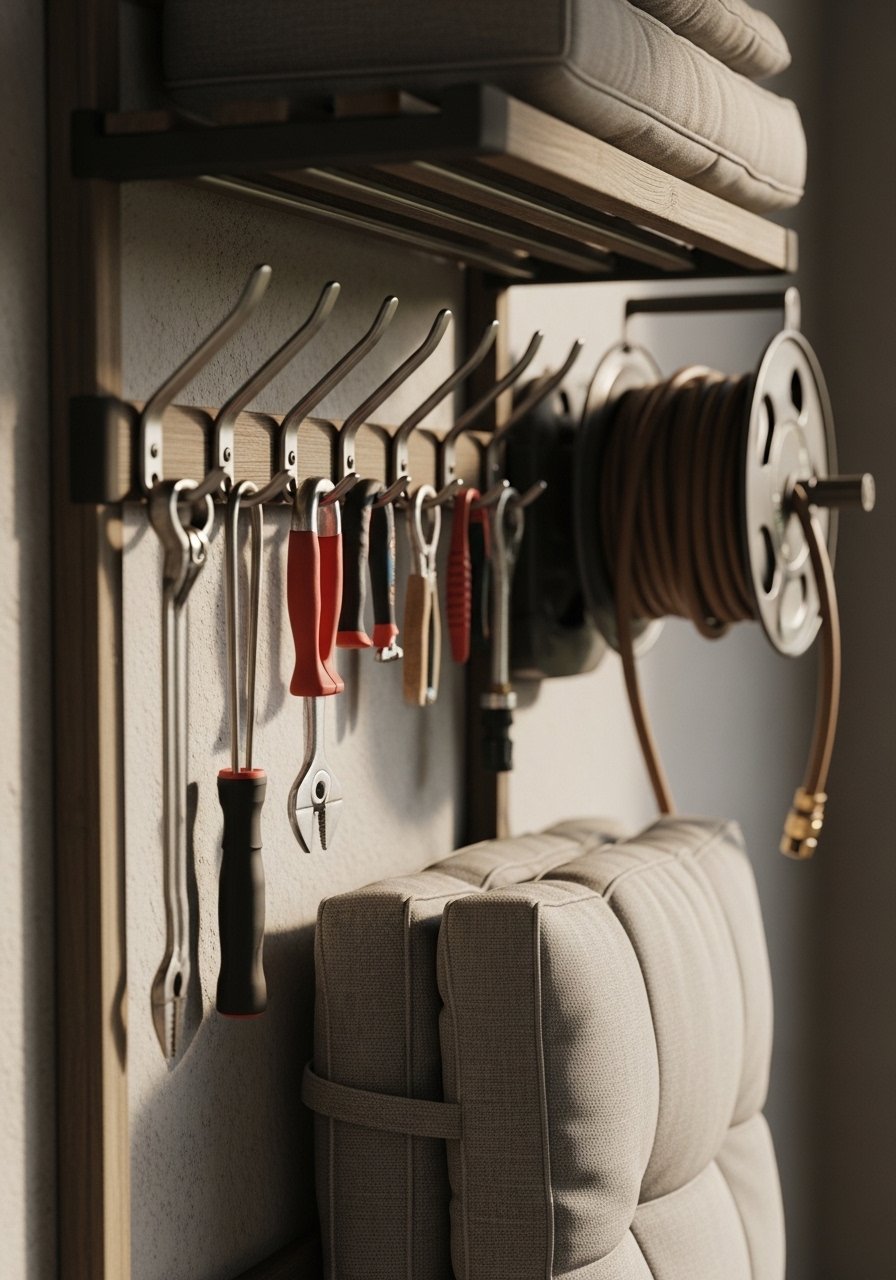
I installed a slim wall rack to hang tools and store cushions. Before that everything ended up on chairs. I once used indoor hooks that rusted—choose outdoor-grade hardware.
It keeps the floor clear and cushions dry when storms come through.
What You’ll Need for This Look
24. Solar Stake Lights to Outline the Space
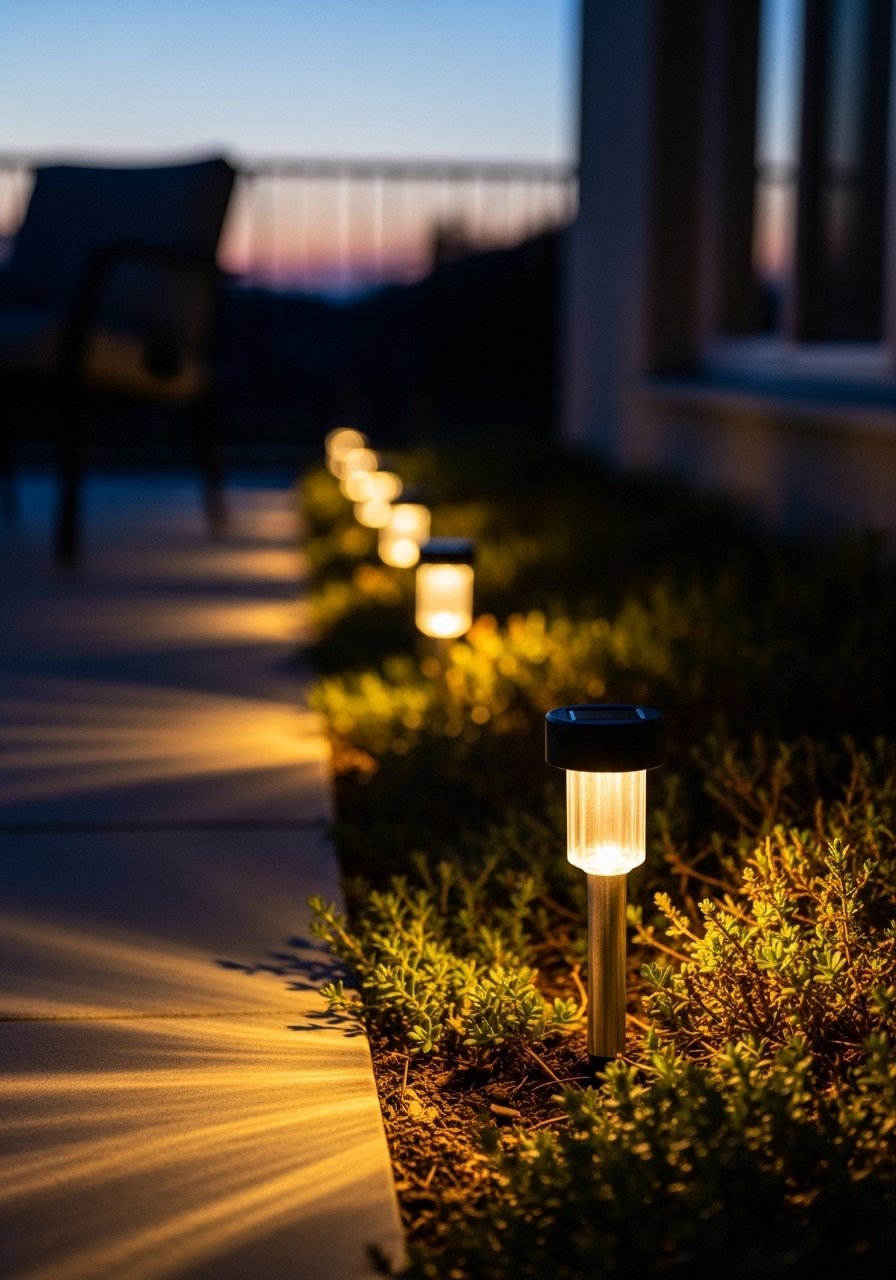
I pushed a few solar stake lights into pots and along the patio edge. They’re zero-maintenance—charge during the day and glow at night. I did once buy cheap ones that died after a season; now I pick ones with higher lumen ratings.
They outline paths and give soft, safe light.
What You’ll Need for This Look
25. Small Mosaic Stepping Stones as Art
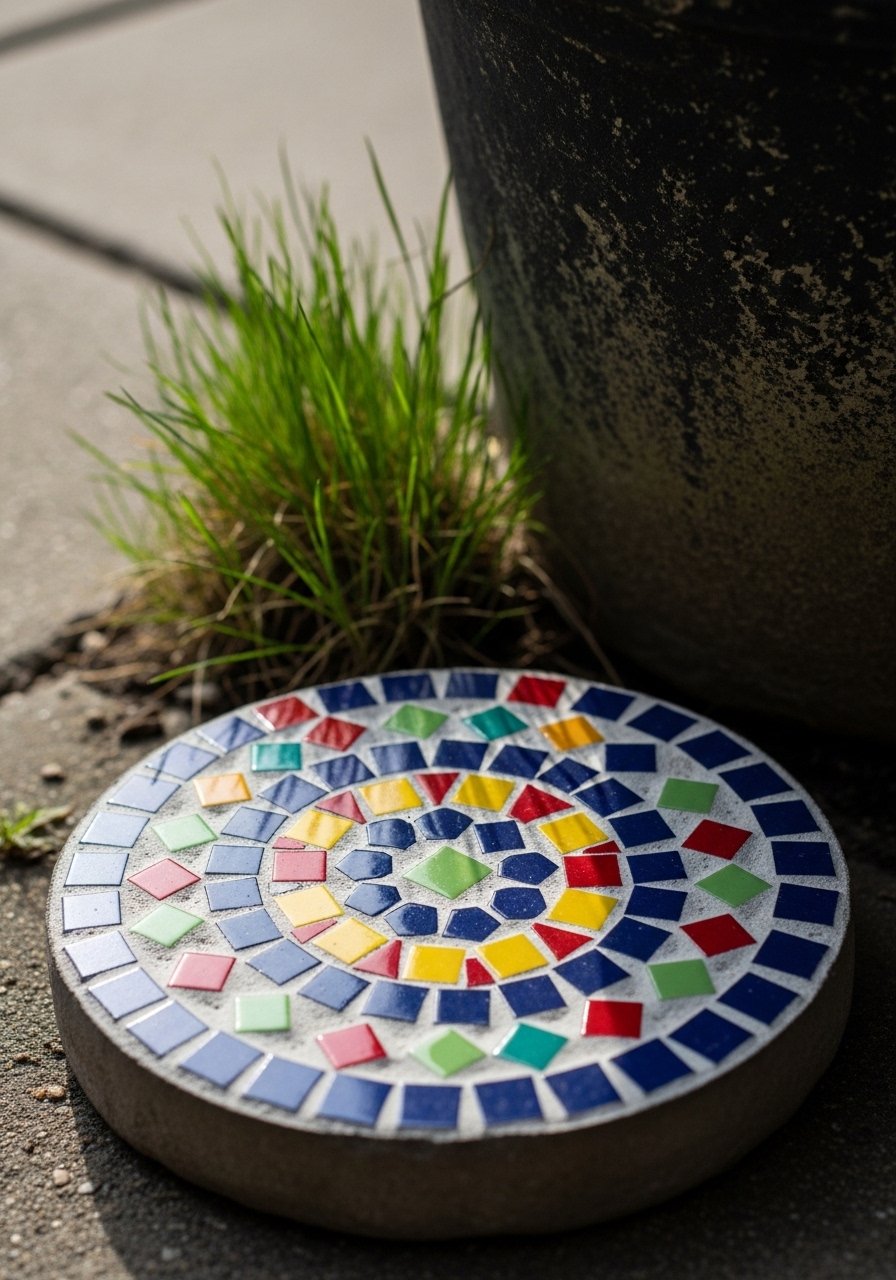
I made a few small mosaic stepping stones and placed them like art pieces between pots. My first attempt used grout that wasn’t weatherproof and it cracked—use outdoor grout. They add character and a handmade touch without taking space.
They make your patio feel curated and personal.
What You’ll Need for This Look
26. Bird Bath and Feeder for Neighborly Wildlife
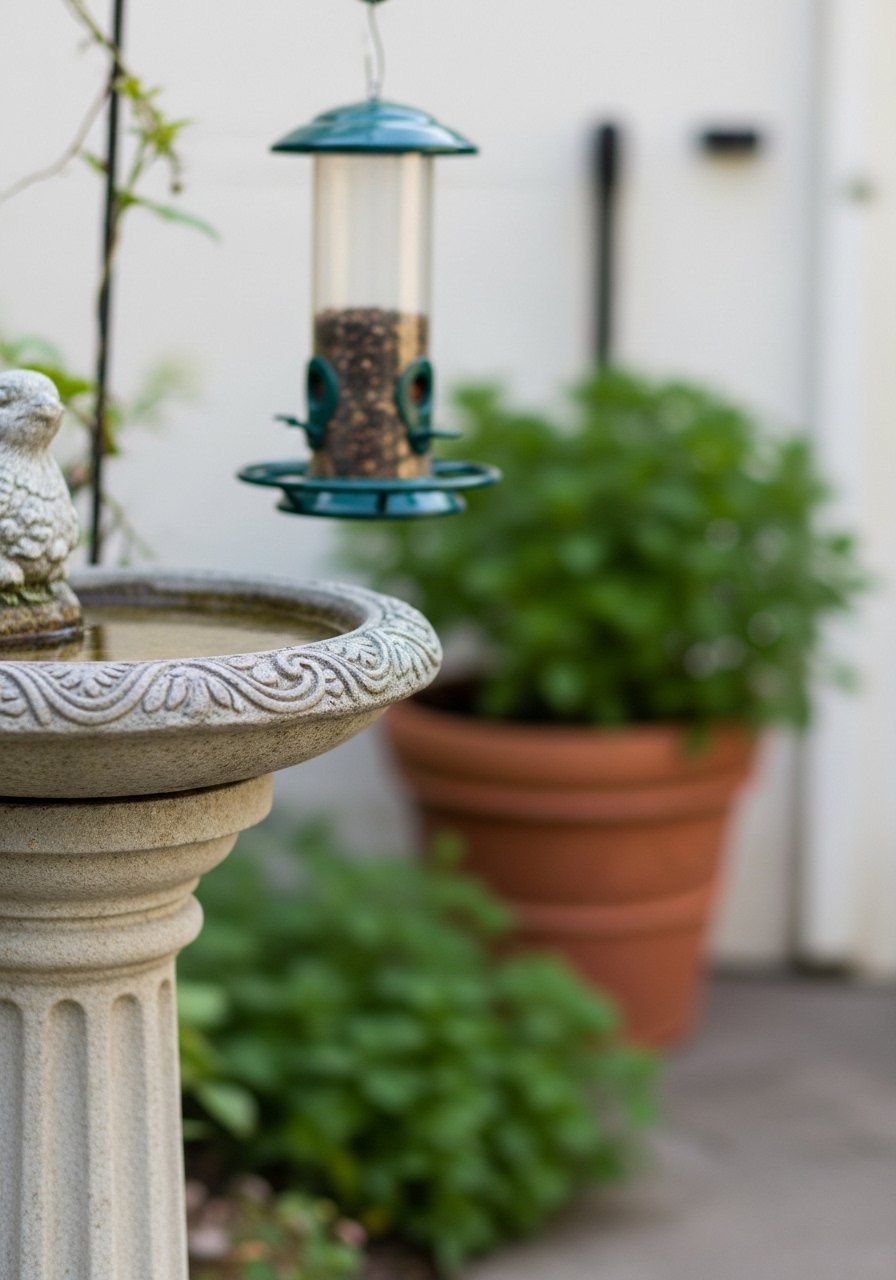
I added a shallow bird bath and a small feeder. Birds dropped by fast. I made the mistake of placing the bath too near a window and startled birds; now I set it where they can fly in safely.
Watching birds is a tiny daily joy and they help with pests.
What You’ll Need for This Look
27. Neutral Seating Accents to Tie It Together
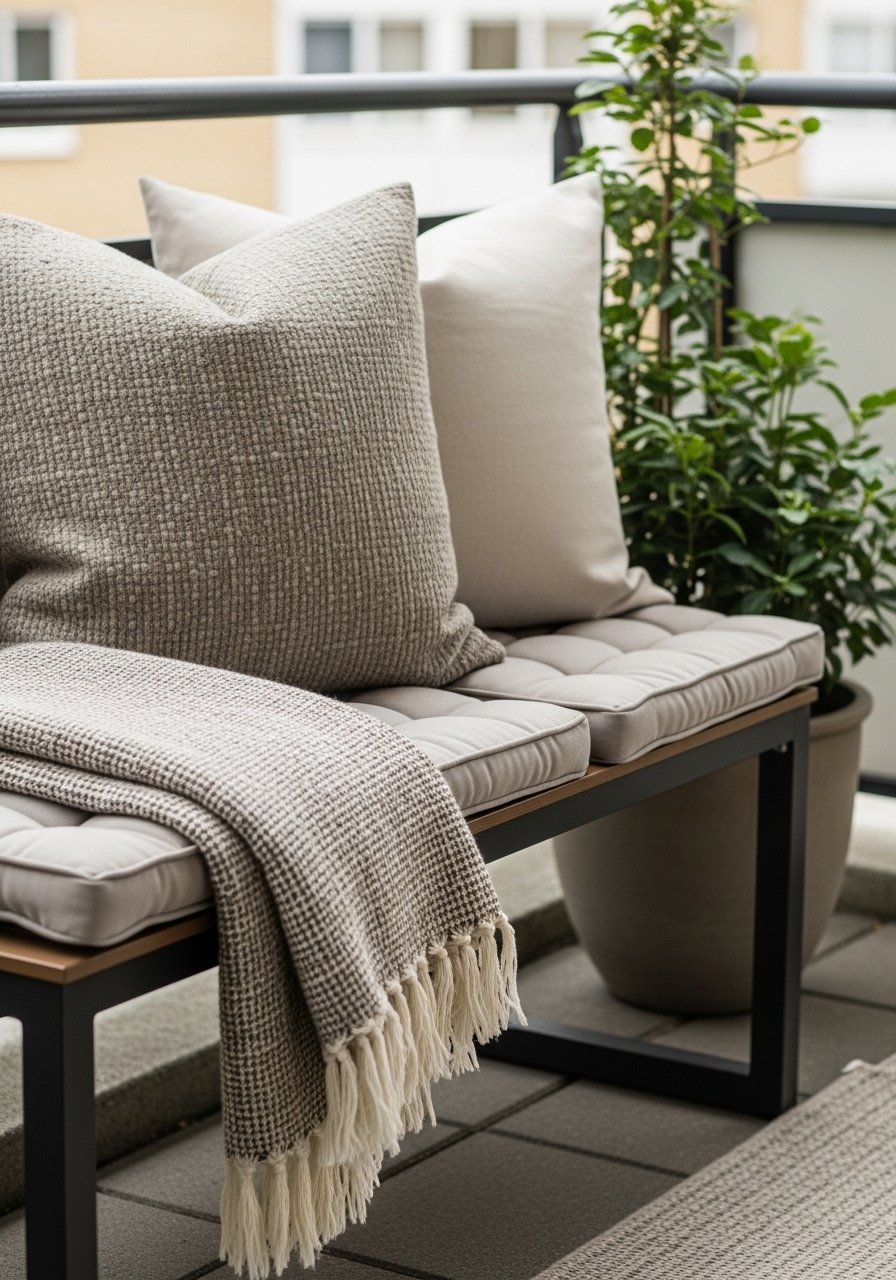
I finished my patio with neutral cushions and a woven throw. They make the plant colors pop and keep everything looking calm. I once bought bright patterns that competed with the plants—neutral tones feel more lived-in and lasting.
Good fabrics resist fading and dry quickly after rain.
What You’ll Need for This Look
Final Thoughts
You don’t need to do all 27. Pick one scene and make it work.
I learned patience makes the patio feel intentional, not cluttered.
Start small, keep it lived-in, and adjust as the seasons teach you.
Leave a Reply