Author: Colleen Grace

  • How to Style a Backyard Garden for Summer

    How to Style a Backyard Garden for Summer

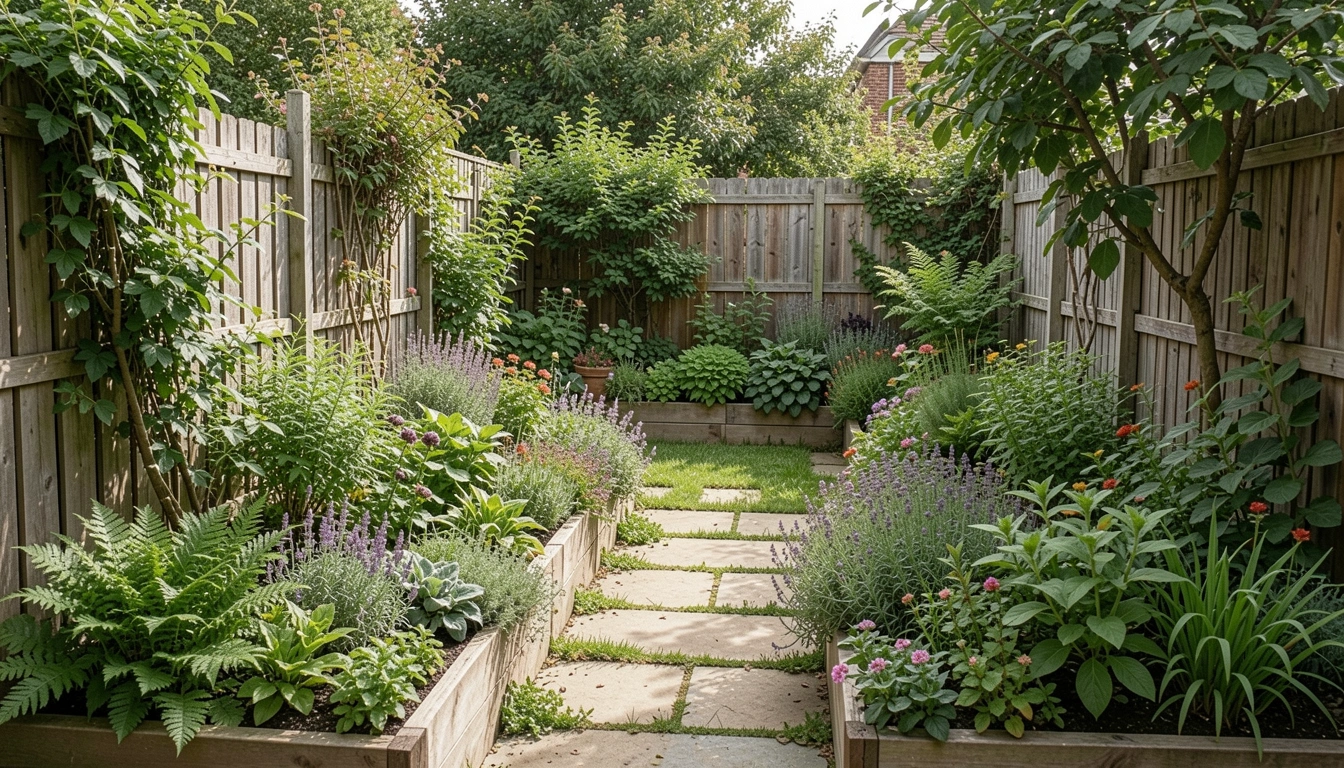
    Last summer, my backyard felt flat. Chairs sat empty. Plants leaned too far one way. I walked out there and just stared, not sure where to start.

    It happens every year. The space looks okay in spring, but by July, it's off-balance. Hot sun hits hard, and nothing pulls you in.

    I fixed it by stepping back and feeling the flow. You can too. It's about placement that settles right.

    How to Style a Backyard Garden for Summer

    This is the method I use every time a garden feels unfinished. You'll end up with a backyard that draws you outside on warm evenings. Balanced, comfortable, ready for summer.

    What You’ll Need

    Step 1: Clear and Assess the Flow

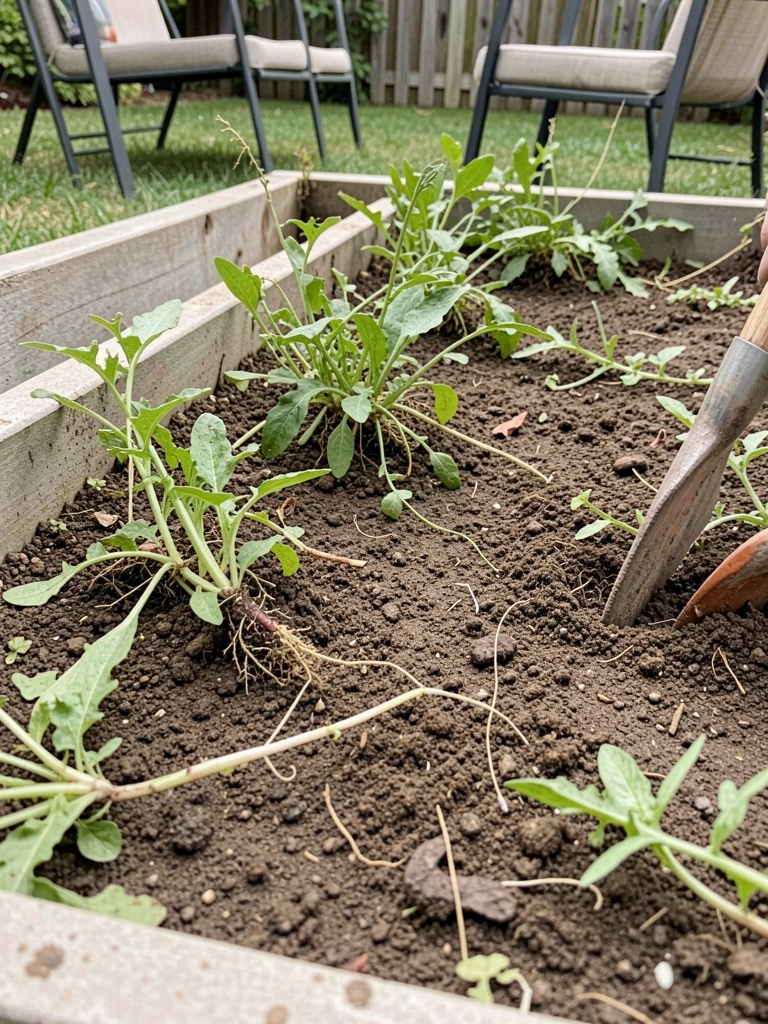
    I start by walking the space empty-handed. Pull weeds. Shift pots aside. Stand back and see where my eyes go naturally.

    This reveals dead spots. One corner always felt bare in my yard. Why? No height there. The flow stopped cold.

    People miss how sun shifts by noon. Test it—sit where you will. Avoid cramming everything against the fence; it crowds the air.

    Now it breathes. Visual change: open paths invite steps forward.

    Step 2: Anchor with Height and Structure
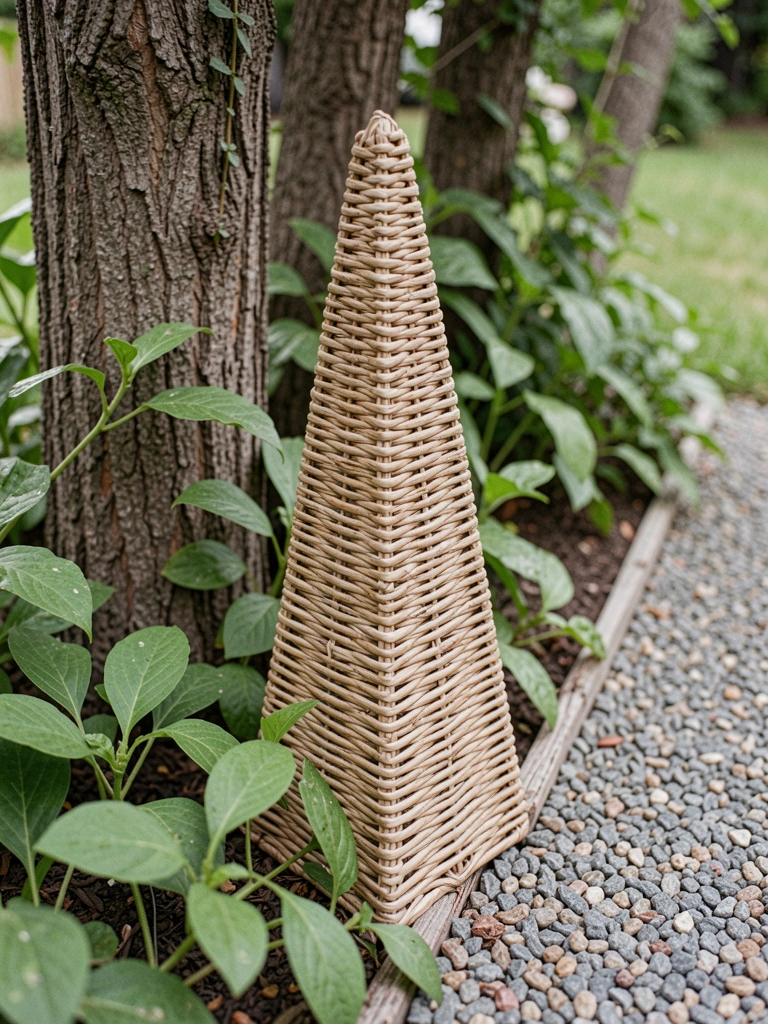
    I pick one tall piece per zone. Like that willow obelisk in the back bed. It pulls the eye up without shouting.

    Why? Summer sun flattens low plants. Height adds balance. My yard went from squat to layered.

    Most forget to angle it slightly toward the seating. Straight on feels stiff. Don't bury it in bushes—give it space to stand alone.

    Visually, the space lifts. Corners feel held together.

    Step 3: Layer Plants for Texture
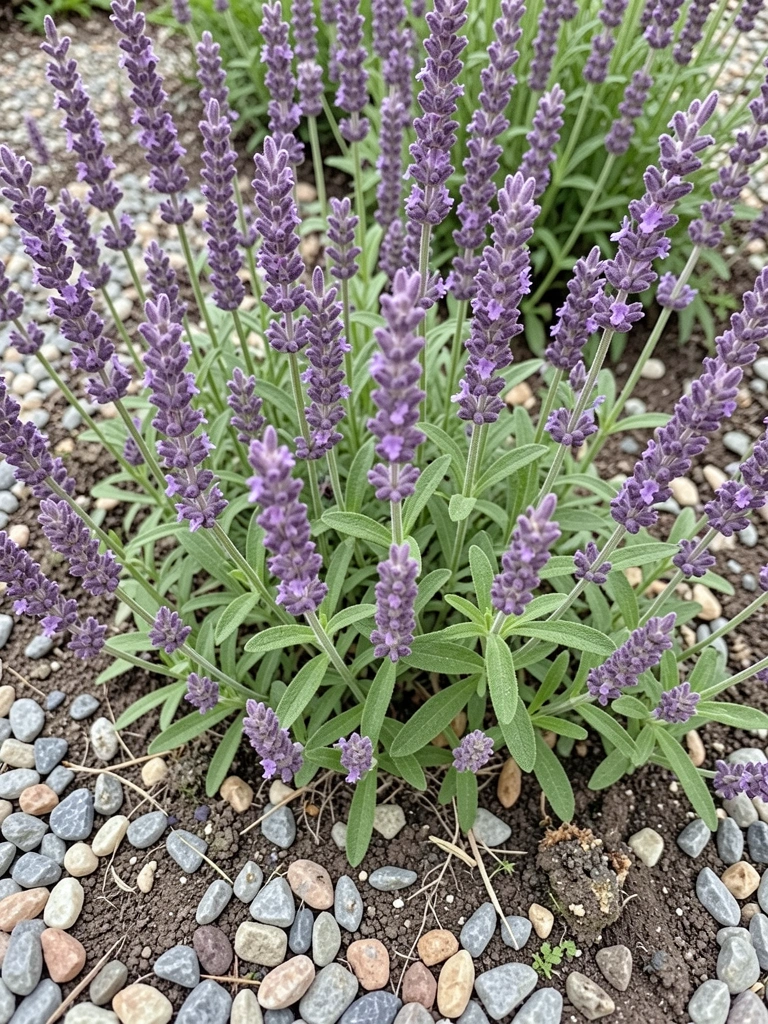
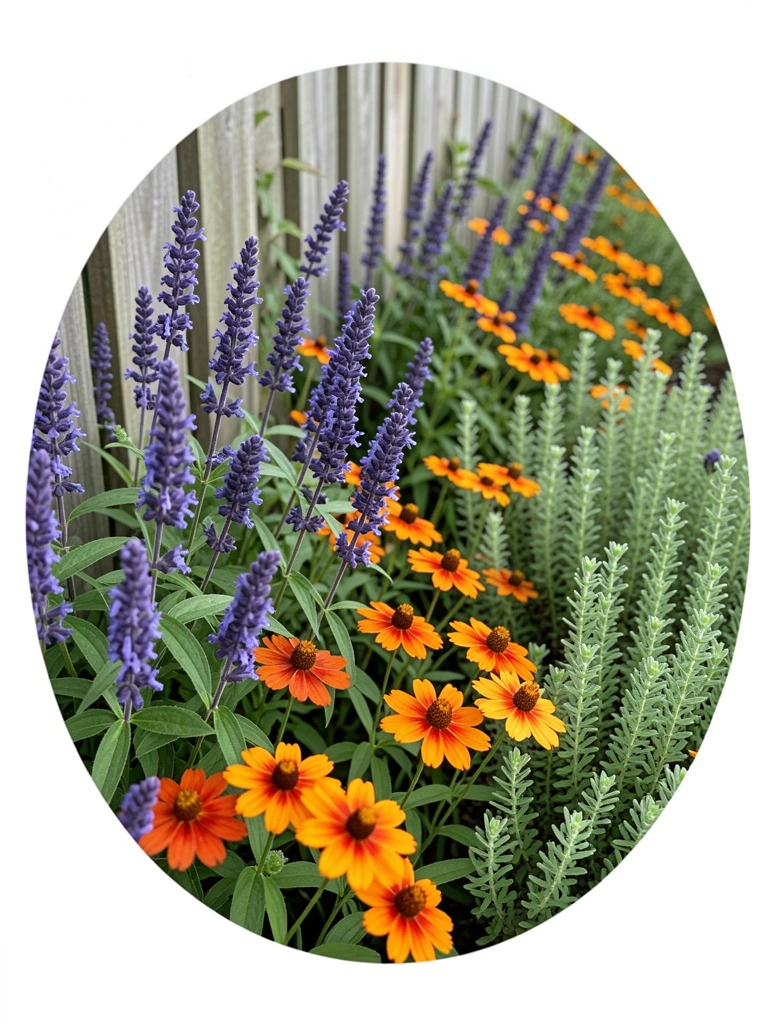
    I tuck in summer bloomers next. Lavender low, salvia mid-height. Cluster them odd numbers—three feels right.

    This builds depth. Hot days make colors pop against green. My patio side softened instantly.

    Insight: pair soft textures with spiky ones. All fluffy flops flat. Skip matching every plant perfectly; variety settles the eye.

    Change: beds look full but not jammed. Breezes move through easy.

    Step 4: Place Seating Where It Fits
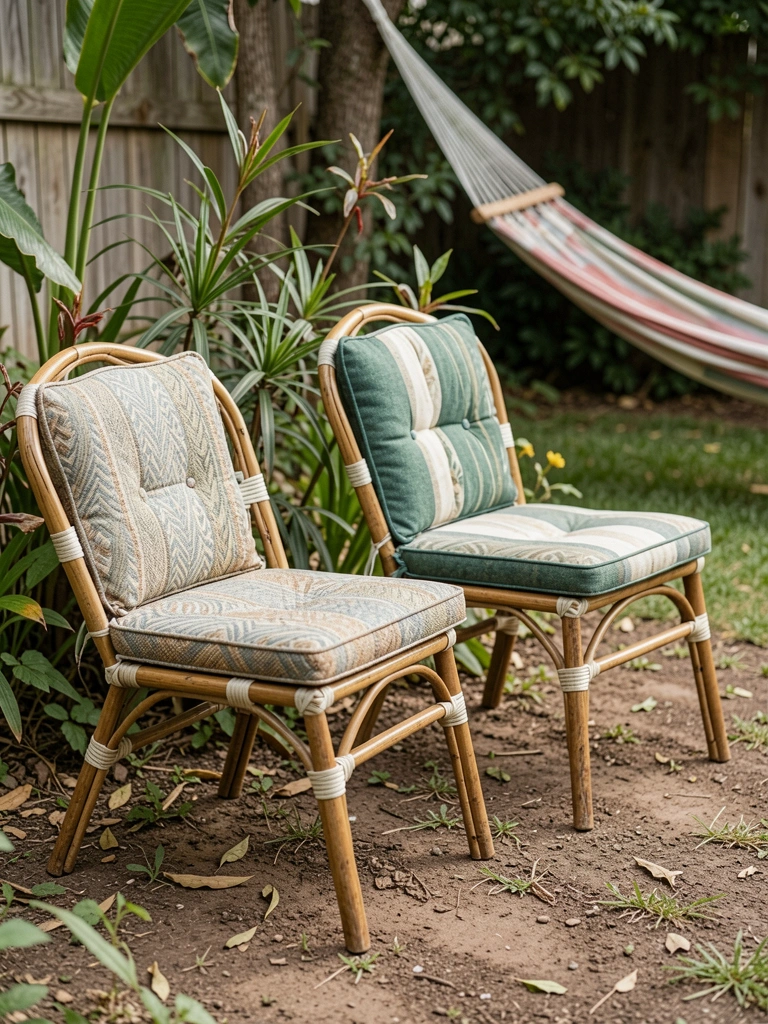
    Chairs go where paths lead naturally. Mine fit best facing the obelisk. Hammock hangs off to the side.

    Balance pulls people in. Empty spots vanish. Summer evenings call you to sit.

    Folks overlook sightlines—test from every chair. Avoid lining up rows; curve them for flow.

    Now the yard holds you. Visual shift: cozy pockets amid green.

    Step 5: Add Ground Glow and Finish
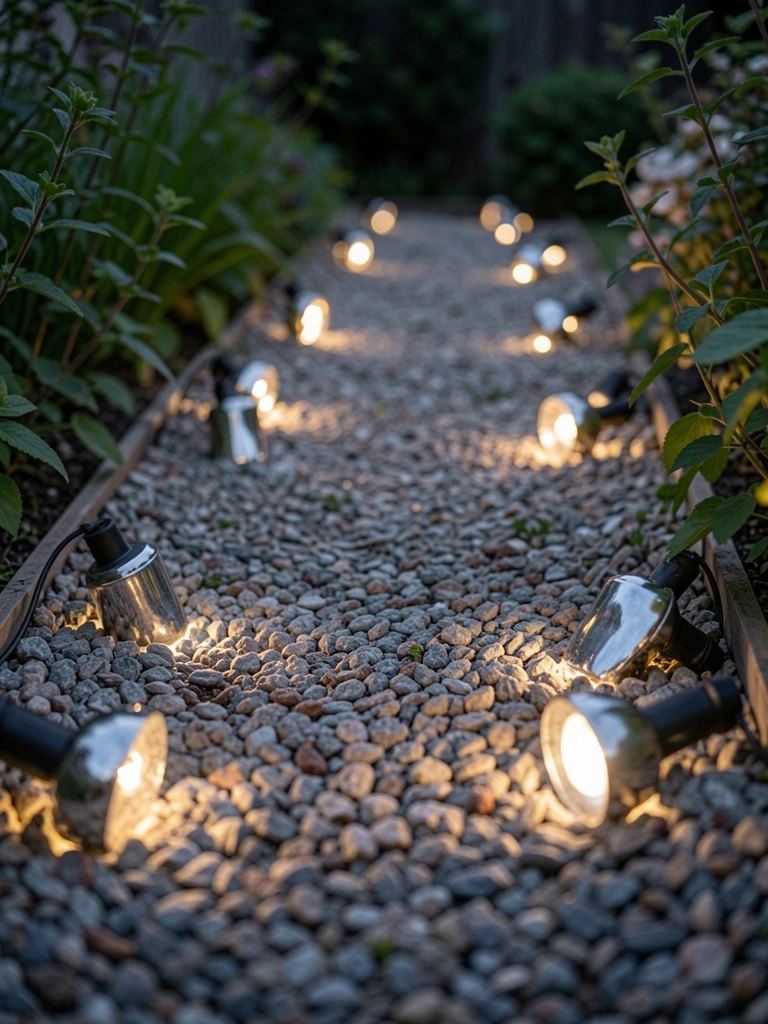
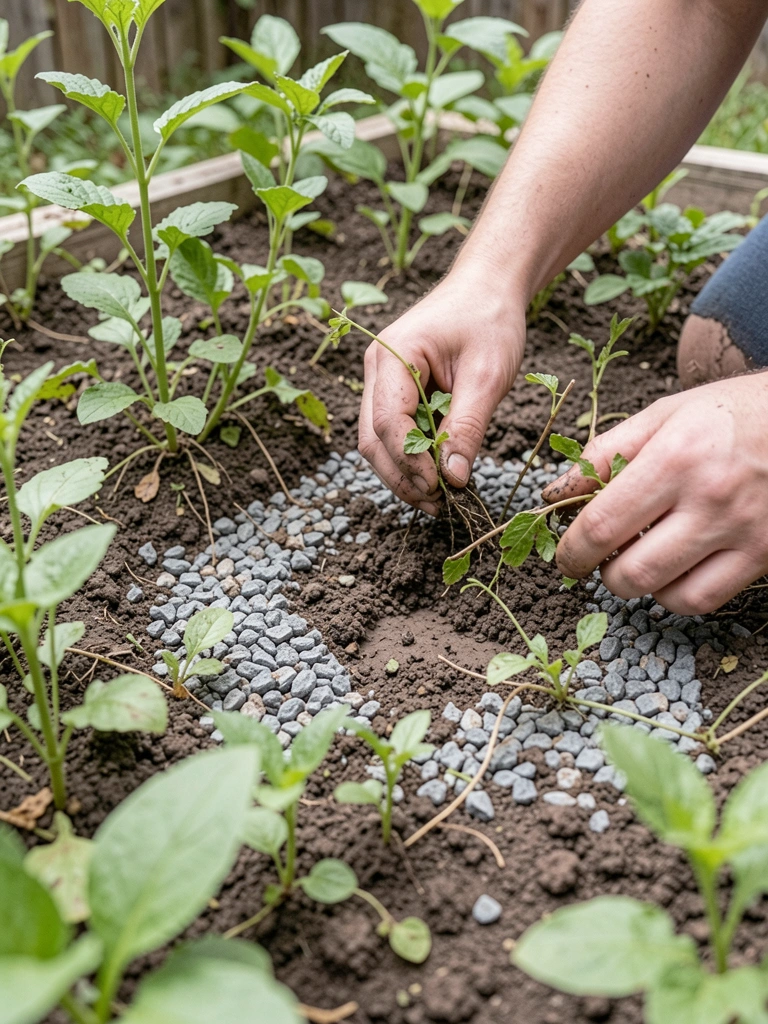
    Last, drop in path lights. Tuck gravel around bases. They catch evening light low.

    Why? Night reveals balance issues. Glow guides without glare.

    Missed tip: space them unevenly for rhythm. Even lines feel rigid. Don't overload—five max keeps it calm.

    End result: yard flows from day to dusk, settled and sure.

    Summer Plants That Hold Up

    I stick to tough bloomers. They take heat without fuss.

    Lavender hums with bees. Salvia spikes add punch. Both shrug off dry spells.

    • Lavender: Trim after bloom for bushier regrowth.
    • Salvia: Deadhead to stretch flowers into fall.
    • Mix in grasses for sway.

    These fill without overwhelming. I've watched them thrive through 90-degree weeks.

    Simple Ways to Balance Colors

    Colors guide the feel. I lean cool blues against hot walls.

    Blue salvia cools the eye. Lavender warms it gently. Green ties it.

    Too much yellow fries out. Test handfuls in pots first.

    • Blues for shady corners.
    • Purples near seating.
    • Limit to three shades total.

    This keeps summer vibrant, not chaotic. My yard stays restful.

    Handling Uneven Backyard Spots

    Slopes and patches trip me up. I level pots on bricks.

    Bare corners get obelisks first. Mulch hides roots.

    Windy areas? Anchor tall plants deep.

    • Rake gravel to even paths.
    • Cluster low growers on dips.
    • Check after rain.

    These tweaks make odd yards work. Mine feels even now.

    Final Thoughts

    Start with one bed. Feel the shift before adding more.

    You've got this—your backyard knows what it wants.

    By fall, it'll still pull you out. Just lived-in right.
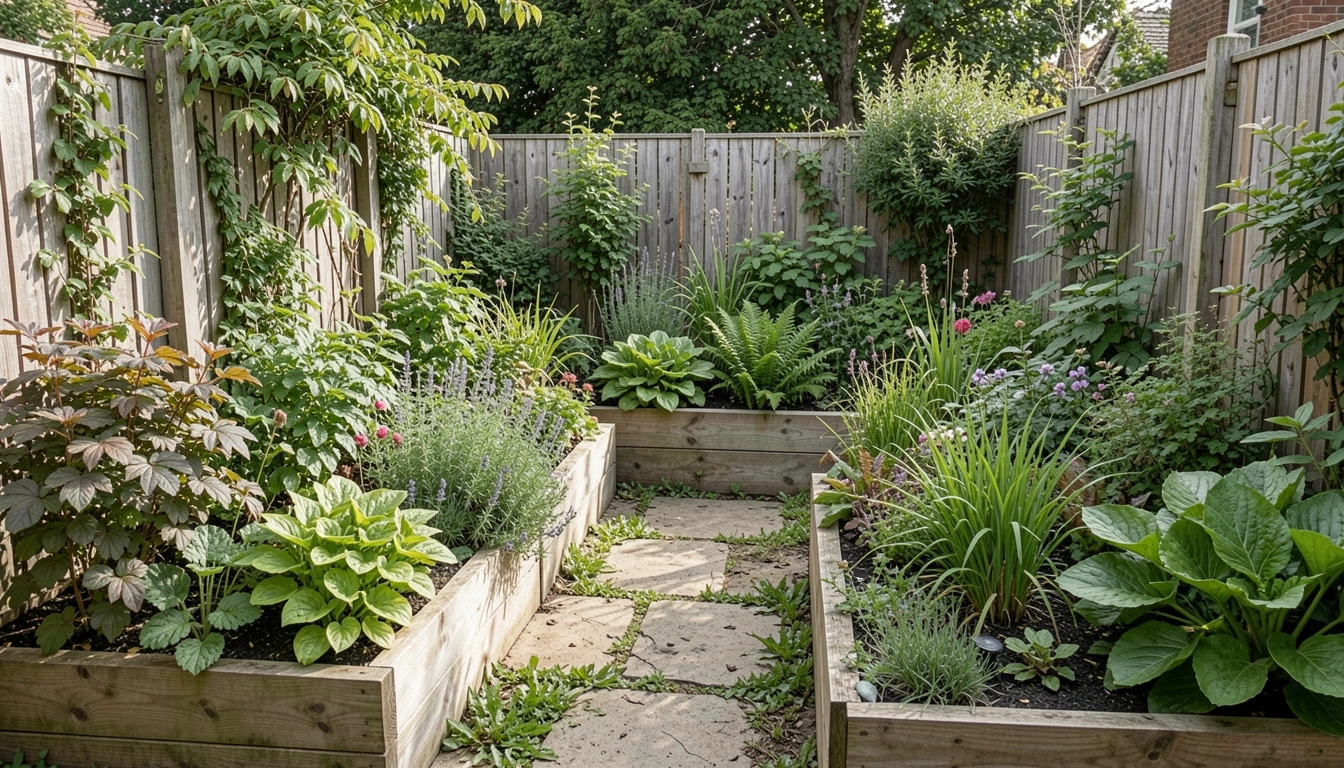
  • How to Build a Backyard Garden on a Budget

    How to Build a Backyard Garden on a Budget

    I stared at my bare backyard last spring. Grass was thin. Corners empty. I wanted green but my wallet said no.

    I'd tried pots before. They tipped. Plants died. The space still felt off.

    Then I started small. Layered what I had. Now it holds together.

    How to Build a Backyard Garden on a Budget

    This guide shows you how to shape a backyard that feels full and balanced. Using cheap finds and divisions. You'll end up with a steady garden that grows on its own.

    What You’ll Need

    Step 1: Map Your Space for Balance

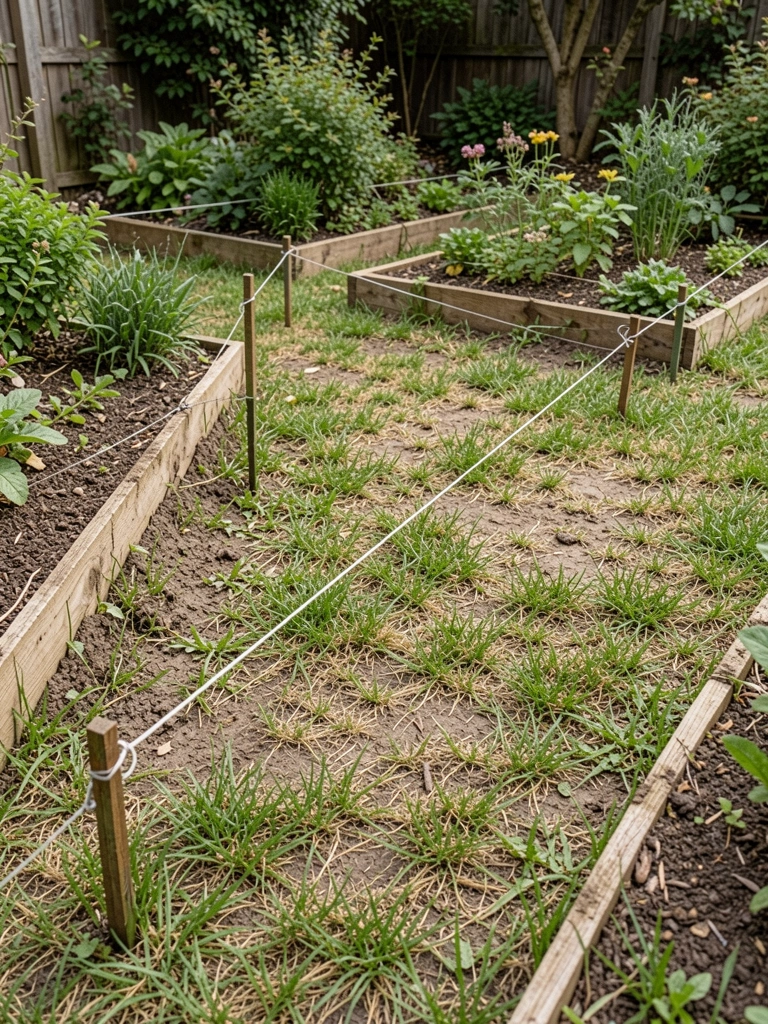
    I walk the yard first. Note sun paths. Wind spots. Mark beds with string where they hug fences or paths.

    Visually, empty dirt turns outlined. Shapes emerge. It feels less chaotic.

    People miss how paths guide eyes. Keep yours 2 feet wide. Avoid cramming plants edge-to-edge. That blocks flow.

    Don't plant against house walls yet. Wait till beds settle.

    Step 2: Build Simple Beds

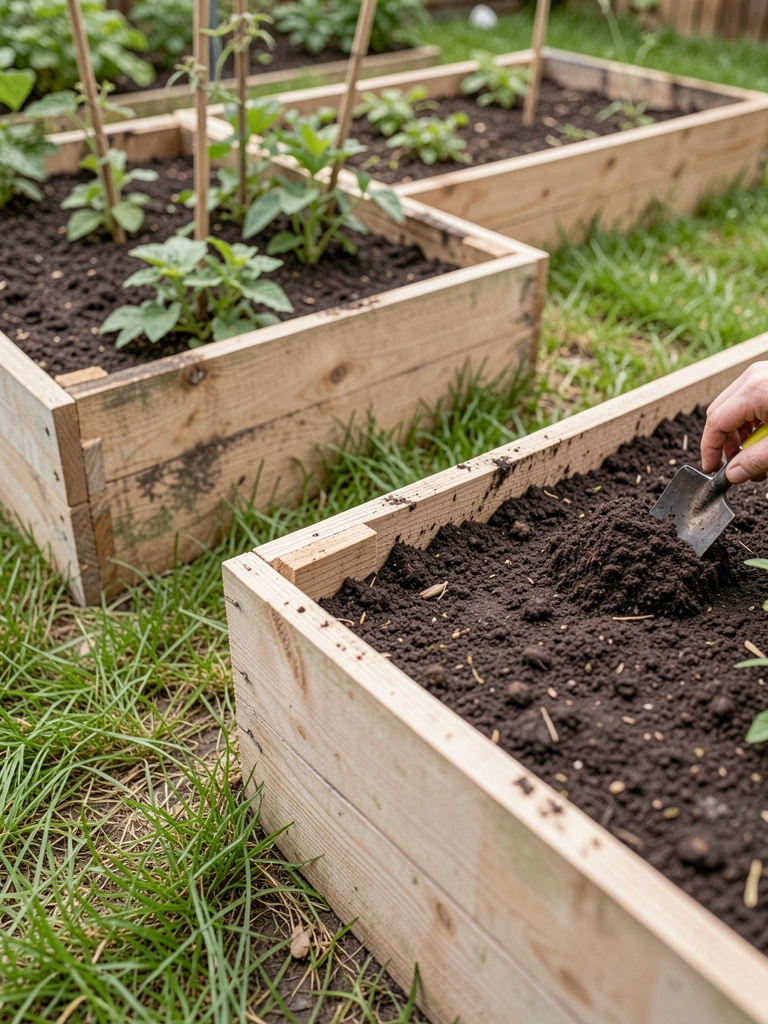
    I dig shallow trenches. Set frames level. Fill with coir and soil. They ground the space.

    Now beds stand solid. Dirt looks contained. Backyard breathes easier.

    Insight: Beds lift plants above weeds. Most skip this and fight grass forever.

    Mistake to dodge: Overfill frames. Soil sinks. Re-level later.

    Step 3: Plant Backbone Perennials

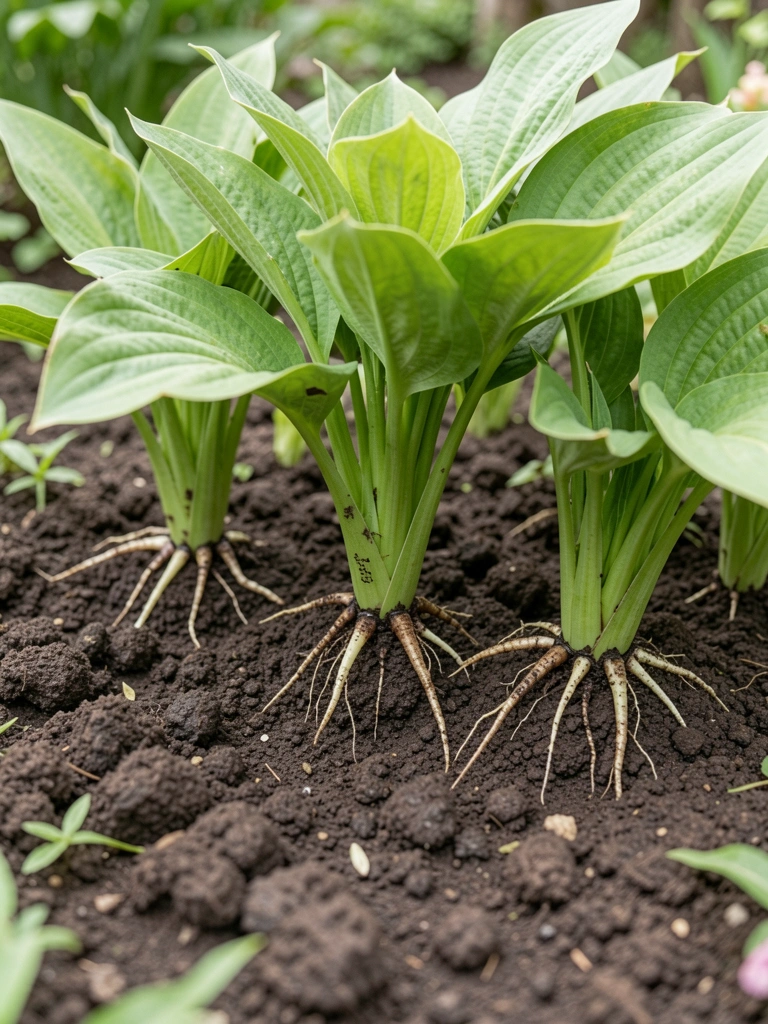
    I space hostas in back rows. Taller ones center. They anchor without fuss.

    Greens layer up. Space shifts from flat to deep. Balanced.

    Folks overlook divisions. Split mine from neighbors. Free backbone.

    Skip annuals first. They fade. Perennials hold year-round.

    Step 4: Layer Seeds and Fillers

    I tuck seeds between plants. Veggies in bags up front. They fill gaps quick.

    Colors pop soft. Textures mix. Feels full, not crowded.

    Missed tip: Thin seedlings early. They compete otherwise.

    Avoid full sun seeds in shade. They stretch and flop.

    Step 5: Mulch for Finish

    I rake mulch even. Two inches thick. Covers bare spots.

    Weeds hide. Soil stays moist. Garden looks clean, settled.

    People forget edges. Mulch to paths. Ties it neat.

    Don't pile against stems. That rots roots.

    Choosing Budget Plants That Last

    I pick perennials and self-seeders. They come back free.

    Hostas for shade. Marigolds edge sunny spots.

    • Daylilies divide easy. Plant once.
    • Nasturtiums trail pots. Edible too.

    Veggies like lettuce reseed. Keeps it going.

    Handling Common Setbacks

    Patches yellow? Check water. Even soak, not daily splash.

    Weeds pop? Pull young. Mulch smothers rest.

    • Pests on leaves: Hose off mornings.
    • Too dry: Add coir yearly.

    It evens out. Adjust as you watch.

    Expanding Without Spending More

    Once settled, divide plants. Move to bare corners.

    Swap seeds with neighbors. Builds layers slow.

    Use clippings for cuttings. Root in water.

    Stays balanced. Grows your way.

    Final Thoughts

    Start with one bed. Watch it root.

    You'll see the feel shift. Steady green.

    Your backyard waits. Hands in dirt fix most.

  • 15 Rustic Backyard Garden Design Ideas

    15 Rustic Backyard Garden Design Ideas

    I used to stare at my backyard and see nothing but patchy grass and clay dirt. Then I leaned into rustic touches—rough stones, old wood, plants that spread on their own. It warmed up fast.

    No fancy budget needed. Just honest layers that settle in over time.

    Now it feels like a spot I actually use, not just look at.

    15 Rustic Backyard Garden Design Ideas

    Here are 15 rustic backyard garden design ideas pulled from my own yard work. They're straightforward, forgiving for beginners, and built to last through real weather.

    1. Winding Stone Path Lined with Creeping Thyme

    I laid a simple stone path last spring to connect my patio to the shed. Used flat fieldstones from a local haul, edged with gravel. Planted creeping thyme between the cracks—it spreads low and fills in without mowing.

    The path softened the yard's edges right away. Walking on it barefoot feels cushy now, and the thyme releases that herby smell when brushed.

    Watch the stones' size; too big and they shift in rain. I wedged smaller ones underneath for stability.

    In summer, bees love it. Low fuss once established.

    What You’ll Need for This Look

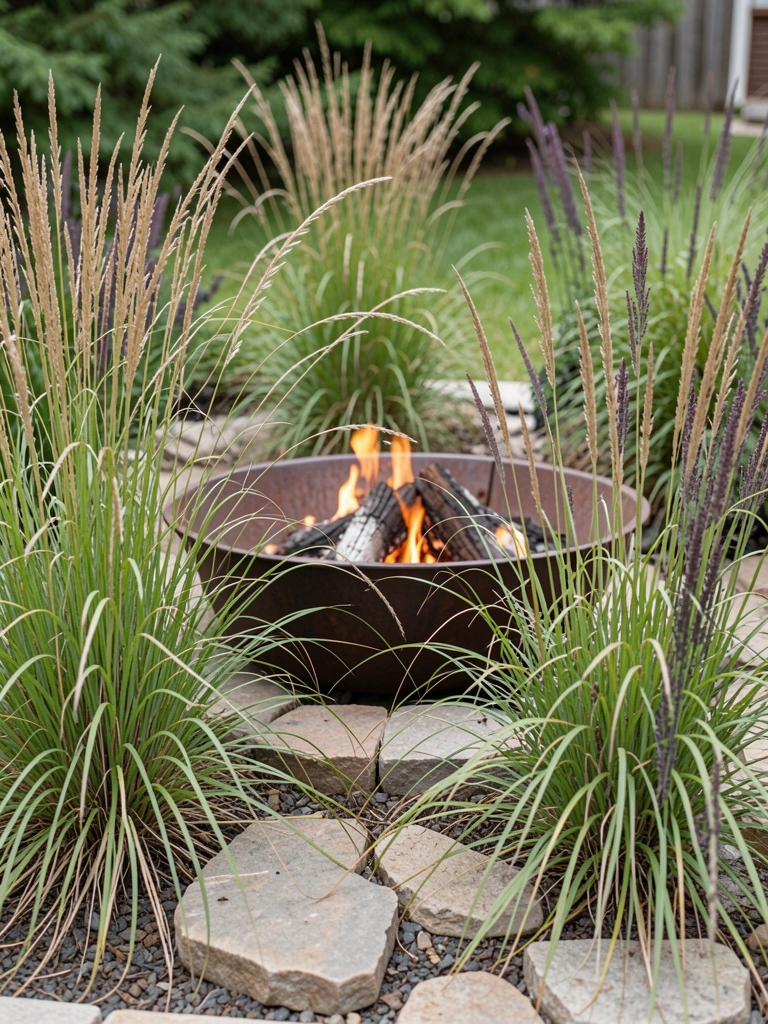
    2. Cozy Fire Pit Ringed by Native Grasses

    My fire pit started as a metal ring sunk into gravel. I surrounded it with native grasses like switchgrass—they sway in wind without much care.

    Evenings there feel enclosed and calm. The grasses screen it from the fence, adding height without blocking views.

    I overplanted at first; they crowded the pit. Thinned them out last fall.

    Grasses die back in winter but bounce green in spring. Perfect for lazy gardeners.

    What You’ll Need for This Look

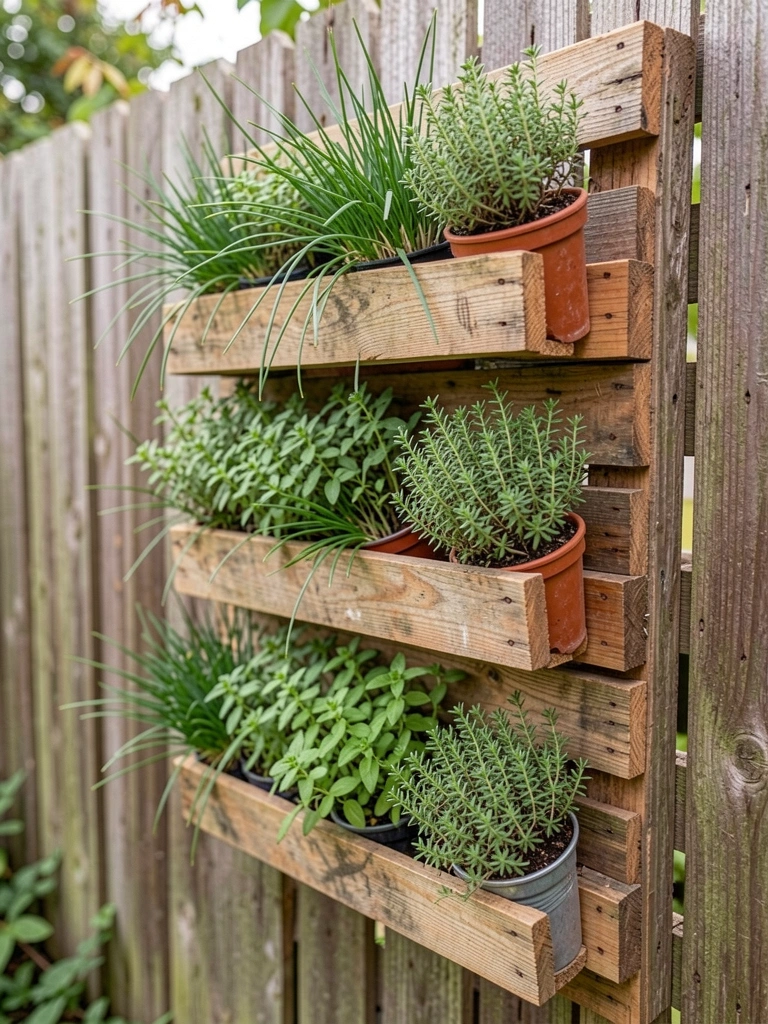
    3. Vertical Pallet Herb Wall Against the Fence

    I propped an old pallet against my back fence and stapled landscape fabric for pockets. Stuffed in herbs like chives and oregano—they cascade over edges.

    It turned dead fence space into fresh smells year-round. Snip for cooking without trekking far.

    Forgot to line the back fully; soil leaked first season. Added plastic sheeting after.

    Herbs stay compact, no sprawling mess.

    What You’ll Need for This Look

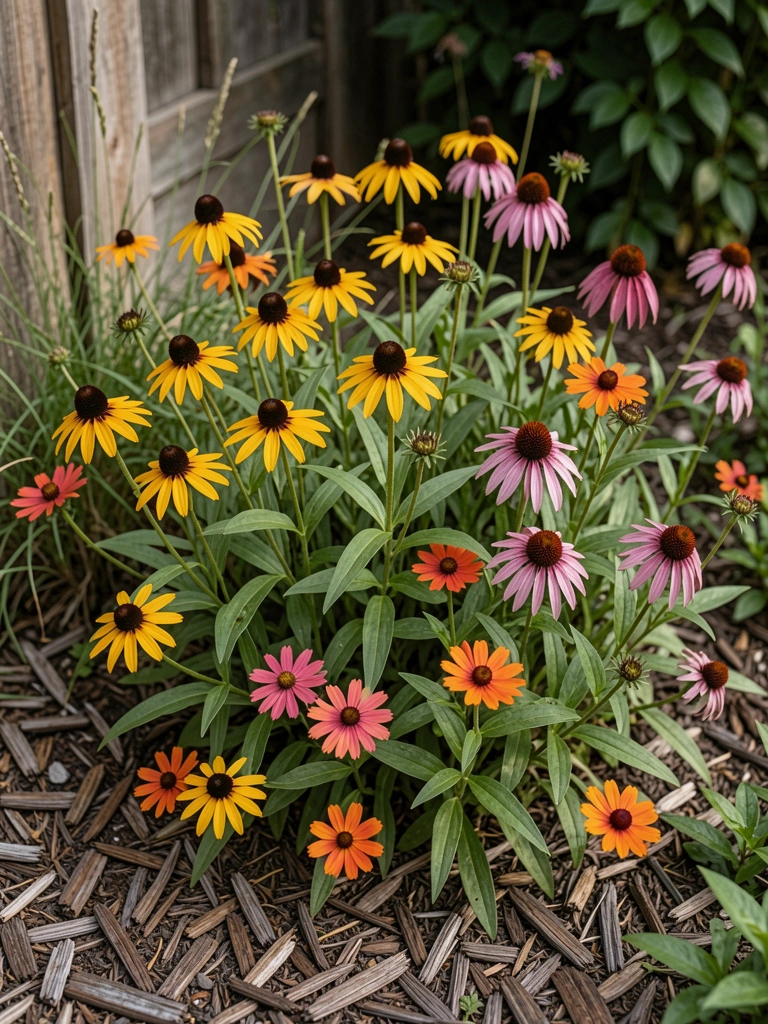
    4. Wildflower Meadow in a Shaded Corner

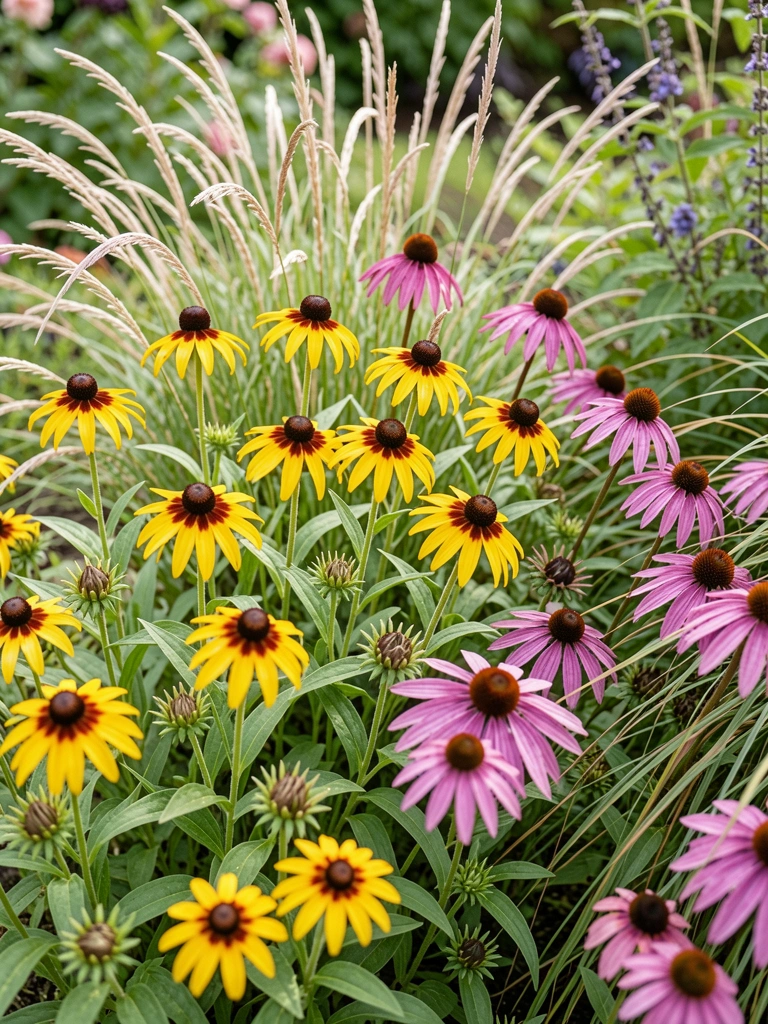
    Cleared a shady corner for a wildflower patch—black-eyed Susans and coreopsis self-seed now. Just scatter seeds yearly.

    It draws butterflies, softens the fence line. Feels wild but contained.

    Weeds snuck in early; mulched heavily to smother them.

    Blooms fade naturally—no deadheading chore.

    What You’ll Need for This Look

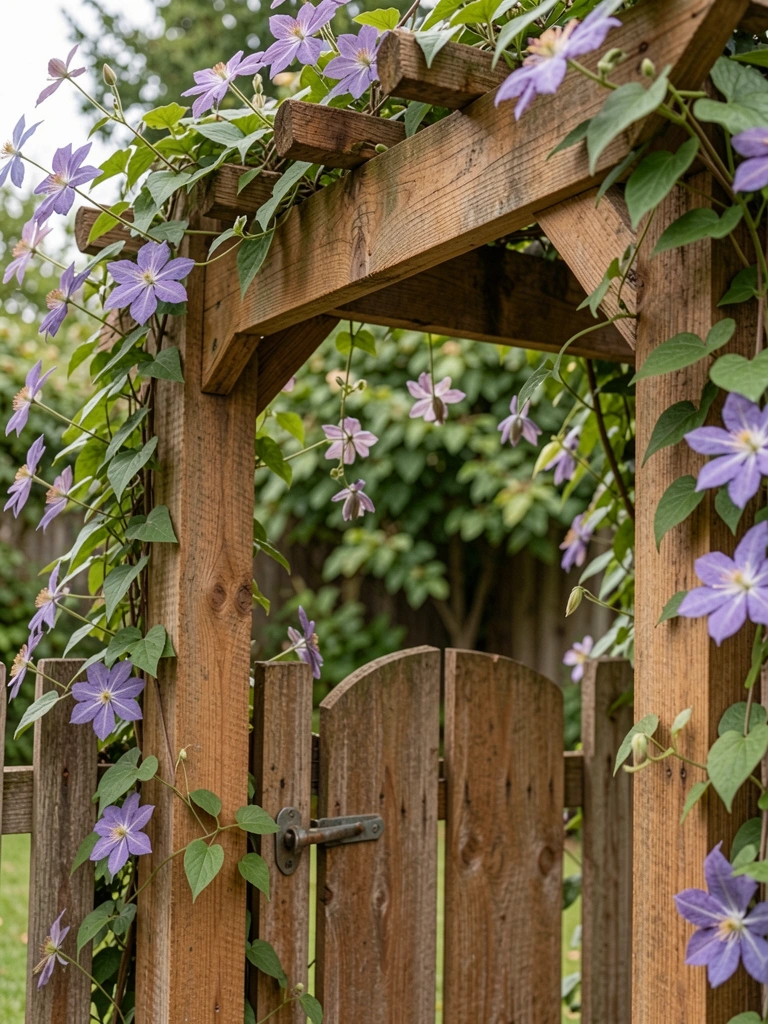
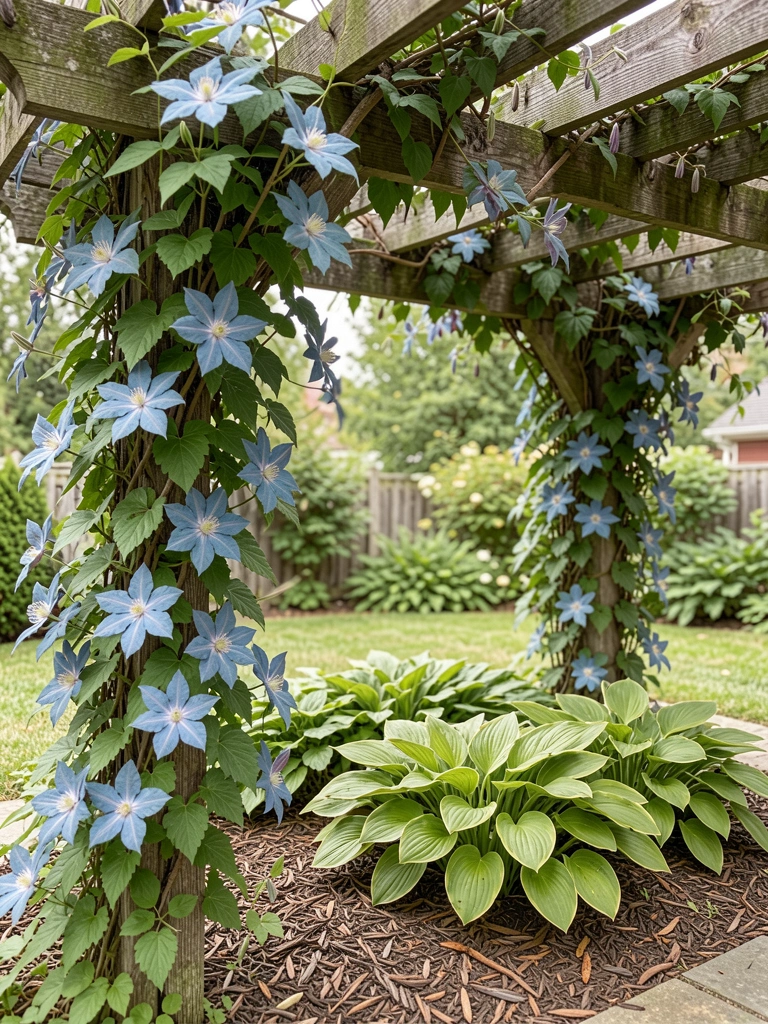
    5. Rustic Wooden Arbor Over a Side Gate

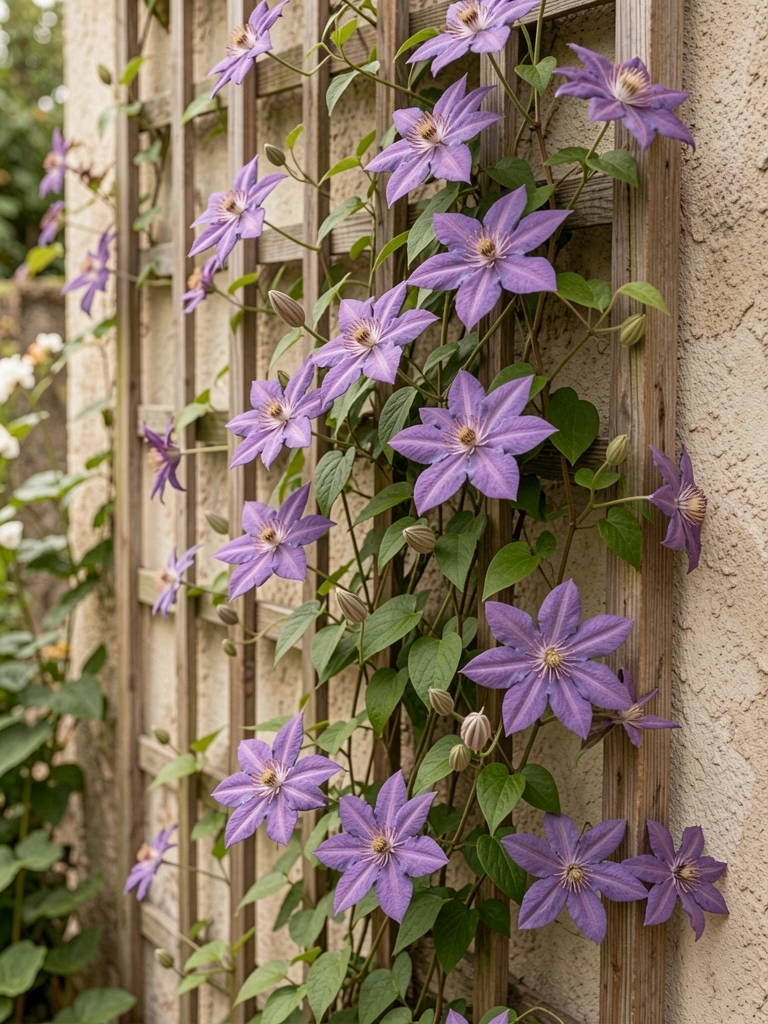
    Built a simple arbor from 4×4 posts over my side gate. Planted clematis at the base—it climbs fast.

    Now entering feels like stepping through a green frame. Blooms purple in summer.

    Used untreated wood; it grayed nicely but check for rot yearly.

    Vines shade the gate path too.

    What You’ll Need for This Look

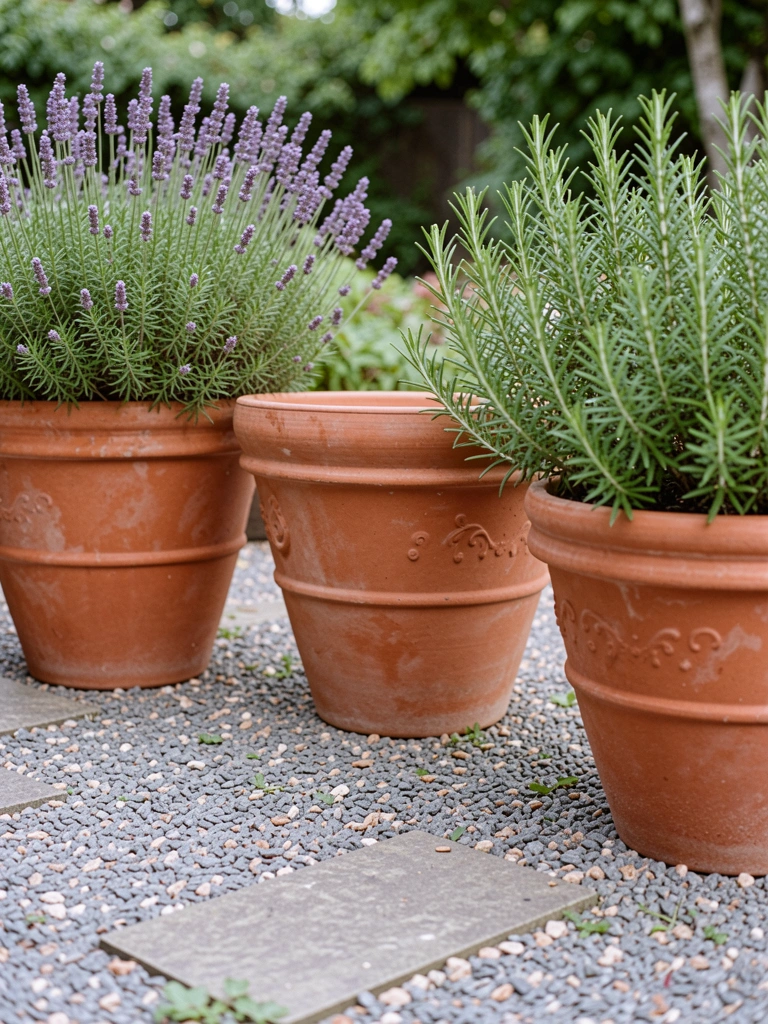
    6. Gravel Patio with Oversized Terracotta Pots

    Dug out grass for a gravel patio, grouped big terracotta pots with lavender and rosemary.

    It made seating feel grounded, not floating. Pots warm up soil for herbs.

    Pots cracked in freeze; chose thicker ones next time.

    Drainage is key—gravel handles rain well.

    What You’ll Need for This Look

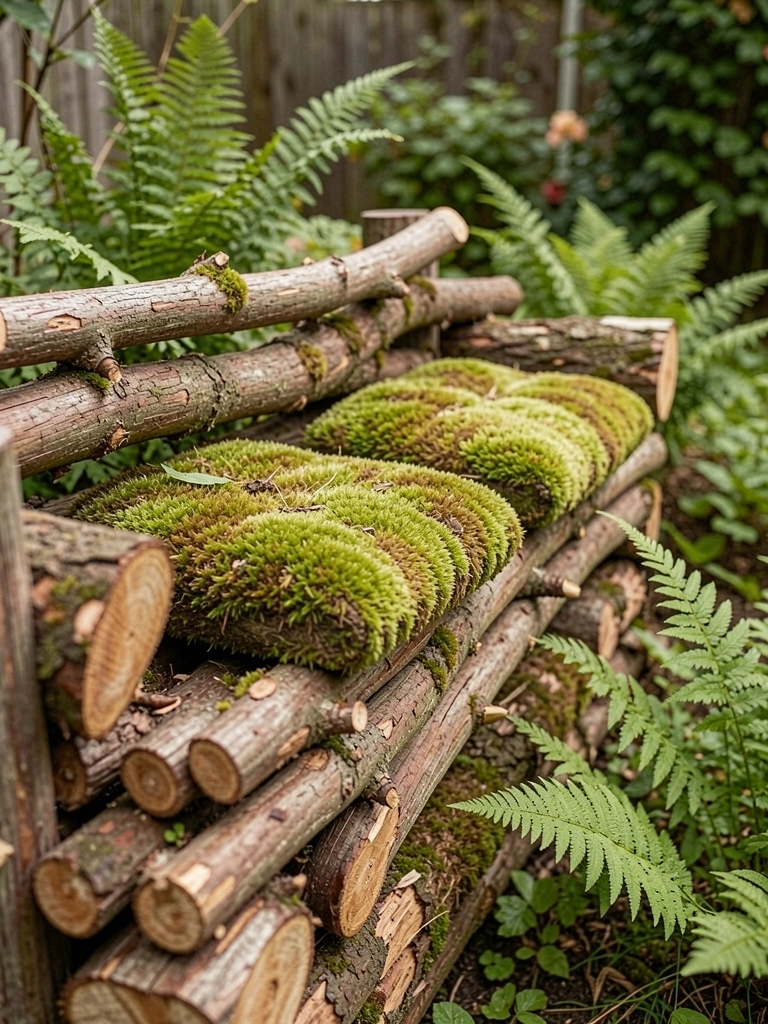
    7. Log Bench from Fallen Branches

    Stacked sturdy branches into a low bench after a storm. Added mossy cushions for seat.

    It's my quiet reading spot—rough texture matches the yard.

    Logs settled unevenly; leveled with gravel base later.

    Ferns around it soften the look.

    What You’ll Need for This Look

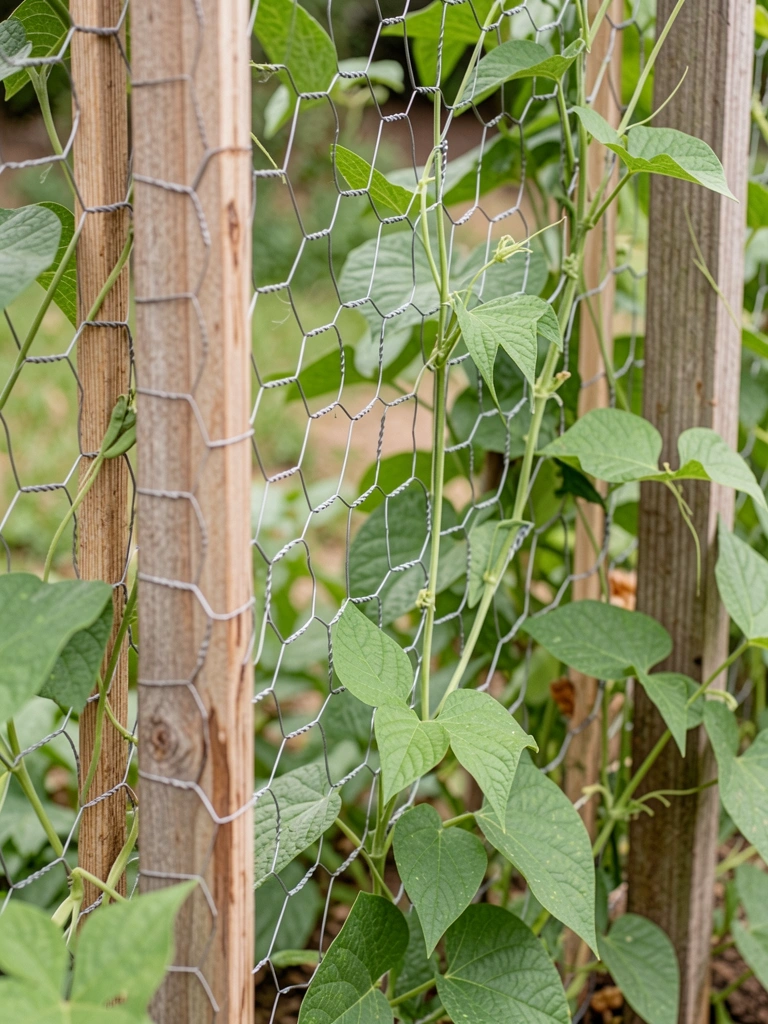
    8. Chicken Wire Trellis for Climbing Beans

    Stretched chicken wire between posts for pole beans. They twine up quick.

    Harvest right from the fence—fresh dinners easy. Screens the view too.

    Wire rusted charmingly, but secure it tight against wind.

    Beans fix nitrogen in soil.

    What You’ll Need for This Look

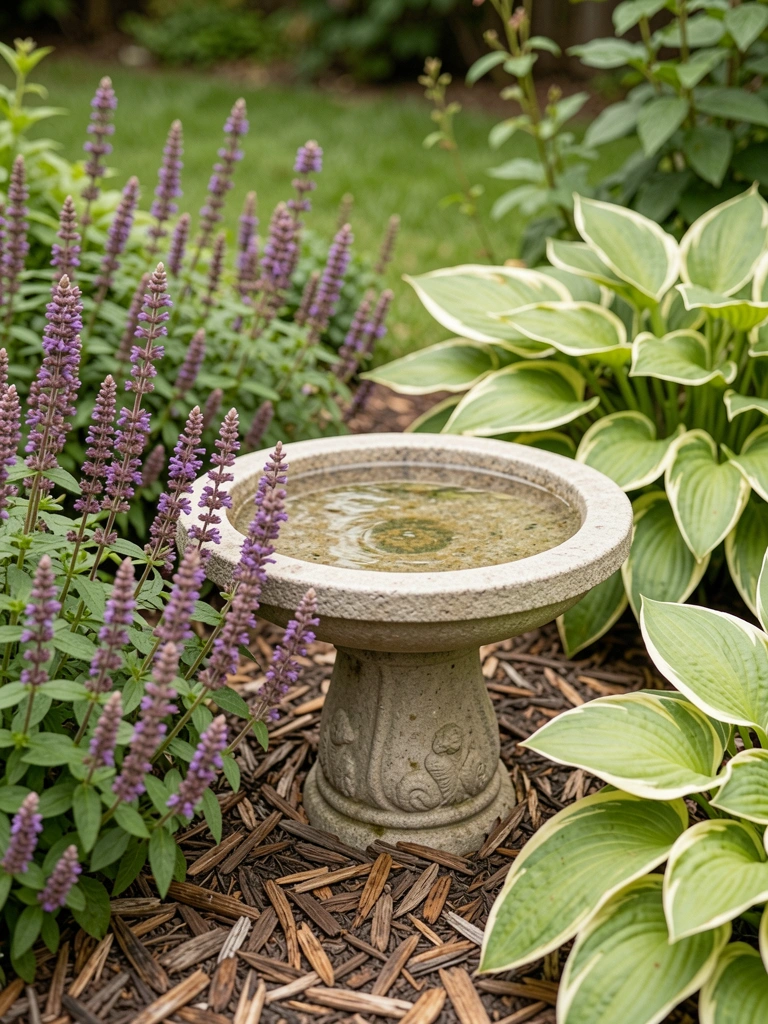
    9. Bird Bath Nestled in Perennial Border

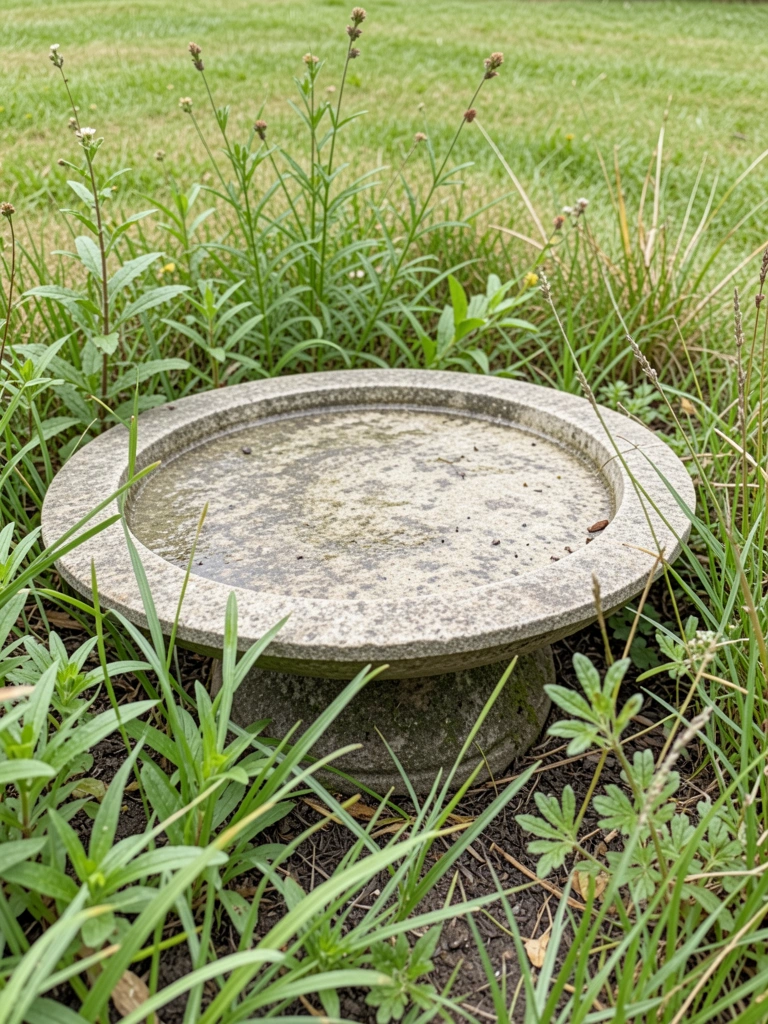
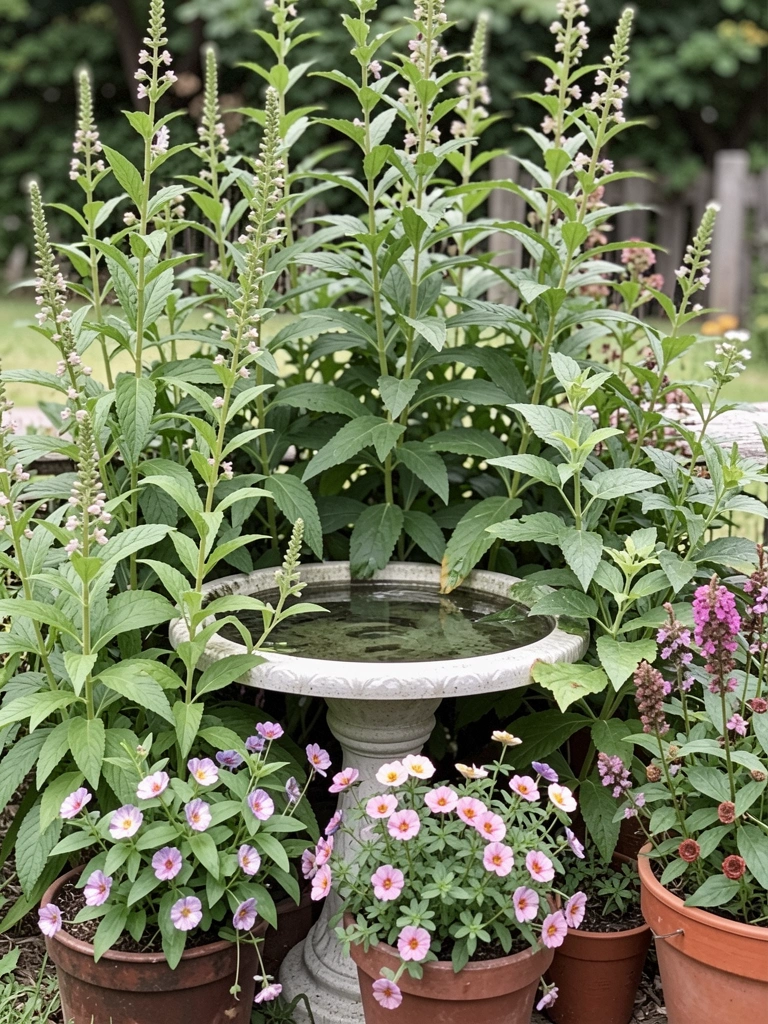
    Set a shallow stone bird bath amid salvia and hostas. Birds splash daily.

    It anchors the border, draws life to quiet spots.

    Algae built up; refresh water often.

    Perennials hide the base.

    What You’ll Need for This Look

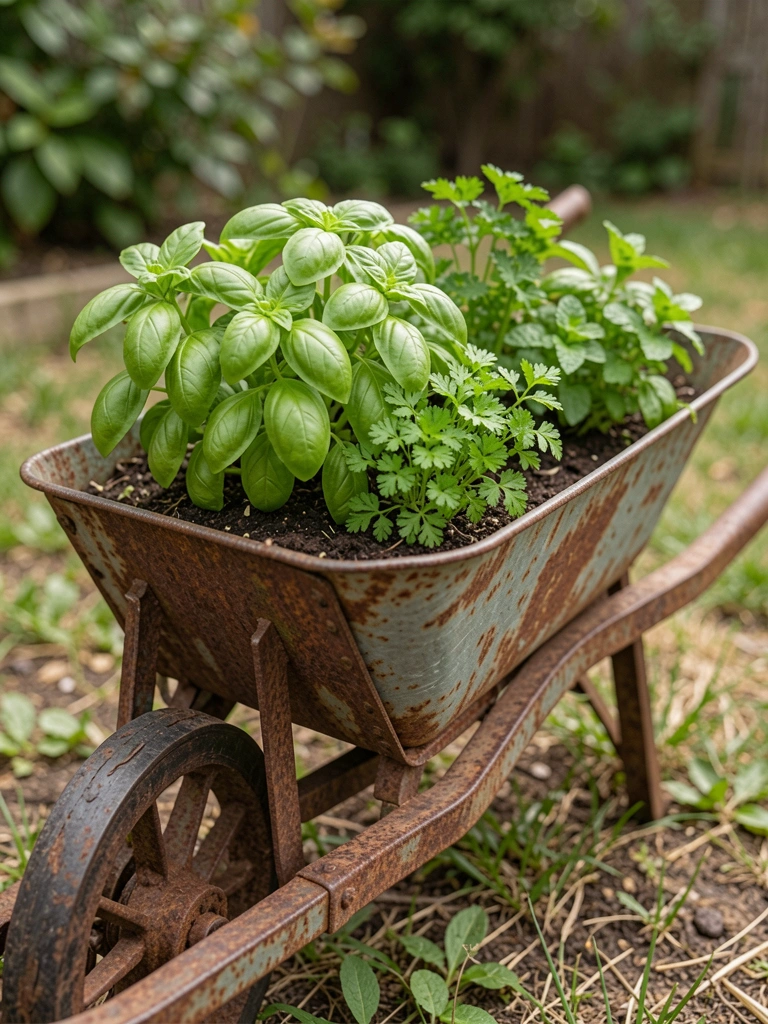
    10. Upcycled Wheelbarrow Herb Garden

    Found an old wheelbarrow, drilled holes, planted basil and mint.

    Mobile kitchen garden—roll to sun. Rust adds patina.

    Mint took over; separate pots next year.

    Drainage prevents rot.

    What You’ll Need for This Look

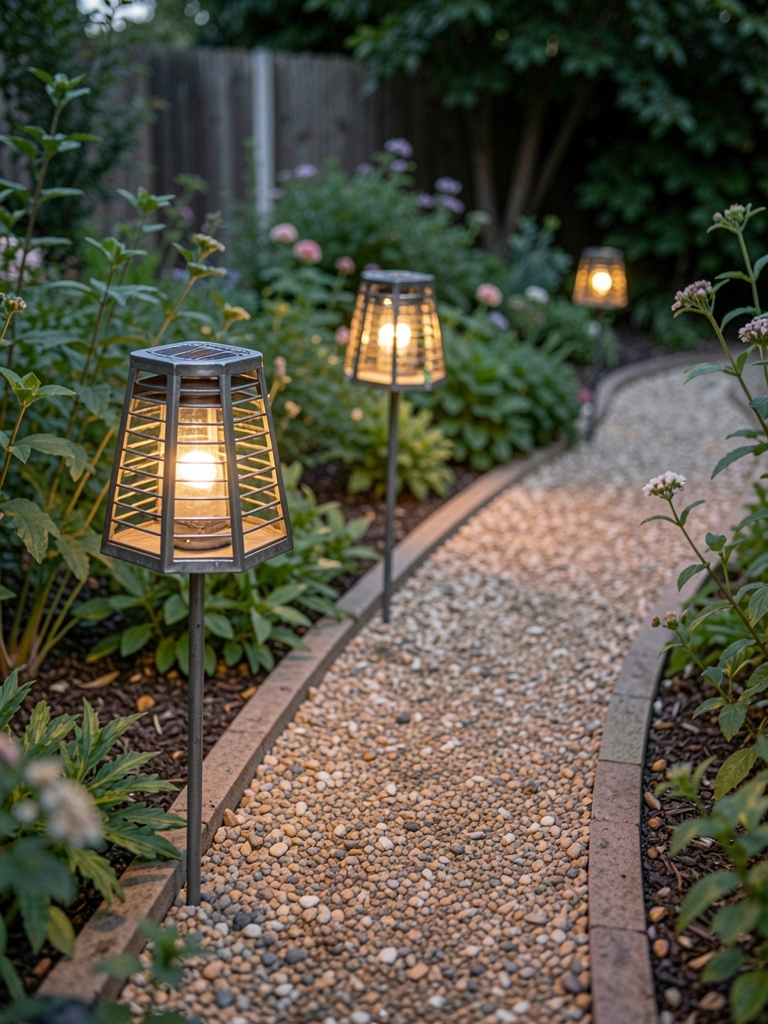
    11. Solar Lantern Path Along the Edge

    Staked solar lanterns along my gravel edge. They glow soft at dusk.

    Guides steps safely, warms night sits.

    Batteries fade yearly; cheap swap.

    No wiring hassle.

    What You’ll Need for This Look

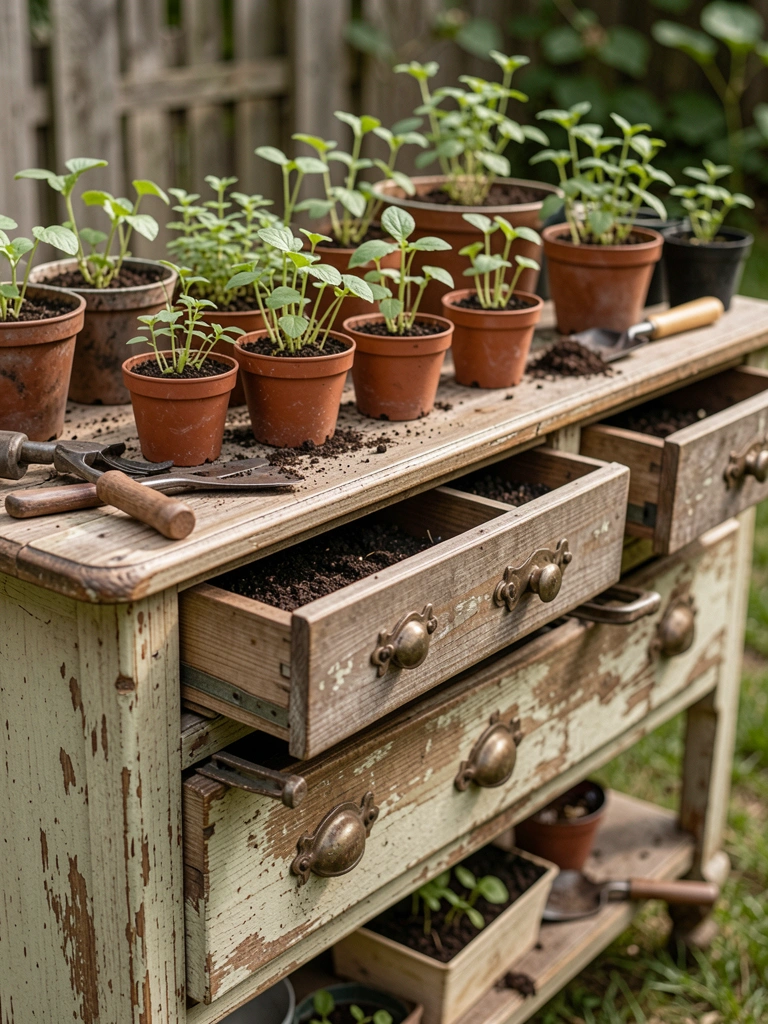
    12. Old Dresser as Potting Station

    Repurposed a dresser for potting—drawers hold tools, top for repotting.

    Central spot streamlines starts. Weathered wood fits rustic vibe.

    Drawers swelled in rain; sealed them.

    Add hooks for gloves.

    What You’ll Need for This Look

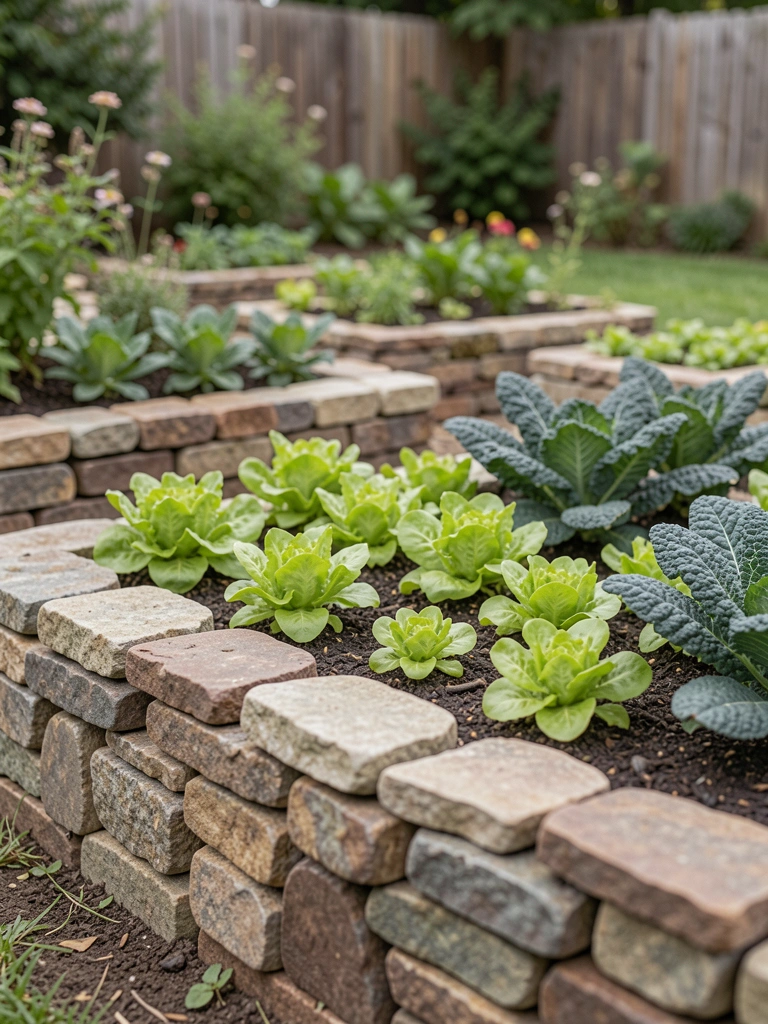
    13. Stone-Bordered Raised Beds for Veggies

    Dry-stacked stones around cedar beds for veggies. Keeps soil in, critters out.

    Easier bending, better soil control.

    Overfilled first; stones tumbled. Lower profile now.

    Compost feeds it.

    What You’ll Need for This Look

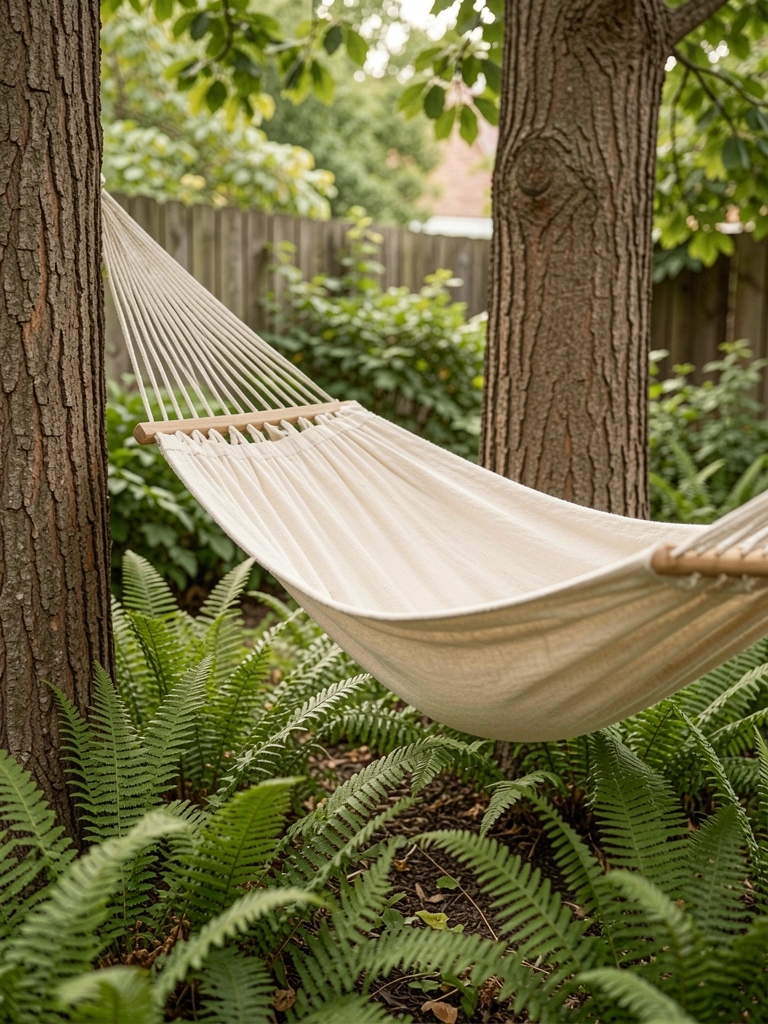
    14. Hammock Spot with Overhanging Branches

    Hung a hammock between oaks, underplanted ferns.

    Lazy afternoons sway gently. Branches frame it cozy.

    Rope stretched; thicker next time.

    Ferns cool the base.

    What You’ll Need for This Look

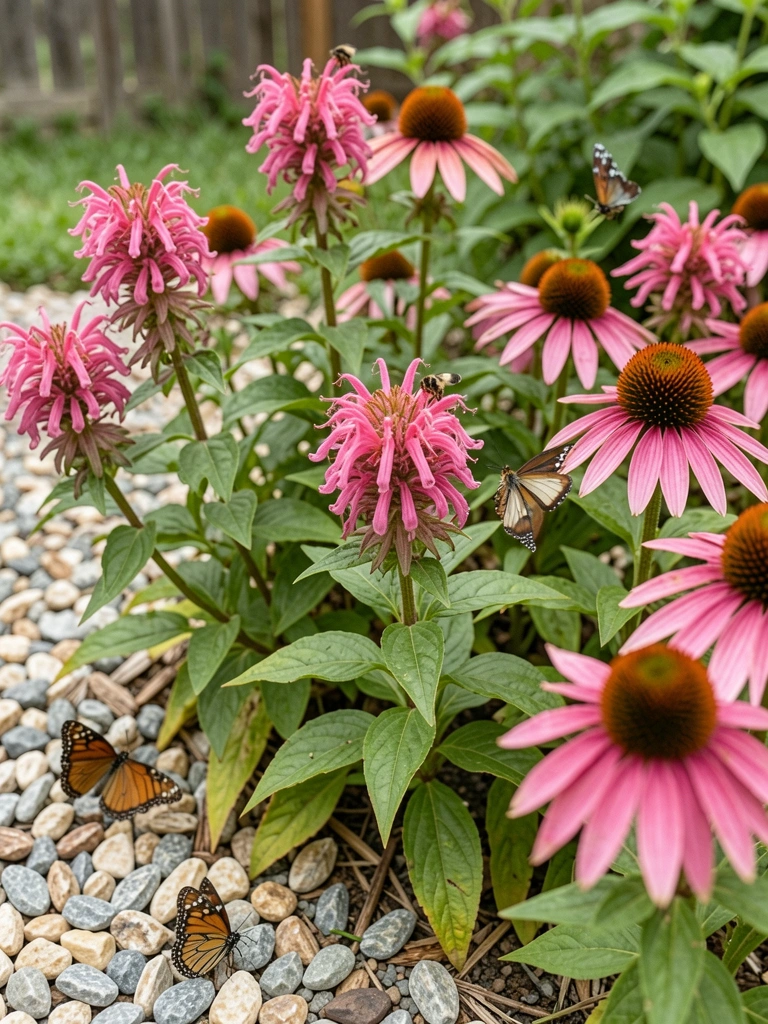
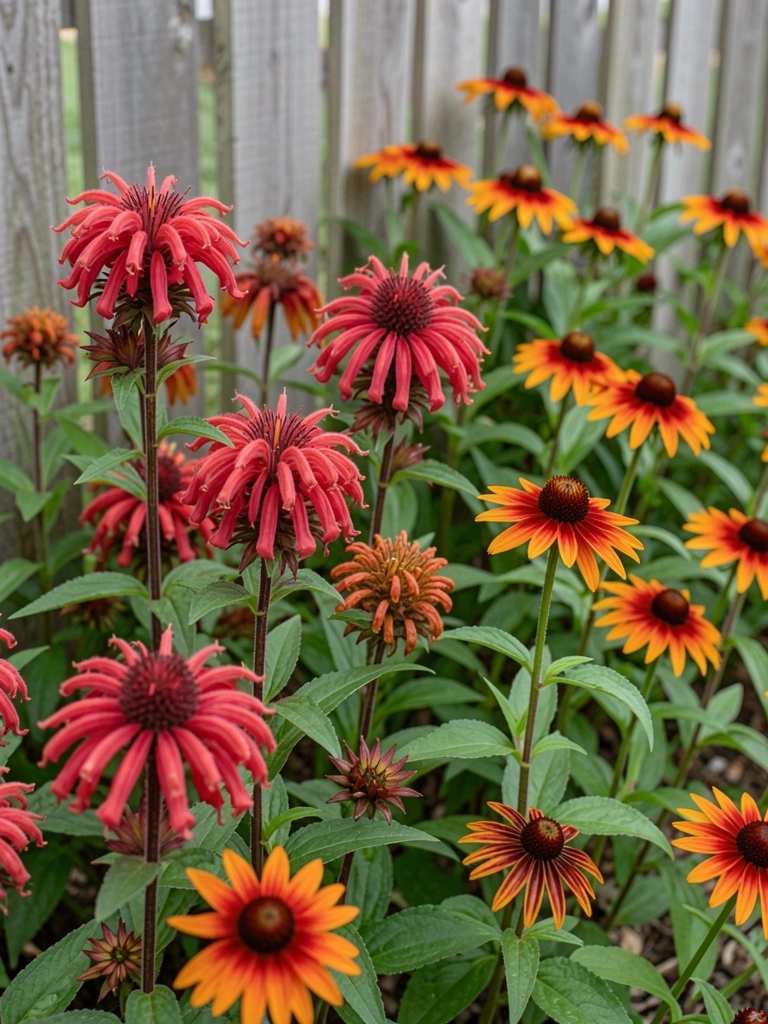
    15. Pollinator Patch with Bee Balm

    Planted bee balm and echinacea in a sunny patch. Hummingbirds visit daily.

    Buzz of life makes yard feel alive. Low water once rooted.

    Bee balm spread wide; divide yearly.

    Sun lovers thrive here.

    What You’ll Need for This Look

    Final Thoughts

    Pick one or two ideas that fit your space. They'll grow with you—no rush for perfection.

    My yard changed slowly, but now it's mine. Yours can be too.

    Start small, watch what takes.

  • 7 Backyard Garden Design with Pergola You’ll Love

    7 Backyard Garden Design with Pergola You’ll Love

    Last summer, I finally put up a pergola in my backyard. It wasn't fancy—just pressure-treated wood from the local yard. But it stopped the full sun from baking my chairs.

    Before that, everything wilted by noon. Now, there's dappled shade. Plants thrive. I sit out there longer.

    You can do this too. No big budget needed.

    7 Backyard Garden Design with Pergola You'll Love

    These 7 backyard garden designs with pergola come from my own yard and friends' fixes. They're straightforward, forgiving for beginners. Each one builds around that simple structure.

    1. Vine-Draped Pergola for Soft Afternoon Shade

    I planted clematis on my pergola two years back. It took off fast, twisting up the posts. Now it filters sun into soft spots—perfect for reading.

    The shade cools the air by 10 degrees. Feels private without walls. I watch birds hop through the leaves.

    Pick annual vines first to test. Perennials like clematis root deep but spread. Mine invaded the grass edge once—easy trim fixed it.

    Train them loose. They fill gaps naturally.

    What You’ll Need for This Look

    Clematis vine plant (zone 4-9)

    Pressure-treated 4×4 pergola posts (8 foot)

    Hostas in 1-gallon pots

    Landscape fabric mulch mat

    2. Hanging Planters Off Pergola for Instant Vertical Privacy Screen

    I

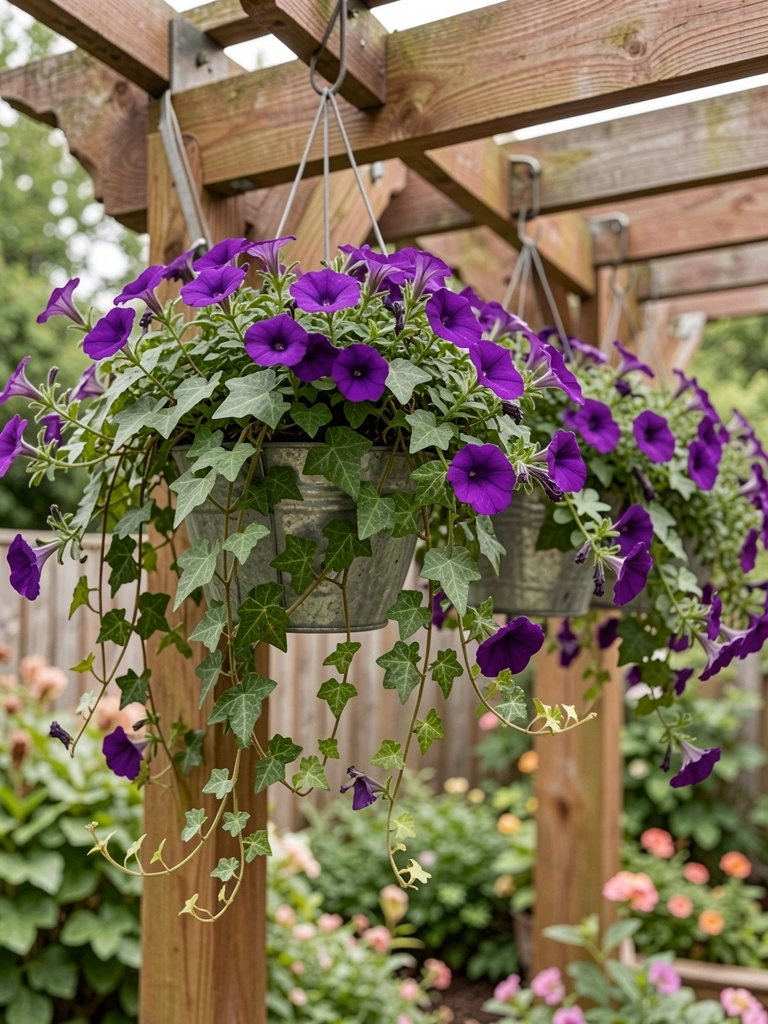
    I hung baskets from my pergola hooks last spring. Petunias and ivy tumbled down fast. It screens the neighbor's view without a fence.

    Colors pop against the wood—purples, whites. Feels fuller instantly. Wind sways them gently.

    I overwatered at first; roots rotted one. Now I check soil dry to touch.

    Use chains for height. Adjust as plants grow.

    What You’ll Need for This Look

    Metal hanging planters (10 inch, black)

    Trailing ivy plants (6 inch pots)

    Petunia wave mix seeds

    Heavy-duty S-hooks for pergola

    3. Herb Patch Under Pergola for Easy Dinner Picks

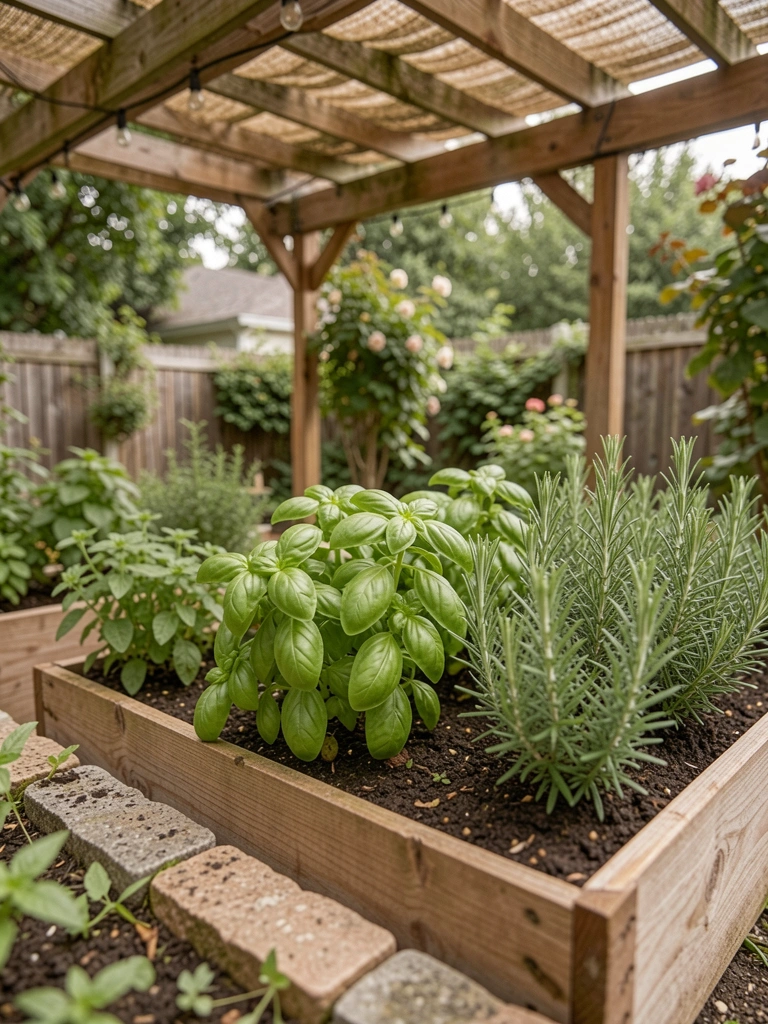
    Rosemary and basil went right under my pergola. Shade keeps them from bolting in heat. I snip for meals—no wilting in the sun.

    Smells hit you walking up. Green tones mix cozy. Bugs stay away too.

    Planted mint once; it took over. Pull young shoots weekly.

    Group by water needs. Herbs forgive dry spells here.

    What You’ll Need for This Look

    Rosemary herb plant (1 gallon)

    Basil genovese starter plants

    Cedar raised bed kit (4×4 foot)

    Landscape stones for edging

    4. Gravel Path Leading to Pergola Bench Spot

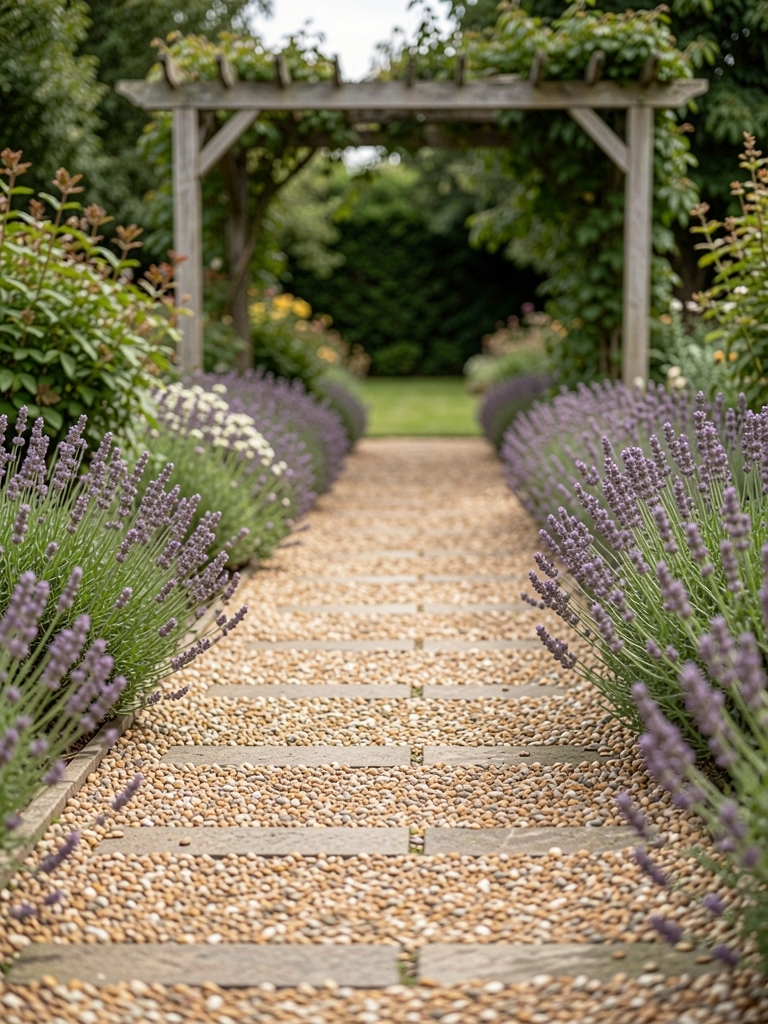
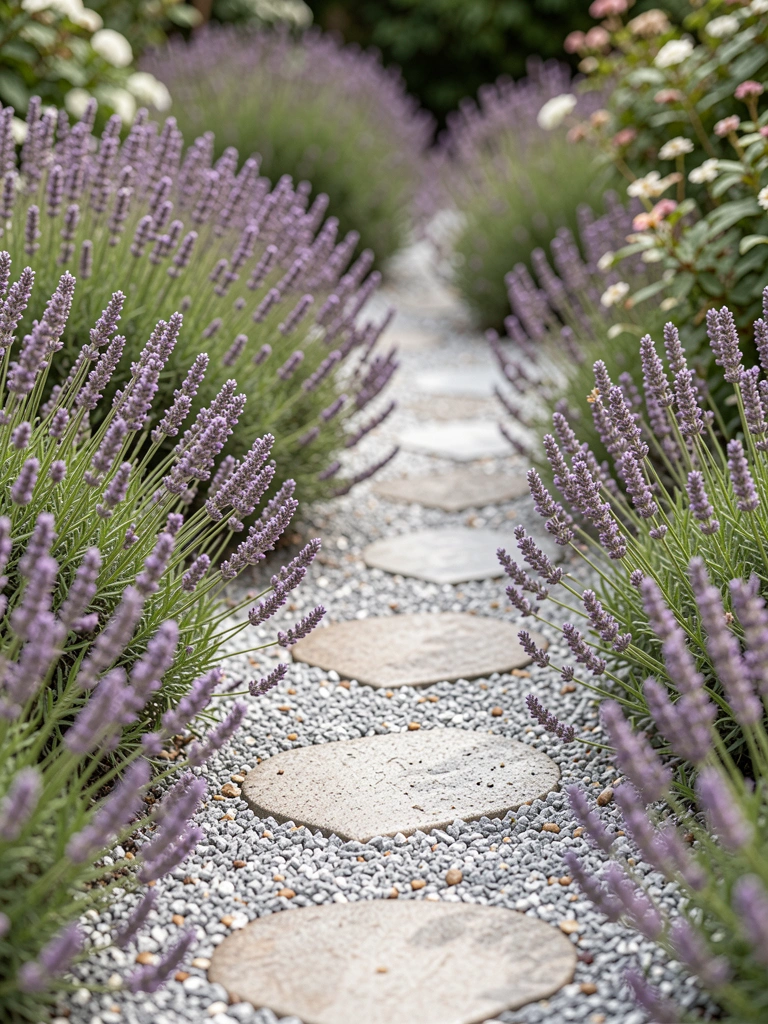
    I laid gravel from my gate to the pergola. Drains fast—no mud after rain. Lavender edges soften it.

    Path draws your eye in. Feels longer, calmer. Bench under pergola waits.

    Weeds poked through first year. Weed barrier underneath stopped that.

    Rake smooth yearly. Low effort.

    What You’ll Need for This Look

    Pea gravel bulk bag (50 lb)

    Landscape weed fabric roll

    Lavender plants (compact, 1 gallon)

    Wood garden bench (4 foot)

    5. Perennial Border Framing the Pergola Edge

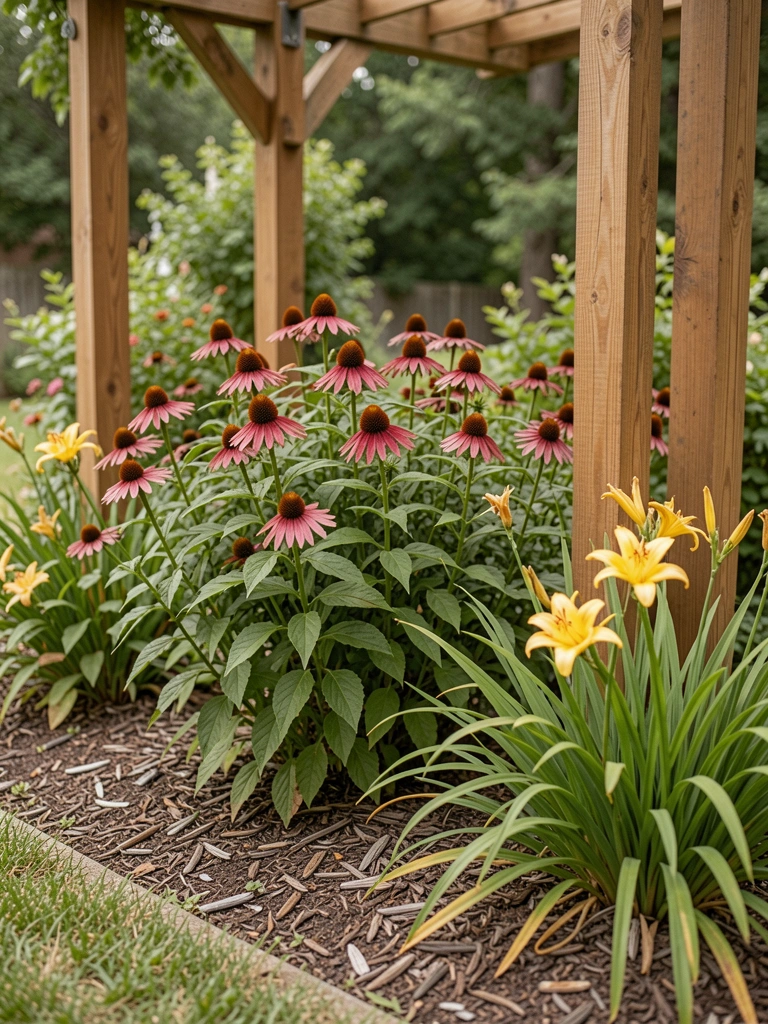
    Coneflowers and daylilies line my pergola base. They come back stronger each year. Blooms draw bees—quiet hum.

    Fills the view with color shifts. Yellows to pinks. Feels established quick.

    Bought wrong lilies once; too tall, flopped. Shorter ones hug ground better.

    Space 18 inches apart. Mulch heavy.

    What You’ll Need for This Look

    Coneflower echinacea plants (perennial)

    Daylily stella de oro mix

    Hardwood mulch bags (2 cu ft)

    Perennial garden shovel

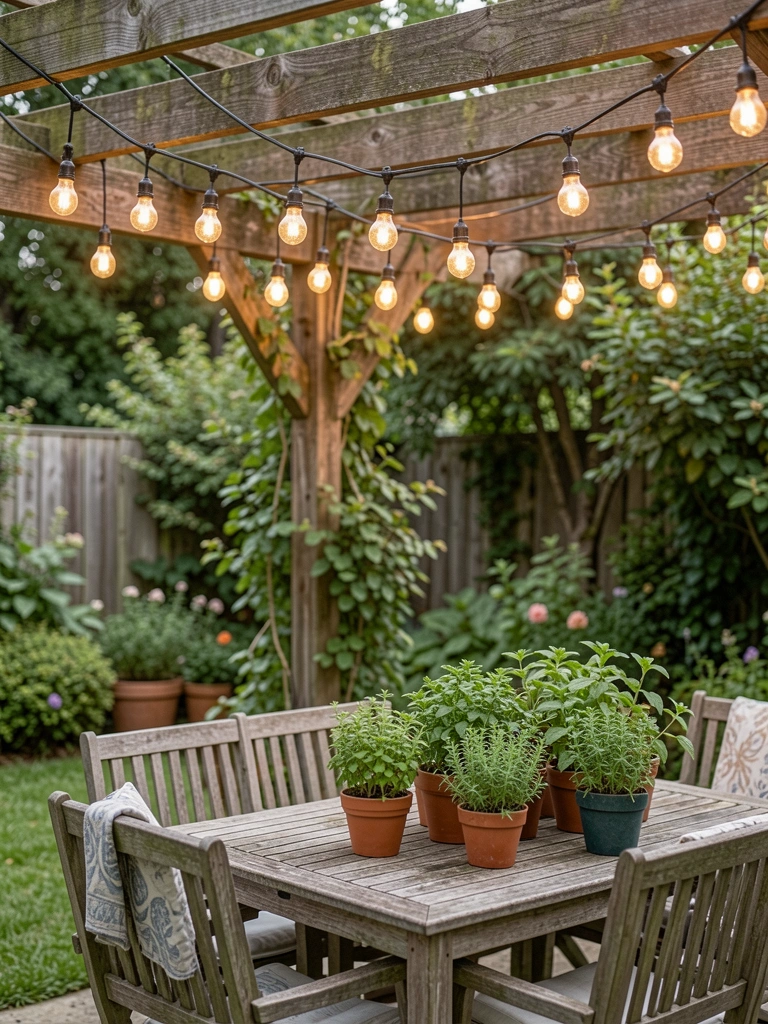
    6. String Lights Over Pergola Dinner Table

    I strung warm lights across my pergola. Evenings glow soft—no harsh glare. Table fits four easy.

    Changes the feel after dark. Cozy talks last longer. Moths circle away from seats.

    One string tangled in vines first rain. Solar ones hold better.

    Zip-tie loose. Test before hanging.

    What You’ll Need for This Look

    Solar string lights (warm white, 33 foot)

    Folding outdoor table (square)

    Adirondack chairs set (2 pack)

    Zip ties heavy duty (8 inch)

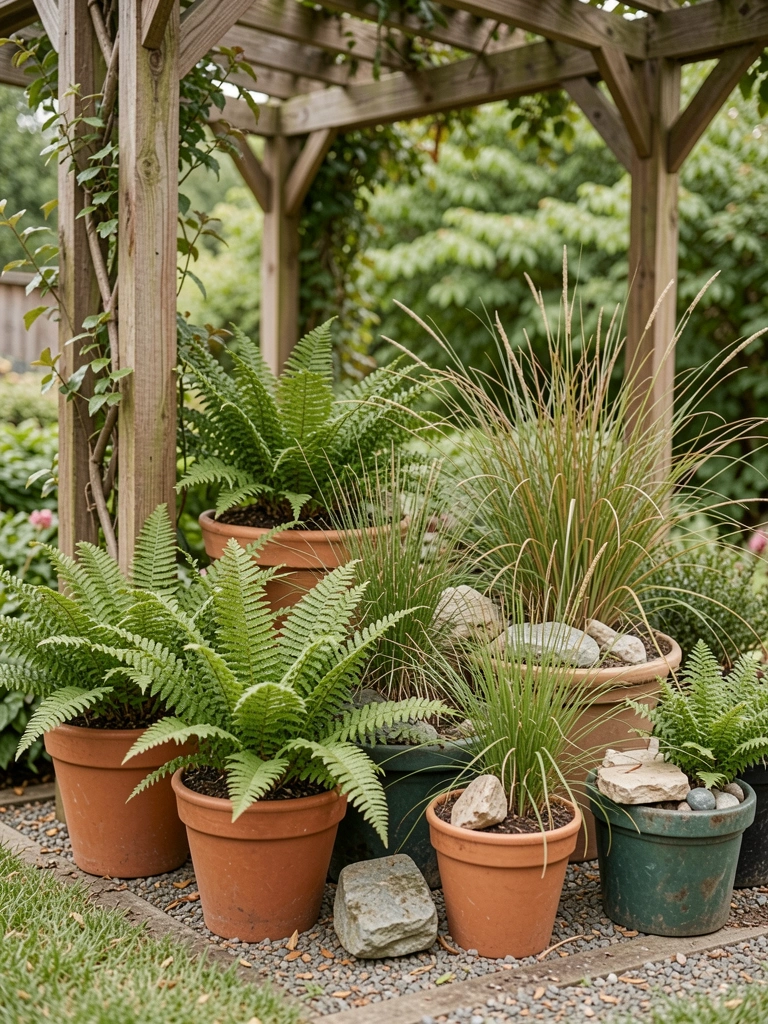
    7. Container Cluster Around Pergola Base

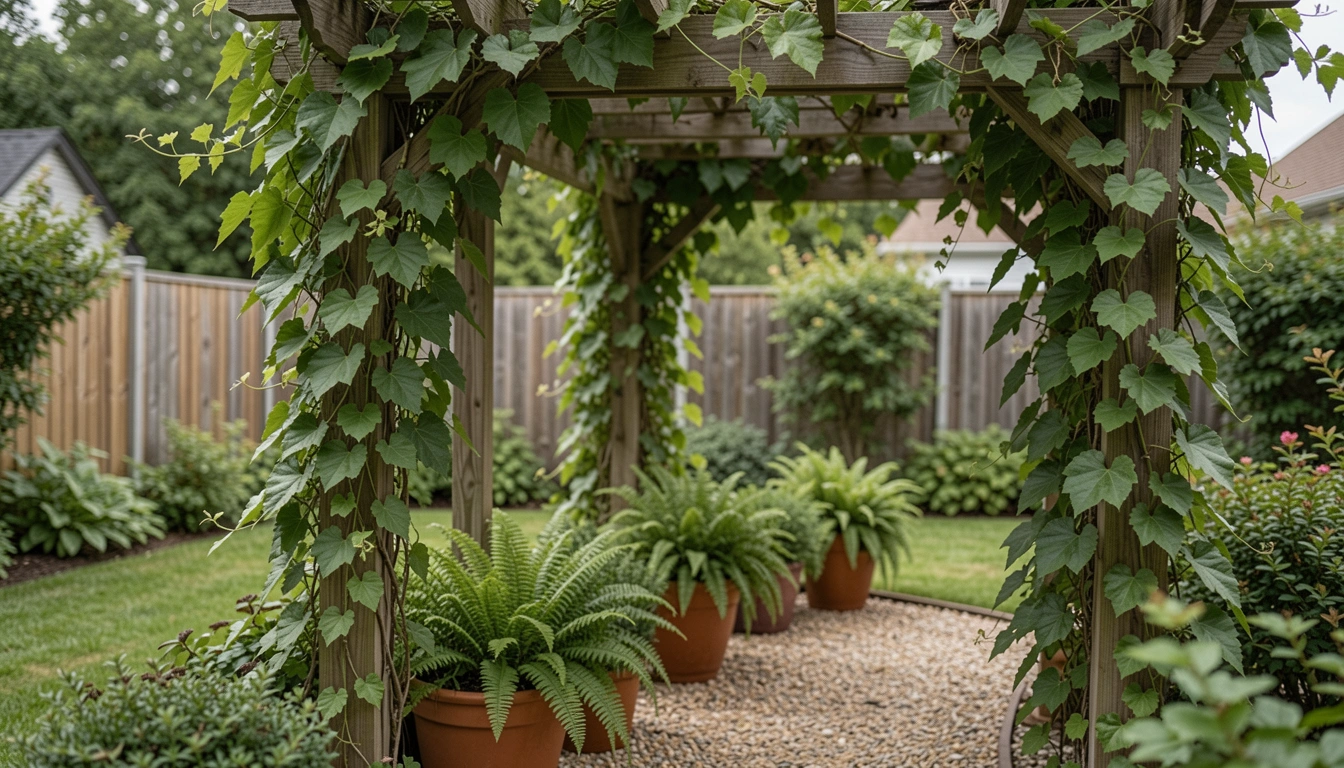
    Pots of ferns and grasses circle my pergola feet. Move them for seasons. Instant green without digging.

    Textures mix—feathery, spiky. Feels full, not fussy.

    Overcrowded two pots once; plants yellowed. One per size now.

    Group heights tall to short. Water from bottom.

    What You’ll Need for This Look

    Fern boston variety pots (1 gallon)

    Ornamental grass fountain (blue fescue)

    Terracotta pots assorted (8-12 inch)

    Pot saucers drainage (10 inch)

    Final Thoughts

    Pick one idea that fits your yard's sun and space. Start small—pergola first, plants later.

    Mine evolved over years. Yours will too. You'll spend more time out there.

    You've got this. Just dig in.

  • 21 Backyard Flower Garden Design Inspirations

    21 Backyard Flower Garden Design Inspirations

    I stood in my backyard last spring, hands dirty, staring at a patch of weeds where flowers should be. Nothing stuck before—plants drowned or dried out.

    Then I layered simple beds and pots. Colors bloomed, bees came. It felt alive, not forced.

    You can build this too. No big budget needed.

    21 Backyard Flower Garden Design Inspirations

    These 21 backyard flower garden design inspirations come from my own yard messes and wins. They're straightforward, tested on uneven ground. You'll see exactly what works.

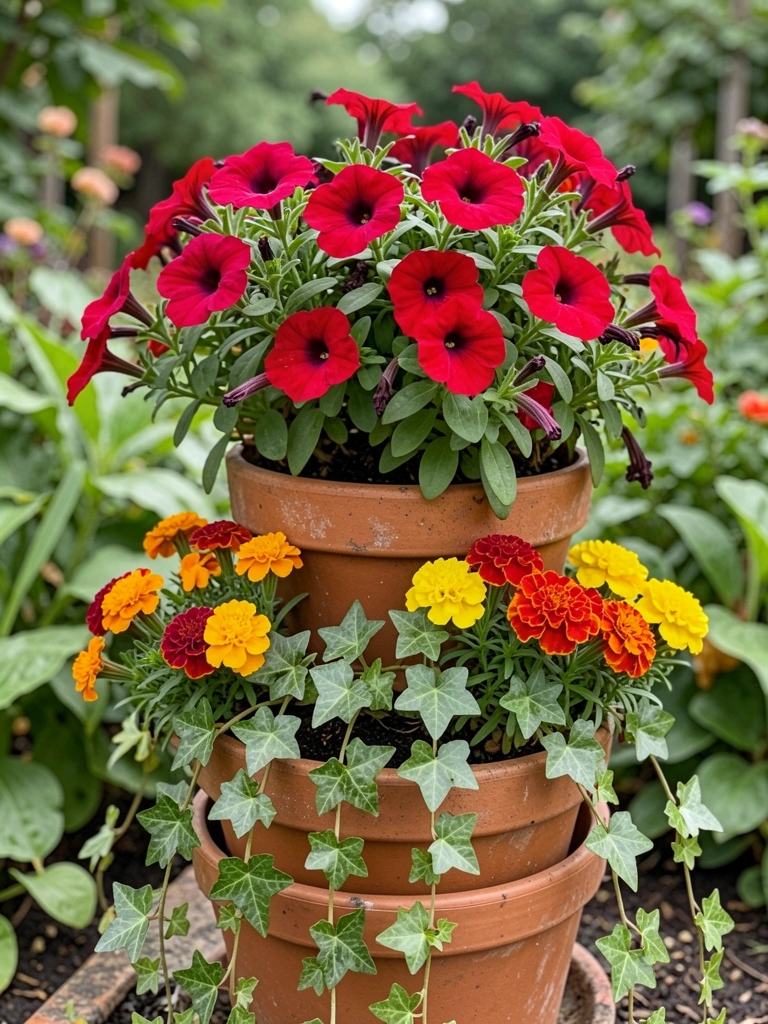
    1. Layered Container Planting That Fills a Bare Patio

    I crammed my concrete patio with pots last year—tall ones back, short front. Petunias spilled over, marigolds punched yellow. It hid the cracks, made dinners outside feel cozy.

    Before, single pots looked lonely. Now it's full without digging up the slab.

    Watch drainage—my first stack tipped in rain. Group by height, water from the top down.

    Sun-loving annuals keep it bright through fall. Feels like a secret garden spot.

    What You’ll Need for This Look

    2. Curved Soft Border Along a Chain-Link Fence

    My fence screamed "ugly" until I swept a curve of salvia and coreopsis along it. Blues softened the metal, flowers nodded in wind. Neighbors stopped to chat.

    Straight lines felt stiff. This flows, draws the eye around.

    I overplanted catmint once—it took over. Space 18 inches apart, trim after bloom.

    Backyard feels bigger now, private.

    What You’ll Need for This Look

    3. Sunny Meadow Patch with Native Wildflowers

    Full sun baked my side yard bare. I seeded black-eyed Susans and coneflowers—now it's a waving patch buzzing with bees. No fuss, just seed and forget.

    Looks wild but intentional, softens the lawn edge.

    Butterflies flock here. Mowing around it keeps it tidy.

    What You’ll Need for This Look

    4. Shady Corner Woodland with Hostas and Bleeding Hearts

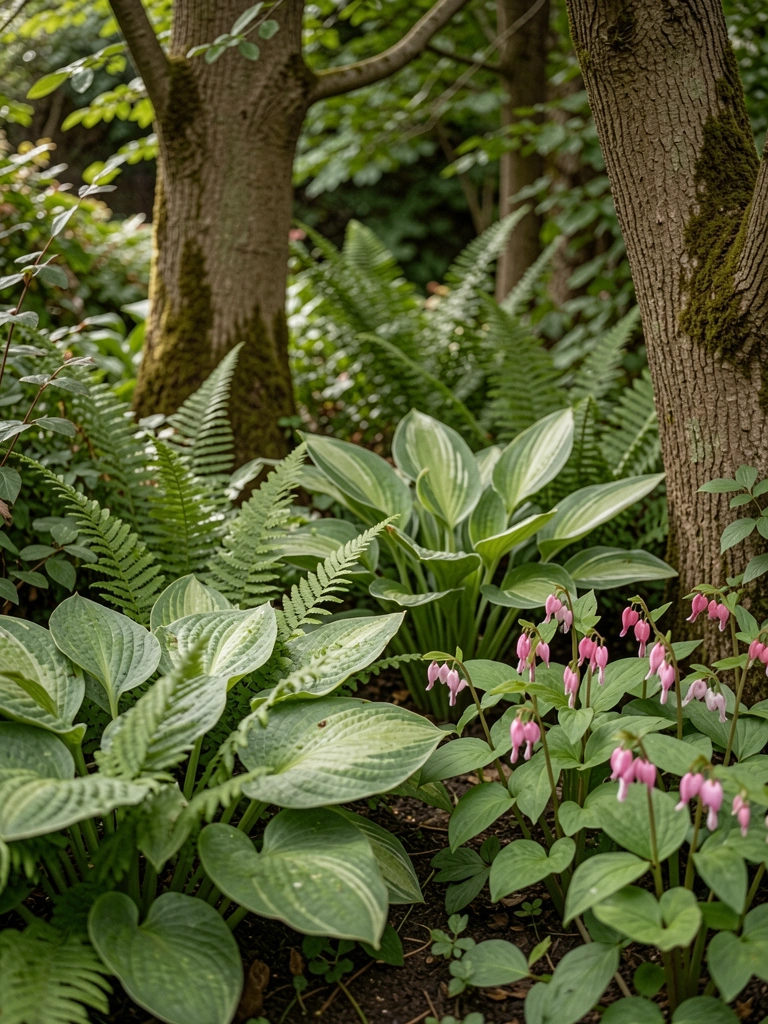
    Tree shade left a dark spot useless. Hostas and bleeding hearts filled it—lush greens, pink drops in spring. Feels cool, hidden.

    Slugs ate my first batch. Coffee grounds scattered fixed that.

    No sun needed, just moist soil.

    What You’ll Need for This Look

    5. Vertical Trellis Bursting with Climbing Clematis

    Blank wall begged for height. I wired a trellis, planted clematis—purple stars now cover it. Saves ground space, frames the door.

    Tangled roots killed mine once. Loosen soil deep first.

    Blooms keep coming with deadheading.

    What You’ll Need for This Look

    6. Gravel Walkway Lined with Lavender Edges

    Weeds owned my path until gravel and lavender. Fragrant edges crunch underfoot, silver leaves glow. Guides to the back gate.

    Lavender browned in wet clay. Raised beds slightly helped drainage.

    Smells amazing at dusk.

    What You’ll Need for This Look

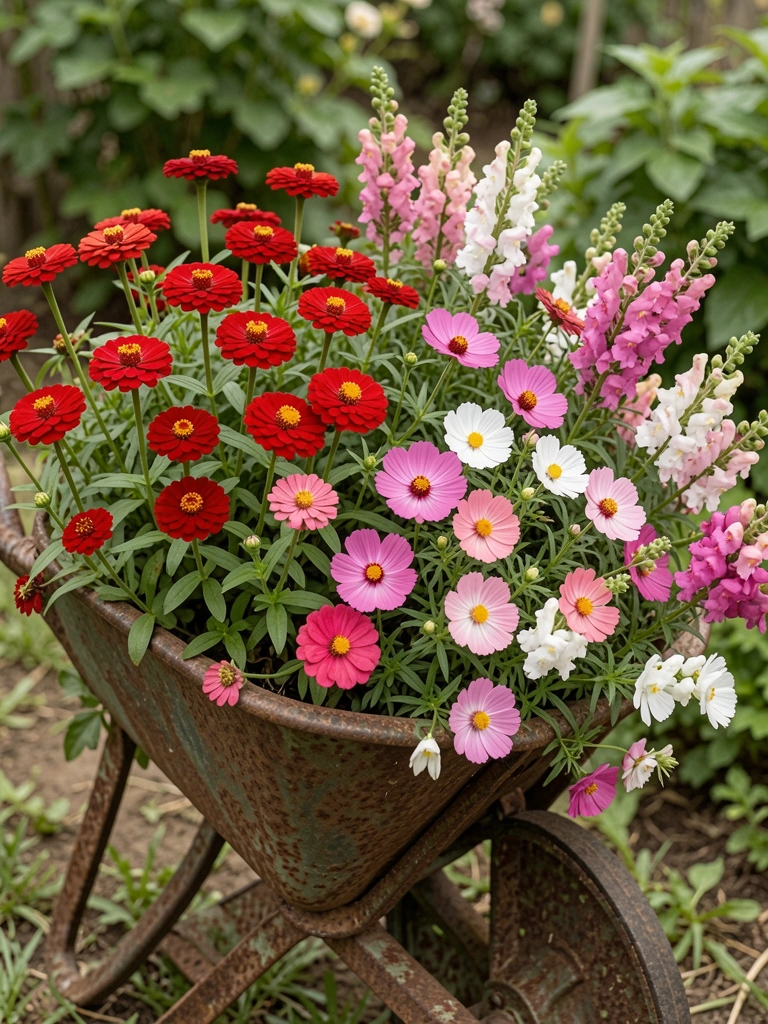
    7. Color-Pop Mix of Annuals in a Wheelbarrow

    Rusty wheelbarrow sat idle. Packed it with zinnias and cosmos—rainbow spill all summer. Movable color for sunny corners.

    Faded fast without deadheading. Pinch tops weekly.

    Feels folksy, fun.

    What You’ll Need for This Look

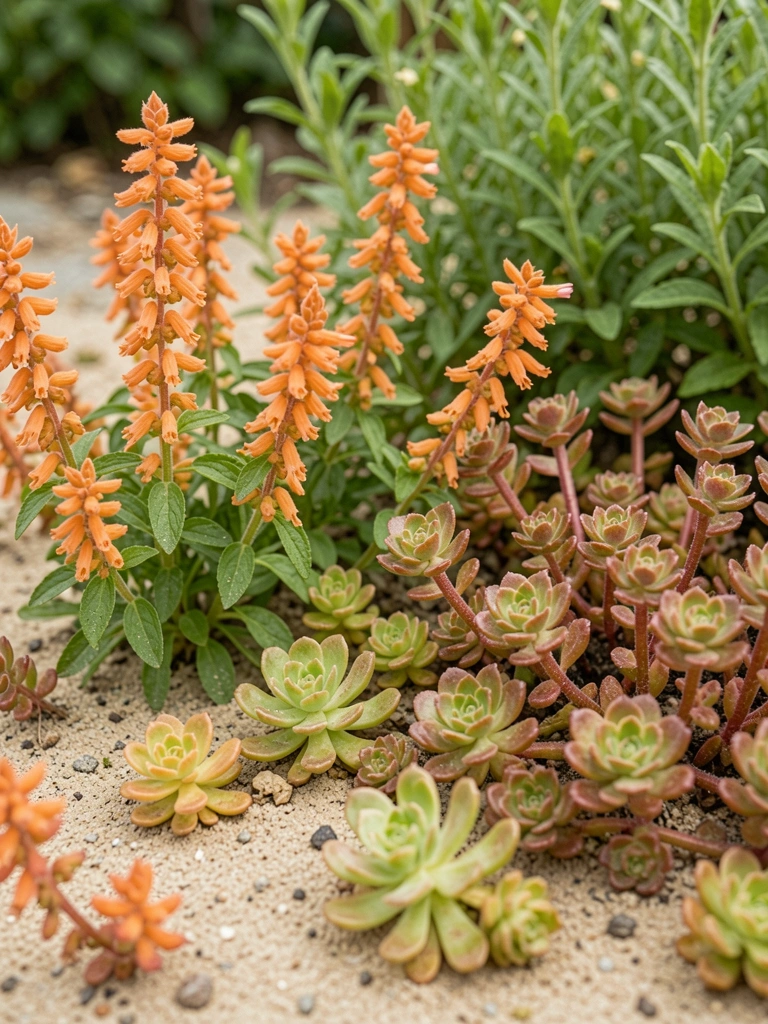
    8. Drought-Tough Succulent and Agastache Bed

    Dry hill wilted everything. Agastache and sedum thrived—no water bill spike. Hummingbirds love the spikes.

    Overwatered sedum rotted once. Let dry between soaks.

    Low care, hot color.

    What You’ll Need for This Look

    9. Pollinator Strip with Bee Balm and Milkweed

    Few bees meant sad yard. Narrow strip of bee balm and milkweed—now butterflies dance daily. Supports locals.

    Milkweed spread too far. Contain with edging.

    Busy, beneficial.

    What You’ll Need for This Look

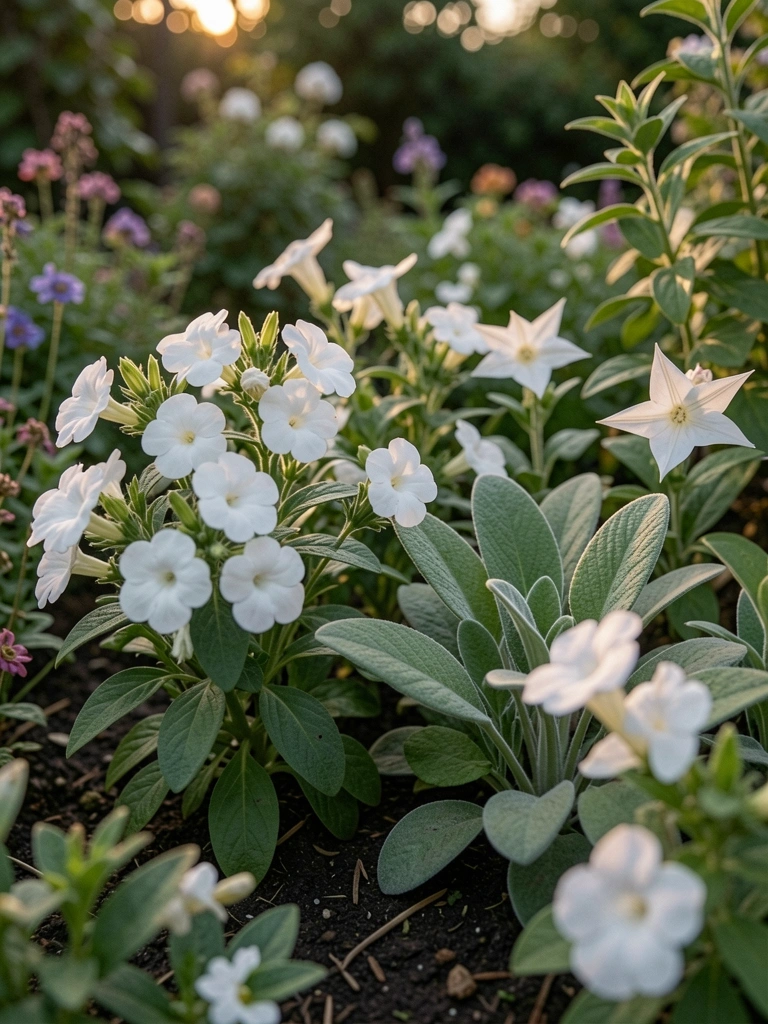
    10. Evening Glow Moon Garden in Whites

    Dark after sunset bored us. White nicotiana and moonflowers glow soft—perfect for porch sits. Silvers shimmer.

    Snails hit lamb's ear. Diatomaceous earth sprinkled saved it.

    Peaceful night spot.

    What You’ll Need for This Look

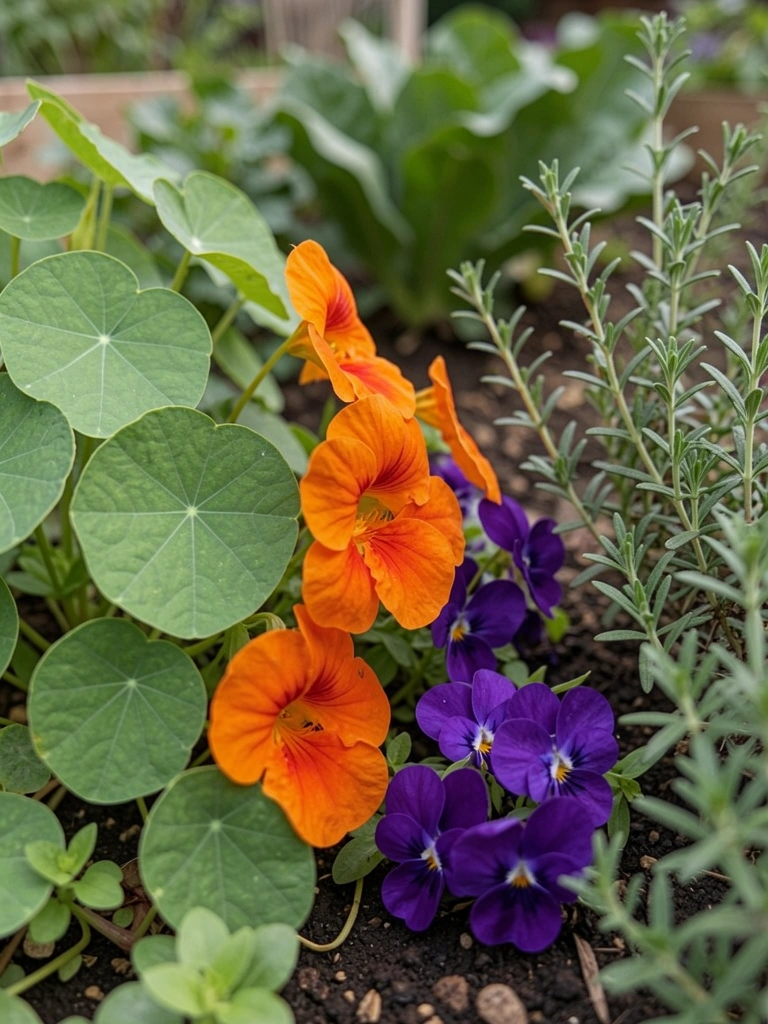
    11. Edible Flower Edge with Nasturtiums and Violas

    Salad needed color. Nasturtiums and violas edged beds—peppery petals snipped fresh. Ties kitchen to yard.

    Nasturtiums sprawled wild. Trim vines back.

    Tasty border.

    What You’ll Need for This Look

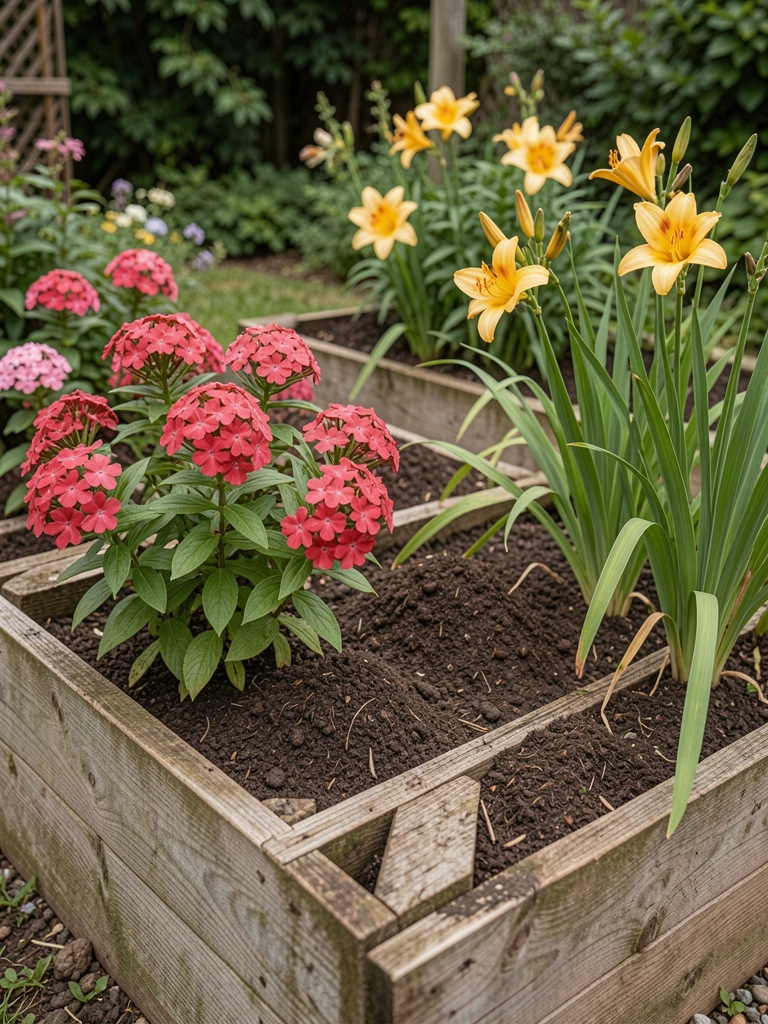
    12. Rustic Cedar Raised Beds for Perennials

    Poor soil killed roots. Cedar raised beds with phlox and daylilies—better dirt, easy reach. Knees thank me.

    Wood warped first winter. Seal ends now.

    Structured yet cozy.

    What You’ll Need for This Look

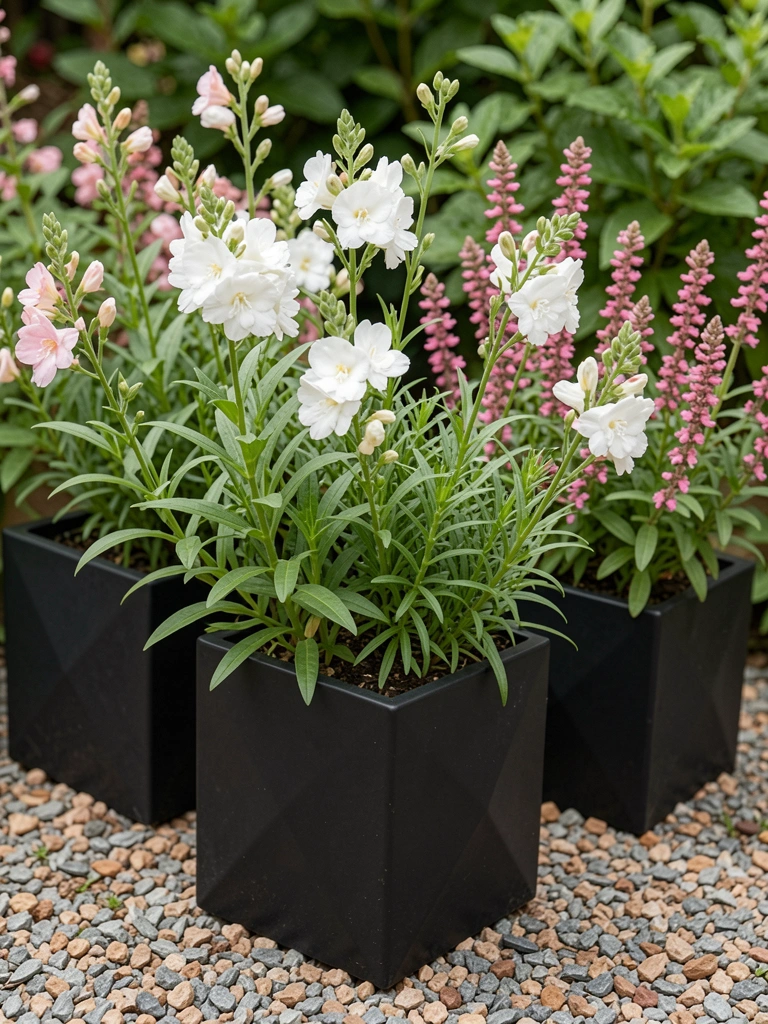
    13. Clean Geometric Pots in a Grid

    Messy pots scattered. Grid of black squares with gaura—modern calm amid chaos. Patio anchor.

    Wind knocked uneven ones. Weight bottoms with rocks.

    Sharp, simple.

    What You’ll Need for This Look

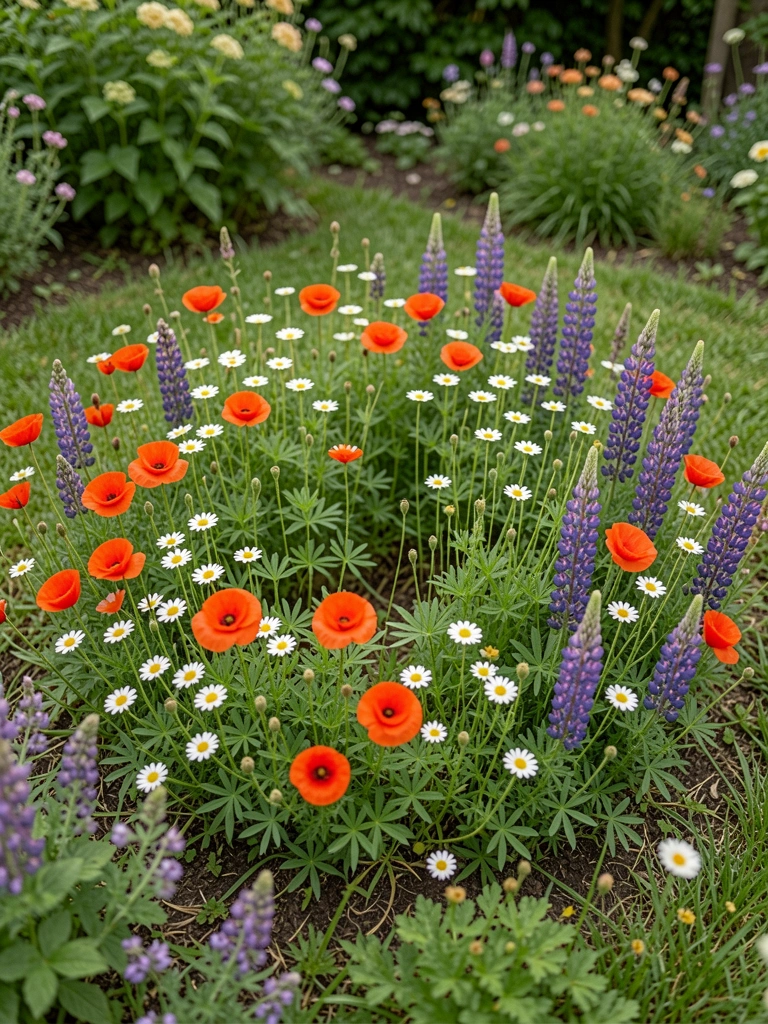
    14. Simulated Wildflower Meadow in a Circle

    Lawn yawned. Circular seeded meadow—poppies explode red. Mow outer ring to contain.

    Seeds washed out first rain. Rake lightly in.

    Free-spirited focal point.

    What You’ll Need for This Look

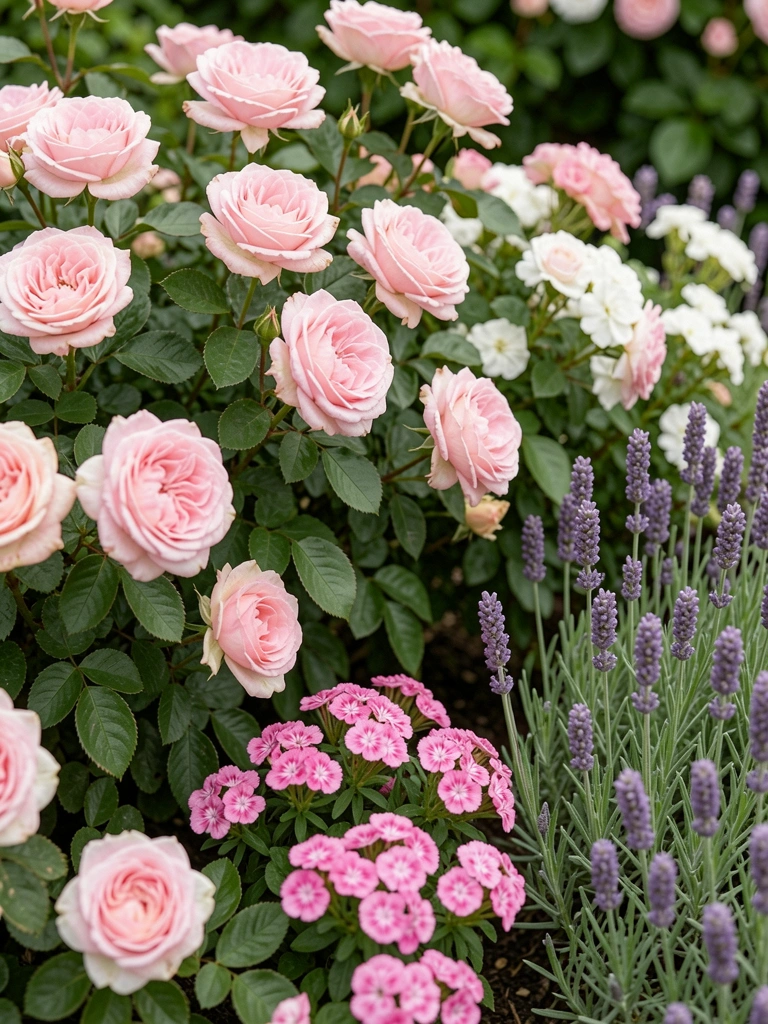
    15. Fragrant Border of Roses and Dianthus

    Scent missing. Shrub roses with dianthus—sweet whiff walking by. Cottage feel without fuss.

    Aphids hit roses. Hose spray weekly.

    Inviting path.

    What You’ll Need for This Look

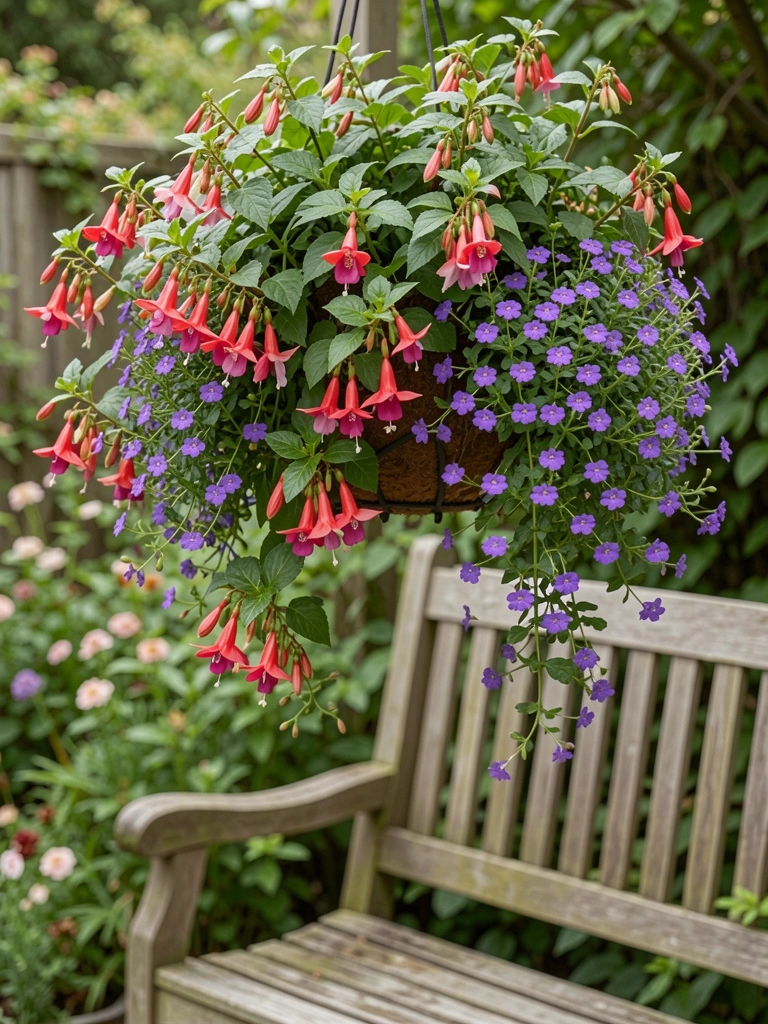
    16. Hanging Basket Cascade Over a Bench

    Bench felt exposed. Baskets of fuchsia and lobelia drape soft—shade and color overhead.

    Wind ripped chains. Sturdy hooks now.

    Cozy seat.

    What You’ll Need for This Look

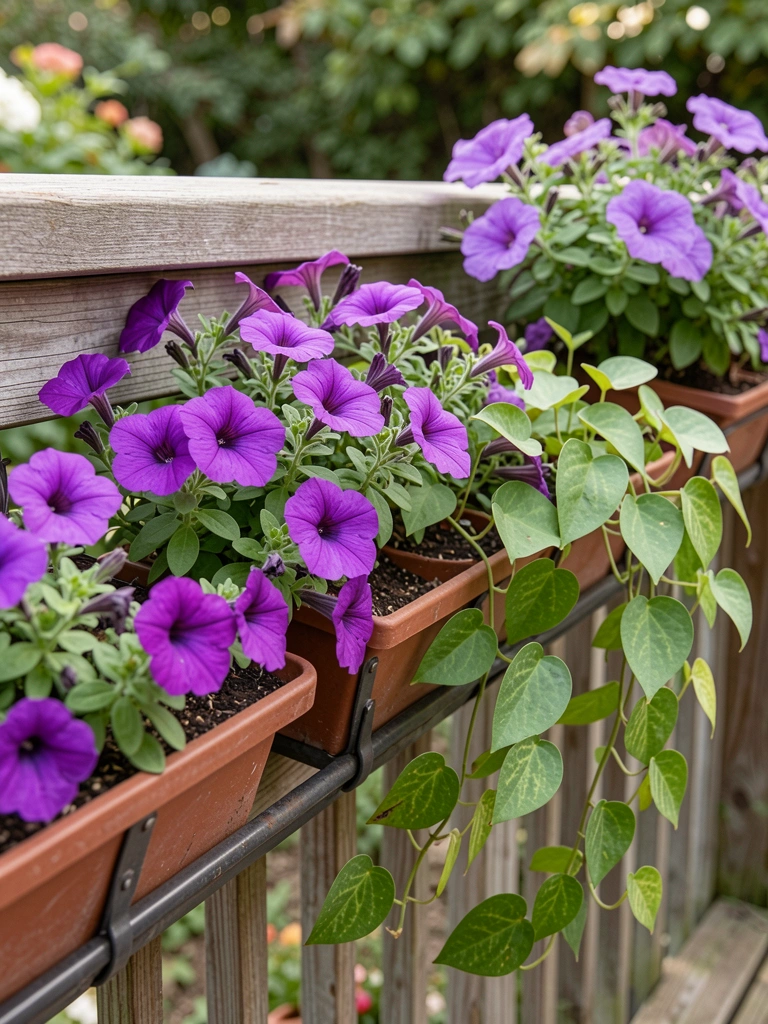
    17. Rail-Mounted Planters on a Deck

    Deck rails empty. Clip-on planters with petunias—trailing privacy without blocking view.

    Water dripped below messily. Saucers catch it.

    Instant green wall.

    What You’ll Need for This Look

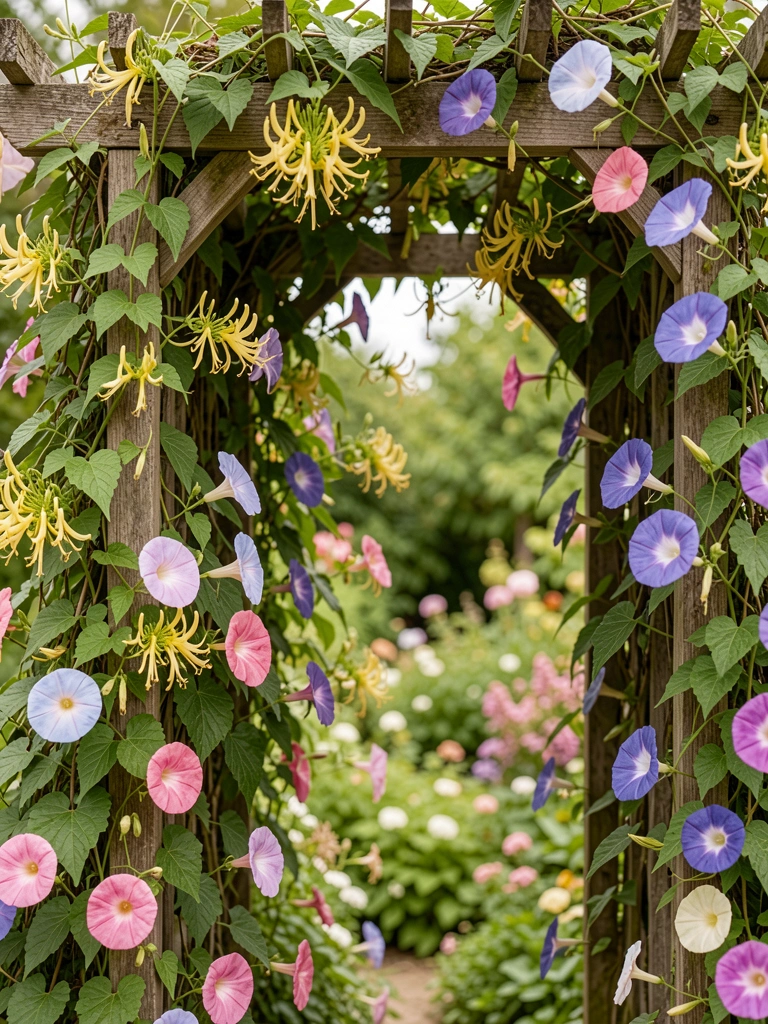
    18. Arbor Frame with Honeysuckle and Annual Climbers

    Entrance plain. Arbor with honeysuckle—tunnel of scent entering yard.

    Vines choked gate. Prune annually.

    Welcoming gateway.

    What You’ll Need for This Look

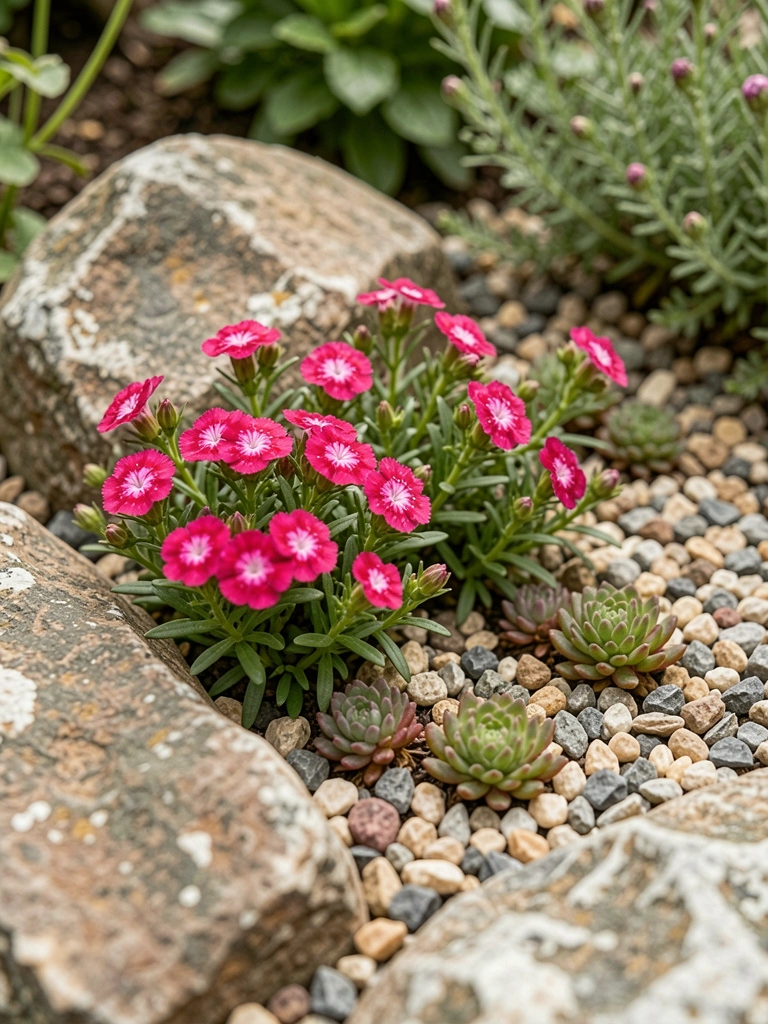
    19. Rock Garden Pocket with Dwarf Alpines

    Sloped rocks wasted. Pocketed dwarf dianthus and sedums—tiny blooms hug stones. Dry spot hero.

    Weeds snuck in. Landscape fabric under.

    Textured delight.

    What You’ll Need for This Look

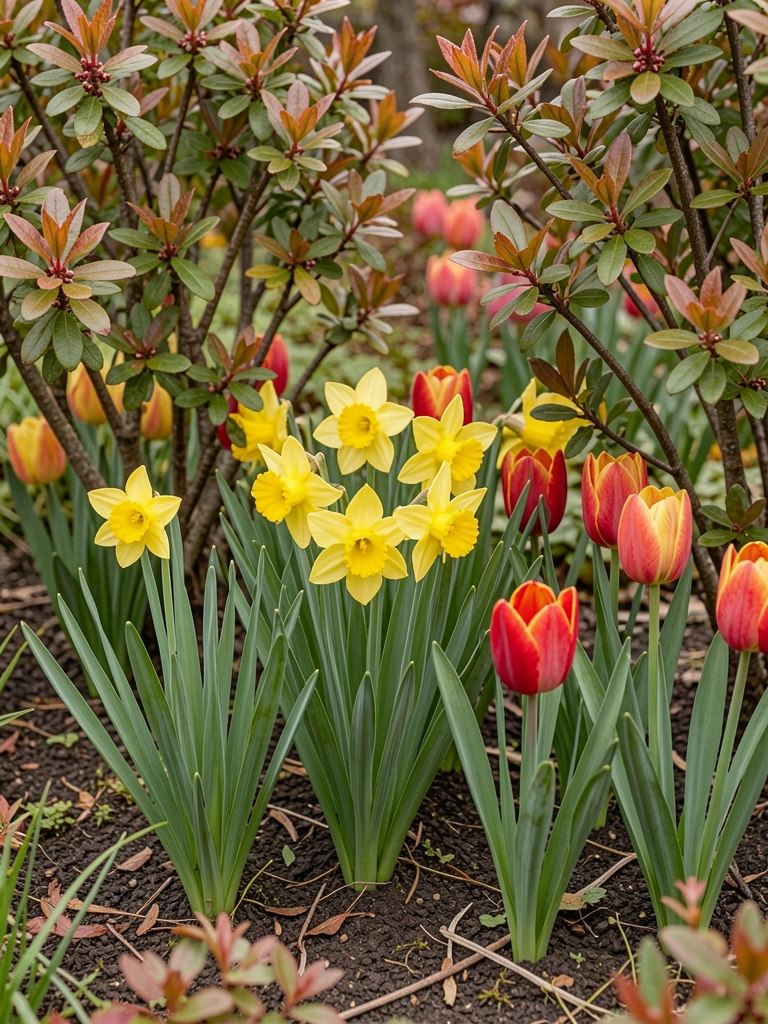
    20. Underplanting Bulbs Beneath Flowering Shrubs

    Shrubs bare feet. Daffodils under viburnum—spring pops before leaves hide. Layered seasons.

    Squirrels dug bulbs. Plant deep, chicken wire top.

    Year-round interest.

    What You’ll Need for This Look

    21. Succession Bloom Bed for Non-Stop Color

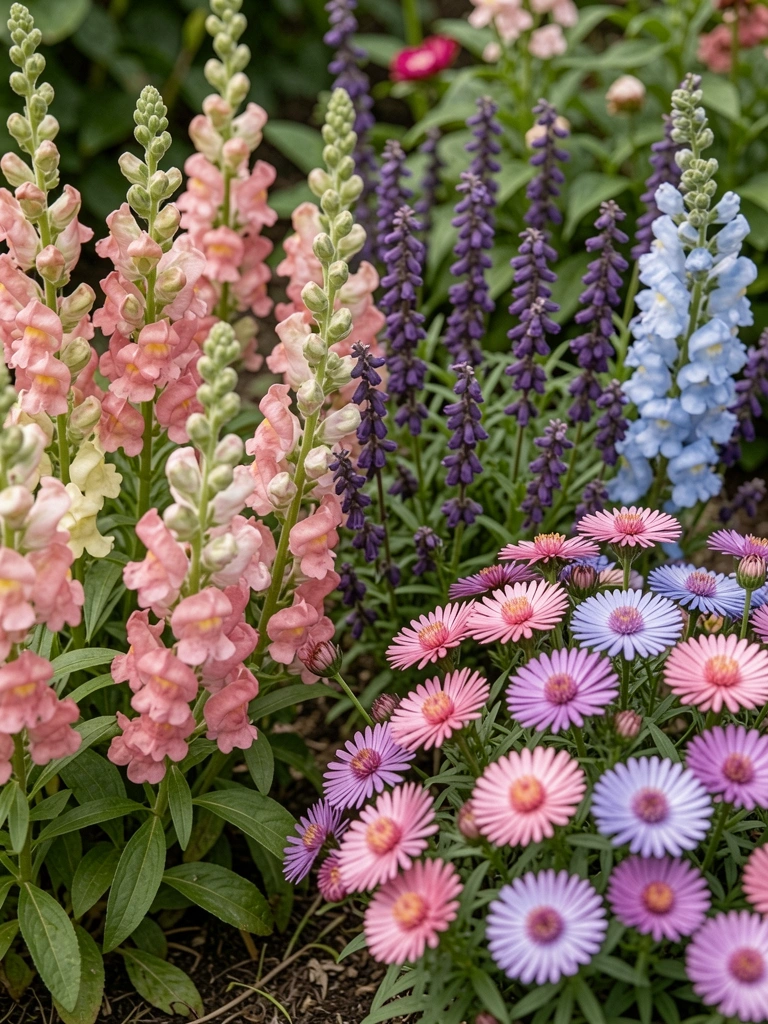
    Gaps killed momentum. Snapdragons to salvia to asters—color rolls spring to frost.

    Planted too close once, crowded out. Stagger timings.

    Always something open.

    What You’ll Need for This Look

    Final Thoughts

    Pick one or two ideas that fit your dirt and sun. My yard bloomed slow—yours will too.

    No rush for perfection. Just plant, watch, tweak.

    You've got this. Dirt under nails feels good.

  • 11 Backyard Vegetable Garden Design Ideas

    11 Backyard Vegetable Garden Design Ideas

    I still picture that first summer. My backyard was just grass, no rhythm. I dug in tomatoes haphazardly. They sprawled everywhere, shading the carrots. Frustrating.

    Then I shifted to simple designs. Beds that fit the fence line. Paths wide enough for my wheelbarrow. Suddenly, it felt right—easy to reach, full of green.

    Harvesting became a quiet pull from the dirt. If you're starting out, these ideas pull from those fixes. Real yards, real growth.

    11 Backyard Vegetable Garden Design Ideas

    These 11 backyard vegetable garden design ideas come straight from my dirt-stained hands. They've worked through floods, shade, and sloppy starts. Pick one that fits your yard—no need for all.

    1. Corner Stacked Raised Beds for Tight Spaces

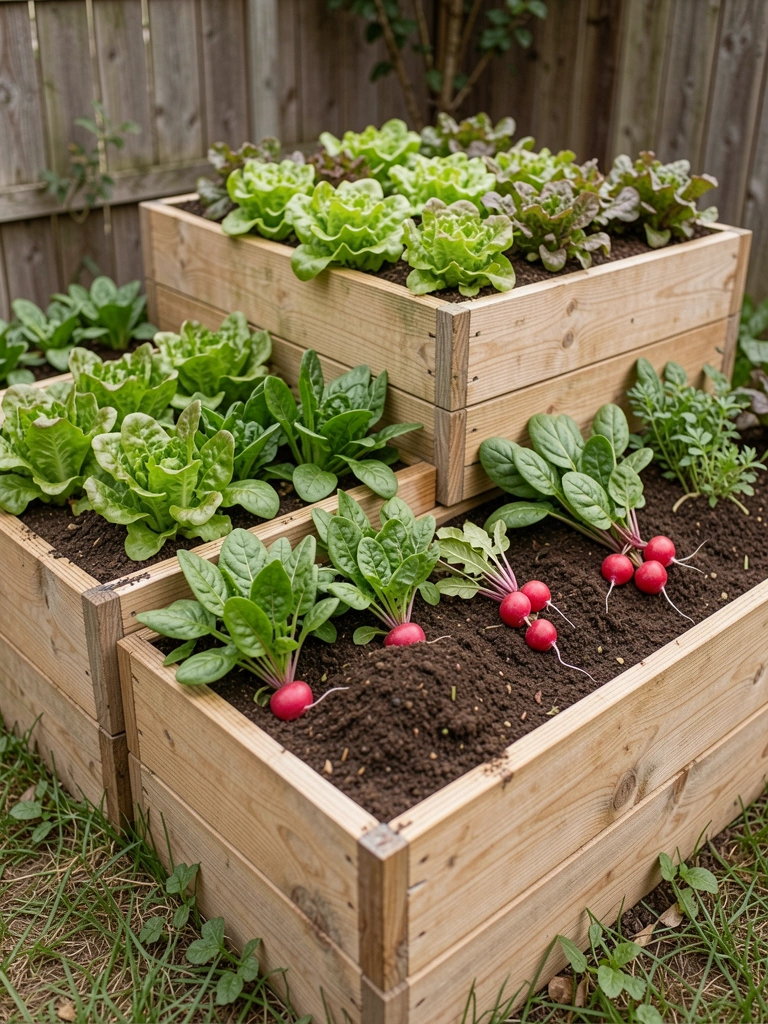
    My backyard corner sat empty for years—too shady, awkward shape. I stacked three cedar raised beds there, 12 inches high each. Started with greens on top, roots below. It tucked right in, no wasted grass.

    The layers caught morning sun perfectly. Lettuce stayed crisp, no mud on knees. Visually, it softened the fence, like a green staircase.

    Watch soil settling—top up yearly. I overfilled once; it spilled. Now, I plant shallow starters first.

    What You’ll Need for This Look

    Raised garden bed kit (cedar, 4×2 feet)
    Organic potting soil mix (20 quart)
    Radish and lettuce seeds combo pack

    2. Vertical Pallet Trellis for Climbing Beans

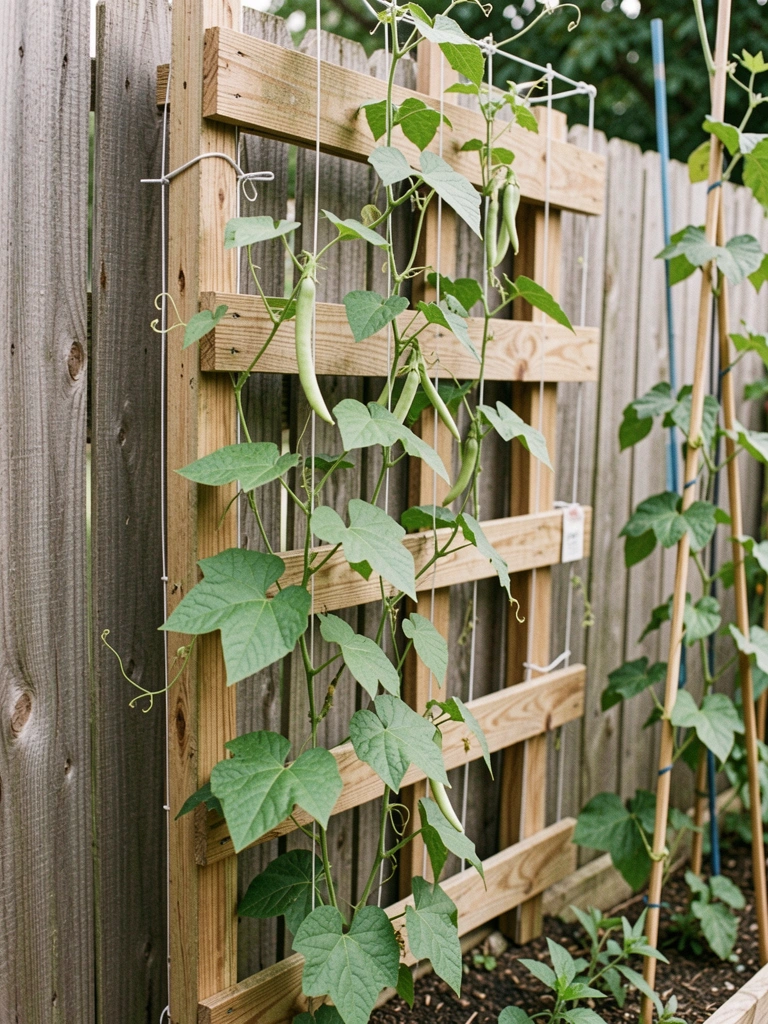
    Fence line was bare, beans flopping on ground. Nailed an old pallet flat, wove twine horizontally. Planted pole beans at base—shot up fast, pods dangling at eye level.

    Space opened up below for herbs. Felt taller, airier back there. No more muddy trails stepping over vines.

    I spaced strings too tight first time; stems tangled. Loosen to 6 inches now. Harvest feels like picking from a living wall.

    What You’ll Need for This Look

    Heavy duty garden twine (500 feet)
    Pole bean seeds (blue lake variety)
    Galvanized wire ties (100 pack)

    3. Patio Container Cluster for Instant Greens

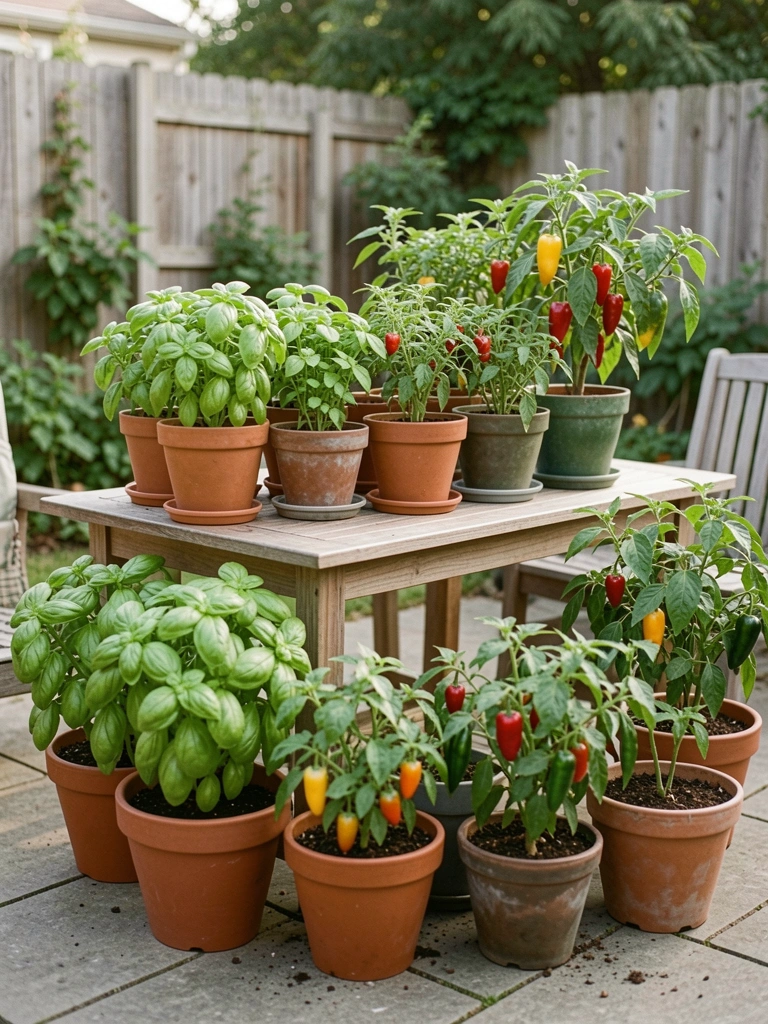
    Patio felt flat, no life near the door. Grouped five pots—big for peppers, small for greens. Clustered tight around the table legs. Daily snips right there.

    Colors popped: red peppers against blue pots. Made meals feel garden-fresh, no trek across yard.

    Group by water needs—peppers drier. Rotate for even sun; mine leaned once.

    What You’ll Need for This Look

    Terracotta planter set (10-14 inch)
    Bell pepper plants (starter pack)
    Drip irrigation kit for pots (6 emitters)

    4. Hugelkultur Mound for Root Crop Heaven

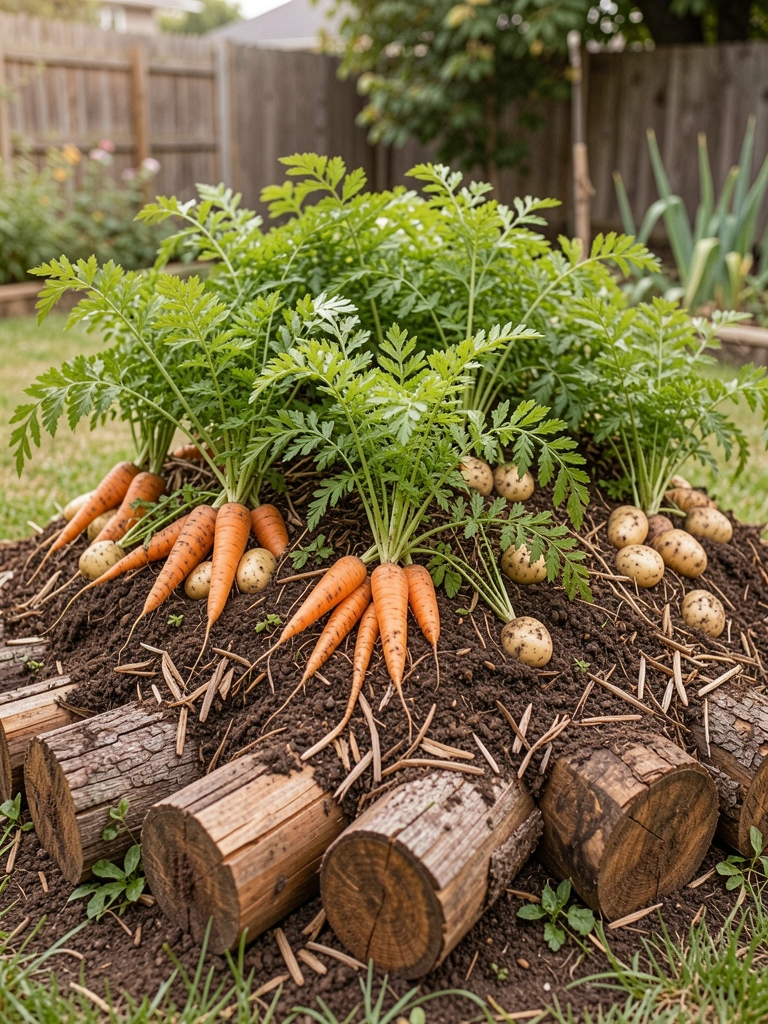
    Poor soil drove me to a hugelkultur mound—logs, branches, topped with soil. Planted carrots, beets right in. Stayed moist deep down, no extra water.

    Mound settled into a gentle hill, blending with the yard. Roots bulged fat, easy pull.

    Build slow; mine sank uneven first year. Add straw mulch yearly.

    What You’ll Need for This Look

    Compost starter mix (10 pounds)
    Carrot seeds (rainbow mix)
    Straw mulch bales (small)

    5. Keyhole Bed with Wheelbarrow Path

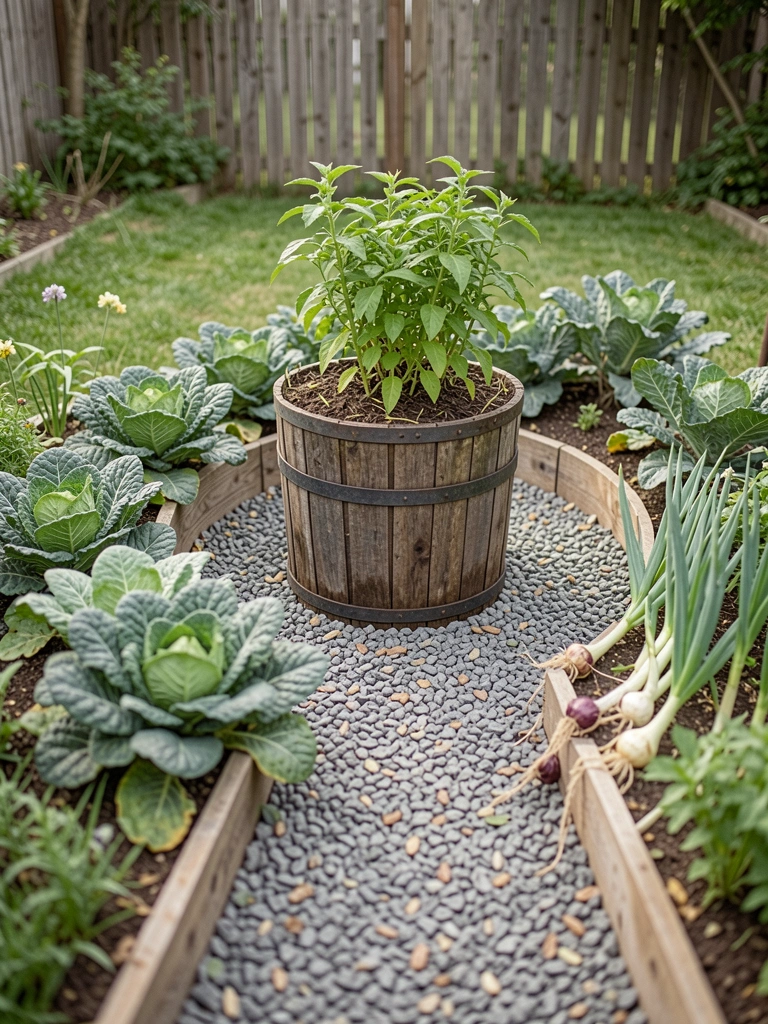
    Yard center was chaos—plants blocking wheelbarrow. Built a keyhole bed: circle with bite out for path, basket in middle for scraps. Kale, onions around edge.

    Access every plant without stepping in. Felt contained, purposeful.

    Basket filled too fast early on; empty weekly now. Paths with gravel stay firm.

    What You’ll Need for This Look

    Wire compost basket (24 inch)
    Kale seeds (lacinato)
    Gravel path stones (50 pounds)

    6. Cucumber Archway to the Back Gate

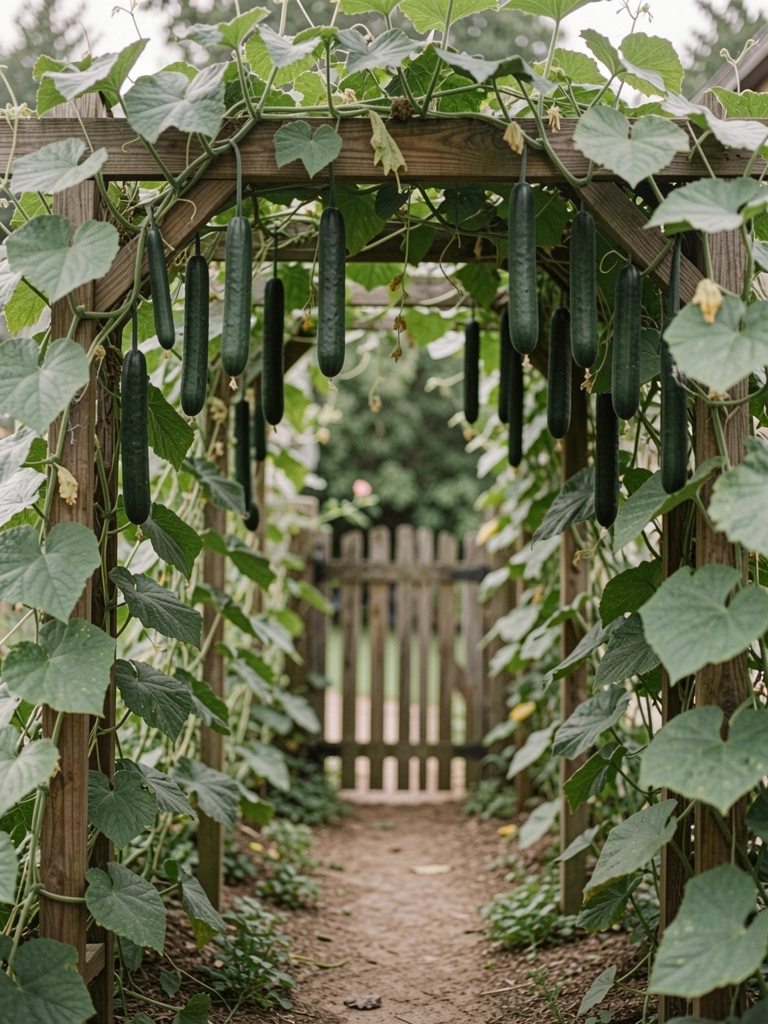
    Path to gate was dull. Bent rebar into an arch, draped netting. Cucumbers climbed, shading the walk. Fruits cooled in shade, straight and plenty.

    Walk-through felt shaded, private. Like entering a green tunnel.

    Secure base deep; wind twisted mine once. Plant two varieties for steady pick.

    What You’ll Need for This Look

    Rebar stakes (1/2 inch, 6 feet)
    Garden netting (10×20 feet)
    Cucumber seeds (marketmore)

    7. Mixed Border Potager Along the Fence

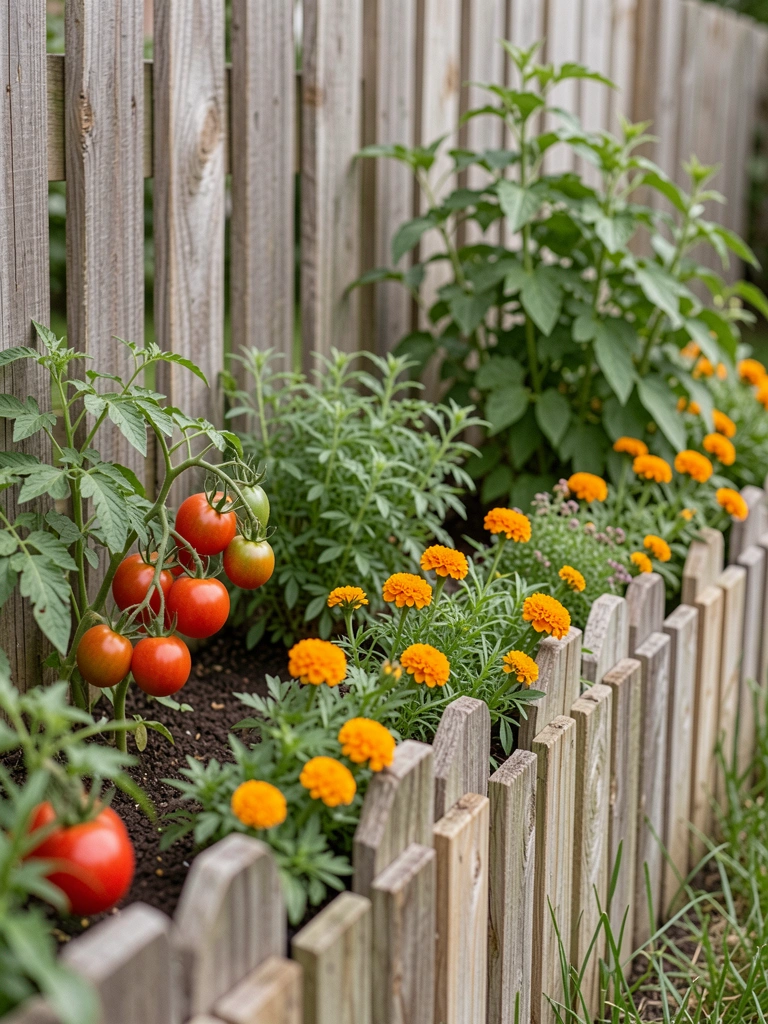
    Fence ran hot, empty. Dug a narrow border bed, mixed tomatoes, basil, marigolds. Bugs stayed away, scents mingled.

    Softened the yard edge, blurred fence lines. Harvests layered—leaves, fruits, flowers.

    Thin regularly; crowded once, stunted growth.

    What You’ll Need for This Look

    Marigold seeds (tagetes)
    Tomato cages (set of 3)
    Basil plants (live, genovese)

    8. Rolling Cart Garden for Shady Spots

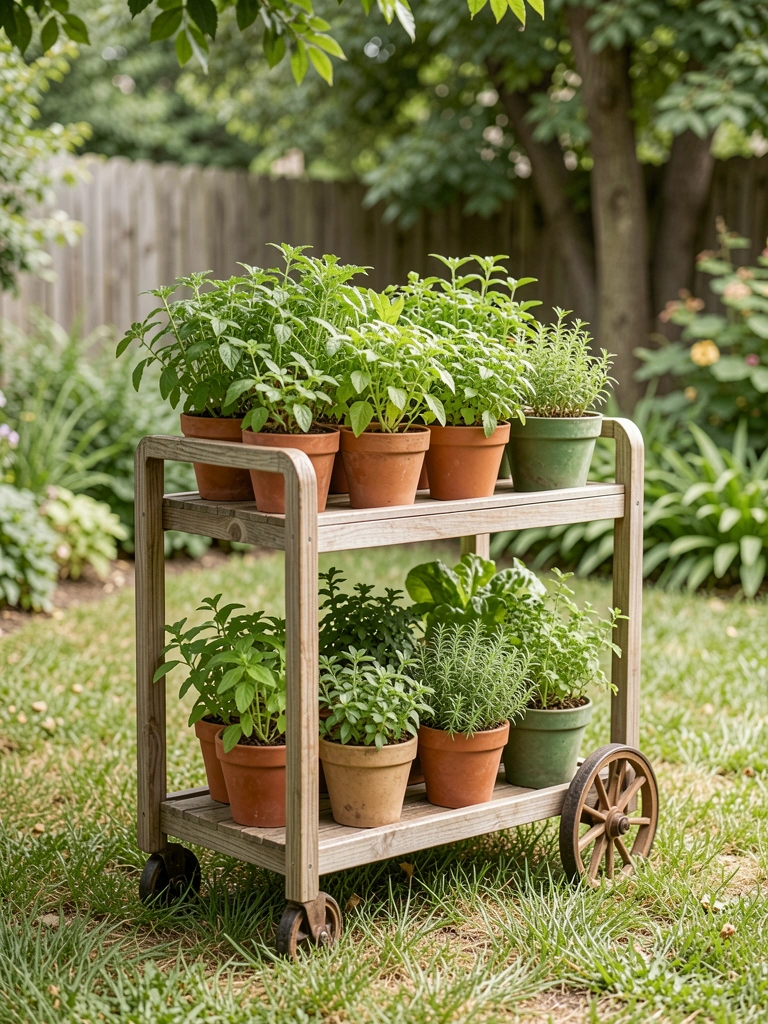
    Shady corner killed plants. Got a metal cart with shelves, filled pots with lettuce, chard. Wheeled to sun patches daily.

    Greens thrived, movable harvest. Added rhythm to quiet spots.

    Overwatered wheels rusted; elevate pots now.

    What You’ll Need for This Look

    Utility garden cart (wheeled, metal)
    Lettuce mix seeds
    Swiss chard seeds (rainbow)

    9. Sunken Bed Row for Heat-Loving Peppers

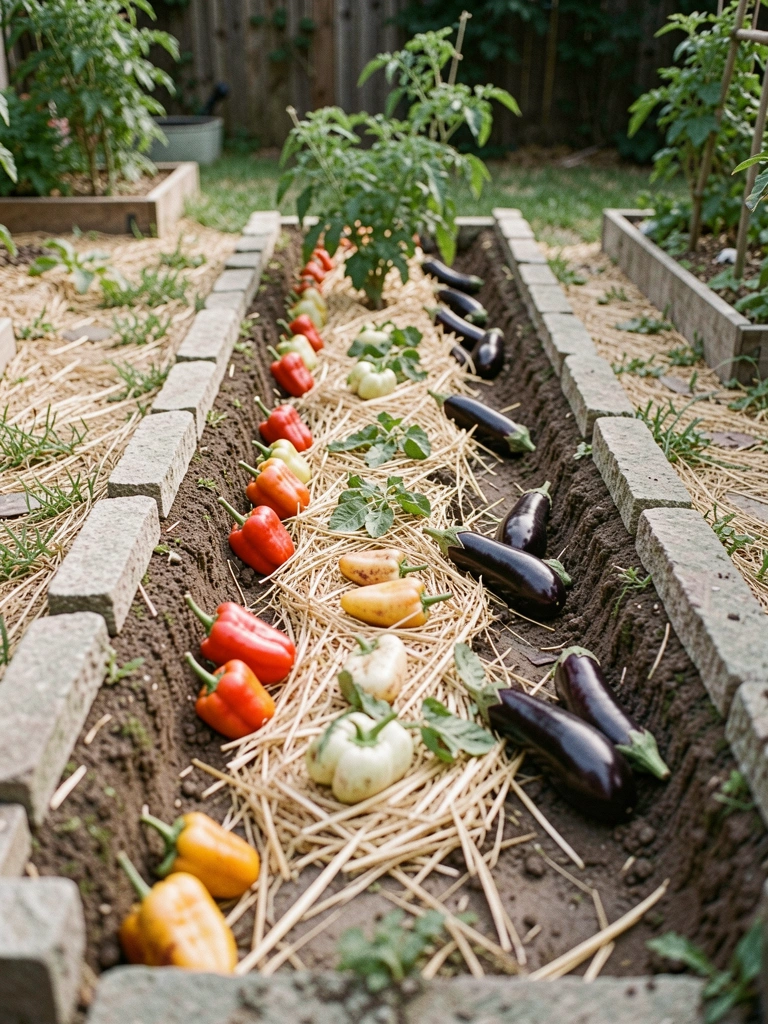
    Peppers sulked in open beds. Dug sunken rows, 6 inches down. Heat reflected up, soil warmed slow.

    Fruits swelled bigger, colors deep. Rows guided water right.
    Line with cardboard first; weeds punched through mine.

    What You’ll Need for This Look

    Straw mulch (bagged)
    Pepper plants (jalapeno)
    Landscape edging stones (kit)

    10. Strawberry Barrel Tower in the Center

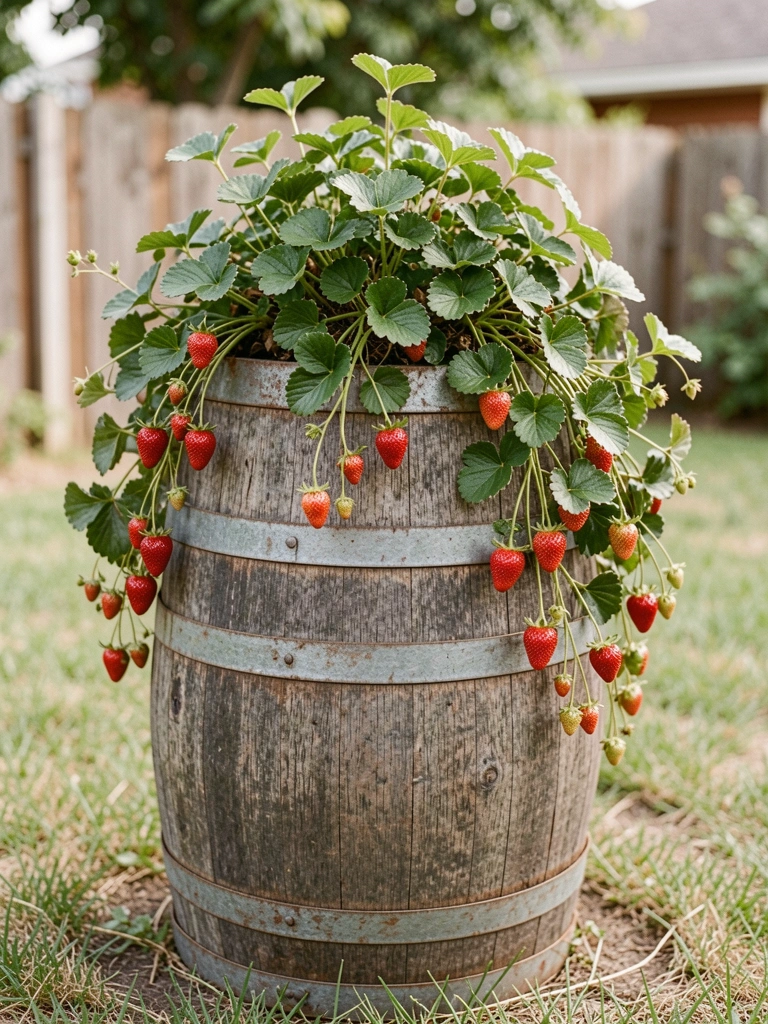
    Center spot got foot traffic. Cut holes in an old barrel, stacked with soil pockets. Strawberries tumbled out all season.

    Drew eyes, sweet pulls for kids. No sprawl.

    Drill low first; water pooled once.

    What You’ll Need for This Look

    Half whiskey barrel planter
    Strawberry plants (everbearing)
    Garden drill bits for wood

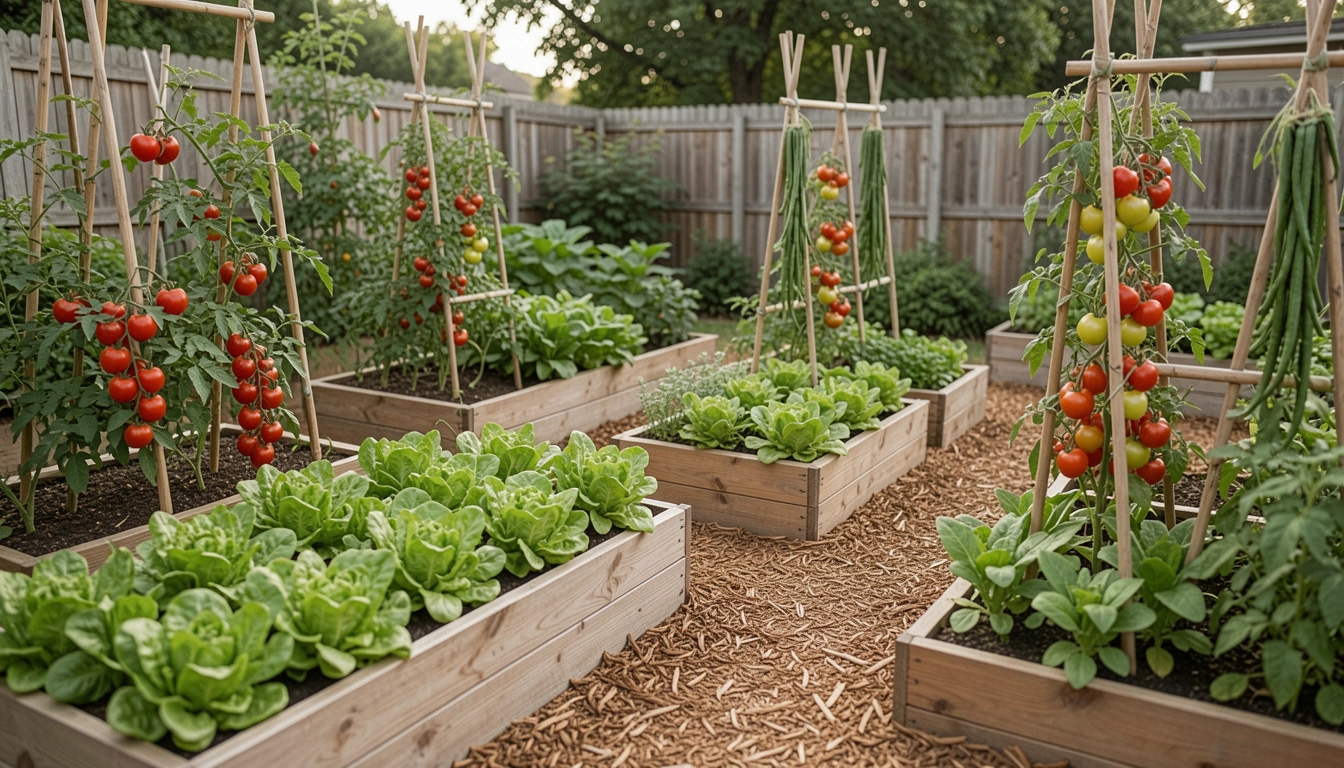
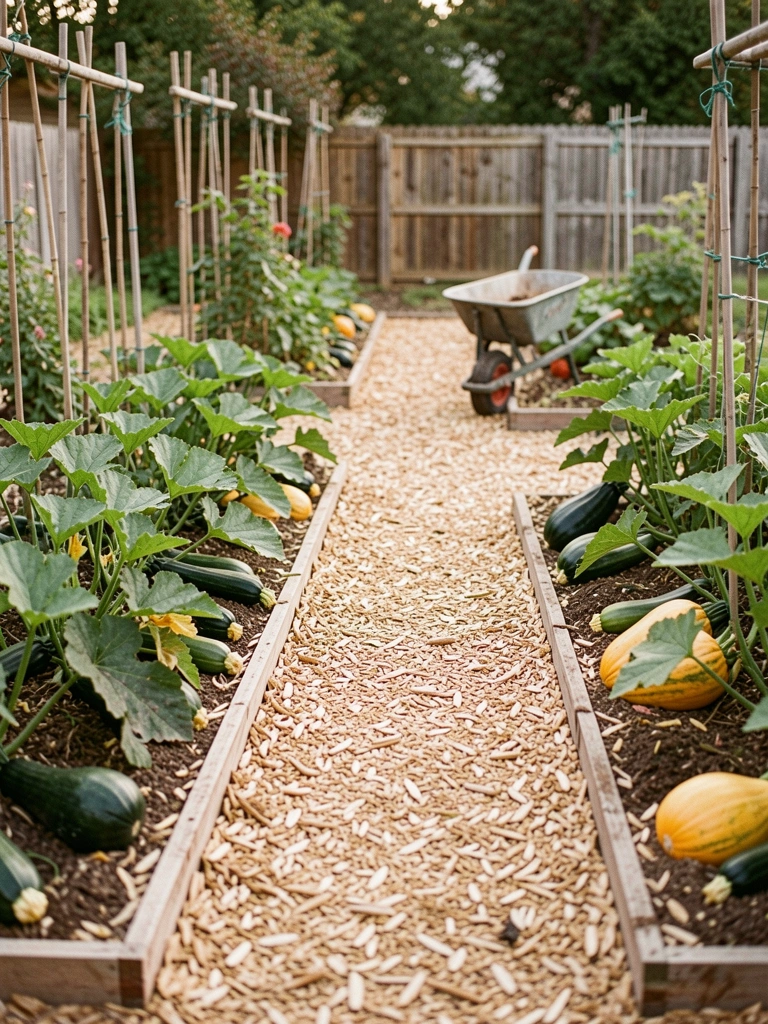
    11. Mulch Path Lanes Between Long Beds

    Beds merged into mess. Added 3-foot mulch lanes between long ones. Zucchini mounds fit perfect, barrow rolls easy.

    Yard felt ordered, barefoot friendly. Weeds gone.

    Too thin mulch first; refresh twice yearly now.

    What You’ll Need for This Look

    Bulk woodchips (mulch, 2 cubic feet)
    Zucchini seeds (black beauty)
    Wheelbarrow (12 cubic feet, steel)

    Final Thoughts

    Start with one idea that matches your light and space. My yard mixes a few—no perfection needed.

    Watch what grows, tweak next season. You'll harvest more than veggies: that quiet satisfaction. You've got this.

  • How to Make a Small Backyard Garden Look Bigger

    How to Make a Small Backyard Garden Look Bigger

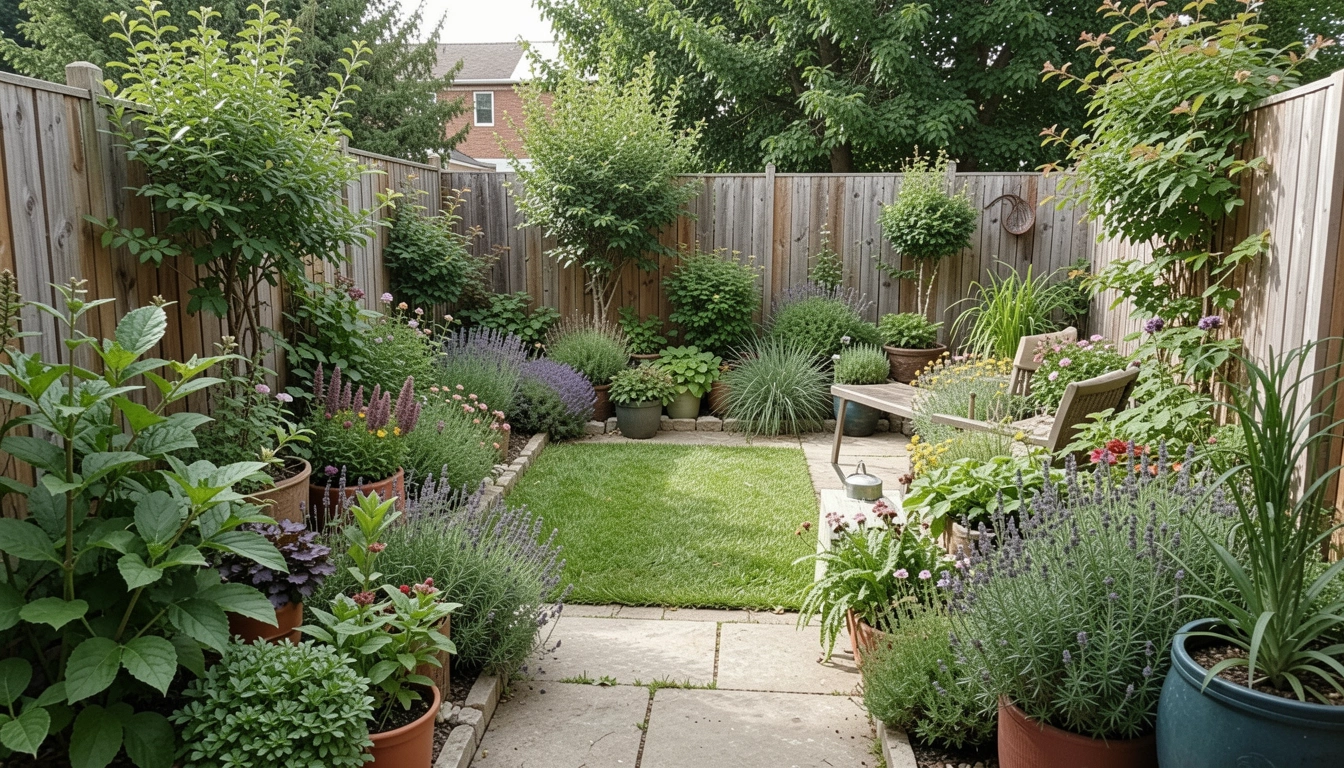
    I stared at my backyard last spring. Ten by fifteen feet, hemmed in by tall fences. Plants crowded every inch. It felt tight, like the walls were leaning in.

    I’d tried more flowers, brighter pots. Nothing helped. The space just shrank smaller.

    Then I stepped back. Saw what was really closing it off.

    How to Make a Small Backyard Garden Look Bigger

    This is the method I use every time a backyard feels pinched. You’ll end up with a garden that breathes—open sightlines, depth where there wasn’t any before. It works in tight spots.

    What You’ll Need

    Step 1: Clear the Center

    I start by walking the space. Pull everything from the middle third. Why? That bare ground pulls your eye back, creates breathing room.

    Visually, fences recede. The yard stretches. One insight folks miss: empty dirt looks bigger than packed soil.

    Don’t yank too much at once. I lost a good shrub that way early on. Thin in passes. Let it settle.

    Now it feels open. Air moves through.

    Step 2: Layer Heights from Back to Front

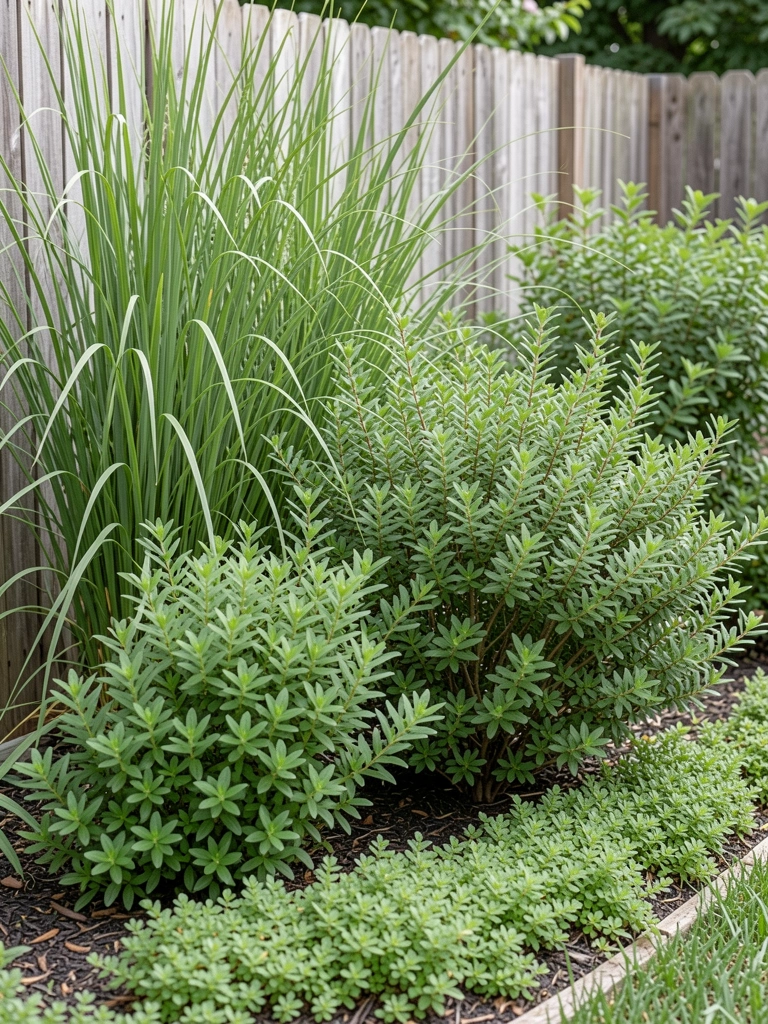
    I plant tall first, against the fence. Feather reed grass sways there. Then mid-height perennials. Low creepers hug the front.

    This tricks the eye into depth. Back stays distant, front frames it.

    People forget: equal heights flatten everything. Vary by two feet minimum.

    Avoid cramming layers tight. I did, and it choked the flow. Space them 18 inches apart. Watch it open up.

    Step 3: Draw Lines with a Path

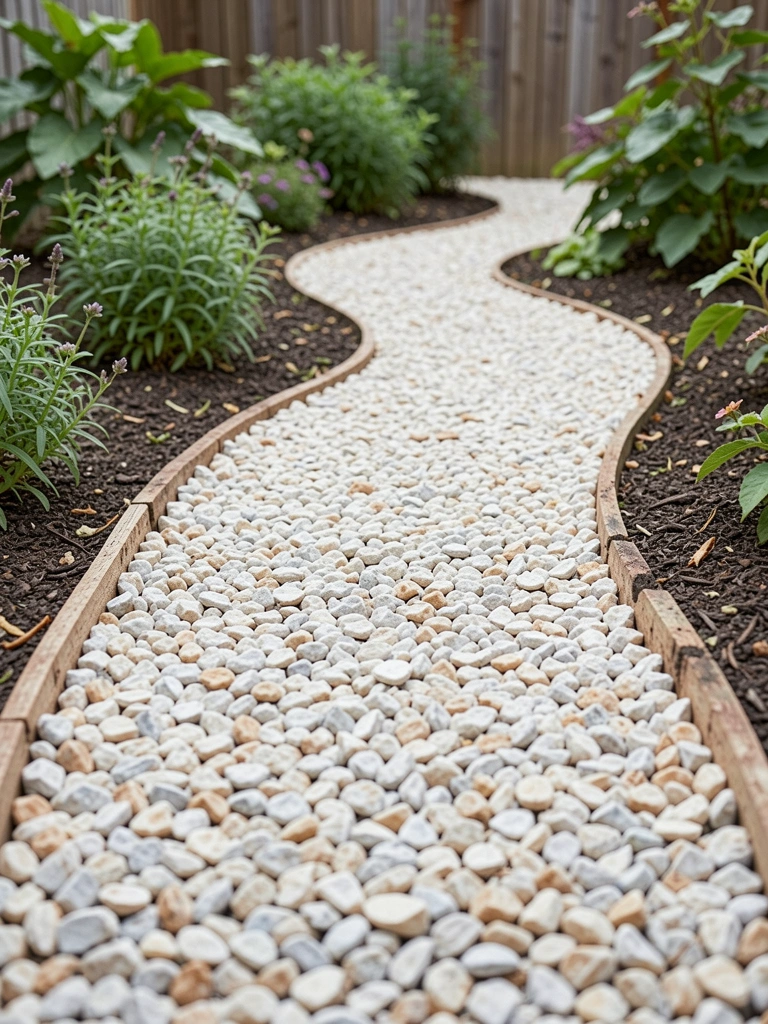
    I snake a gravel path from gate to far corner. Light stones catch sun, lead the eye deep.

    Suddenly, the yard has direction. Feels twice as long.

    Missed insight: straight paths box you in. Curves invite wandering.

    Don’t make it wide. Narrow, 18 inches, keeps sides planted. I widened mine once—lost green edges.

    Step 4: Add Vertical Lift

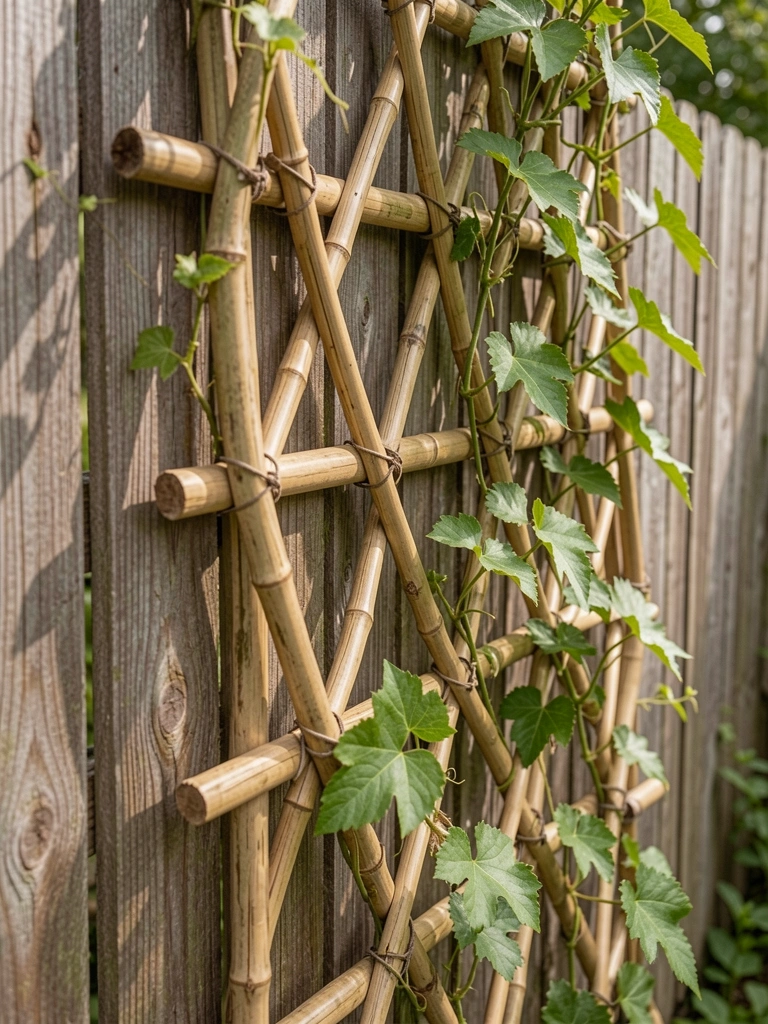
    I lean a bamboo trellis on the side fence. Train climbers up it. Eyes go high, yard expands upward.

    Fences fade behind green. Space lifts.

    Folks overlook: bare fences scream small. Vertical green softens them.

    Skip heavy metal frames. They block light. Bamboo lets it through. I switched after one dark corner.

    Step 5: Reflect and Lighten Edges

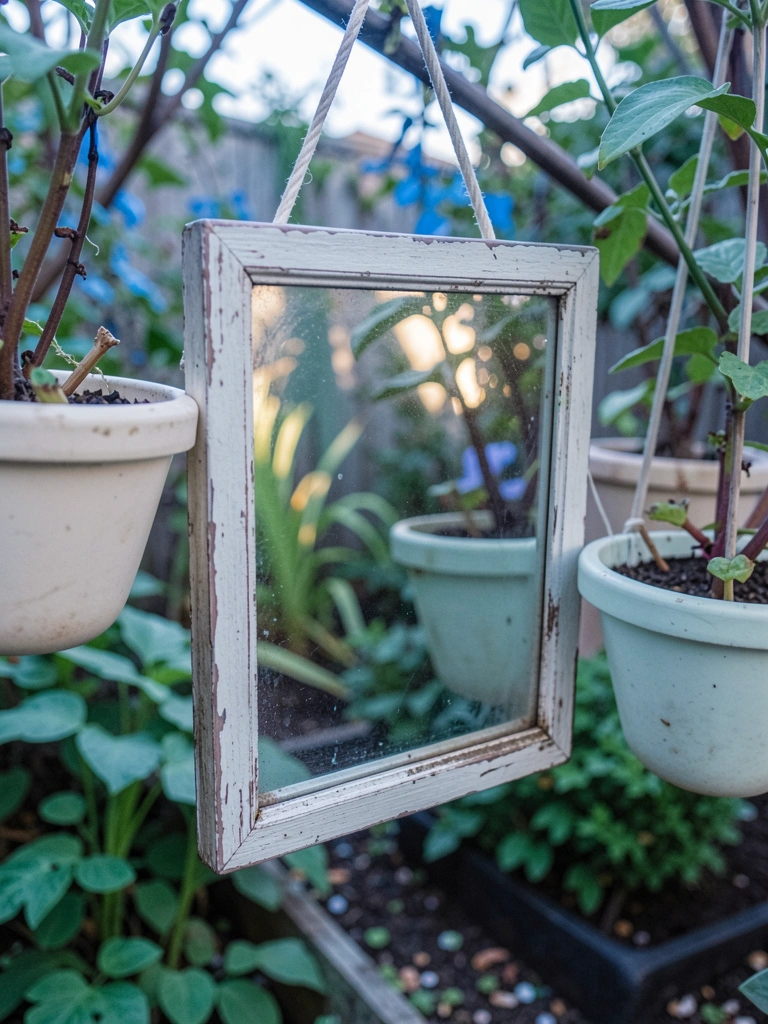
    I hang a mirror at eye level on the back fence. Pale pots dot the sides.

    Reflections double plants. Light colors push walls away.

    Insight: one mirror fools distance better than ten ornaments.

    Don’t angle it wrong. Straight on, or it blinds. Test from the door. Edges feel clean now.

    Plant Choices That Pull It Off

    I stick to a few that play nice in small spaces. They grow tidy, don’t flop.

    Tall grasses like miscanthus hold shape. Lavender bushes stay compact.

    • Feather reed grass: upright, moves in breeze.
    • Creeping thyme: fills gaps without crowding.
    • Pale hostas: light leaves brighten shade.

    Mix three types max. More muddies the lines.

    Fixing Common Pinch Points

    Fences too close? Paint them soft gray. It fades them back.

    Overhead branches crowding? Trim up, not out.

    • Check paths daily at first. Rake leaves—they darken gravel.
    • Thin blooms mid-summer. Spent flowers shrink space.

    One snag I hit: too many pots. Pick three, repeat shapes.

    Keeping the Bigger Feel Year-Round

    Winter bare? Evergreens anchor layers. Dwarf conifers work.

    Spring refresh: divide clumps that spread.

    • Mulch light-colored. Dark eats light.
    • Prune verticals lightly. Keep lift.

    It holds through seasons if you watch balance.

    Final Thoughts

    Start with one corner. Clear it, path it. See the shift.

    You’ve got this. Small yards reward patience.

    Mine feels generous now. Yours will too. Just stand back often.

  • How to Decorate a Backyard Garden

    How to Decorate a Backyard Garden

    I stared at my backyard last spring. It had grass, a few shrubs, and nothing else. Empty corners pulled my eye away. I added pots here and there, but it still felt off—like pieces missing from a puzzle.

    I'd walk out after work, coffee in hand, and sigh. The space didn't invite me to stay. It needed balance, not more stuff.

    One weekend, I stepped back and tried a different approach. Now, it holds my attention without trying too hard.

    How to Decorate a Backyard Garden

    This method helps you make a backyard feel complete and comfortable. You'll end up with a space that draws you in naturally. It's simple, and it works every time.

    What You’ll Need

    Step 1: Walk the Space and Spot the Lines

    I start by walking my backyard slowly. I look for lines—the fence, paths, where grass meets beds. These guide where eyes go first.

    As I walk, the space reveals itself. Bare walls stand out. A corner by the shed feels dead. This step quiets the clutter in my head.

    People miss how lines pull focus. Cluster too much in one spot, and it fights the flow. Avoid filling every inch—leave breathing room between.

    Now, the yard feels mapped. It changes from blank to full of quiet possibilities.

    Step 2: Pick One Focal Point Per Zone

    I choose one strong piece per area—like a birdbath in the back corner. It anchors without shouting. Why? It gives the eye a place to rest.

    Visually, that spot shifts. Empty becomes inviting. Water draws birds, adds life.

    The insight: one piece per zone keeps balance. Skip this, and everything competes. Mistake to dodge—don't center everything on the patio; spread it out.

    My backyard starts feeling layered, not flat.

    Step 3: Layer Heights Around Anchors

    I add tall plants behind the anchor, medium in middle, low out front. Planters lift some up. It builds depth.

    The view gains rhythm. Flat ground turns dimensional. Textures mix—rough leaves against smooth stone.

    Folks overlook height for flow. All same level feels squat. Don't cram; space plants so air moves through.

    Now, zones connect visually, pulling you deeper in.

    Step 4: Weave in Paths and Seating

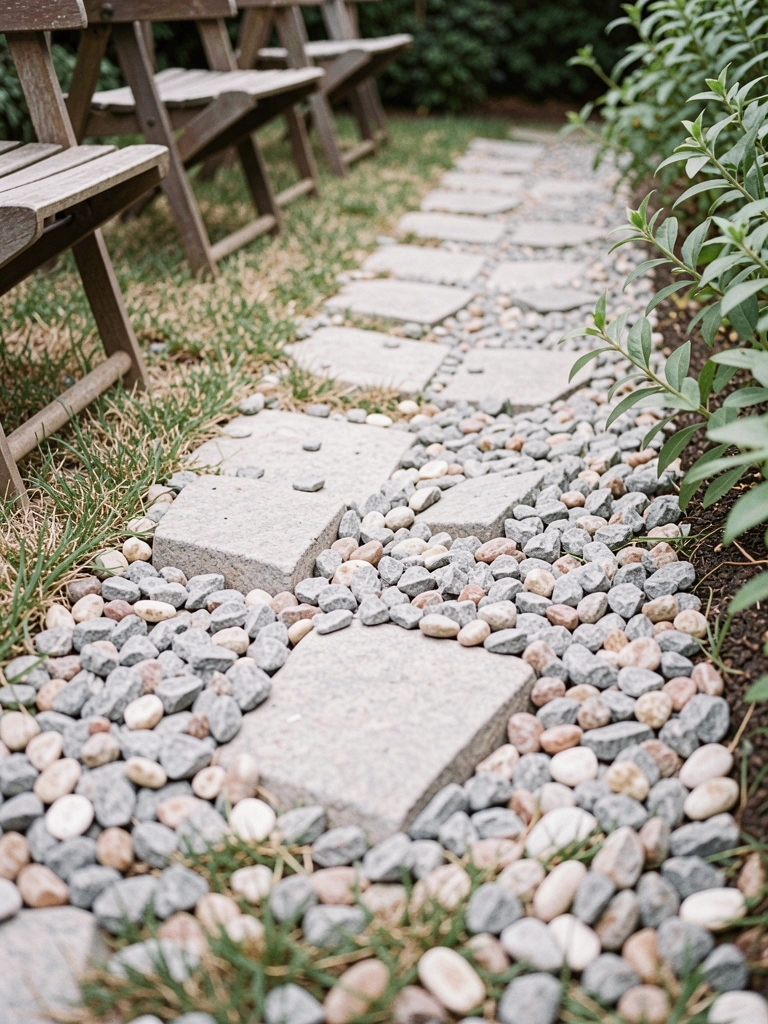
    I lay gravel paths from patio to anchors. Add chairs where paths end. Paths guide steps; chairs invite pause.

    The space opens up. It feels walkable, not walled off. Gravel softens hard lines.

    Missed insight: paths balance hard surfaces. Avoid straight lines—they're harsh. Curve them slightly.

    Backyard shifts to comfortable, lived-in flow.

    Step 5: Soften with Light and Hangings

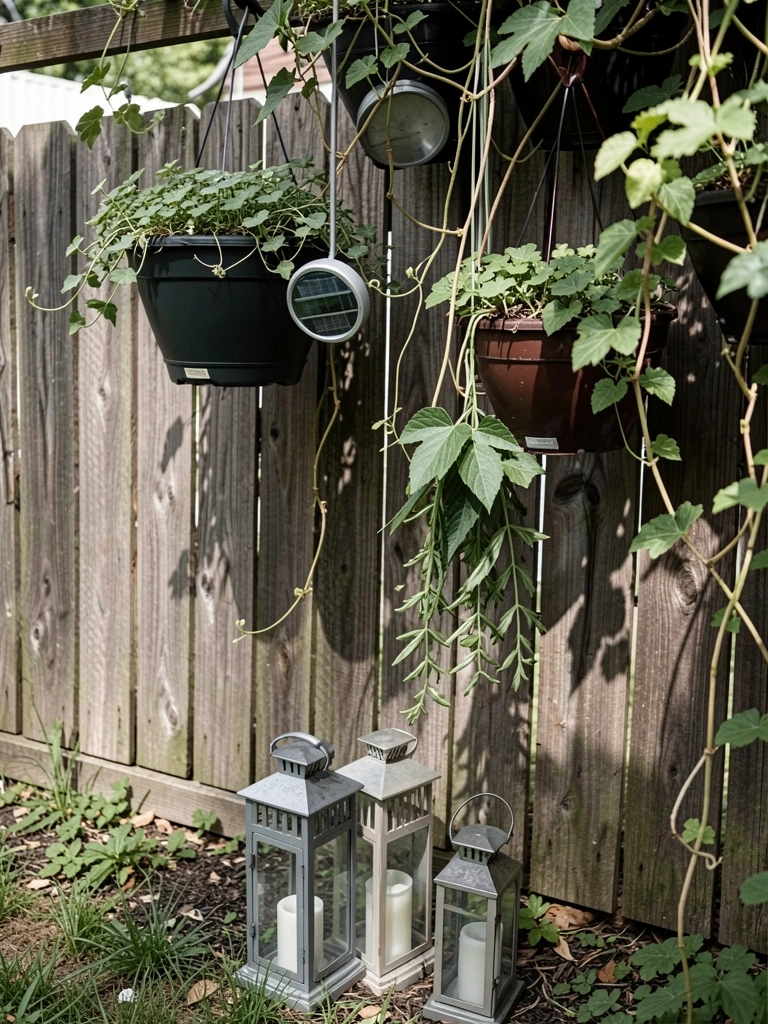
    I hang baskets on fences, tuck lanterns along edges. Solar lights mark paths at dusk. They add glow without glare.

    Evening changes everything—warm light balances day shadows. It feels cozy after dark.

    People forget dusk test. Lights too bright wash out plants. Place low, not overhead.

    The yard settles into full balance, day or night.

    Common Mistakes to Avoid

    I’ve made them all. Here’s what pulls a backyard off track.

    • Overstuffing corners: One anchor beats five pots fighting for space.
    • Ignoring fences: Blank walls scream. Hangings break them up.
    • Same-height plants: Layers create depth—mix it.

    Spot these early. Pull back. Your space breathes better.

    Year-Round Adjustments

    Backyards shift with seasons. I tweak lightly.

    Perennials fill in summer. Mulch protects winter beds.

    • Spring: Fresh gravel paths.
    • Fall: Swap baskets for lanterns.

    Small changes keep it balanced. No big overhauls.

    Making It Yours

    Personal touches fit naturally.

    Add a chair you love. Plants that return each year.

    • Comfortable spots for coffee.
    • Scents from herbs near paths.

    It’s your backyard. Let it reflect quiet habits.

    Final Thoughts

    Start with one corner. See how it pulls together.

    You’ll notice the shift—eyes linger, feet stay.

    My backyard isn’t perfect. But it’s mine, balanced and calm. Yours will feel that way too.

  • 10 Luxury Backyard Garden Design Ideas

    10 Luxury Backyard Garden Design Ideas

    A few years back, my backyard felt like an afterthought – flat, boring, forgotten. I craved that resort calm after work. Started small: a trickle of water, some deep cushions, plants that catch the evening glow. Now it pulls me outside every night. The air smells alive. You can shape this too, step by step.

    10 Luxury Backyard Garden Design Ideas

    These 10 luxury backyard garden design ideas grew from my own dirt and sweat. They're doable in real yards, no massive crews needed. Each adds polish without fuss.

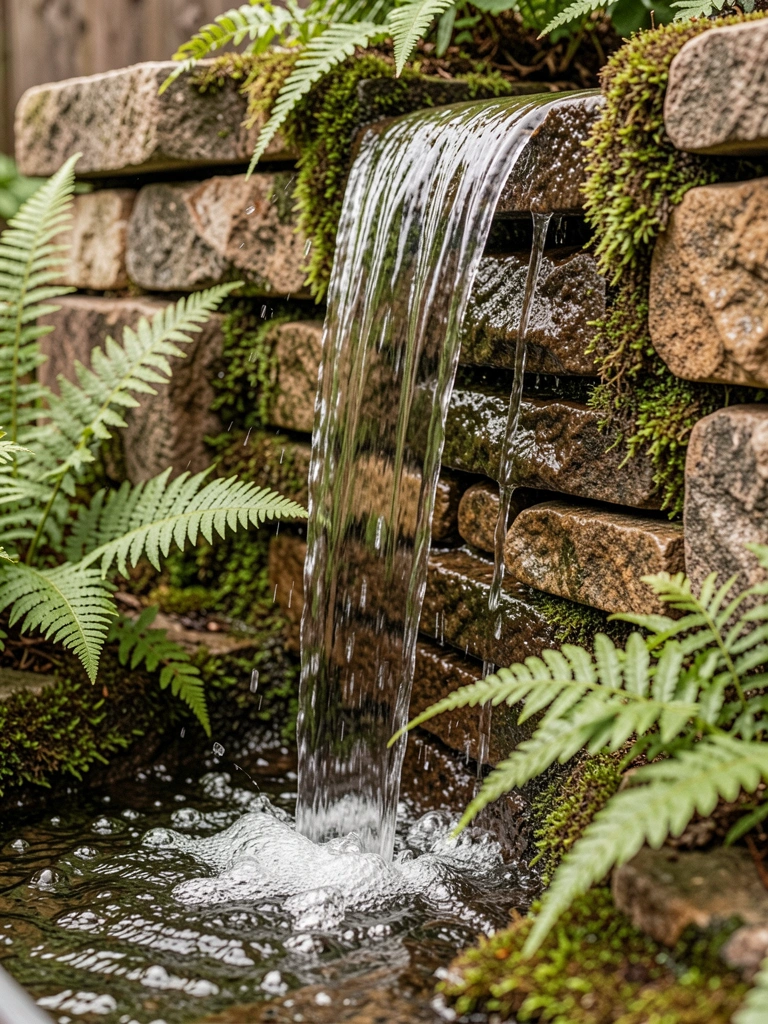
    1. Cascading Water Wall Backdropping a Lounge Nook

    I built this after a hot summer left me craving sound over silence. Sheet water over stacked slate – it drowns out traffic, turns the yard serene. Planted ferns at the base; they thrive in the mist, edges curling soft. Lounge chairs face it now, cushions sinking just right.
    The visual shift hits hard: light dances on wet stone, plants glow greener. Feels private, upscale. Watch the pump height – too high splashes everywhere.

    One tip: angle the wall slightly for even flow. Mist settles cool on skin.

    What You’ll Need for This Look

    Cascading water wall kit (36 inch)
    Outdoor lounge chairs with cushions
    Fern plants in 6 inch pots
    Submersible pond pump 500 GPH

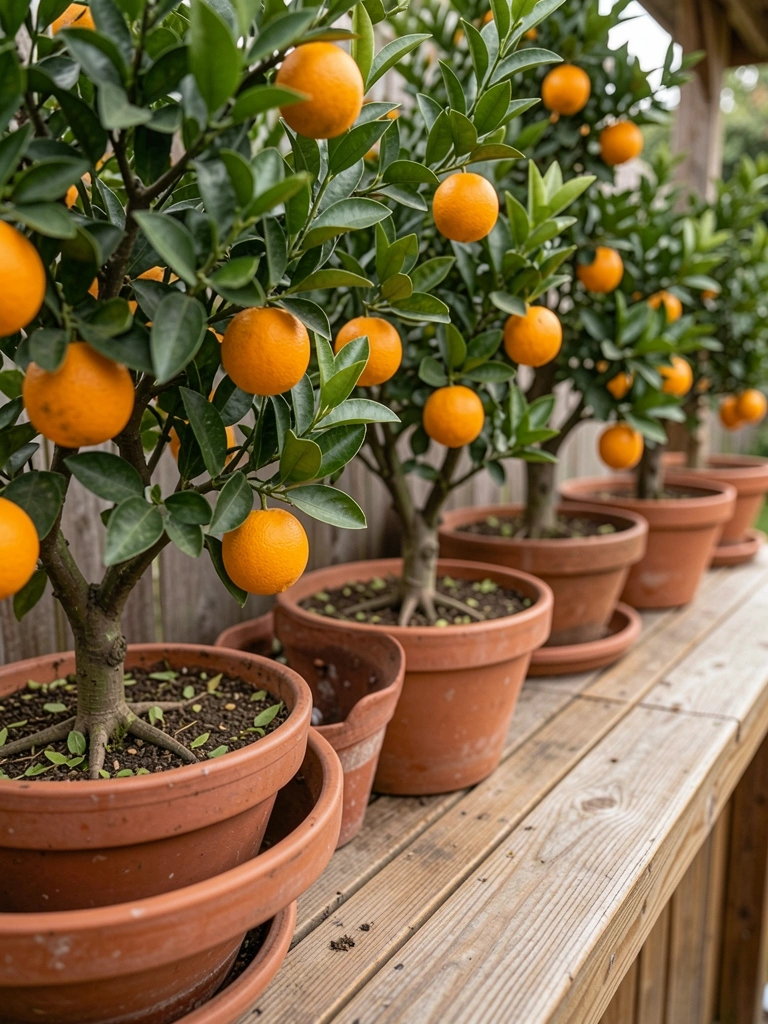
    2. Potted Citrus Grove Framing an Outdoor Bar

    Citrus pots clustered around my bar cart changed everything. Lemons twist gold against green, scent hits when you brush past. Bar's just butcher block on wheels – sturdy for drinks, easy to move. Grove shades it perfectly in afternoon sun.

    Visually, it's rich: varied heights pull eyes up, fruits pop like jewels. Emotionally warmer gatherings. Group pots tight for density.

    Pro move: elevate smaller ones on stands. Roots stay happy, no tipping.

    What You’ll Need for This Look

    Lemon tree in 10 gallon pot
    Outdoor bar cart in teak
    Terracotta plant stands (24 inch)
    Orange tree sapling

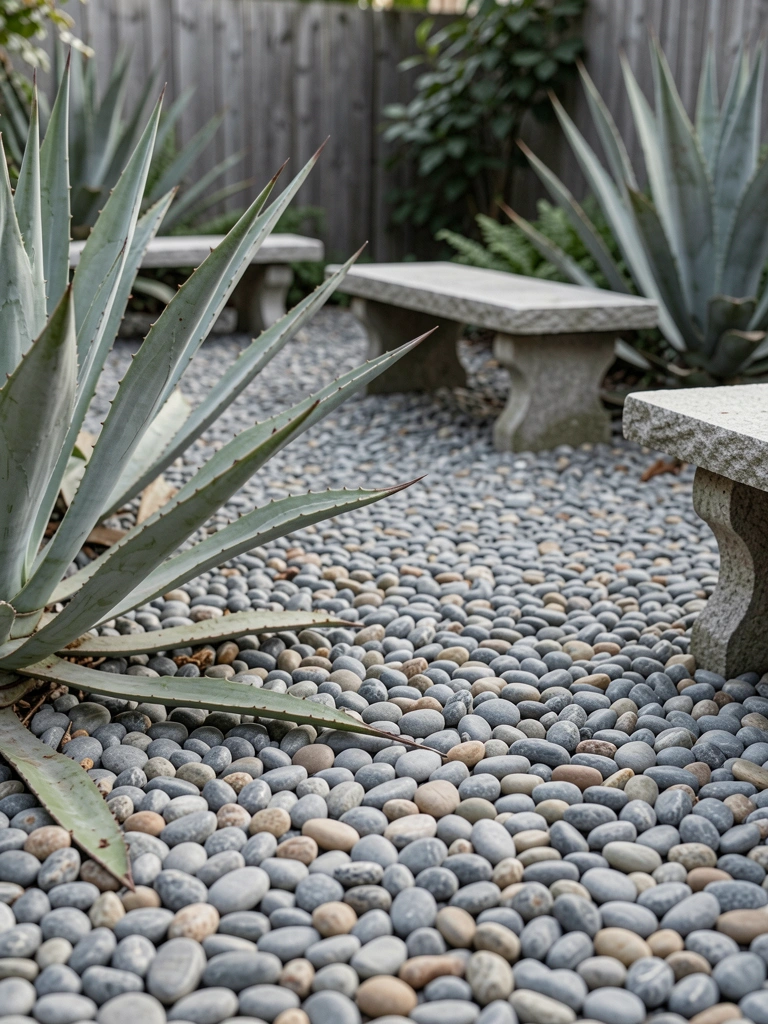
    3. Gravel Courtyard with Sculptural Agave Accents

    Gravel transformed my weedy patch into clean lines. Agaves punch up the center – their spines catch light, throw shadows long. Benches tuck in corners. Mistake: first gravel was cheap, weeds punched through. Switched to landscape fabric under.

    Now it feels open yet defined, modern calm. Gravel crunches satisfying underfoot. Plants stay low, no mowing.

    Key: rake weekly, keeps it sharp. Agaves offset perfectly.

    What You’ll Need for This Look

    Landscape gravel 0.5 cubic yard
    Agave plant in 8 inch pot
    Stone garden benches
    Landscape fabric roll 3×50 ft

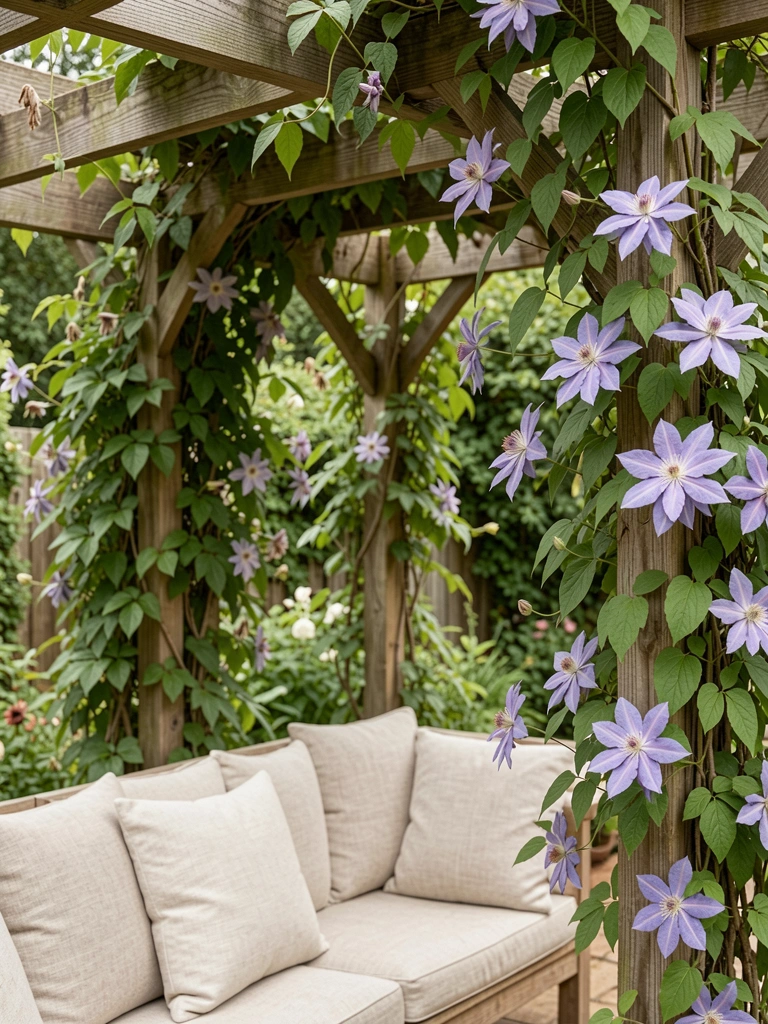
    4. Vine-Draped Pergola Over a Dining Set

    Pergola went up quick from a kit, clematis trained over top. Dines under partial shade now, vines filter sun soft. Table's teak, seats six easy. Leaves rustle overhead, cool air drops.

    Shifted the yard to intentional: frame pulls focus, meals linger longer. Vines grew wild first year – pruned hard.

    Train stems loose for natural drape. Feels enclosed, not closed.

    What You’ll Need for This Look

    Wooden pergola kit 10×10 ft
    Clematis vine plant
    Teak outdoor dining set
    Garden wire for training

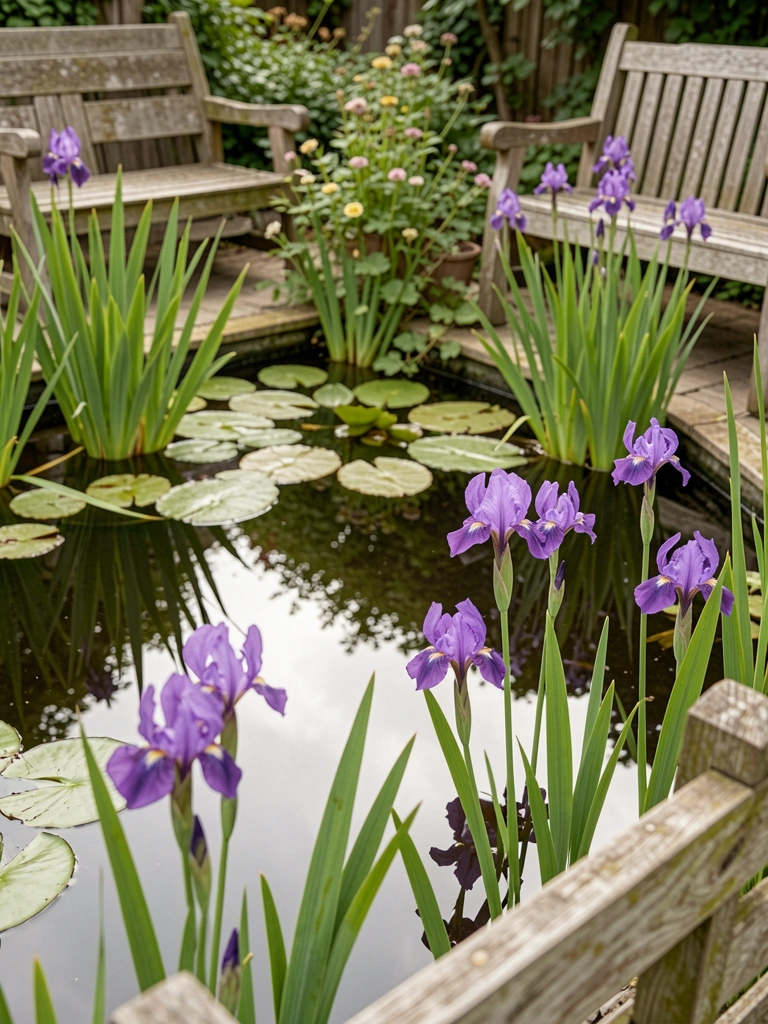
    5. Reflective Pond Edged with Iris and Benches

    Pond liner dug shallow, irises rim it tight. Water mirrors sky, benches curve around. Frogs moved in quick. Bought too-deep liner first – redid shallower for plants. Now fish dart, surface ripples calm.
    Pond centers the yard, draws quiet sits. Colors deepen at dusk. Edge stones firm under elbows.

    Stock lightly: overfeed clouds water fast.

    What You’ll Need for This Look

    Pond liner 10×10 ft EPDM
    Iris rhizomes pack of 5
    Curved wooden garden benches
    Water lily plants

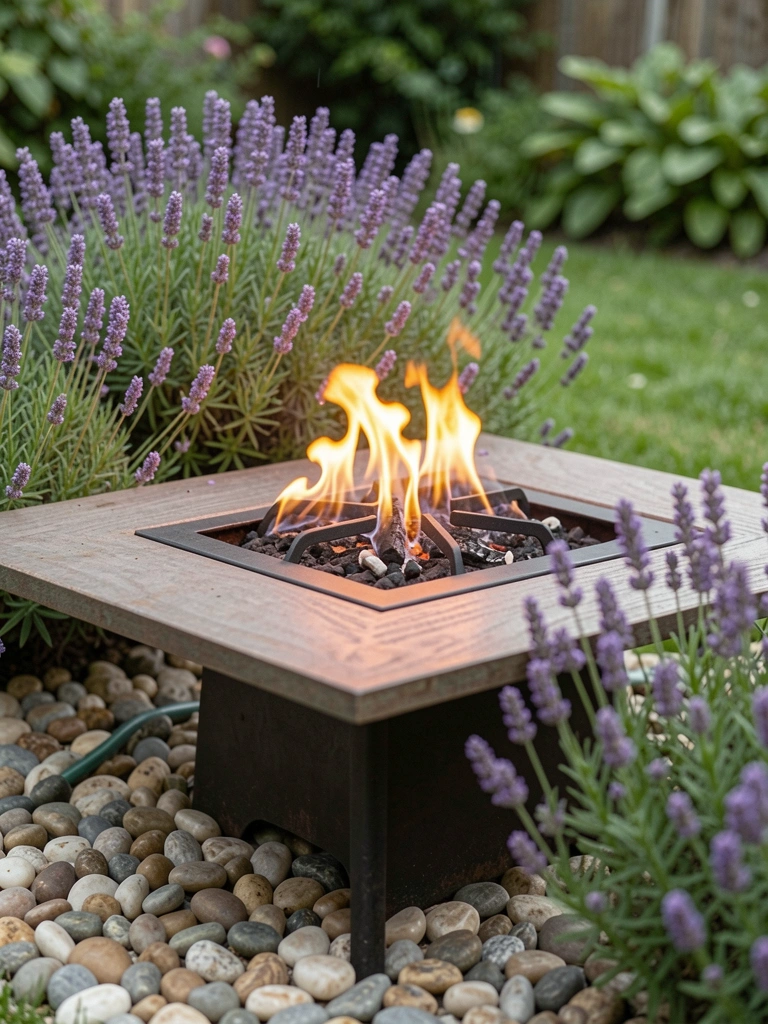
    6. Fire Table Ringed by Low Lavender Beds

    Fire table anchors evenings, lavender boxes low around base. Scent mixes with smoke, seats pull close. Pebbles fill gaps, no mud. Flames flicker steady on propane.

    Yard feels gathered now, light warms faces soft. Lavender blooms fade to silver – trim for shape.

    Propane lasts nights; refill smooth.

    What You’ll Need for This Look

    Propane fire table 42 inch
    Lavender plants in 1 gallon
    Wooden planter boxes 24 inch
    Pebble filler bags

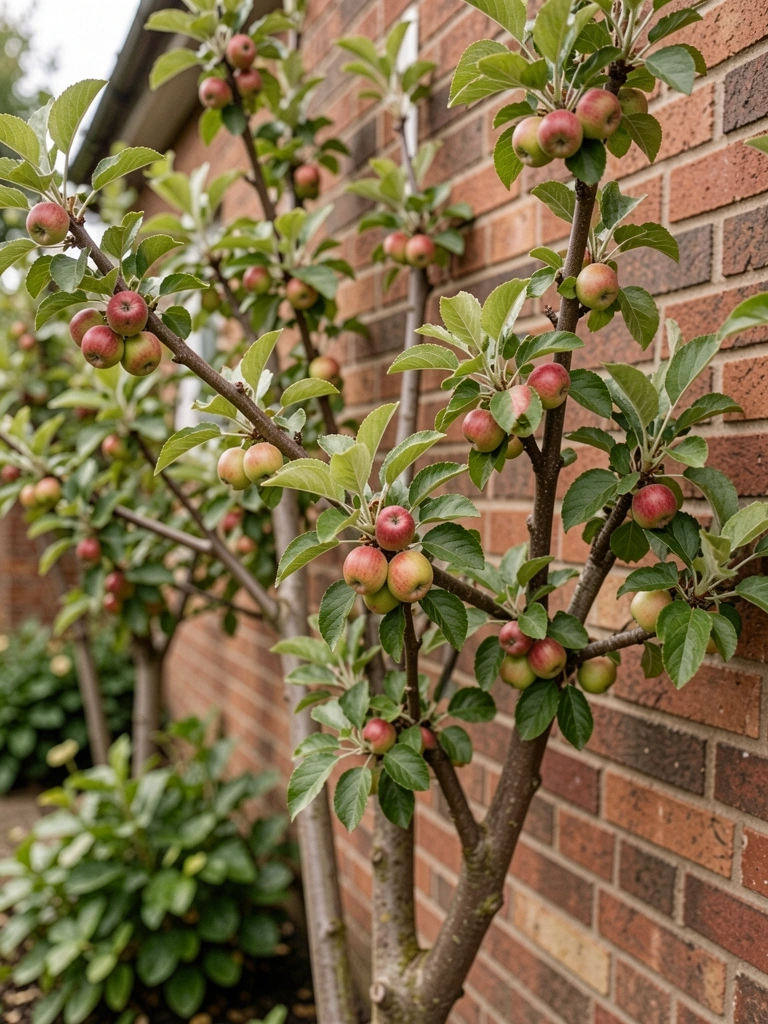
    7. Espaliered Apple Trees Against a Retaining Wall

    Apples wired flat on brick – saves space, fruits easy pick. Wall holds heat, ripens early. Branches fan neat. Picked wrong rootstock once, too spindly – now dwarfs thrive.

    Wall frames it crisp, apples glow red. Privacy bonus too. Ties stay loose as they thicken.

    Wire grid first, plants fill slow.

    What You’ll Need for This Look

    Dwarf apple tree espalier
    Brick retaining wall blocks
    Garden wire grid kit
    Plant ties soft vinyl

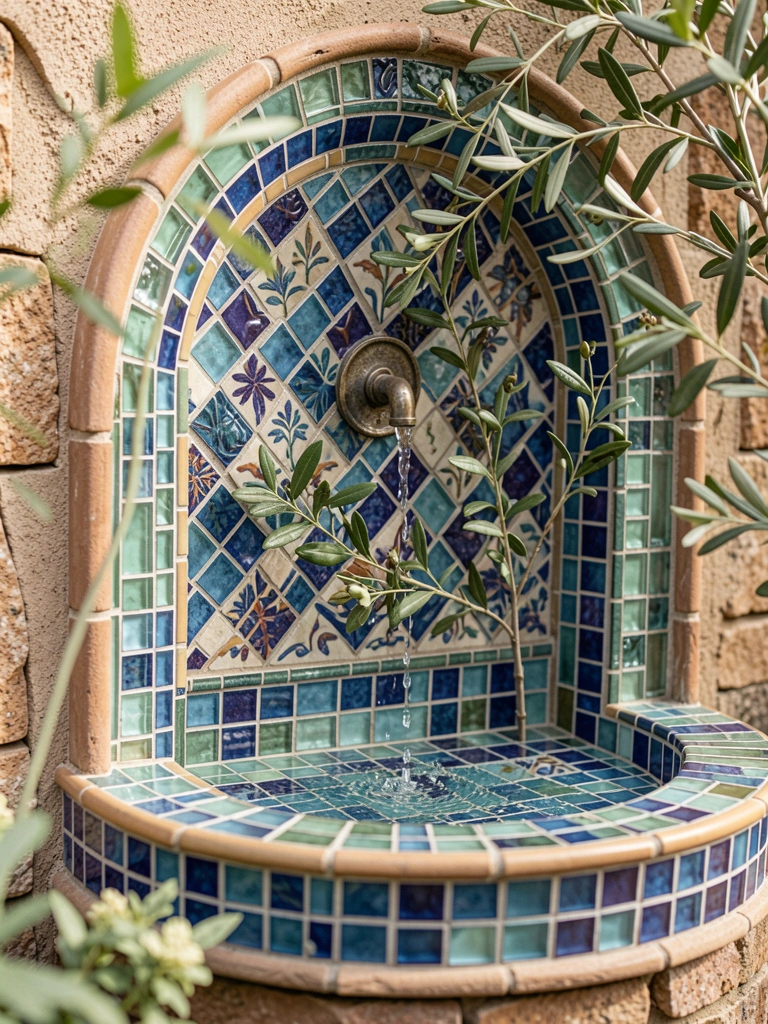
    8. Mosaic Alcove Fountain with Olive Pots

    Alcove tucked in fence, mosaic tiles gleam wet. Olives flank it, silvery leaves sway. Water burbles low. Tiles grouted twice – first rain washed weak.

    Spot pulls sits, colors shift light. Olives drop rarely, easy sweep.
    Seal tiles yearly, keeps shine.

    What You’ll Need for This Look

    Mosaic tile fountain kit
    Olive tree in 5 gallon pot
    Outdoor fountain pump 200 GPH
    Grout sealer spray

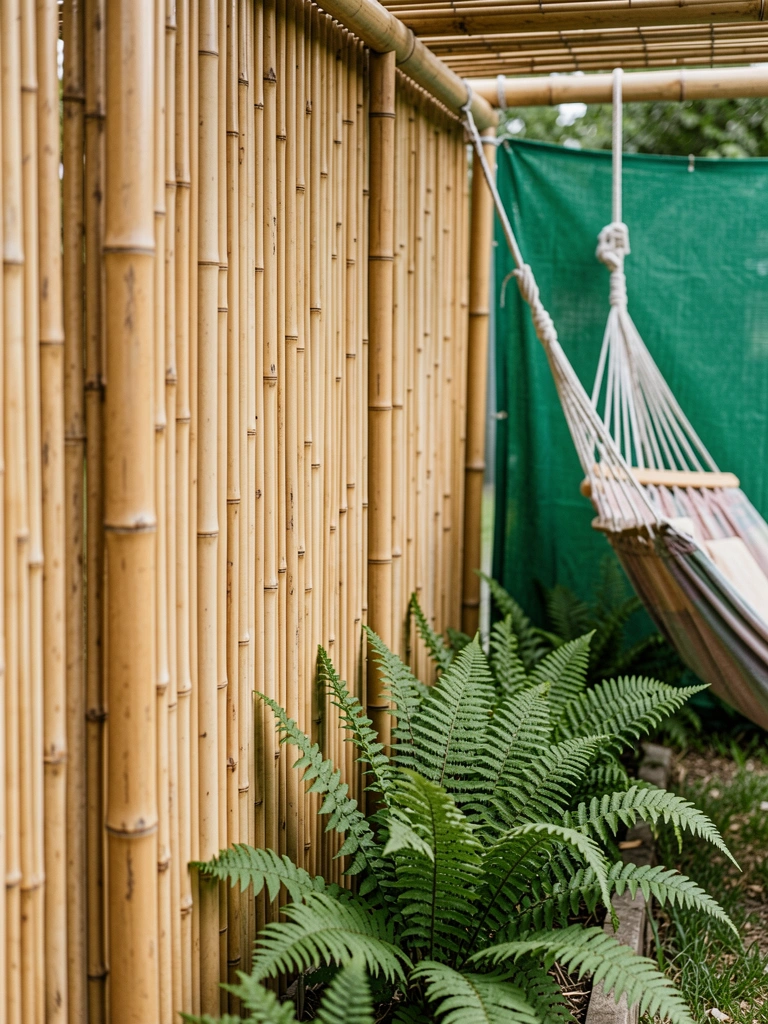
    9. Bamboo Privacy Screen Hiding a Hammock Spot

    Bamboo rolls zip-tied to posts screen the hammock. Ferns below soften bases. Breeze moves it gentle. Poles split first season – doubled up now sturdy.

    Hides the fence, hammock rocks private. Green tones cool eyes.

    Space poles 6 inches for air.

    What You’ll Need for This Look

    Bamboo privacy screen roll 6×8 ft
    Outdoor hammock with stand
    Fern underplant pack
    Zip ties heavy duty

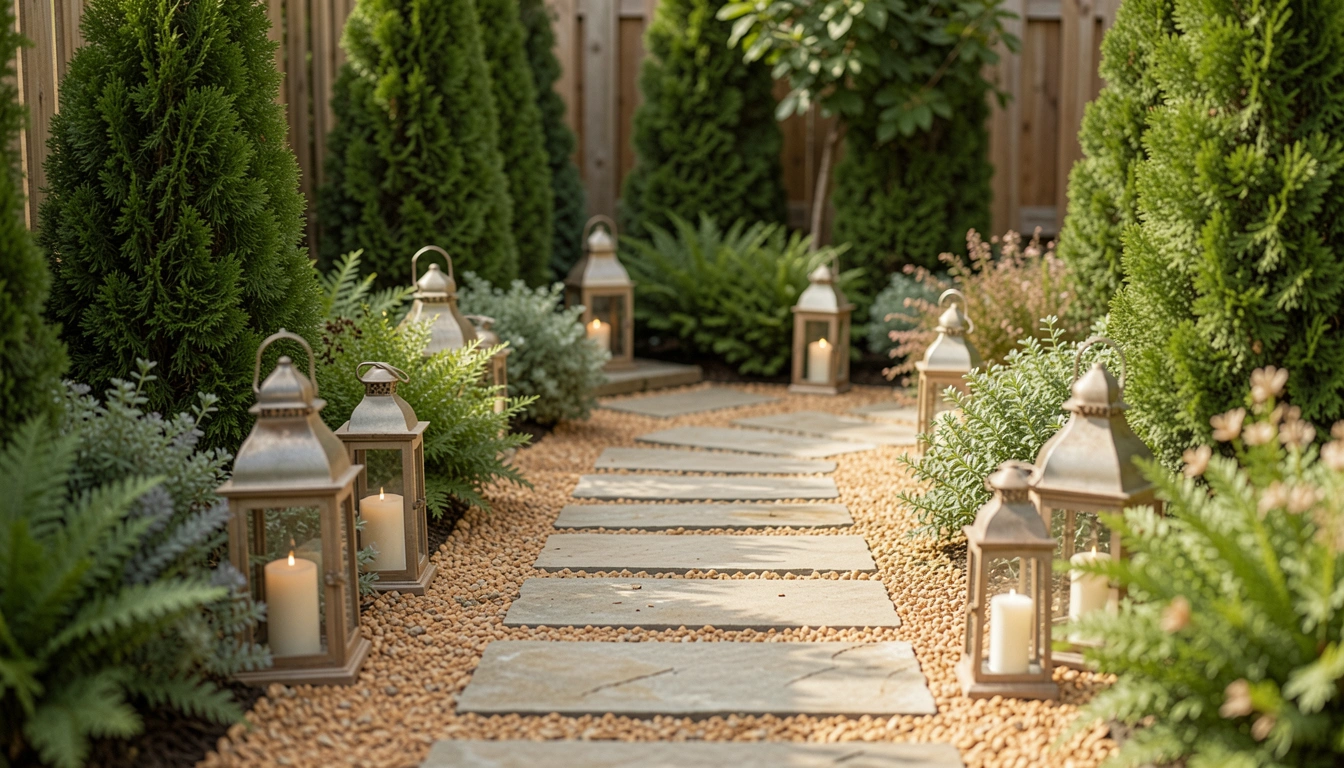
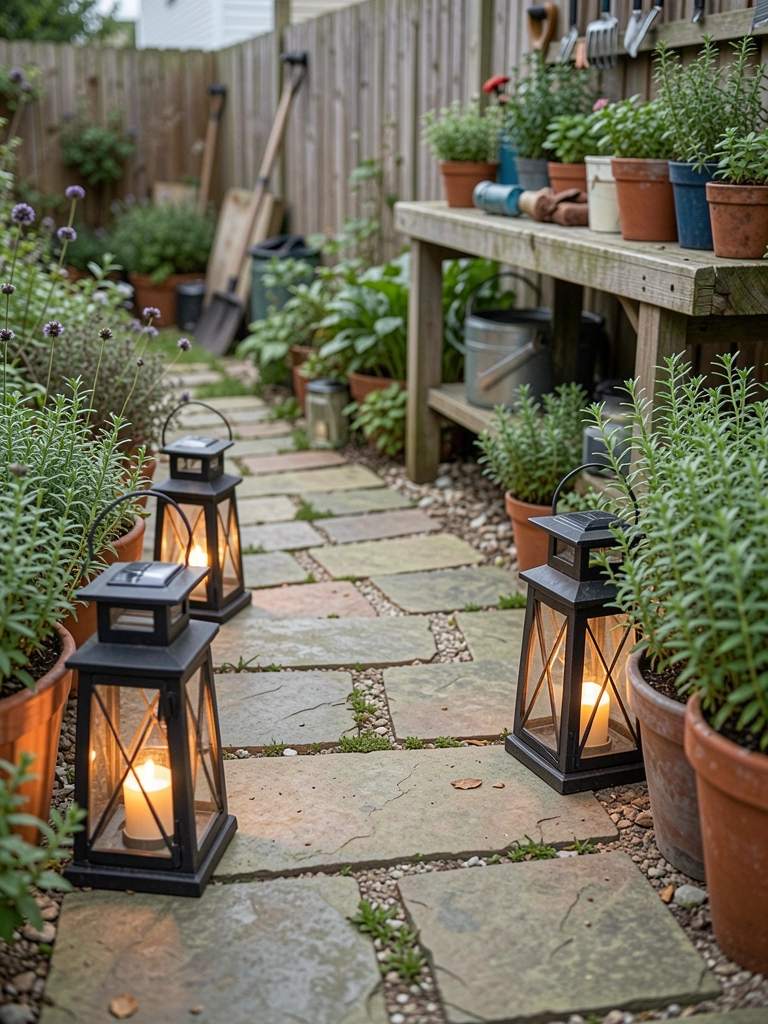
    10. Lantern-Lit Stone Path to a Potting Bench

    Stepping stones lead to bench, lanterns glow at dusk. Herbs crowd the top. Path curves natural. Stones shifted underfoot first – leveled deep.

    Guides evening walks, bench invites work. Light pools warm.

    Set lanterns low, shadows play soft.

    What You’ll Need for This Look

    Flagstone pavers 18 inch
    Solar pathway lanterns warm white
    Wooden potting bench
    Herb plant starter kit

    Final Thoughts

    Pick one or two ideas that fit your yard's light and soil. No need for all ten. They'll layer over time, like mine did. You've got this – dirt yields to patience. Sit back soon and breathe it in.

  • 23 Backyard Garden Design for Kids to Enjoy

    23 Backyard Garden Design for Kids to Enjoy

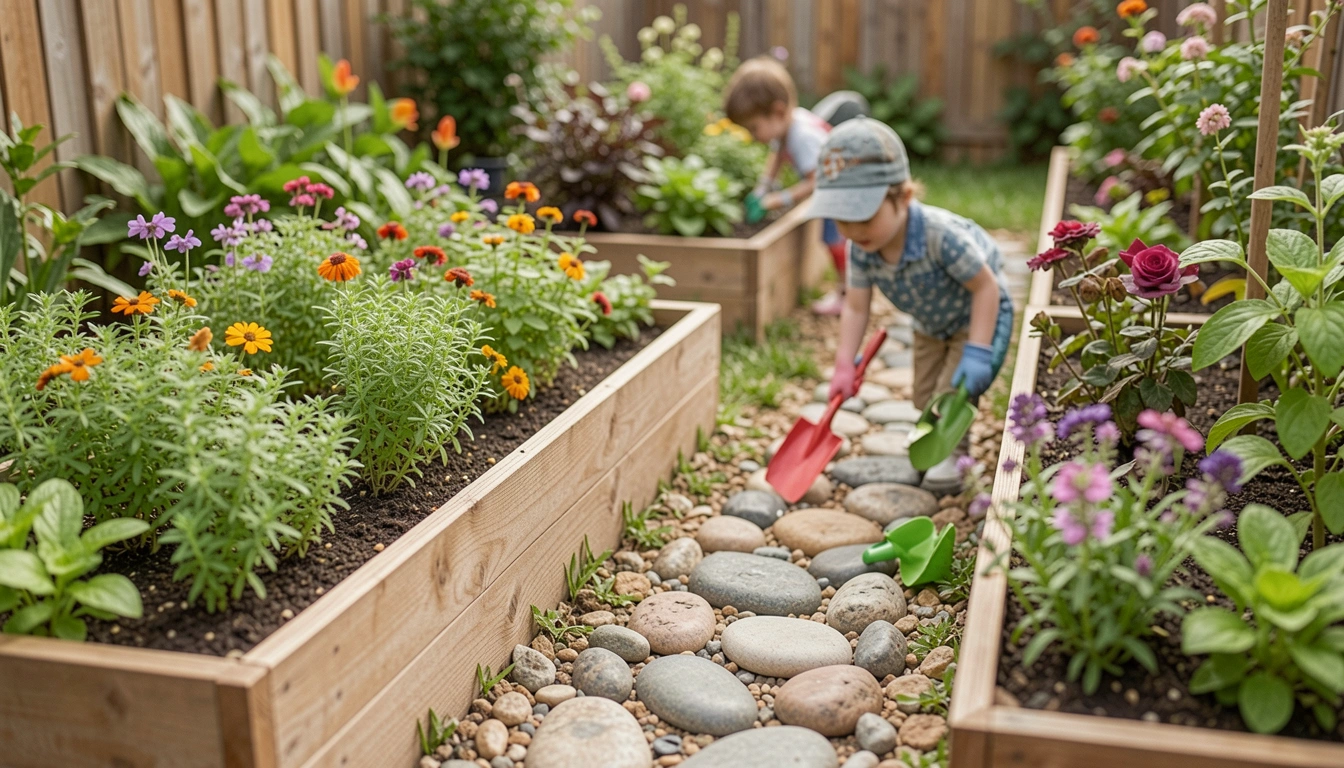
    I planted my first kid-friendly spot behind a friend's fence years back. Kids ran straight to the soft leaves and hidden spots. It felt alive right away.

    Dirt under nails, surprises around corners—that's what sticks. No perfection needed.

    I've fixed muddy messes and overgrown flops since. These ideas come from yards that actually got used.

    23 Backyard Garden Design for Kids to Enjoy

    Here are 23 backyard garden design ideas for kids I've built or tweaked in real yards. They're straightforward, safe, and draw kids in daily. You'll find exactly 23 to pick from—no overwhelm.

    1. Sensory Path of Textured Leaves and Herbs

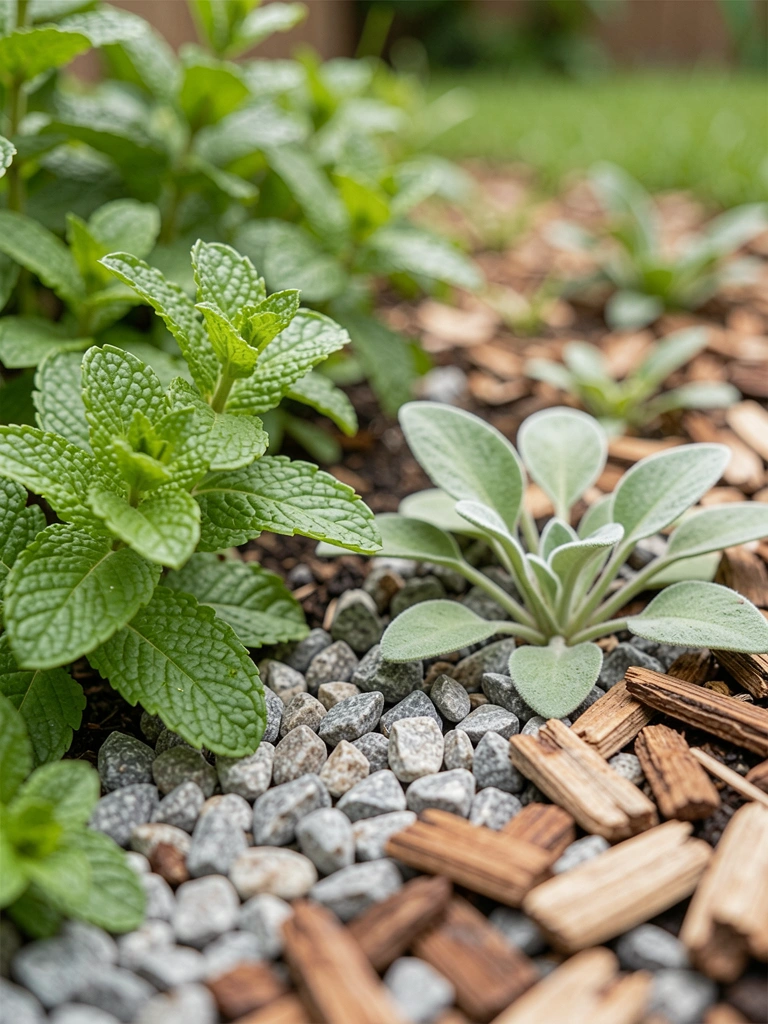
    I laid this path in a sloped yard last spring. Kids kicked off shoes and shuffled through—mint released smells, lamb's ear tickled feet. It turned a bare strip into a daily walk-through.

    The fuzzy and crunchy mix held up to stomps. No slips, even after rain. Visually, it softened the edge of the grass.

    Watch spacing—too tight, and it crowds. I spaced plants 8 inches apart.

    One tip: edge with flat stones to keep it neat without mowing fights.

    What You’ll Need for This Look

    2. Butterfly Meadow with Nectar Flowers

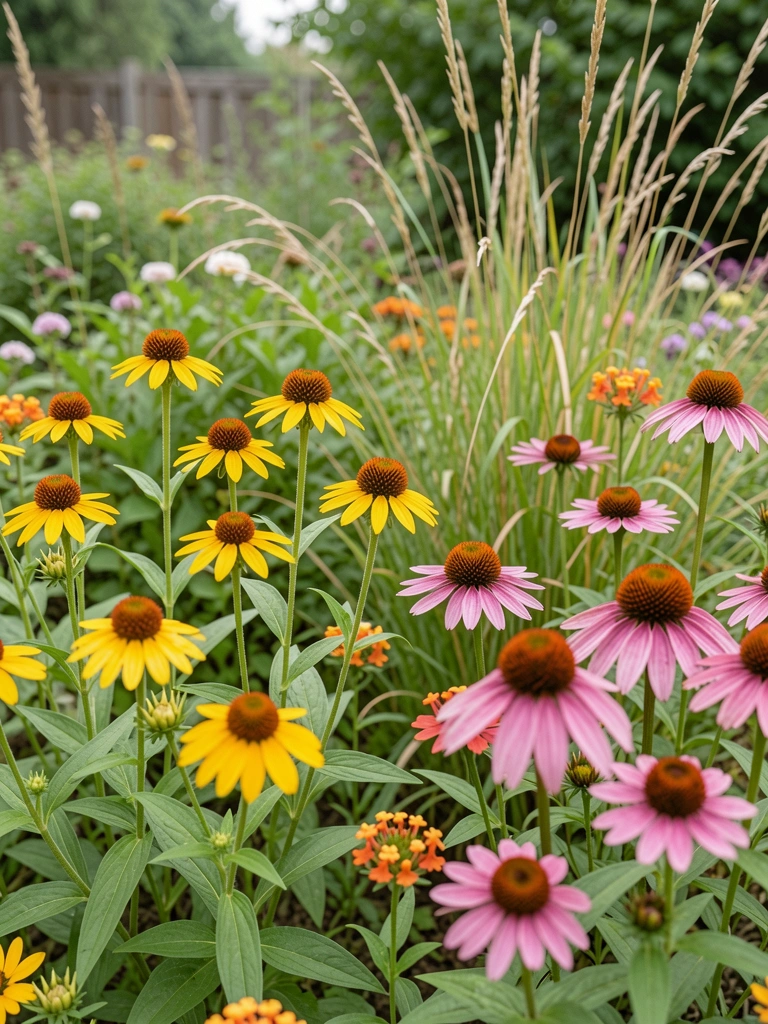
    Kids chased butterflies here nonstop after I seeded this patch. Milkweed drew monarchs; coneflowers added purple pops. It filled a sunny corner that sat empty.

    Wings fluttering changed the air—calm focus replaced running wild. Colors shifted weekly as blooms opened.

    Plant natives first—they spread without fuss. I skipped fancy hybrids that flopped.

    Skip overwatering; butterflies hate soggy spots.

    What You’ll Need for This Look

    3. Kid-Height Raised Veggie Beds

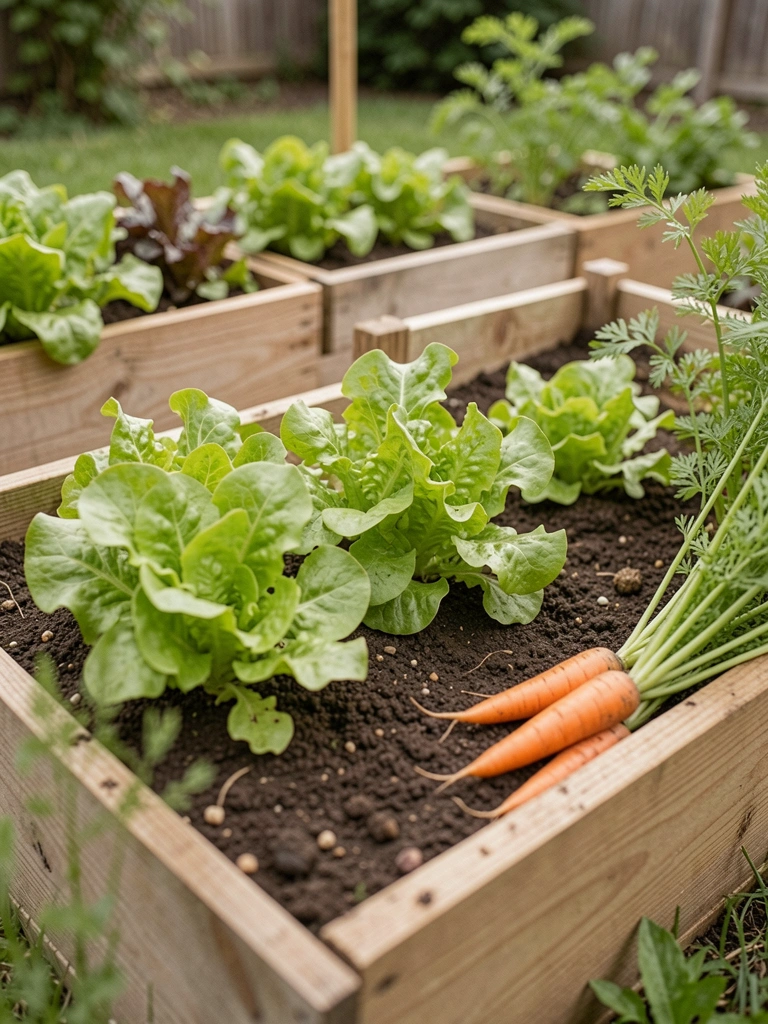
    I built these 18-inch beds for little hands to reach. Carrots pulled easy, lettuce grew fast. Kids harvested snacks daily—no bending.

    Fresh greens made lunches exciting. The low walls kept soil in, feet out.

    Use cedar—it lasts. I learned pine rots quick after one rainy season.

    Fill with loose soil mix for root room.

    What You’ll Need for This Look

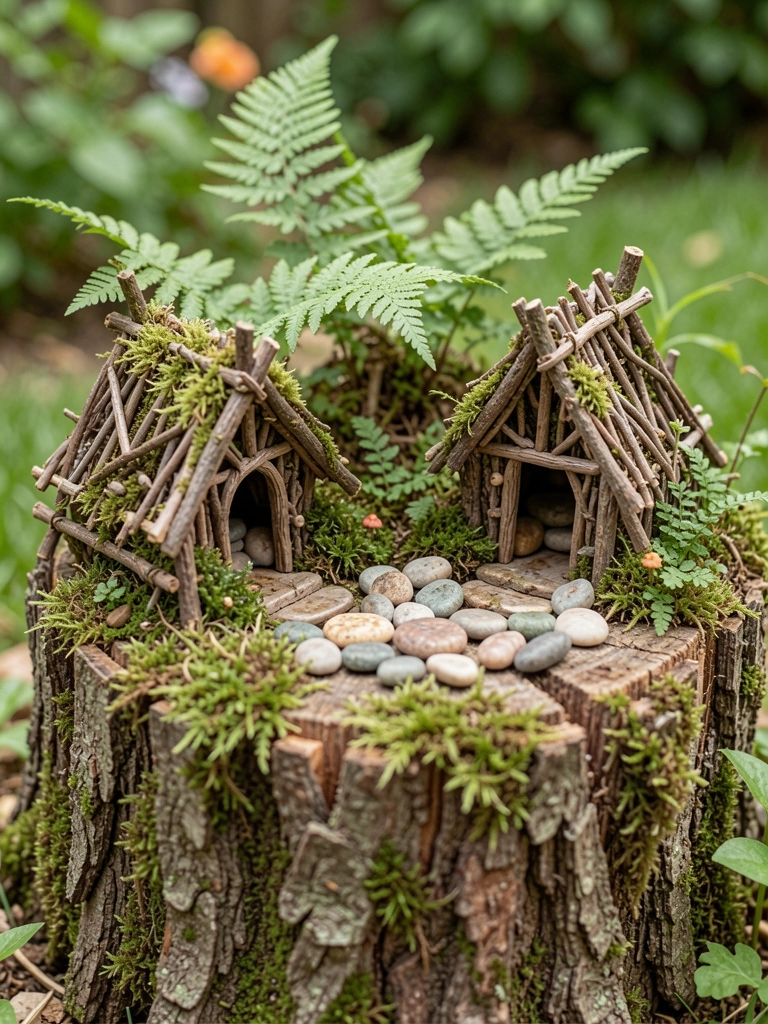
    4. Fairy Garden Nooks in Tree Stumps

    An old stump became fairy land after I tucked moss inside. Kids added twigs for doors. Ferns softened edges; it felt secret.

    Imagination sparked—stories flowed as they poked around. Green stayed lush in shade.

    Hunt local stumps—free base. I overdid glue once; plants hated it.

    Water gently; mist works best.

    What You’ll Need for This Look

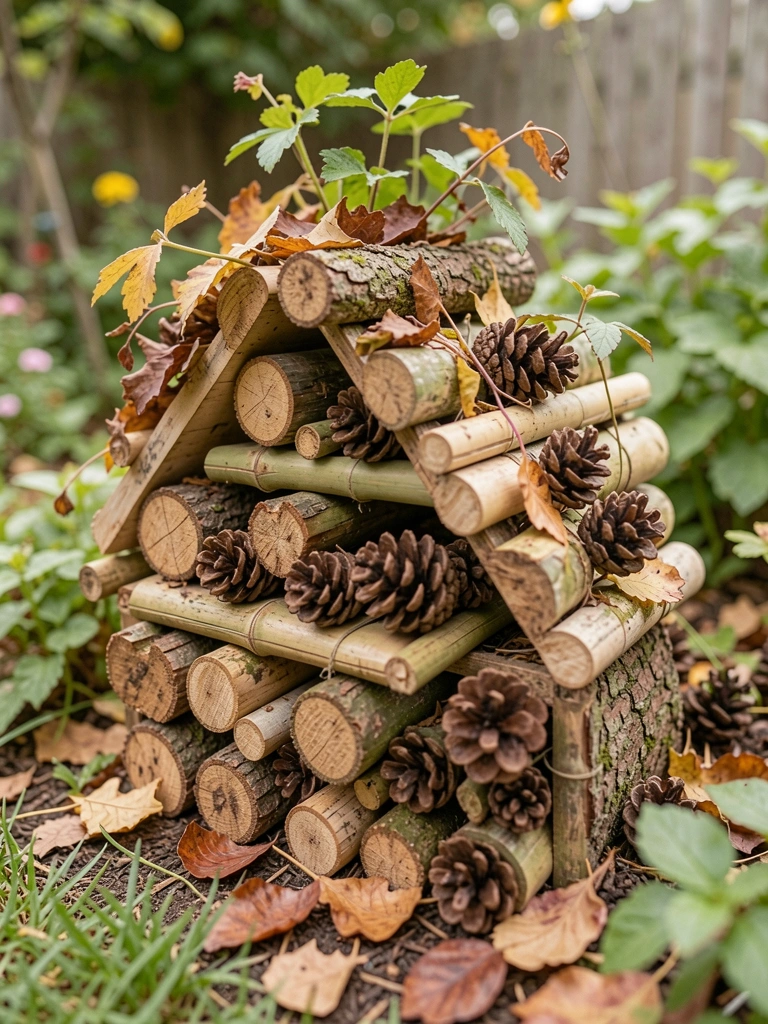
    5. Stacked Bug Hotel with Logs and Sticks

    Kids peered daily into this log stack I built against a fence. Beetles moved in; ladybugs hid. Pinecones added texture.

    Watching bugs teach patience—they sat quiet for once. It filled a shady forgotten spot.

    Layer loose—tight packs empty out. Roof with old board for rain shield.

    What You’ll Need for This Look

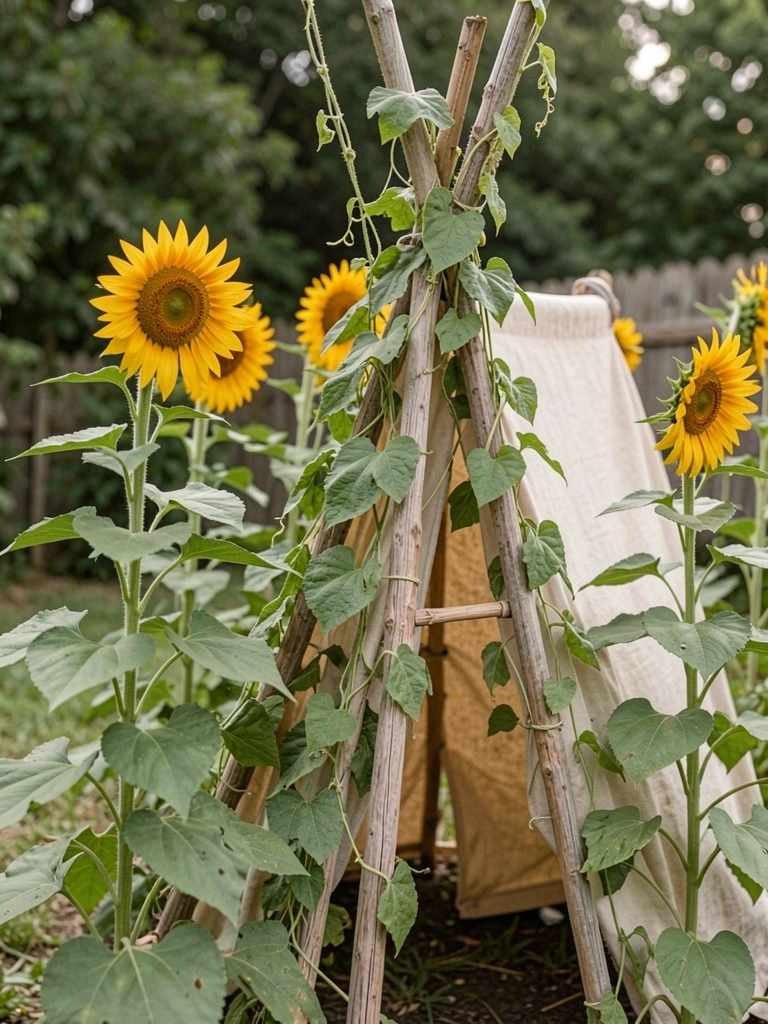
    6. Sunflower Teepee Hideout Frame

    Sunflowers grew 8 feet, forming a green tent kids crawled inside. Beans climbed poles—shade and snacks inside.

    Hide-and-seek got cozy; heads poked through leaves. It screened a play area nicely.

    Sow thick—gaps let light flood. Poles need burying deep.

    What You’ll Need for This Look

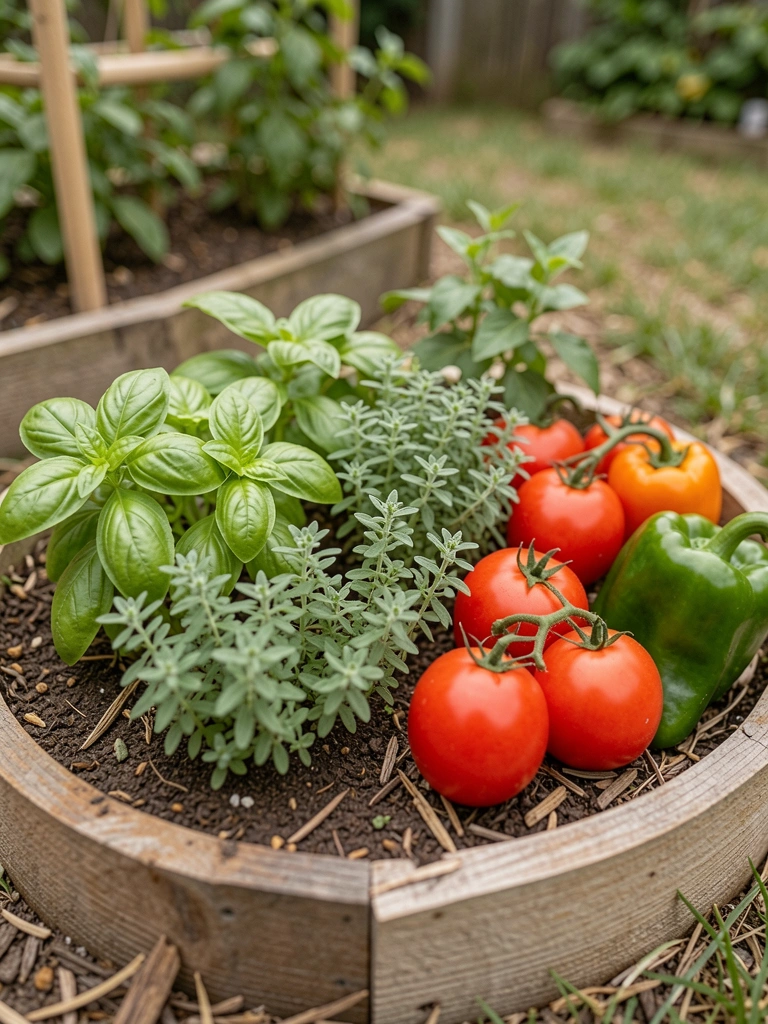
    7. Pizza Herb Patch in a Circle

    Circular bed grew basil and oregano—kids pinched leaves for pretend pizzas. Tomatoes added red fun.

    Picking made dinner real; they ate more greens. Smells filled the yard.

    Circle keeps it contained. I planted tomatoes too close once—shade issues.

    What You’ll Need for This Look

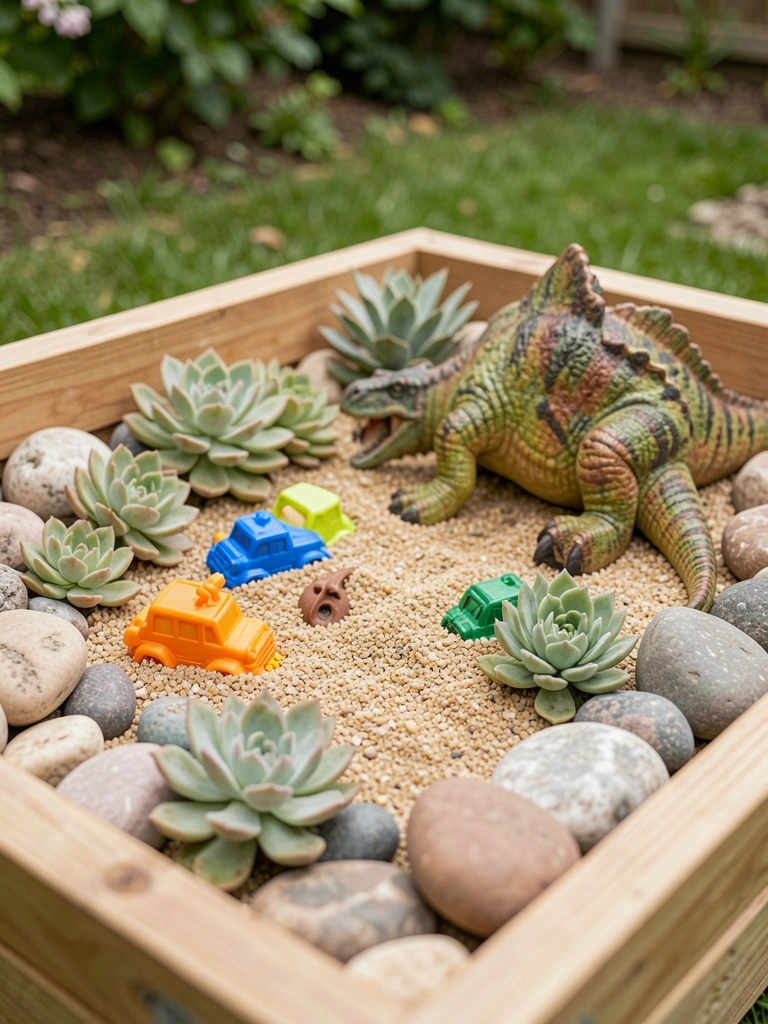
    8. Dino Dig Bed with Succulents

    Sand mixed with soil hid plastic dinos; succulents framed digs. Kids brushed away dirt daily.

    Adventure feel without mess spread. Plants thrived in dry spots.

    Bury toys shallow—deep loses them. Succulents need sun.

    What You’ll Need for This Look

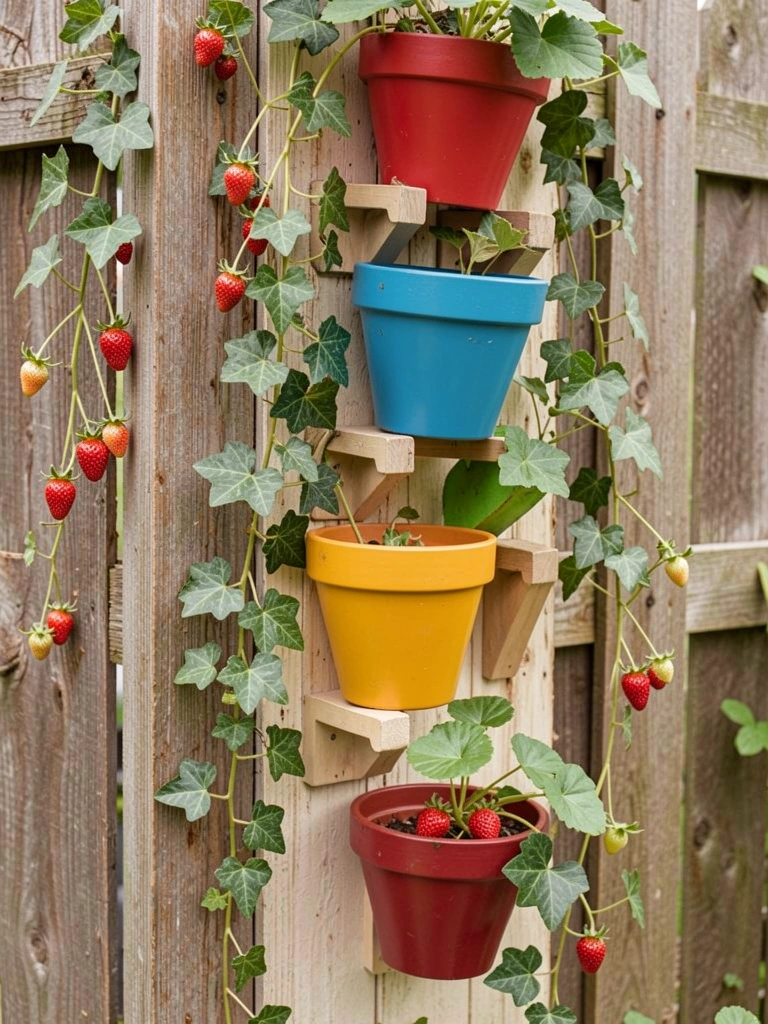
    9. Vertical Painted Pot Wall

    Pots painted bright hung on fence—strawberries dangled for picks. Ivy trailed down.

    Wall saved space; kids reached easy from stools. Colors popped against wood.

    Seal paint—rain fades it fast. I skipped once.

    What You’ll Need for This Look

    10. Vine-Clad Swing Seat Spot

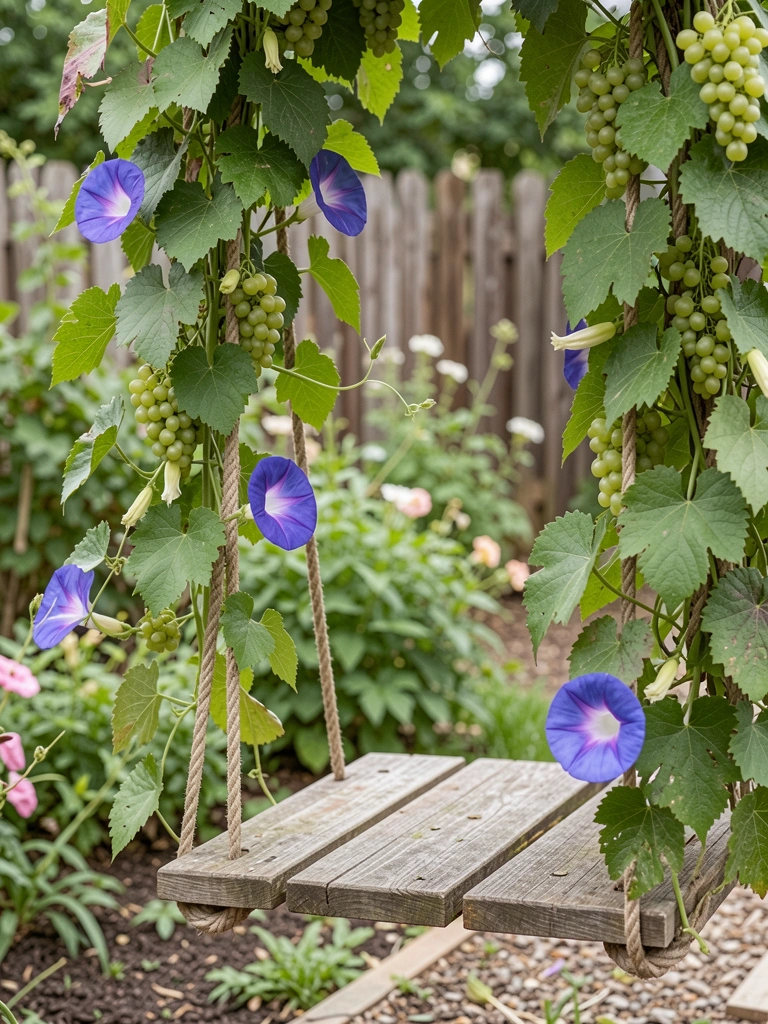
    Grapes and glory vines shaded the swing I hung low. Kids swayed, picking fruit mid-air.

    Cool shade on hot days; gentle rustle soothed. Vines grew thick fast.

    Train early—untamed tangles snag. Space swing 5 feet from fence.

    What You’ll Need for This Look

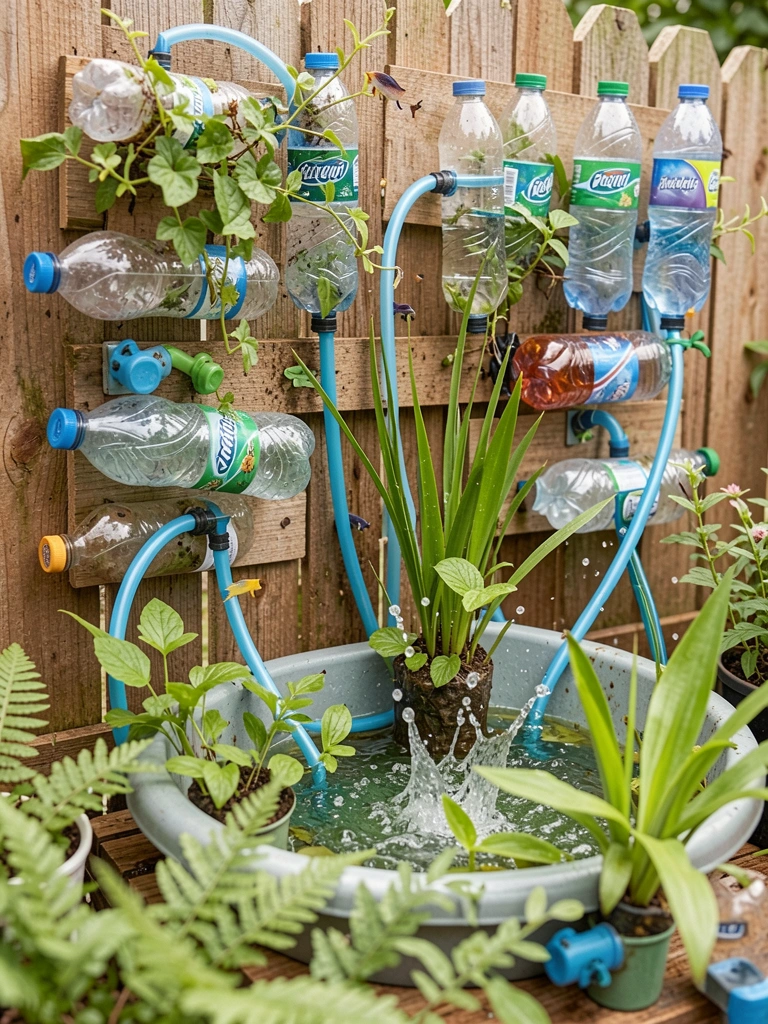
    11. Bottle Water Wall with Puddles

    Bottles stacked dripped water into a puddle—kids splashed plant edges. Mint thrived wet.

    Sound and wet play calmed chaos. Low fence kept splash contained.

    Poke holes small—big floods soil. Pump quiet models.

    What You’ll Need for This Look

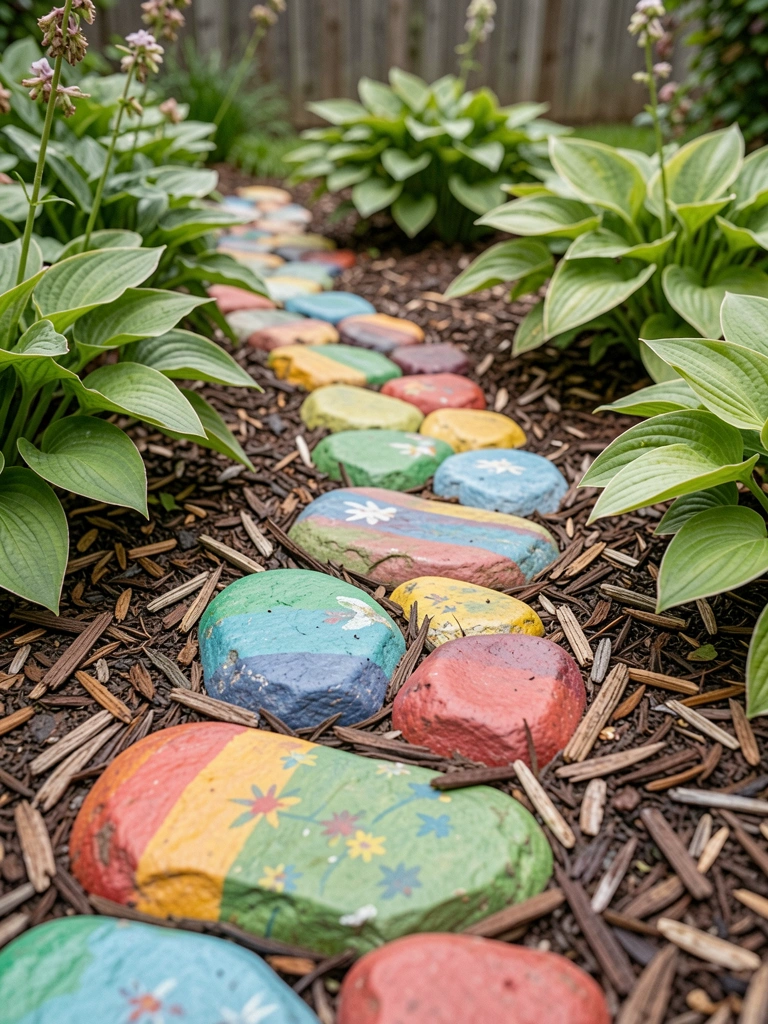
    12. Painted Rock Treasure Path

    Rocks painted as treasures lined a hosta path—kids hunted "gems" daily. Plants framed without crowding.

    Discovery walks beat plain grass. Colors peeked through green.

    Seal rocks—chalk washes off. Mulch binds loose ones.

    What You’ll Need for This Look

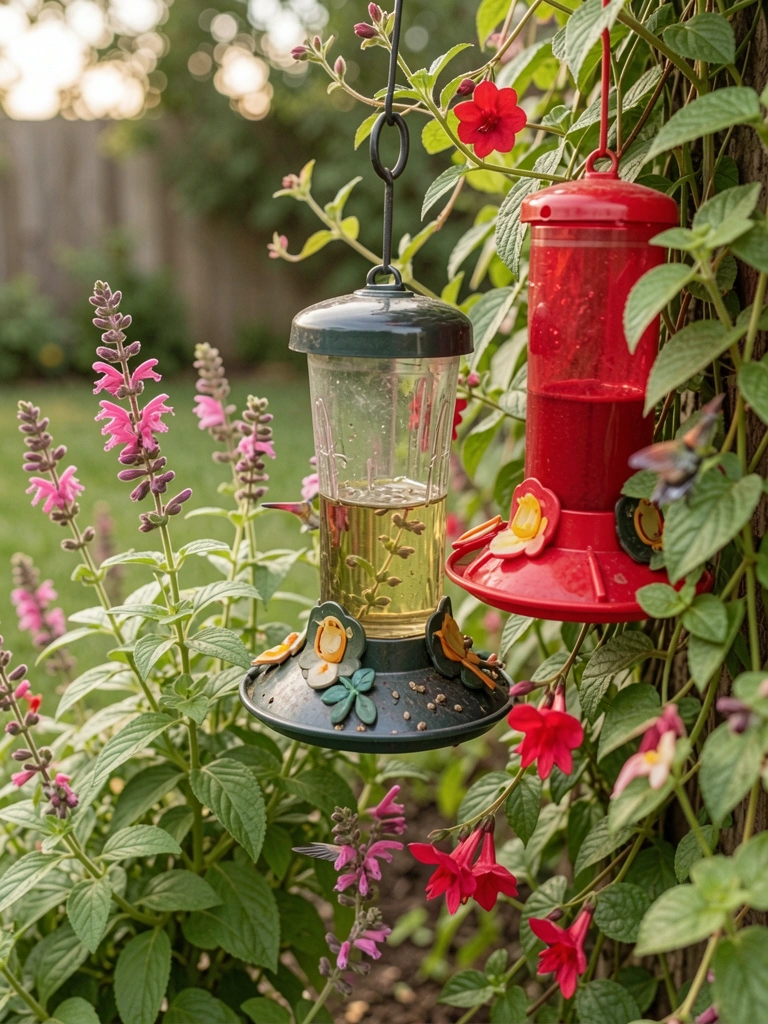
    13. Hummingbird Feeder Flower Cluster

    Salvia reds drew hummers to feeders kids refilled. Fuchsia dangled bells.

    Buzzing shows held attention—better than screens. Tubular flowers matched feeder.

    Hang feeders low—kid access. Clean weekly.

    What You’ll Need for This Look

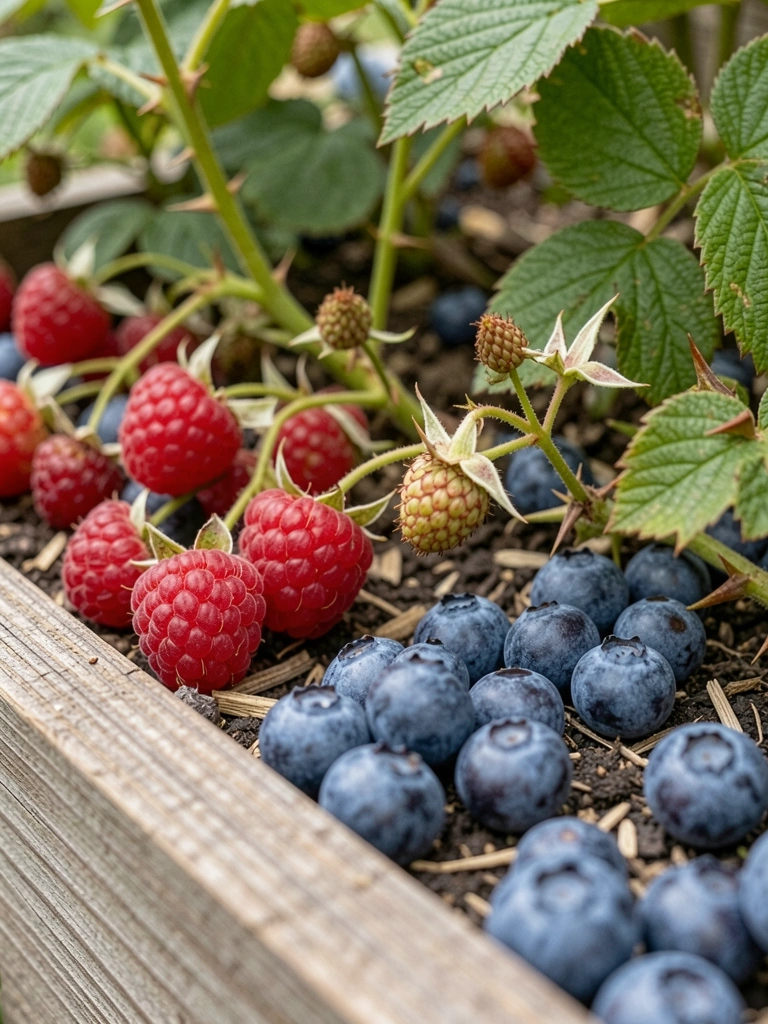
    14. Berry Border Along the Fence

    Raspberries lined fence—kids plucked ripe ones at eye level. Blueberries bushy below.

    Sweet grabs mid-play; bushes hid behind. Thorns kept balls out.

    Net birds late summer. Space bushes 3 feet.

    What You’ll Need for This Look

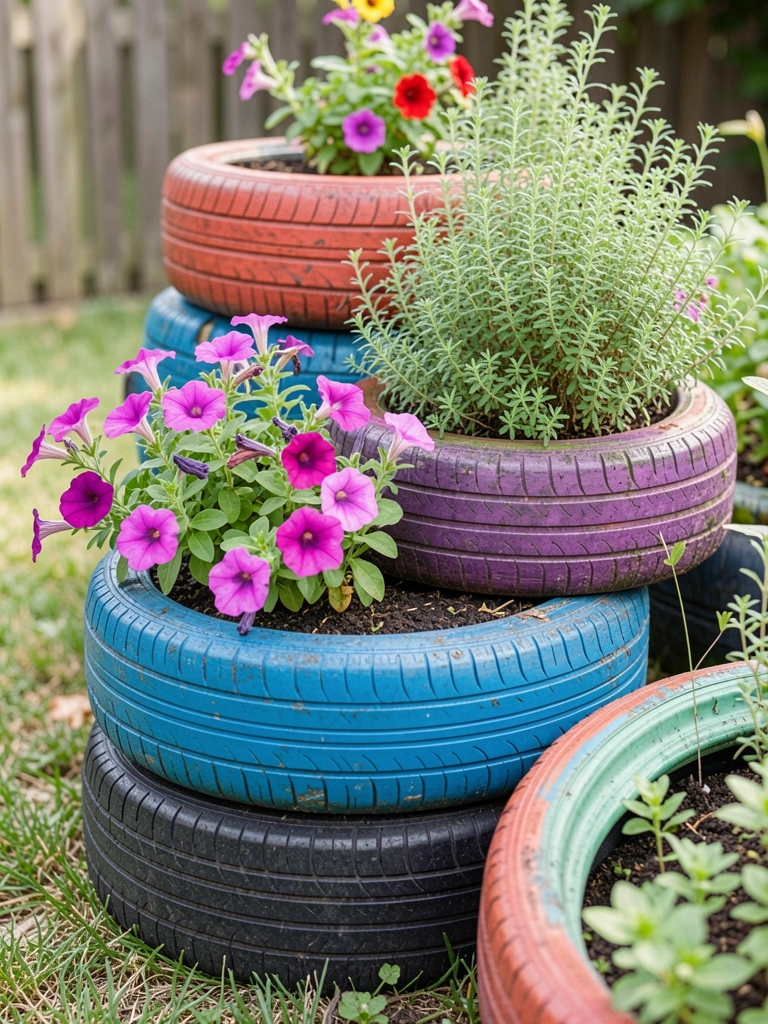
    15. Tire Planter Village Cluster

    Old tires stacked held petunias—kids sat on edges planting. Herbs in singles nearby.

    Play village feel; colors brightened gravel. Drainage perfect.

    Drain holes if stacked high. Paint non-toxic.

    What You’ll Need for This Look

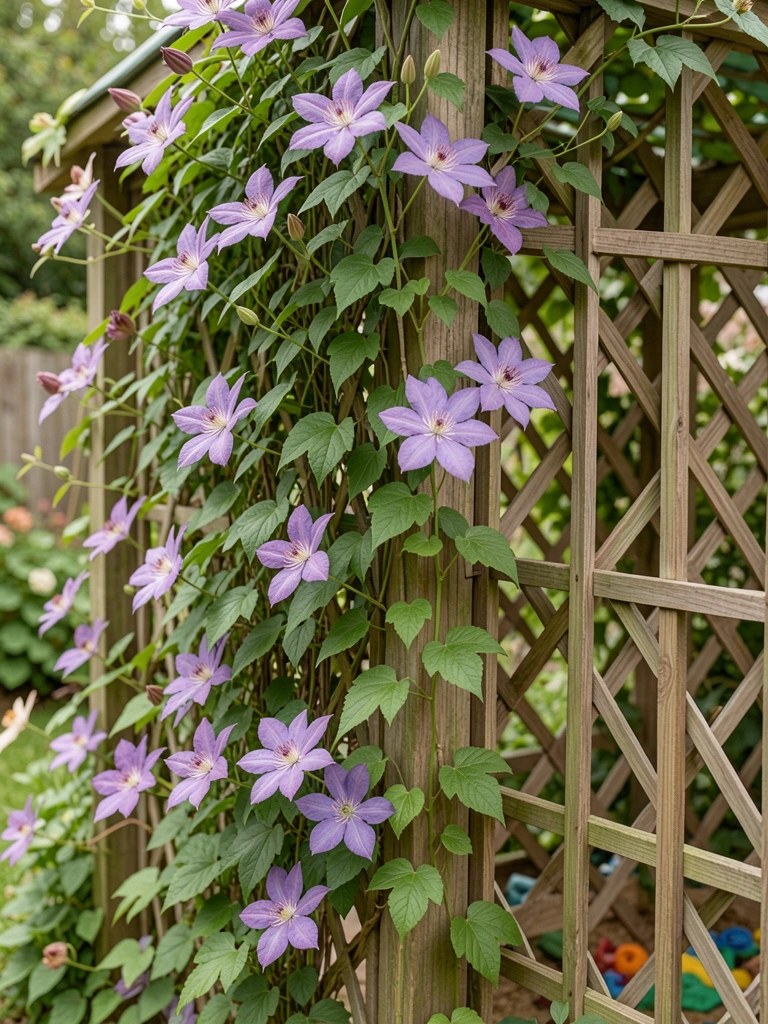
    16. Climbing Plant Fort Surround

    Clematis climbed fort walls—green roof formed over weeks. Kids hid inside leafy cave.

    Privacy grew; felt like treehouse lite. Flowers added scent.

    Tie vines loose—strangle risk. Full sun speeds.

    What You’ll Need for This Look

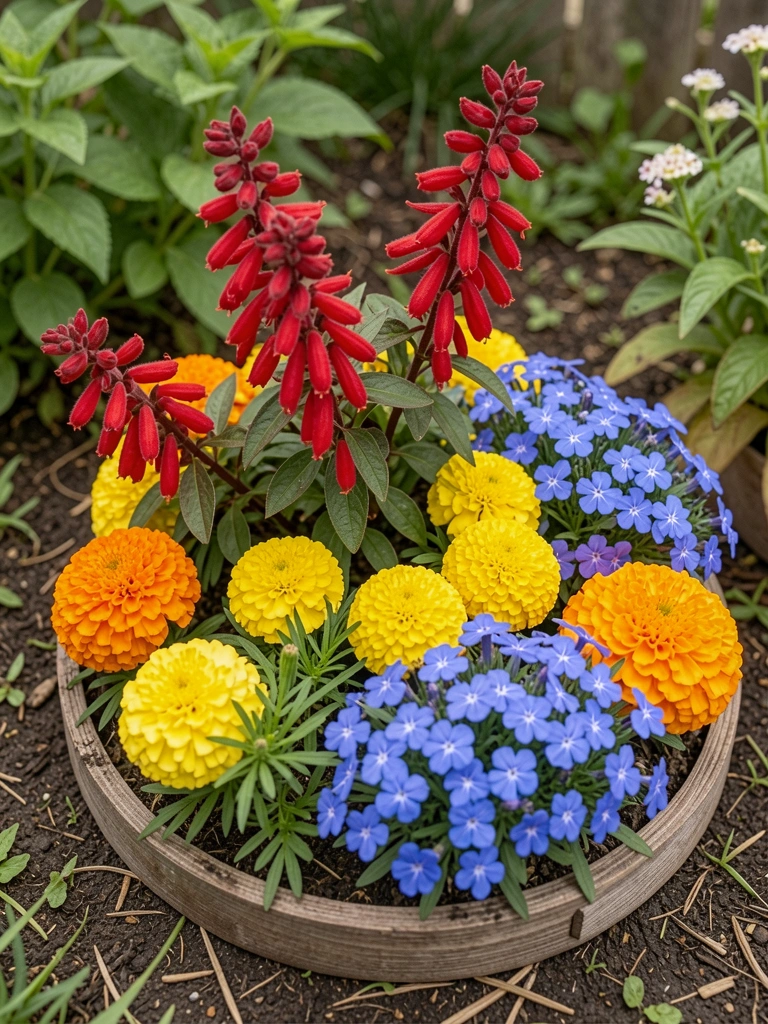
    17. Rainbow Flower Wheel Bed

    Wheel bed bloomed ROYGBIV—salvia red, marigolds yellow. Kids named colors pointing.

    Vivid learning; drew neighbors too. Annuals filled fast.

    Deadhead weekly—keeps color. Full sun pie slices.

    What You’ll Need for This Look

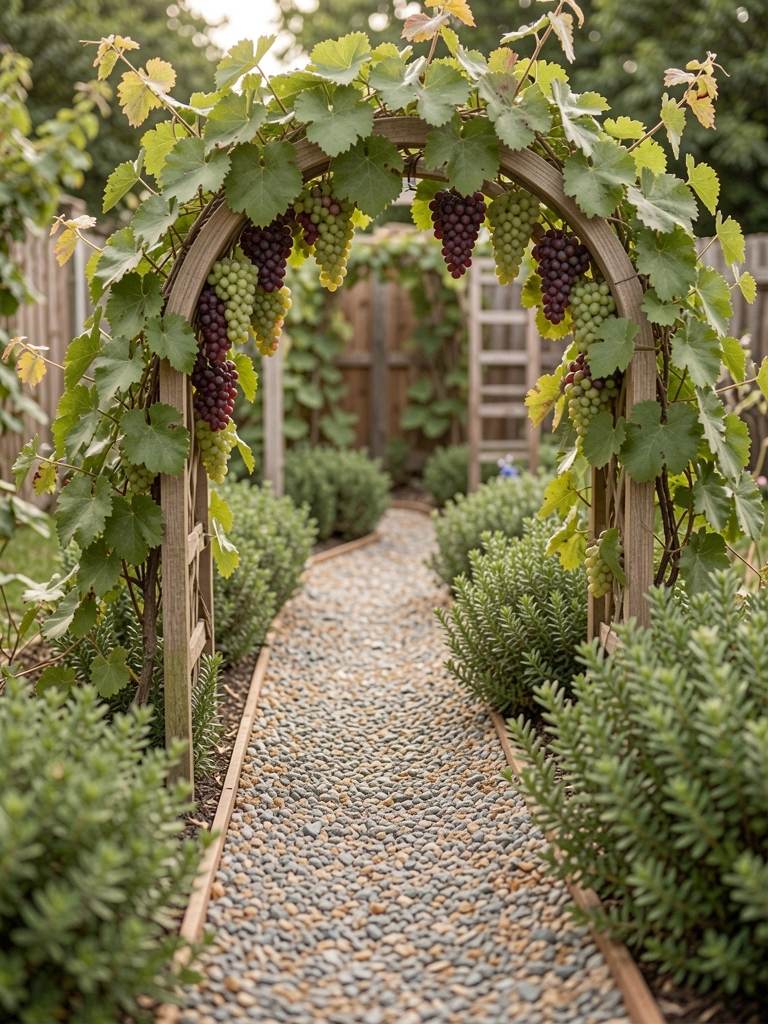
    18. Secret Arbor Path Tunnel

    Grape arbor arched path—tunnel green after one summer. Kids whispered through.

    Secret feel sparked games; ended at bench. Shade cooled ends.

    Arch wood sturdy—sag flops vines. Train side shoots.

    What You’ll Need for This Look

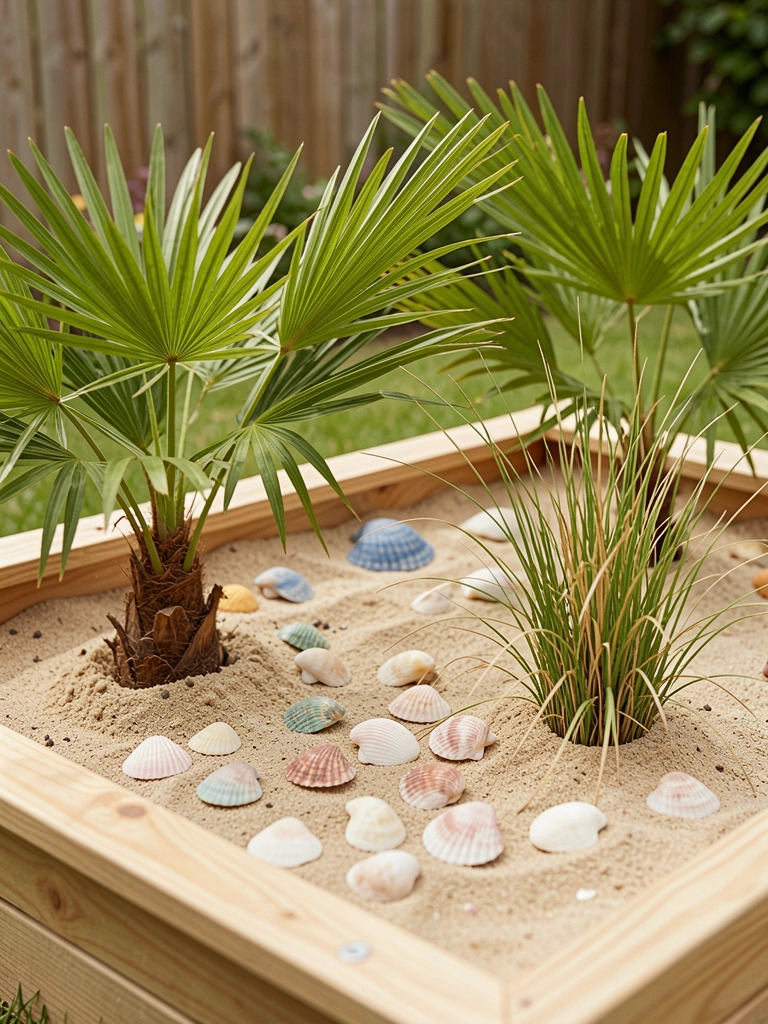
    19. Sandbox Oasis with Palm Fronds

    Palms ringed sandbox—fronds waved over play. Grass softened edges.

    Beach vibe without travel; sand stayed put. Palms drought tough.

    Lid on sandbox—cats hate. Plant 4 feet out.

    What You’ll Need for This Look

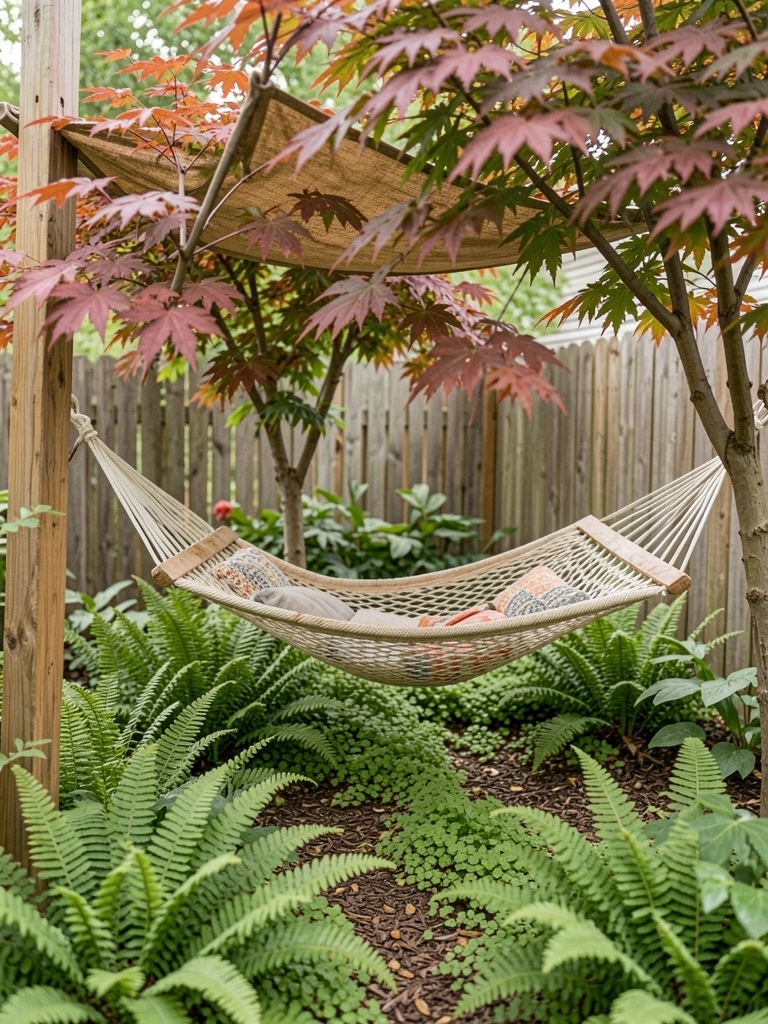
    20. Hammock Shade Grove

    Young maples spaced for kid hammock—ferns carpeted below. Gentle sway spot.

    Reading nook formed; quiet after play. Leaves rustled soft.

    Space trees 10 feet—grow room. Mulch deep.

    What You’ll Need for This Look

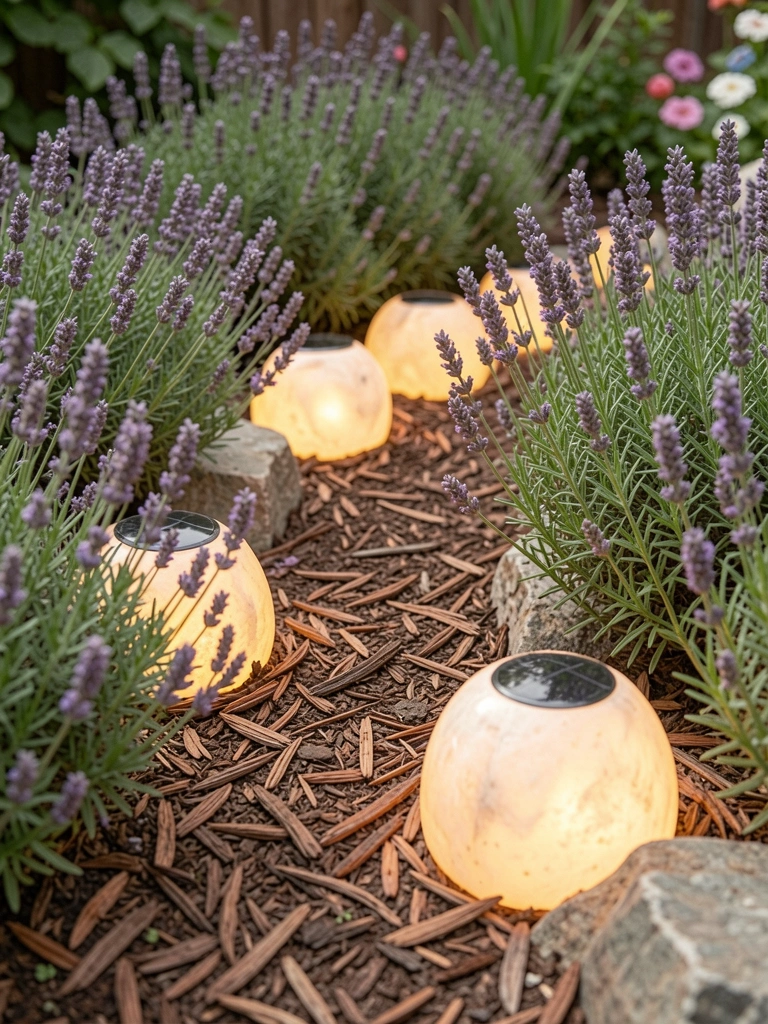
    21. Glow Stone Border at Night

    Solar stones lined lavender bed—glowed after dark for night hunts. Kids followed light.
    Magic without electricity; plants perfumed air. Day safe, night fun.

    Charge full sun—shade dims. Bury half deep.

    What You’ll Need for This Look

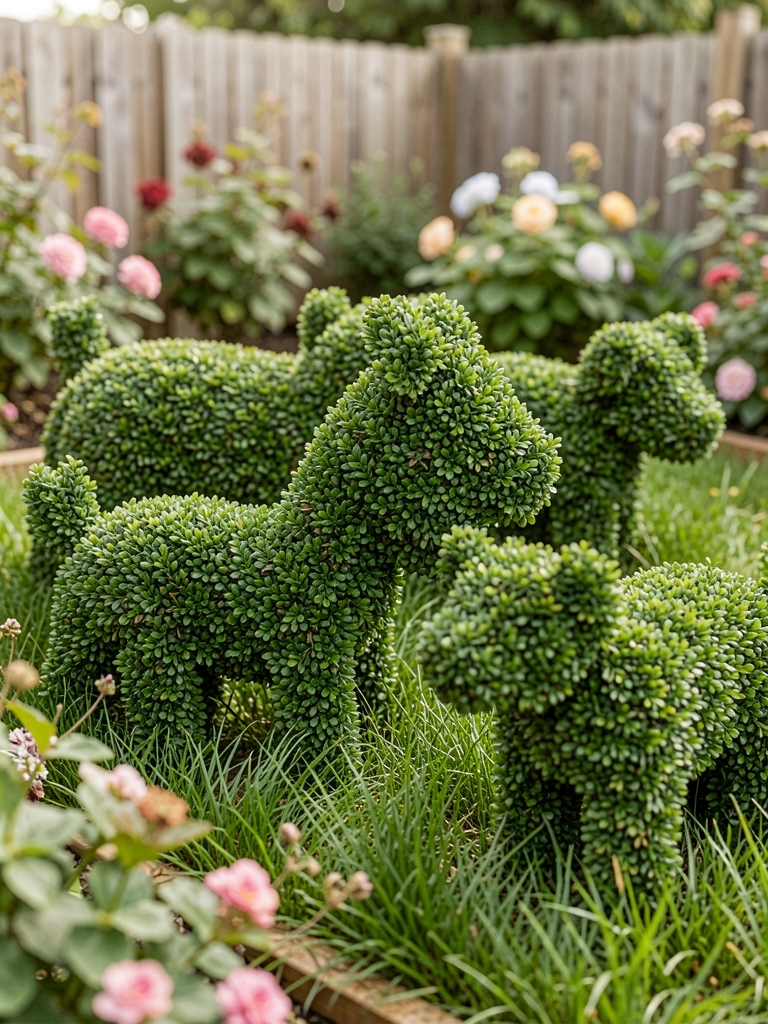
    22. Animal Hedge Shapes

    Boxwood trimmed as bunny and bear—kids "fed" with water cans. Shapes held simple.

    Living toys; grew fuller yearly. Low clip keeps kid-scale.

    Trim spring—fall cuts weak. Start with shapes.

    What You’ll Need for This Look

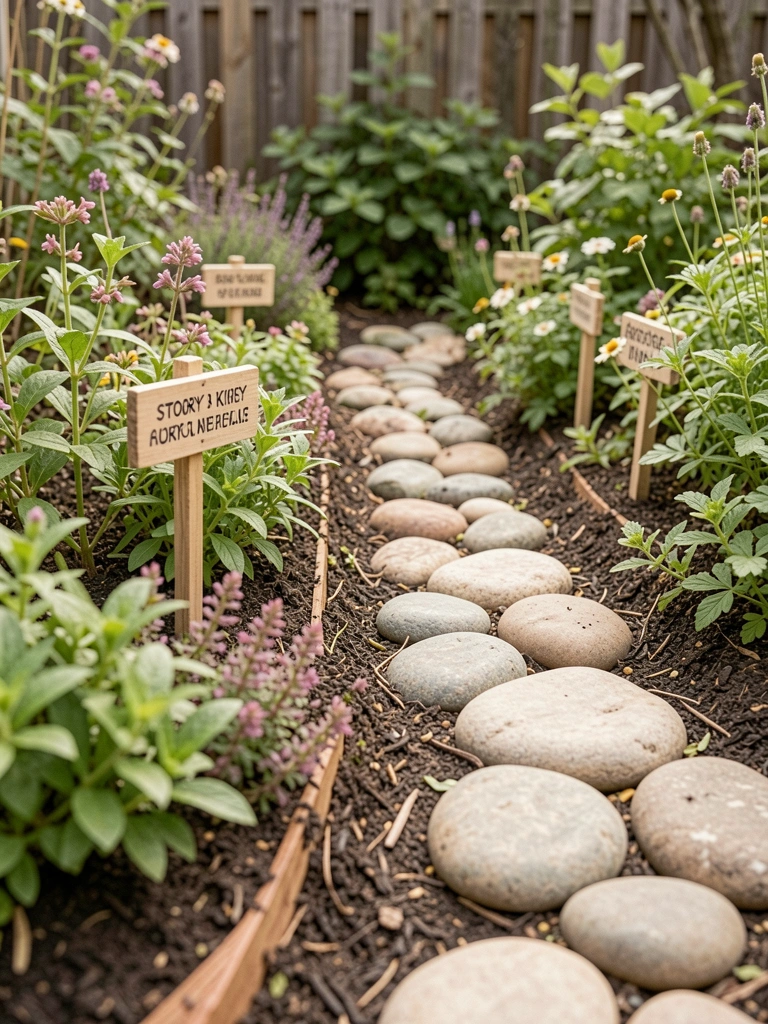
    23. Story Plant Label Trail

    Stakes labeled plants along stone trail—"touch the fuzzy one." Kids read and felt.
    Stories in steps; learned names playing. Trail curved natural.
    Weatherproof labels—paper fades. Plants touchable, soft.
    What You’ll Need for This Look

    Final Thoughts

    Pick one or two ideas that fit your yard's sun and space. Kids love the ones they help build.
    It won't stay pristine—and that's fine. Growth happens messy.

    You've got this; start small, watch them light up.