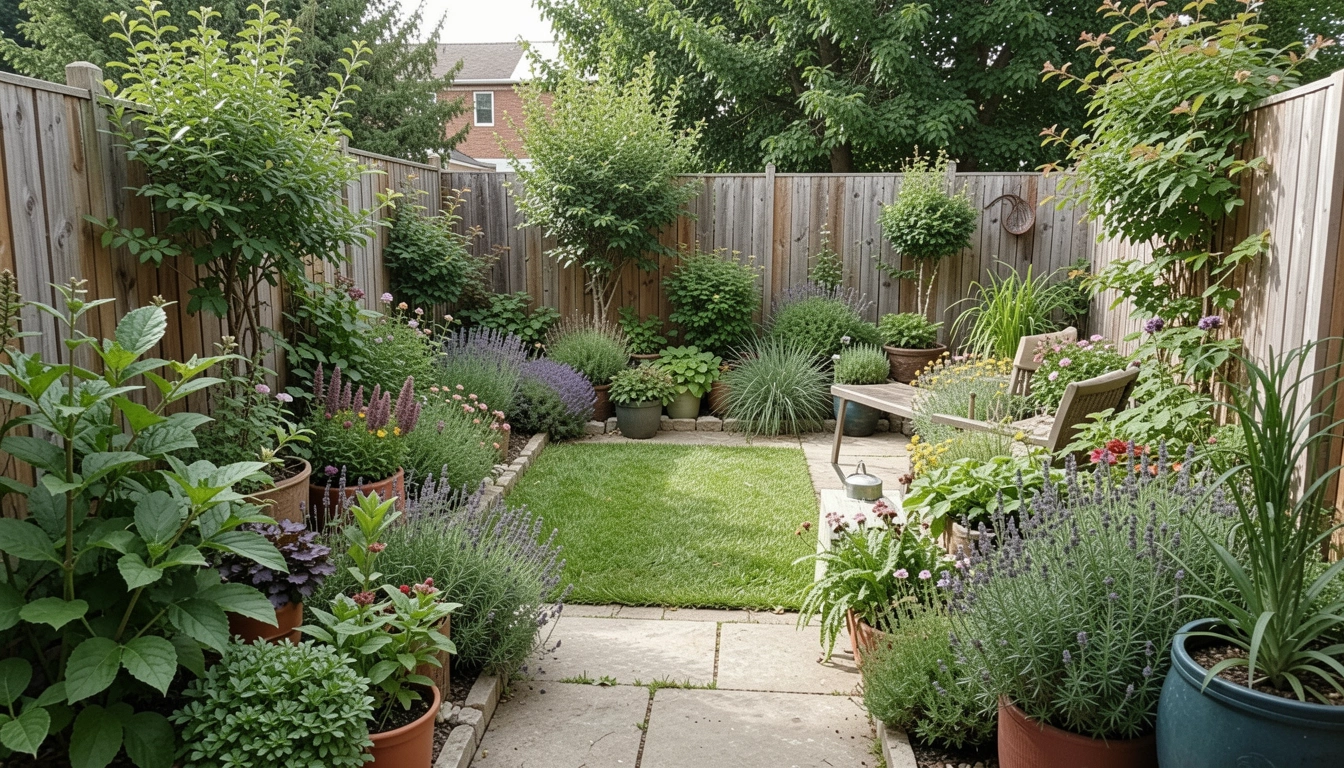
I stared at my backyard last spring. It had grass, a few shrubs, and nothing else. Empty corners pulled my eye away. I added pots here and there, but it still felt off—like pieces missing from a puzzle.
I'd walk out after work, coffee in hand, and sigh. The space didn't invite me to stay. It needed balance, not more stuff.
One weekend, I stepped back and tried a different approach. Now, it holds my attention without trying too hard.
How to Decorate a Backyard Garden
This method helps you make a backyard feel complete and comfortable. You'll end up with a space that draws you in naturally. It's simple, and it works every time.
What You’ll Need
- 12-inch terracotta planters
- Metal garden lanterns, black, 18-inch
- Birdbath with pedestal, stone finish
- Wicker patio chairs, set of two
- Perennial flower mix seeds, pollinator-friendly
- Gravel path stones, 12×12 inch
- Hanging baskets, coconut coir lined
- Solar path lights, warm white
Step 1: Walk the Space and Spot the Lines
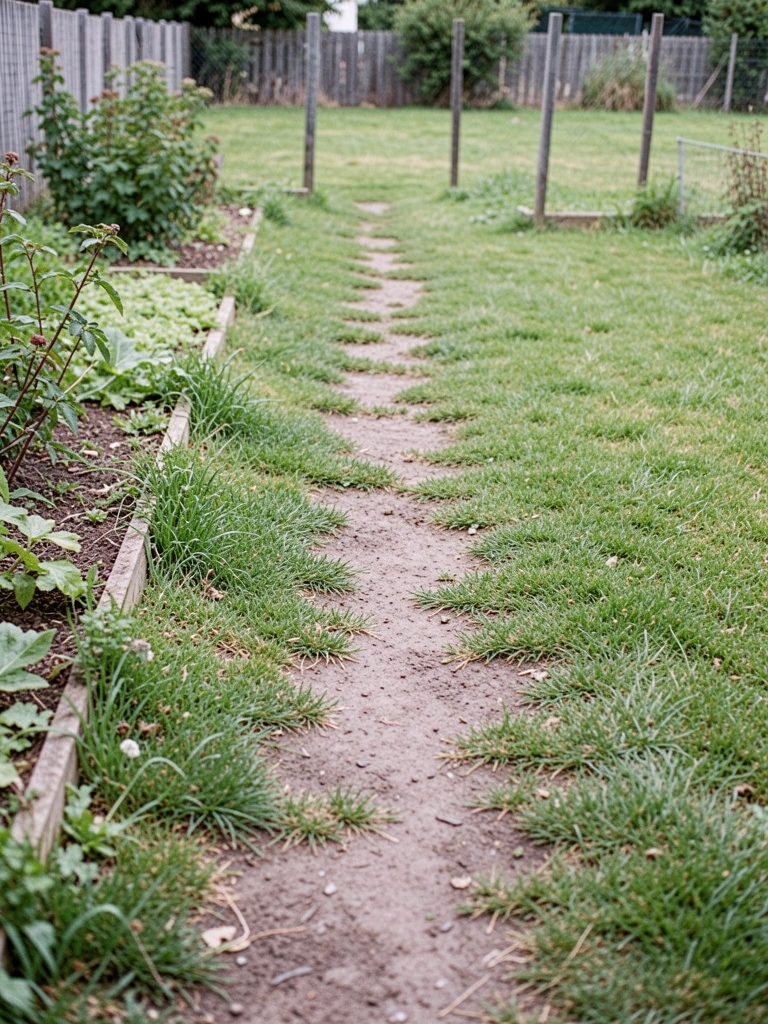
I start by walking my backyard slowly. I look for lines—the fence, paths, where grass meets beds. These guide where eyes go first.
As I walk, the space reveals itself. Bare walls stand out. A corner by the shed feels dead. This step quiets the clutter in my head.
People miss how lines pull focus. Cluster too much in one spot, and it fights the flow. Avoid filling every inch—leave breathing room between.
Now, the yard feels mapped. It changes from blank to full of quiet possibilities.
Step 2: Pick One Focal Point Per Zone
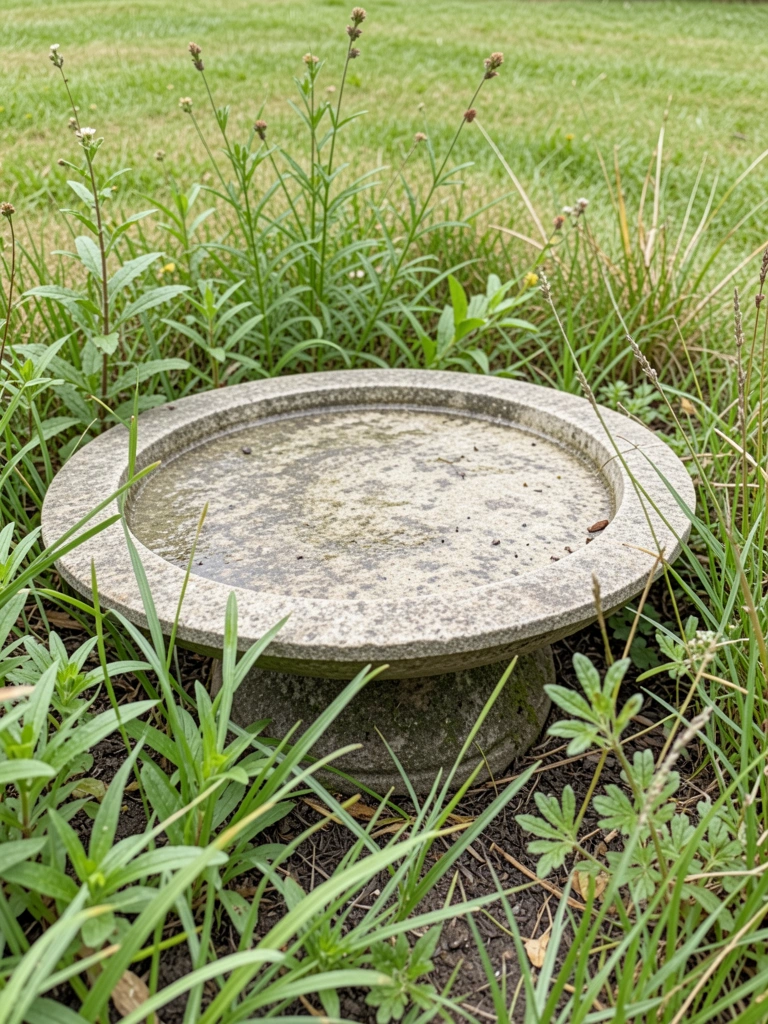
I choose one strong piece per area—like a birdbath in the back corner. It anchors without shouting. Why? It gives the eye a place to rest.
Visually, that spot shifts. Empty becomes inviting. Water draws birds, adds life.
The insight: one piece per zone keeps balance. Skip this, and everything competes. Mistake to dodge—don't center everything on the patio; spread it out.
My backyard starts feeling layered, not flat.
Step 3: Layer Heights Around Anchors
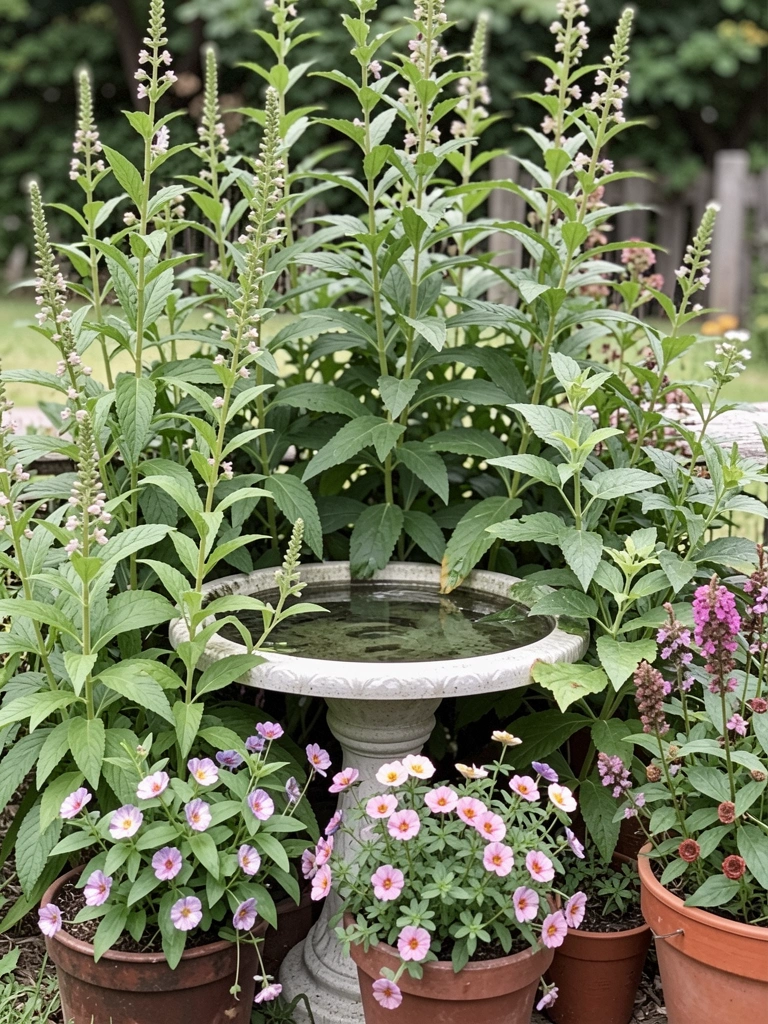
I add tall plants behind the anchor, medium in middle, low out front. Planters lift some up. It builds depth.
The view gains rhythm. Flat ground turns dimensional. Textures mix—rough leaves against smooth stone.
Folks overlook height for flow. All same level feels squat. Don't cram; space plants so air moves through.
Now, zones connect visually, pulling you deeper in.
Step 4: Weave in Paths and Seating
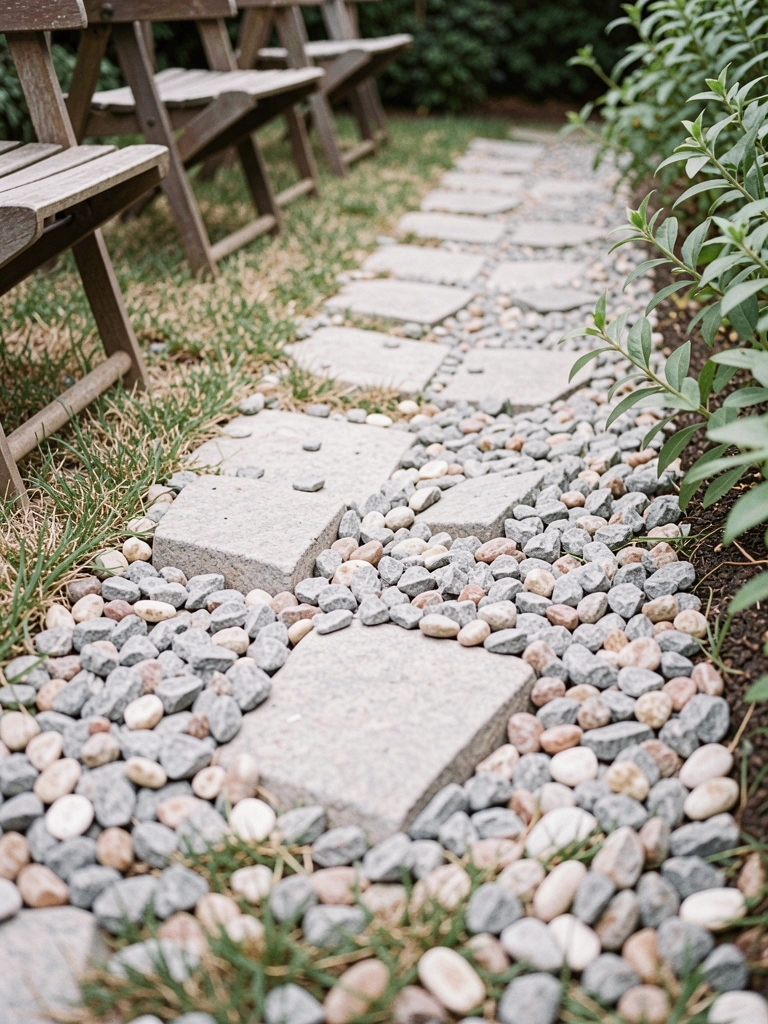
I lay gravel paths from patio to anchors. Add chairs where paths end. Paths guide steps; chairs invite pause.
The space opens up. It feels walkable, not walled off. Gravel softens hard lines.
Missed insight: paths balance hard surfaces. Avoid straight lines—they're harsh. Curve them slightly.
Backyard shifts to comfortable, lived-in flow.
Step 5: Soften with Light and Hangings
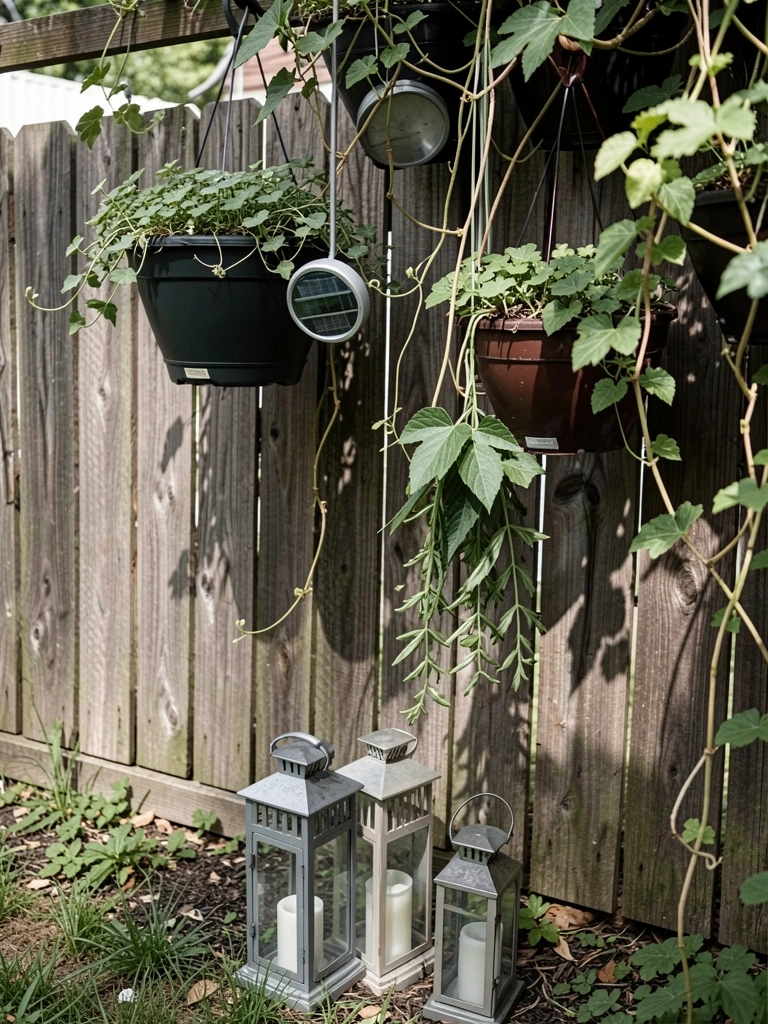
I hang baskets on fences, tuck lanterns along edges. Solar lights mark paths at dusk. They add glow without glare.
Evening changes everything—warm light balances day shadows. It feels cozy after dark.
People forget dusk test. Lights too bright wash out plants. Place low, not overhead.
The yard settles into full balance, day or night.
Common Mistakes to Avoid
I’ve made them all. Here’s what pulls a backyard off track.
- Overstuffing corners: One anchor beats five pots fighting for space.
- Ignoring fences: Blank walls scream. Hangings break them up.
- Same-height plants: Layers create depth—mix it.
Spot these early. Pull back. Your space breathes better.
Year-Round Adjustments
Backyards shift with seasons. I tweak lightly.
Perennials fill in summer. Mulch protects winter beds.
- Spring: Fresh gravel paths.
- Fall: Swap baskets for lanterns.
Small changes keep it balanced. No big overhauls.
Making It Yours
Personal touches fit naturally.
Add a chair you love. Plants that return each year.
- Comfortable spots for coffee.
- Scents from herbs near paths.
It’s your backyard. Let it reflect quiet habits.
Final Thoughts
Start with one corner. See how it pulls together.
You’ll notice the shift—eyes linger, feet stay.
My backyard isn’t perfect. But it’s mine, balanced and calm. Yours will feel that way too.
Leave a Reply