Category: Uncategorized

  • 10 Front Yard Garden Edging Ideas to Boost Curb Appeal

    10 Front Yard Garden Edging Ideas to Boost Curb Appeal

    Pulling into my driveway last spring, I saw it clear—the fuzzy line where grass met my flower bed. It looked tired, unkempt. I'd let it go for years.

    One weekend, I grabbed a shovel. Redefined that edge. Neighbors waved more. The house felt welcoming.

    That edge pulled my yard together. Yours can too.

    10 Front Yard Garden Edging Ideas to Boost Curb Appeal

    These 10 front yard garden edging ideas come from yards I've worked on, including my own. They're straightforward, forgiving for beginners. Pick one, start small, see your curb appeal wake up.

    1. Curved Red Brick Halves for Soft Bed Lines
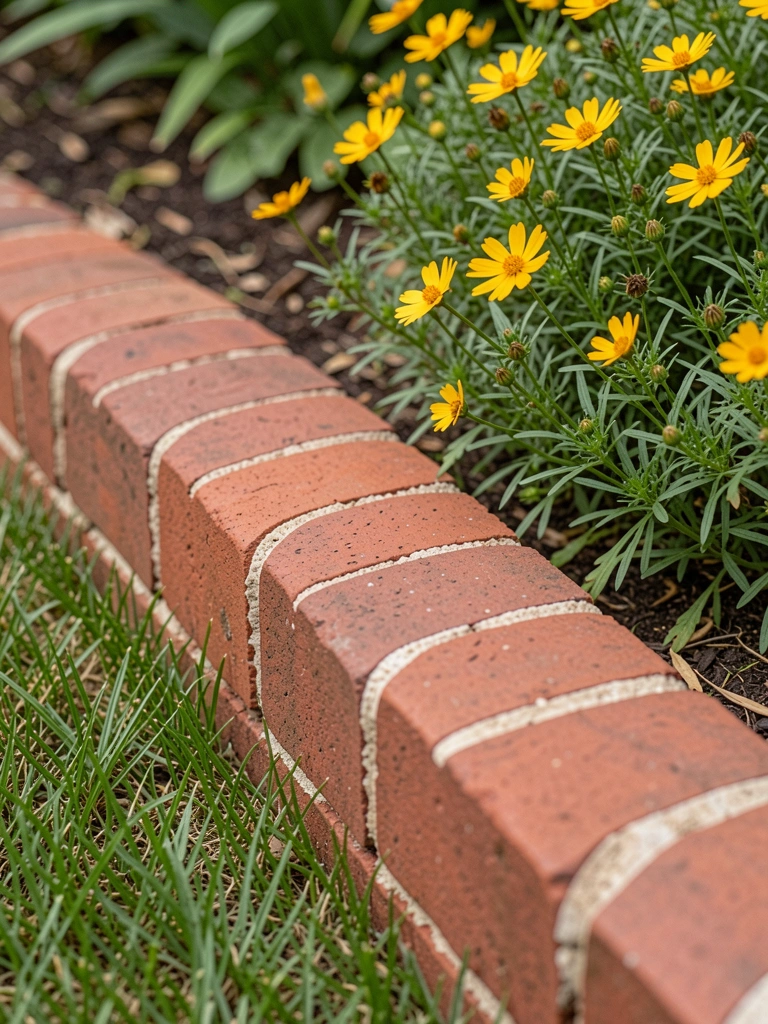
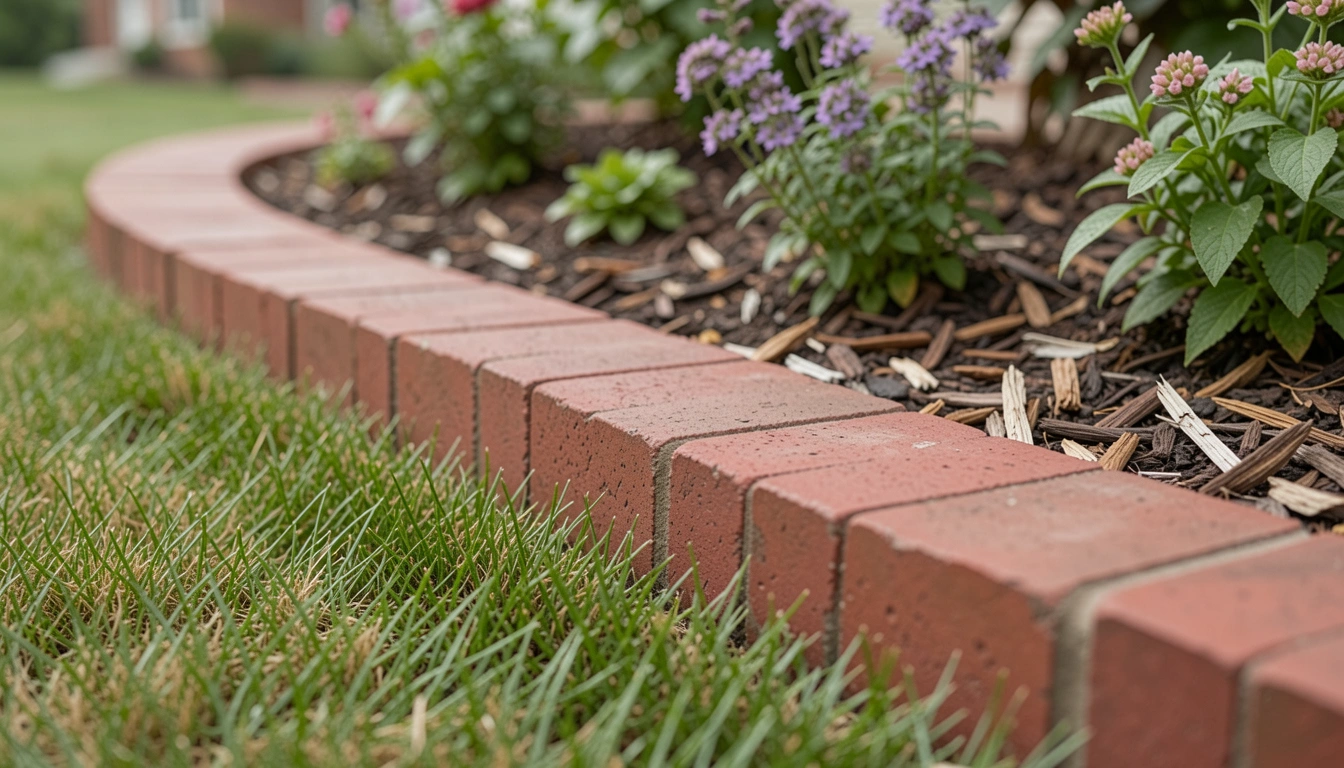
    I laid these bricks around my front rose bed two summers back. The curves followed the bed's natural shape—no straightjacket feel. Mower wheels stopped chewing the edge. Grass stayed neat.

    Visually, it grounded the whole yard. That warm red pops against green lawn, draws eyes up to the house. Feels intentional, not fussy.

    Dig a shallow trench first. Set bricks on sand—mine shifted once without it. Level as you go.

    Red half-moon landscape bricks (12 inch)
    All-purpose sand base (50 lb bag)
    Landscape fabric pins

    What You’ll Need for This Look

    2. Sleek Black Steel Strips for Crisp Lawn Borders
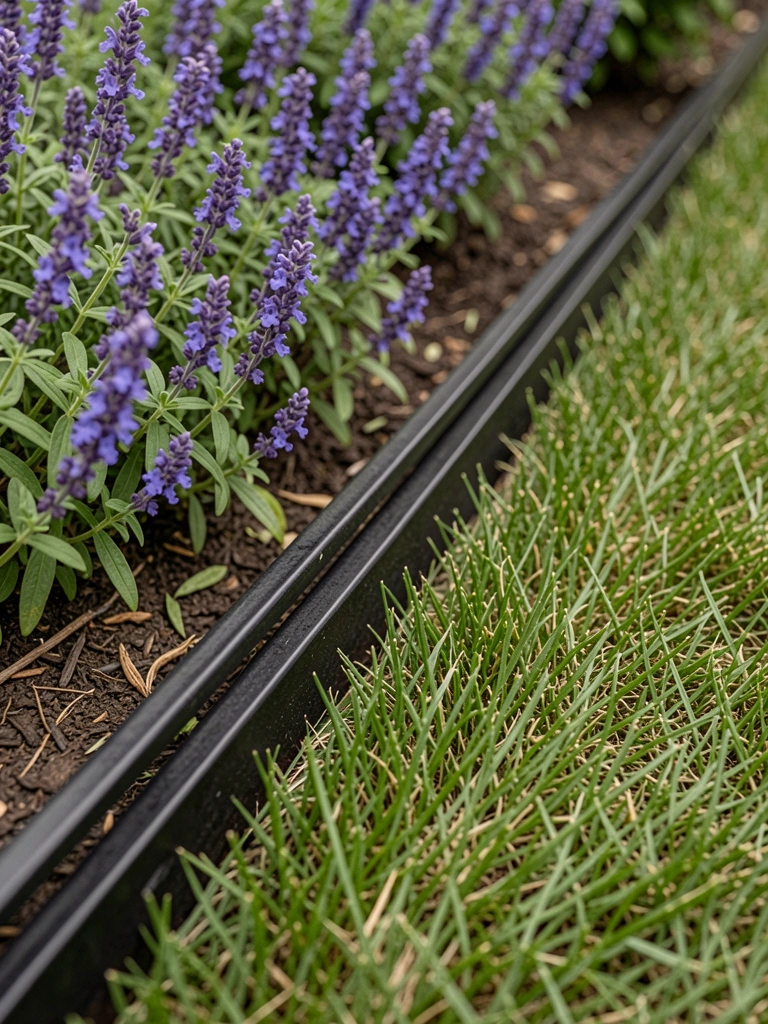
    Steel strips went in along my walkway last year. Hammered them straight down. Instant clean line—no more stray grass blades wandering over.

    It makes the yard feel modern, pulled-together. Light bounces off the black, frames plants without stealing show. Walk-up feels sharp.

    Buy thicker gauge; thin ones bent on my first try. Stake every foot.

    Black steel landscape edging (10 ft sections, 4 inch high)
    Galvanized edging stakes (12 inch)
    Heavy rubber mallet

    What You’ll Need for This Look

    3. River Rock Trenches for Natural Flow
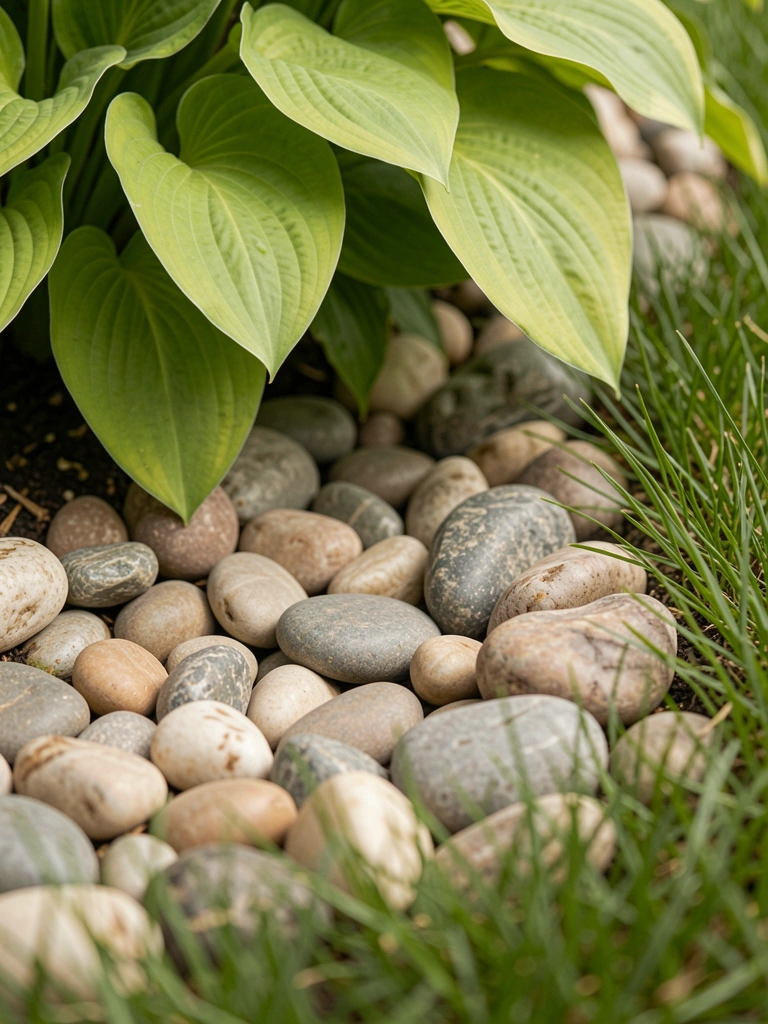
    Dug a 6-inch trench by my sidewalk, filled with river rocks. They settled soft, hid uneven ground. Weeds struggle to climb out.

    The texture shifts as you walk by—smooth underfoot if you step close. Yard feels bigger, less boxed-in.

    Rinse rocks first; mine had mud that stained mulch. Layer landscape fabric underneath.

    River rocks (1 inch, 40 lb bag)
    Heavy-duty landscape fabric (4 ft x 100 ft)
    Pointed trench shovel

    What You’ll Need for This Look

    4. Lavender Low-Row for Scented Separation
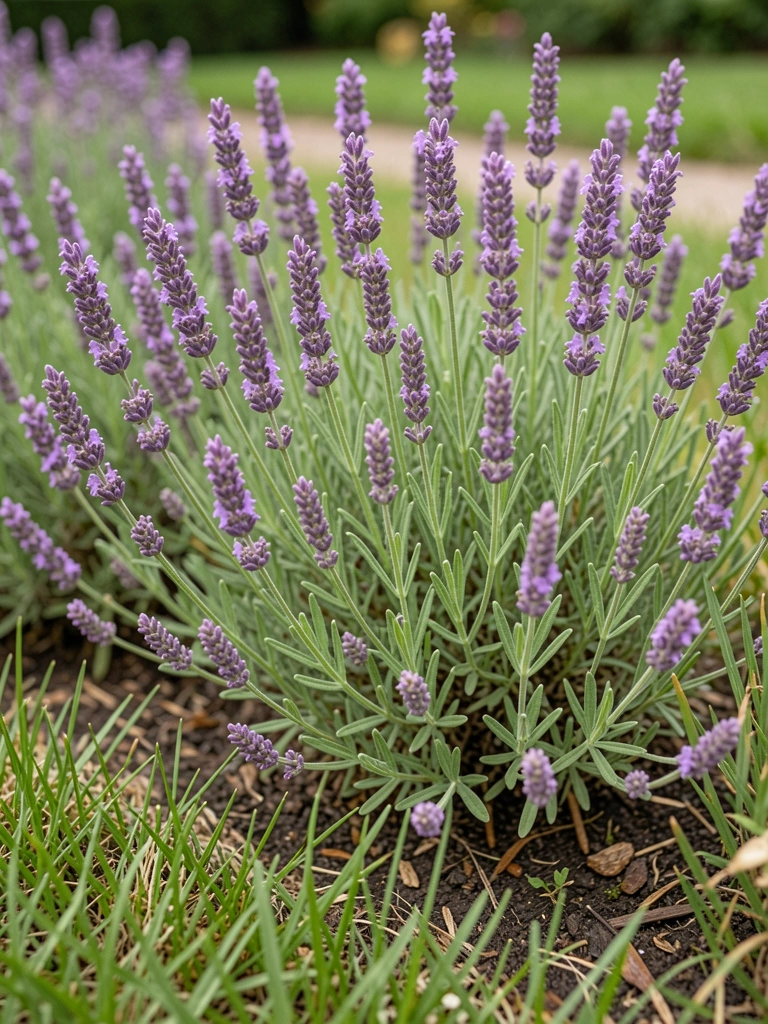
    Planted lavender plugs along my driveway edge. Grew knee-high, fragrant when you brush past. Bees love it—yard hums softly.

    Replaced scraggly grass perfectly. Purple spikes soften the line, add color without mowing.

    Space 12 inches; mine crowded first year, leggy stems. Trim after bloom.

    English lavender plants (4 inch pots, pack of 6)
    Herb compost mix (1 cu ft)
    Bypass pruning shears

    What You’ll Need for This Look

    5. Stacked Cedar Timbers for Textured Height
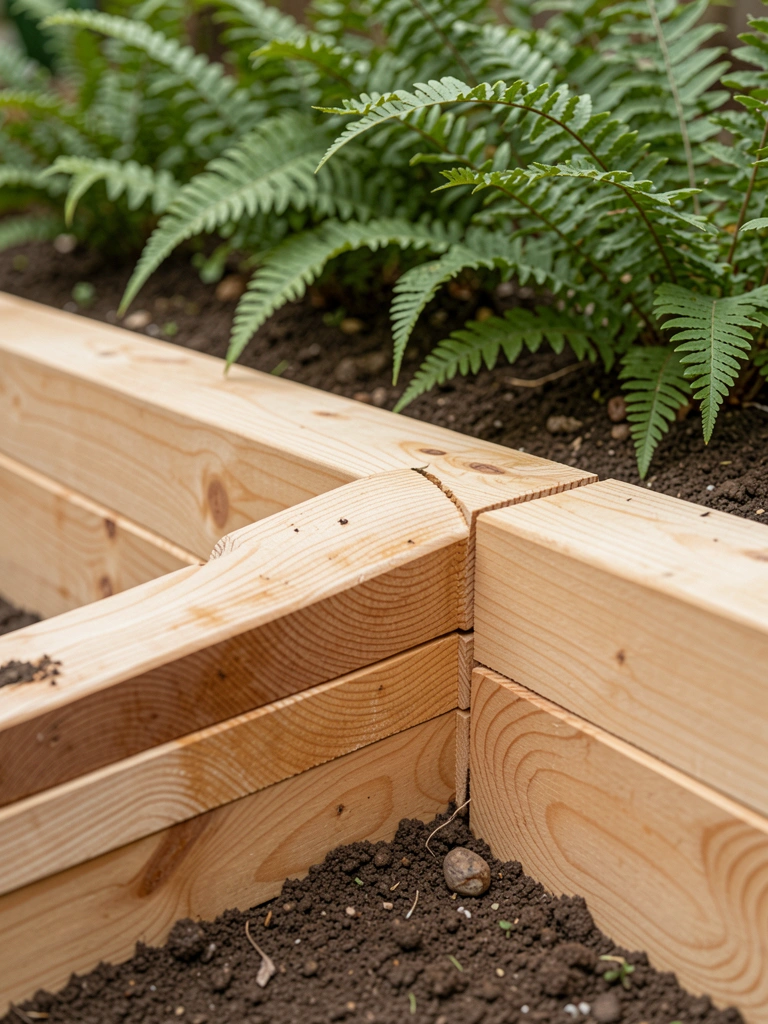
    Stacked short cedar timbers by my front bed. Gave 8-inch rise, held back soil nicely. Wood weathers to gray—fits right in.

    Yard gained depth; plants pop against the layers. Feels cozy, substantial.

    Anchor with rebar; wind tipped mine once. Seal ends if rain's heavy.

    Cedar landscape timbers (6x6x8 ft)
    Rebar stakes (18 inch)
    Clear wood sealer (1 gallon)

    What You’ll Need for This Look

    6. Recycled Glass Bottles for Sparkly Curves
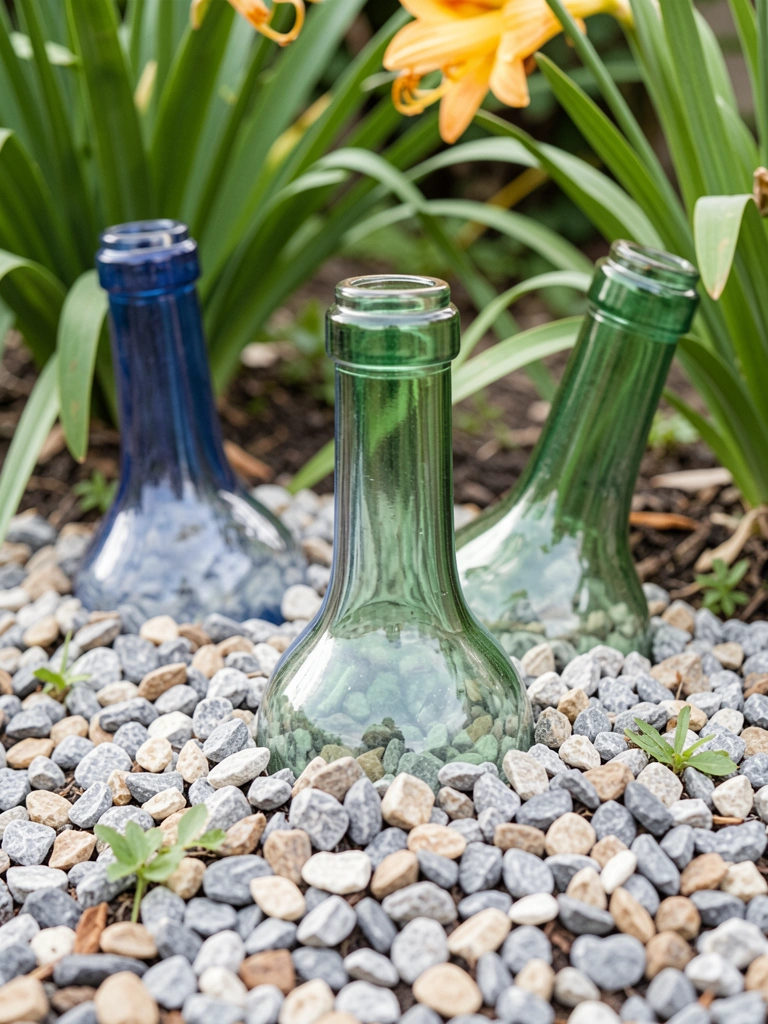
    Buried old bottles neck-down along a path. Collected from neighbors—free sparkle. Sun catches glass, twinkles through leaves.

    Cheap way to edge without buying stone. Adds personality, conversation starter.

    Clean thoroughly; labels left stains on my hands. Pack gravel tight.

    Recycled glass bottles (12 pack)
    Pea gravel (0.5 cu ft bag)
    Bottle cleaning brush

    What You’ll Need for This Look

    7. Pebble-Filled Rubber Borders for Easy Curves
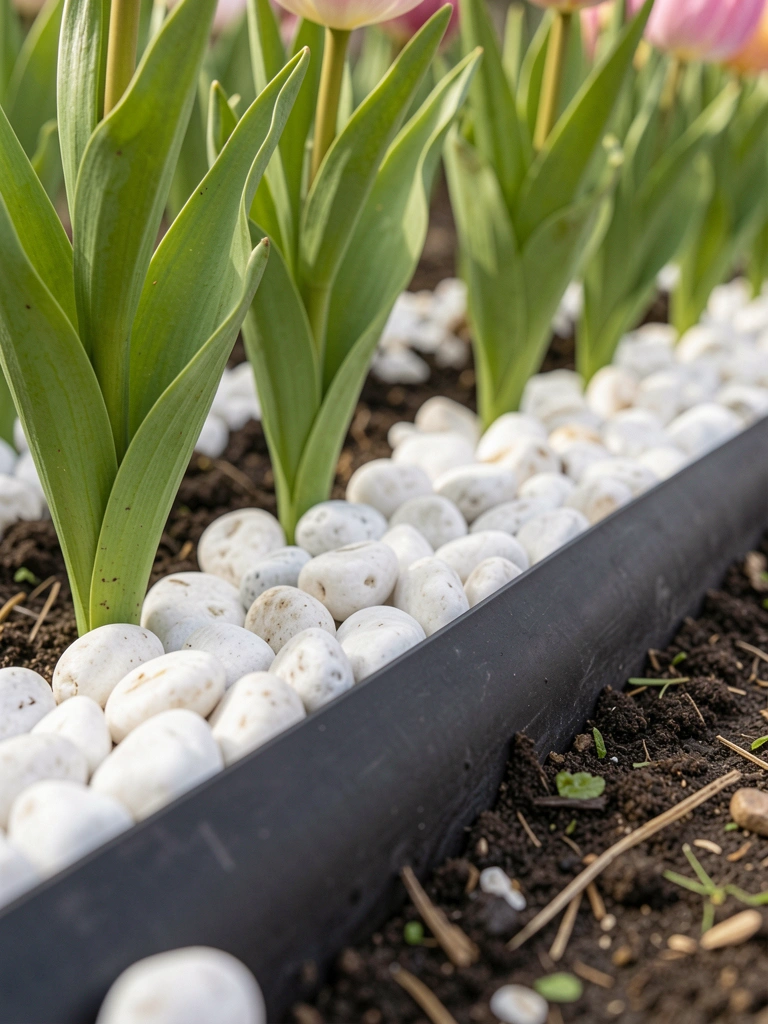
    Flexible rubber edging held pebbles along my curved bed. Bent to fit, no cuts needed. Pebbles drain fast—no mud.

    Keeps lines soft, low-profile. Yard feels open, pebbles crunch nicely underfoot.

    Overfill pebbles an inch; settled too low first time. Rubber won't rot.

    Rubber landscape edging (10 ft, 4 inch high)
    White decorative pebbles (20 lb bag)
    Rubber edging anchors (pack of 20)

    What You’ll Need for This Look

    8. Flagstone Pieces for Stepping Edge
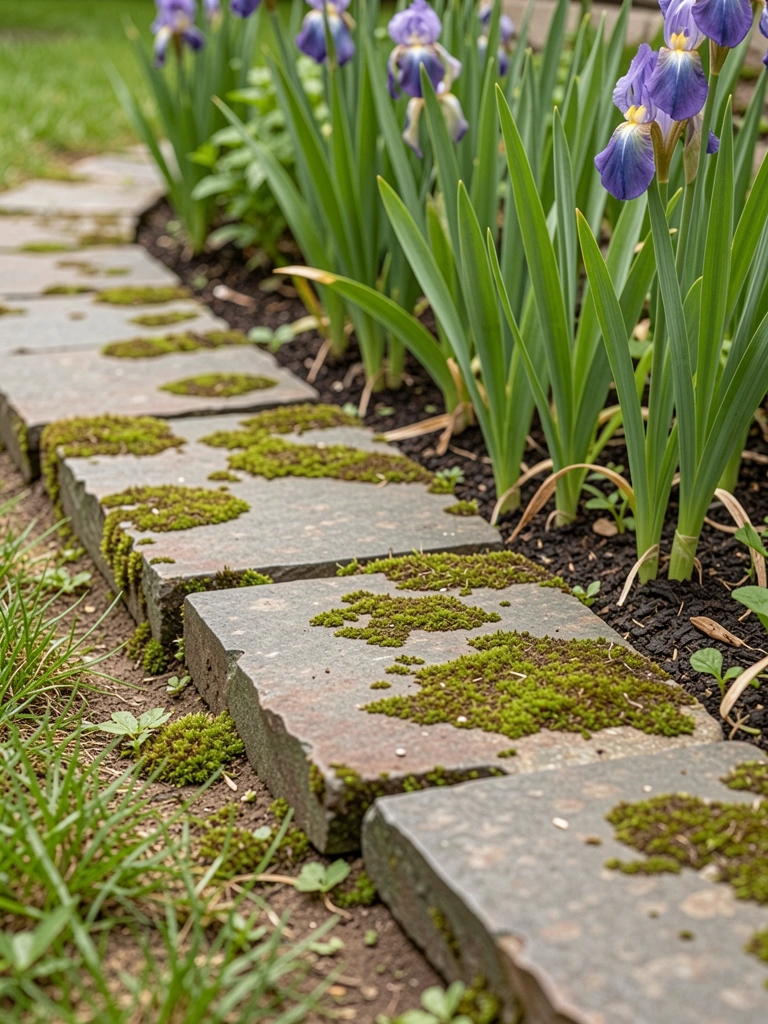
    Set flagstone chunks flat along my lawn edge. Irregular shapes puzzle together. Moss grows in gaps—natural.

    Guides steps to door, blurs grass-stone line softly. House welcomes you in.

    Pick thinner slabs; heavy ones strained my back. Mortar if soil shifts.

    Natural flagstone pieces (12×12 inch flats)
    Masonry sand (50 lb)
    Stone dust base (40 lb bag)

    What You’ll Need for This Look

    9. Dwarf Boxwood Trim for Neat Frames
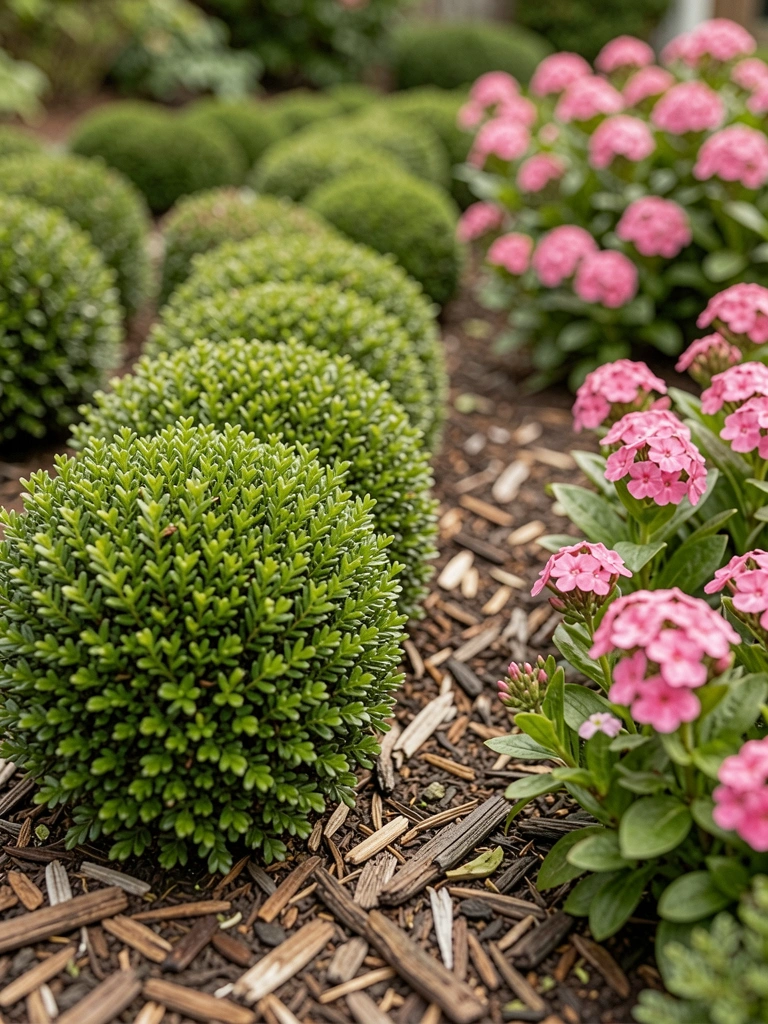
    Boxwood starts lined my path. Shear quarterly—stays 12 inches high. Evergreen holds shape through winter.

    Frames yard like a picture. Green softens concrete, year-round structure.

    Water deep first year; drought yellowed mine. Amend soil acidic.

    Dwarf boxwood shrubs (1 gallon, pack of 5)
    Manual hedge shears (10 inch blades)
    Boxwood fertilizer (slow release)

    What You’ll Need for This Look

    10. Mulch Trench with Solar Glow
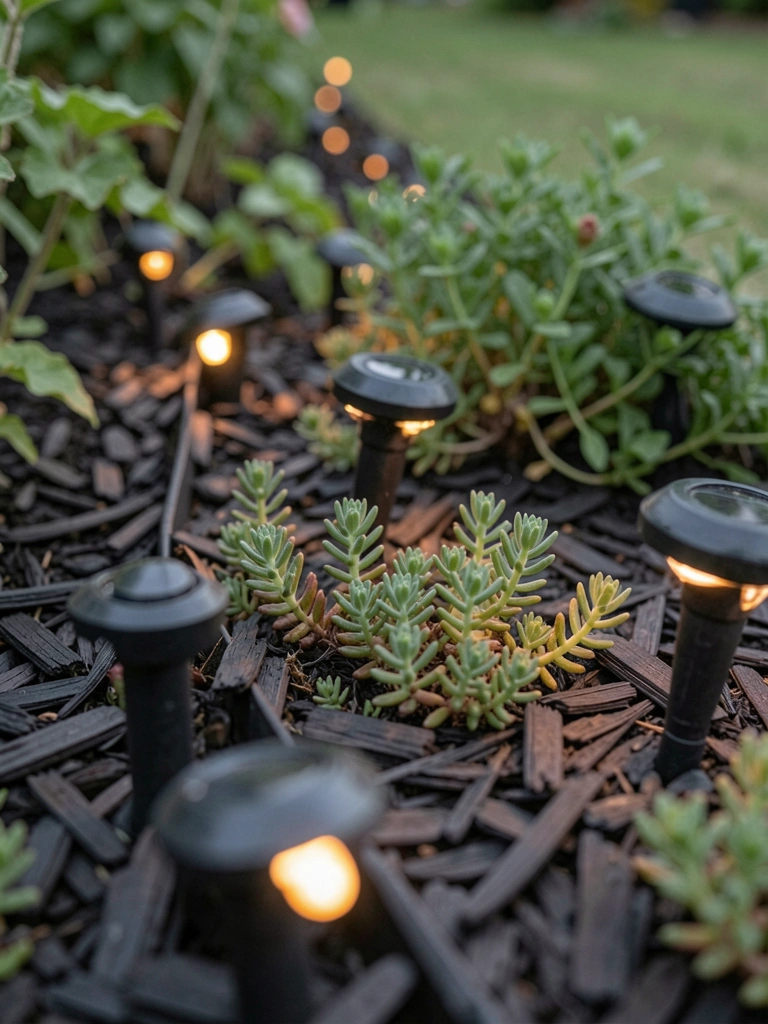
    Edged with deep mulch trench, poked in solar stakes. Lights glow at dusk—guides without wires.

    Mulch stays put, defines beds clean. Night curb appeal surprises passersby.

    Top mulch yearly; faded fast exposed roots. Angle lights down.

    Hardwood mulch (2 cu ft bag)
    Solar pathway lights (warm white, 8 pack)
    Half-moon edging tool

    What You’ll Need for This Look

    Final Thoughts

    One edge can shift your whole front yard. Start with what fits your soil, sun. I've seen small changes stick for years.

    You don't need all 10. Pick what calls to you. Grab tools, dig in—your place will feel like home.
  • How to Design Layout of a Rooftop Garden

    How to Design Layout of a Rooftop Garden

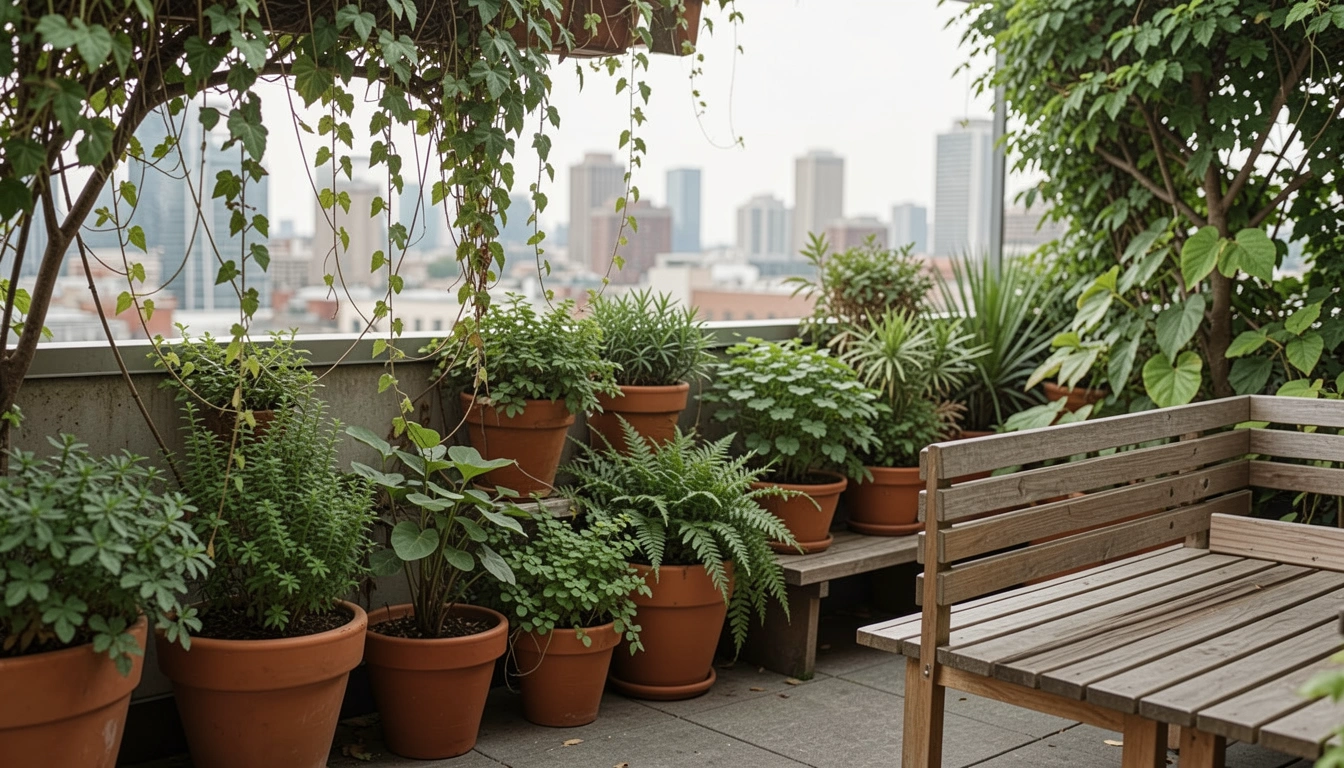
    I stood on my rooftop last spring. Wind whipped through empty corners. Pots tipped over. The view felt wasted, like a blank page.

    I'd planted before. But nothing settled. It looked crowded in spots, bare in others. I needed a way to make it hold together.

    You know that feeling. Space up high, full of promise. But layouts that fight the wind and sun.

    How to Design Layout of a Rooftop Garden

    This is the method I use to shape a rooftop that flows. You'll end up with zones that feel right—balanced against wind, sun, and that wide sky view. It's straightforward, from my own trials.

    What You’ll Need

    Step 1: Map Your Wind Patterns and Sun Paths

    I walk the rooftop at different times. Note where wind pushes hardest—usually edges. Mark sun shadows too. This sets your anchors.

    Visually, it shifts from chaos to a frame. Empty space starts to breathe.

    People miss how wind funnels corners. Test with string tied to stakes. Avoid cramming tall plants there first—they topple.

    I keep it simple. One pass morning, one evening. Now the layout hugs the site.

    Step 2: Anchor with Low Structures First

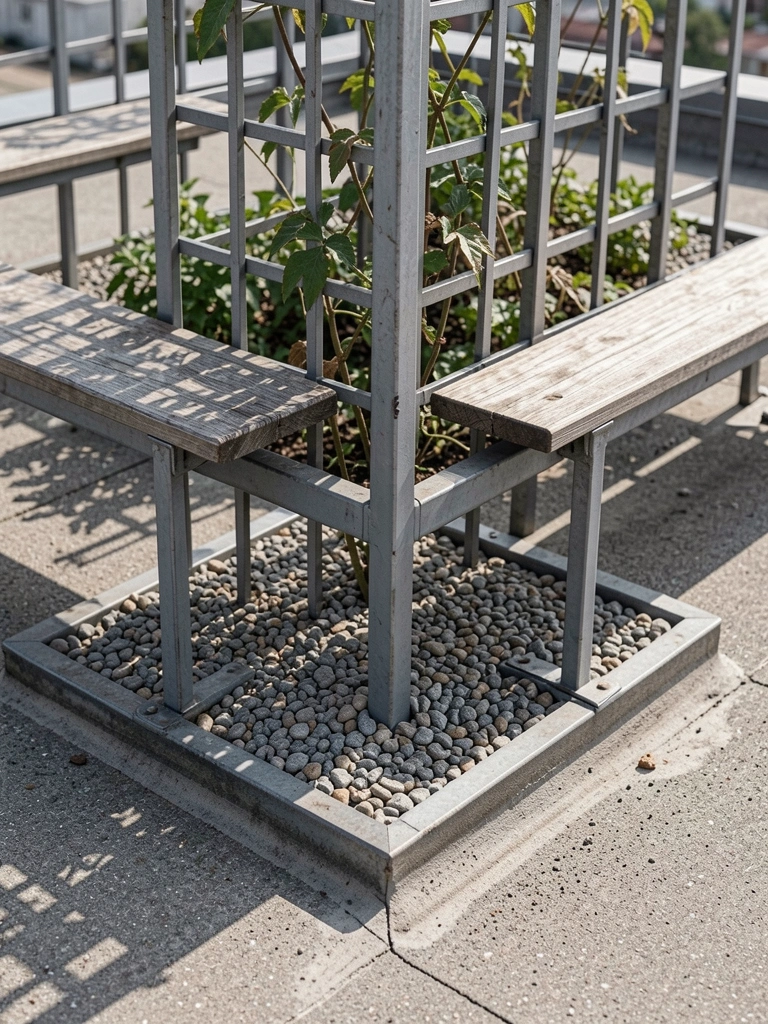
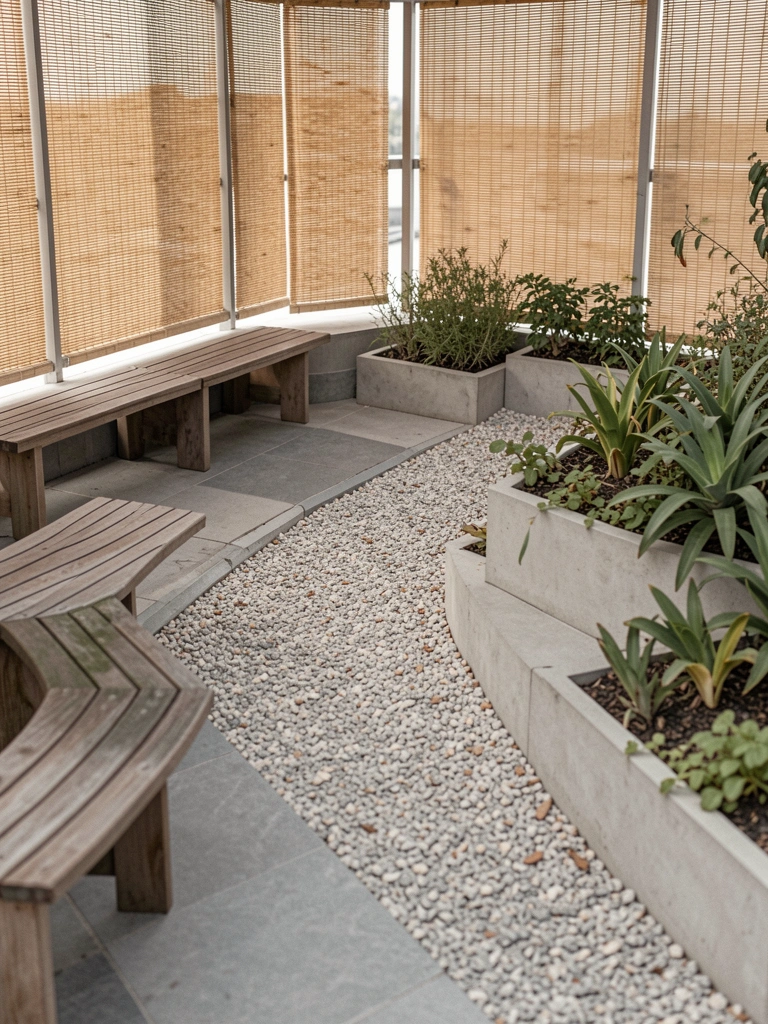
    Place benches and screens low. They ground the space, cut wind without blocking views. I position them to frame the skyline.

    The rooftop feels steadier. Edges soften, center opens up.

    Most skip weighting bases—pots shift in gusts. Use gravel inside planters. Don't overload one side; balance pulls it apart.

    From here, it holds. I sit, see the flow starting.

    Step 3: Define Zones for Sit, Grow, Walk

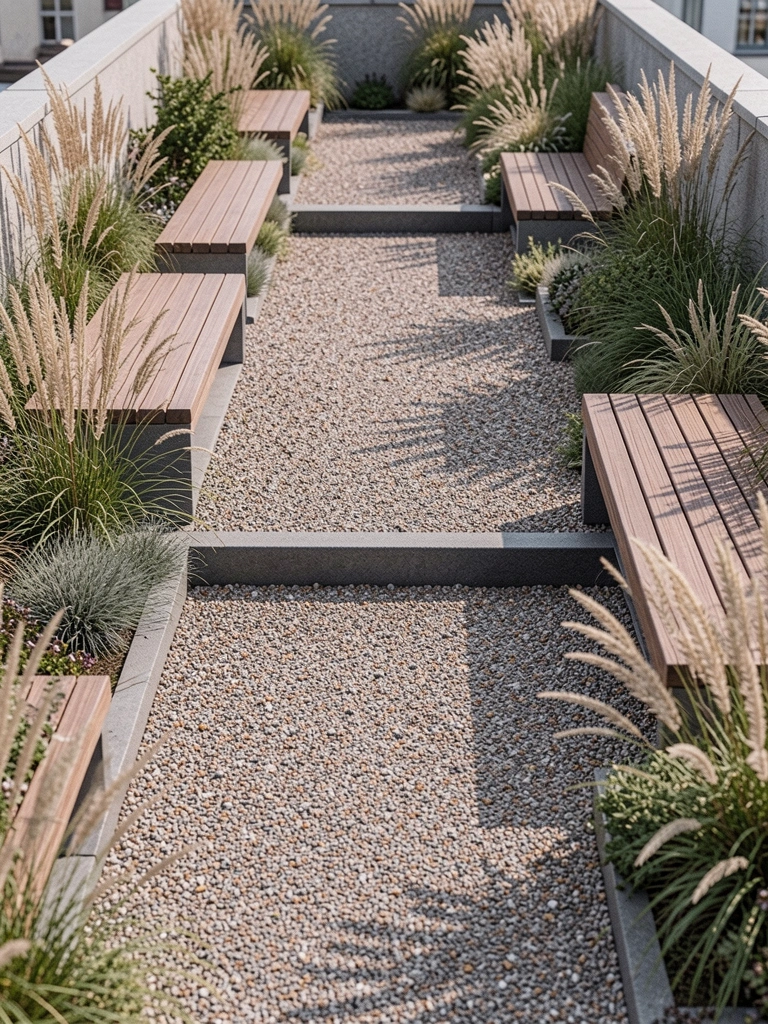
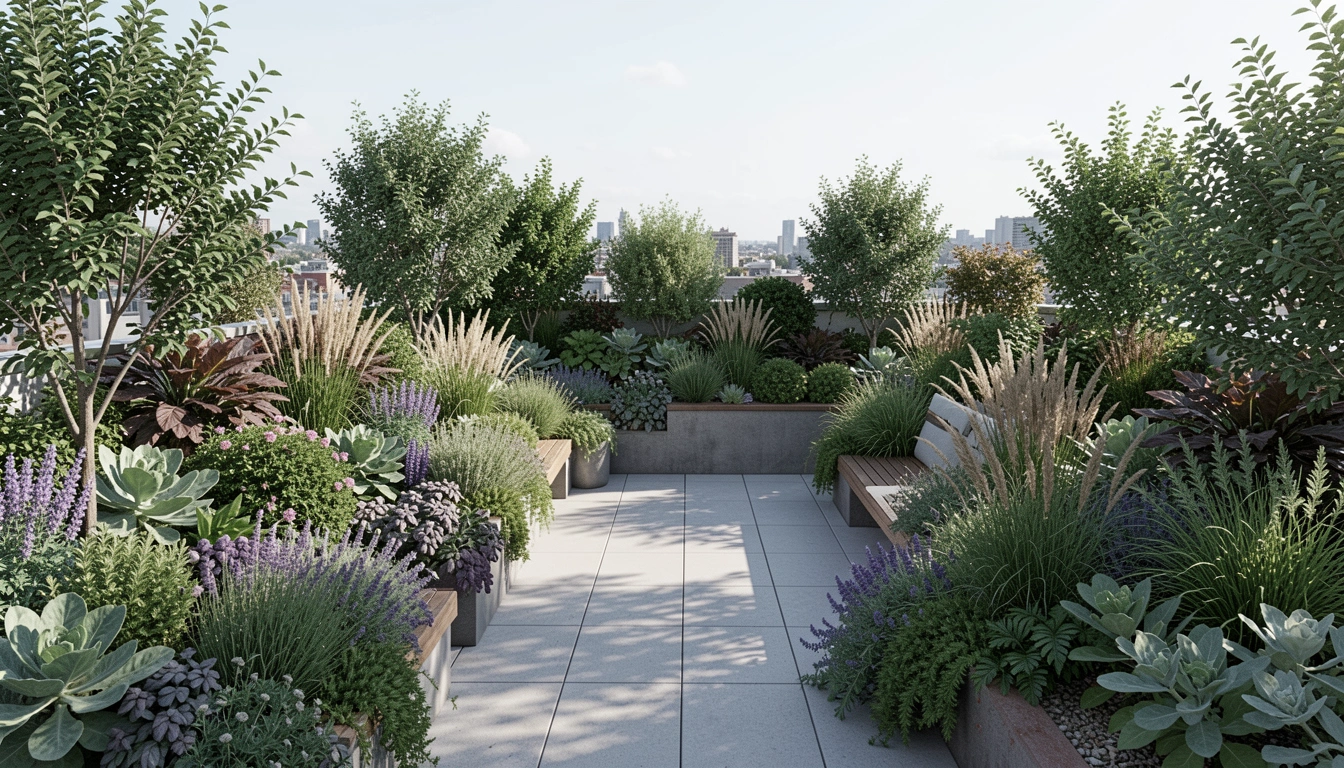
    I sketch three zones: sit by the rail, grow in middle, walk between. Pots cluster loosely in grow spots. Paths link them wide.

    Colors settle—grays, greens against sky. It invites movement without crowding.

    Folks overlook walk space; narrow paths trap wind. Leave 3 feet clear. Avoid straight lines—they feel rigid up high.

    Now it pulls you through. Balanced, lived-in.

    Step 4: Layer Plants by Height and Drift

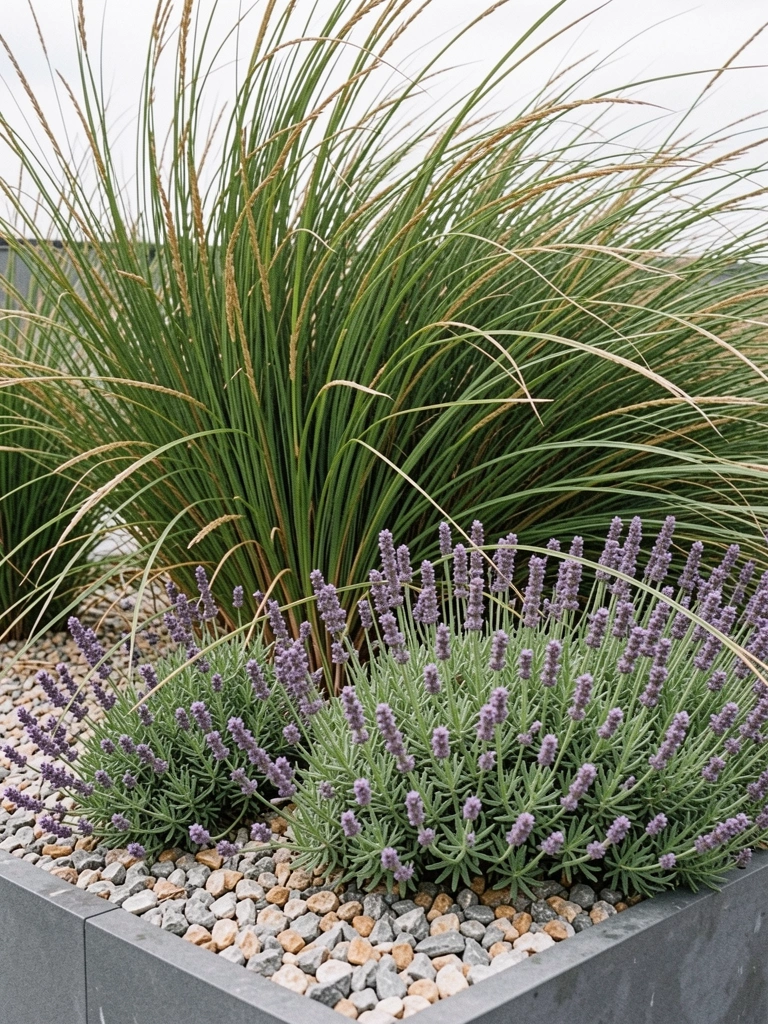
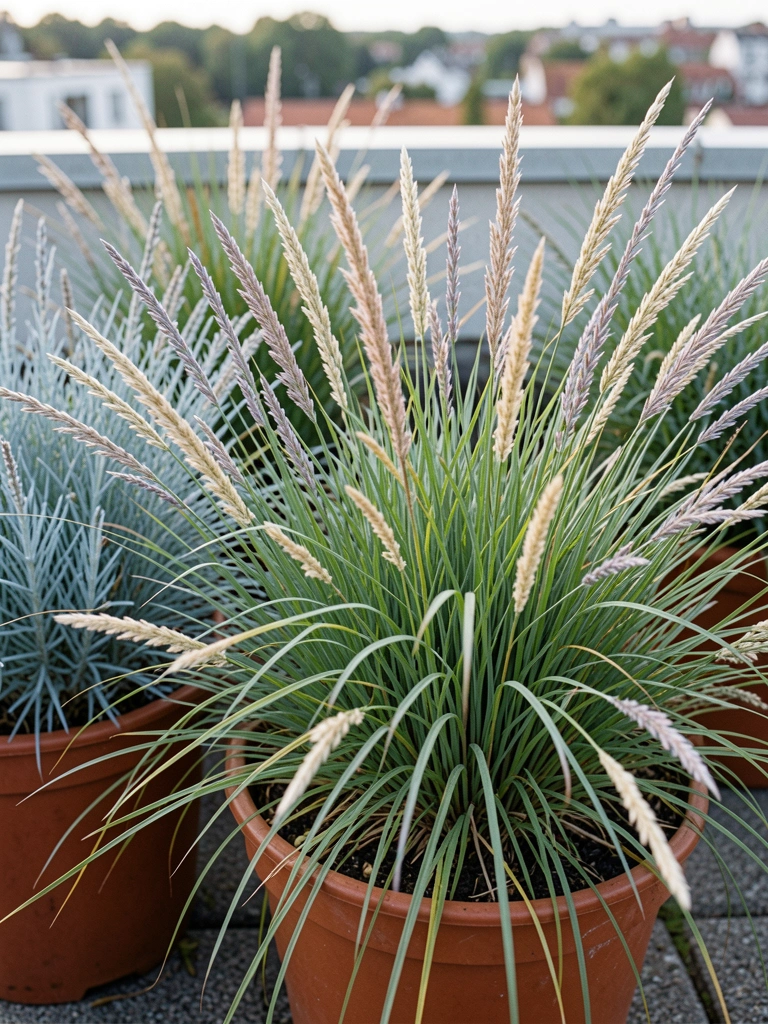
    Tall grasses edge outward, lavenders fill low. I drift them, not in rows—mimics natural drift.

    Heights balance views; low plants hug benches. Wind softens the sway.

    People plant uniform heights—flattens the space. Vary for depth. Don't overplant edges; they dry fast.

    It greens up gentle. Feels right from below too.

    Step 5: Check Balance from All Angles

    Walk around, sit low, stand tall. Adjust one pot at a time. Lights mark paths at dusk.

    Full circle, it holds—no heavy side. Flow connects zones.

    Missed insight: views from street matter. Thin tops. Avoid symmetry; rooftops curve in wind.

    Steady now. Ready for seasons.

    Choosing Wind-Tough Plants

    Wind strips leaves fast up high. I pick grasses and lavenders that sway, not snap.

    • Grasses root deep, move with gusts.
    • Succulents hold water—no daily checks.
    • Cluster for protection.

    They settle in, add motion without mess.

    Building Privacy Without Walls

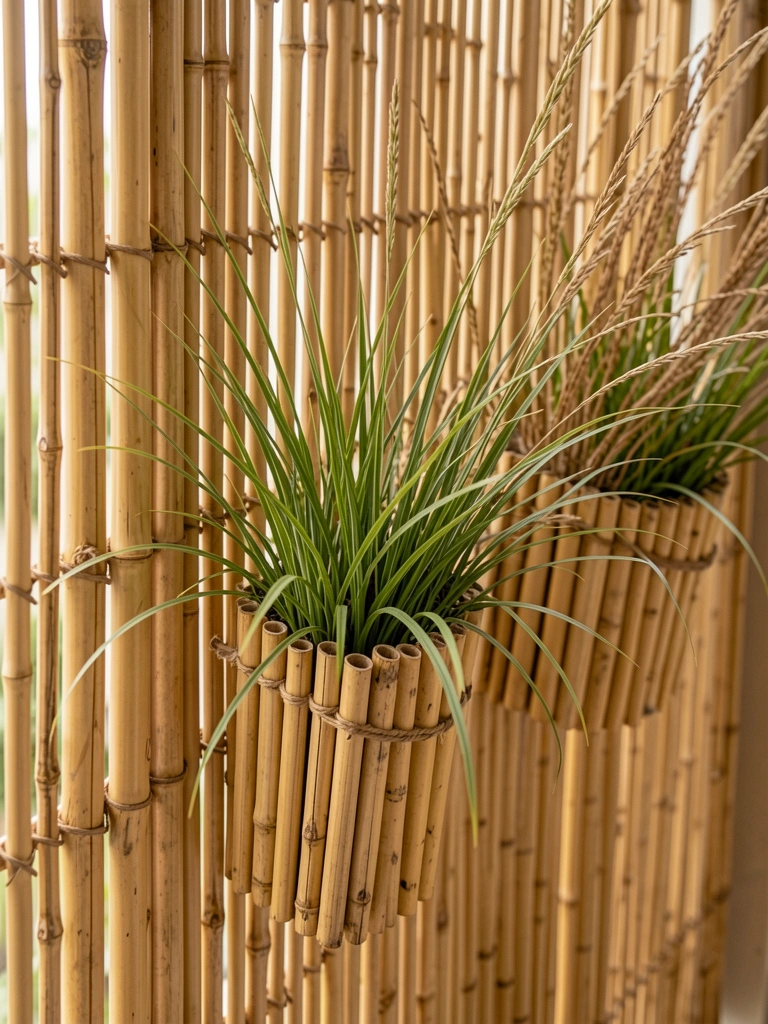
    Screens cut glare and peeks. Bamboo rolls flex in wind.

    Place them hip-high. Let sky show above.

    Paths weave through. Feels open, not boxed.

    Adding Year-Round Layers

    Evergreens anchor winter. Grasses seed in fall.

    • Low perennials for spring fill.
    • Mulch evens soil dry spots.

    Change feels slow, natural.

    Final Thoughts

    Start with one zone. Your rooftop will guide you.

    You've fixed the fight—wind, sun, empty spots.

    It grows into place. Just keep checking from your chair.

  • 23 Rooftop Garden Ideas for Small Houses

    23 Rooftop Garden Ideas for Small Houses

    I stood on my cramped rooftop last spring, concrete bare under my feet, city noise below. It felt exposed, useless. Then I added one pot of basil. That green patch pulled me up there daily. Over years, trial and error filled it out. Small spaces reward patience.

    Your rooftop can be that spot too. No big budget needed.

    23 Rooftop Garden Ideas for Small Houses

    These 23 rooftop garden ideas for small houses come from my own rooftops—windy, weight-limited, sunny spots. Each one fits tight spaces. Pick a few to start.

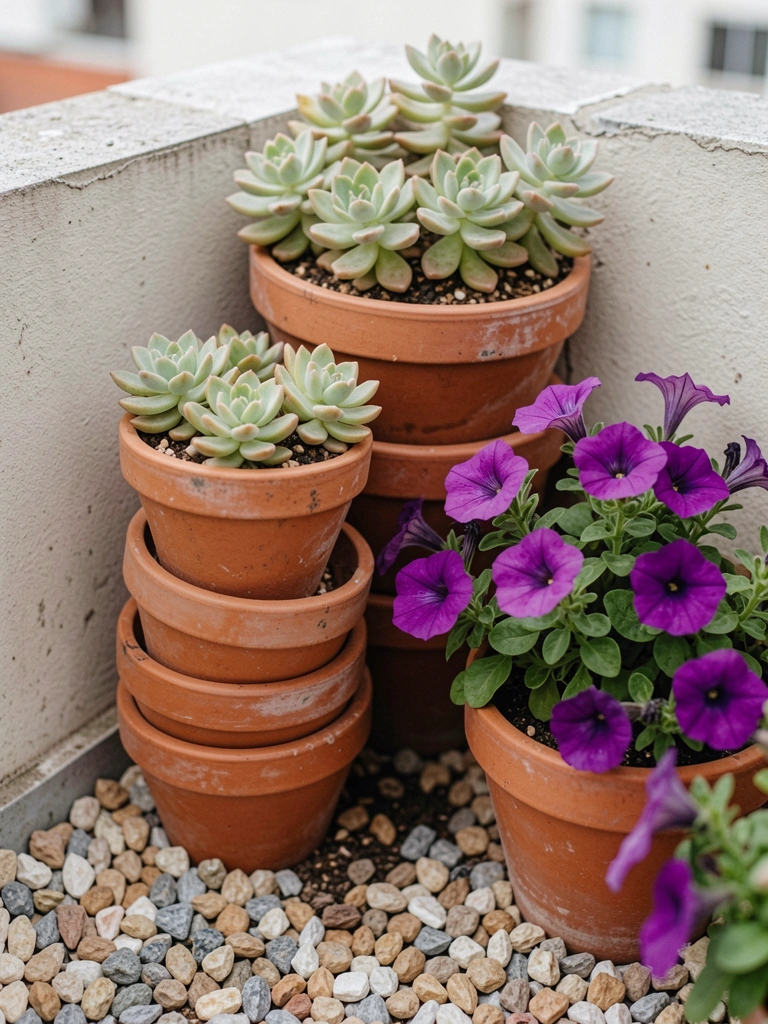
    1. Layered Container Planting That Fills Empty Corners

    I started with one pot on my ledge, but it looked lonely. Stacking three changed everything—the corner softened, air felt fresher. Greens spilled over edges, hiding the rail. Wind tugged less at low profiles.

    Watch heights: tallest in back, trailers in front. I once overloaded a stack; it tipped. Secure with brackets now.

    Feels cozy up close, like a secret garden pocket. Birds perch there mornings.

    What You’ll Need for This Look

    12-inch terracotta planter set

    Metal plant brackets for stacking

    Assorted succulents pack

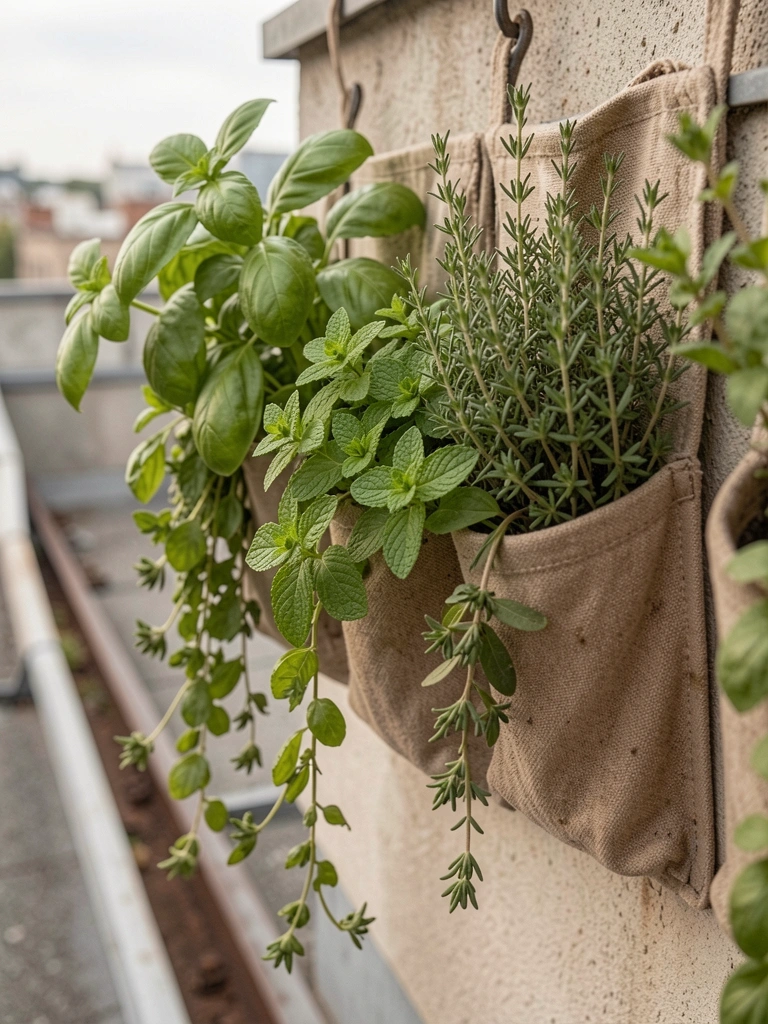
    2. Vertical Herb Wall for Fresh Picks at Hand

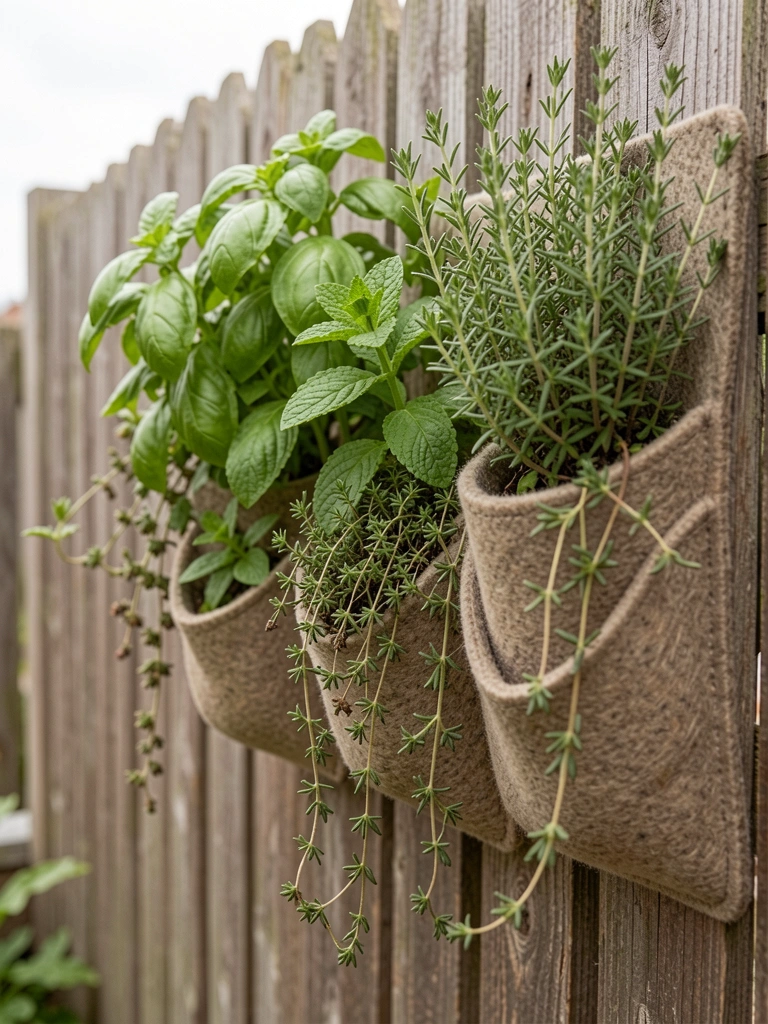
    My kitchen's steps away, so I bolted a felt pocket wall to the rail. Herbs grew fast, brushing my hand when I cook. No more store runs; smells hit you first thing.

    I picked shallow-rooted ones—basil flopped once from overwatering. Felt dries quick, saves weight.

    Saves floor space entirely. Pulls eyes up, makes the rooftop taller somehow.

    What You’ll Need for This Look

    Felt vertical garden pockets 10-pack

    Herb seed starter kit

    Stainless steel mounting screws

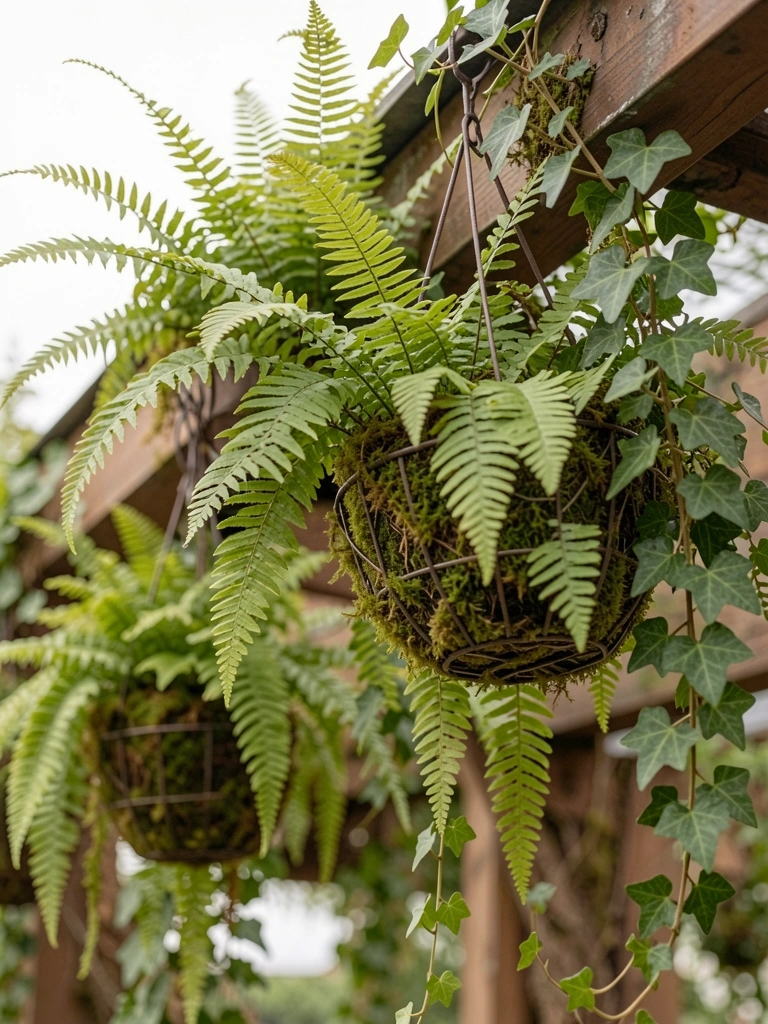
    3. Suspended Baskets That Swing Gently in Breeze

    Hanging three baskets from the beam freed the floor. They sway soft in wind, ferns brushing my shoulder. Added instant height without bulk.

    Chose lightweight liners first time; soil dumped out. Coconut coir holds now.

    Creates shaded nooks below. Feels alive, moving with the day.

    What You’ll Need for This Look

    Wire hanging baskets 12-inch

    Coconut coir liners medium

    Fern plant trio

    4. Modular Raised Beds for Custom Veggie Patches

    I snapped together two low beds—veggies thrived in deep soil, roots safe from wind. Harvest feels daily now.

    Overdid tomatoes first year; crowded. Space them 12 inches.

    Fits any corner, expands easy. Earthy smell grounds the concrete.

    What You’ll Need for This Look

    Modular cedar raised bed kit 2×2 feet

    Tomato starter plants

    Organic mulch bag 2 cubic feet

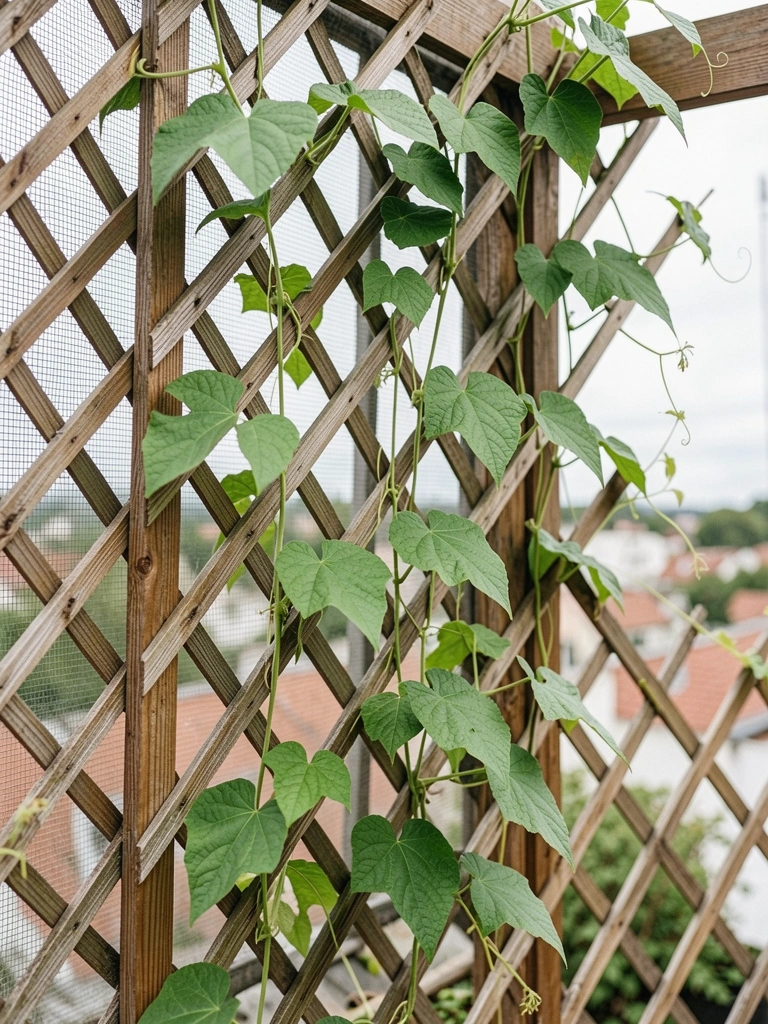
    5. Privacy Climbers on Lightweight Trellis

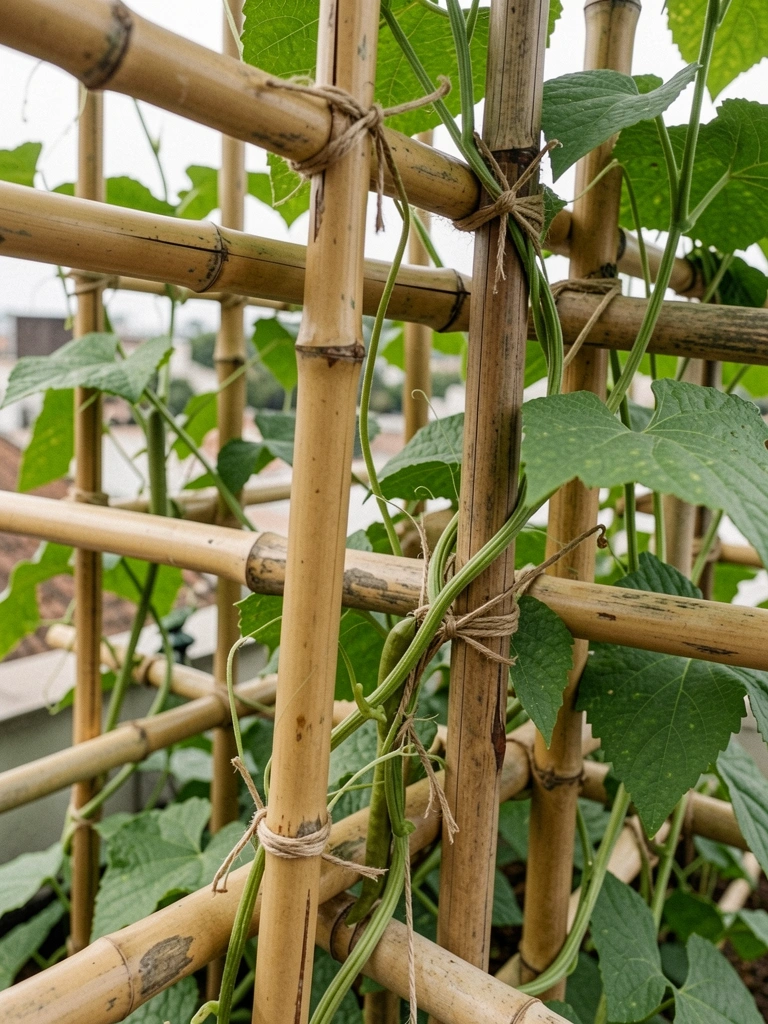
    Nailed a bamboo trellis to the rail; beans climbed quick, blocking neighbor views. Green wall softened harsh lines.

    Heavy wood bent once—go light. Train vines weekly.

    Cozy hideaway forms. Wind whistles through gaps.

    What You’ll Need for This Look

    Bamboo trellis panel 4×8 feet

    Pole bean seeds packet

    Zip ties garden pack

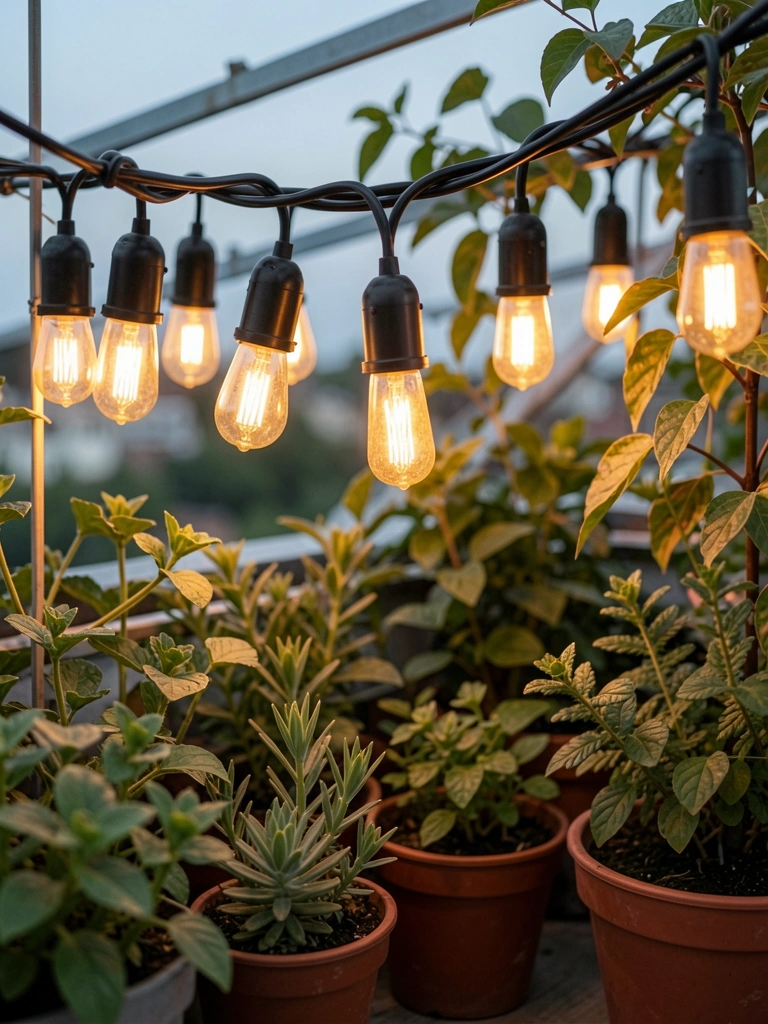
    6. Solar String Lights for Evening Glow

    Draped solar strings along rails—nights turned warm, safe glow. No cords tripping me.

    Cheap ones faded fast; pick waterproof. Full sun charges them.

    Draws you up after dark. Softens the space.

    What You’ll Need for This Look

    Solar string lights 33 feet warm white

    Timer extension stake

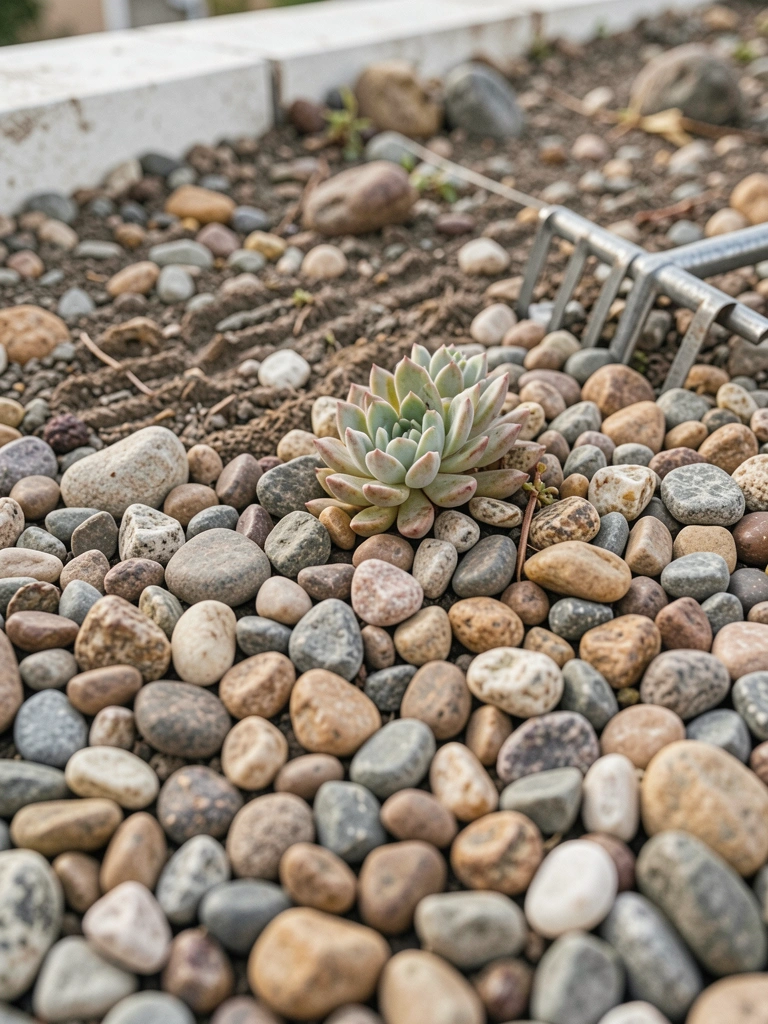
    7. Gravel Zen Corner with Boulders

    Poured pea gravel in a 4×4 spot, added boulders—calm hit instant. Rake patterns relax me.

    Too deep drained poor; 2 inches max.

    Quiet escape amid city buzz.

    What You’ll Need for This Look

    Pea gravel bag 50 pounds

    Decorative boulders set small

    Japanese garden rake mini

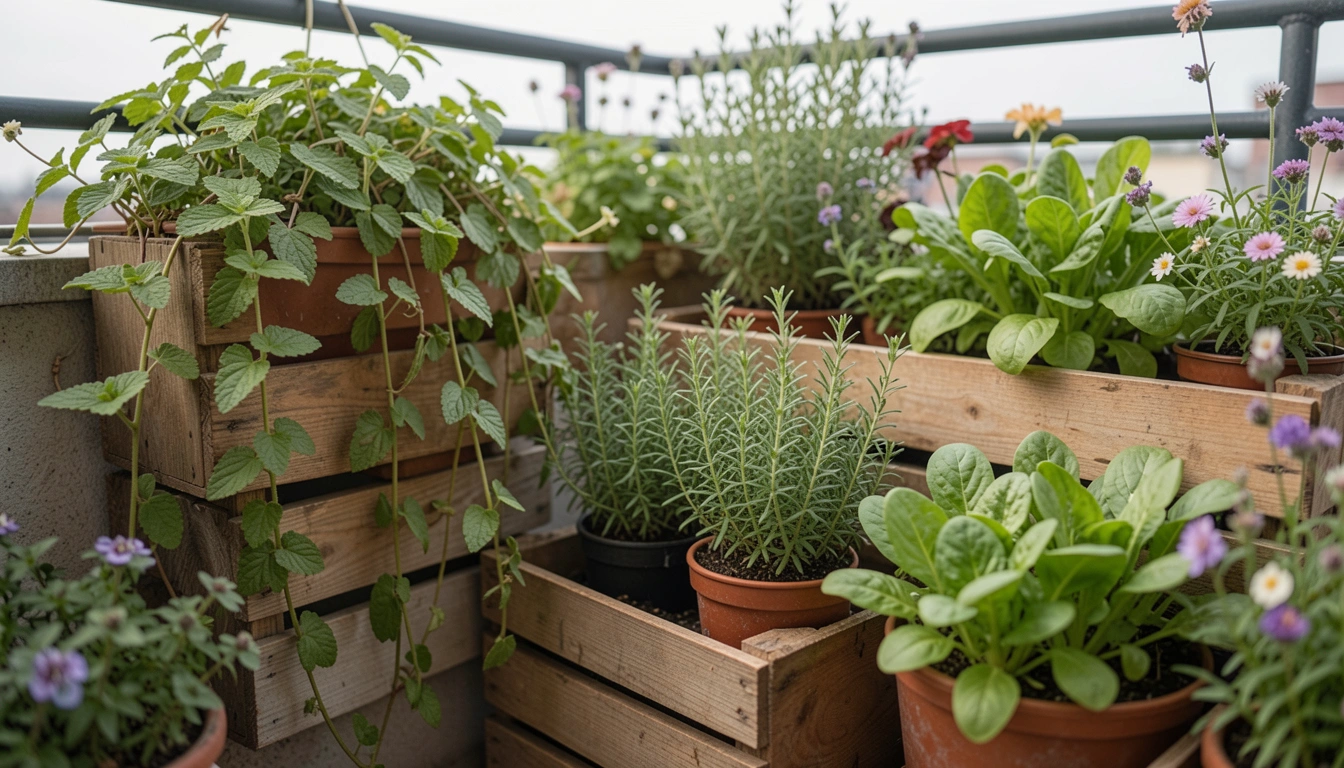
    8. Recycled Crate Planters for Rustic Edges

    Lined old crates with plastic—berries tucked in, edges warmed up. Sturdy, cheap.

    Forgot liners; rotted fast. Double up now.

    Nods to farmhouse without fuss.

    What You’ll Need for This Look

    Wooden crate planter set 12-inch

    Plastic liner sheets garden

    Strawberry plants 6-pack

    9. Folding Bistro Set Tucked by Greenery

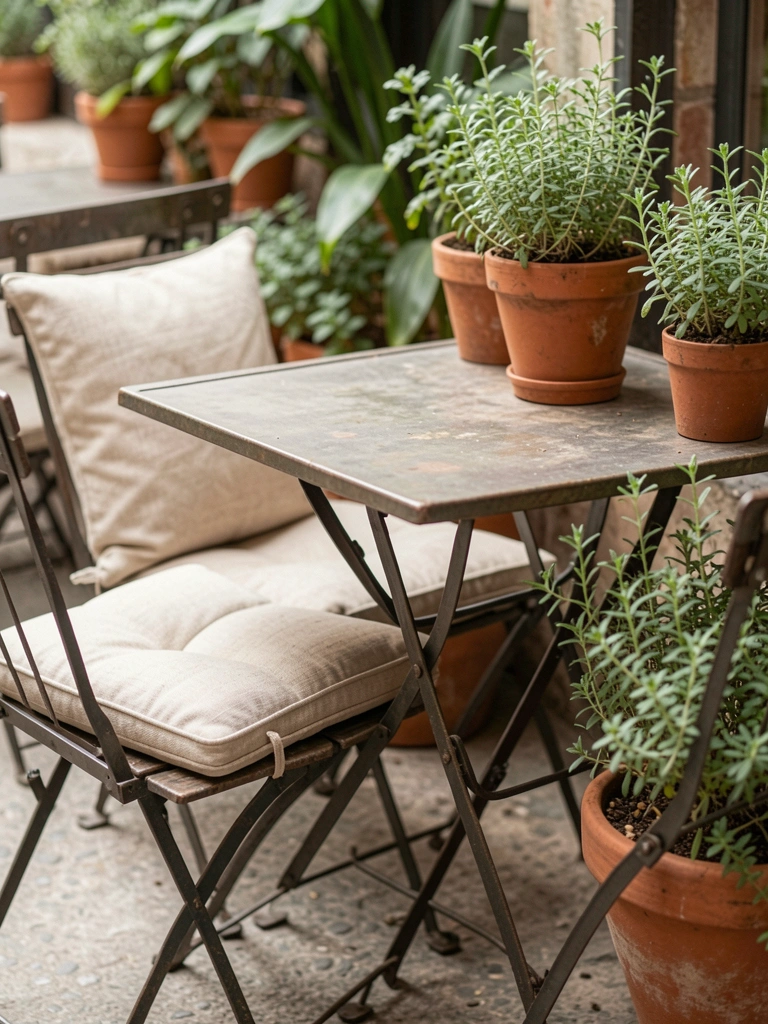
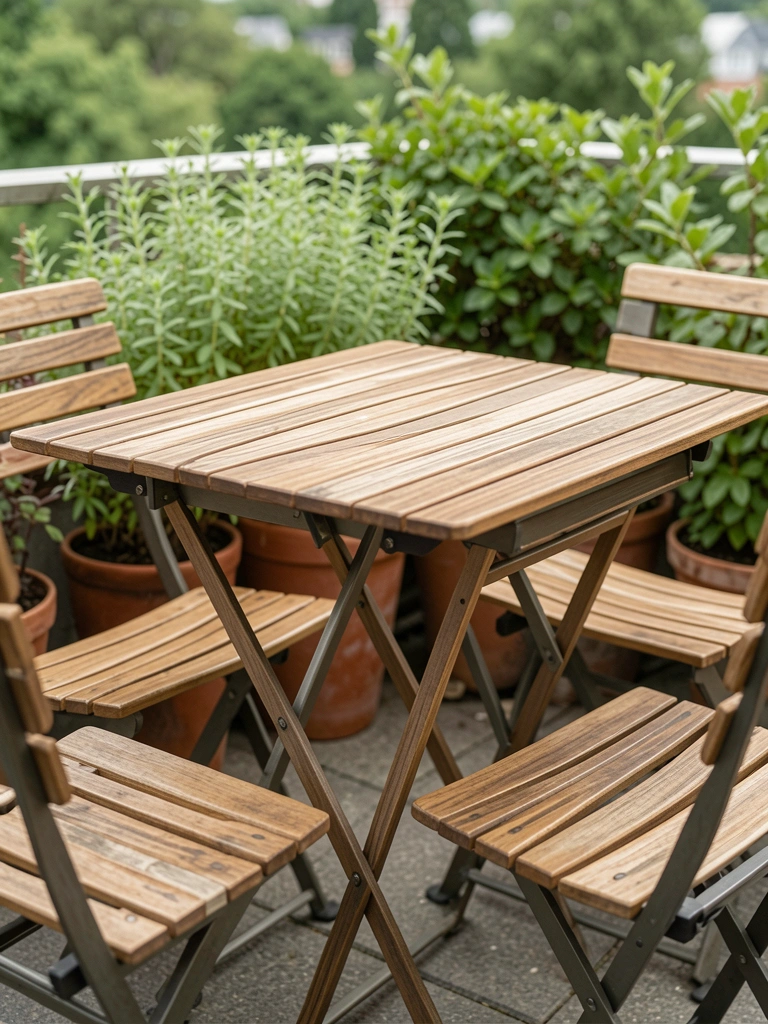
    Folded bistro set fits when empty—coffee there mornings, plants frame it.

    Rusty after rain; powder-coated lasts.

    Intimate spot for two.

    What You’ll Need for This Look

    Folding bistro set black metal

    Outdoor seat cushions 2-pack

    10. Drip Irrigation for Hands-Free Watering

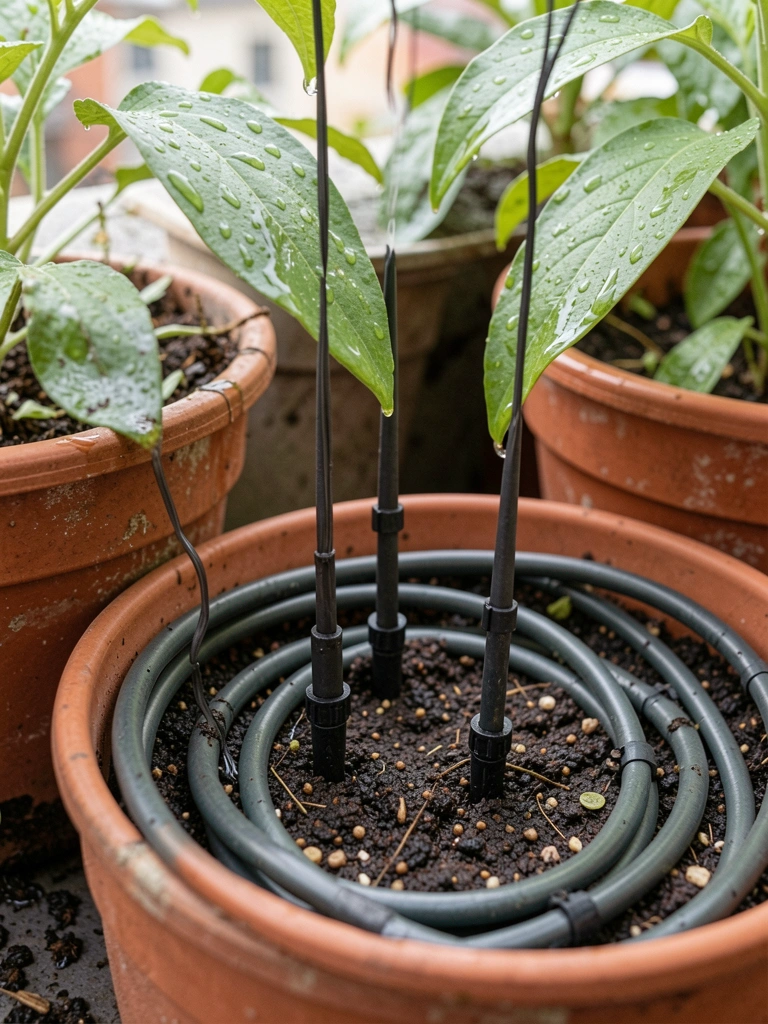
    Kit timers water while I'm away—plants stay even, no wilt. Saved my trip.

    Clogged emitters first; flush regular.

    Set it, forget stress.

    What You’ll Need for This Look

    Drip irrigation kit 50 feet

    Battery timer valve

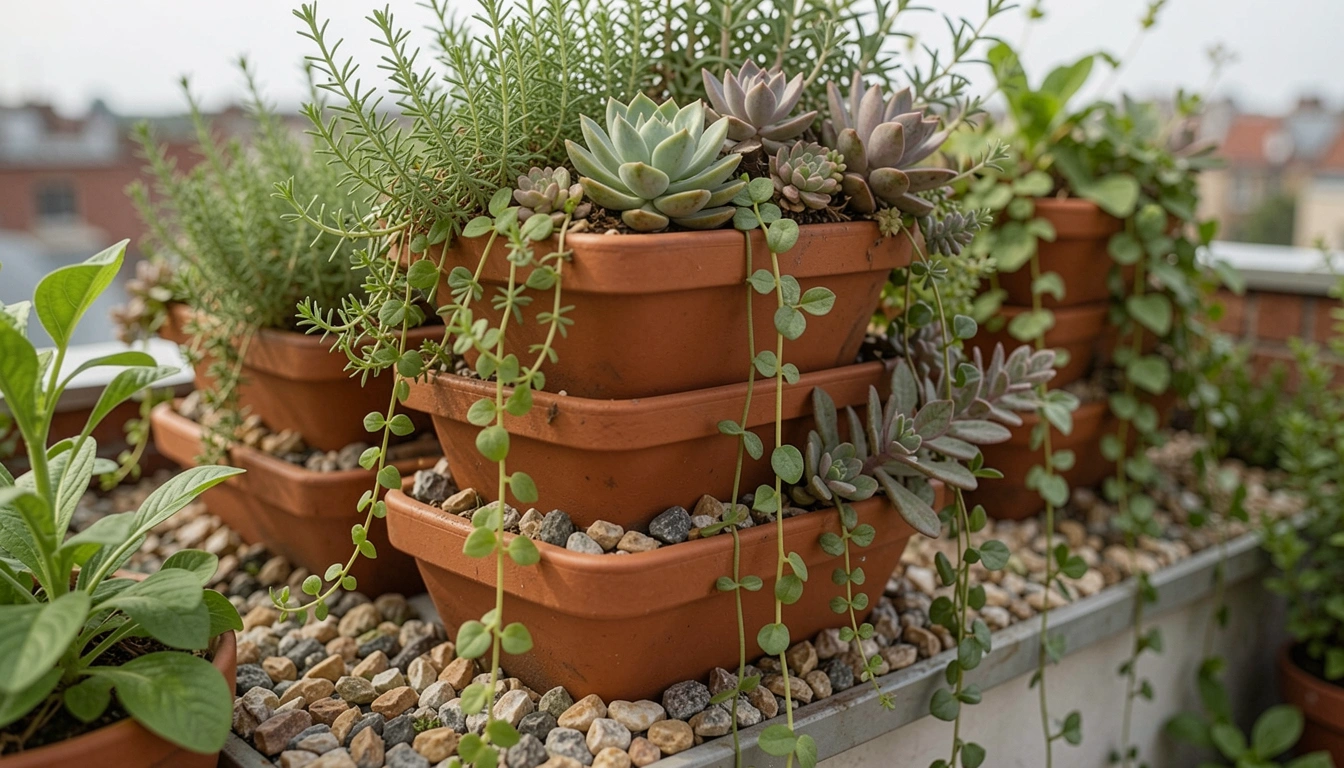
    11. Succulent Roof Tiles in Shallow Trays

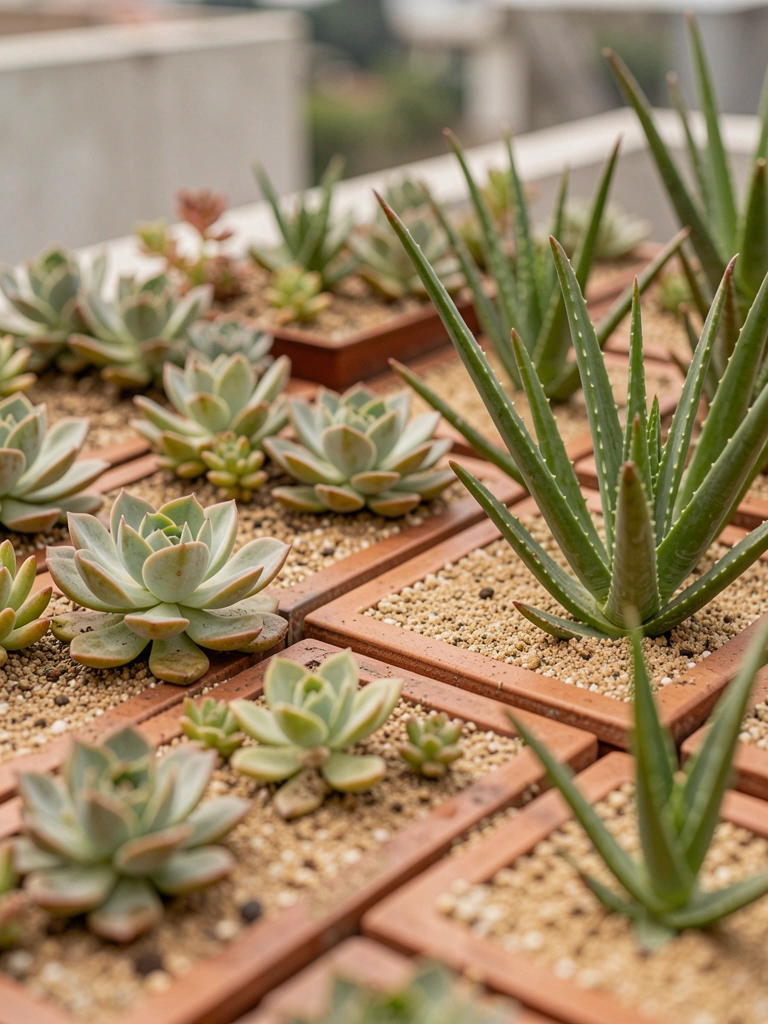
    Shallow trays of succulents tile a ledge—dry tolerant, low weight. Textures grip eye.

    Overwatered once; they rot easy. Soak weekly.

    Desert calm up high.

    What You’ll Need for This Look

    Shallow succulent tray set

    Assorted succulent mix 12-pack

    Cactus soil mix bag

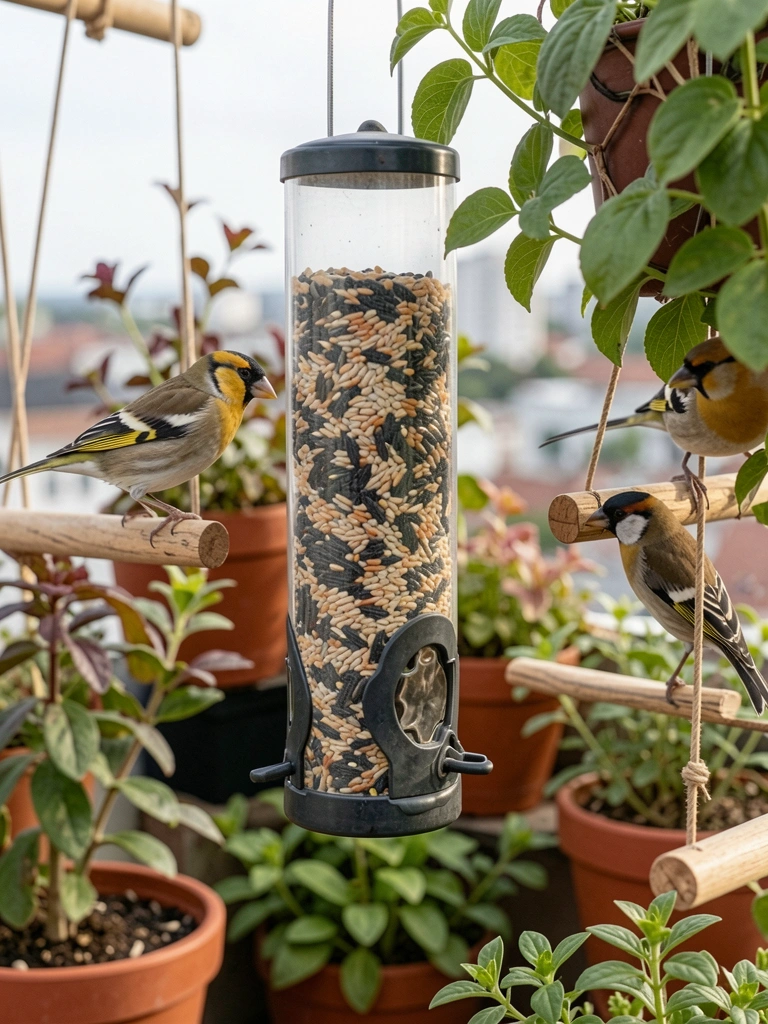
    12. Bird Feeder Station with Native Seeds

    Hung feeders—birds flock, song fills mornings. Seeds match locals.

    Squirrels raided; baffles stop them.

    Life buzzes now.

    What You’ll Need for This Look

    Squirrel-proof bird feeder

    Native bird seed mix 10 pounds

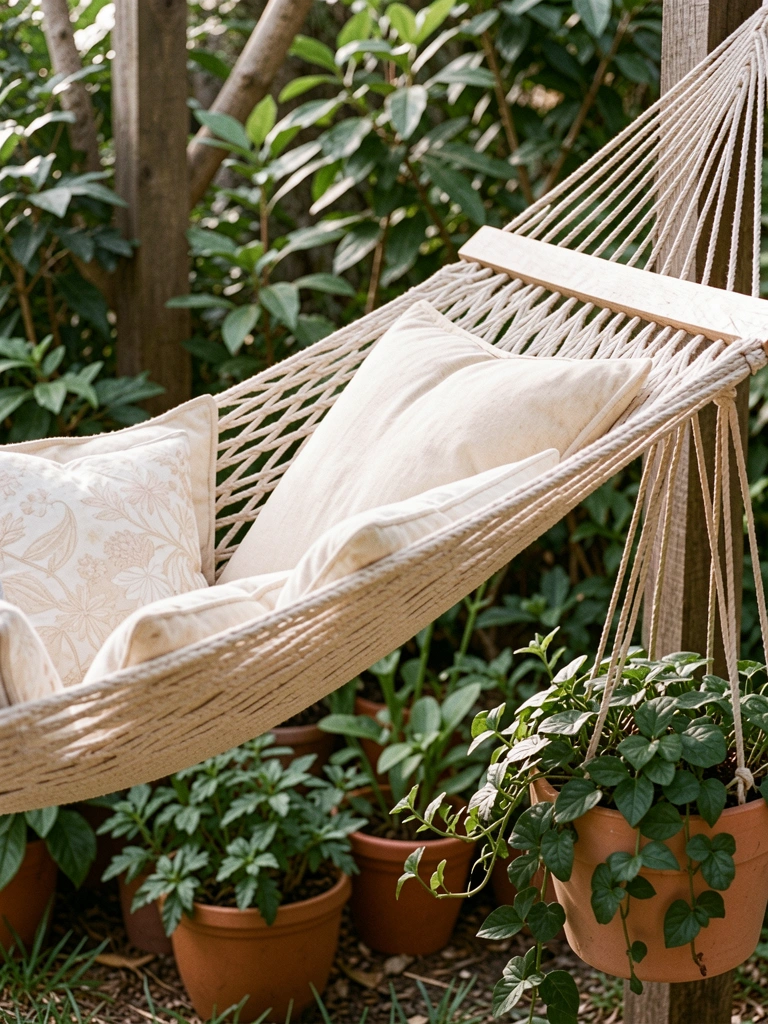
    13. Compact Hammock Lounge Over Pots

    Strung light hammock—lounges over floor plants, sways gentle.

    Wind flipped it once; anchors key.

    Lazy afternoons mine.

    What You’ll Need for This Look

    Portable hammock stand small

    Paracord hammock navy

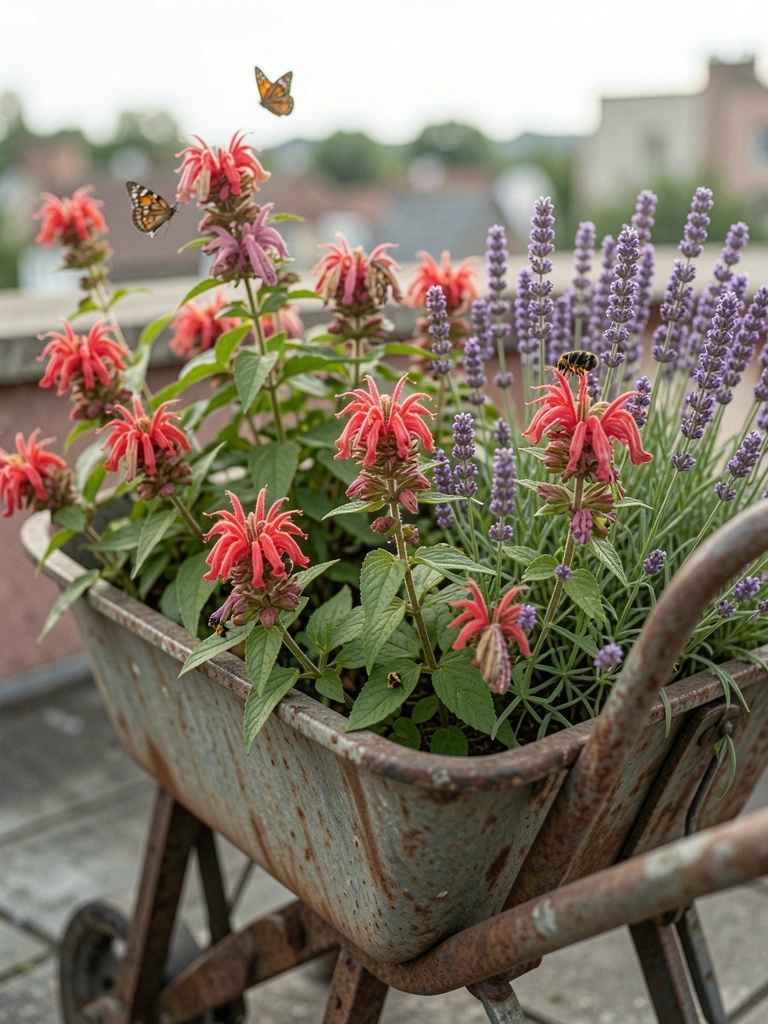
    14. Pollinator Flowers in Wheelbarrow Planter

    Wheelbarrow overflowed with pollinators—bees hum, butterflies land.

    Sun lovers only; shade flops.

    Bugs bring balance.

    What You’ll Need for This Look

    Vintage wheelbarrow planter

    Pollinator seed mix packet

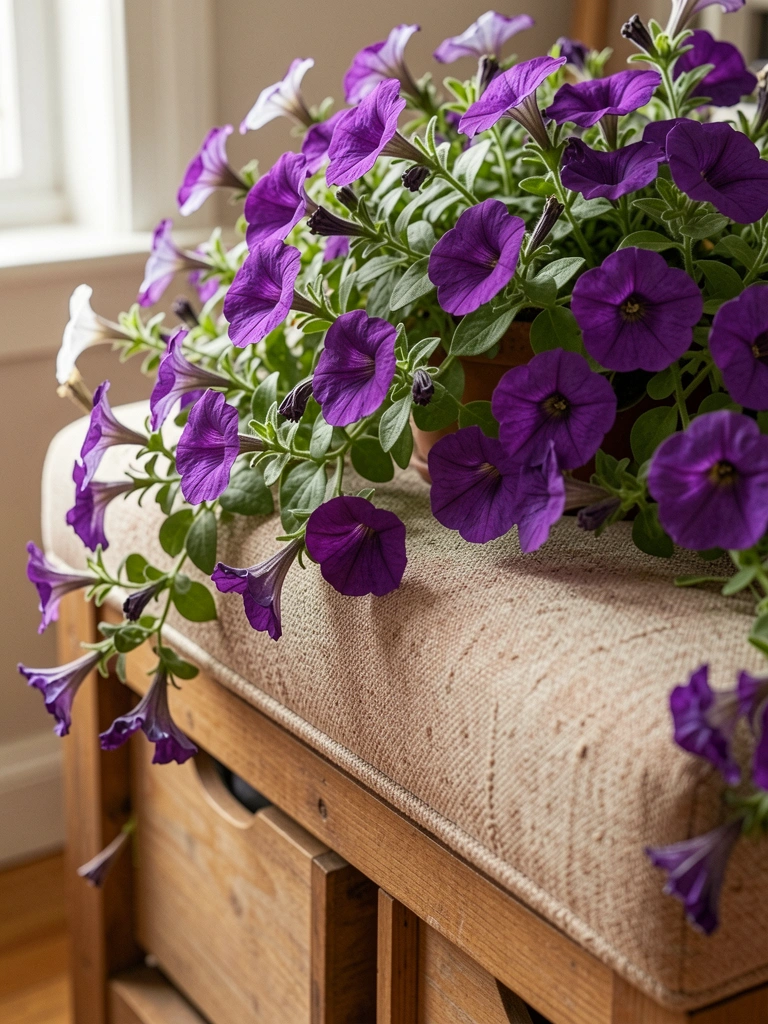
    15. Storage Ottoman with Trailing Plants

    Ottoman stores tools, top holds trailers—dual use.

    Water seeped in; waterproof liner.

    Sit and store.

    What You’ll Need for This Look

    Outdoor storage ottoman waterproof

    Trailing petunia plants

    16. Mirror Panels to Double the Greenery View

    Mirrors reflect plants—space feels twice as deep.

    Glare blinded once; angle down.

    Expands visually.

    What You’ll Need for This Look

    Outdoor garden mirror acrylic 24×36

    Mirror mounting brackets

    17. Low-Water Native Grasses in Clusters

    Clumped natives—sway in wind, no daily water.

    Invasives spread; stick local.

    Rugged comfort.

    What You’ll Need for This Look

    Native ornamental grass mix

    Large fabric grow pots 20-gallon

    18. Hanging Egg Chair with Potted Surround

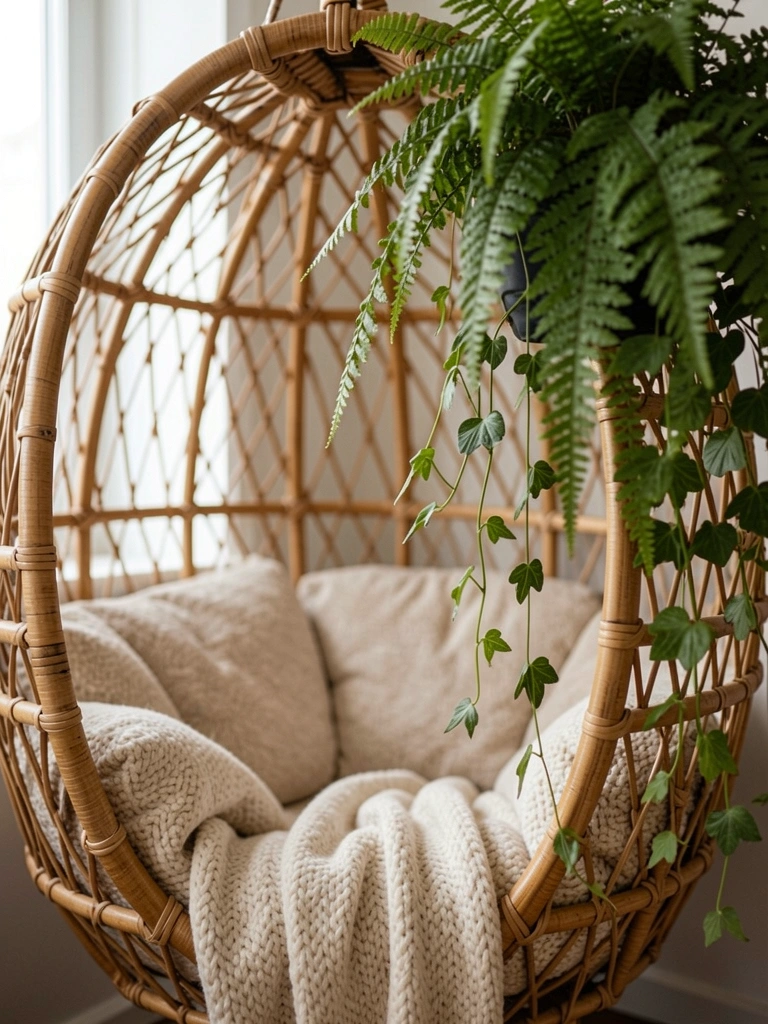
    Egg chair nests in pots—private read spot.

    Heavy chain sagged; rope swap.

    Swinging retreat.

    What You’ll Need for This Look

    Hanging egg chair rattan white

    Heavy-duty hanging chains

    19. Candle Lantern Cluster for Safe Firelight

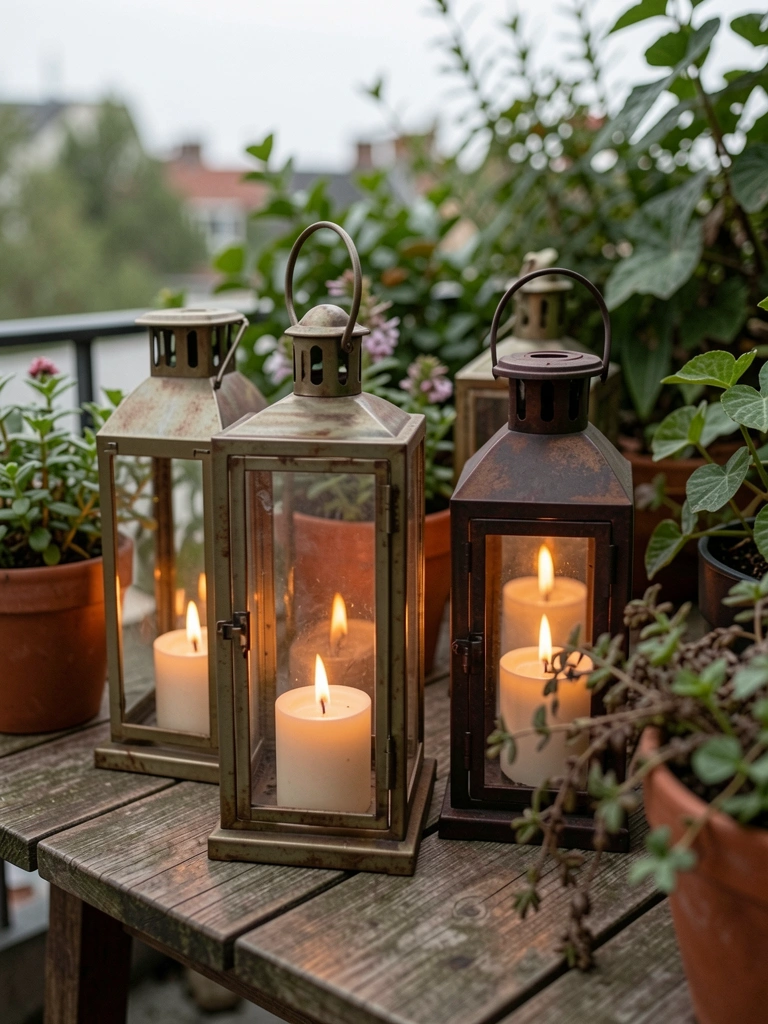
    Lanteres hold candles—no pit needed, warm nights.

    Wind blew out; glass shields.

    Gentle flicker.

    What You’ll Need for This Look

    Outdoor candle lanterns set of 3

    Pillar candles unscented pack

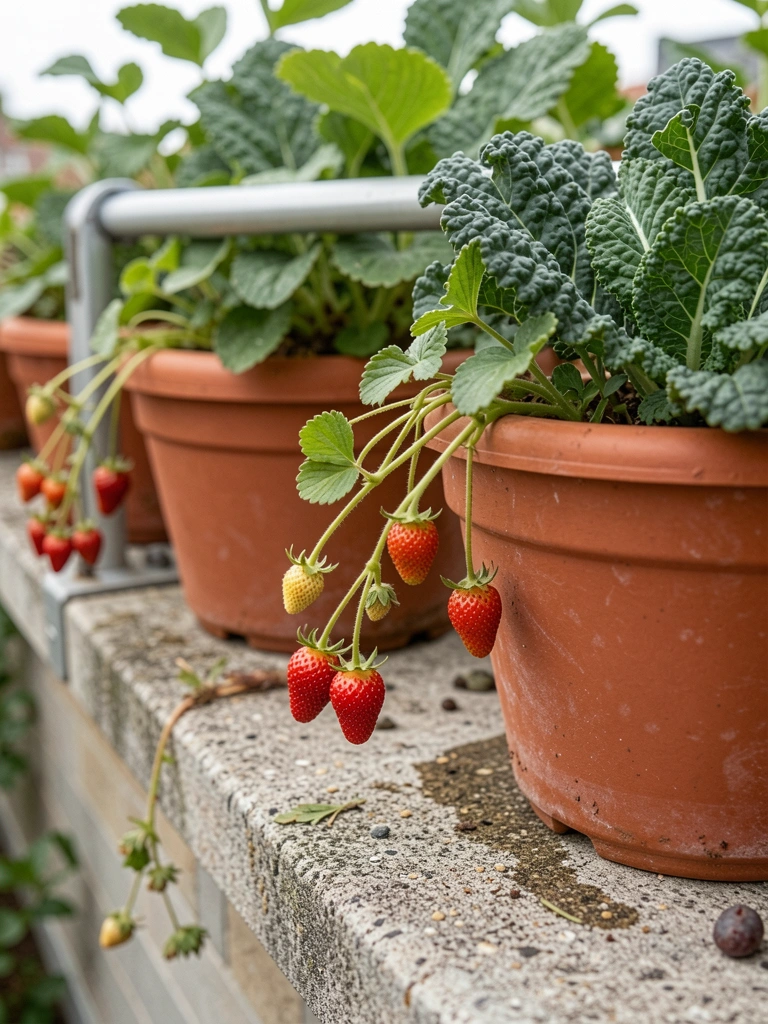
    20. Edible Border with Strawberries and Kale

    Rail pots edge with edibles—pick as you sit.

    Kale bolted heat; shade cloth helps.

    Fresh bites daily.

    What You’ll Need for This Look

    Rail planter brackets pair

    Kale and strawberry combo plants

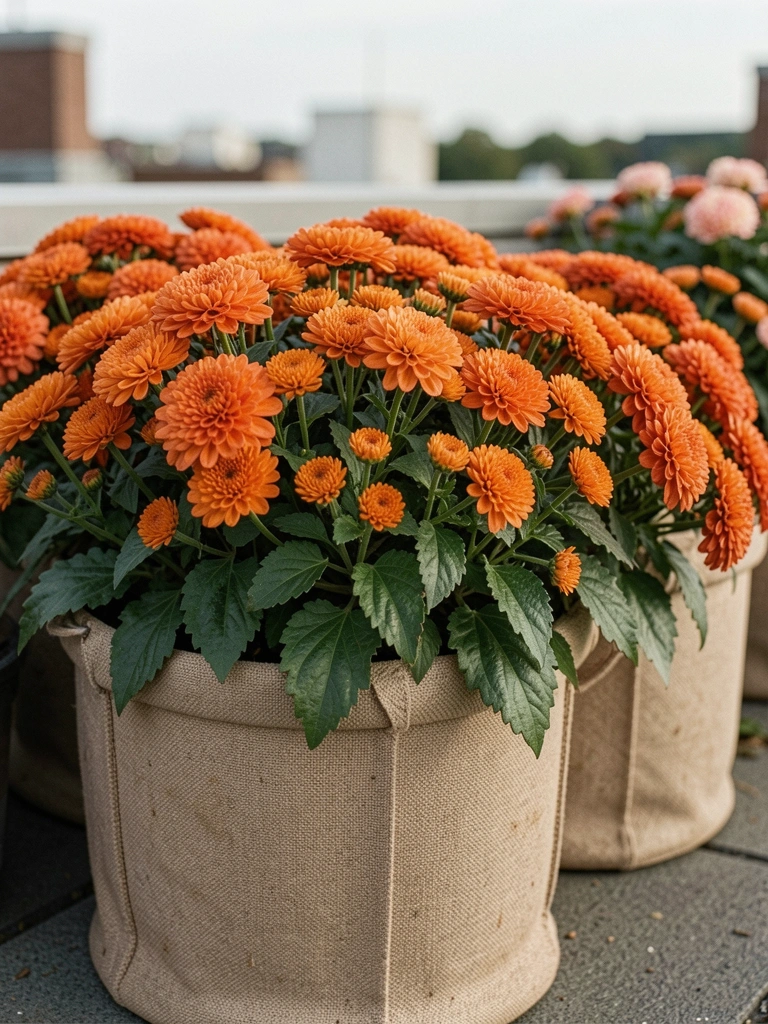
    21. Seasonal Fabric Pots for Easy Swaps

    Fabric pots swap plants yearly—light, drain well.

    Roots circled clay pots; fabric airs.

    Change with seasons.

    What You’ll Need for This Look

    5-gallon fabric pots 6-pack

    Seasonal mum plants pack

    22. Windbreak Bamboo Screen with Pockets

    Bamboo roll blocks gusts, pockets hold plants.

    Tore in storm; tie secure.

    Sheltered calm.

    What You’ll Need for This Look

    Roll-up bamboo fence 6×8 feet

    Screen tie-down clips

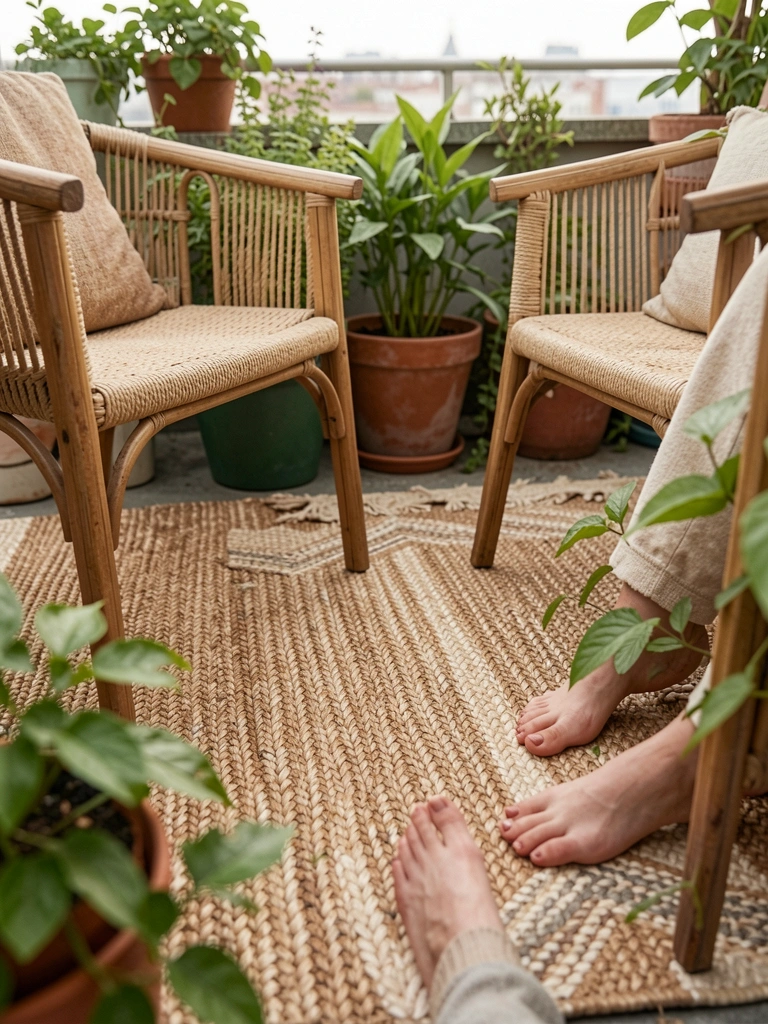
    23. Cozy Outdoor Rug Under Seating Nook

    Rug anchors chairs—bare feet cozy, defines nook.

    Faded sun; UV protected.

    Homey base.

    What You’ll Need for This Look

    Outdoor rug 5×7 jute blend

    Low-profile folding chairs pair

    Final Thoughts

    Start with three ideas that fit your light and wind. My rooftop grew slow, piece by piece. Yours will too.

    No need for all 23. One green corner changes everything. You've got this—dirt under nails awaits.

  • 15 Cheap Rooftop Garden Ideas That Work

    15 Cheap Rooftop Garden Ideas That Work

    I stood on my rooftop last spring, wind whipping my hair, staring at empty concrete. It felt lonely up there, miles from soil. But I started small—pots here, a trellis there. Now it's my quiet spot, buzzing with life. Turns out, rooftops aren't impossible. They just need smart, cheap fixes that hold up to the elements. You can build this too, one pot at a time.

    15 Cheap Rooftop Garden Ideas That Work

    These 15 ideas come from my own rooftops—windy, sunny, weight-limited. They're all under $50 to start, battle-tested, and make the space feel full without breaking your back or budget.

    1. Layered Container Planting That Fills Empty Corners

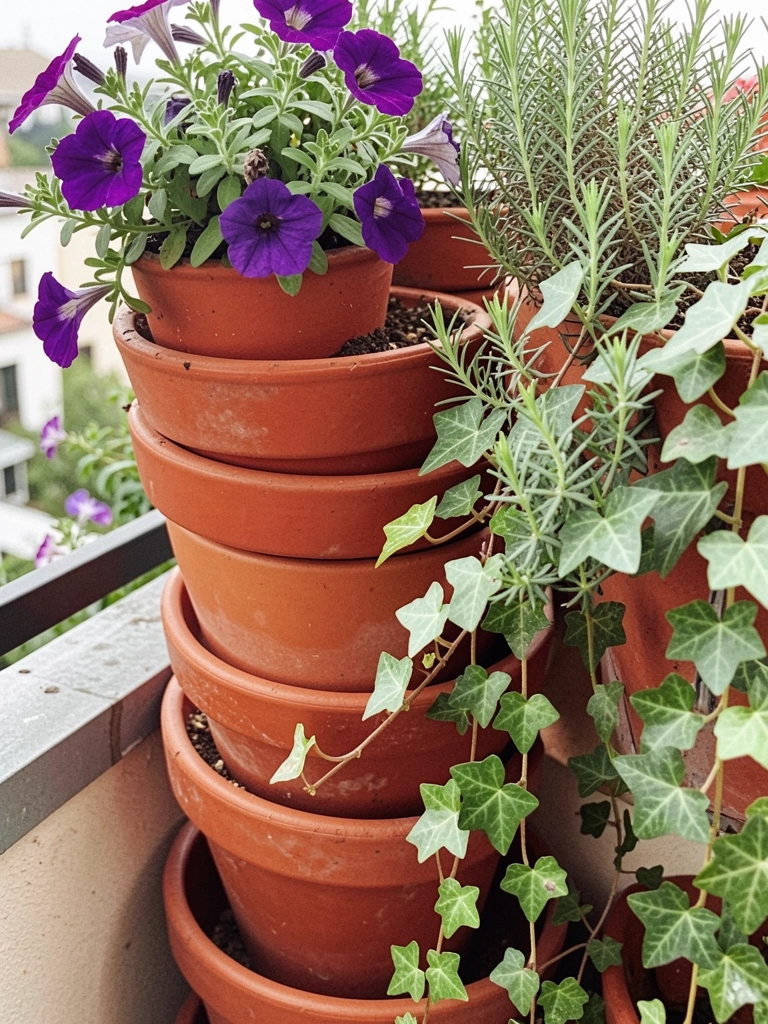
    I crammed three pots in a corner last year—big one at bottom for basil, medium for marigolds, small on top with trailing ivy. Wind tried to tip it, but grouping them low and heavy kept it steady. Suddenly, that bare spot looked lush, like a real garden spilling over. The key? Drill drainage holes extra deep so roots don't drown in storms.

    I watch bees hit the flowers now, and it pulls me up there evenings. Pay attention to weight—fill bottoms with rocks first. Mistake I made: skipped that once, tipped in a gust.

    What You’ll Need for This Look

    2. Vertical PVC Pipe Herb Garden Against the Rail

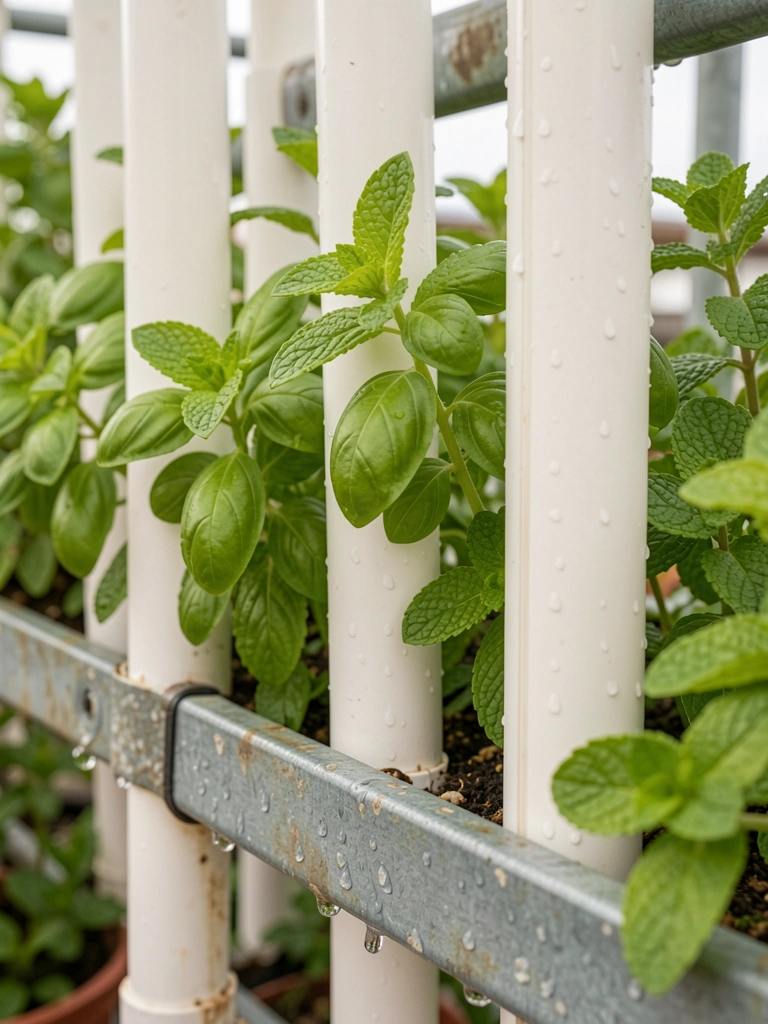
    PVC pipes cut lengthwise, screwed to the rail—genius for herbs when floor space runs out. I planted mint, thyme, parsley in the troughs. Water trickles down, roots grip the sides. My roof felt taller, greener, without eating walkway room. Wind barely touches it since it's flush.

    One summer, I forgot to cap the bottom—soil washed out in rain. Fixed with plastic lids. Now it's my go-to for fresh pesto. Cluster pipes in odd numbers for a natural look.

    What You’ll Need for This Look

    3. Recycled Pallet Planters Leaning on Walls

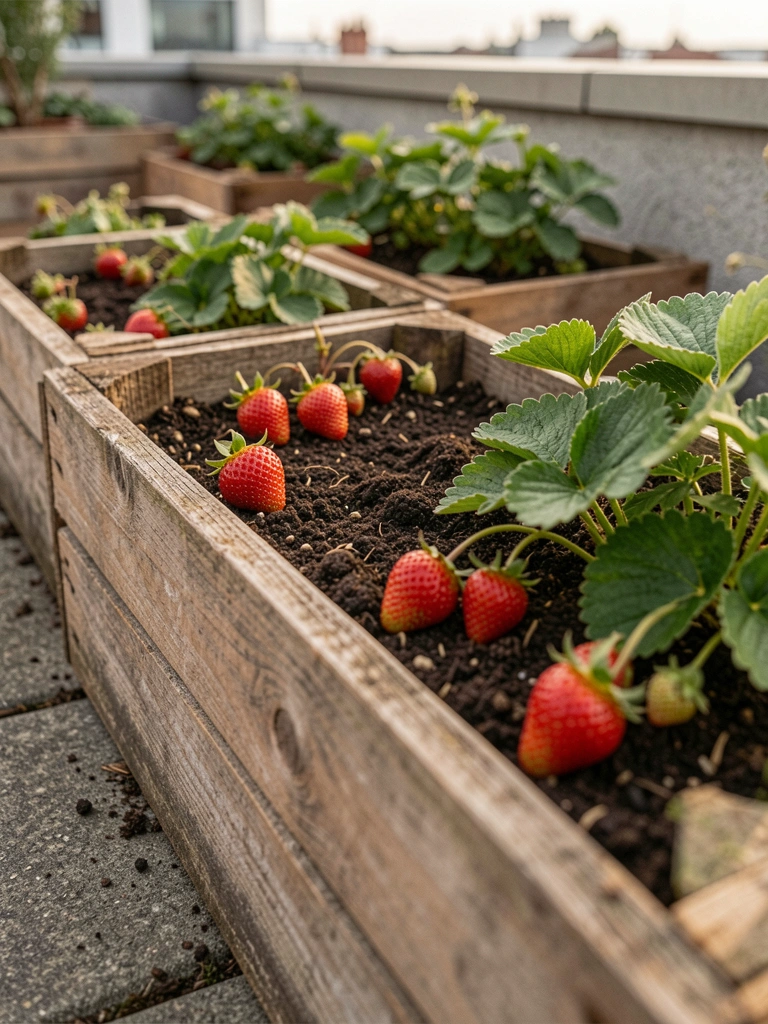
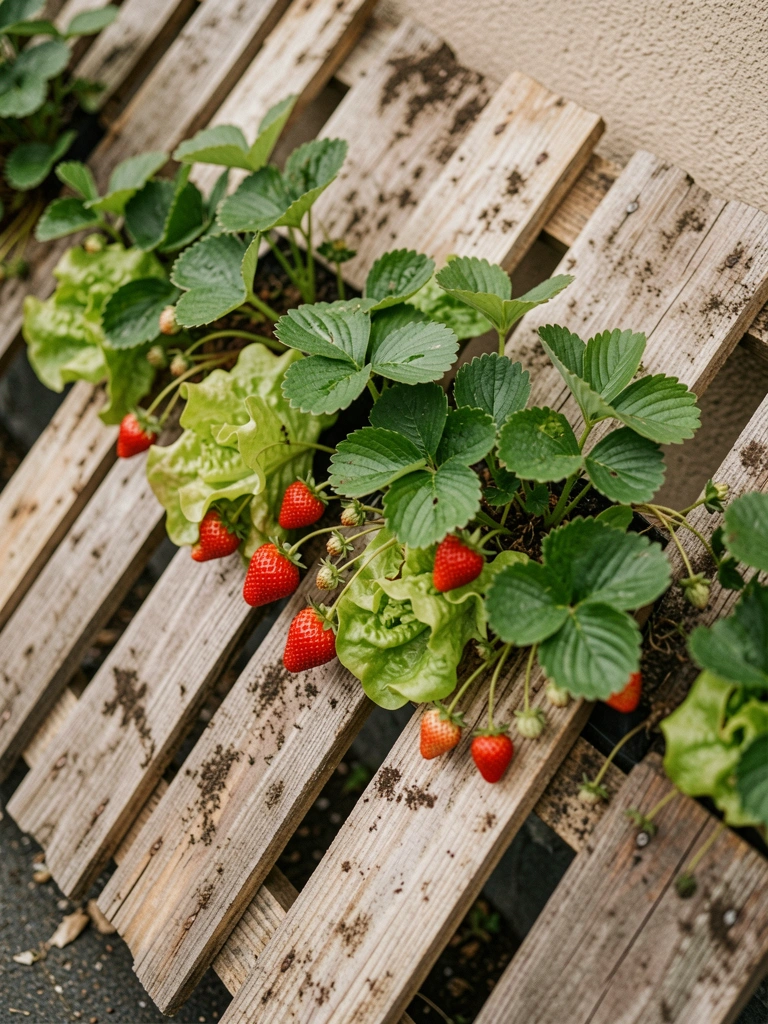
    Grabbed a free pallet, stood it against the chimney, lined slats with landscape fabric. Strawberries in the gaps, lettuce up top. It softened the harsh wall, gave berries at eye level. Weight stayed low since pallets are hollow. Sun hits perfect.

    I overloaded one once—sagged in wind. Lesson: staple fabric tight, add cross braces. Now it feels sturdy, homey.

    What You’ll Need for This Look

    4. Gravel Trays Under Succulents for Drainage

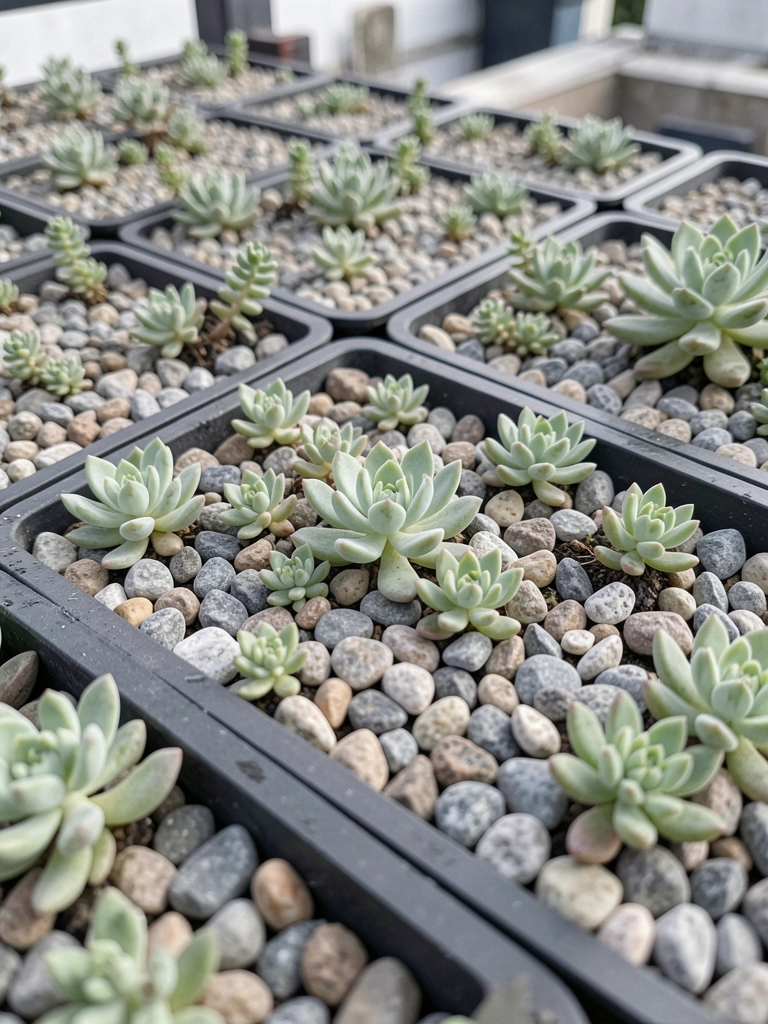
    Shallow trays, pea gravel base, sedum and hens-and-chicks poked in. Rooftop sun scorches, but gravel drains fast—no root rot. It grounded the space, added crunch underfoot. Looks clean, modern without fuss.

    Bought fancy pots first—too heavy. Switched to trays, saved cash. Mistake fixed.

    What You’ll Need for This Look

    5. DIY Bamboo Trellis for Climbing Beans

    Bamboo poles from the yard, twine-lashed into a frame, leaned at 45 degrees. Pole beans shot up, shaded my chair. Wind flexes it, doesn't snap. Harvest feels like magic.

    Too tall first try—tipped. Shortened poles, buried bases in pots.

    What You’ll Need for This Look

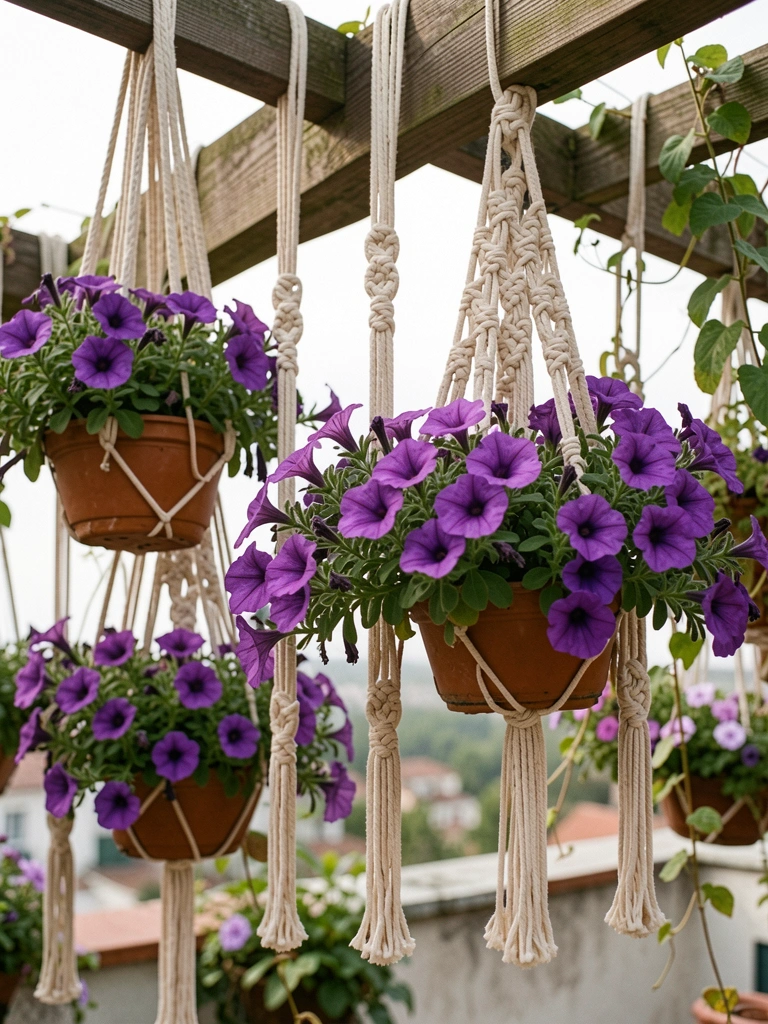
    6. Hanging Macrame Pots for Trailing Petunias

    Old macrame hangers, lightweight pots, petunias trailing two feet. They sway gentle in breeze, soften rail edges. Air circulates roots—no slugs.

    Overwatered once, dripped everywhere. Now check soil with finger.

    What You’ll Need for This Look

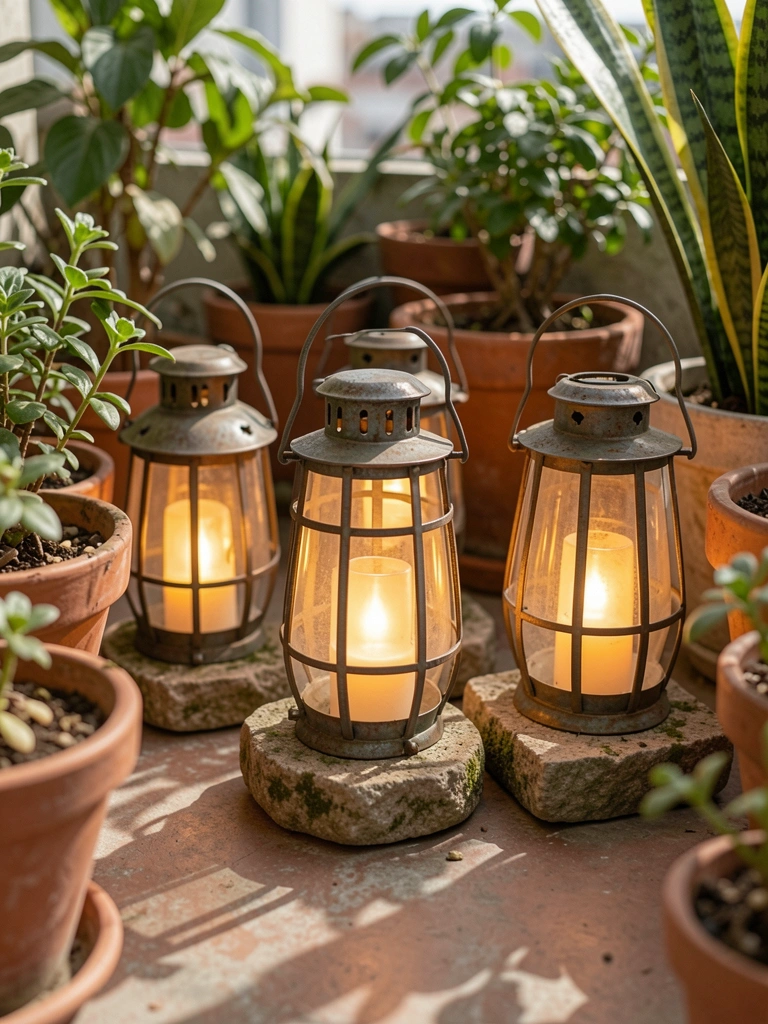
    7. Solar Lanterns Clustered on the Floor

    Metal solar lanterns in a low cluster—light up paths at dusk. No wiring hassle on roof. Feels cozy after dark, draws me out longer.

    Batteries died cheap ones. Upgraded to these.

    What You’ll Need for This Look

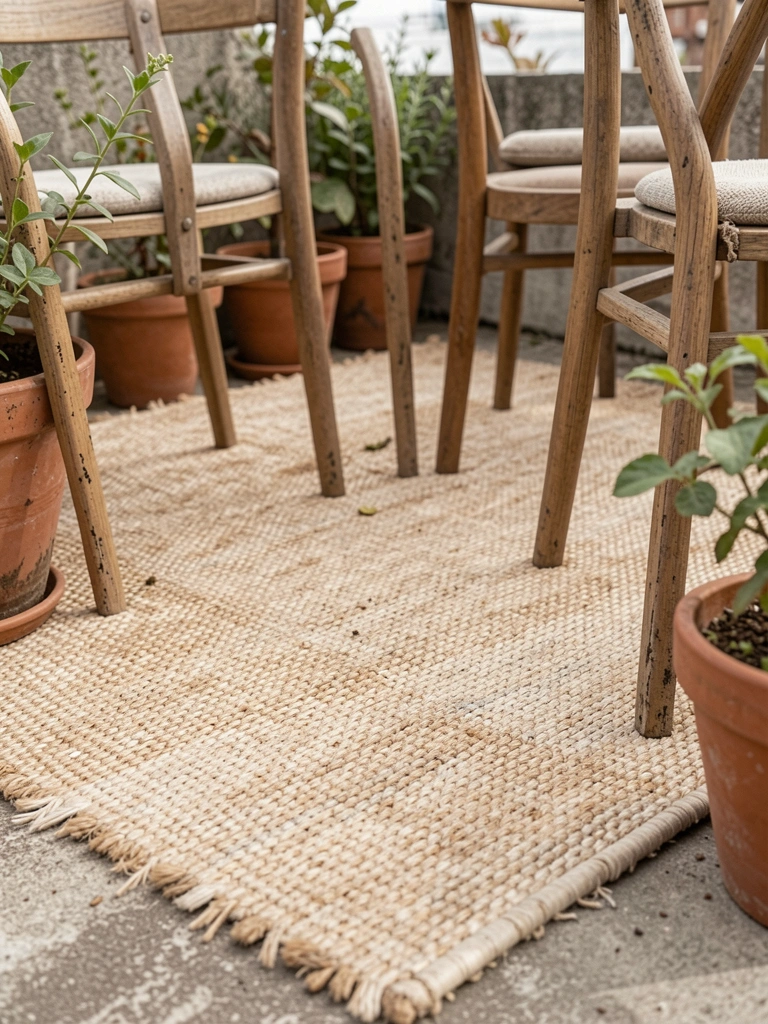
    8. Woven Outdoor Rug Under Seating Area

    Jute rug anchors chairs, hides concrete cracks. Defines the sit spot, warms bare feet. Wind-resistant, hose cleans easy.

    Faded fast in sun—picked UV protected.

    What You’ll Need for This Look

    9. Foldable Wooden Bistro Set for Meals

    Folds flat when not eating al fresco. Light acacia wood won't overload roof. Herbs right there for salads.

    Wobbled first—leveled legs.

    What You’ll Need for This Look

    10. Fabric Pots for Dwarf Tomatoes

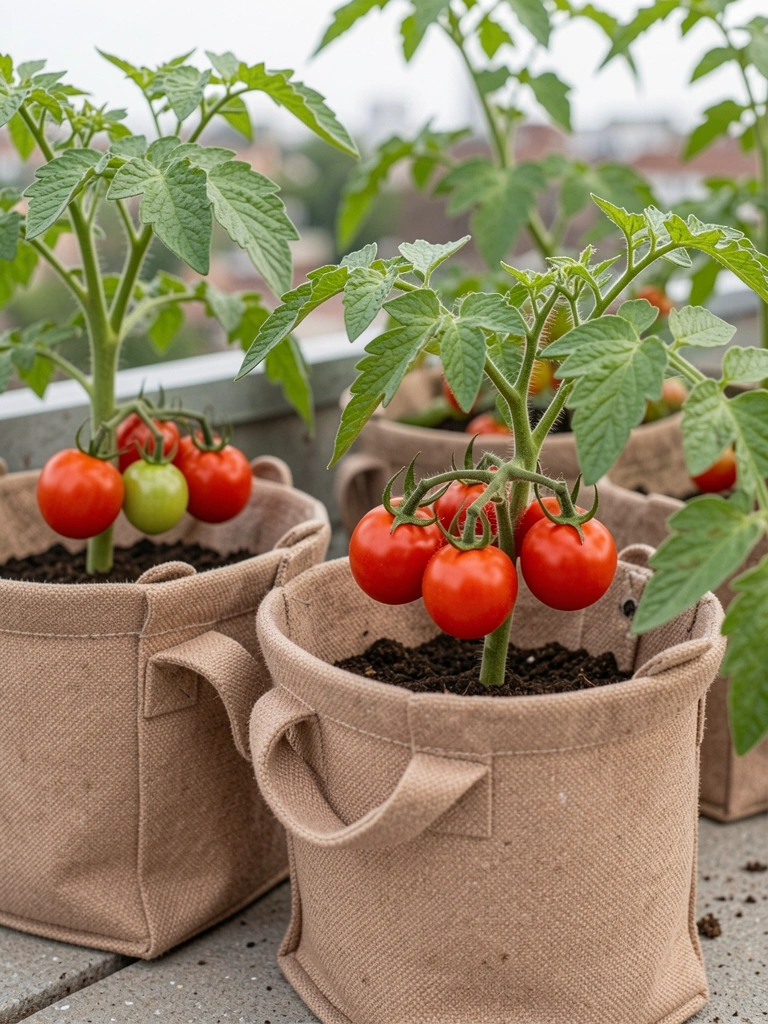
    Grow bags air-prune roots, stay light. Cherry tomatoes bush out full. Harvest weekly, no staking mess.

    Planted too close—crowded. Space 18 inches.

    What You’ll Need for This Look

    11. Milk Jug Dripline for Watering

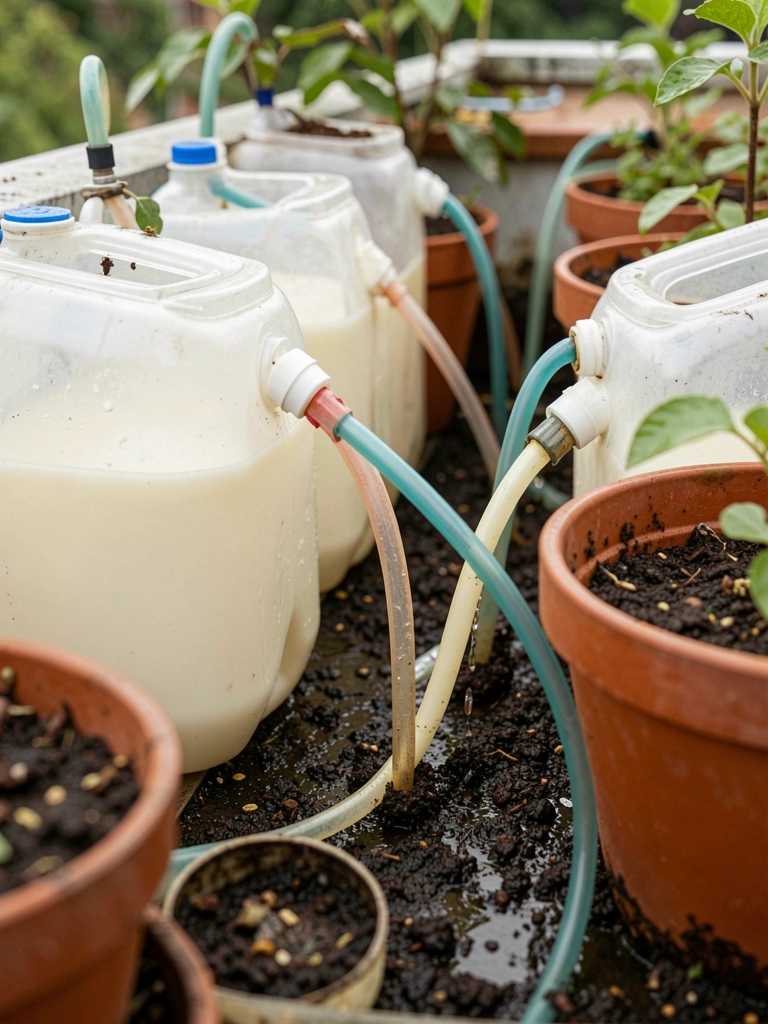
    Poke holes in jug bottoms, bury shallow—slow drip for days. Saves hose trips up stairs. Roots drink deep.

    Clogged with sediment—clean weekly.

    What You’ll Need for This Look

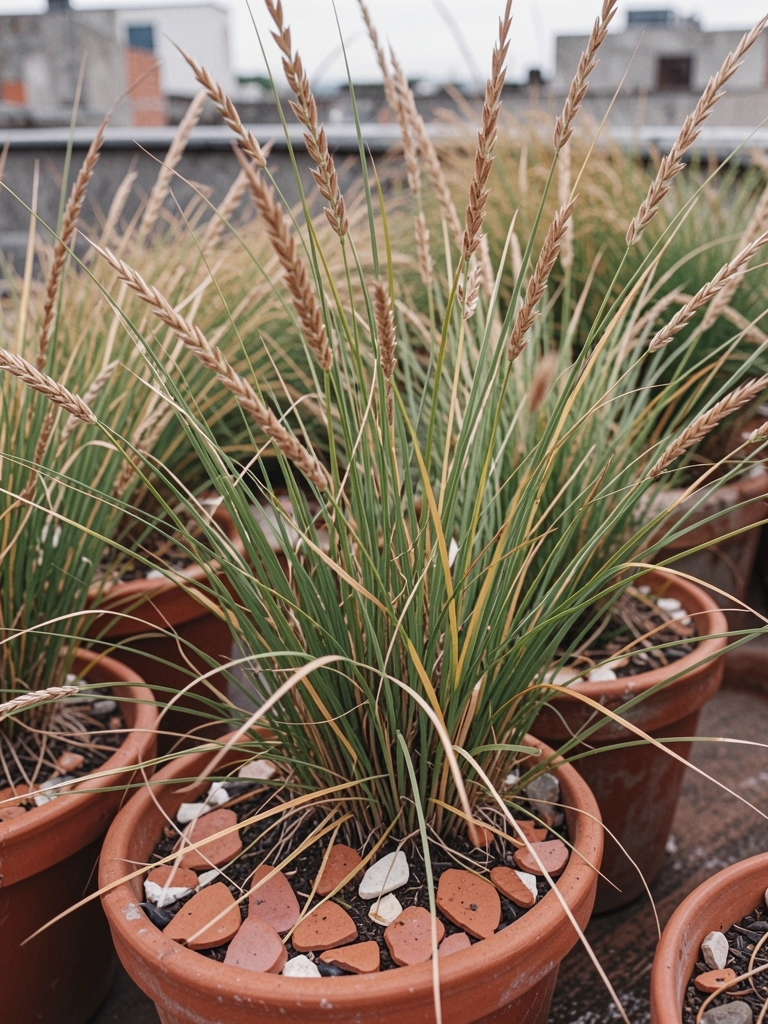
    12. Native Grass Tufts in Low Pots

    Switchgrass tufts in saucers—drought-tough, butterfly magnet. Waves in wind like prairie. Low maintenance win.

    Overfed—flopped. Skip fertilizer.

    What You’ll Need for This Look

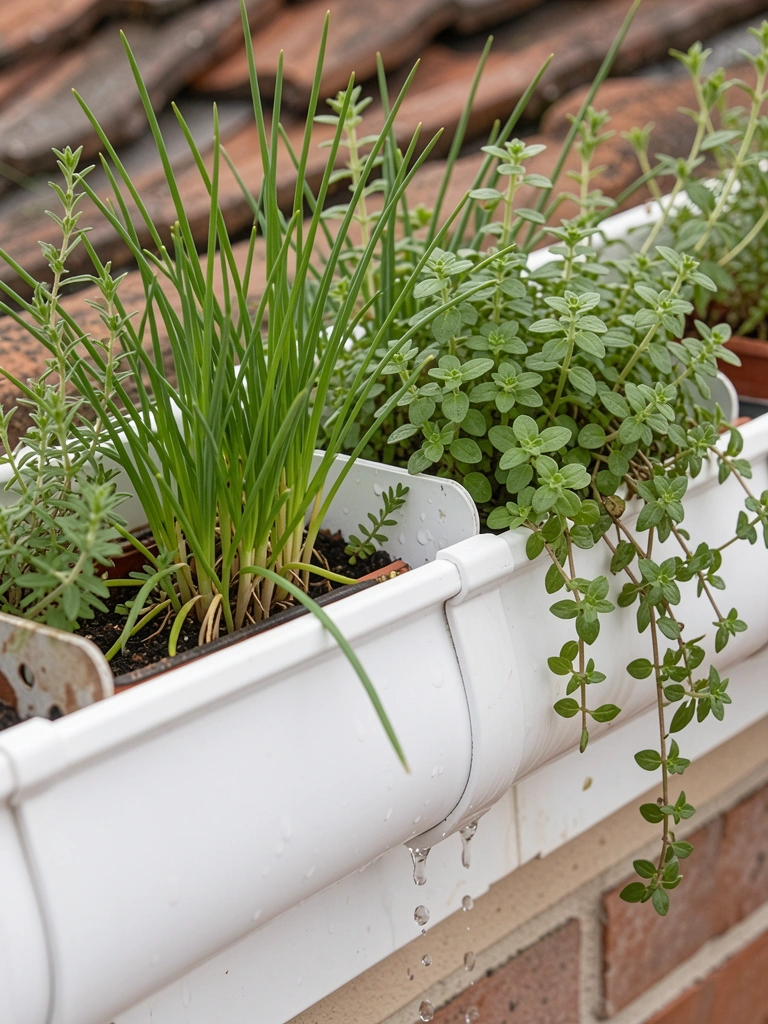
    13. Recycled Gutter Herb Strips

    Old gutters horizontal on beams—chives overflow ends. Picks at hand height. Drains to nothing.

    Leaked first—sealed ends.

    What You’ll Need for This Look

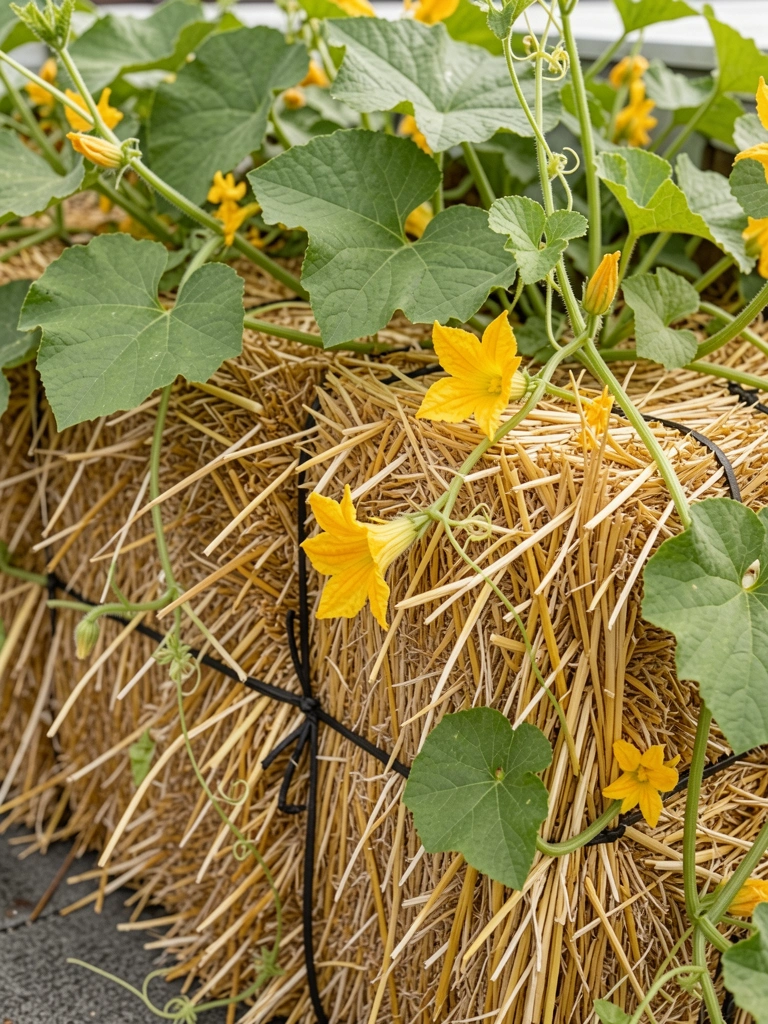
    14. Straw Bale Edges for Squash

    Bales as planters—squash roots into hay. Breaks down feeding soil. Rustic border feel.

    Soggy in rain—cover tops.

    What You’ll Need for This Look

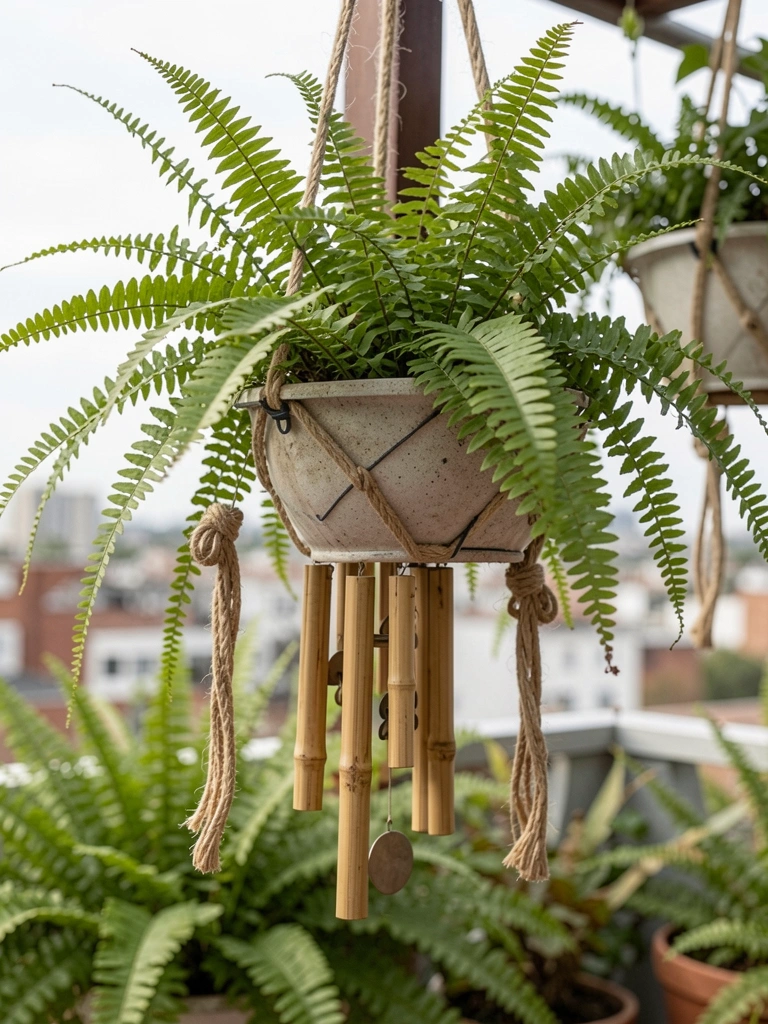
    15. Wind Chime Planter Mobiles

    Light planters with chimes—ferns filter wind sound soft. Dangles add motion without clutter.

    Tangled in gusts—space wide.

    What You’ll Need for This Look

    Final Thoughts

    Start with two or three ideas that fit your roof's sun and wind. Mine grew slow, but that's okay—it's yours now. You've got this. Grab a pot, plant something tough. Watch it root in. Up there feels like home.
  • 7 Smart City Rooftop Garden Ideas

    7 Smart City Rooftop Garden Ideas

    I stood on my apartment roof last summer, staring at empty concrete. Wind whipped through the city blocks below. I'd tried fancy layouts before—plants tipped over, soil everywhere. But then I started small, with pots I could move. That space turned cozy, a real escape. You can too. These setups fit real life up high.

    7 Smart City Rooftop Garden Ideas

    These 7 city rooftop garden ideas come straight from my rooftops over years. They're lightweight, wind-smart, and low-fuss. Pick one or mix them—you'll see results without the headaches.

    1. Layered Container Planting That Fills Empty Corners

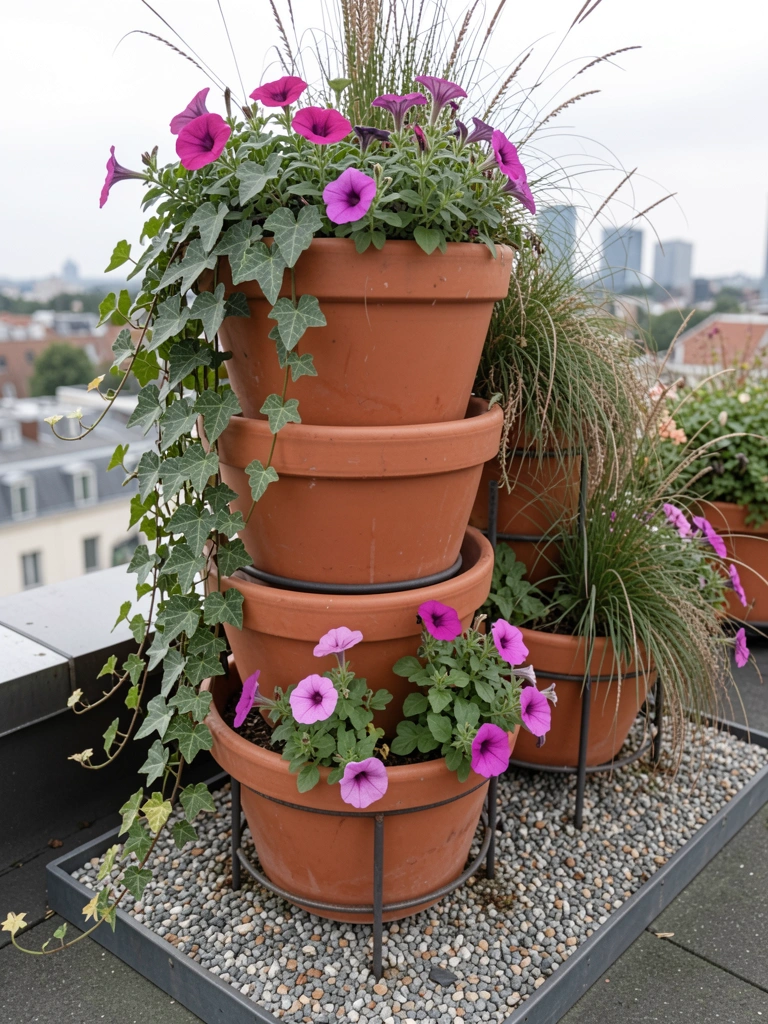
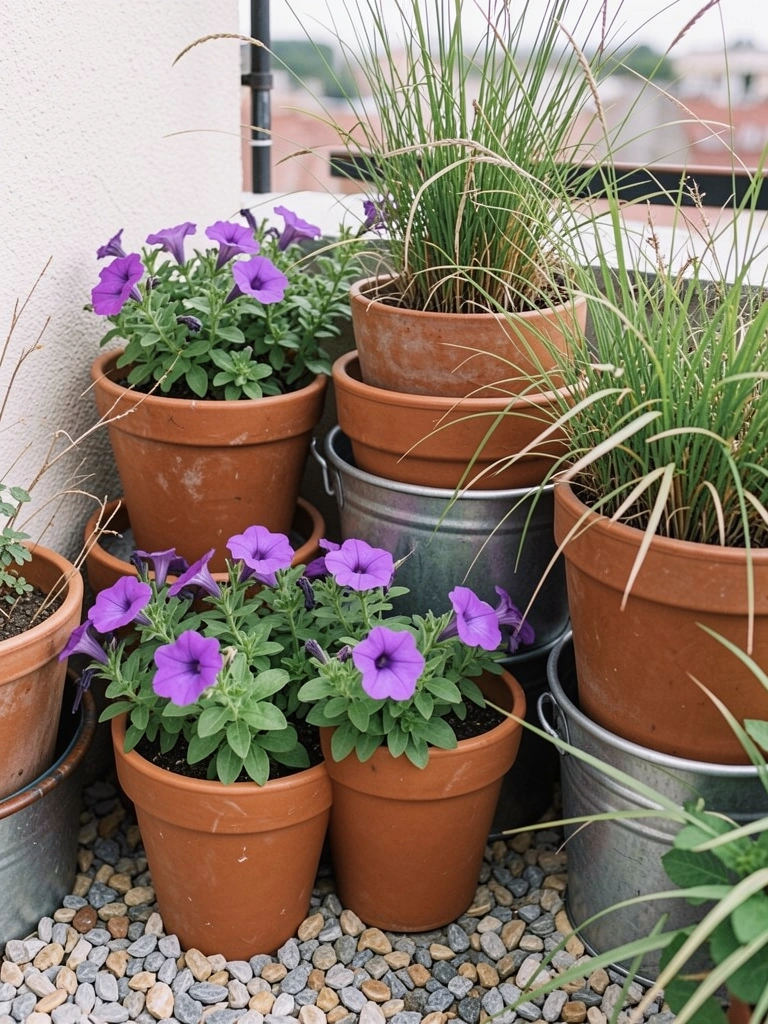
    I hauled up some pots one windy afternoon and stacked them in a bare corner. Suddenly, that spot felt full, like a little green wall. The trailing plants softened the edges, hiding the railing. Colors popped against the gray skyline—purples and silvers.

    What surprised me? Shorter plants in front hold up better in gusts. I lost a tall one early on; now I layer low to high.

    Watch the weight—group lighter soil mixes. Move pots seasonally for sun.

    What You’ll Need for This Look

    [a href="https://www.amazon.com/s?k=12+inch+terracotta+planters+set&tag=flowpinsystem-20">12-inch terracotta planter set[/a]

    [a href="https://www.amazon.com/s?k=metal+plant+stands+stackable&tag=flowpinsystem-20">stackable metal plant stands[/a]

    [a href="https://www.amazon.com/s?k=trailing+ivy+plants&tag=flowpinsystem-20">trailing ivy plants[/a]

    [a href="https://www.amazon.com/s?k=petunia+seeds+purple&tag=flowpinsystem-20">purple petunia seeds[/a]

    2. Vertical Herb Wall for Fresh Picks Steps Away

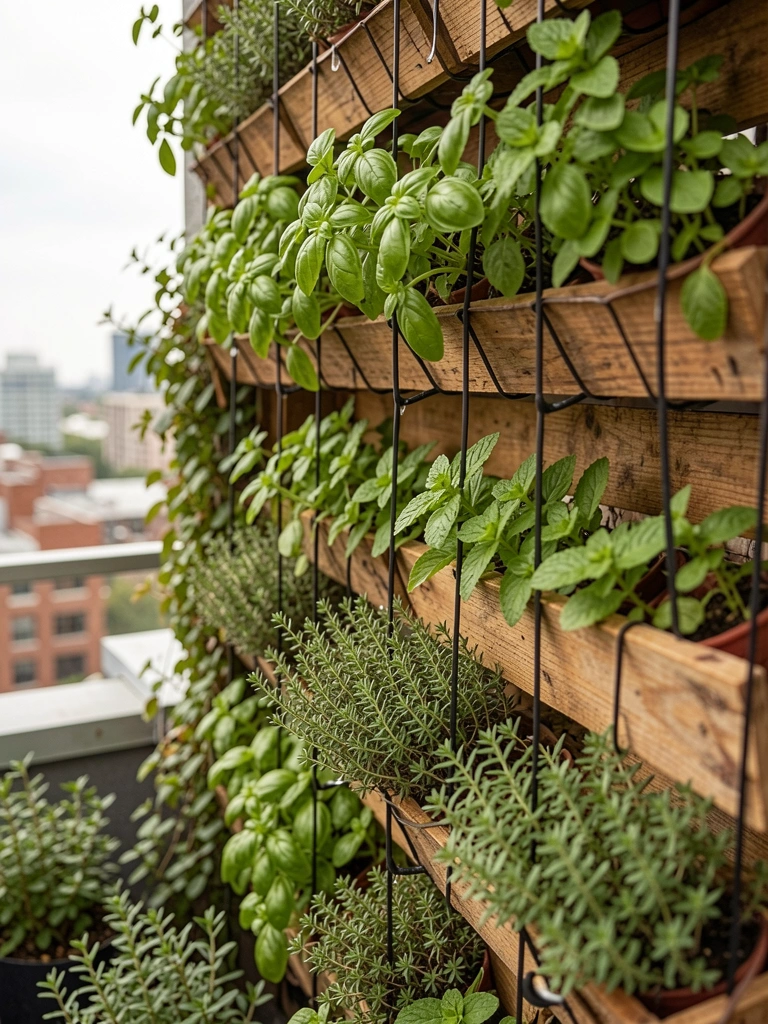
    My kitchen window overlooked bare bricks until I bolted up a pallet wall. Herbs grew right there—basil for pesto, mint for tea. Snip what you need; no trekking downstairs. The scent hits you first thing in the morning.

    I forgot drainage once; roots rotted. Now felt pockets keep soil airy.

    It blocks some wind too, making the whole roof calmer. Herbs thrive in that heat pocket by the wall.

    What You’ll Need for This Look

    [a href="https://www.amazon.com/s?k=vertical+garden+pallet&tag=flowpinsystem-20">vertical garden pallet kit[/a]

    [a href="https://www.amazon.com/s?k=basil+plants+live&tag=flowpinsystem-20">live basil plants[/a]

    [a href="https://www.amazon.com/s?k=mint+plants+4+inch+pots&tag=flowpinsystem-20">4-inch mint pots[/a]

    [a href="https://www.amazon.com/s?k=thyme+herb+starter&tag=flowpinsystem-20">thyme herb starter[/a]

    [a href="https://www.amazon.com/s?k=drip+irrigation+kit+small&tag=flowpinsystem-20">small drip irrigation kit[/a]

    3. Wind-Resistant Succulent Edge Along the Ledge

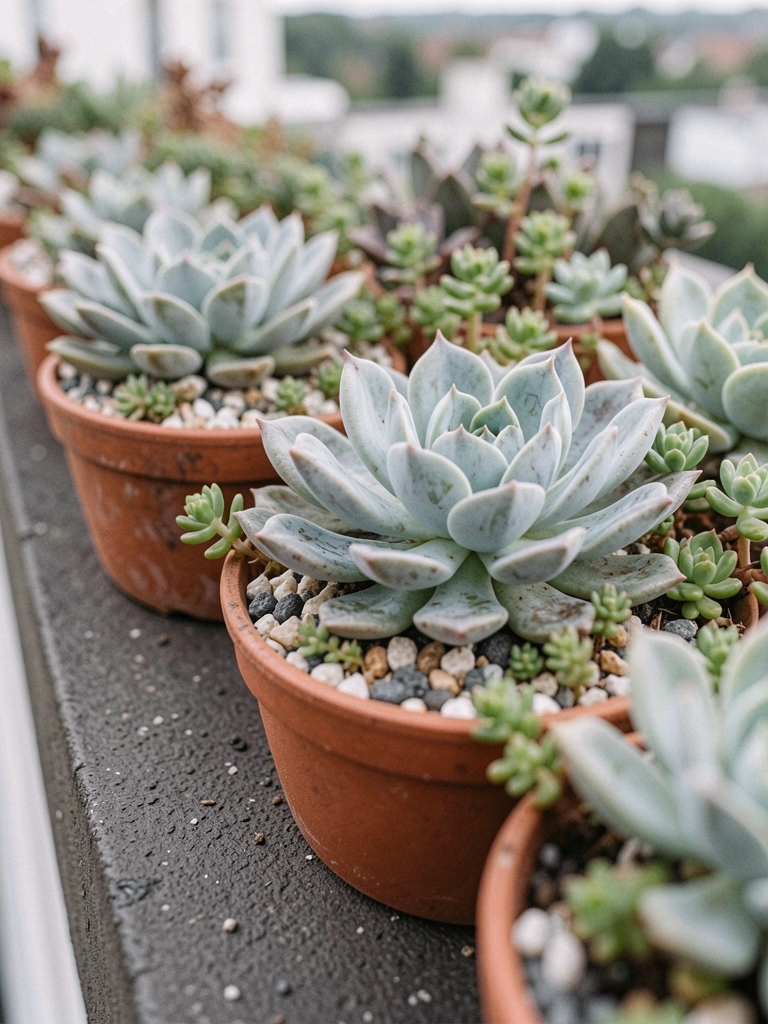
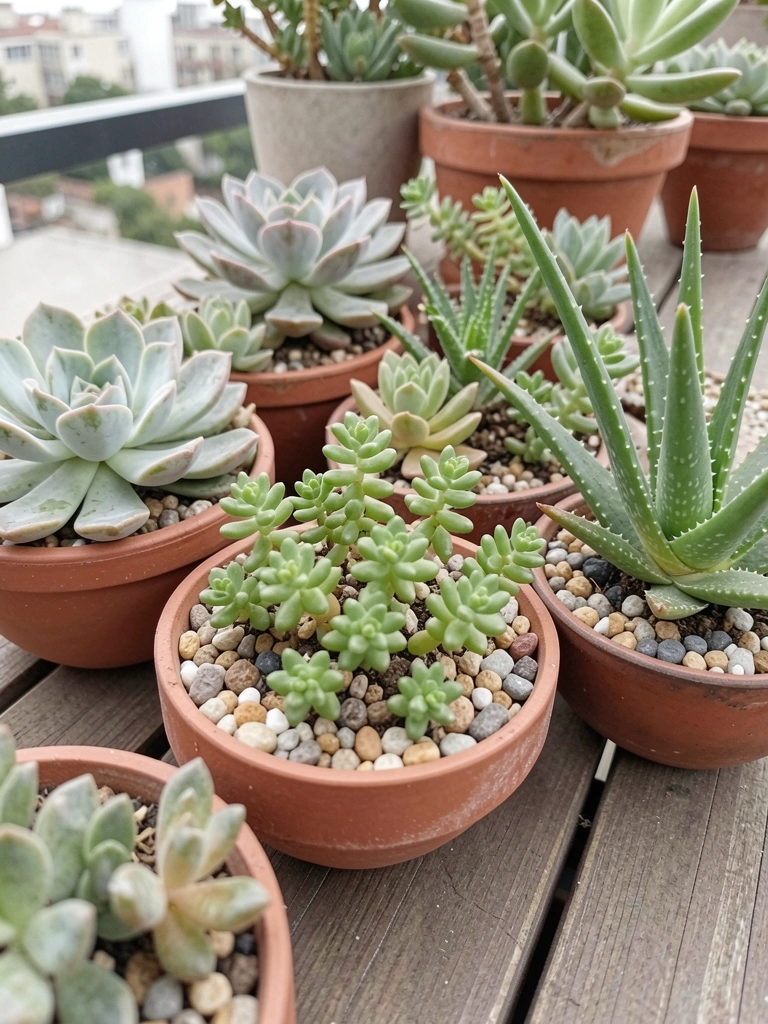
    Succulents hug the ledge on my roof—they barely sway in wind. Fleshy leaves store water, so I water weekly. Blues and greens repeat the city haze, blending soft.

    Planted too close once; they crowded. Space them 6 inches apart now.

    This edge softens the drop-off view. Feels safer, more inviting to sit near.

    What You’ll Need for This Look

    [a href="https://www.amazon.com/s?k=low+profile+succulent+pots&tag=flowpinsystem-20">low-profile succulent pots[/a]

    [a href="https://www.amazon.com/s?k=echeveria+succulent+assortment&tag=flowpinsystem-20">echeveria succulent assortment[/a]

    [a href="https://www.amazon.com/s?k=sedum+plants+trailing&tag=flowpinsystem-20">trailing sedum plants[/a]

    [a href="https://www.amazon.com/s?k=gravel+mulch+white+5+lb&tag=flowpinsystem-20">white gravel mulch 5 lb[/a]

    4. Self-Watering Pots for Hands-Off Veggies

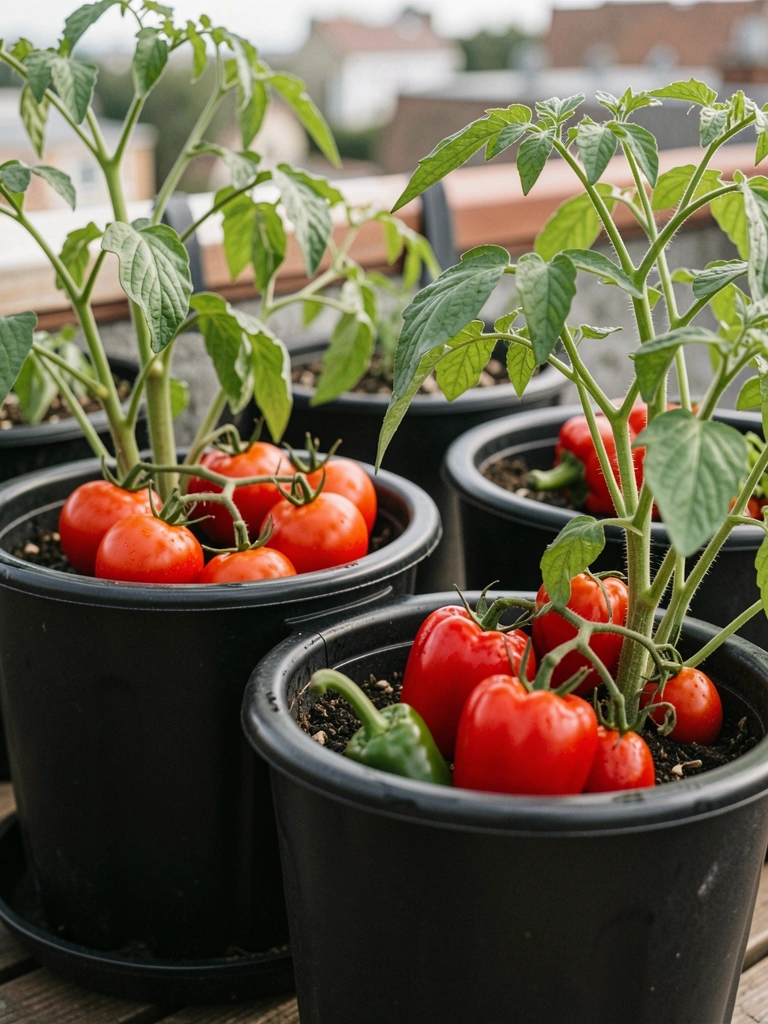
    Forgot to water during a work trip—plants survived thanks to self-waterers. Tomatoes ripened red, peppers hung heavy. Roots sip as needed; soil stays even.

    I picked lighter plastic ones after ceramic cracked in cold. Roots grow deeper too.

    Harvest feels like a win up here. Fresh salsa from 10 floors up.

    What You’ll Need for This Look

    [a href="https://www.amazon.com/s?k=self+watering+planter+5+gallon&tag=flowpinsystem-20">5-gallon self-watering planters[/a]

    [a href="https://www.amazon.com/s?k=cherry+tomato+plants&tag=flowpinsystem-20">cherry tomato plants[/a]

    [a href="https://www.amazon.com/s?k=bell+pepper+starter+plants&tag=flowpinsystem-20">bell pepper starters[/a]

    5. Privacy Screens with Climbing Beans

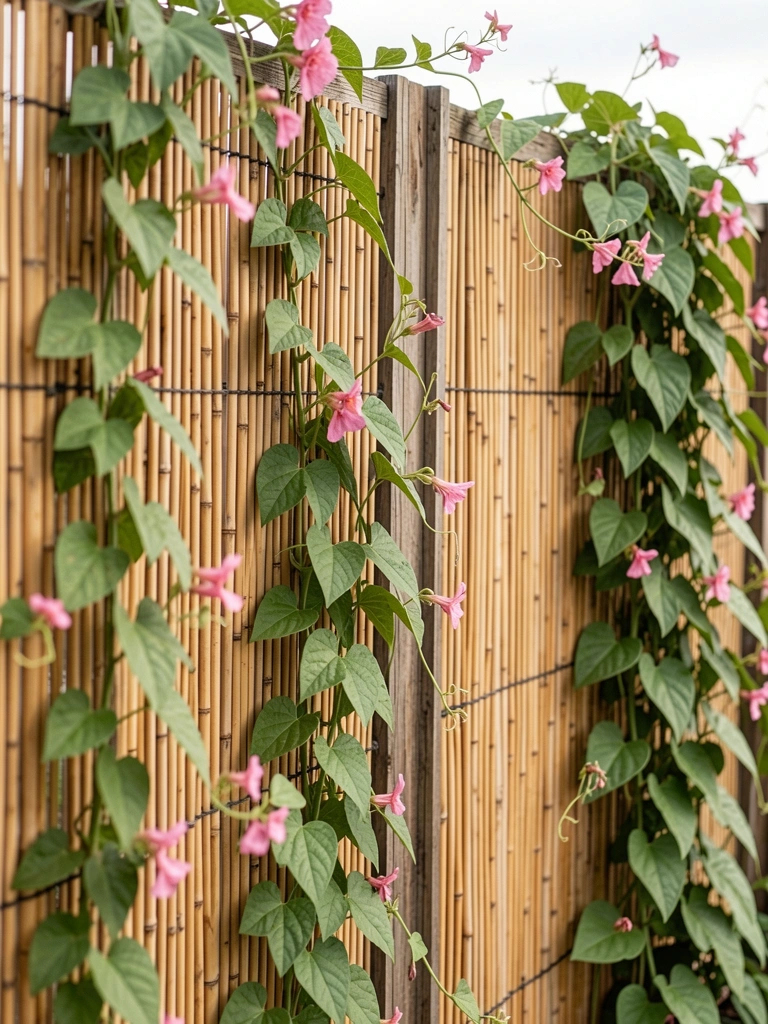
    Neighbors peeked over until I set up bamboo screens. Beans climbed fast, flowers nodding in breeze. Now it's private, like a room with a view.

    Tied loosely at first; vines flopped. Twist ties every foot now.

    Screen cuts wind, plants love the shade cloth mix. Pods for dinner.

    What You’ll Need for This Look

    [a href="https://www.amazon.com/s?k=bamboo+privacy+screen+6ft&tag=flowpinsystem-20">6ft bamboo privacy screen[/a]

    [a href="https://www.amazon.com/s?k=climbing+bean+seeds+pole&tag=flowpinsystem-20">pole climbing bean seeds[/a]

    [a href="https://www.amazon.com/s?k=garden+twist+ties+100+pack&tag=flowpinsystem-20">garden twist ties 100-pack[/a]

    6. Gravel Mulch Paths Between Pots

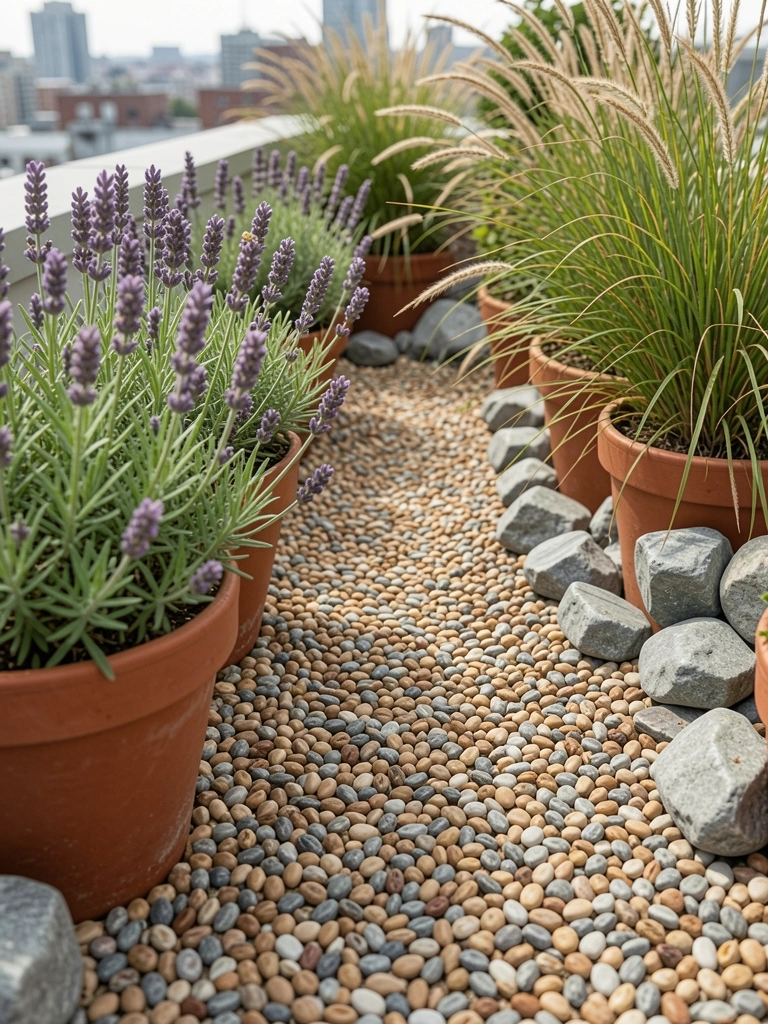
    Poured gravel between pots—sudden paths appeared. No mud after rain, easy to walk. Lavender edges release scent when brushed.

    Used fine pebbles first; weeds poked through. Coarser now blocks them.

    Paths make the roof feel bigger, intentional. Ties it all together.

    What You’ll Need for This Look

    [a href="https://www.amazon.com/s?k=pea+gravel+20+lb+bag&tag=flowpinsystem-20">20 lb pea gravel bag[/a]

    [a href="https://www.amazon.com/s?k=lavender+plants+1+gallon&tag=flowpinsystem-20">1-gallon lavender plants[/a]

    [a href="https://www.amazon.com/s?k=landscape+fabric+roll+3×50&tag=flowpinsystem-20">3×50 landscape fabric roll[/a]

    7. Solar Hanging Baskets for Evening Glow

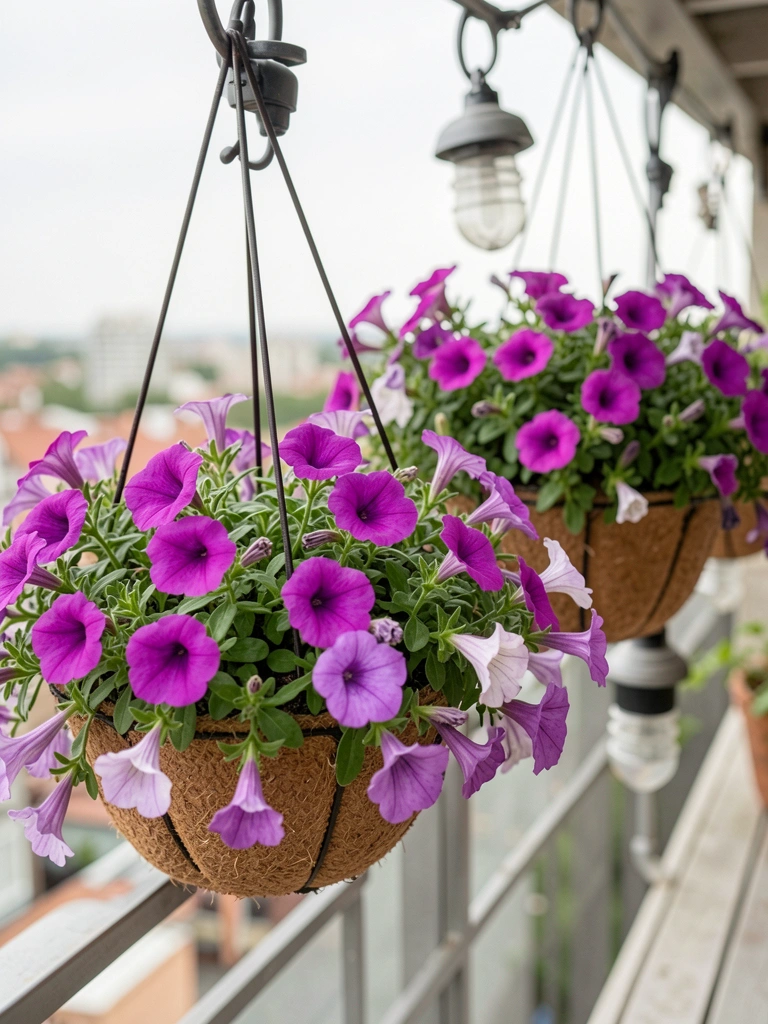
    Baskets sway gentle, full of million bells. Solar lights kick in at dusk—warm glow over chairs. No wiring hassle up here.

    Overhung once; sun starved them. Higher hooks now for light.

    Evenings changed. Flowers catch the last sun, lights linger.

    What You’ll Need for This Look

    [a href="https://www.amazon.com/s?k=solar+hanging+baskets+12+inch&tag=flowpinsystem-20">12-inch solar hanging baskets[/a]

    [a href="https://www.amazon.com/s?k=million+bells+flowers+trailing&tag=flowpinsystem-20">trailing million bells[/a]

    [a href="https://www.amazon.com/s?k=solar+pathway+lights+warm+white&tag=flowpinsystem-20">warm white solar lights[/a]

    [a href="https://www.amazon.com/s?k=coco+liner+basket+inserts&tag=flowpinsystem-20">coco liner inserts[/a]

    Final Thoughts

    Start with one idea that fits your roof's sun and wind. You don't need it all at once. I've built mine over seasons, moving what works. Yours will settle in too. Breathe easy up there—it's your spot now.

  • 21 Fresh Rooftop Vegetables Garden Ideas

    21 Fresh Rooftop Vegetables Garden Ideas

    I stood on my rooftop last summer, wind whipping through, staring at empty pots. Years of trial and error got me here—overturned planters, drowned roots, scrawny yields. But now, fresh veggies grow steady.

    Rooftops aren't lawns. They're tight, exposed spots craving smart setups. I've learned what holds up.

    These ideas come from my own builds. No fluff. Just what works.

    21 Fresh Rooftop Vegetables Garden Ideas

    Here are 21 fresh rooftop vegetables garden ideas I've pieced together from my rooftops. Each one fits limited space and wind. You'll see exactly what to grab and plant—these 21 ideas will get you growing.

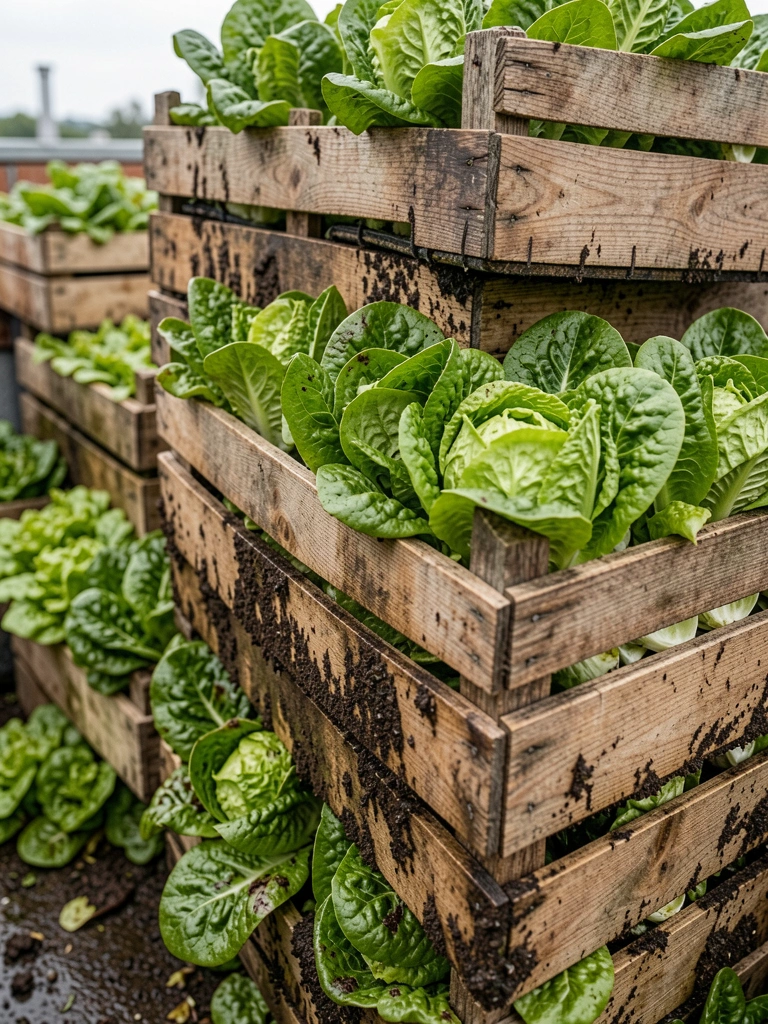
    1. Stacked Wooden Crates for Endless Lettuce Layers

    I started stacking old crates one spring, tired of flat layouts that wasted height. Lettuce filled every shelf—romaine on top for quick picks, butterhead below. The wind barely nudged them once secured. Visually, it turned a bare corner cozy, like a green staircase.

    Harvest felt easy; outer leaves regrew fast. I paid attention to drainage holes—drilled extras after one soggy mess.

    Weight stayed light with potting mix. Succession plant every two weeks for steady salads.

    What You’ll Need for This Look

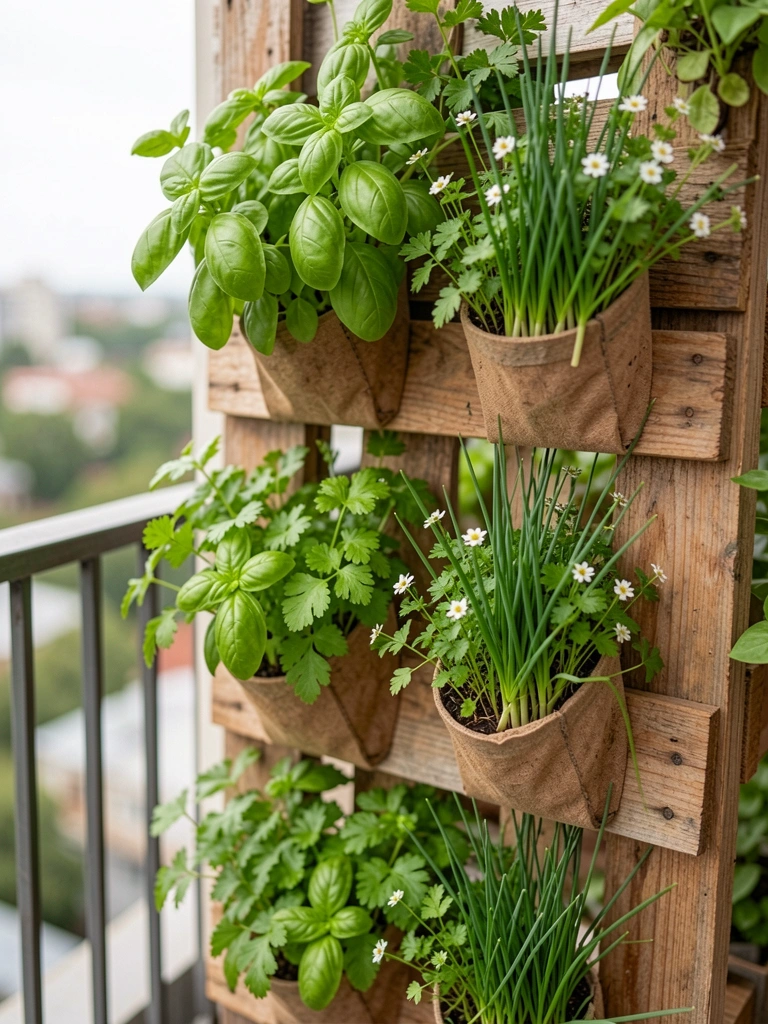
    2. Vertical Pallet Herb Wall Against the Railing

    My railing begged for use, so I leaned a pallet there, lining pockets with soil. Basil climbed fast, parsley stayed bushy—perfect for rooftop snips. It softened the metal edge, made the space feel enclosed.

    I noticed chives self-seed, filling gaps. Wind tugged less with zip ties.

    One mistake: too much sun fried the parsley once. Shade cloth fixed it.

    What You’ll Need for This Look

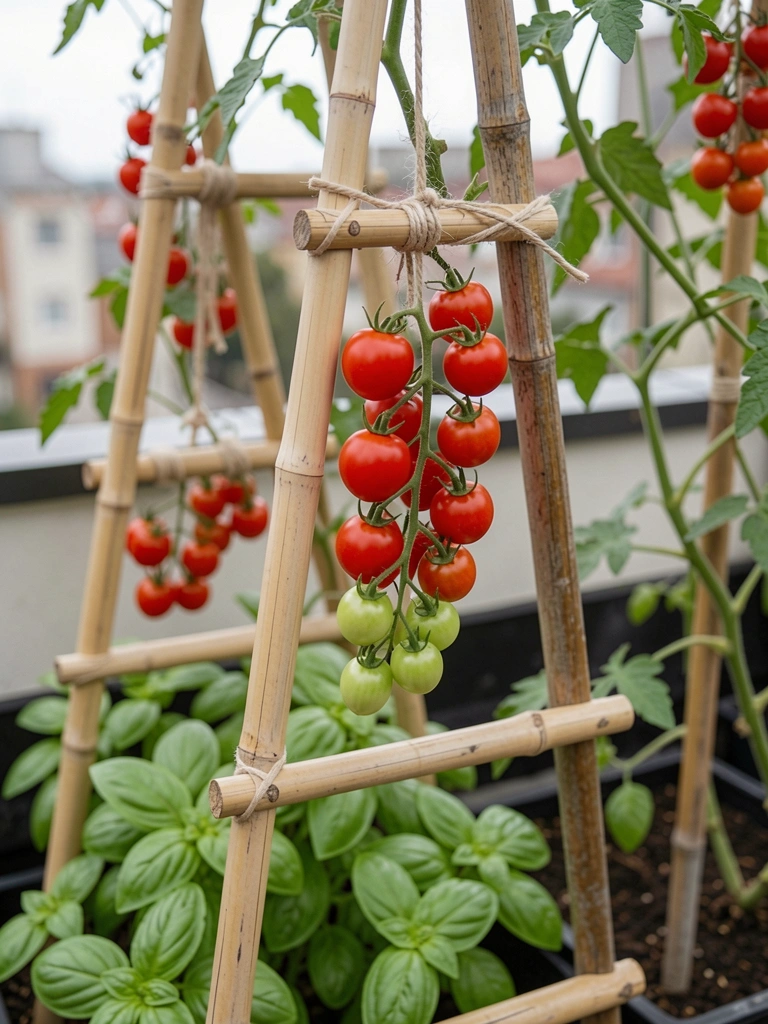
    3. Wind-Tied Tomato Ladders with Basil Feet

    Tomatoes topple easy up high, so I built ladders from bamboo, tying vines loose. Basil at the bottom repelled bugs—yields doubled. The setup drew eyes upward, reds popping against blue sky.

    Emotionally, plucking warm cherries felt like victory after stake fails.

    Secure to railing. Prune suckers weekly.

    What You’ll Need for This Look

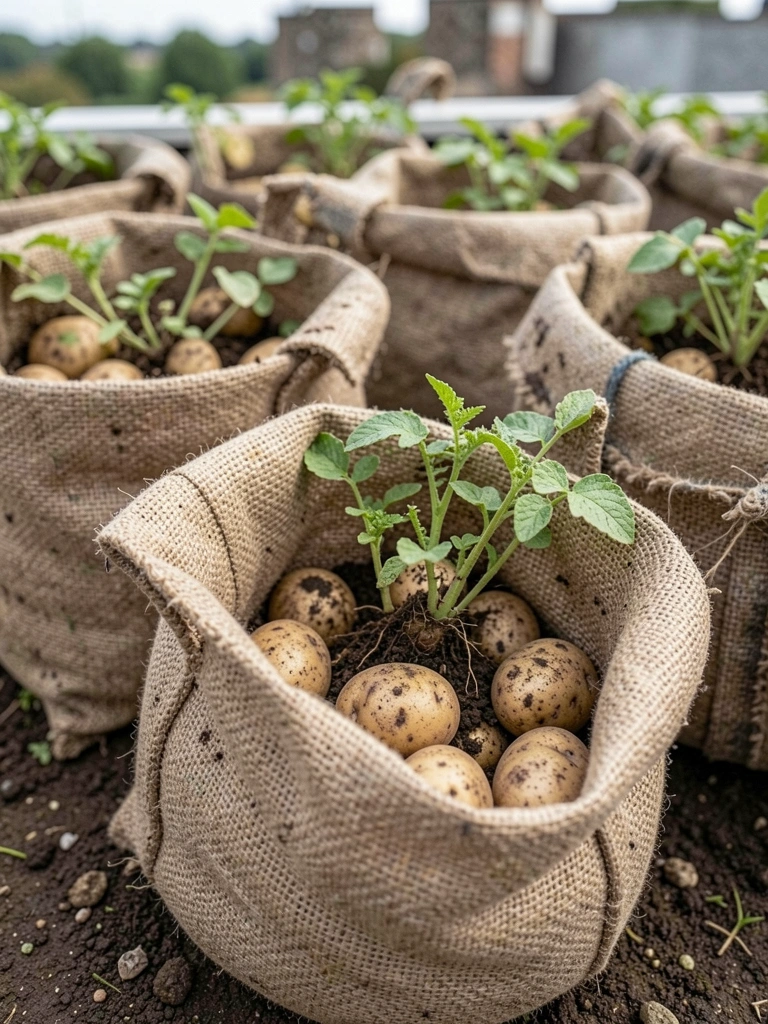
    4. Potato Bags Rolled for Dirt Access

    Potatoes need depth without weight, so grow bags let me roll flaps for hilling. Yukon golds bulged out—harvested 5 pounds per bag. It kept the rooftop tidy, no digging mess.

    I learned to plant seed potatoes shallow first. One year, overwatered rotted them.

    Light fabric dries fast in wind.

    What You’ll Need for This Look

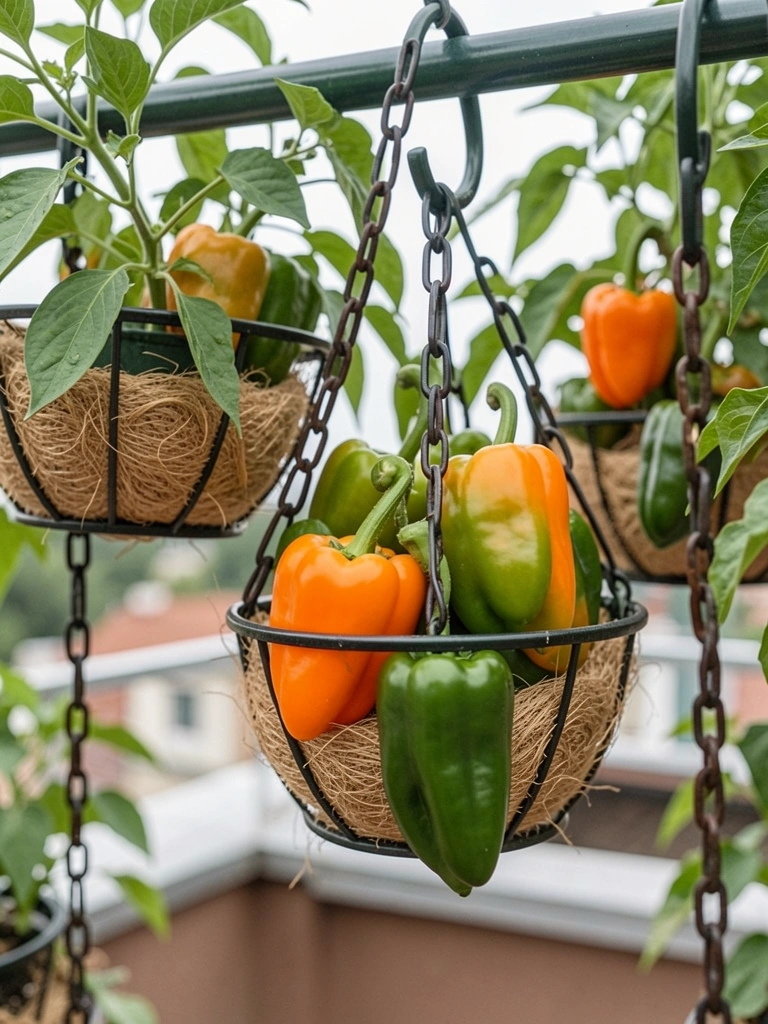
    5. Hanging Baskets Swinging with Peppers

    Hooks off the railing held baskets full of peppers—jalapeños and bells swayed gentle. Space opened below, colors dangled like ornaments.

    They caught full sun, ripened sweet. Mistake: heavy soil tipped one; switched to coir.

    Water from below to save trips.

    What You’ll Need for This Look

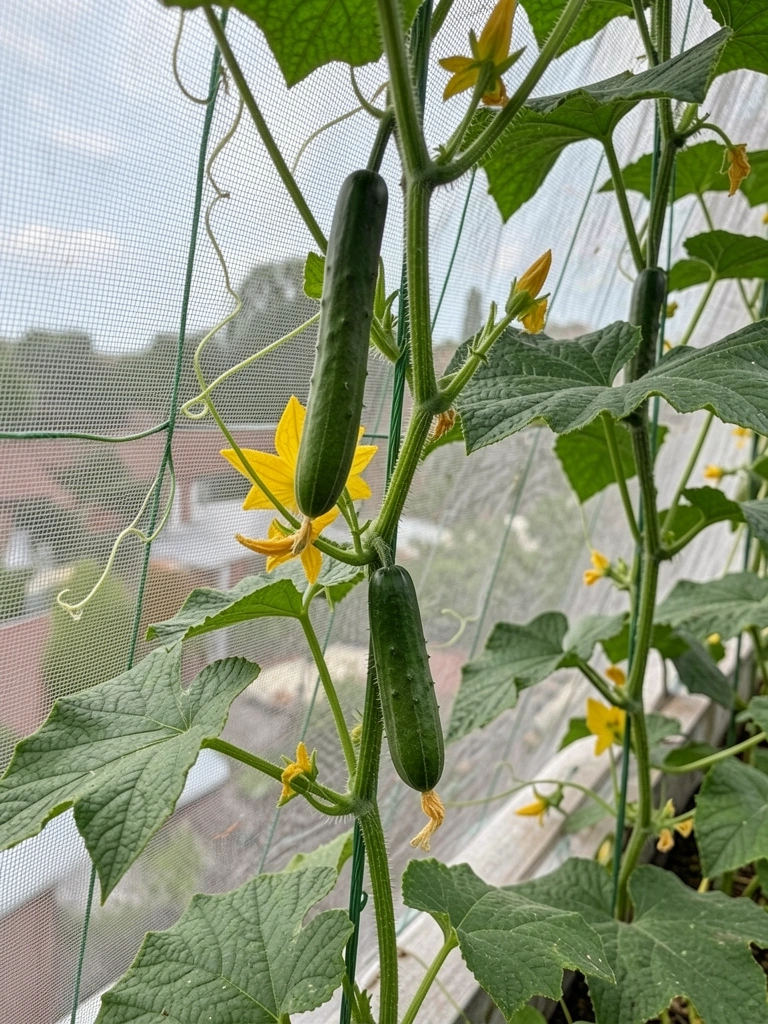
    6. Cucumber Trellis Net Against Plexi Windbreak

    Wind shredded my cukes till I added plexi sheets as breaks, netting vines up. Lemons hung heavy—picked daily. It framed the view, greens softening edges.

    Climbers saved floor space. Tie loose.

    What You’ll Need for This Look

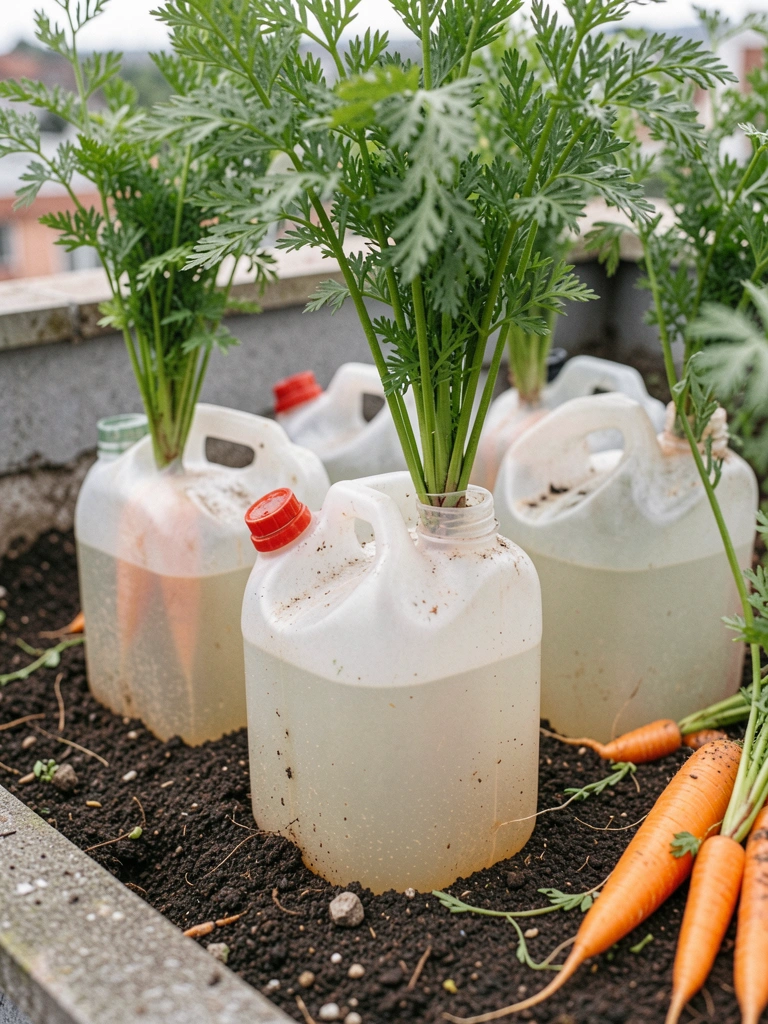
    7. Carrot Jugs Buried Halfway for Stability

    Cut jugs let carrots root deep without toppling. Nantes variety thinned perfect—sweet pulls. Buried bases weighted them down.

    Visually, tops waved like grass. One batch forked from rocky soil; sift mix next time.
    What You’ll Need for This Look

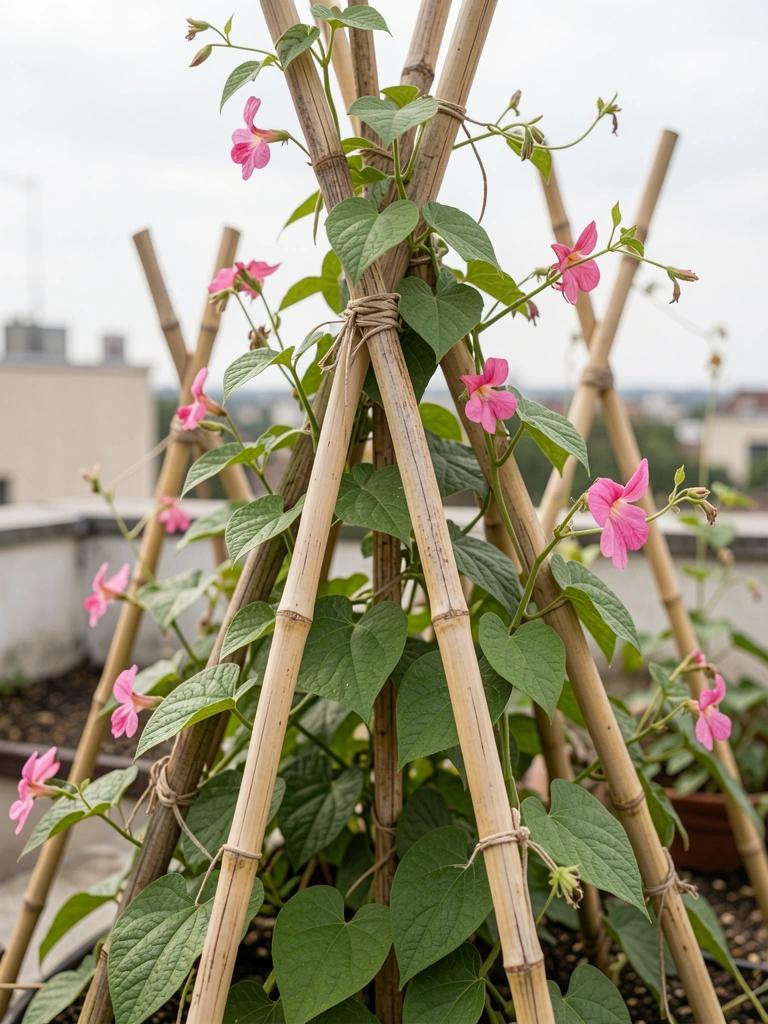
    8. Bean Teepee Poles in a Tight Circle

    Three poles lashed made a teepee; bush beans filled it fast. Provider variety snapped crisp. Kids loved the hideout feel.

    Wind-proof with guy lines. Yields piled up.

    What You’ll Need for This Look

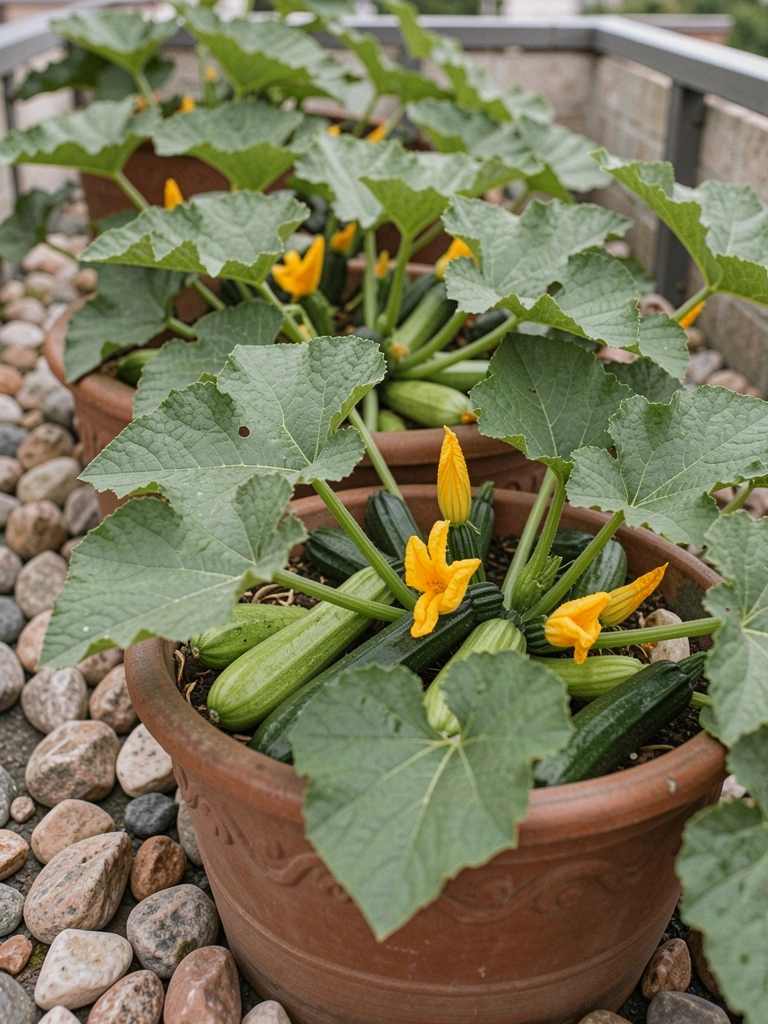
    9. Zucchini Tubs Weighted with Rocks

    Big tubs held one zucchini plant each—Black Beauty sprawled contained. Rocks around base stopped rolls. Fruits hid under leaves till huge.
    One vine took over; limit to one per tub now.
    What You’ll Need for This Look

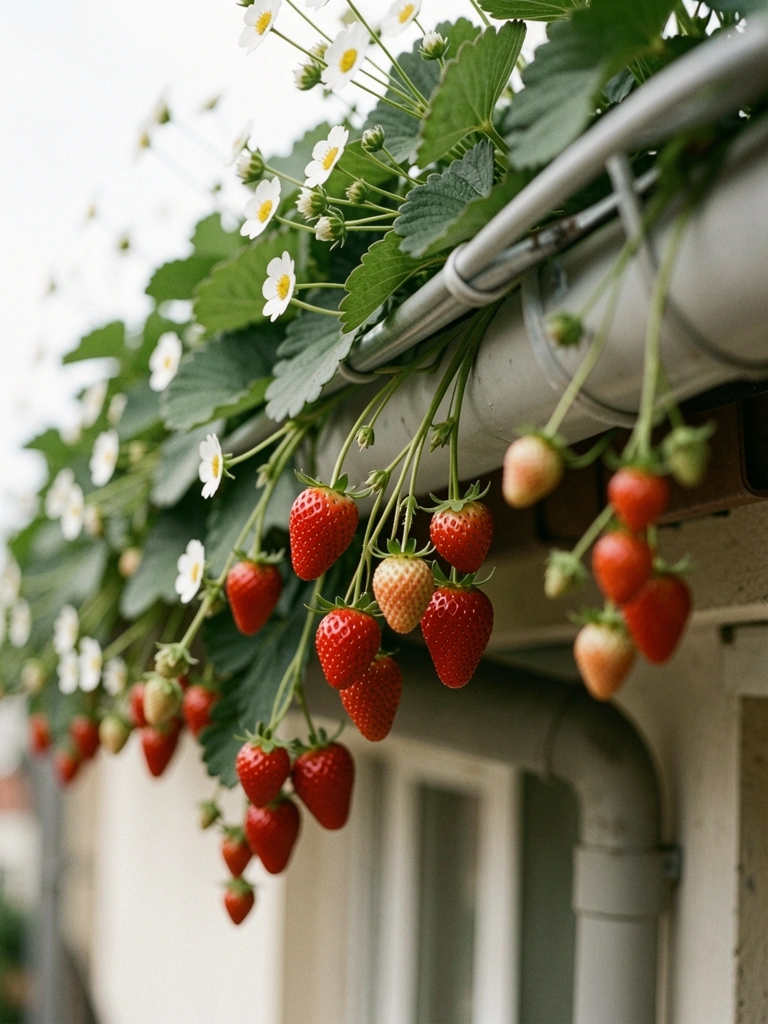
    10. Strawberry Gutters Hung Sideways

    PVC gutters sideways caught drips, Eversweet berries trailed down. Easy reach, no stoop. Reds glowed against white plastic.

    End caps prevent spills. Trim runners.

    What You’ll Need for This Look

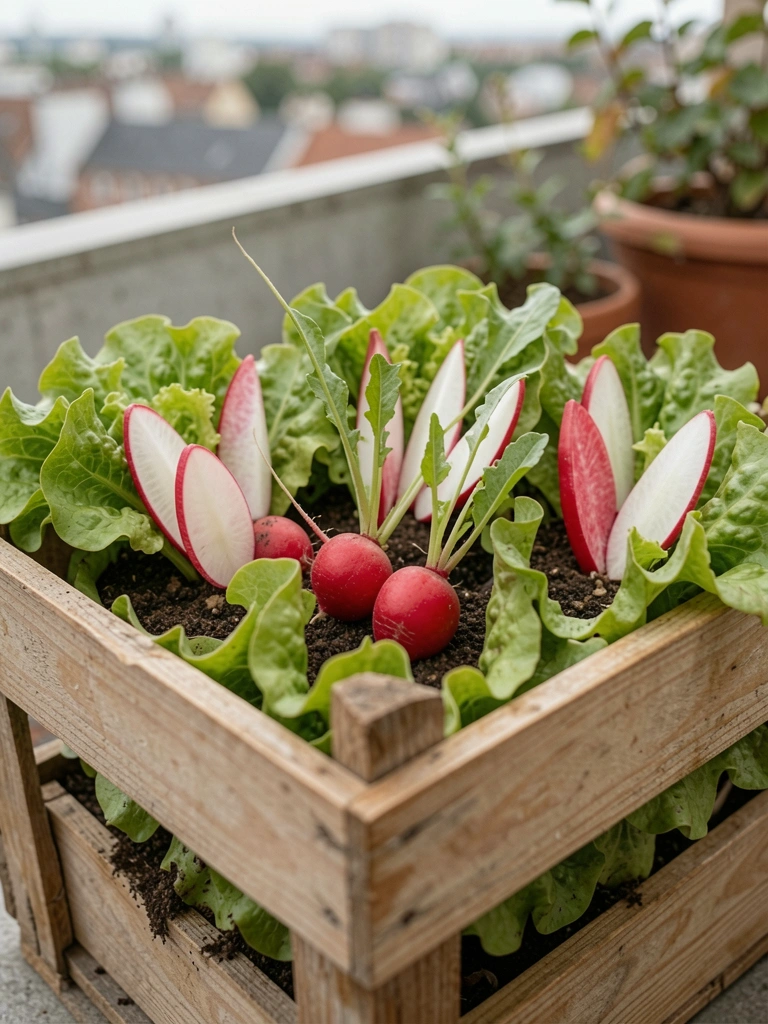
    11. Radish Wedges in Lettuce Crate Gaps

    Sliced radishes fit lettuce gaps—Cherry Belle popped in 20 days. No bare dirt. Quick wins kept momentum.

    They loosened soil for lettuce roots. Thin early.

    What You’ll Need for This Look

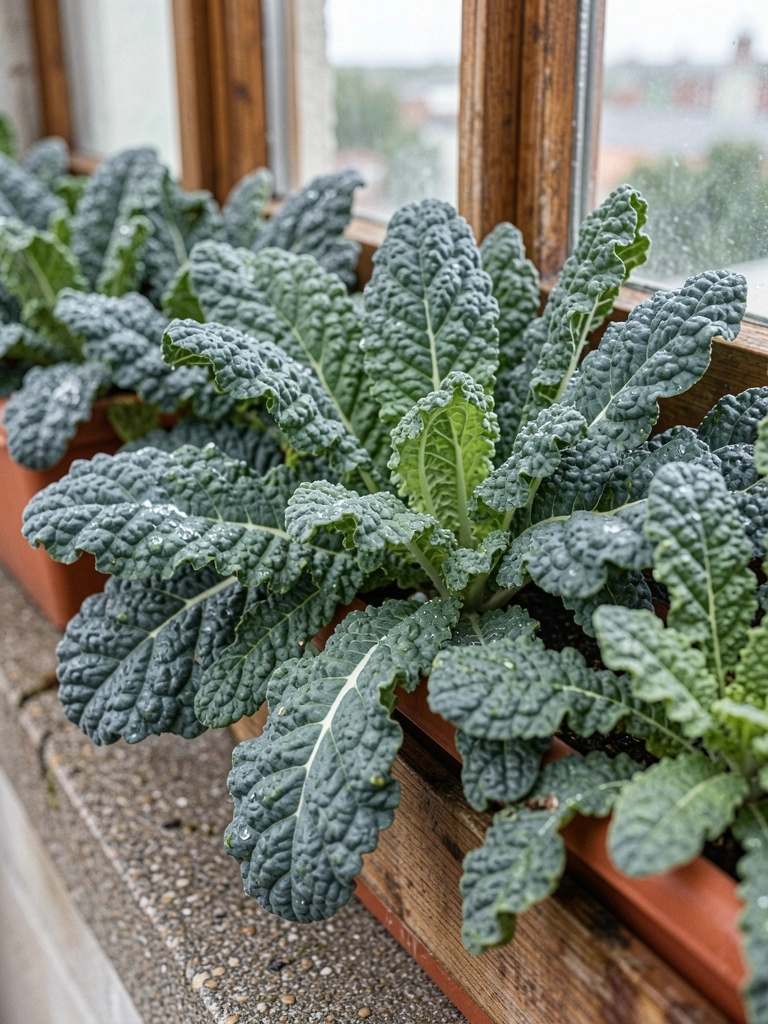
    12. Kale Lacinato in Long Window Boxes

    Long boxes hugged the ledge; Lacinato kale waved tough in gusts. Picked outer leaves forever. Leaves added texture, like fingers reaching.

    Wind toughened them sweeter. Mistake: crowded once, stunted.

    What You’ll Need for This Look

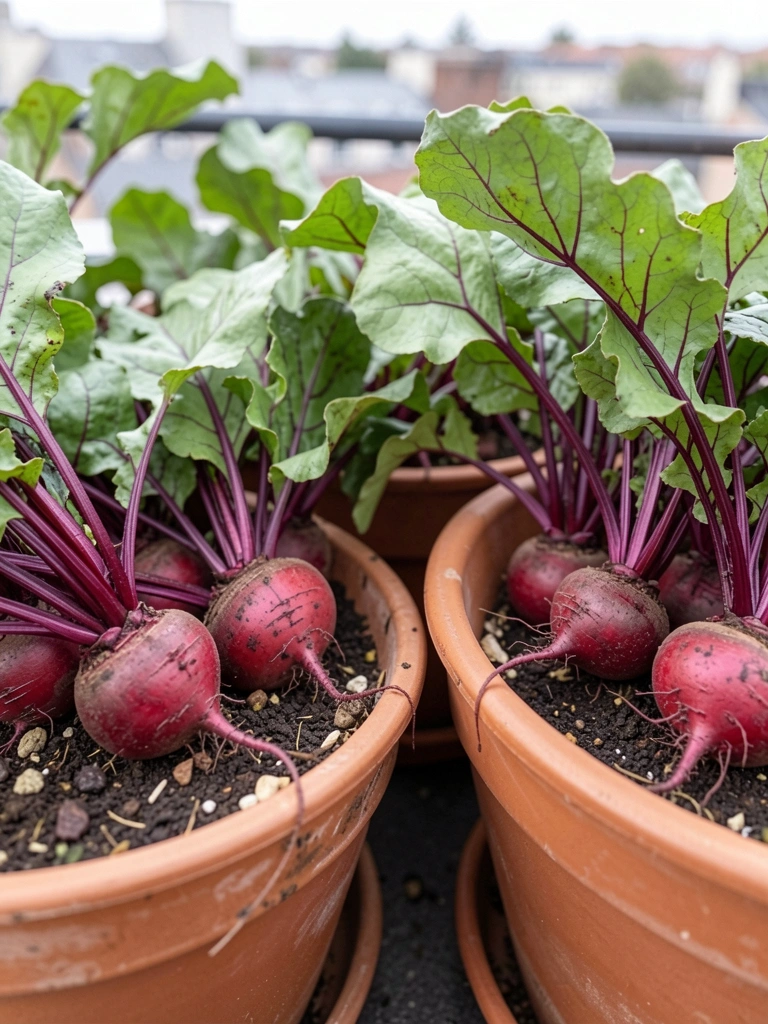
    13. Beet Deep Pots for Dual Harvests

    Deep pots let beets bulb big—greens and roots both. Chioggia striped pretty sliced. Pots stayed put heavy.

    Harvest greens first. Mulch tops.

    What You’ll Need for This Look

    14. Pea Snow Net Towers

    Net cylinders shot peas up fast—snow peas for stir-fries. Pods dangled pickable. Towers marked sunny zones.

    Sow twice for season long. Pinch tops.

    What You’ll Need for This Look

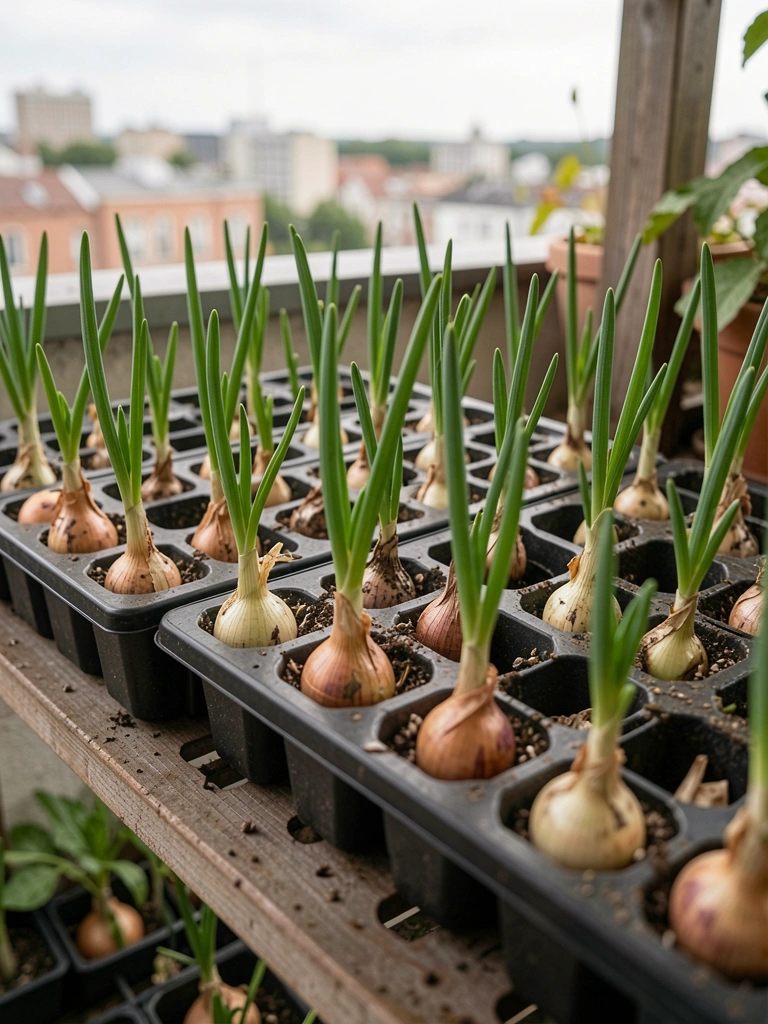
    15. Onion Sets in Shallow Seed Trays

    Trays held onion sets shallow—reds bulbed quick. Lifted whole for storage. Shelves used air space.

    One set rotted wet; drier mix now.

    What You’ll Need for This Look

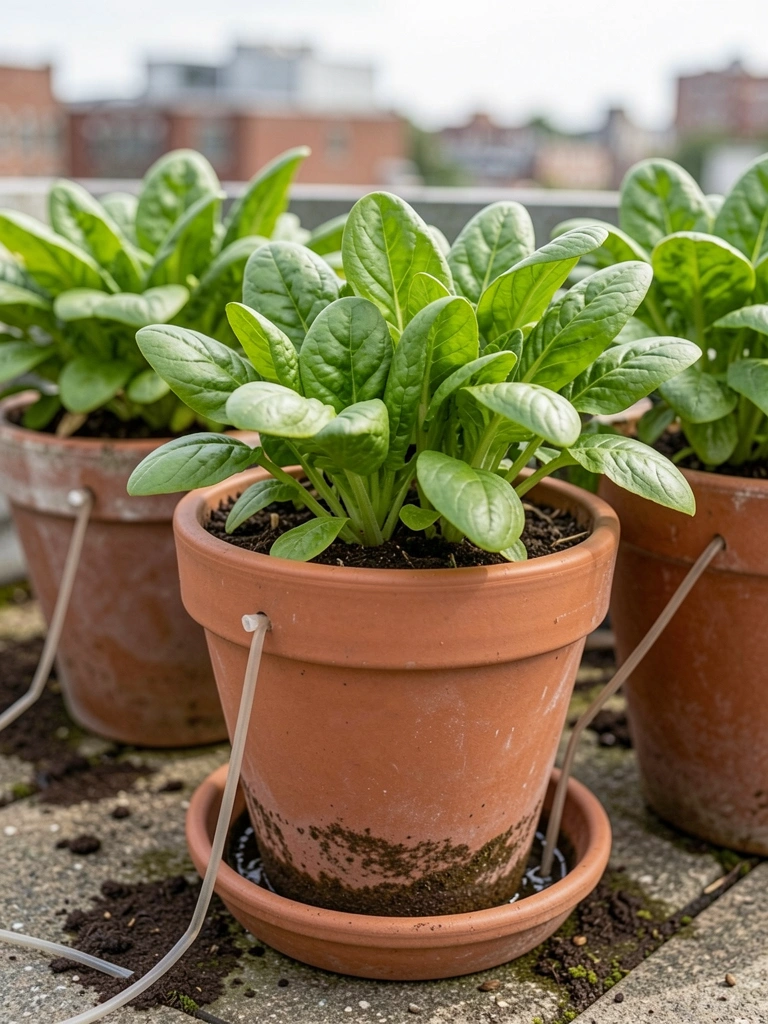
    16. Spinach Self-Waterers for Dry Spells

    Self-waterers kept spinach perky through heat—Bloomsdale puckered nice. No daily climbs. Greens filled salads steady.

    Refill reservoirs weekly. Succession sow.

    What You’ll Need for This Look

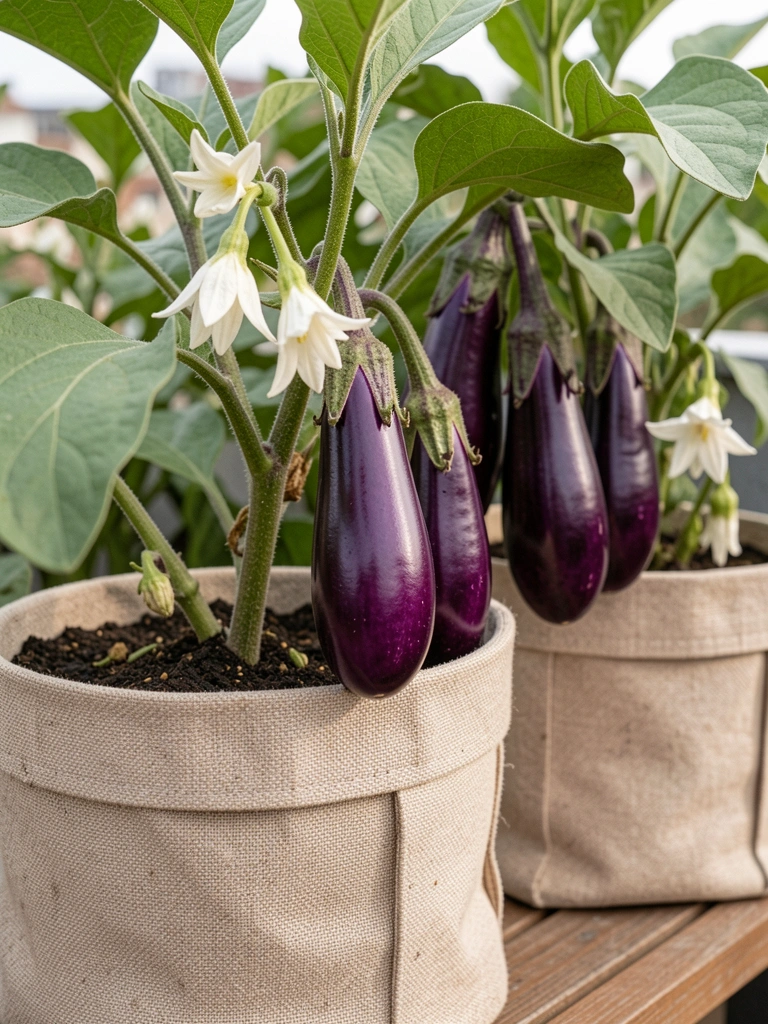
    17. Eggplant Fabric Pots Breathable

    Fabric pots aired roots; Black Beauties swelled glossy. Stakes held heavy. Pots drained rain fast.

    Support early. Fewer pests.

    What You’ll Need for This Look

    18. Squash Bins with Bottom Drainage

    Bins drilled bottom-up grew pattypans contained. One plant per bin. Harvests stacked.

    Drill plenty. Mistake: undrilled flooded once.

    What You’ll Need for This Look

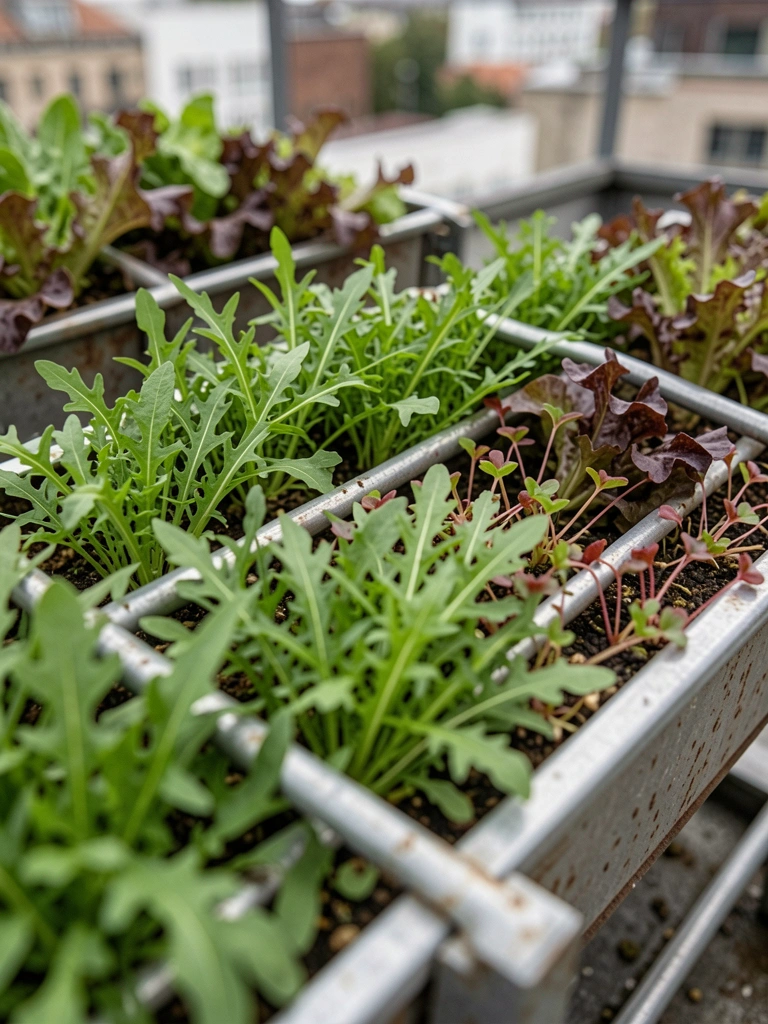
    19. Mixed Rail Planters for Salad Bar

    Rail planters mixed arugula, mizuna—pick-your-own bar. Flavors layered. Rails stayed clear.

    Rotate crops. Water even.

    What You’ll Need for This Look

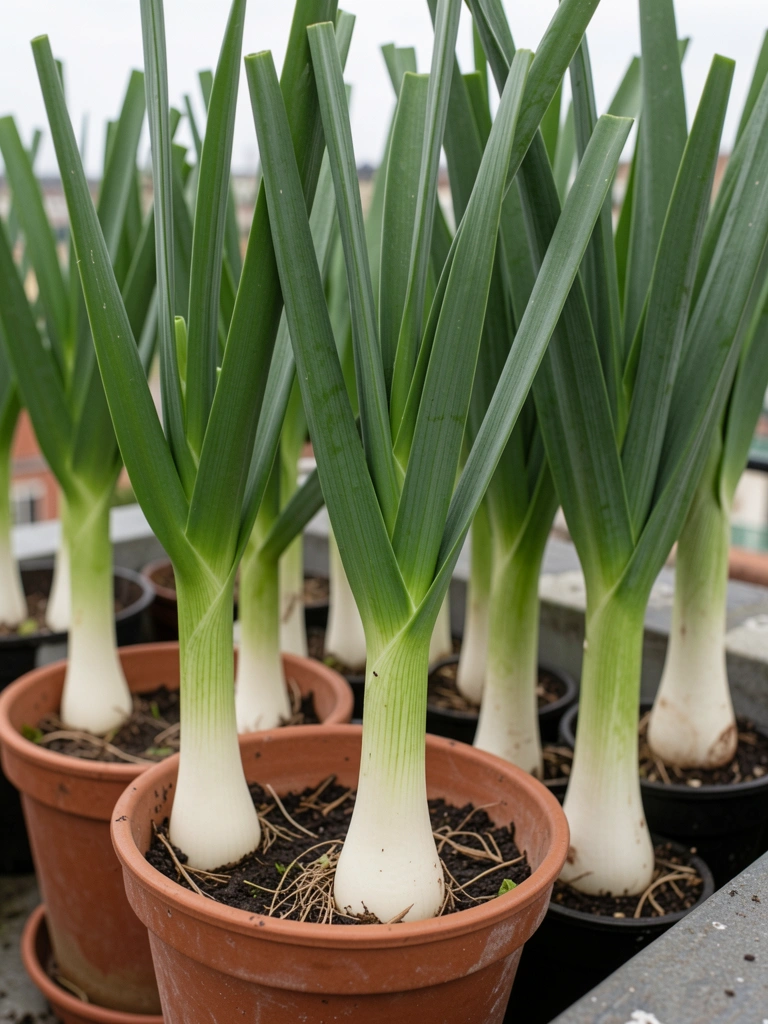
    20. Leek Long Toms for Steady Cuts

    Long toms suited leeks—King Richard blanched white. Cut greens ongoing. Pots tapered stable.

    Hill soil up. Winter hardy.

    What You’ll Need for This Look

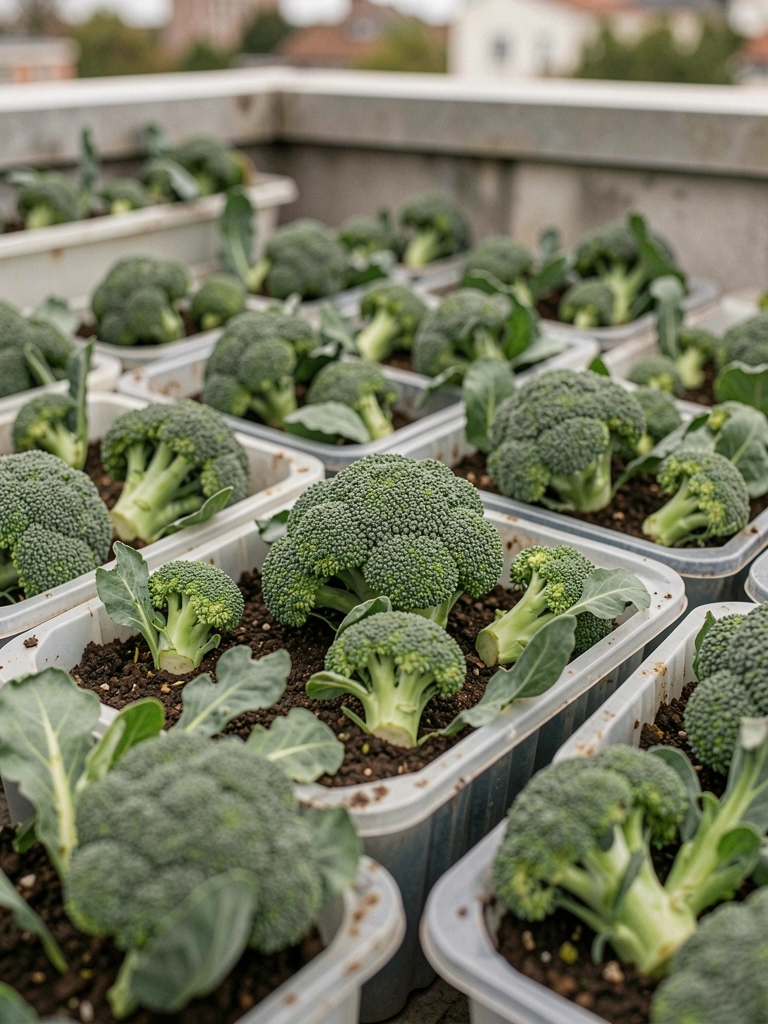
    21. Broccoli Side Shoots in Module Trays

    Modules started broccoli—cut main head, sides kept giving. Waltham 29 reliable. Trays wheeled easy.

    Transplant careful. Net bugs.

    What You’ll Need for This Look

    Final Thoughts

    Start with three ideas that fit your light and space. I've mixed them over years—no rush for all 21.

    Watch your plants daily at first. They'll tell you what works.

    You'll eat fresh rooftop veggies soon. It's simpler than it seems.

  • 11 Stylish Rooftop Garden Ideas for Urban Homes

    11 Stylish Rooftop Garden Ideas for Urban Homes

    I remember staring at my bare rooftop last spring. Concrete everywhere, wind whipping through. Felt like a forgotten parking lot.

    Then I added a few pots. Sat there with coffee, watching birds land. That spot became mine.

    Rooftops like this pull you in once plants take hold. They soften the city noise. Yours can too, without fuss.

    11 Stylish Rooftop Garden Ideas for Urban Homes

    These 11 ideas come straight from my rooftops over the years. Real fixes for wind, weight limits, and small spaces. Each one easy to start small. You'll know exactly what fits your setup.

    1. Layered Container Planting That Fills Empty Corners

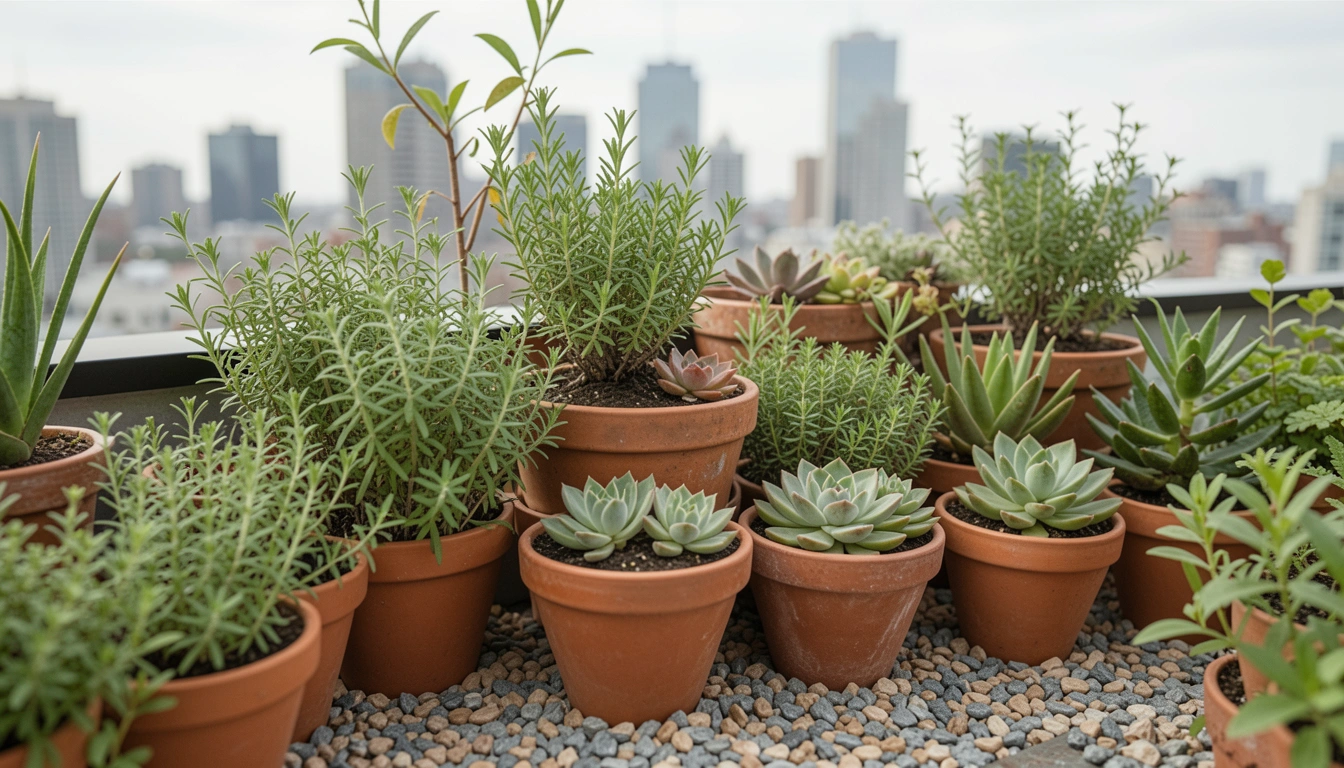
    I started layering pots on my first rooftop to hide ugly vents. Low ones for stability, taller behind. Filled with spillers like petunias up front, upright grasses behind. It made that corner feel full, not flat.

    Wind tugs less when bases are wide. Visually, it draws your eye up, softens hard lines. Sit nearby, and it feels enclosed.

    Watch pot weight—fill bottoms with gravel first. I skipped that once; a gust tipped one over.

    What You’ll Need for This Look

    2. Vertical Herb Wall for Everyday Fresh Picks

    My herbs kept getting trampled on the floor, so I bolted pockets to the railing. Basil top, mint middle—easy reach. Now I snip for dinner without bending.

    It greens up blank walls fast. Smells hit you walking out. Cozy like a kitchen garden, up high.

    Bought too much parsley once; it bolted in the heat. Stick to compact varieties.

    What You’ll Need for This Look

    3. Wind-Resistant Succulent Clusters on Low Tables

    Succulents hold up to gusts better than anything leafy. I clustered mine on a low table—shallow pots, heavy stones inside. They catch sun all day.

    The look is clean, modern. Textures mix soft rosettes with spiky ones. Feels calm amid city buzz.

    Group odd numbers for natural flow. Water rarely; they store it.

    What You’ll Need for This Look

    4. Cozy Lounge Nook with Trailing Vine Screens

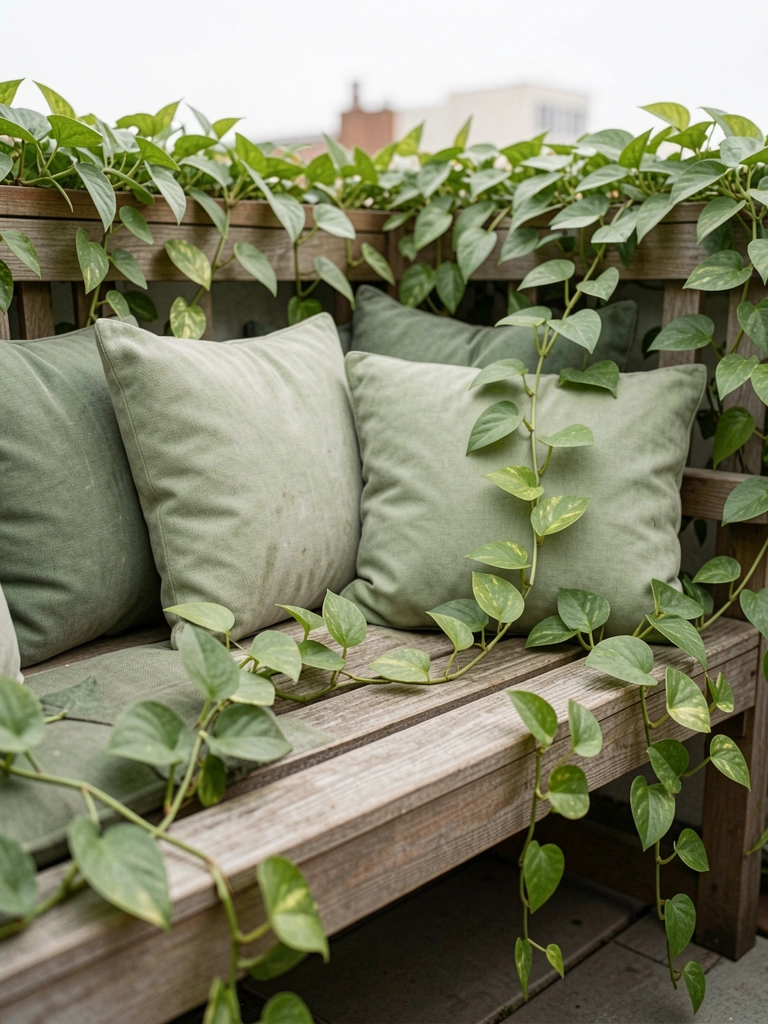
    I framed my bench with wire for pothos to trail over. Blocks views without blocking light. Added cushions—now it's my reading spot.

    Vines sway gentle, make it feel private. Warmer evenings there.

    Train stems loosely; they fill in.

    What You’ll Need for This Look

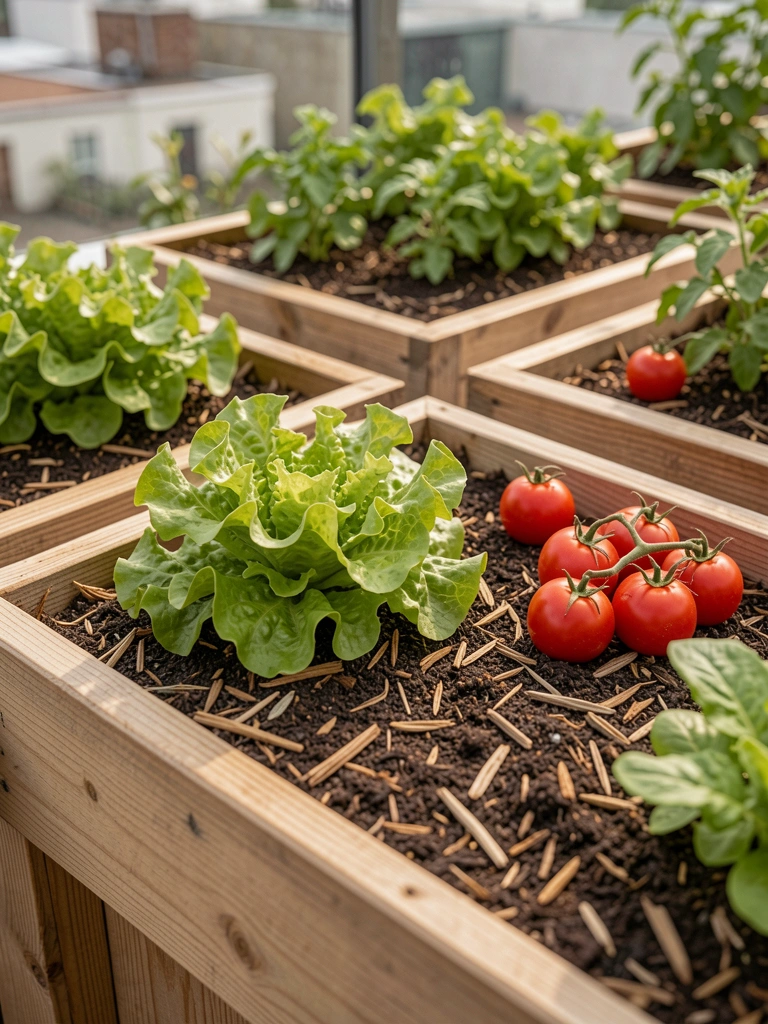
    5. Modular Veggie Beds for Homegrown Salads

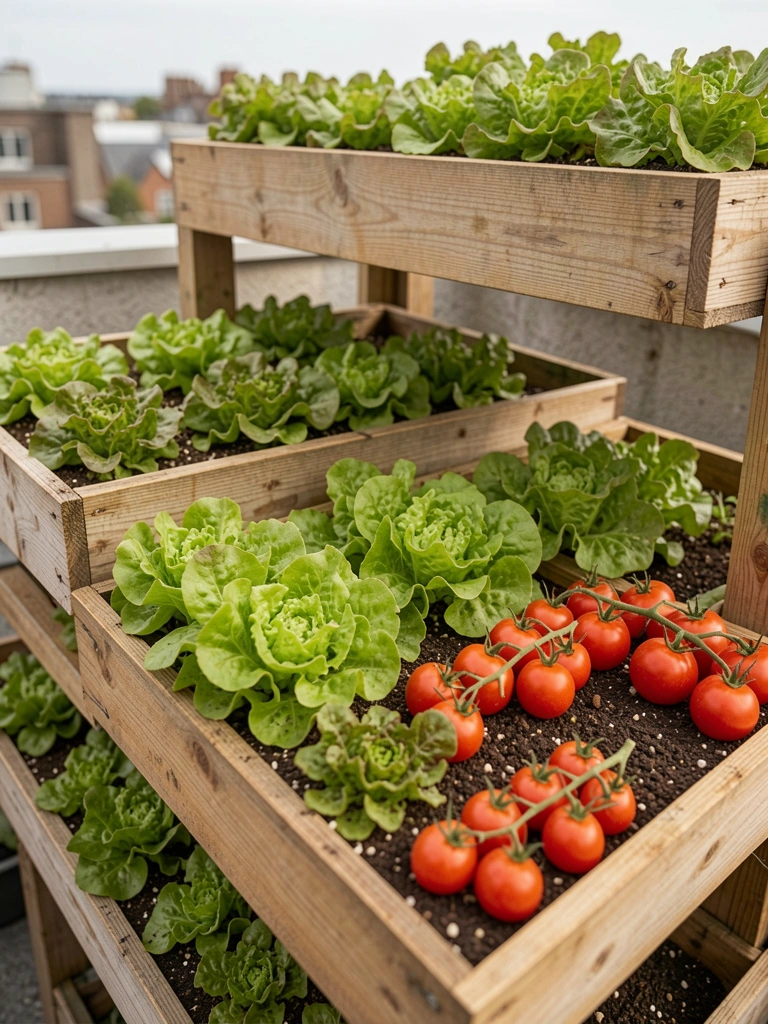
    Stackable beds let me grow lettuce without permanent weight. Started small; added as roots settled. Harvest feels good up here.

    Colors pop—greens, reds. Fills space smart.

    Overplanted tomatoes first year; crowded them out. Space plants loose.

    What You’ll Need for This Look

    6. Hanging Basket Canopy Over Seating

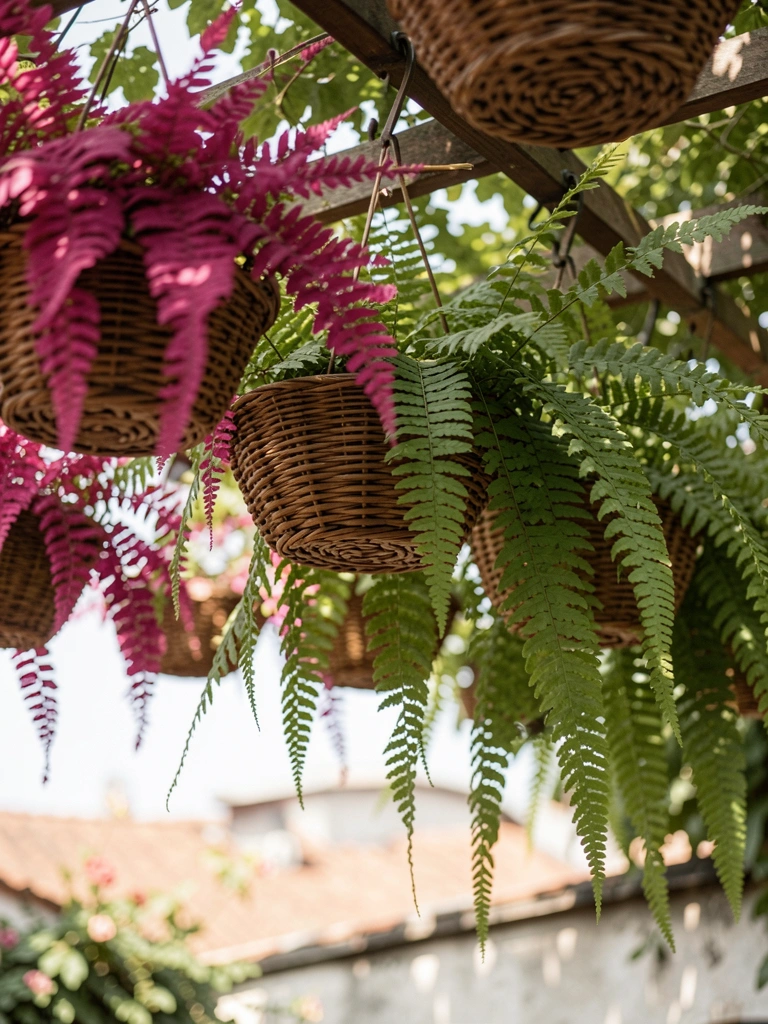
    Hooks from beams hold baskets above my chairs. Fuchsia and ferns filter sun, cool the air.

    Creates dappled light, intimate feel. Flowers nod in breeze.

    Secure chains tight; wind swings them.

    What You’ll Need for This Look

    7. Privacy Lattice with Native Climbers

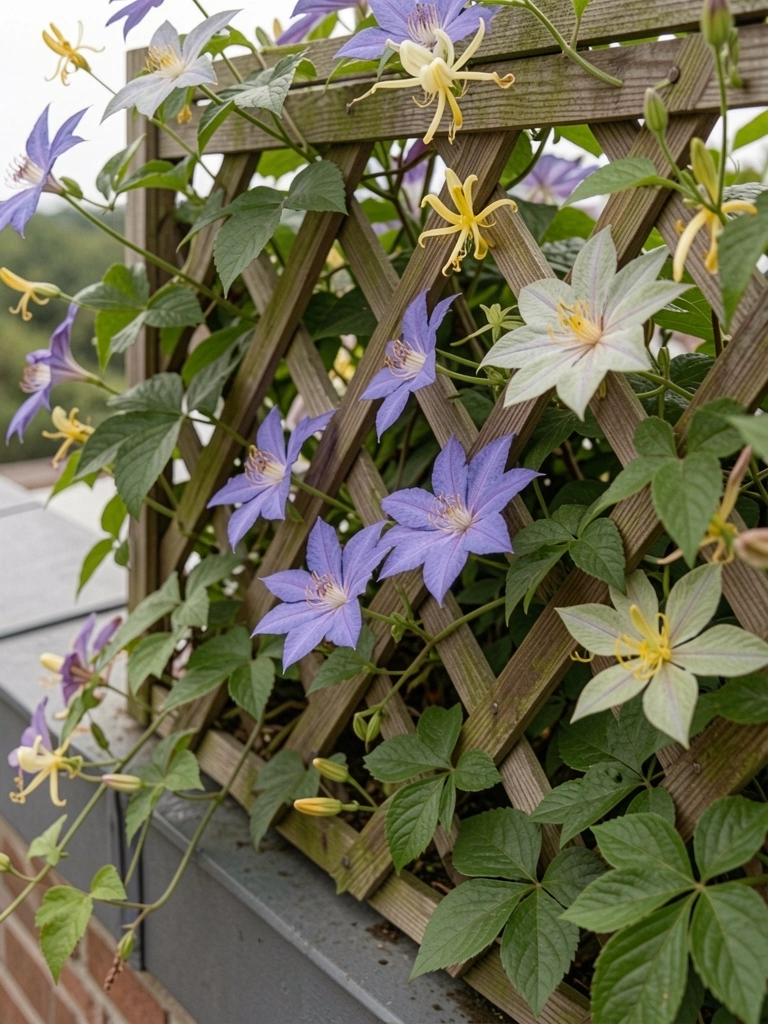
    Lattice panels lean against railings; natives like clematis grip fast. Shields neighbors' eyes.

    Blooms scent the air. Green backdrop quiets street sounds.

    Choose lightweight wood; lasts seasons.

    What You’ll Need for This Look

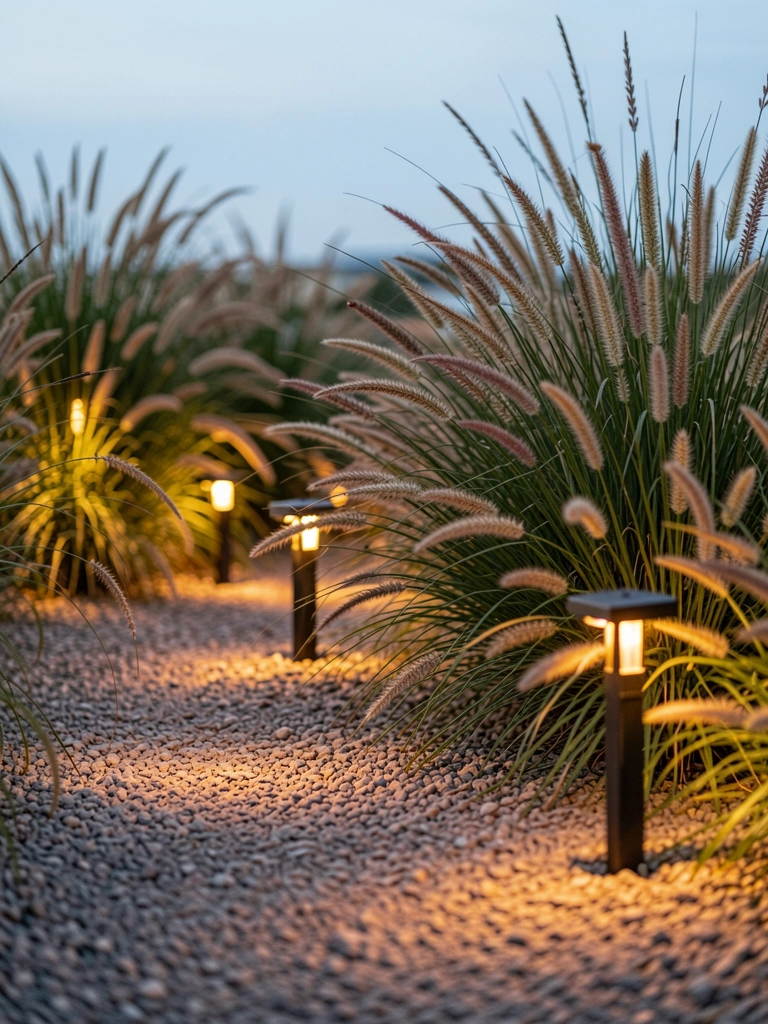
    8. Solar Grasses and Path Lights for Evenings

    Grasses sway by solar stakes. Lights kick on soft, guide steps.

    Evenings feel longer, safer. Glow on blades is simple magic—no, just right.

    Wrong bulbs first; too bright. Go warm white.

    What You’ll Need for This Look

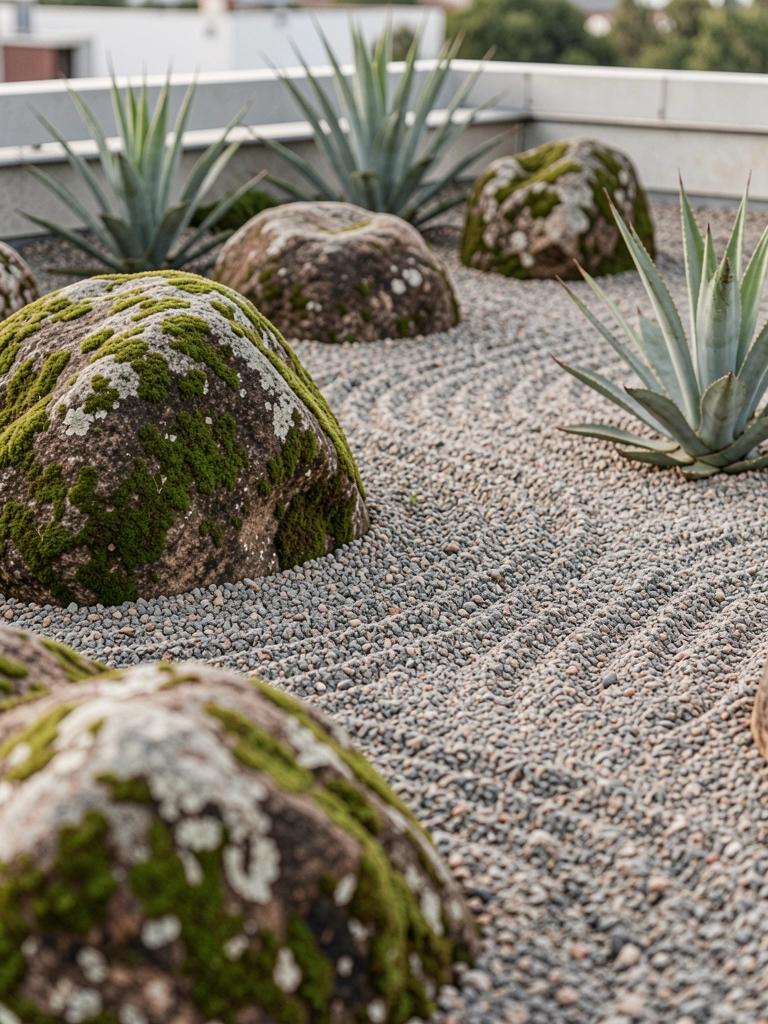
    9. Low-Maintenance Gravel Zen with Boulders

    Gravel bed with boulders—minimal plants. Rake lines for calm.

    Clears mind after work. Clean lines suit modern edges.

    Drainage built-in; no mud.

    What You’ll Need for This Look

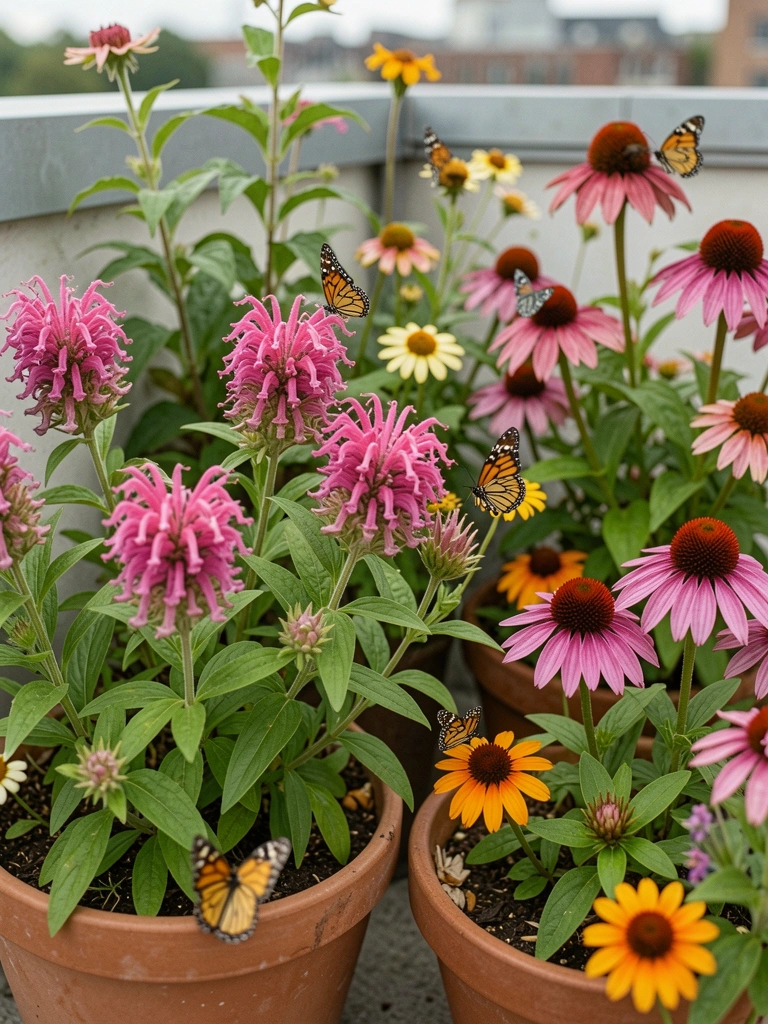
    10. Pollinator Pots with Native Wildflowers

    Native wildflowers draw bees, butterflies. Pots clustered low.

    Life buzzes now. Colors shift weekly.

    Too many seeds at first; thinned later.

    What You’ll Need for This Look

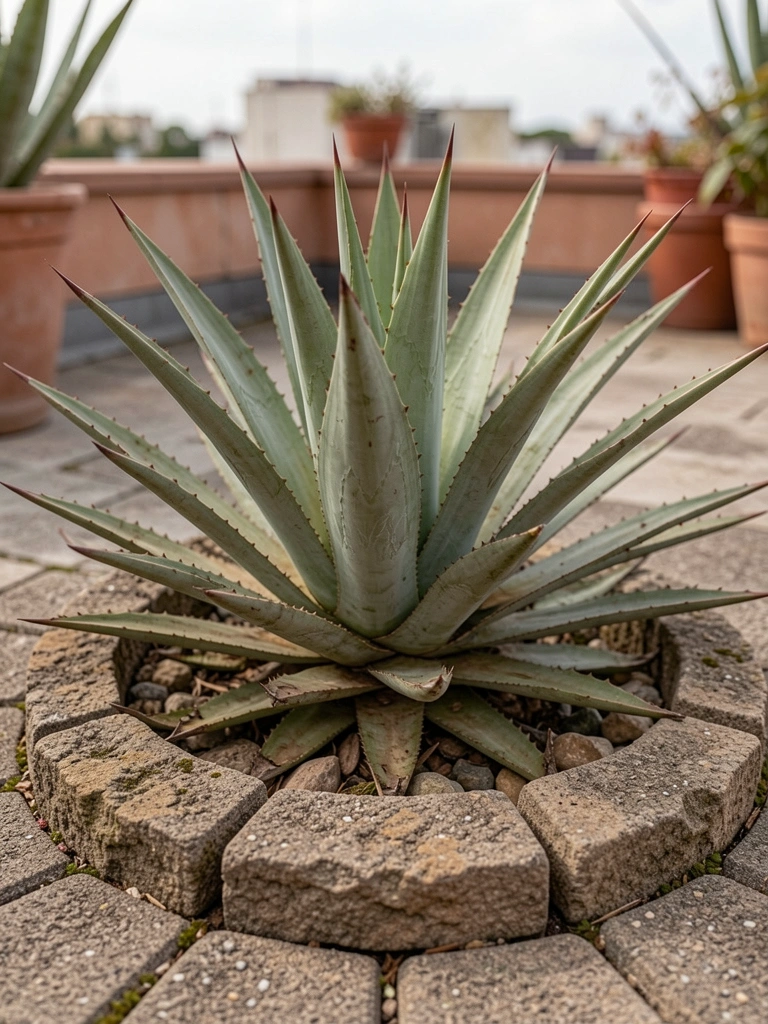
    11. Minimalist Agave Focal Point with Pavers

    One big agave centered in pavers. Spikes anchor the space.

    Bold, low-care. Grows sculptural over time.

    Sharp edges—gloves help.

    What You’ll Need for This Look

    Final Thoughts

    Pick one or two ideas that match your light and wind. Start there—no need for the whole list.

    My rooftops grew bit by bit. Yours will settle in too. Enjoy the quiet up there. You've got this.