Blog

  • 27 Aesthetic Small Patio Garden Decor For A Stylish Tiny Space

    27 Aesthetic Small Patio Garden Decor For A Stylish Tiny Space

    I used to cram plants anywhere and then wonder why nothing felt finished.

    Now I plan small scenes—one corner, one chair, one plant combo—and it changes the whole patio.

    These ideas are the things I actually built, messed up, and fixed. You can copy any of them.

    27 Aesthetic Small Patio Garden Decor For A Stylish Tiny Space

    These 27 ideas are real, practical ways to make a small patio feel intentional and cozy.
    I include lighting, planters, seating, and storage—everything you can set up without a landscaper.
    Try one or combine a few; all 27 are here.

    1. Layered Container Planting That Makes a Patio Feel Full

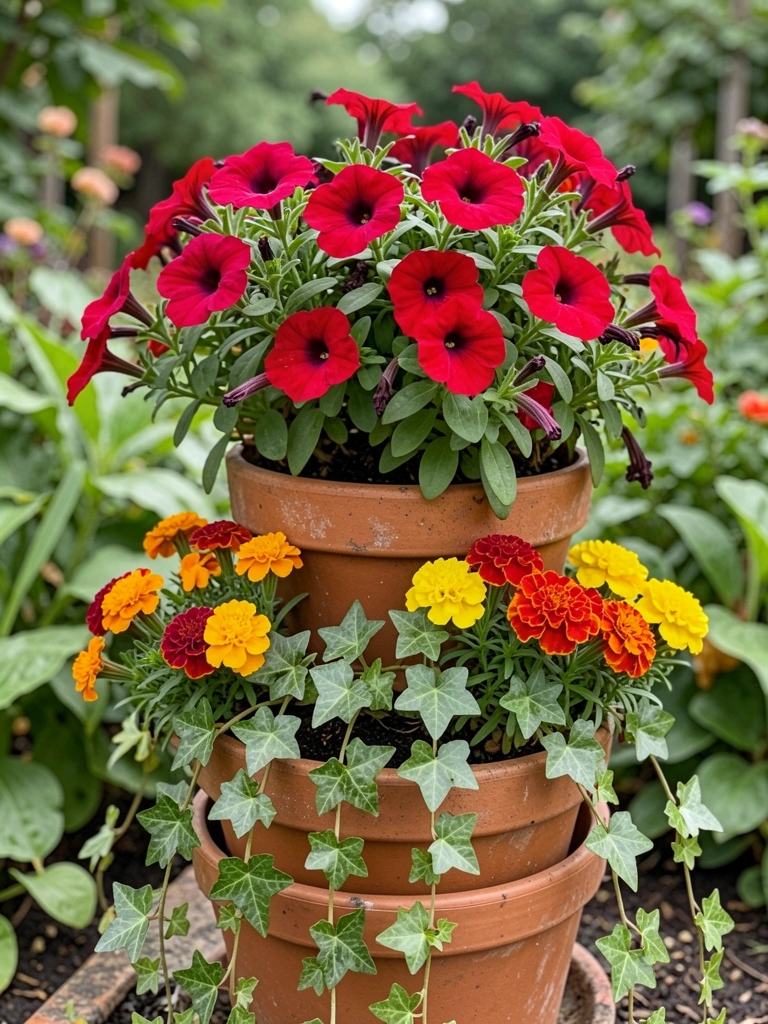
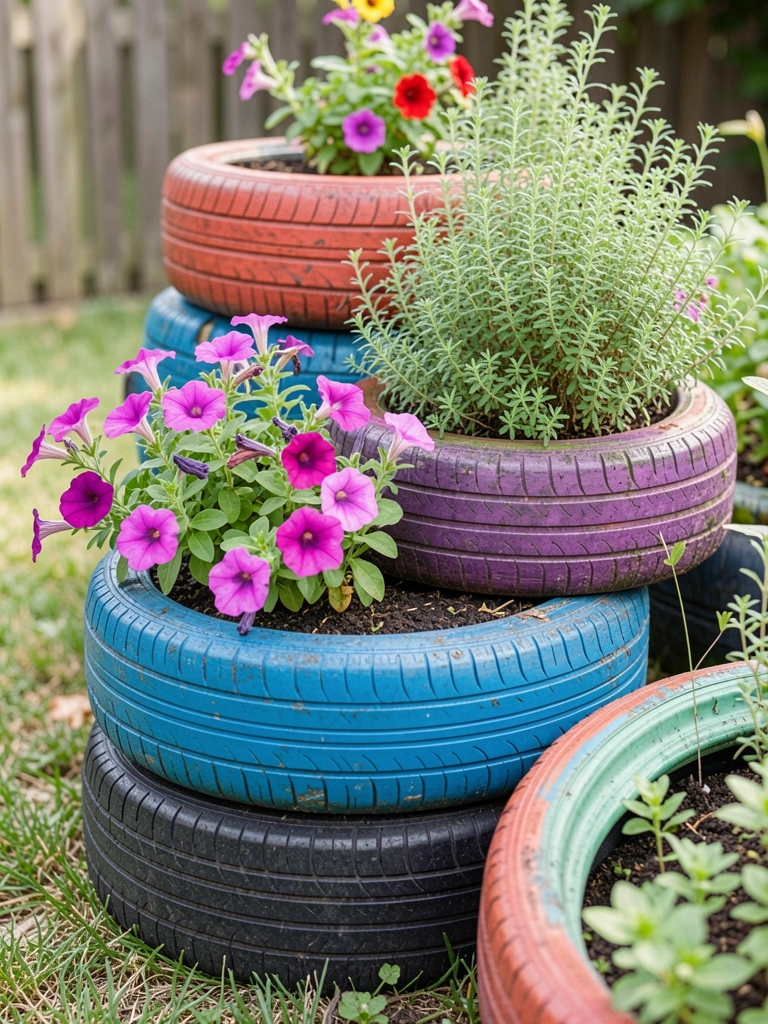
    I layered three pots of different heights on my tiny step and suddenly the space read like a little garden. I used a tall statement pot, a mid planter and a small saucer for trailing plants. Early on I bought identical pots and everything looked flat—varying heights fix that.

    It feels lush without crowding. I water from the top pot down and trim trailing vines monthly.

    What You’ll Need for This Look

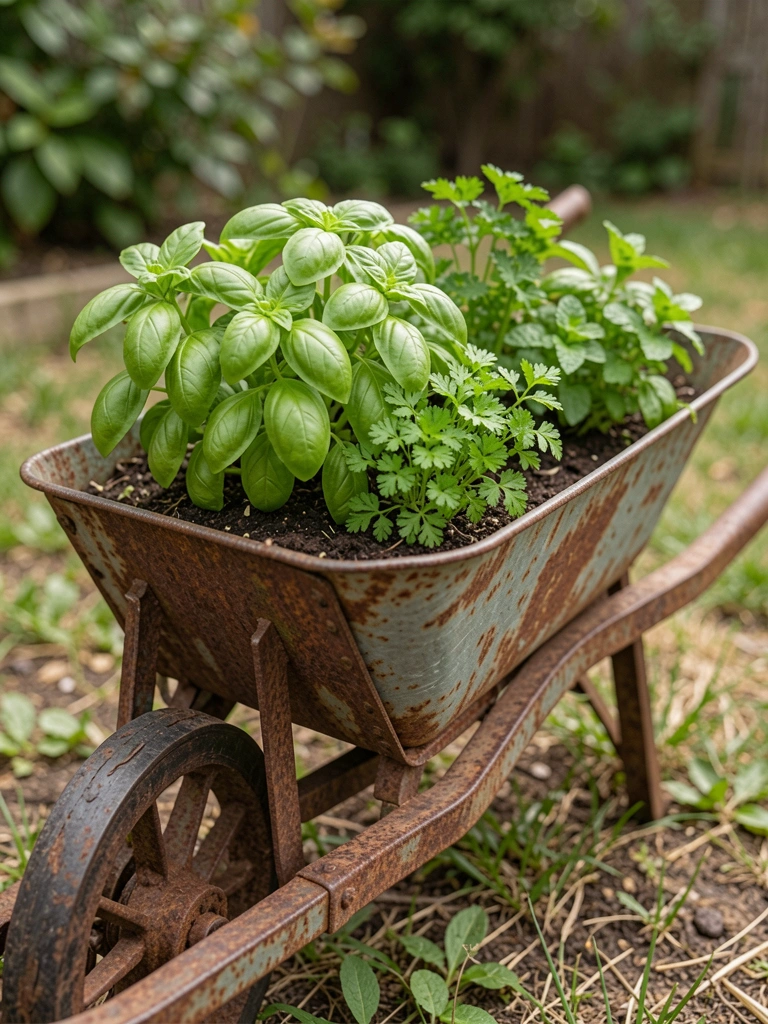
    2. Vertical Herb Wall on a Slim Pallet

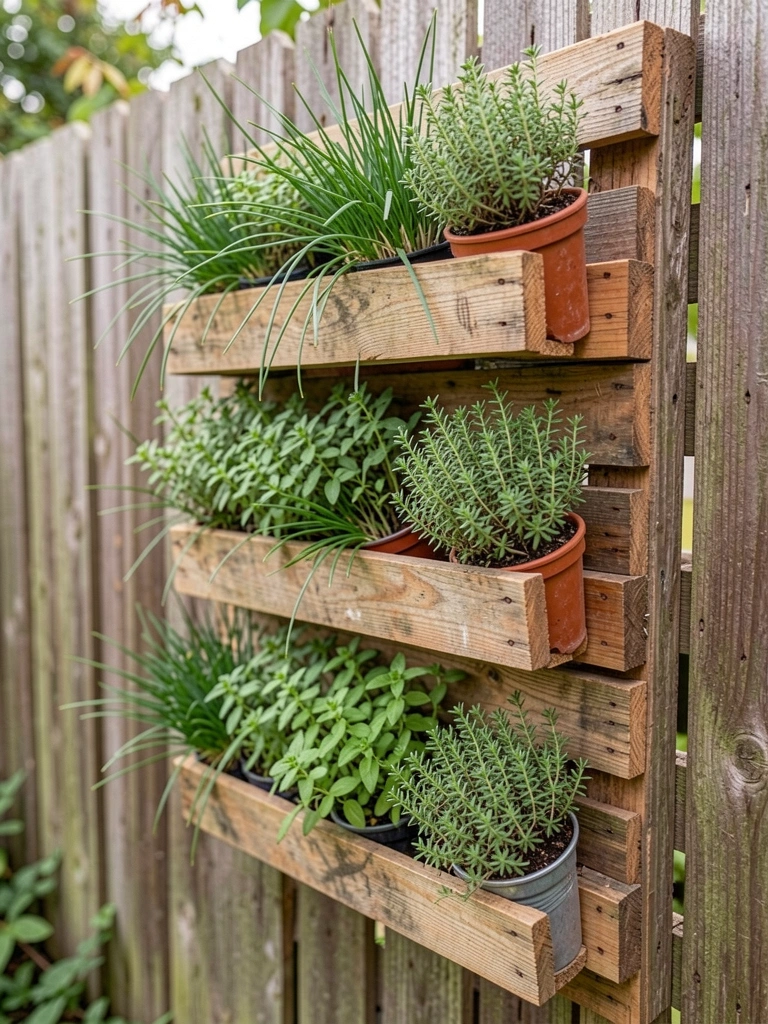
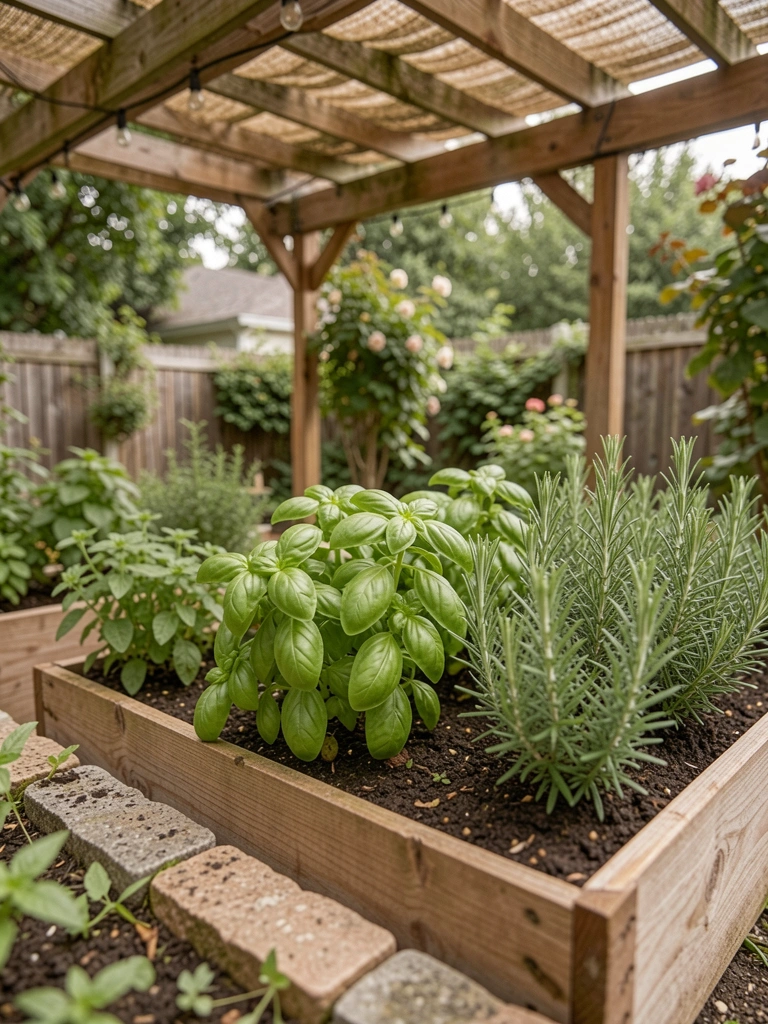
    I built a slim herb wall with a reclaimed pallet against a fence. It fits where a chair might, and I harvest from eye level. I once planted basil too deep and it rot; now I pot herbs in good-draining mix and keep the pallet slightly tilted.

    It smells good and earns its spot—fresh mint, thyme, and a greedy basil plant.

    What You’ll Need for This Look

    3. Fairy-Light Canopy That Doubles as Ambience

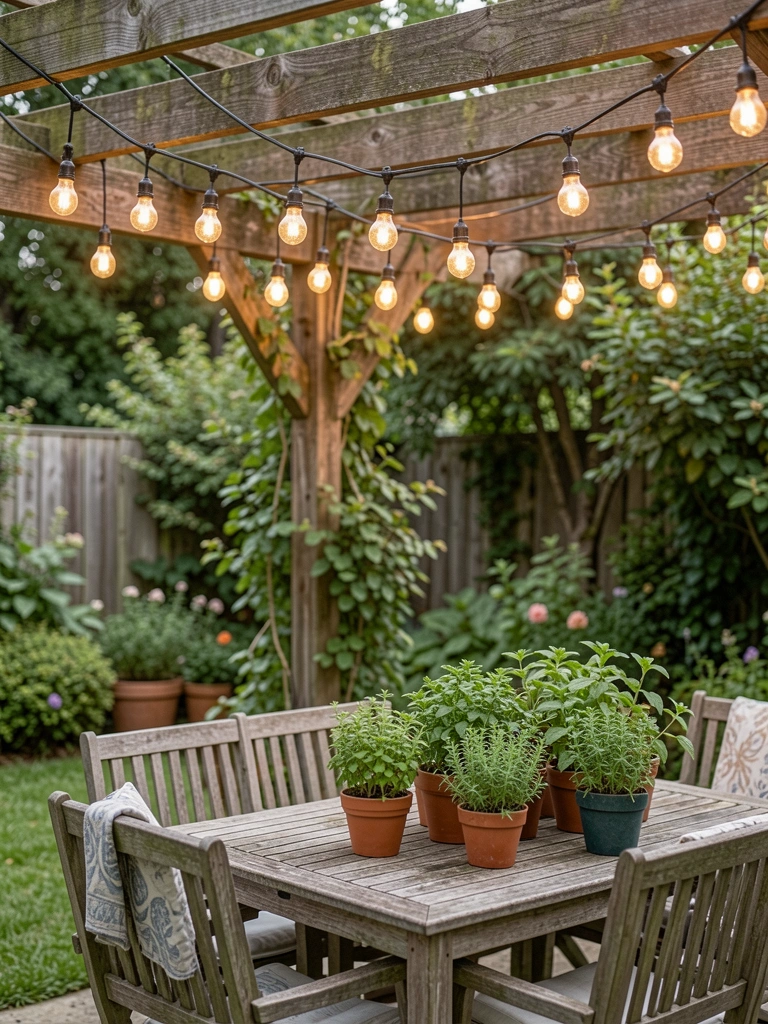
    I strung warm white fairy lights across my patio and it changed our evenings. I made the mistake of using cool white once—too harsh. Now I use warm bulbs and clip lights to a wire so they stay neat.

    They’re low-power and create a cozy canopy without big fixtures. I leave them on for soft late-night reading.

    What You’ll Need for This Look

    4. A Tiny Bistro Set Anchored with a Rug

    I bought a folding bistro set for a morning coffee nook. At first the metal legs scratched the floor—I added felt pads and a small outdoor rug. The rug ties the chairs and plants together and hides stains.

    It’s my favorite morning spot. Choose a rug that breathes and dries fast.

    What You’ll Need for This Look

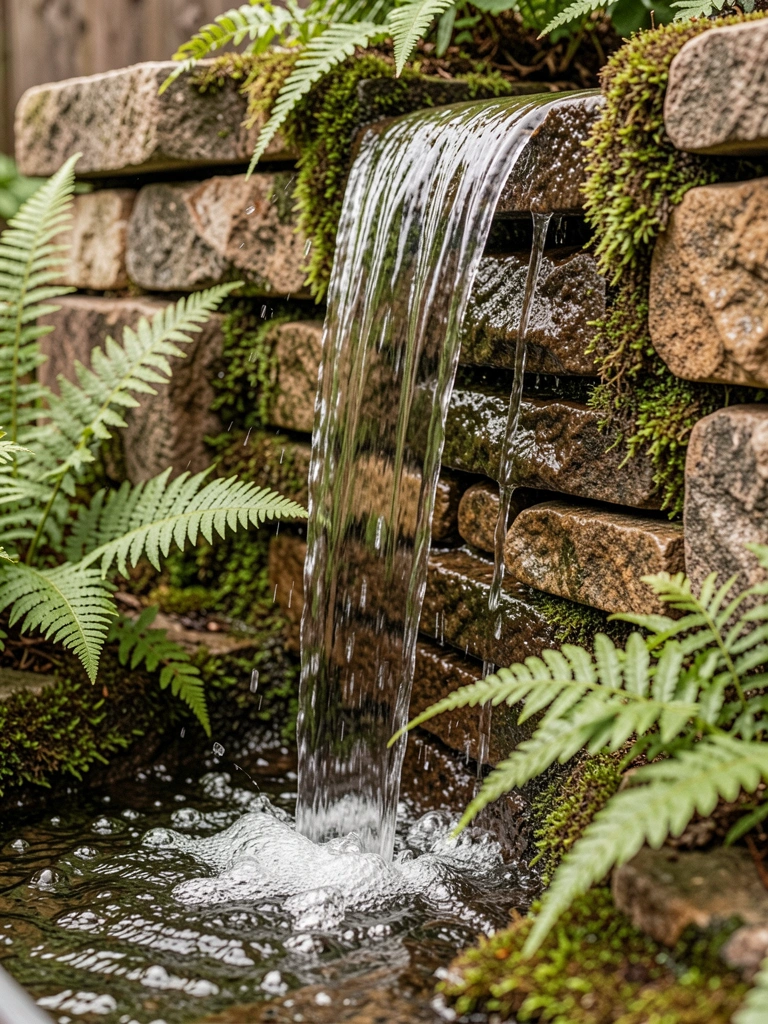
    5. Mini Water Feature for Gentle Sound

    I added a tiny recirculating fountain on a side table and suddenly the patio felt calmer. I learned the pump size matters—too weak and the trickle stops; too strong and it splashes. I settled on a pump with adjustable flow.

    It masks street noise and keeps humidity for nearby ferns.

    What You’ll Need for This Look

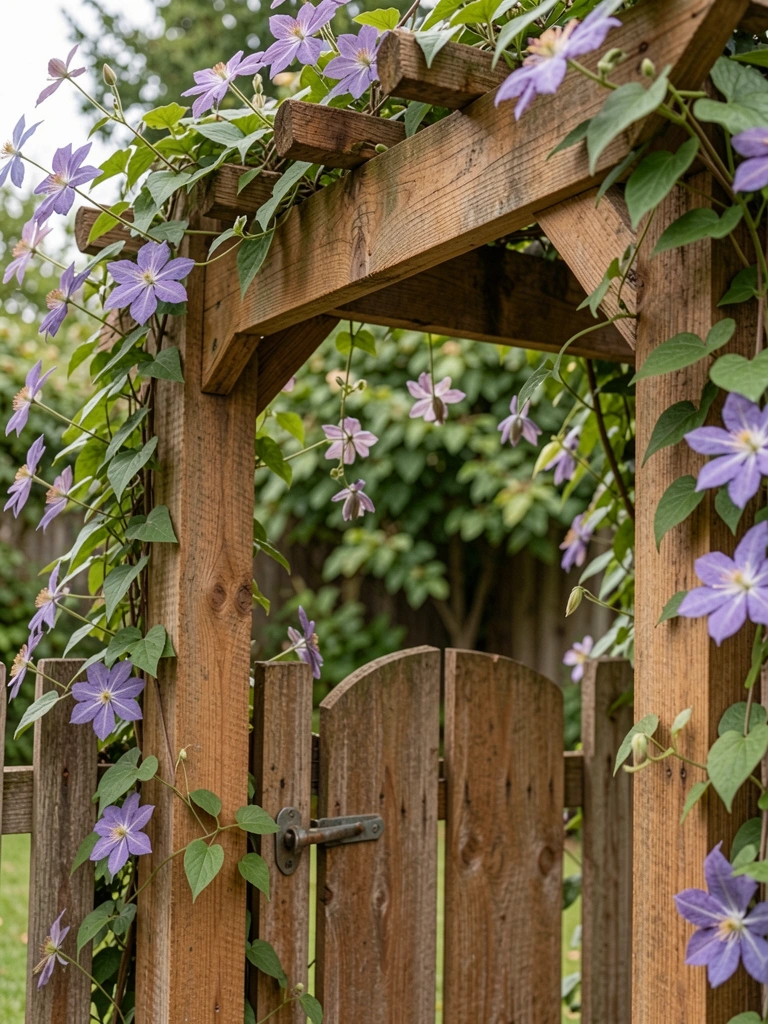
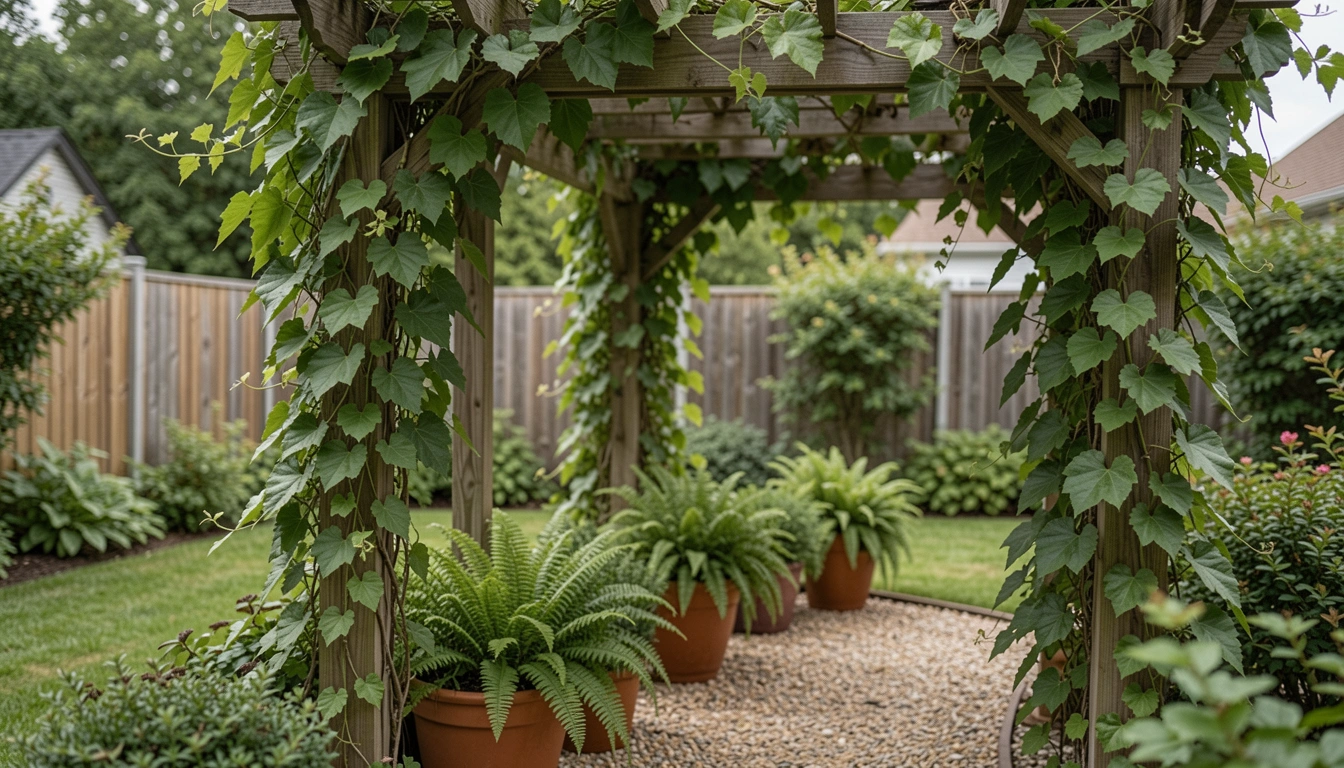
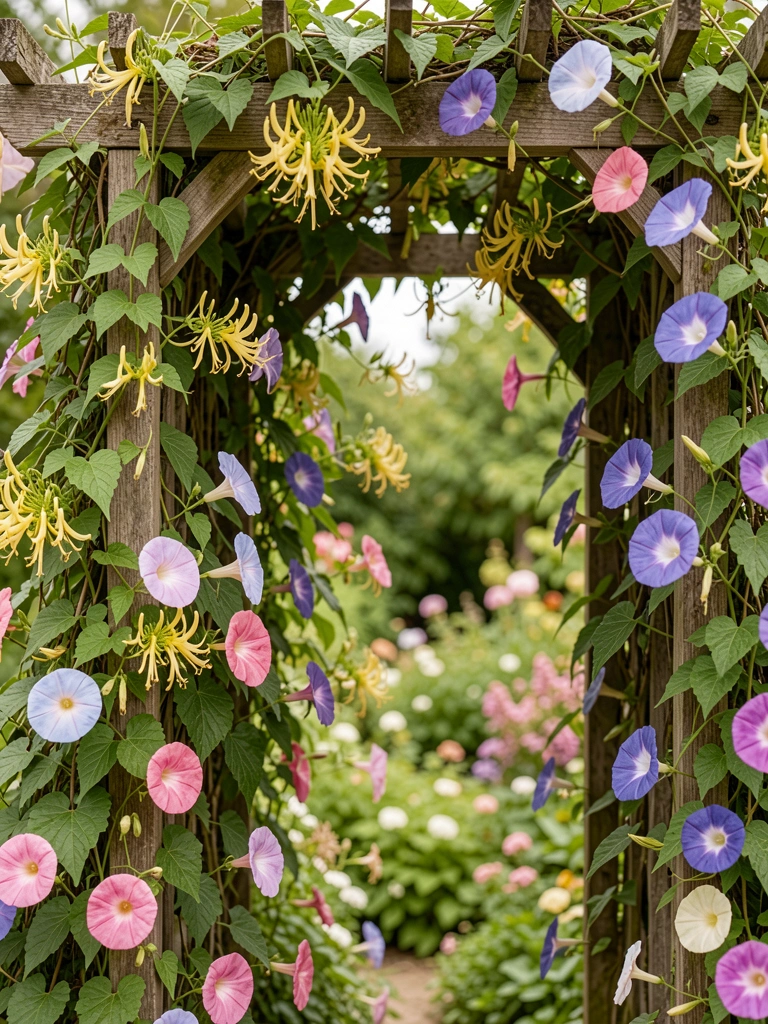
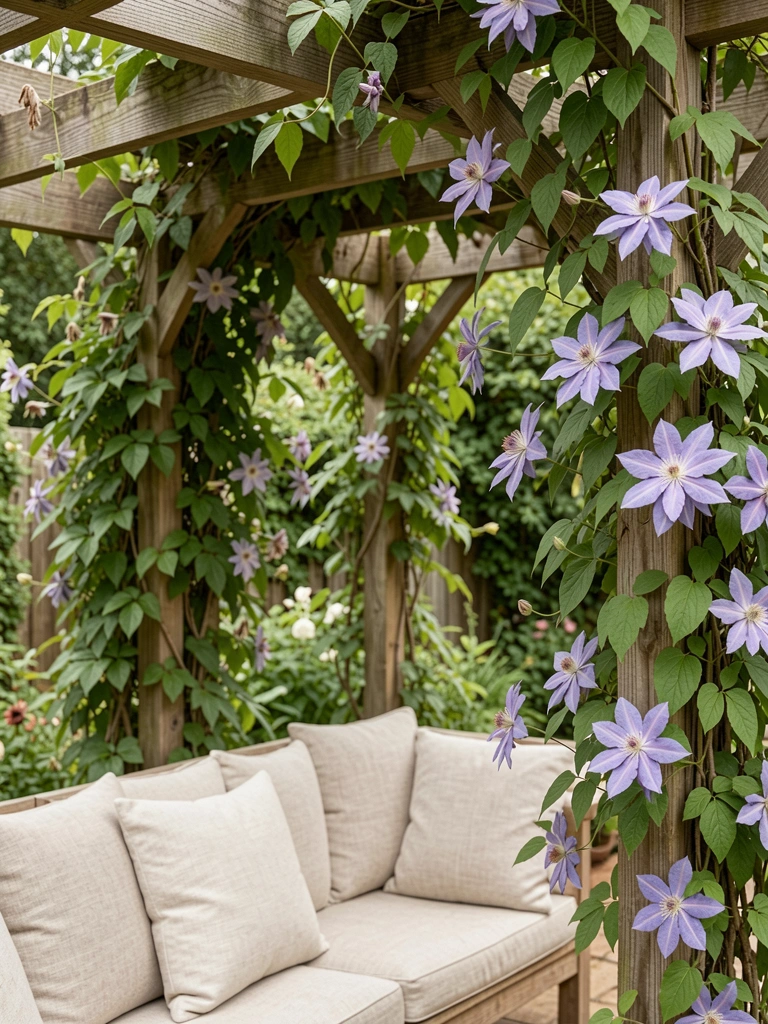
    6. Trellis with Clematis or Jasmine for Vertical Green

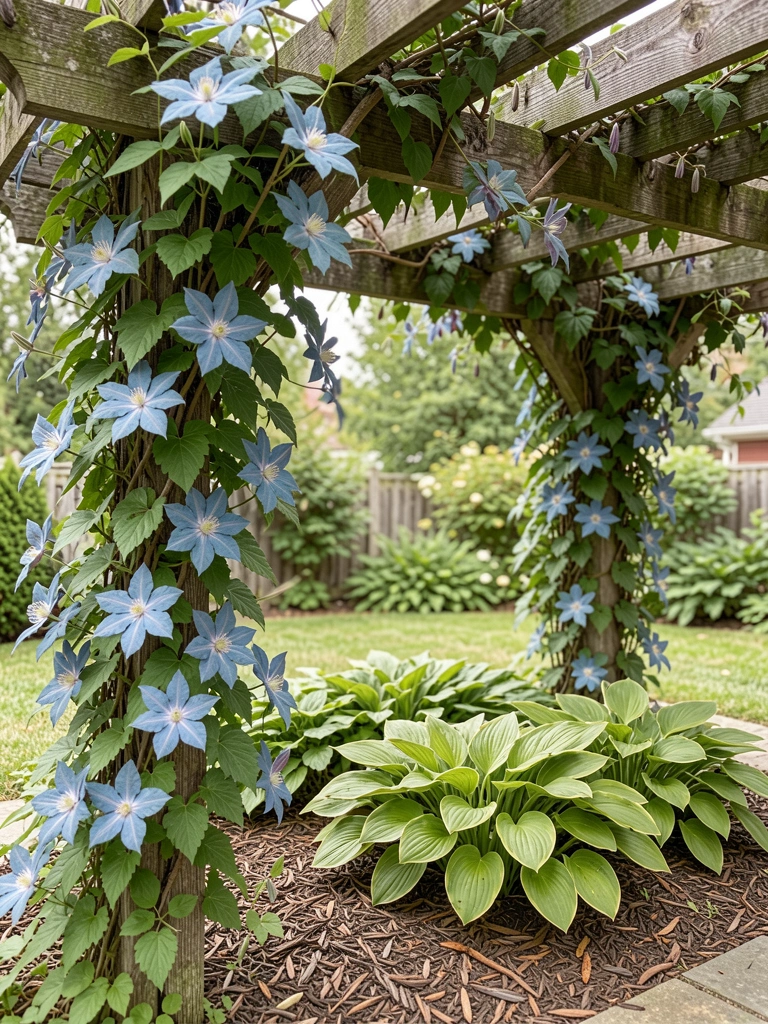
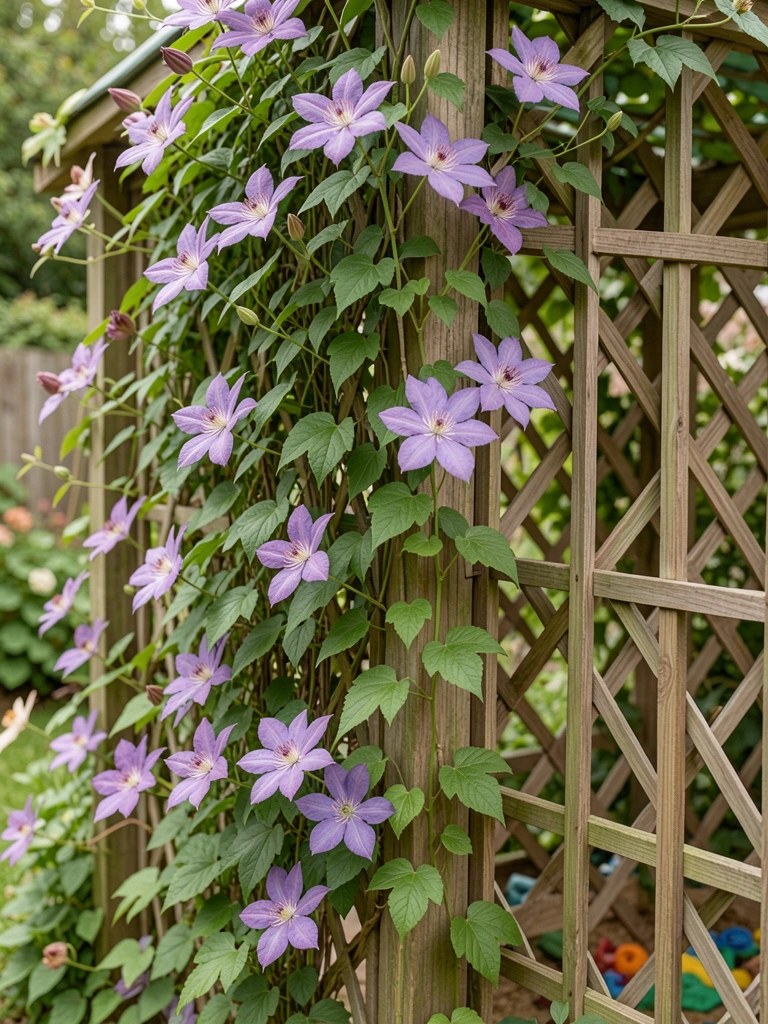
    I added a trellis to a blank wall and trained clematis up it. First season the vines sulked because I planted in too-small pots. After repotting into deeper containers they exploded with flowers.

    A tall trellis creates a green backdrop without using floor space. I prune once a year to keep things tidy.

    What You’ll Need for This Look

    7. Window Boxes With Trailing Annuals

    Window boxes forced me to think horizontally. I planted trailing petunia, a mid-layer geranium, and low filler—three levels in one shallow box. I once used garden soil and had drainage issues; now I use lighter potting mix and check drainage holes.

    They soften hard rail lines and give color at eye level.

    What You’ll Need for This Look

    8. Mirror on the Fence for Instant Depth

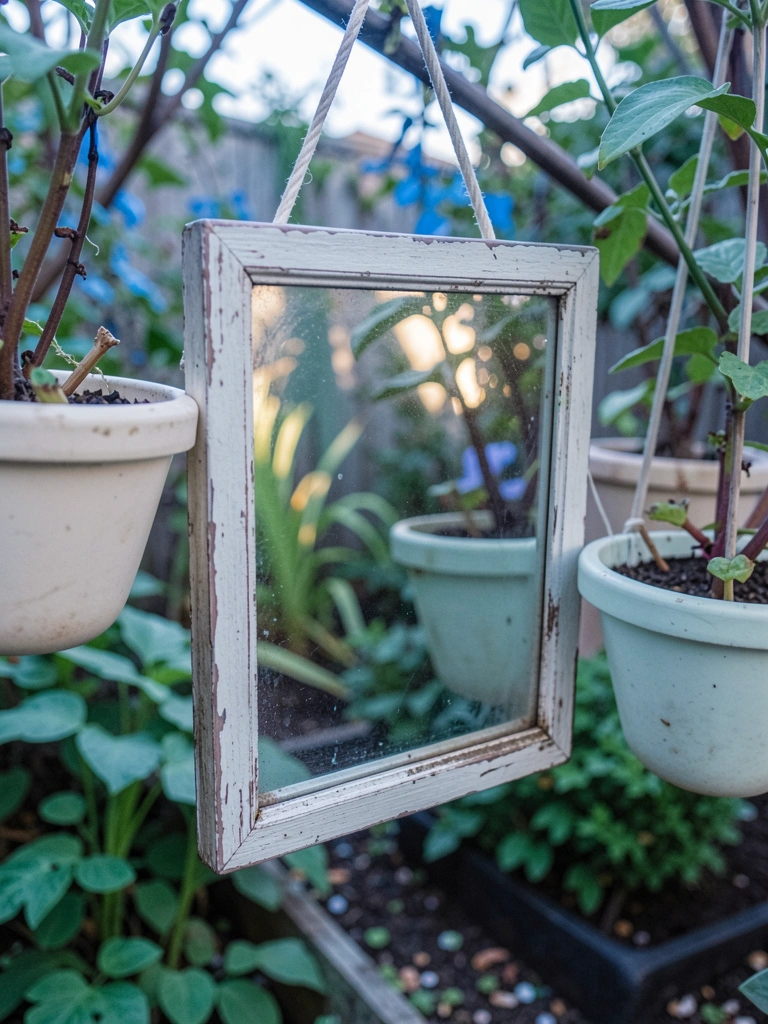
    I hung an outdoor mirror and it doubled the visual space. Early on I picked a frame that warped in sun; invest in a weatherproof mirror. The reflection brightens shaded corners and makes the patio feel wider.

    I angle it slightly to catch plants and sky, not the neighbor’s trash cans.

    What You’ll Need for This Look

    9. Narrow Plant Shelf for a Staircase of Green

    I added a narrow, tall shelf to a sliver of patio and stacked small pots. It became my rotating plant nursery. I learned that cheap shelves sagged—opt for metal or sturdier wood for outdoor use.

    It organizes plants at different heights and doubles as a display for pots I like.

    What You’ll Need for This Look

    10. Hanging Macramé Planters for Airy Layers

    I hung macramé planters from a beam and gained vertical layers without losing floor space. At first I overloaded them with heavy pots and the ropes stretched. Now I use lightweight terracotta and know which knots to reinforce.

    They feel airy and bohemian, especially with trailing plants.

    What You’ll Need for This Look

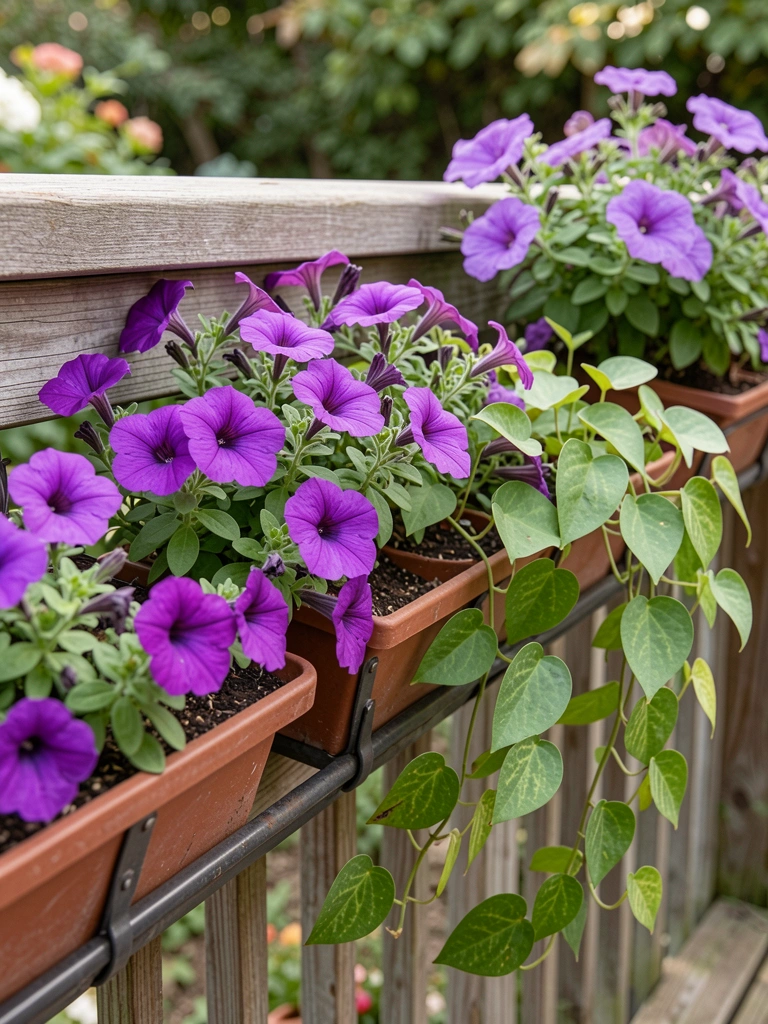
    11. Rail Planters That Don’t Block Views

    Rail planters are my go-to when floor space is tight. I use slim troughs that clip on, so the walk area stays clear. I once chose too-wide planters and lost legroom—measure first. I plant low varieties so they don’t block the sightline.

    They create a green edge and are easy to swap seasonally.

    What You’ll Need for This Look

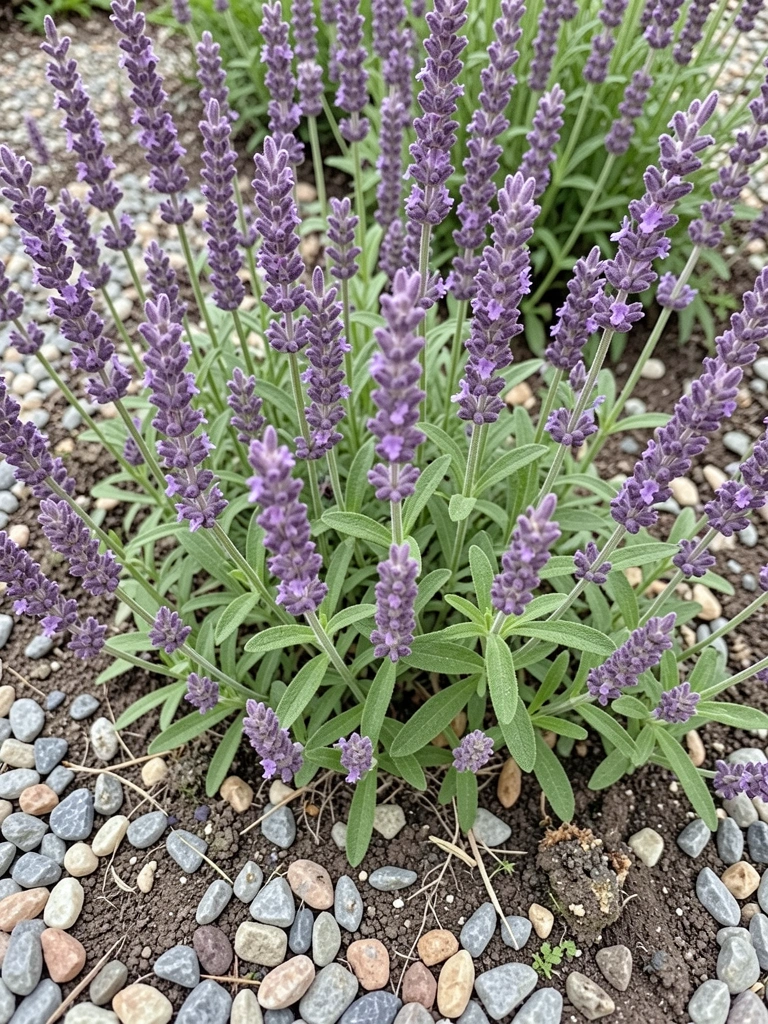
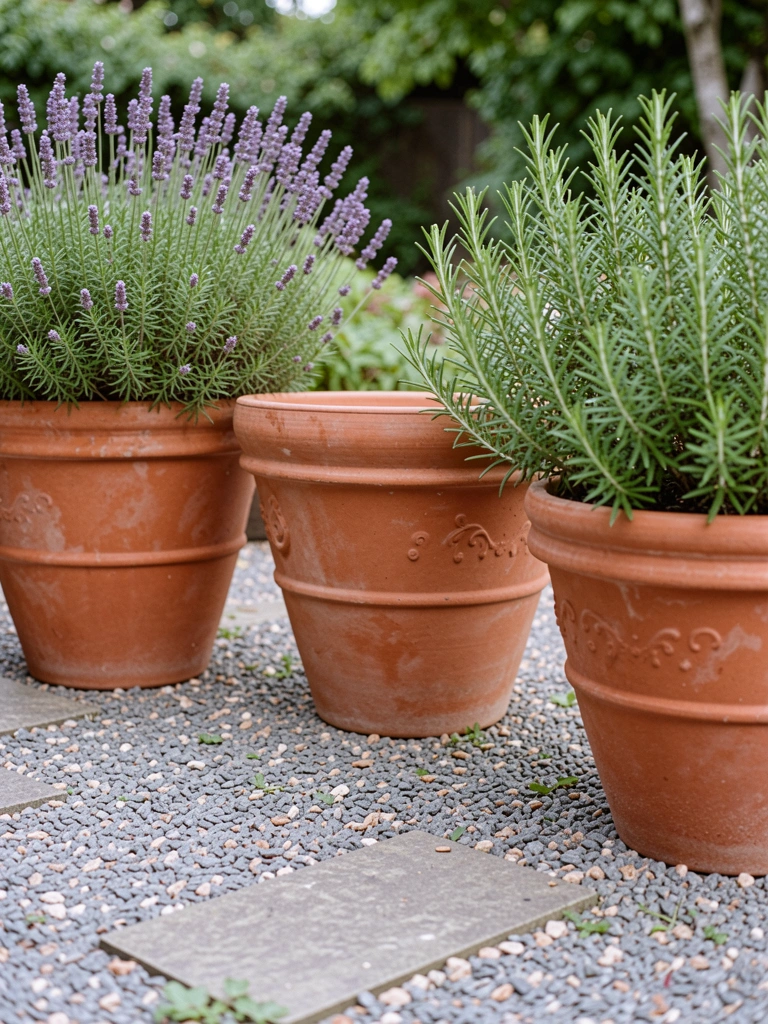
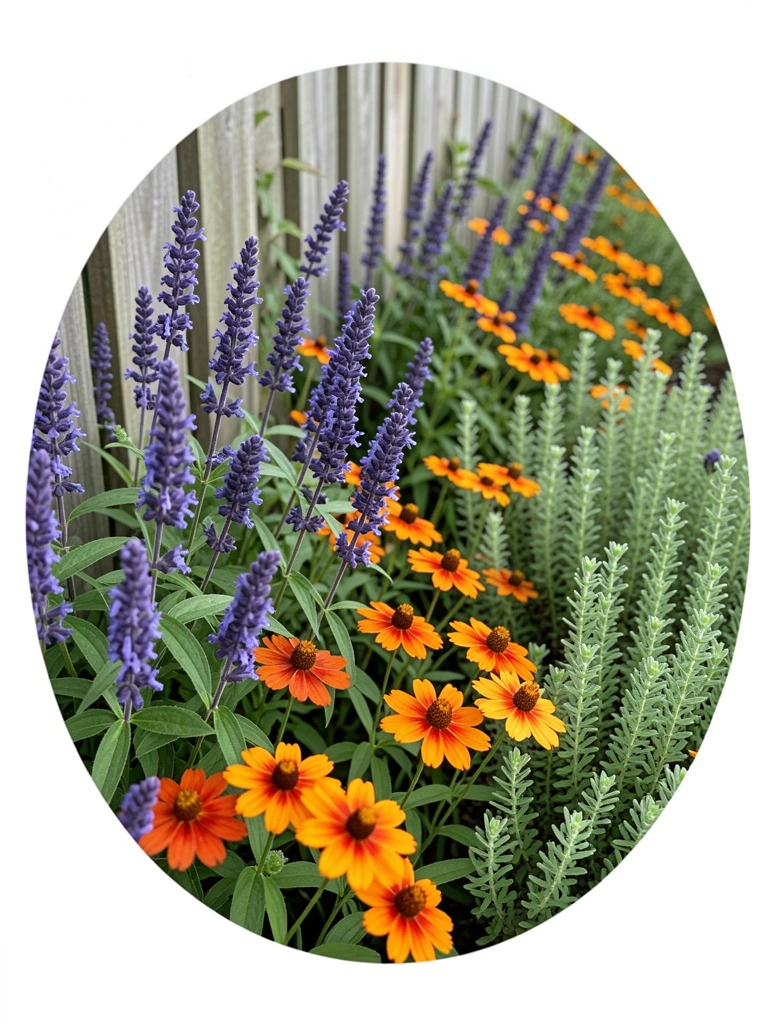
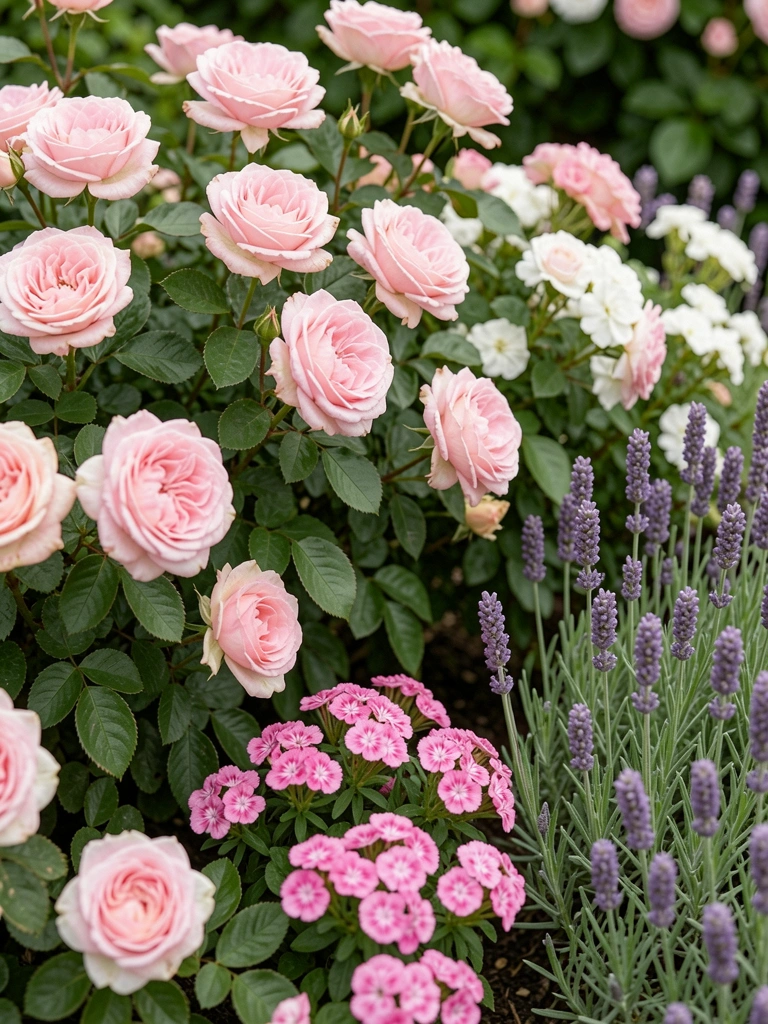
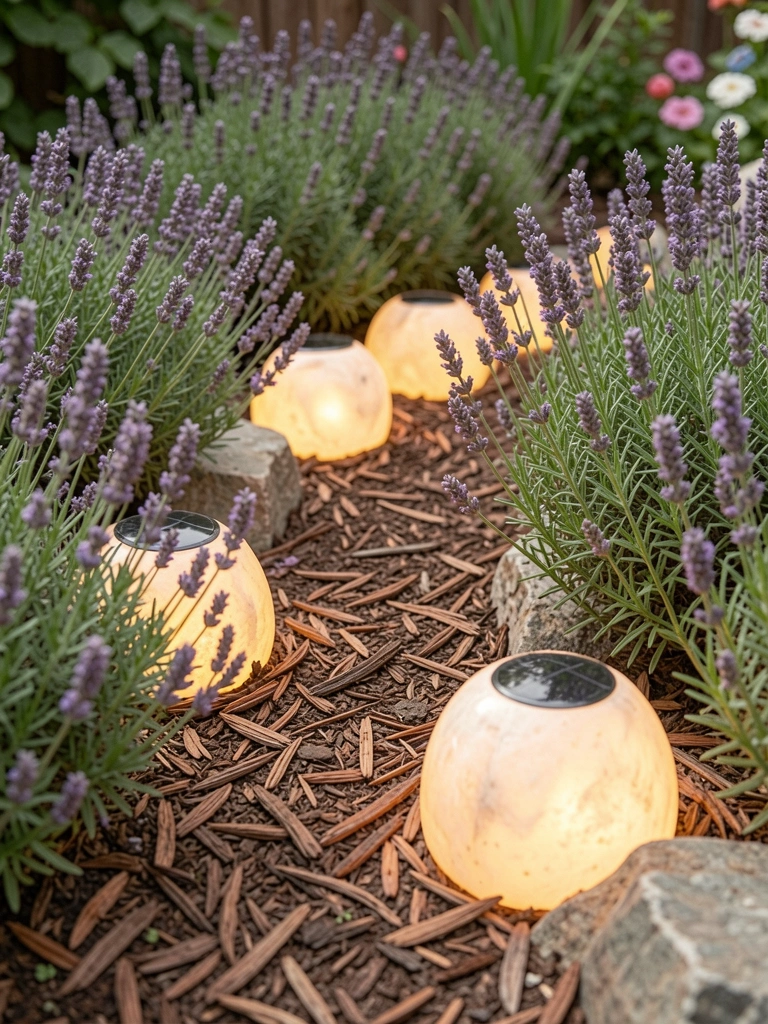
    12. Scented Corner With Lavender and Rosemary

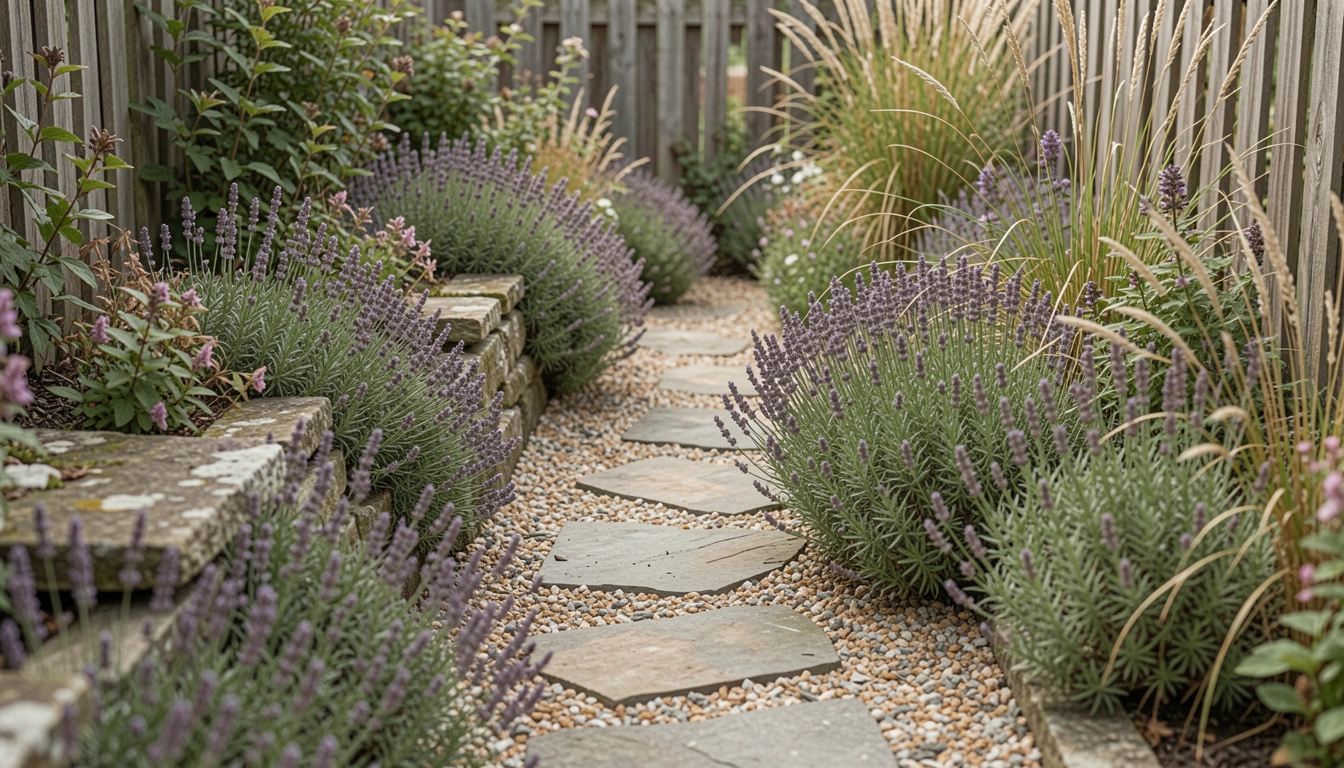
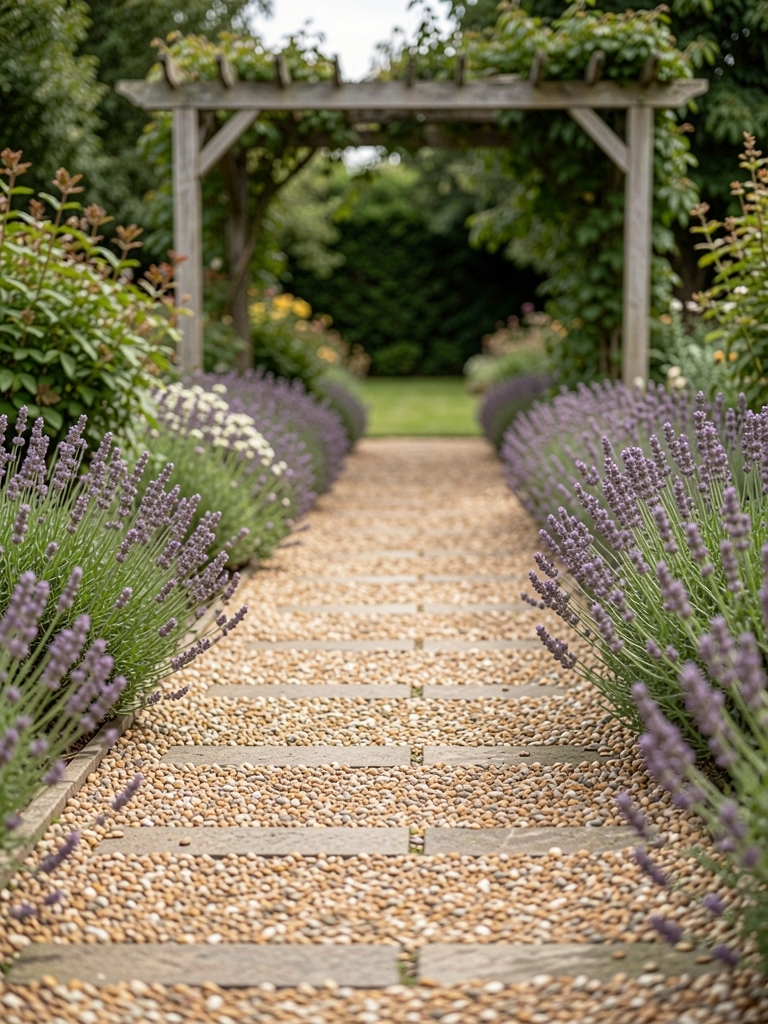
    I created a small scented corner with lavender and rosemary. I sit there in late afternoon and the smell is relaxing. I once planted a big rosemary bush too close to a path and it got trampled—keep scent plants slightly inset.

    They’re drought-tolerant and attract pollinators without overwhelming the space.

    What You’ll Need for This Look

    13. Painted Pots in a Soft Palette

    I painted cheap plastic pots in a muted palette and they suddenly matched everything. At first I used glossy paint that flaked; now I prime and use outdoor acrylic for durability. The subtle colors keep the space calm and cohesive.

    It’s a quick visual upgrade that ties different plant types together.

    What You’ll Need for This Look

    14. Succulent Tray for a Low-Maintenance Centerpiece

    I made a shallow succulent tray for my table. It’s one thing I don’t baby. I mistakenly used deep soil before and the roots drowned—use a shallow dish and gritty mix. Now it’s stable, pretty, and nearly care-free.

    A tray clusters many textures in one low spot.

    What You’ll Need for This Look

    15. Compact Compost Caddy Hidden in a Bench

    I built a bench with a hidden slot for a small compost caddy. Kitchen scraps go in and the caddy slips out for emptying. I once left food scraps too long and it stank—empty more often than you think.

    It’s tidy, practical, and keeps my patio clean.

    What You’ll Need for This Look

    16. Mini Greenhouse for Seed Starting

    I bought a compact mini greenhouse to start seeds and protect tender plants. It takes up a little vertical space and has been worth it for early spring. I once crammed too many trays and growth stalled—leave room for air circulation.

    It keeps seedlings safe from wind and hungry snails.

    What You’ll Need for This Look

    17. Small Fire Pit Table for Cozy Nights

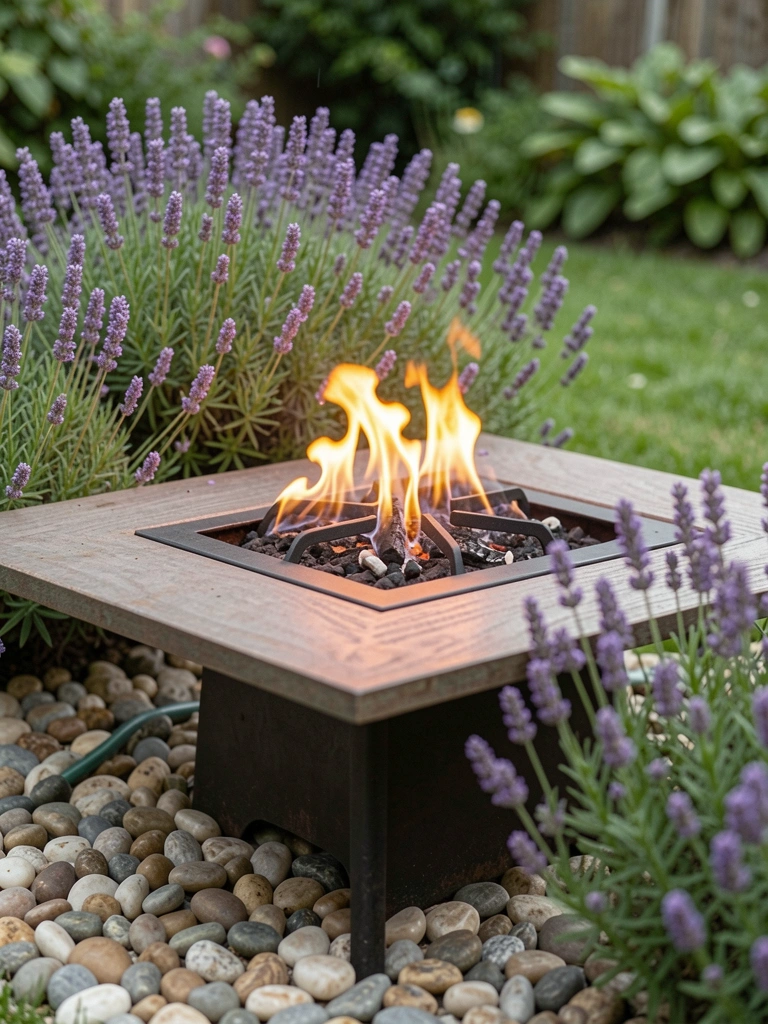
    I added a small propane fire pit table and it extended patio use into chilly evenings. I made sure it fit code and is stable on my decking. Early on I picked a too-large unit that dominated the space—measure before buying.

    It’s social and cozy without needing a full pit.

    What You’ll Need for This Look

    18. Foldable Daybed Cushions for Lounging

    I made a foldable daybed from foam cushions that I bring out on sunny days. It stores easily and makes the patio feel luxe without bulk. I once bought non-waterproof cushions that mildewed—use quick-dry, outdoor fabric.

    It’s a comfortable spot for reading or napping outdoors.

    What You’ll Need for This Look

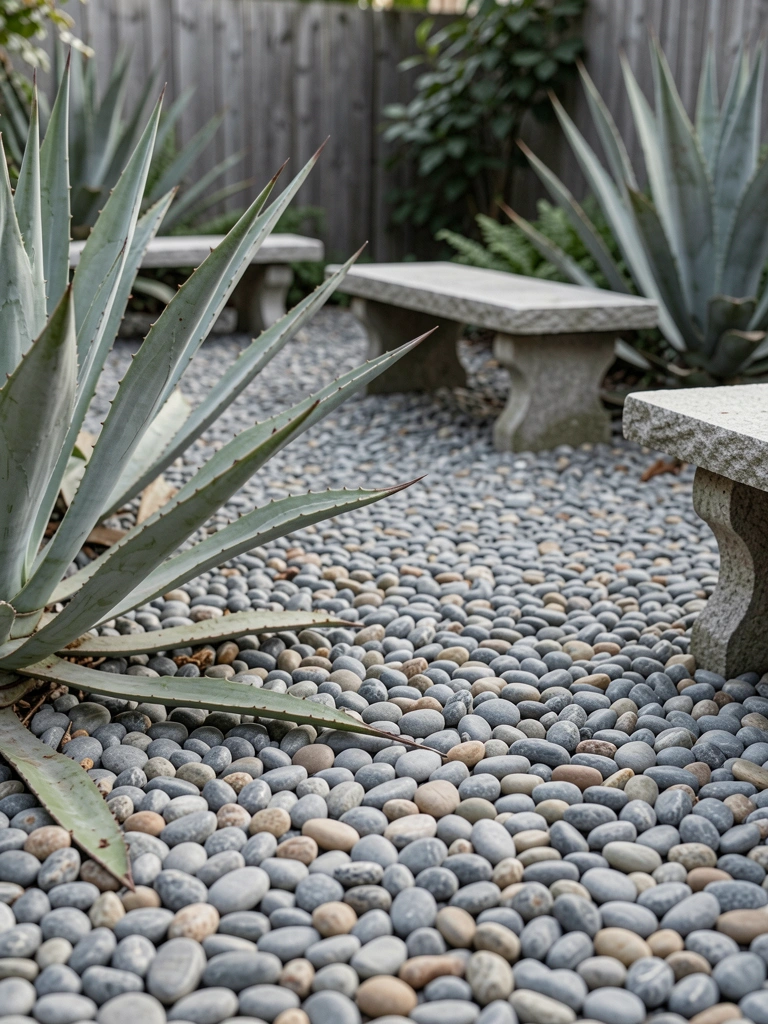
    19. Pebble and Planter Arrangement for a Clean Look

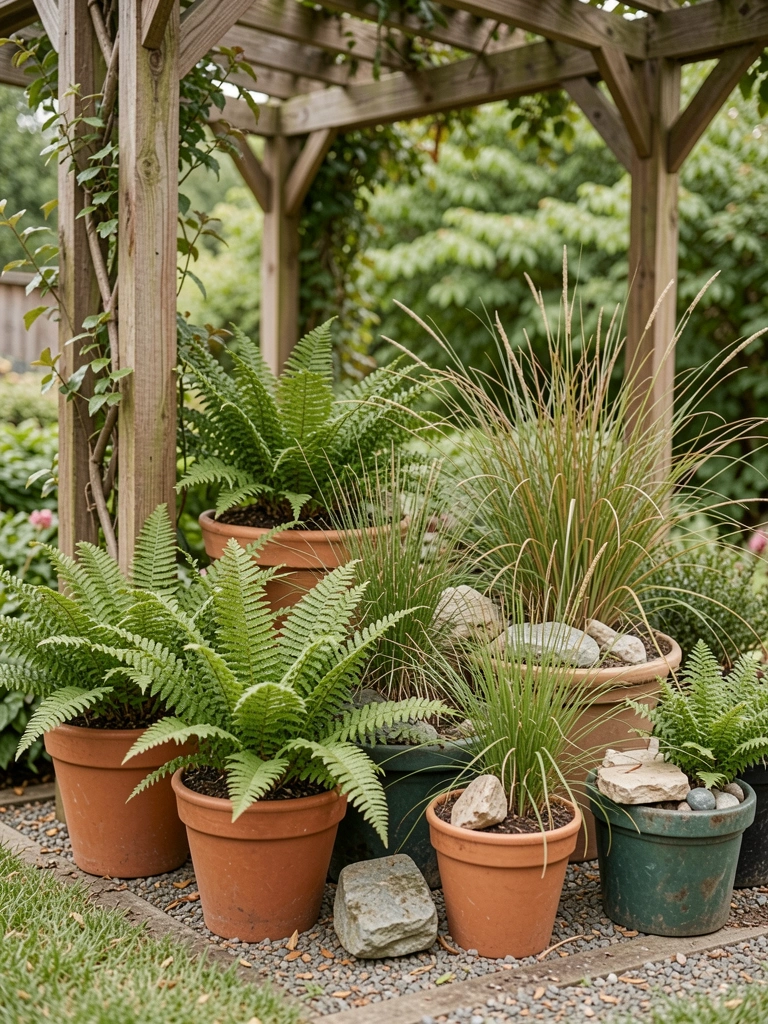
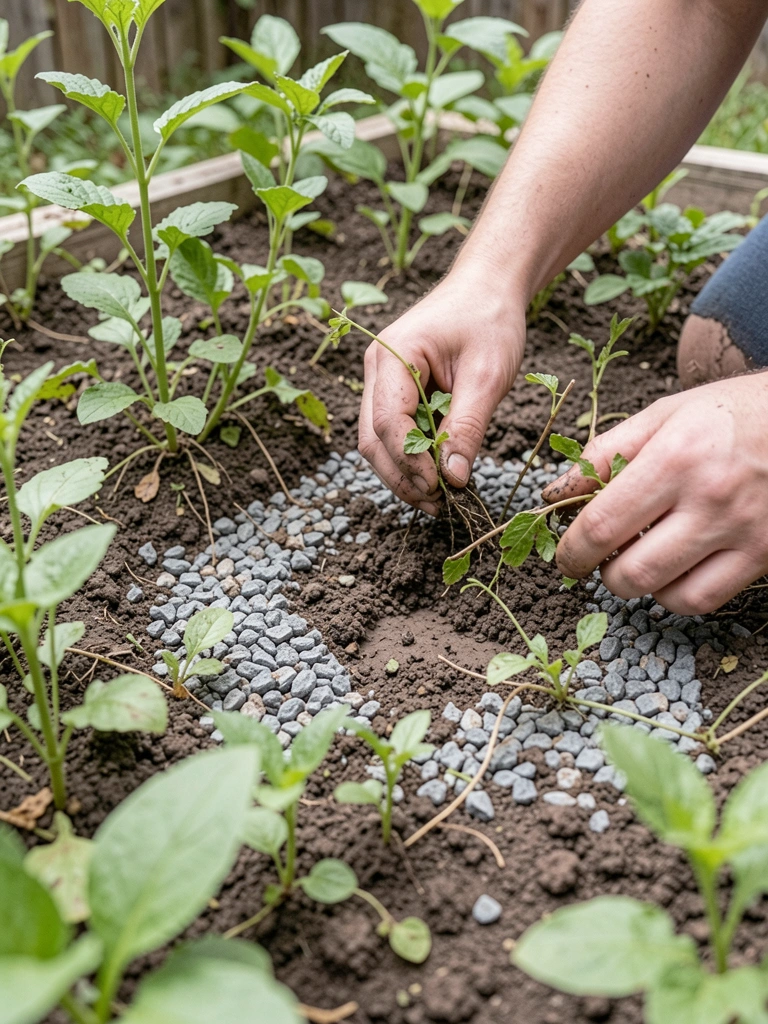
    I cleared a corner, laid decorative pebbles, and grouped planters for a tidy, minimal display. At first I skipped a weed barrier and pulled weeds for weeks—use landscape fabric under the pebbles.

    The clean base makes watering splashes less messy and highlights pots.

    What You’ll Need for This Look

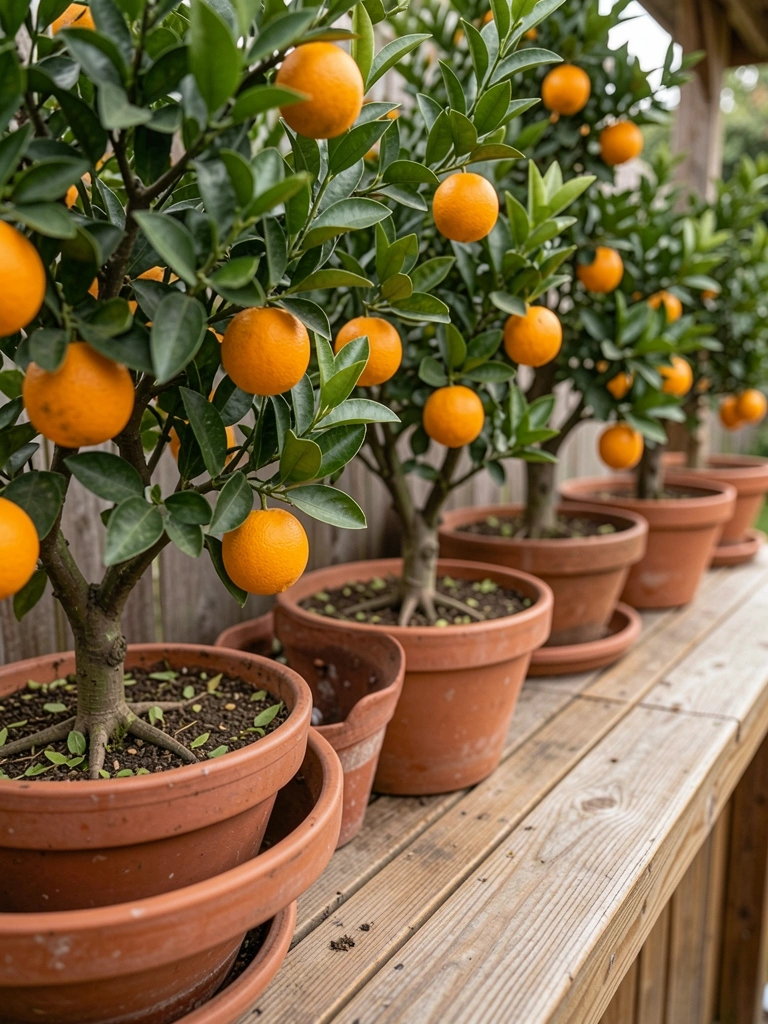
    20. Compact Citrus Trees in Bold Pots

    I grew a dwarf lemon in a large glazed pot and it gives me fruit and fragrance. My mistake was under-watering in summer; citrus needs more frequent checks in containers. I top-dress with fertilizer in spring and it rewards me with blooms.

    A single citrus tree adds color and year-round interest.

    What You’ll Need for This Look

    21. Seasonal Planter Swaps for Year-Round Interest

    I rotate seasonal plants in the same planters—bulbs in spring, colorful annuals in summer, pansies in fall. Early on I overplanted and the pots looked crowded—now I plan spacing and remove spent blooms regularly.

    Swapping seasonally keeps the patio fresh without buying new containers.

    What You’ll Need for This Look

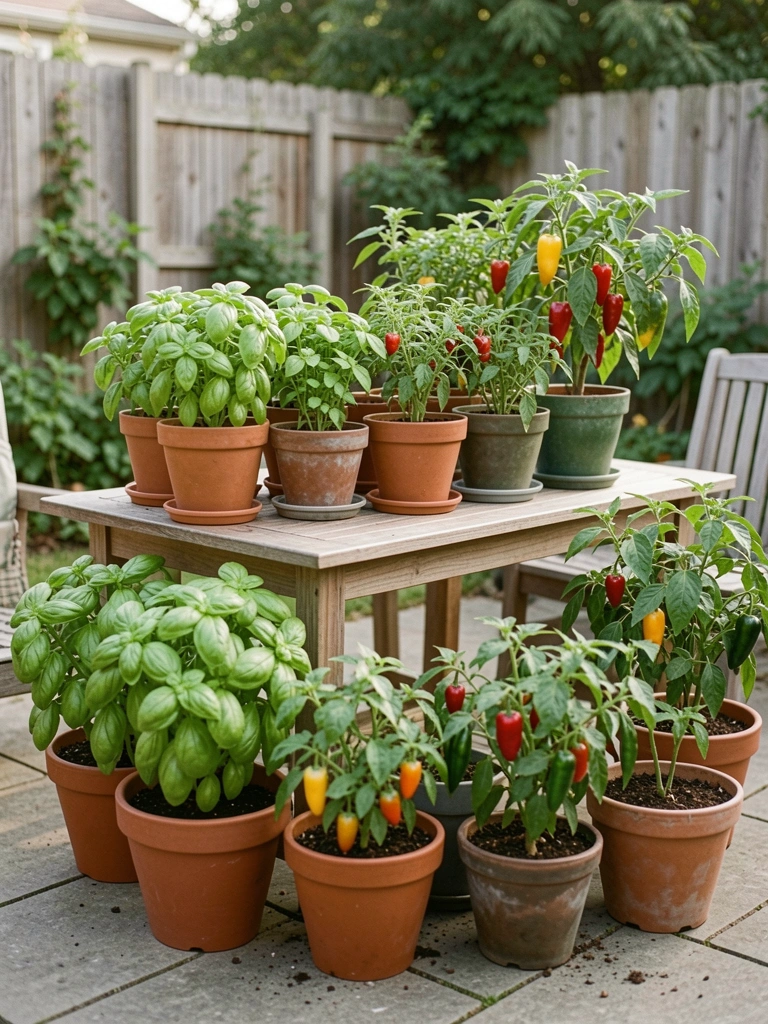
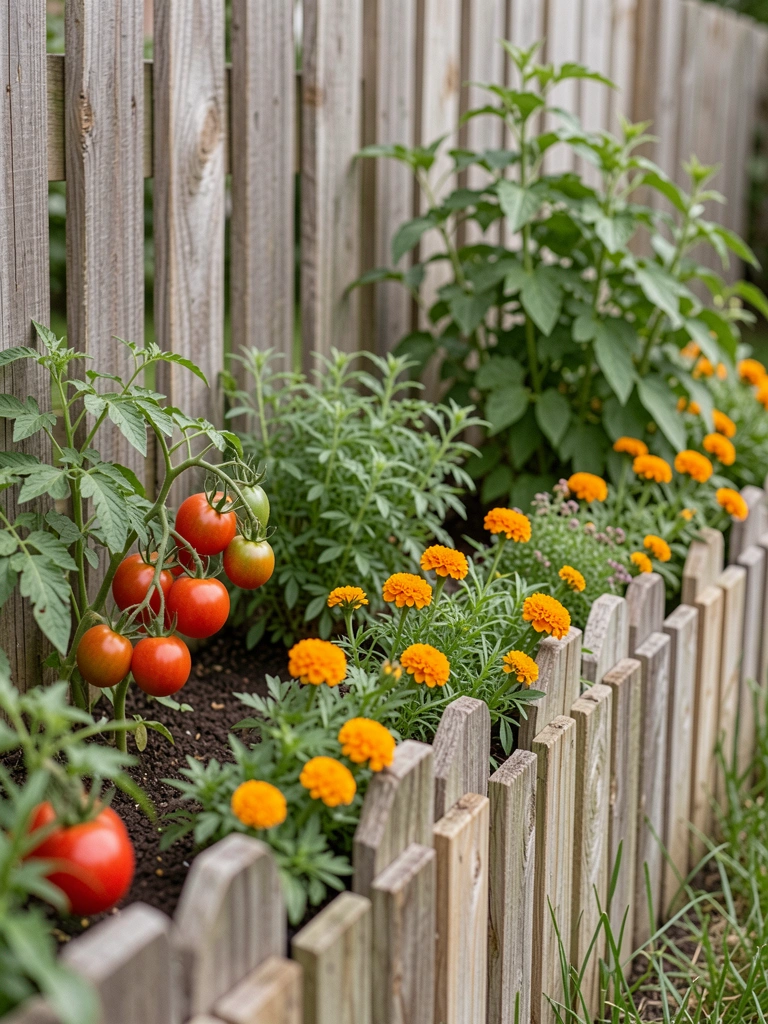
    22. Small-Scale Edible Containers: Tomatoes and Chilies

    I grow patio tomatoes and chilies in large pots. I learned compact varieties are essential—full-size tomatoes flop or crowd. I stake and prune early, and the harvest is surprisingly generous.

    Edible containers give you fresh flavor without a full garden bed.

    What You’ll Need for This Look

    23. Wall-Mounted Storage for Tools and Cushions

    I installed a slim wall rack to hang tools and store cushions. Before that everything ended up on chairs. I once used indoor hooks that rusted—choose outdoor-grade hardware.

    It keeps the floor clear and cushions dry when storms come through.

    What You’ll Need for This Look

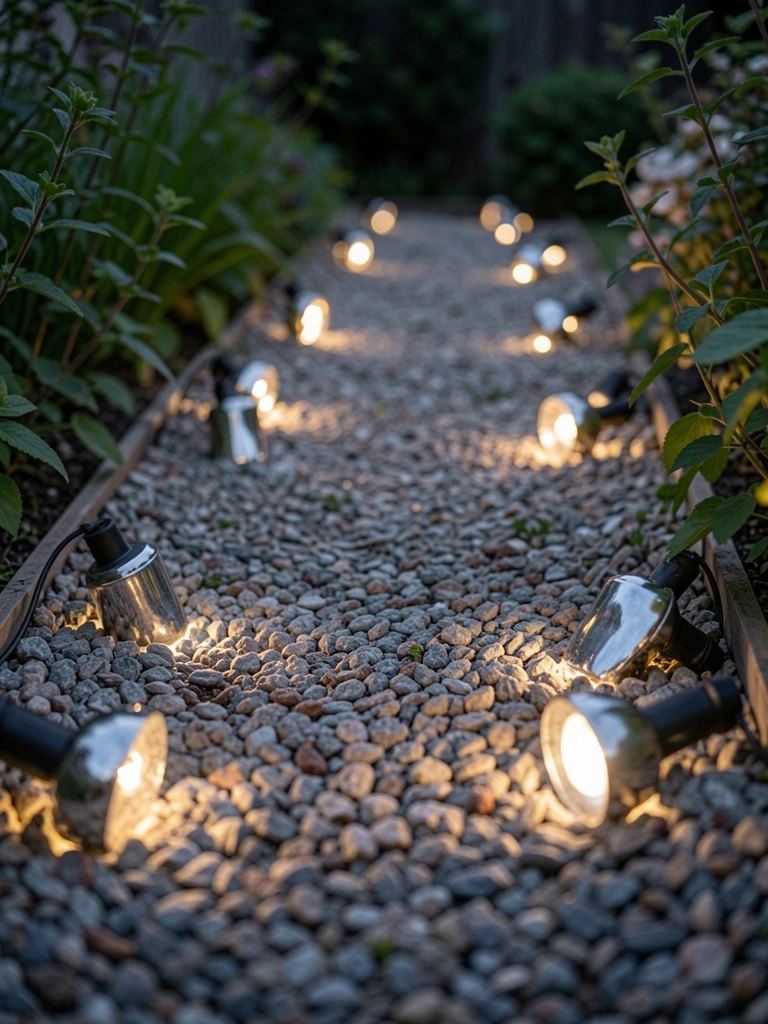
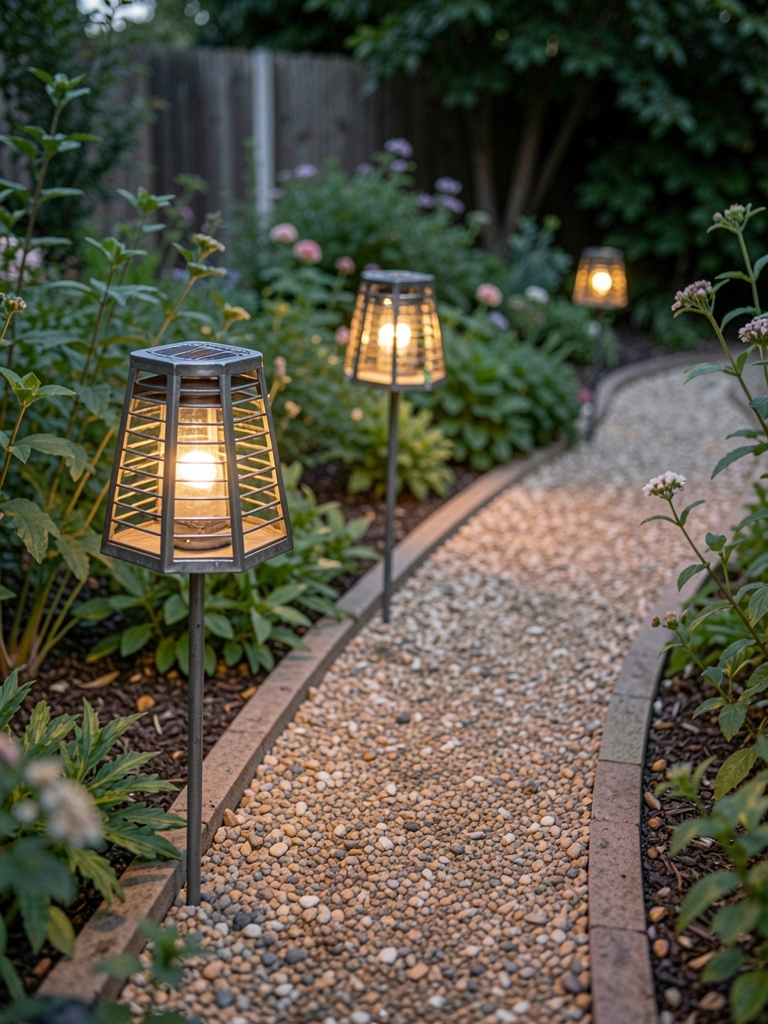
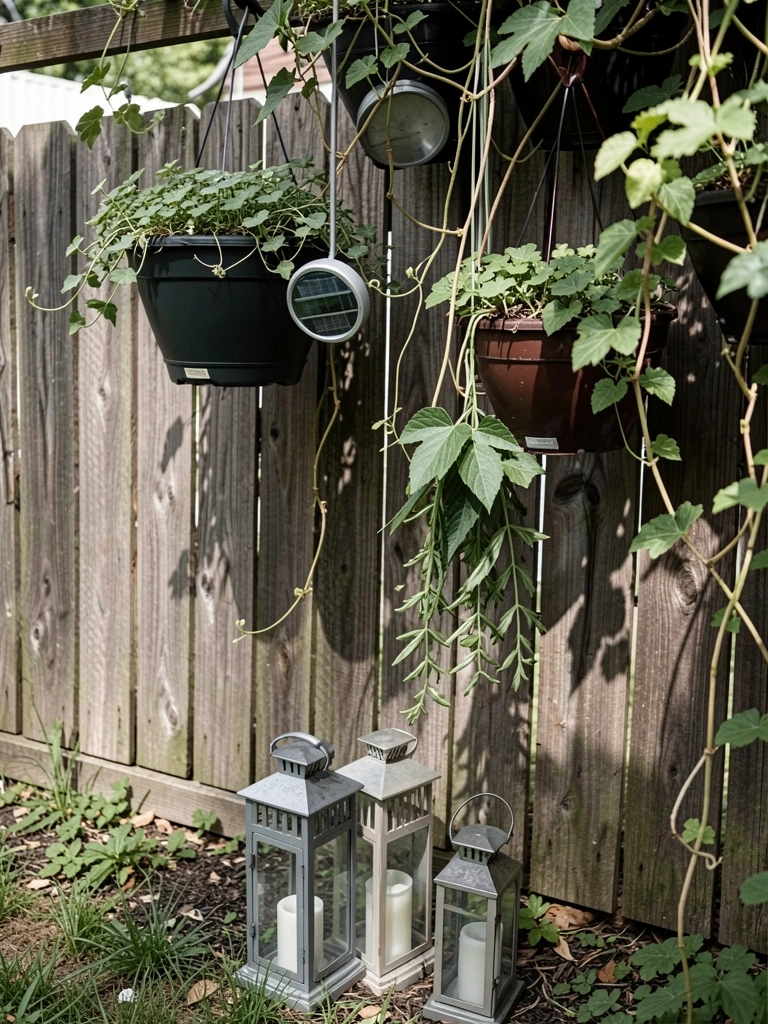
    24. Solar Stake Lights to Outline the Space

    I pushed a few solar stake lights into pots and along the patio edge. They’re zero-maintenance—charge during the day and glow at night. I did once buy cheap ones that died after a season; now I pick ones with higher lumen ratings.

    They outline paths and give soft, safe light.

    What You’ll Need for This Look

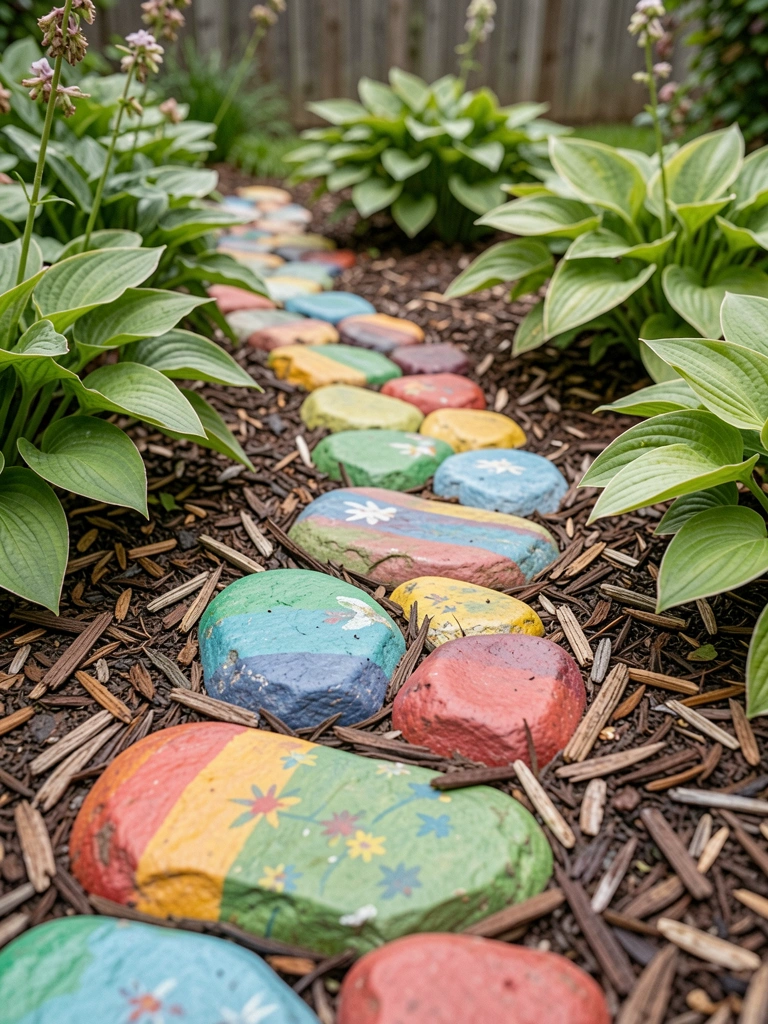
    25. Small Mosaic Stepping Stones as Art

    I made a few small mosaic stepping stones and placed them like art pieces between pots. My first attempt used grout that wasn’t weatherproof and it cracked—use outdoor grout. They add character and a handmade touch without taking space.

    They make your patio feel curated and personal.

    What You’ll Need for This Look

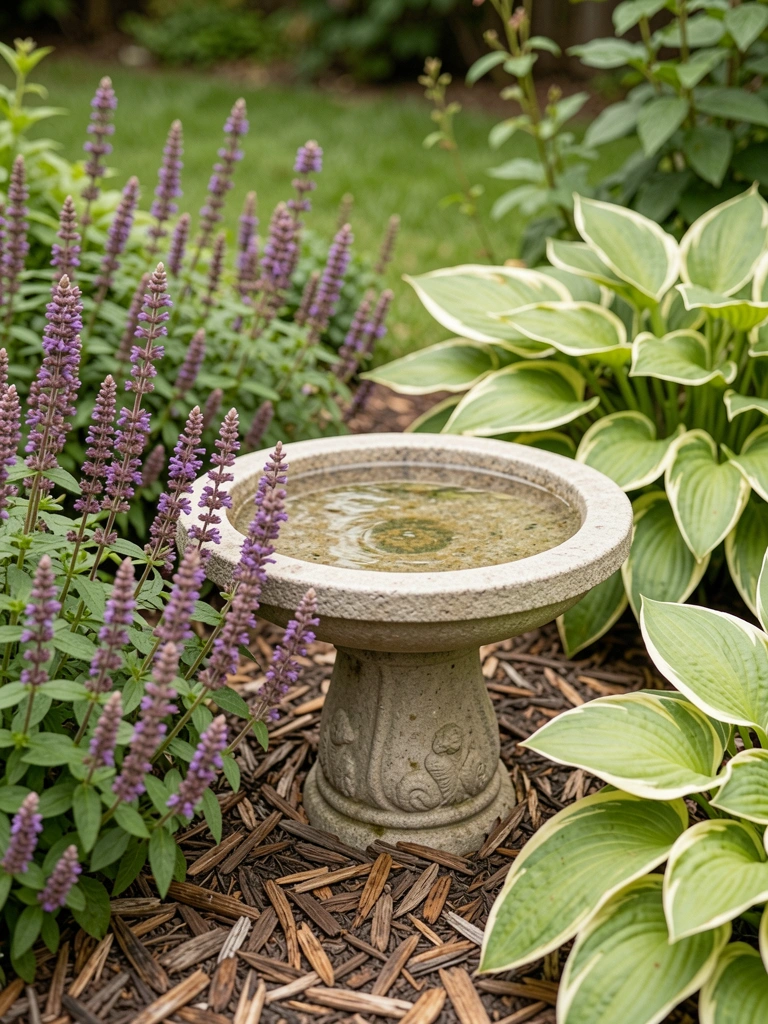
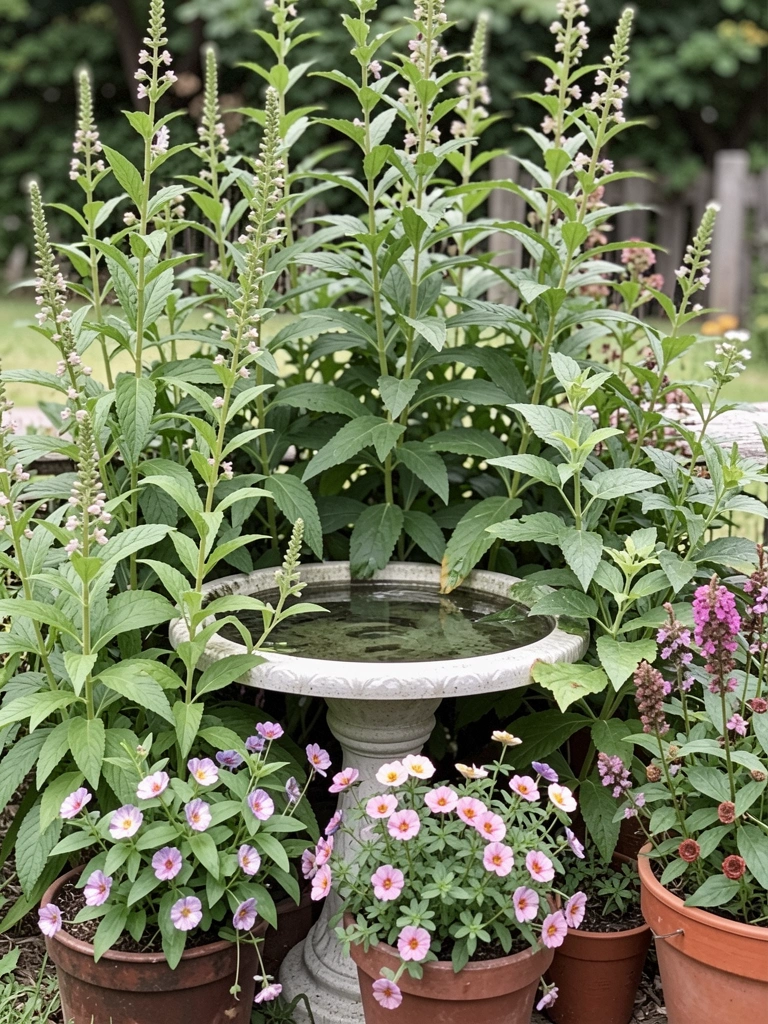
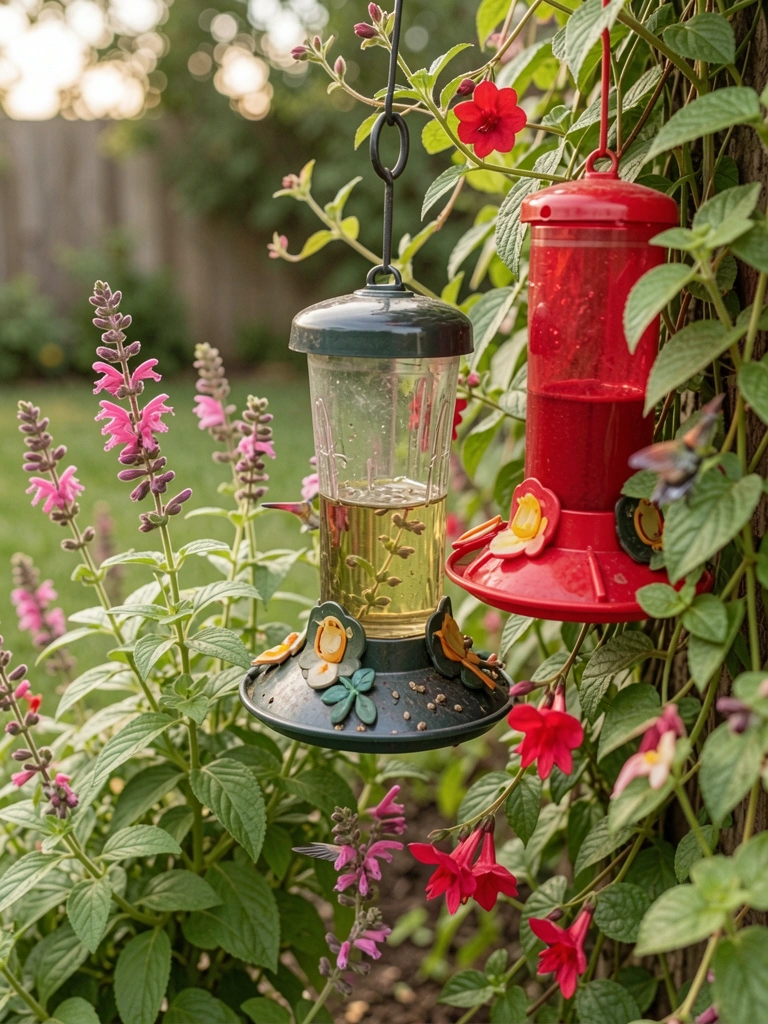
    26. Bird Bath and Feeder for Neighborly Wildlife

    I added a shallow bird bath and a small feeder. Birds dropped by fast. I made the mistake of placing the bath too near a window and startled birds; now I set it where they can fly in safely.

    Watching birds is a tiny daily joy and they help with pests.

    What You’ll Need for This Look

    27. Neutral Seating Accents to Tie It Together

    I finished my patio with neutral cushions and a woven throw. They make the plant colors pop and keep everything looking calm. I once bought bright patterns that competed with the plants—neutral tones feel more lived-in and lasting.

    Good fabrics resist fading and dry quickly after rain.

    What You’ll Need for This Look

    Final Thoughts

    You don’t need to do all 27. Pick one scene and make it work.
    I learned patience makes the patio feel intentional, not cluttered.

    Start small, keep it lived-in, and adjust as the seasons teach you.

  • 22 Genius Apartment Patio Garden Ideas For A Lush Small Space

    22 Genius Apartment Patio Garden Ideas For A Lush Small Space

    I used to cram a few lonely pots on my balcony and feel annoyed every summer.

    Then I learned to work with the space, not against it. Small changes made the patio feel like a real garden.

    These ideas are from things I actually planted, messed up, and fixed. Simple, doable, and honest.

    22 Genius Apartment Patio Garden Ideas For A Lush Small Space

    These 22 ideas are hands-on, tried, and suited for tight patios. Each one shows how I made small spaces feel green, cozy, and useful.

    1. Layered Container Planting That Makes a Patio Feel Full

    I planted three sizes of pots in a cluster and it suddenly read like a garden bed, not a collection of singles. Tall plants at the back, a bold mid-layer, and a trailing plant softened edges. I once used too-heavy soil and the largest pot stayed waterlogged—lesson learned: good drainage matters.

    Visually it fills a corner without crowding the floor. It also gives small plants room to look purposeful.

    What You’ll Need for This Look

    2. Vertical Pocket Planter Green Wall

    I mounted a pocket planter and planted herbs and small annuals. It turned a blank wall into usable space overnight. At first I overplanted the pockets and the breeze made them flop; spacing and lighter soil fixed that. It’s perfect for renters—no heavy frames, just lots of vertical green.

    It gives you more planting without stealing floor space. Watering is different—top-down soaking works best.

    What You’ll Need for This Look

    3. Railing Planters That Free Up Floor Space

    I swapped a bulky pot for railing boxes and got usable floor space back. The trick was choosing sturdy brackets and balancing weight. My first cheap brackets bent in winter. Invest in support that clips tight.

    These planters give your eye a green edge and keep plants at eye level. They make watering easier too—less stooping and more visibility for pests.

    What You’ll Need for This Look

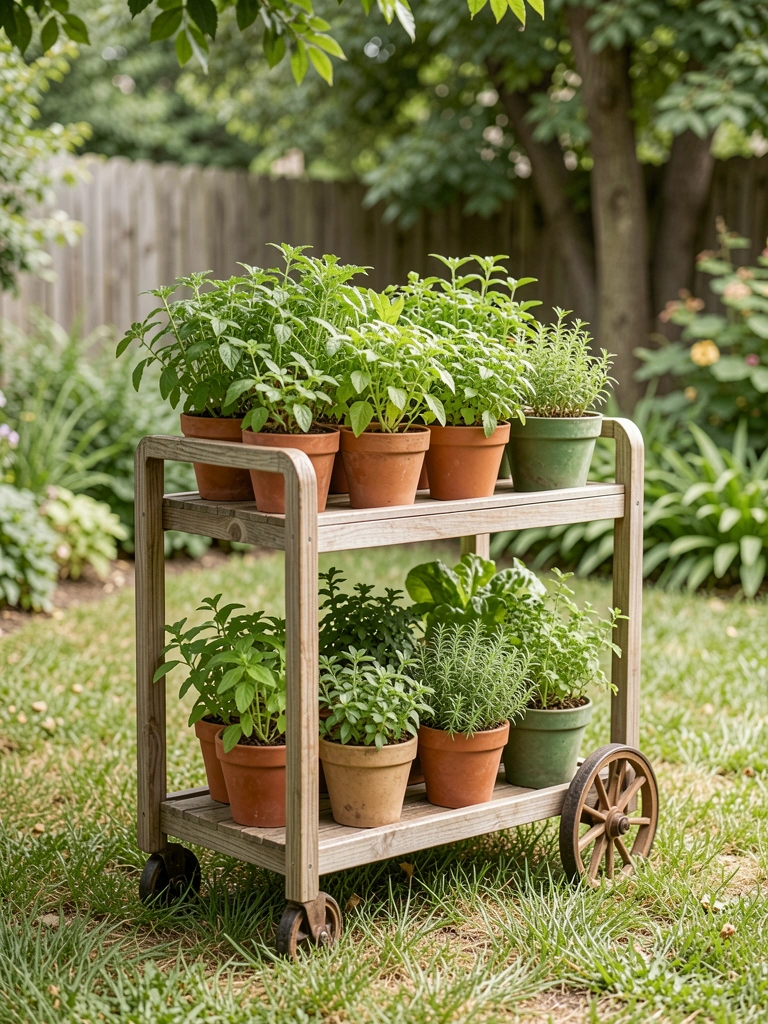
    4. Compact Herb Spiral on a Tabletop

    I made a little spiral of pots on my bistro table and suddenly my cooking felt different. Cutting fresh basil while dinner simmers is small but real joy. I keep sun lovers on the outer ring and shade-tolerant in the middle.

    It’s compact and social—guests comment and I hand them a sprig. Watch for overwatering; terracotta helps.

    What You’ll Need for This Look

    5. Dwarf Fruit Trees in Big Pots

    I grew a dwarf lemon and learned the hard way that windy balconies need heavier pots. My tree tipped its first winter because roots were light—bigger weight saved it. The fruit was small but real, and the scent when it blooms is honest and bright.
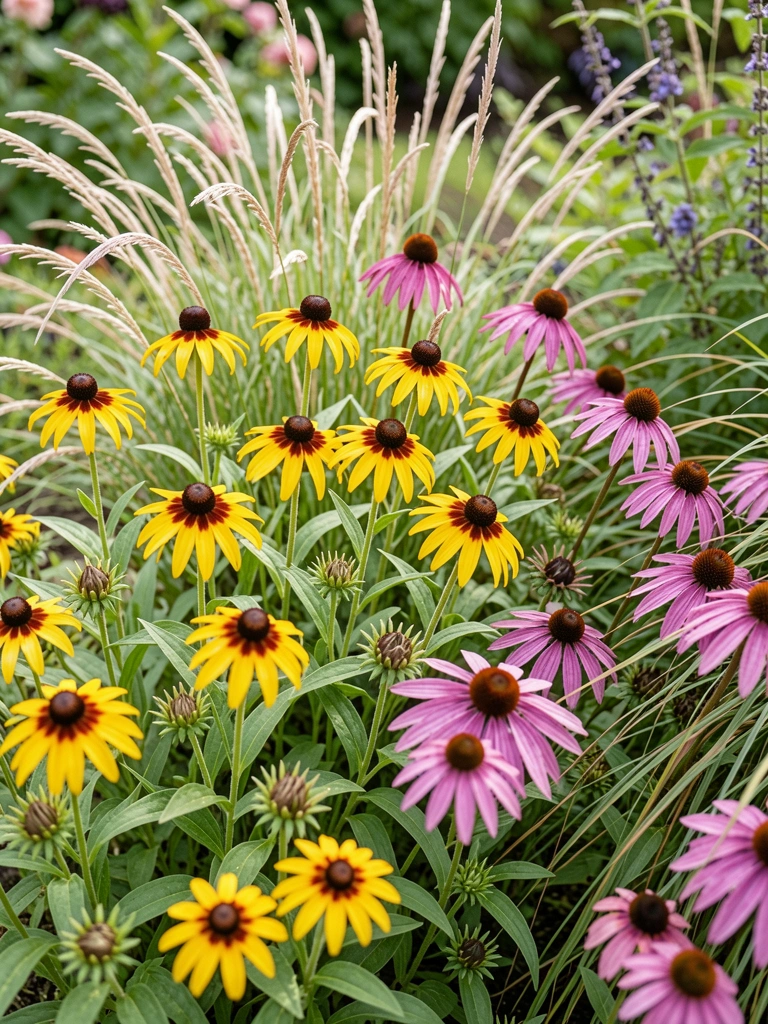
    They take a bit more feeding, but the payoff is fresh citrus at hand. Prune lightly and protect from cold.

    What You’ll Need for This Look

    6. Shade Nook with Ferns and Hostas

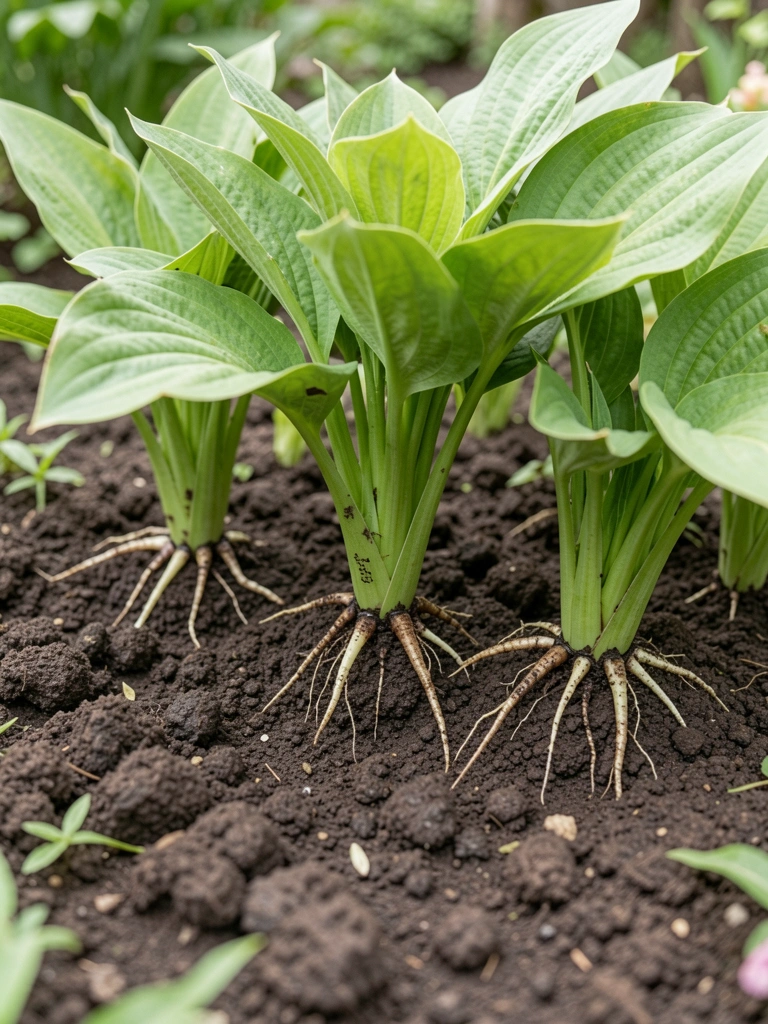
    My north-facing patio felt dead until I embraced shade plants. I planted ferns and hostas in deep pots and the corner filled with texture, not flowers. I once tried a sun-loving geranium here and it sulked—match plants to light.
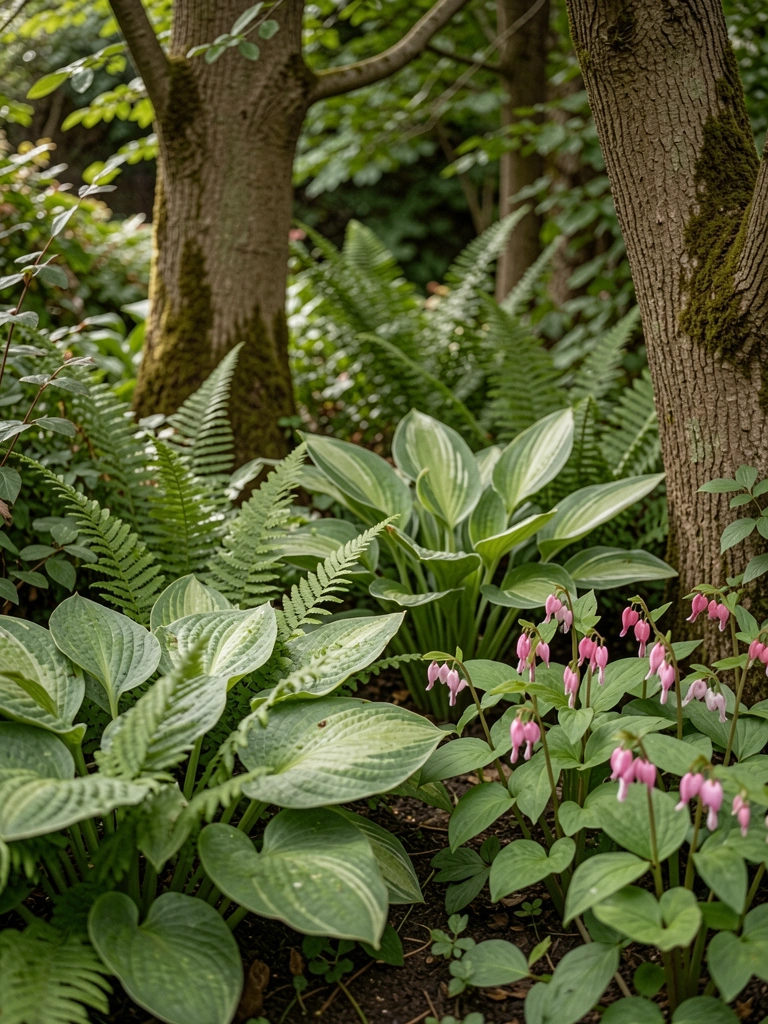
    Shade plants need moisture and regular checks for slugs. The feel is cool and quiet, great for reading.

    What You’ll Need for This Look

    7. Succulent and Cactus Mixed Tray

    Succulents saved me during one dry summer when I forgot to water. I grouped different shapes in a shallow tray and used grit on top. They’re forgiving but I once overwatered after feeling guilty—less is more.

    This look is low fuss and modern. It brightens a table and needs bright light and fast-draining mix.

    What You’ll Need for This Look

    8. Double-Height Hanging Baskets for Drama

    I installed two hangers at different heights and it made the vertical space feel deliberate. The overlap created shade and movement. I did screw one hook too shallow once and it loosened—proper anchors matter.

    The double layer gives a lush, layered look without using the floor. Rotate plants seasonally for fresh color.

    What You’ll Need for This Look

    9. Trellis for Climbing Vines and Privacy

    I added a trellis and planted climbers; a blank wall became private and soft. Clematis struggled the first season because I planted it too shallow—dig the root ball in deeper. Over a year it hid the view and gave me vertical flowers.

    It’s a simple privacy screen that adds height without bulky planters.

    What You’ll Need for This Look

    10. Mini Water Feature for Small Sound

    I added a tiny fountain and the patio suddenly felt calmer. It’s not grand—just a small basin and pump—but that sound covers street noise. I learned to clean the pump monthly after it clogged with leaf bits.

    It’s a tiny luxury that makes evenings feel like a retreat.

    What You’ll Need for This Look

    11. String Lights with Mason Jar Lanterns

    I hung string lights and clipped mason jars around the rail. The space felt cozy and usable after dark. I once bought super-bright bulbs that felt harsh; warm white was the fix. Mason jars are cheap and forgiving.

    Lights extend the season and make the patio a living room extension. Solar options cut wiring worries.

    What You’ll Need for This Look

    12. Planters on Casters for Moving Sunlight

    I put big planters on casters and started moving them with the seasons. It saved seedlings from late frost and chased sun on cloudy days. My first set of casters rusted—buy outdoor-rated ones. Mobility lets me rearrange without back pain.

    It’s a flexible strategy for renters and small patios.

    What You’ll Need for This Look

    13. Salad Bar Planter—Cut-and-Come-Again Greens

    I planted mixed salad greens in a long trough and harvested for months. Cut-leaf varieties keep growing, so I get fresh picks each week. I made the mistake of planting too densely at first—thin a little so leaves don’t rot.

    This gives kitchen access to fresh greens and makes meals feel immediate and honest.

    What You’ll Need for This Look

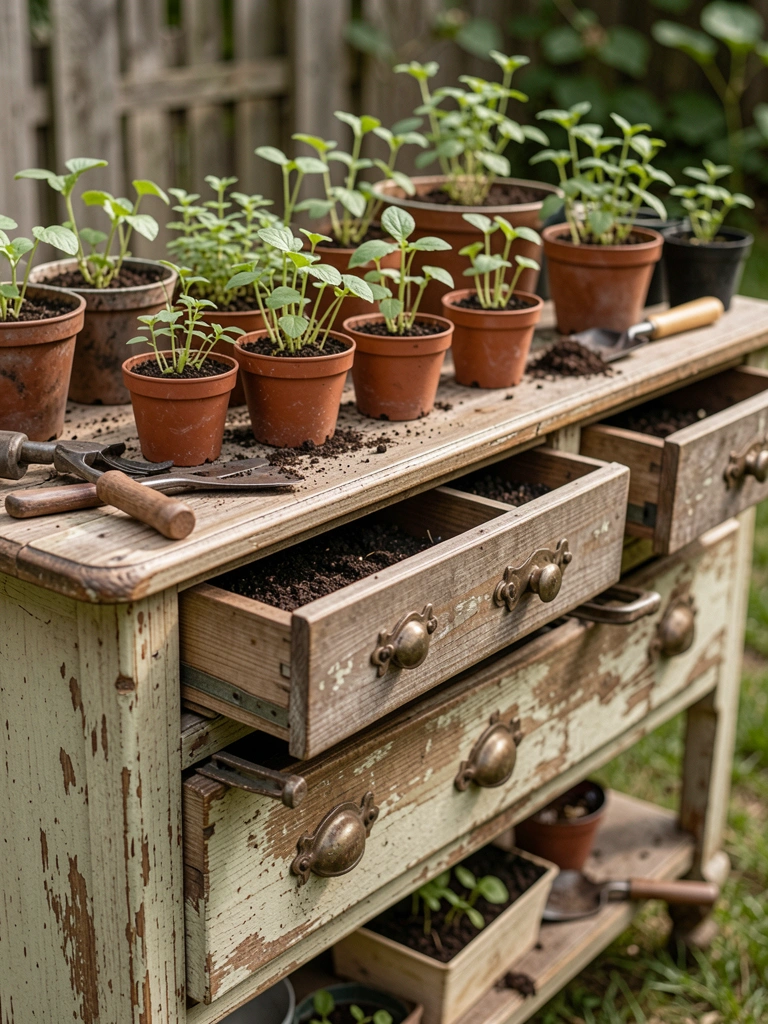
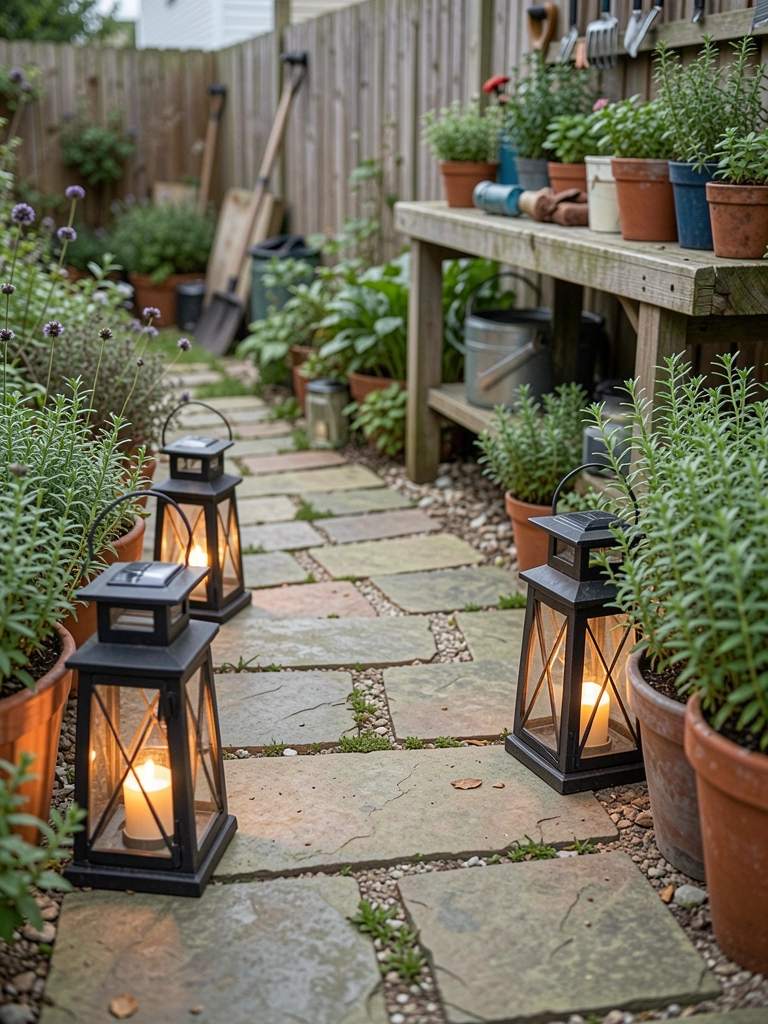
    14. DIY Potting Bench / Storage Combo

    I built a narrow potting bench against the wall and it changed how I garden. Everything stays tidy and I have a workspace for repotting. I once stored soil directly on a painted shelf and it stained—use a removable tray or mat.

    A small bench keeps tools accessible and makes the patio feel intentional, not cluttered.

    What You’ll Need for This Look

    15. Edible Wall: Strawberries & Herbs

    I planted strawberries in a vertical planter and loved harvesting from eye level. They spill down and look charming. My first batch got powdery mildew from poor air flow—leave some space between pockets.

    This is compact, attractive, and practical. Great if you want edible plants without pots on the floor.

    What You’ll Need for This Look

    16. Seasonal Bulb Boxes for Year-Round Interest

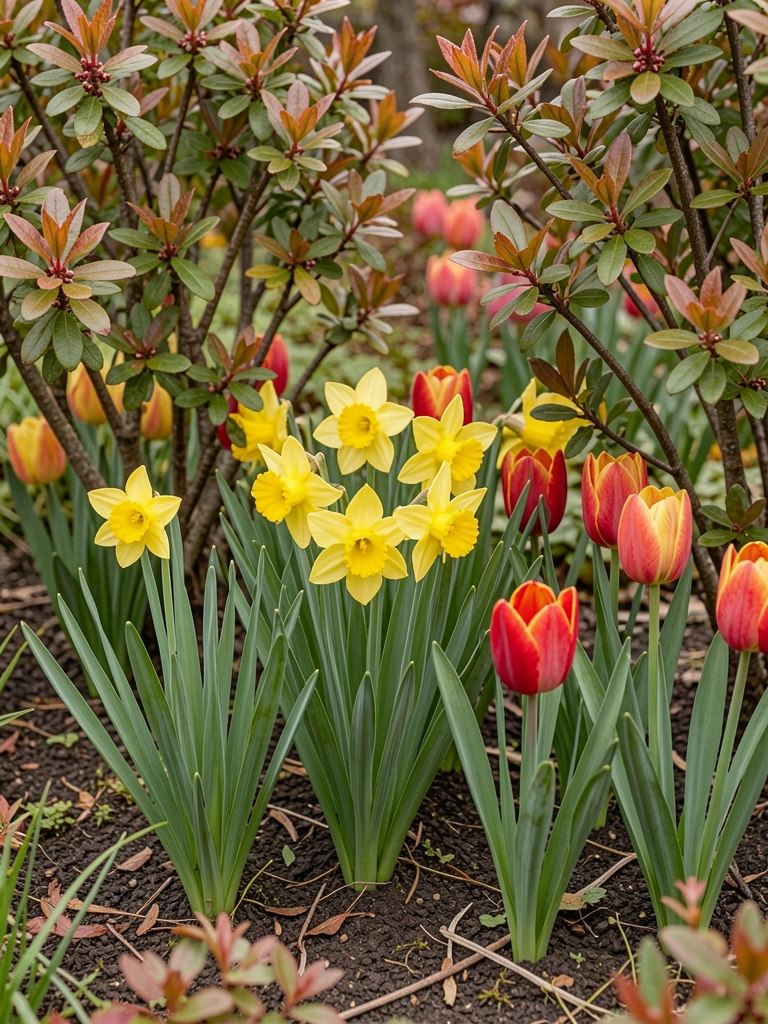
    I layered bulbs in a box to get color from early spring through late spring. My first attempt packed bulbs too close and they competed; spacing matters. Once adjusted, I had a steady parade of blooms.

    Stagger plant times: early bulbs near the front, later ones deeper. It keeps the patio colorful without permanent changes.

    What You’ll Need for This Look

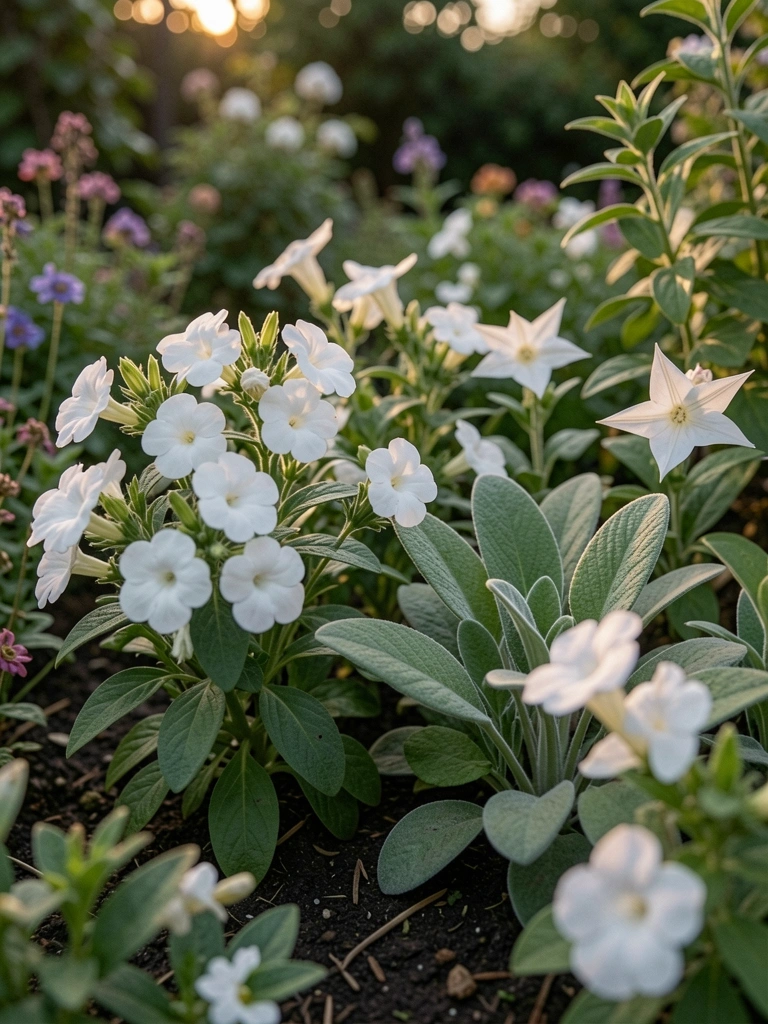
    17. Night-Scented Container Garden (Jasmine, Nicotiana)

    I planted night-scented jasmine in a pot by the seating area and evening air changed. The scent drifts and sitting outside feels like a ritual. I once planted a jasmine that wanted stronger sunshine; pick the right variety for your light.
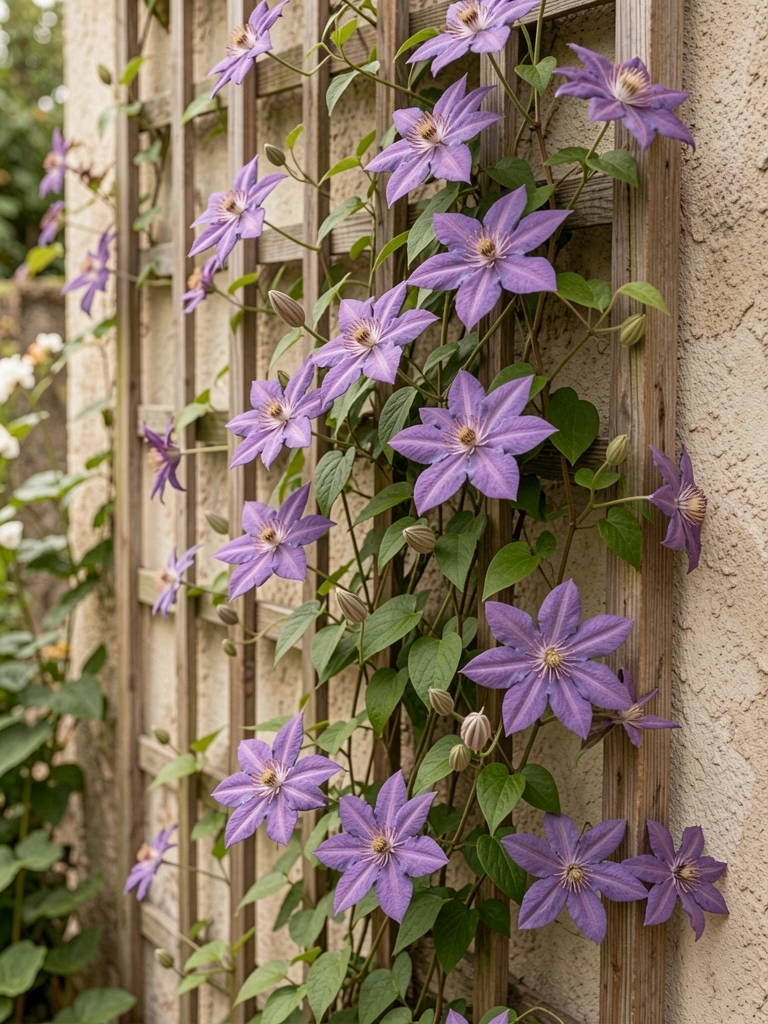
    These containers are perfect near where you sit at night. They make small evenings feel slow and pleasant.
    What You’ll Need for This Look

    18. Pollinator Pots—Bee and Butterfly Mix
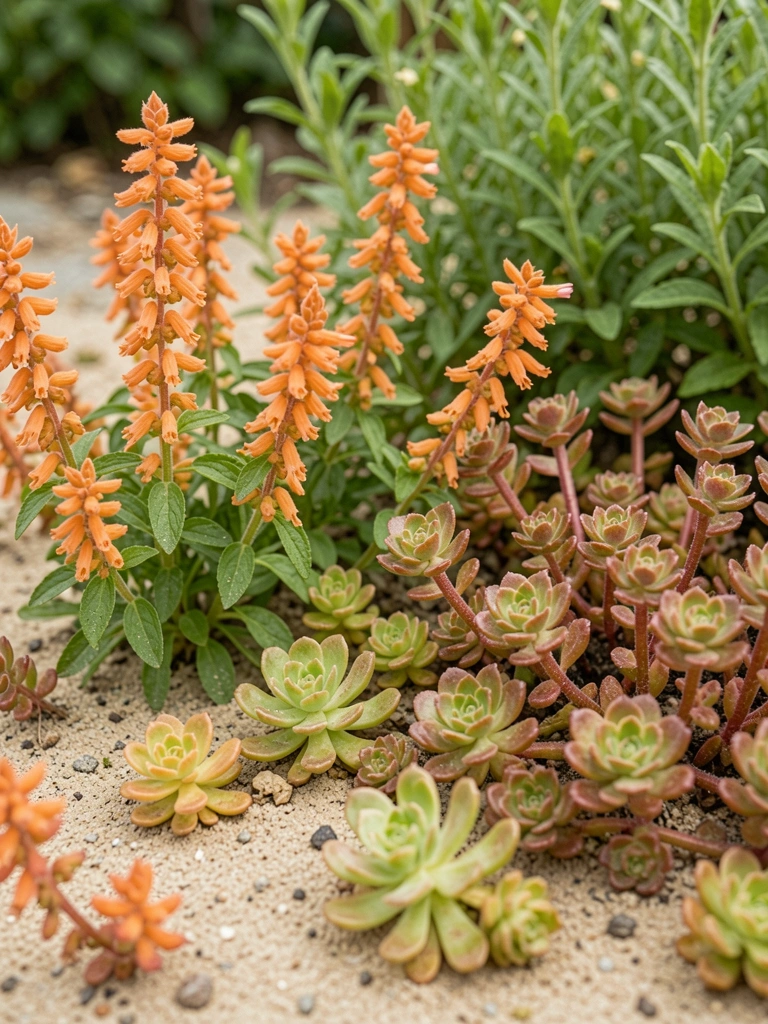
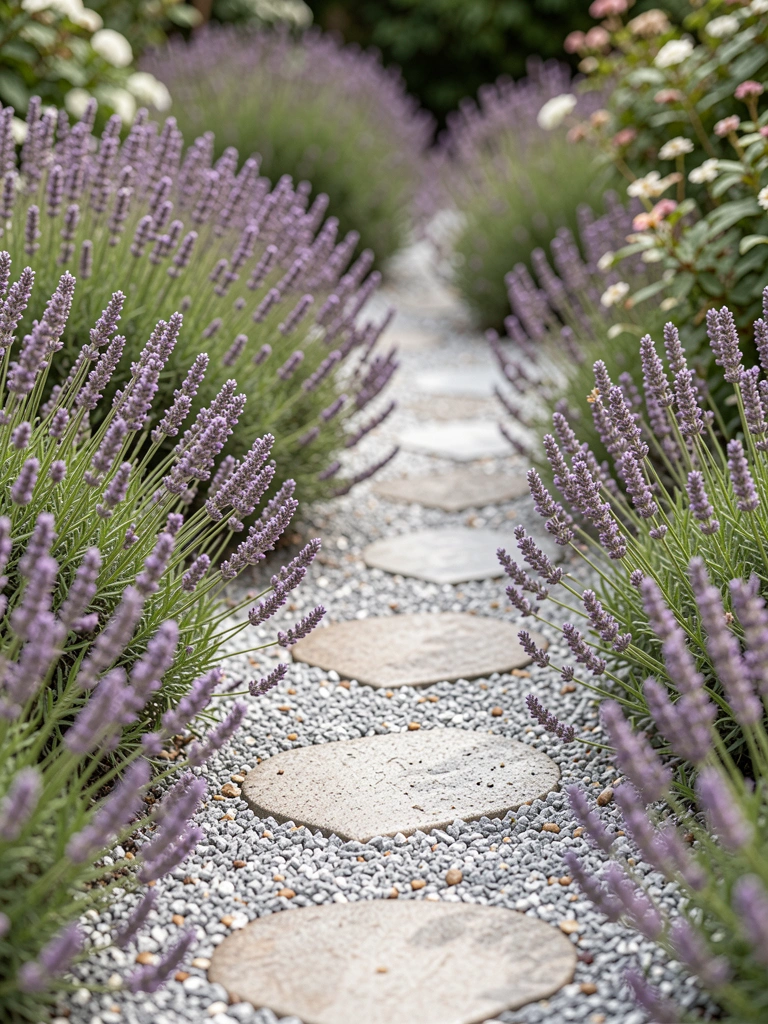
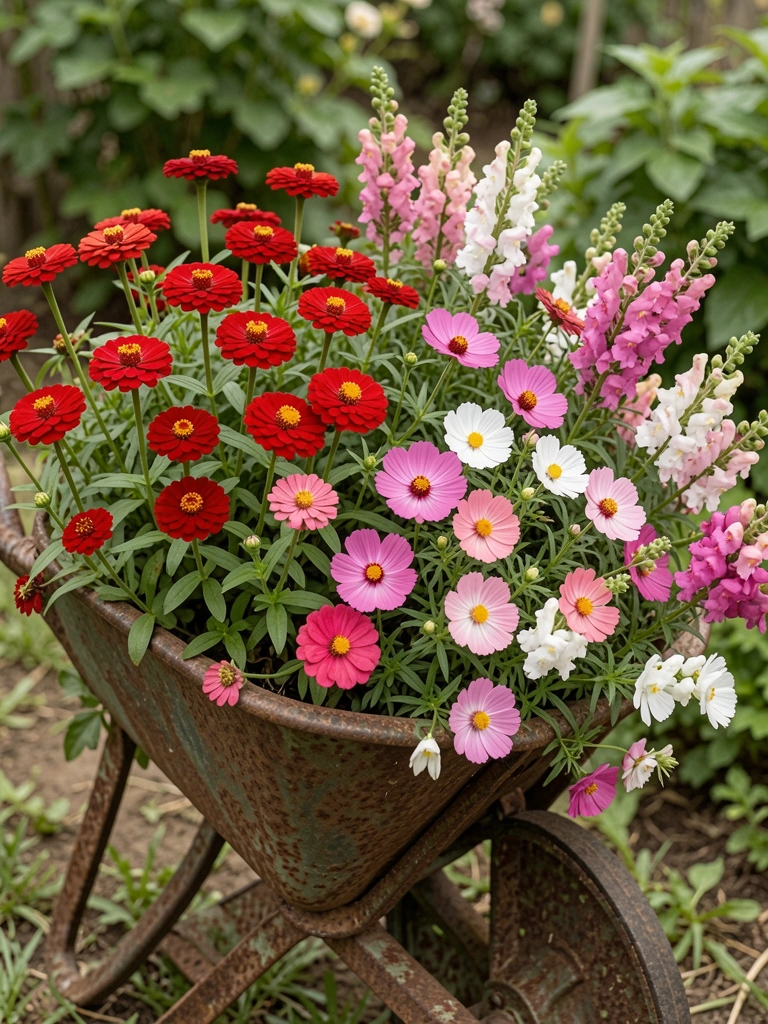
    I planted a few pollinator-friendly pots and watched them attract life. Lavender and zinnia were obvious favorites. I used too much fertilizer once and the scent was weaker—lighter feed is better for blooms.

    These pots make the patio feel connected to the neighborhood. Choose a variety of bloom times to keep visitors coming.

    What You’ll Need for This Look

    19. Mirror Trick to Make Balcony Look Bigger

    I hung an outdoor mirror and it doubled the perceived space. It reflects plants and light and tricks the eye pleasantly. Make sure it’s rated for outdoors—my first mirror fogged up in humidity.

    A mirror creates depth and makes small patios feel intentionally designed, not cramped.

    What You’ll Need for This Look

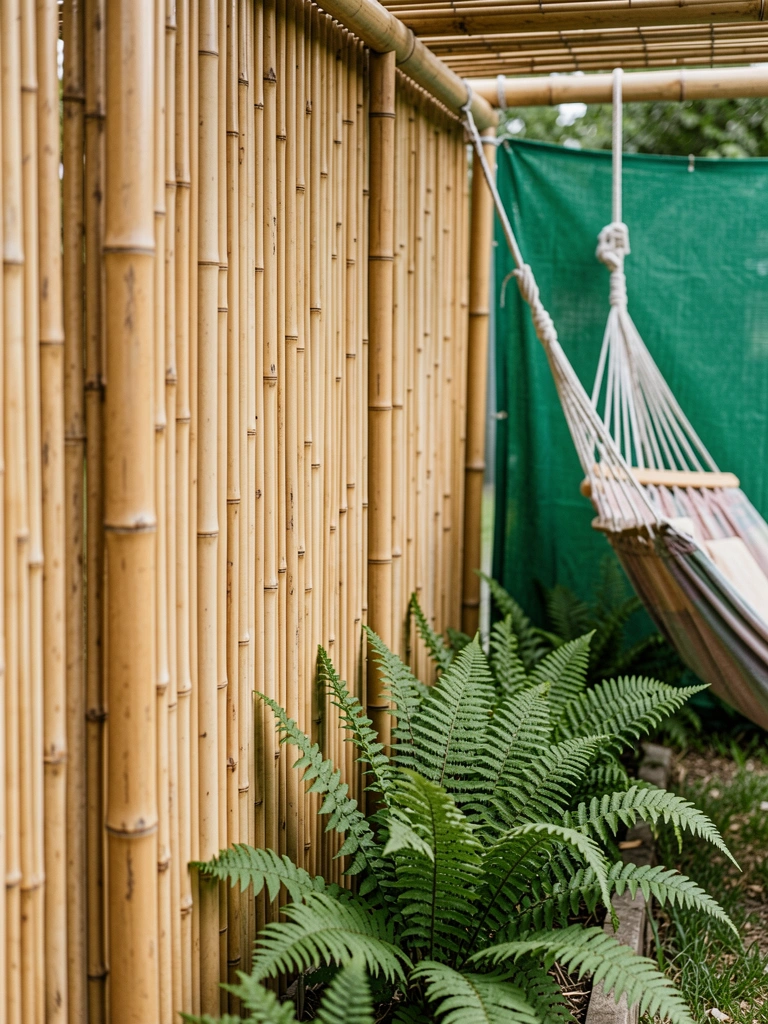
    20. Windproof Planter Screen with Bamboo

    My rooftop patio was gale-prone until I installed a bamboo screen. It cut the worst of the wind and made a sheltered strip for tender plants. I learned to leave a small gap at the bottom for airflow; totally sealed screens trap turbulence.

    Bamboo looks natural and gives privacy and protection at once.

    What You’ll Need for This Look

    21. Multi-Level Plant Stands to Layer Heights

    I stacked pots on a multi-level stand and suddenly everything read as one collection. It’s easier to care for plants when they’re grouped by watering needs. My first stand was too small and plants looked cramped—choose scale that fits your largest pot.

    Tiered stands add vertical rhythm without huge construction.

    What You’ll Need for This Look

    22. Easy Drip Irrigation for Busy City Gardeners

    I installed a simple drip kit and it removed the stress of weekend trips. The system delivers water right to roots and cuts waste. My first setup had too-high pressure so emitters blew off—add a pressure regulator.

    It keeps containers healthy and frees you to enjoy the patio without last-minute watering.

    What You’ll Need for This Look

    Final Thoughts

    You don’t need to try all of these. Pick one or two that fit your light and routine.

    Gardening a small patio is slow, honest work. I’ve had failures and wins, and each taught me what my space can do.

  • 24 Stunning Small Patio Garden Ideas For A Cozy Outdoor Retreat

    24 Stunning Small Patio Garden Ideas For A Cozy Outdoor Retreat

    I’d always thought small patios had to be tidy and spare. I was wrong.

    After years of trial and error, I learned to layer texture and keep only what I love close to the door. These ideas are honest, easy to copy, and work in real, imperfect spaces.

    24 Stunning Small Patio Garden Ideas For A Cozy Outdoor Retreat

    These 24 ideas are things I’ve built, replanted, or fixed in real patios. Each idea is practical, visual, and ready to try today.

    1. Layered Container Planting That Makes a Patio Feel Full

    I started with one pot and ended up with a small jungle. Layering tall, mid, and trailing plants gave depth without taking floor space. I learned to stagger heights and repeat colors to avoid that random, cluttered look.

    At first I overplanted and had root crowding—my mistake. Thinning after the first season made everything breathe. The patio now reads as intentional and cozy.

    Tip: pick repeat plants to tie containers together visually.

    What You’ll Need for This Look

    2. Vertical Herb Wall for Fresh Cooking

    I built a pocketed herb wall for summer dinners. It saved ground space and made grabbing herbs part of my routine. The scent alone invites me outside.

    I learned to place sun-loving herbs at the top and shade-tolerant ones lower. Watering is the tricky part—drip irrigation or careful routine keeps things green.

    Tip: plant small herbs in breathable soil mixes to avoid soggy roots.

    What You’ll Need for This Look

    3. Mini Succulent Rock Garden in a Shallow Tray

    I love succulents for patios because they don’t demand much. My shallow tray on the coffee table became a focal point, especially with mixed textures and stones.

    I repotted too small at first and tightened roots; that slowed growth. Now I use a shallow tray with gritty mix and a few larger stones to anchor the arrangement.

    Tip: group succulents by water needs and rotate for even sun exposure.

    What You’ll Need for This Look

    4. Foldable Bistro Set with Potted Accents

    I replaced a bulky patio dining set with a foldable bistro. It fits the space and feels more intimate. I added potted lavender and a small fern to frame the seating.

    The chairs get moved often, and I like that flexibility. If you plan to leave cushions out, pick weatherproof fabrics or store them when rain comes.

    Tip: keep a tray or small side shelf for drinks to avoid spills on the plants.

    What You’ll Need for This Look

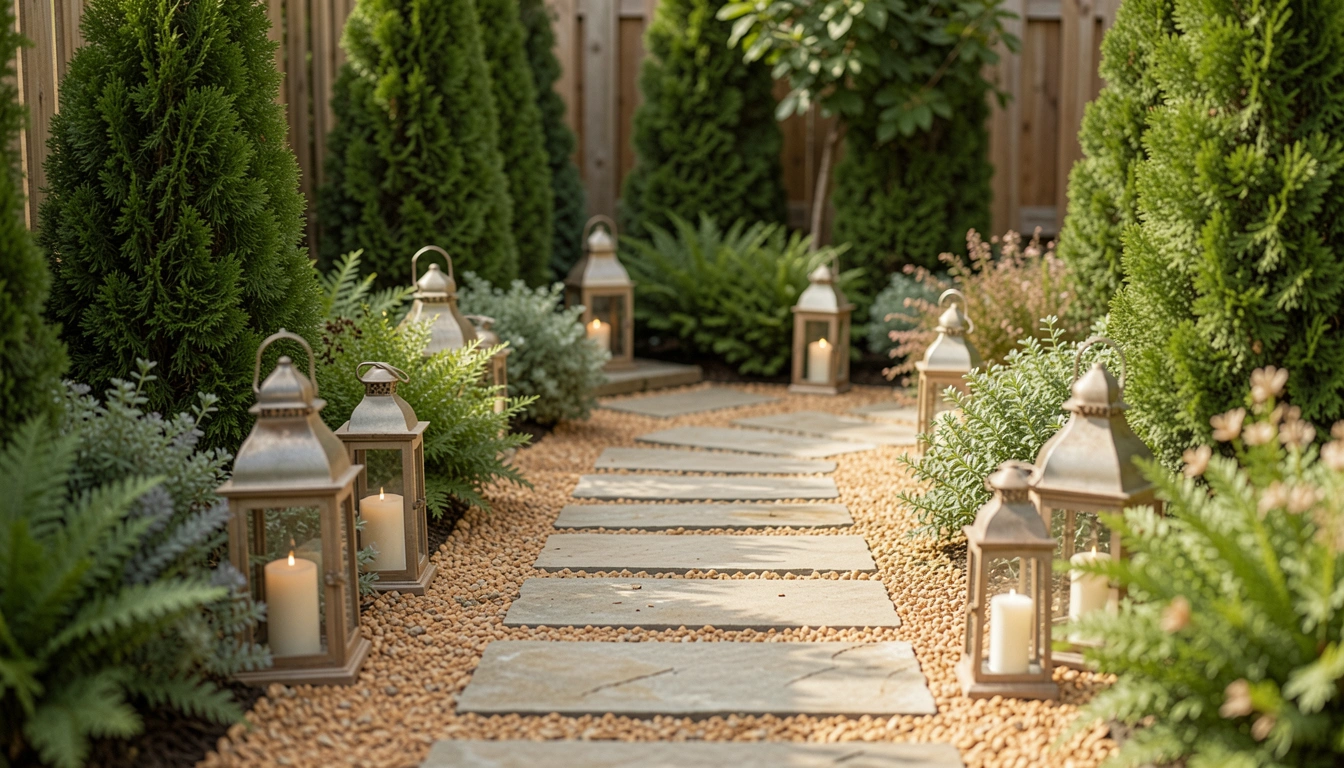
    5. Scented Night Patio with Jasmine and Lanterns

    I planted jasmine along the fence and hung warm lanterns. At night the scent is immediate and soft. It turned a bland corner into a place I linger.

    I discovered jasmine can be leggy; annual pruning kept it compact. The lanterns create pockets of light so the plants still feel like part of the room.

    Tip: choose LED lanterns for safety and long life.

    What You’ll Need for This Look

    6. Narrow Planter Boxes Along a Railing

    My railing planters freed up floor space and delivered color at eye level. I used narrow boxes and planted a mix of flowers and herbs. It brightened the view from inside.

    I once chose thin soil for lighter weight and had drying-out problems. Switching to a lightweight potting mix with water-retentive granules fixed that.

    Tip: use brackets rated for outdoor use and check weight when wet.

    What You’ll Need for This Look

    7. Shade-Loving Fern and Hosta Nook

    On my north-facing patio I planted hostas and ferns in mismatched pots. The palette is green but layered—bigger leaves, fine fronds, and a mossy saucer or two.

    I underfed once thinking shade plants need less fertilizer. They grew better after a gentle monthly feed. Shade needs nutrient support too.

    Tip: choose pots with wide mouths to show leaf shapes.

    What You’ll Need for This Look

    8. Compact Citrus in Big Pots

    I grew a dwarf lemon in a ceramic pot and it surprised me with fruit in year two. The citrus smells bright and makes the patio feel lively.

    Citrus like sun and regular feeding. I moved mine to a sunnier corner and started a monthly fertilizer—both helped. Bring it indoors in colder winters.

    Tip: choose a dwarf variety labeled for containers.

    What You’ll Need for This Look

    9. Mini Meadow with Native Grasses in Containers

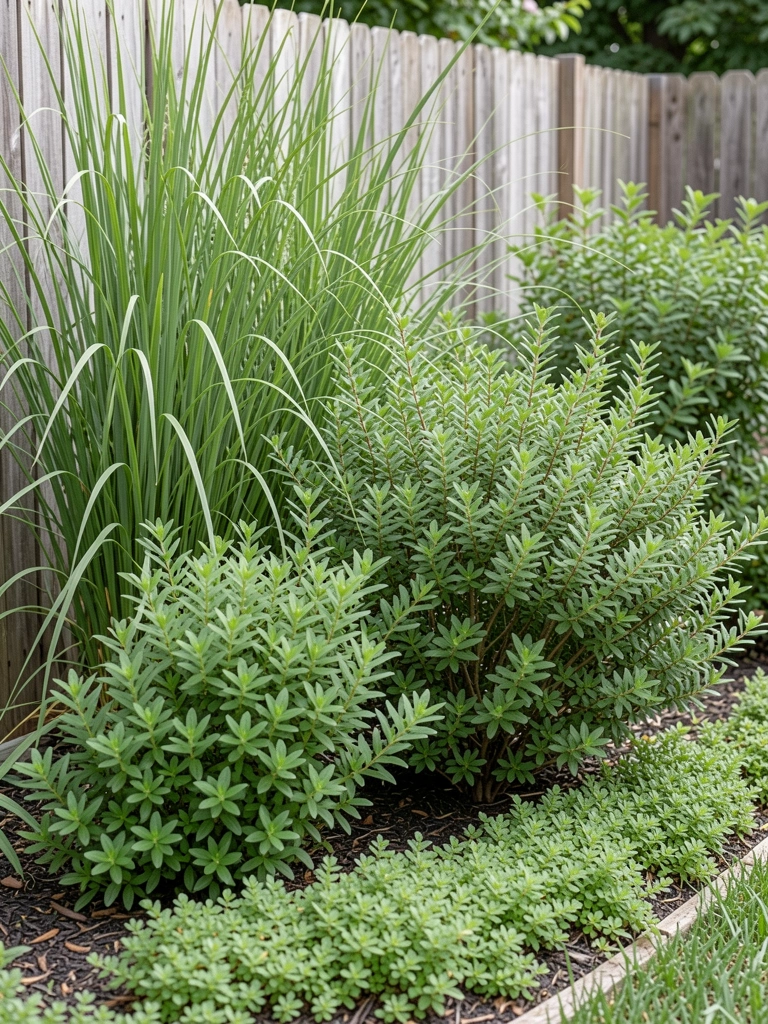
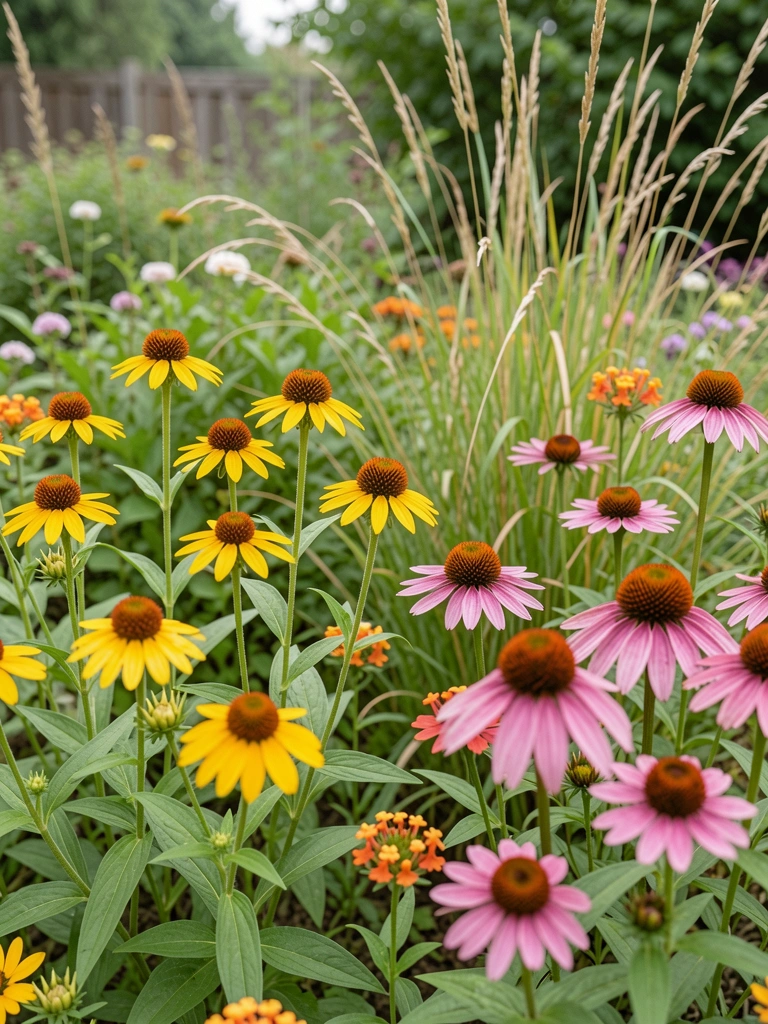
    I wanted a low-fuss look that felt wild. Native grasses and a few perennial wildflowers in a large container gave me movement and bees without constant fuss.

    The first season I planted too many species together and it looked messy. Thinning to a few reliable perennials made maintenance simple and attractive.

    Tip: pick perennials suited to your region for resilience.

    What You’ll Need for This Look

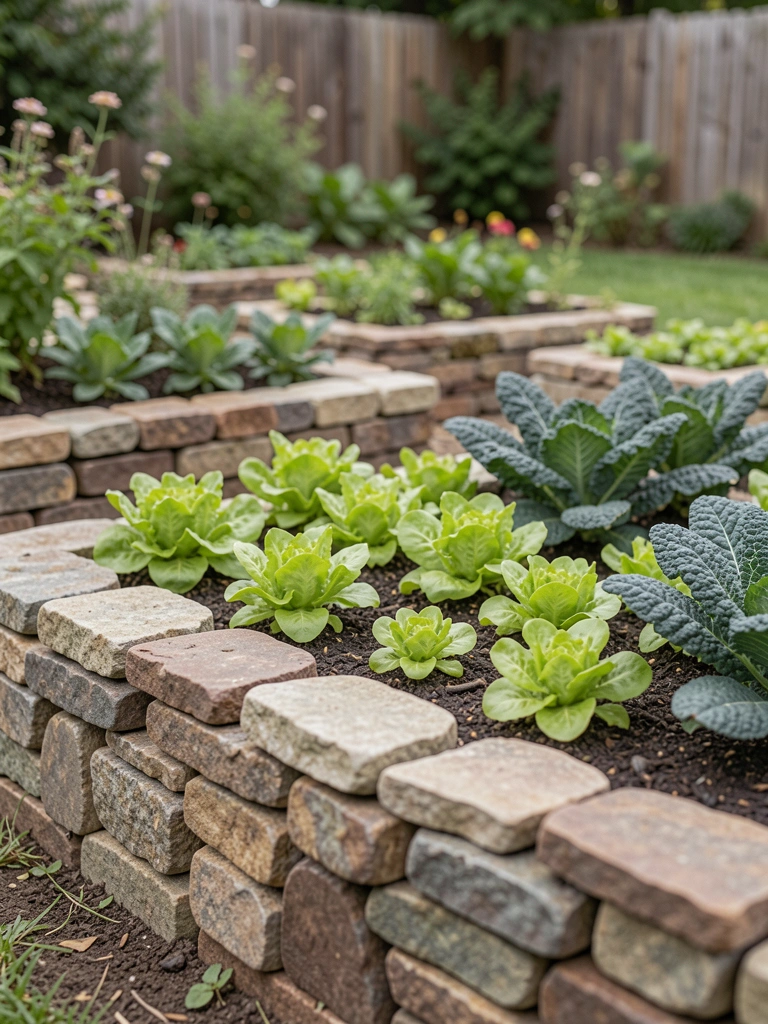
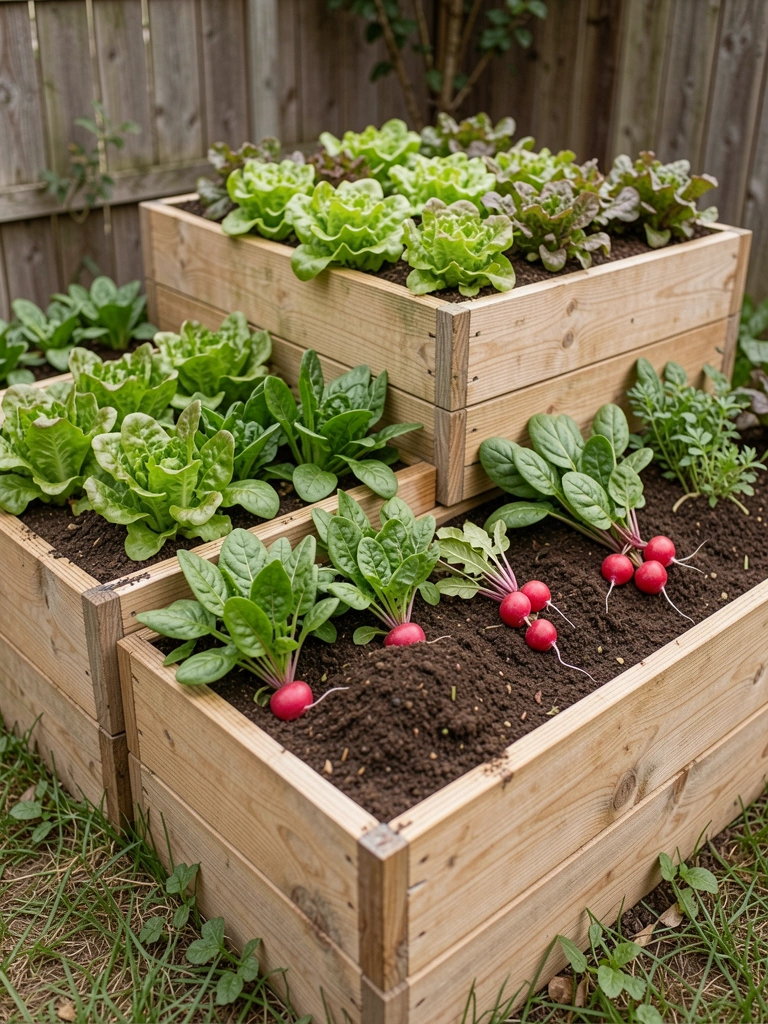
    10. Raised Bed Narrow Patio Vegetable Strip

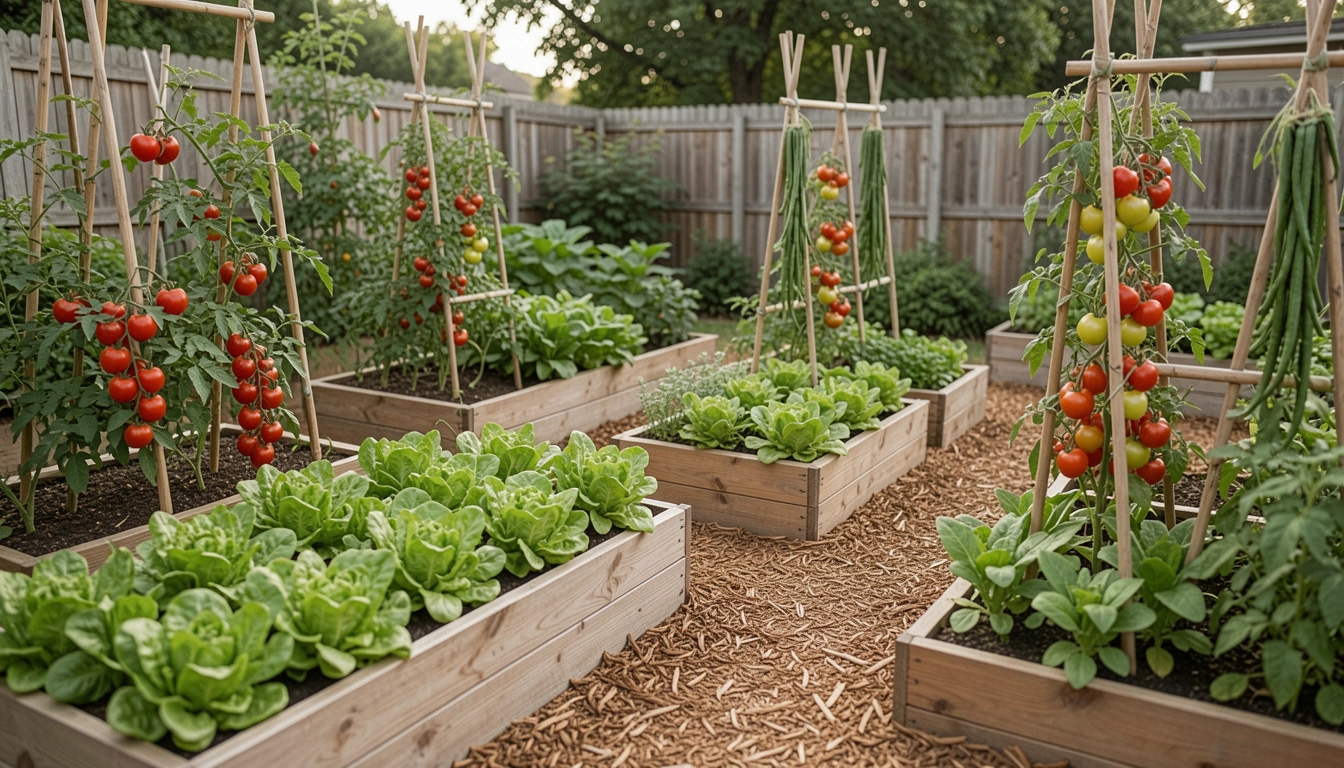
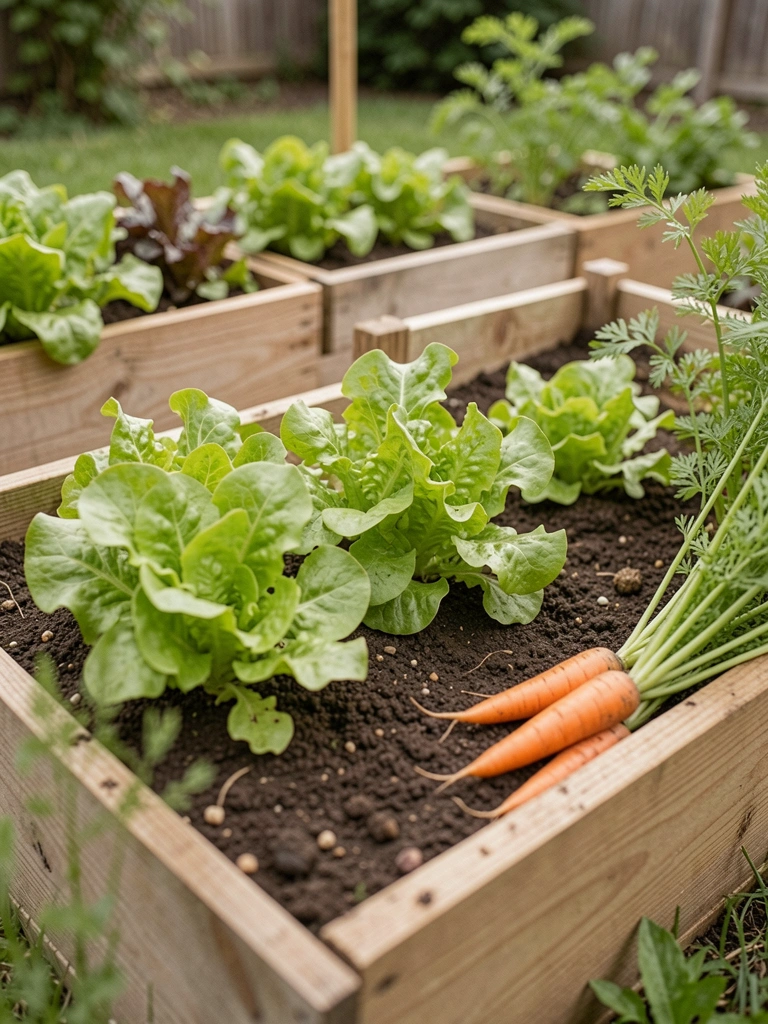
    I put a shallow raised bed against a fence and grew salad greens all summer. It’s compact, keeps soil tidy, and harvesting is easy.

    I made it too deep at first and it felt heavy on the decking. A shallow cedar bed worked better and warmed faster in spring. Rotate crops and keep compost handy.

    Tip: choose shallow-rooted veggies for narrow beds.

    What You’ll Need for This Look

    11. Trellised Climbing Roses or Clematis

    A trellis softens a blank wall. I trained clematis up one year and roses the next. The bloom display feels generous without taking patio space.

    I learned to tie new shoots loosely and remove dead wood in late winter. Clematis needed a cool root base—mulch and shade at the roots helped.

    Tip: choose a trellis that fits the plant’s mature size.

    What You’ll Need for This Look

    12. Pallet-Sofa Seating with Built-In Planters

    I built a pallet sofa to save space and added planters at the arms. It’s rough around the edges and comfortable. The planters make the seat feel like it belongs in the garden.

    My first attempt used untreated wood and warped in wet weather—another lesson. I now seal the wood and add cushions that store inside when it rains.

    Tip: secure pallets well and use breathable pots for the planter sections.

    What You’ll Need for This Look

    13. Water Feature: Small Fountain on a Table

    A tabletop fountain added that gentle water sound and cooled the air slightly. It’s small but steady and makes evenings feel calmer.

    I once had one with noisy splashing because the pump was too strong. Swapping to a variable-speed pump solved it. Keep an eye on algae and top up water regularly.

    Tip: place on a stable table and tuck a mat underneath to catch drips.

    What You’ll Need for This Look

    14. Cozy Fire-Pit Corner with Heat-Tolerant Plants

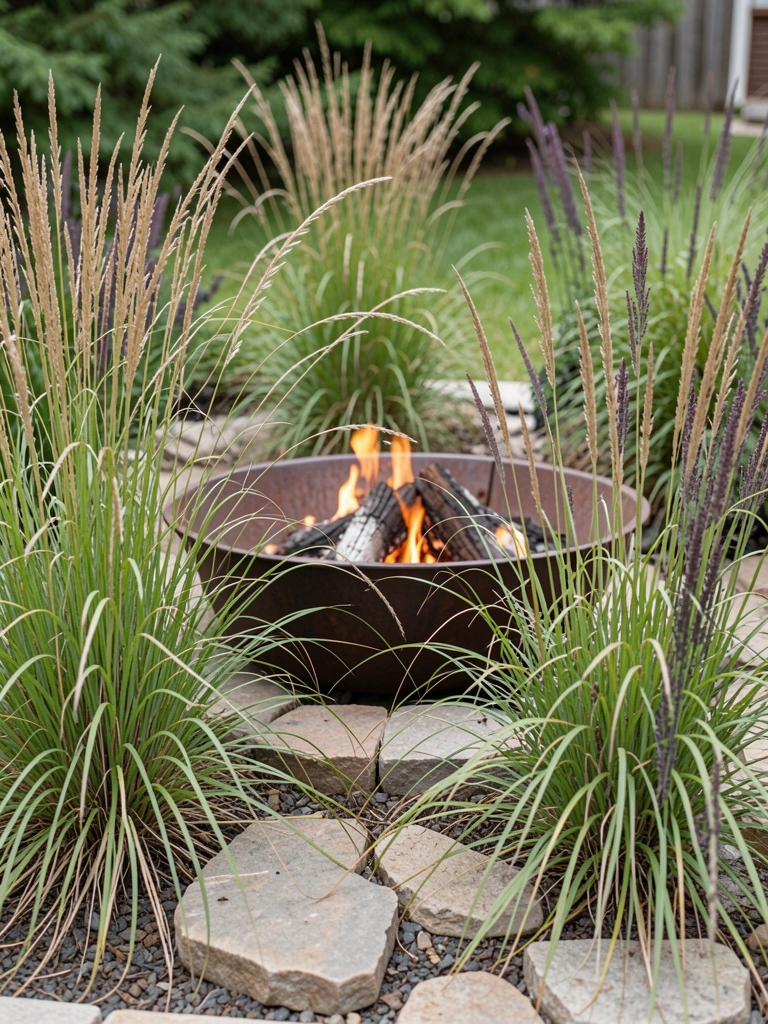
    A small propane fire pit turned my patio into a year-round hangout. I planted heat-tolerant succulents and agaves around it in pots to keep the area green but safe.

    I once put flammable fabric too close; lesson learned. Now I keep a clear perimeter and choose non-flammable, low-spread plants near the pit.

    Tip: check local rules and use a spark screen when needed.

    What You’ll Need for This Look

    15. Modern Concrete Planters with Textural Grasses

    Concrete pots give a modern edge while grasses add movement. I used a few statement concrete planters with blue fescue and carex for contrast.

    They’re heavy but stable in wind. If you want the look without weight, choose resin-look concrete alternatives. Grasses need late-season trimming to stay tidy.

    Tip: pick grasses that don’t self-seed aggressively in containers.

    What You’ll Need for This Look

    16. Mediterranean Herb & Olive Look in Terra Cotta

    I went Mediterranean with terracotta pots, rosemary hedging, and a small potted olive. It feels warm and relaxed, even on a small balcony.

    Terracotta dries fast; I learned to water more frequently in summer or use a terracotta glaze. The scent of rosemary near the seating area is constant and comforting.

    Tip: bring tender plants in for winter if you’re in frost zones.

    What You’ll Need for This Look

    17. Succulent Vertical Frame for a Sunny Corner

    A vertical succulent frame fits into narrow sunny spots. Mine hangs by the door and gets compliments. It’s low-water and sculptural.

    Early on, I used a heavy frame and it sagged. A lighter frame and proper backing solved that. Succulents need sharp drainage and occasional rotation for even growth.

    Tip: mount securely and swap plants seasonally.

    What You’ll Need for This Look

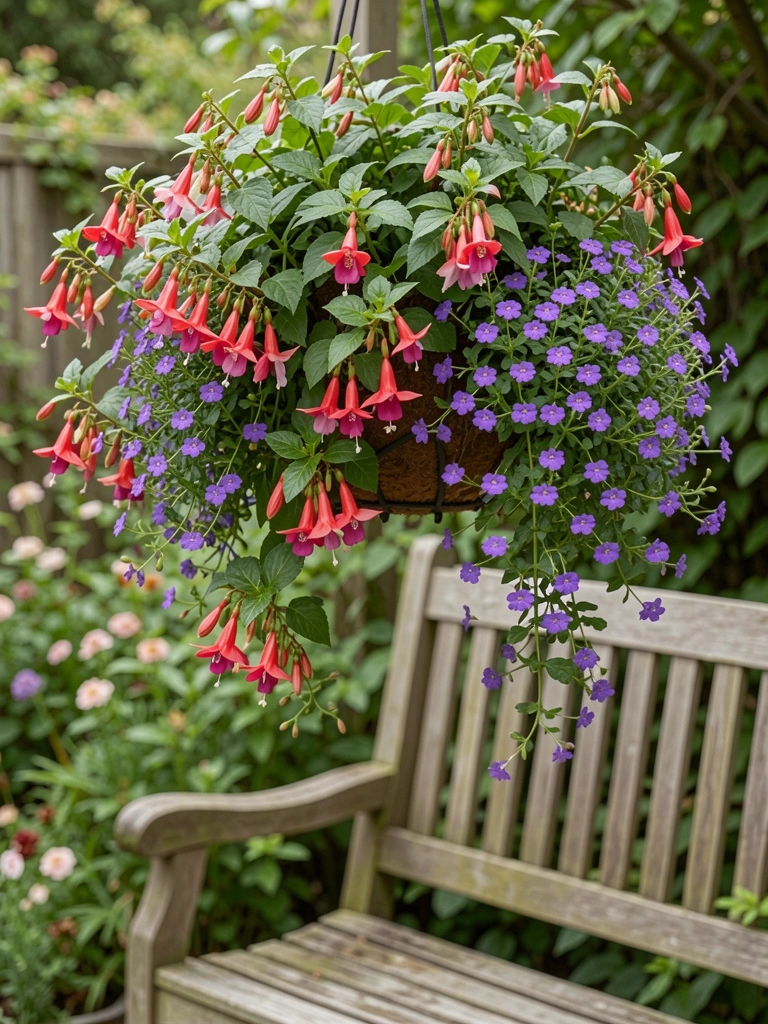
    18. Hanging Baskets at Different Heights

    I hung baskets at different heights to create a layered ceiling of blooms. It made the space feel taller and more enclosed in a good way.

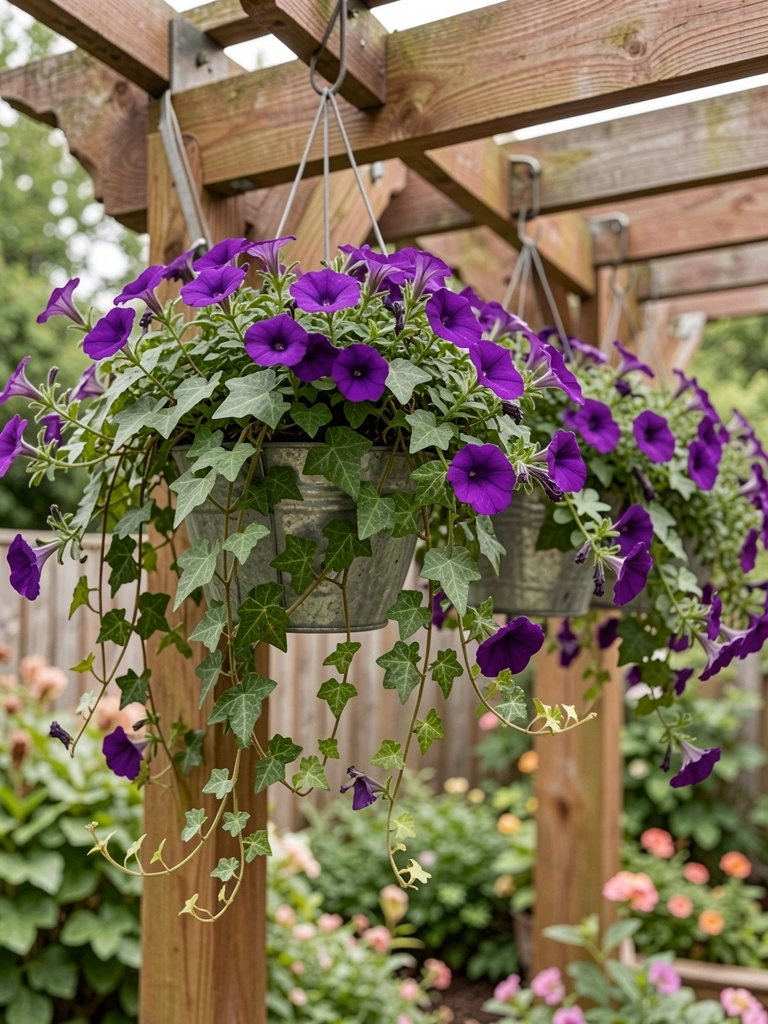
    I once hung heavy planters from a weak hook and regret it—always use rated ceiling hooks. Watering is messier up high, so use liners or saucers where water can drip into a tray.

    Tip: stagger heights to avoid blocking views and to allow light through.

    What You’ll Need for This Look

    19. Painted Pot Color Story for Small Space Impact

    I painted mismatched pots in a simple palette to make the whole patio feel pulled together. It’s an easy way to create a mood without new furniture.

    I overdid glossy paint once and the pots sweat. Matte outdoor paint is kinder to plants. Pick two colors and repeat them across pots to unify the look.

    Tip: use exterior-grade paint and seal rims where water sits.

    What You’ll Need for This Look

    20. Lighting-Led Patio Using String and Solar Stakes

    I layered warm string lights overhead and solar stakes in pots for evening atmosphere. It’s affordable and instantly cozy.

    I learned cheap string lights fail in rain—invest in outdoor-rated sets. Solar stakes are great but need sun during the day; place them where they actually charge.

    Tip: test lighting placement at night before finalizing.

    What You’ll Need for This Look

    21. Edible Wall: Strawberries and Greens

    I built an edible wall using shallow pockets for strawberries and baby greens. Fresh bites minutes from my kitchen felt luxurious and honest.

    The first season I planted strawberries too deep and they rotted. I repositioned them so crowns stayed above soil and improved drainage.

    Tip: rotate lettuce and replant every few weeks for continuous harvest.

    What You’ll Need for This Look

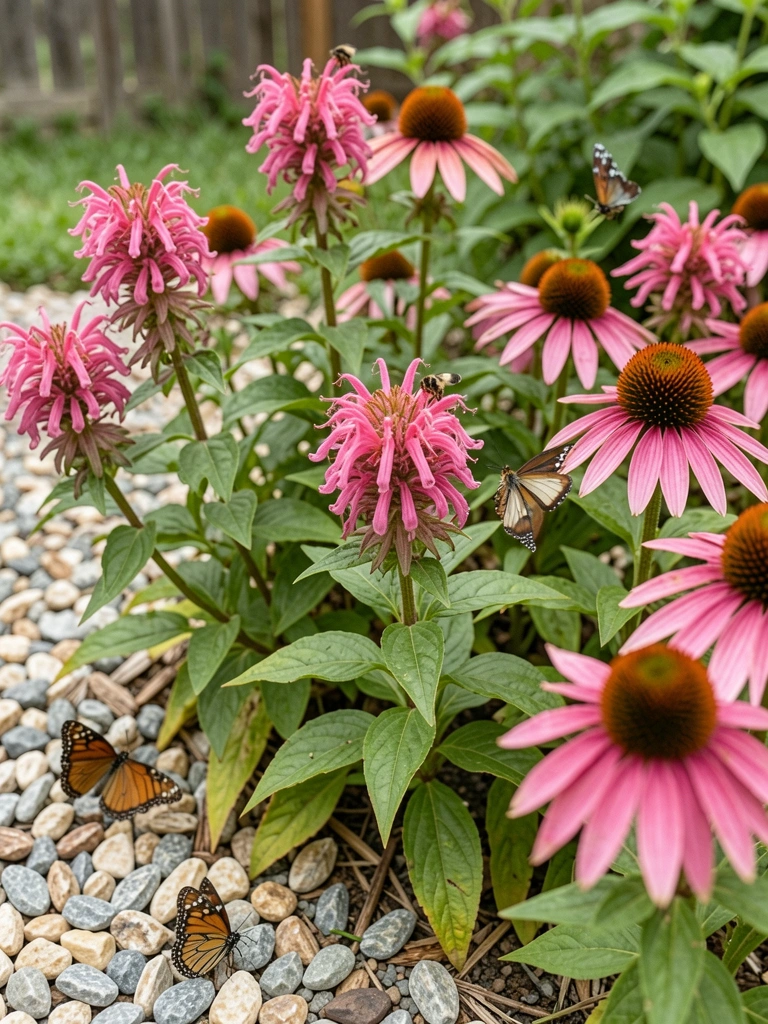
    22. Mini Pollinator Patch for Bees and Butterflies

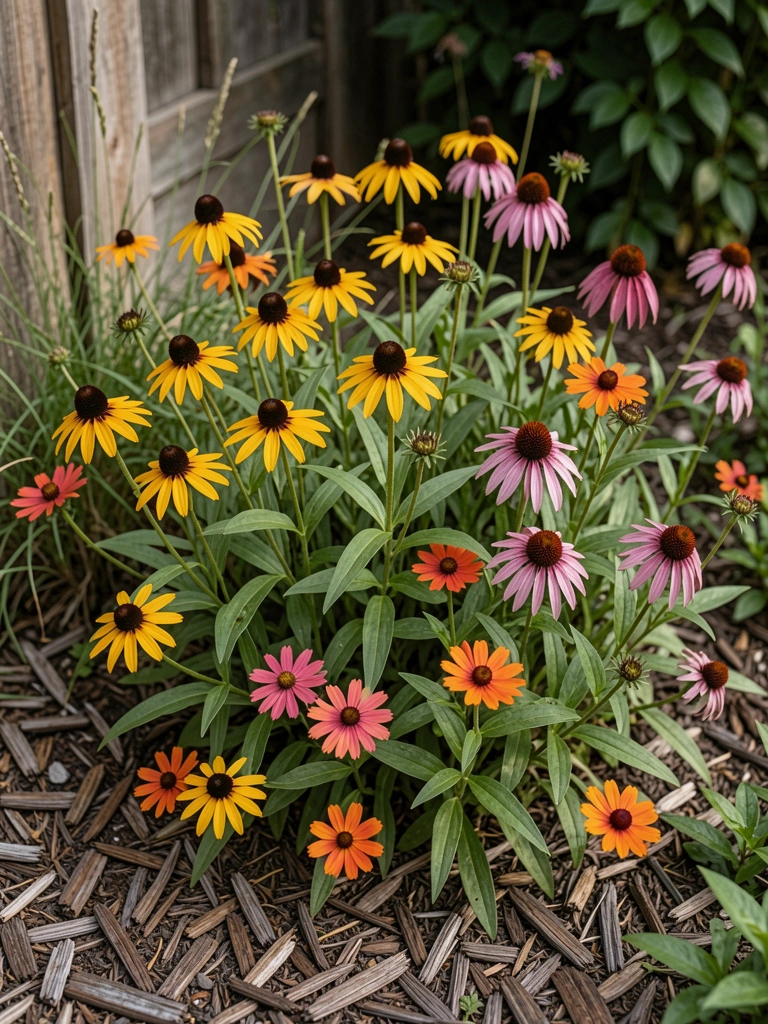
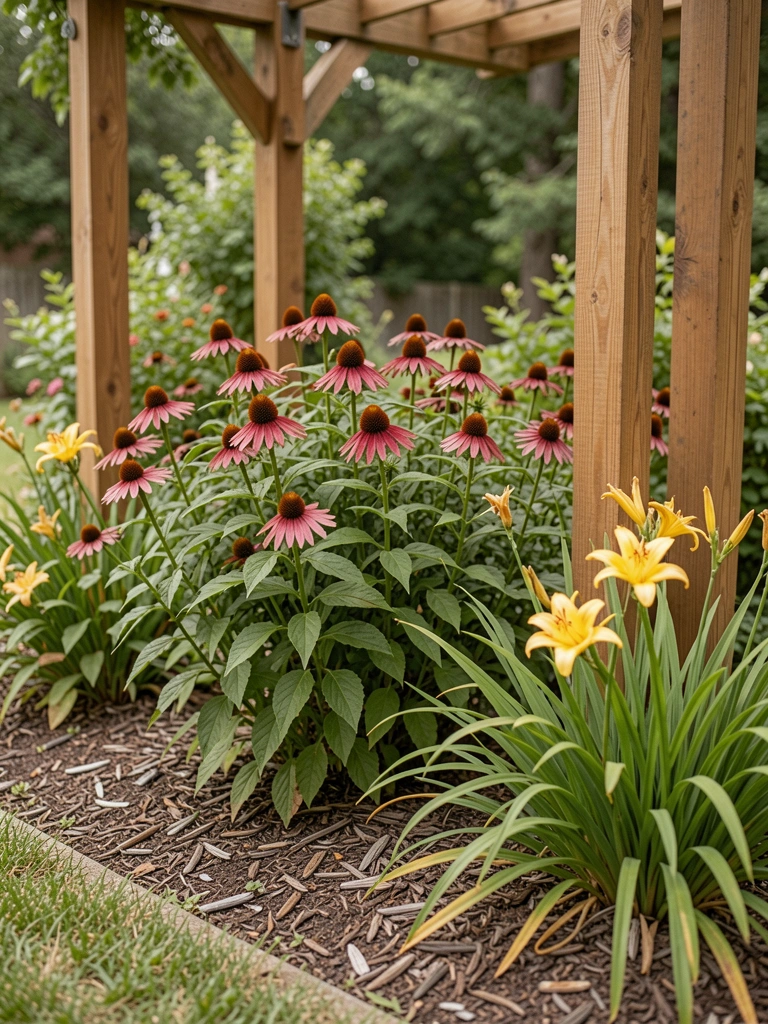
    I set aside a sunny container for pollinator-friendly flowers. Coneflowers, lavender, and salvia brought bees and the occasional butterfly and made the patio hum.

    I once used heavy mulch that buried seedlings—light mulch worked better. Also, avoid insecticides and choose blooms through the season for steady nectar.

    Tip: include single-flowered varieties for easier access to pollen.

    What You’ll Need for This Look

    23. Compact Rain Garden to Handle Runoff

    My small patio gets runoff from the roof, so I made a narrow rain garden in a waterproof-lined planter. It absorbs water and adds textural interest.

    I originally used an unlined container and it leaked. Lining solved the issue and allowed me to keep moisture-loving plants without soggy decking.

    Tip: use plants that tolerate both wet and dry cycles.

    What You’ll Need for This Look

    24. Storage Bench with Planter Top

    I added a storage bench with a narrow planter along the top to hide pots and keep cushions dry. It doubled as seating and a tidy plant display.

    My first bench had poor drainage and soil stained the wood. Now I line the planter and use pot inserts so water drains cleanly and the wood lasts.

    Tip: choose a bench with a waterproof lid and good internal ventilation.

    What You’ll Need for This Look

    Final Thoughts

    You don’t need to do all of these. Pick one or two that match your light and mood. I started small and kept what I loved.

    Gardens evolve. Small choices—a pot change, a better hook, a different plant—make the patio feel like home.

  • 29 Budget-Friendly Budget Small Patio Garden For An Affordable Makeover

    29 Budget-Friendly Budget Small Patio Garden For An Affordable Makeover

    I used to think a tiny patio couldn’t have personality. I was wrong.

    I learned by doing. I bought too-big pots, planted sun lovers in shade, and adjusted.

    These ideas are from my real, sometimes messy attempts. You’ll get clear, cheap options that actually work.

    29 Budget-Friendly Budget Small Patio Garden For An Affordable Makeover

    These 29 ideas are practical, low-cost fixes that I’ve tried and kept.
    They fit tiny patios and small budgets.
    Read them, pick a few, and start planting.

    1. Layered Container Planting That Makes a Patio Feel Full

    I started with one big pot and felt the space was flat. Then I layered three sizes and it suddenly felt full and intentional. The tall plant gives height, a mid-size bloom gives color, and a trailing plant softens the edges.

    I noticed watering needs vary wildly. I swapped soil mixes and now the trailing thyme survives drought while taller grasses get more water.

    Tip: group pots by drainage needs and color. It saves plants and time.

    What You’ll Need for This Look

    2. Narrow Vertical Shelving for Pots and Herbs

    I built a skinny shelf from scrap wood to use vertical space. Herbs fit there perfectly and are easy to snip while cooking. The shelf also keeps pots off the floor, which helps on rainy days.

    What I learned: sun exposure changes by the hour. I rotate pots every few weeks. The kitchen herbs responded immediately to daily harvesting.

    Tip: stagger pot sizes so roots breathe and water doesn’t pool.

    What You’ll Need for This Look

    3. Pallet Wall Planter for Privacy and Greens (My First Fail, Then Win)

    I hammered a pallet to the wall once and it fell because I used the wrong screws. After re-mounting properly, it became my favorite privacy screen. I filled pockets with mixed plants and it softened the concrete wall.

    I underestimated weight and watered too heavily at first. Now I line the pallet pockets with landscape fabric to prevent rot.

    Tip: use lightweight plants at the top and heavier at the bottom for balance.

    What You’ll Need for This Look

    4. Window Box Herb Rail for Morning Tea

    I fitted a window box on my railing when I wanted easy herbs for morning tea. It’s reachable from the chair and smells great when I brush past. Mint does try to take over, so I keep it contained.

    I pick sprigs daily. That light pruning keeps plants compact and productive.

    Tip: line the box with a thin potting layer and add slow-release fertilizer in spring.

    What You’ll Need for This Look

    5. Potted Dwarf Fruit Tree for Tiny Yields and Big Smiles

    I planted a dwarf lemon tree in a 20-inch pot years ago. It gives me a handful of fruit and a great scent in spring. It’s slower than I expected but the payoff is sweet.

    I had it too large for the first winter and lost a few branches. Now I protect the pot and trim lightly.

    Tip: repot every 2–3 years and use citrus fertilizer in season.

    What You’ll Need for This Look

    6. Painted Pot Palette to Tie the Space Together

    I painted old pots to create a consistent color story. It made mismatched containers feel intentional and cleaned up the visual clutter. The paint also sealed thin terracotta that was flaking.

    I learned to use outdoor paint and prime first. The cheap spray sealer saves chips.

    Tip: pick two or three colors and repeat them across the patio.

    What You’ll Need for This Look

    7. Cheap Bistro Set and Cushions for Comfort (I Bought One Too Big)

    I bought a bistro set that was too large and had to swap it for folding chairs. The folding set freed space and still looks cozy. Cushions make metal chairs usable for longer afternoons.

    I once left cushions out in a storm and mildew set in. Now I buy quick-dry cushions and a small storage box.

    Tip: measure first. Choose foldable metal or lightweight wood.

    What You’ll Need for This Look

    8. String Lights Overhead for Cozy Evenings

    I added globe string lights and suddenly we used the patio at night. The light is soft and forgiving. I clip them to hooks and bring them down in bad weather.
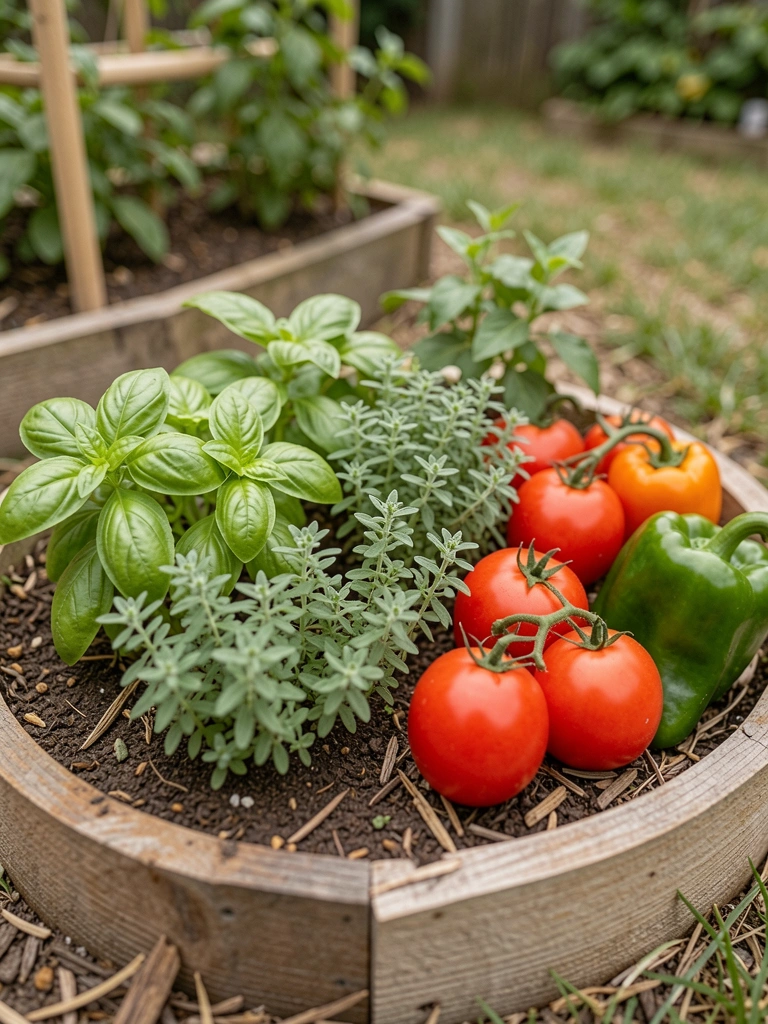
    I once tangled the lights badly. Now I coil them neatly and use outdoor-rated sets.

    Tip: use warm white bulbs and stagger the lines for depth.

    What You’ll Need for This Look

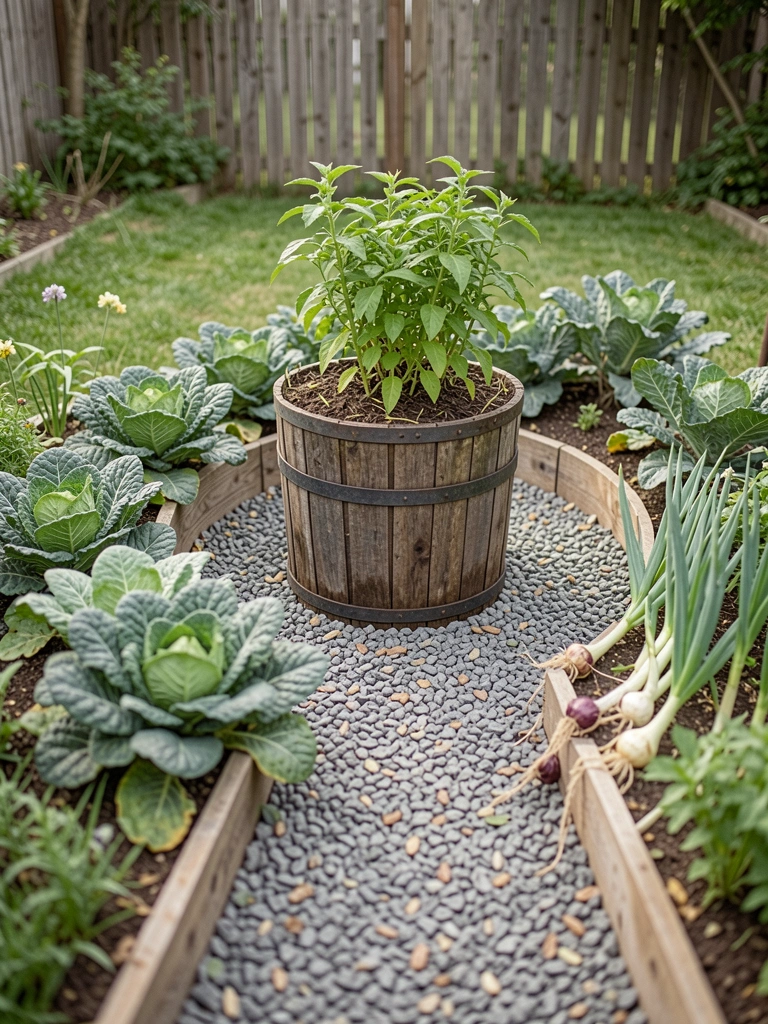
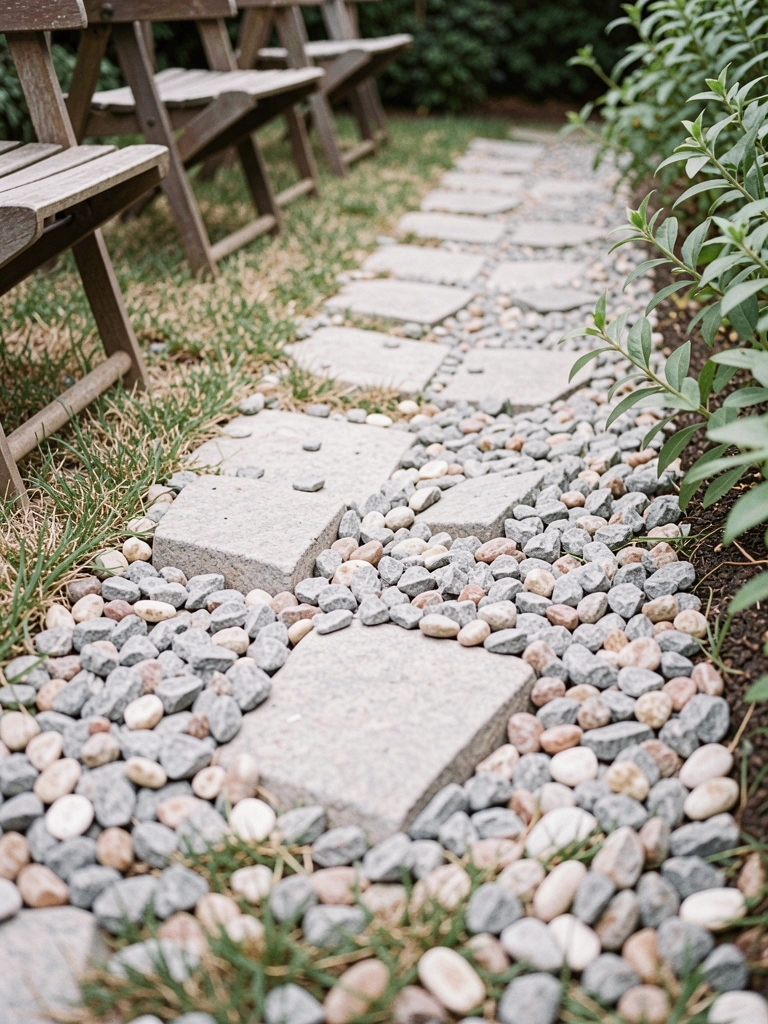
    9. Gravel and Pavers for a Low-Cost Compact Floor

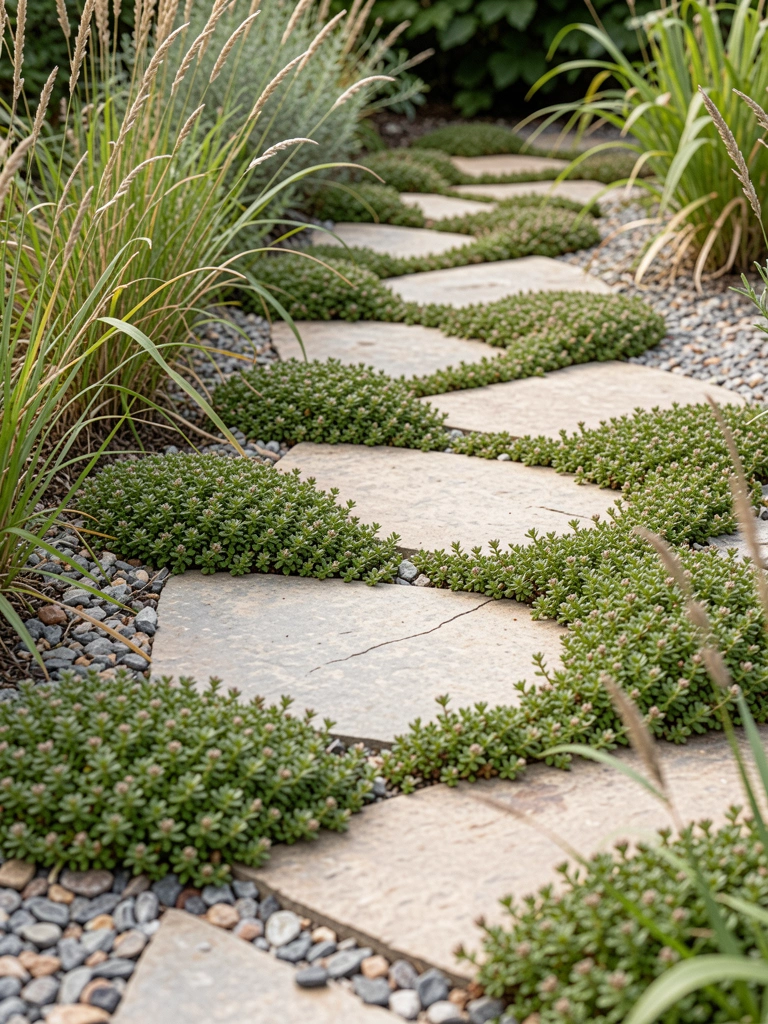
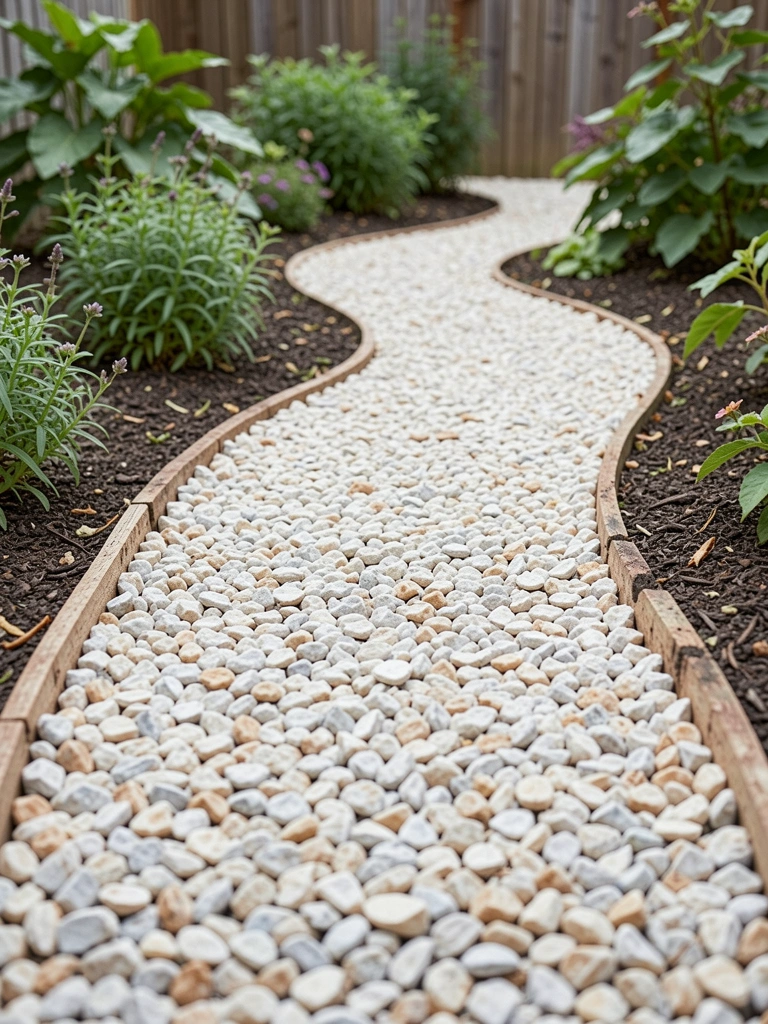
    I tore up ugly tiles and laid gravel with a few pavers. It was cheap and drained well. The space looked cleaner and felt more intentional than plain concrete.

    I underestimated how much weed barrier I’d need. I fixed it with extra landscape fabric and crushed stone.

    Tip: choose pavers as focal points and leave gravel for the rest.

    What You’ll Need for This Look

    10. Recycled Tin and Can Planters for Charm and Savings

    I save cans and tins instead of buying new pots. They’re light and cheap. A coat of outdoor paint and drainage holes turn them into charming planters.

    I once forgot drainage and lost seedlings. Now I poke extra holes and raise them on small stones.

    Tip: use a mix of herbs and annuals so you can swap them seasonally.

    What You’ll Need for This Look

    11. Succulent Tray for Minimal Watering and Texture

    I set a shallow tray of succulents on a side table. They require almost no care and add texture. The tray is light and easy to move into shade when needed.

    I crowded the tray too tightly once and a few rotted after heavy rain. I now leave small gaps and use gritty soil.

    Tip: top-dress with coarse sand to keep soil dry and neat.

    What You’ll Need for This Look

    12. Reclaimed Brick Border to Define the Space (I Misjudged Leveling)

    I used leftover bricks to edge the patio and it suddenly felt finished. The bricks warmed the concrete and gave plants a border. I didn’t level them properly at first and had to re-do a corner.

    Once leveled, they stay put and are a cheap upgrade.

    Tip: pack a gravel base and tap bricks level with a mallet for a snug fit.

    What You’ll Need for This Look

    13. Hanging Basket Trio for Vertical Interest

    I hung three baskets at different heights to draw the eye up. It added color without taking floor space. The baskets sway and make the patio feel alive when the wind picks up.

    I did forget to feed them and the middle basket faded. Now I use a liquid feed weekly.

    Tip: rotate baskets for even bloom and put a saucer under them for easy watering.

    What You’ll Need for This Look

    14. Mini Water Feature for Sound and Calm

    I added a tiny pump fountain and the sound changed the whole patio. It masks city noise and invites birds. The fountain needs occasional cleaning, but the payoff is a calm corner.

    I had algae once in the summer. I cut it back by scrubbing monthly and using distilled water.

    Tip: pick a low-wattage pump for small spaces; it’s quiet and efficient.

    What You’ll Need for This Look

    15. Outdoor Rug to Define the Seating Area

    I added an outdoor rug and the seating corner finally read as “room.” It hides stains and makes the space feel cozier. The rug also protects chair legs from scratching the concrete.

    It faded in direct sun after two seasons. I now choose UV-resistant rugs and rotate them.

    Tip: measure first and let the rug extend under the front legs of furniture.

    What You’ll Need for This Look

    16. Mini Compost Bin for Kitchen Scraps and Greener Plants

    I started a small compost pail for kitchen scraps and it cut waste. A compact outdoor bin breaks down material and gives me rich soil for my pots. The plants noticed the difference in a season.

    I once added too many citrus peels and it smelled odd. I balance greens and browns now.

    Tip: chop scraps small and aerate weekly for faster composting.

    What You’ll Need for This Look

    17. Cheap Mirrors to Bounce Light into Shaded Corners

    I hung a simple mirror and my shady corner looked brighter. It bounces the little light I get and makes the space feel larger. I chose a weatherproof frame so it holds up.

    I almost used an indoor mirror and regretted it after a rainy week. Outdoor-rated is worth the little extra.

    Tip: place mirror opposite plants to double the greenery visually.

    What You’ll Need for This Look

    18. Container Layer with Evergreen for Year-Round Interest

    I added small evergreens to a container for winter structure. When annuals fade, the green holds the line. It keeps the patio from looking empty in colder months.

    I planted too many evergreens once and lost the seasonal color. Now I mix one evergreen with seasonal companions.

    Tip: pick dwarf varieties to keep pots manageable.

    What You’ll Need for This Look

    19. DIY Trellis from Bamboo for Climbing Plants

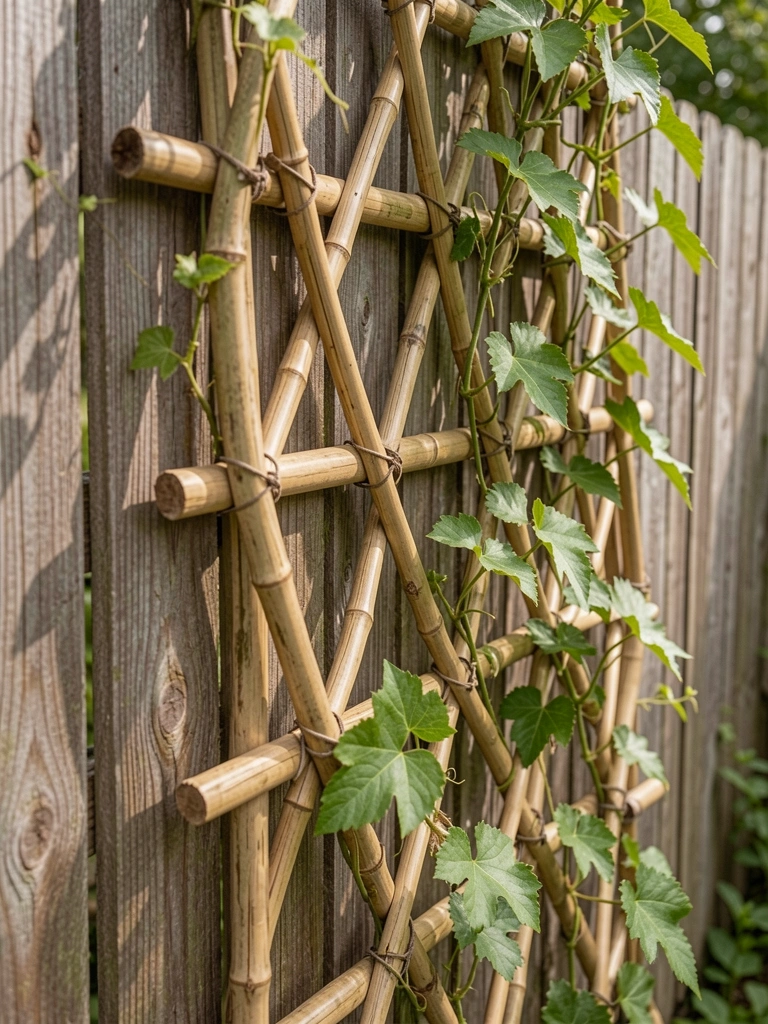
    I lashed bamboo poles into a trellis and trained clematis up it. It was cheap and lightweight. The trellis creates height and a soft green wall without heavy hardware.
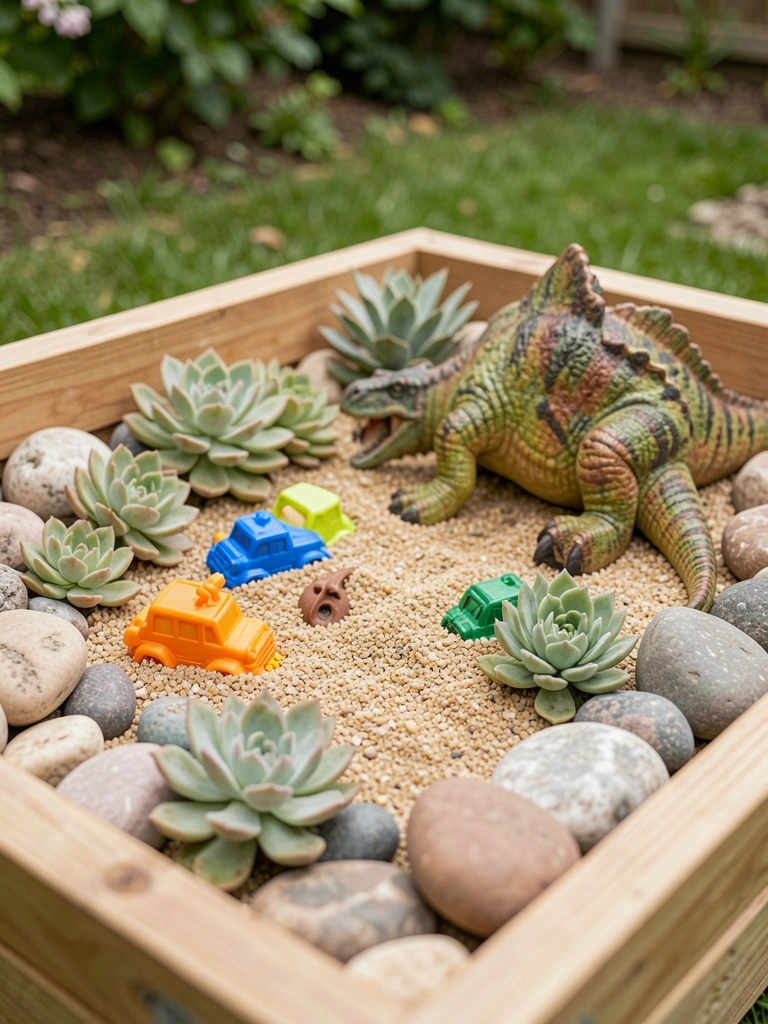
    I learned to secure it well; wind can loosen the ties. I use garden twine and occasional zip ties.

    Tip: tie plants gently and add support ties as they grow.

    What You’ll Need for This Look

    20. Low-Cost Shade Sail for Afternoon Comfort

    I installed a small shade sail to block hot afternoon sun. It cooled the patio and protected delicate plants. The sail is cheaper than an umbrella and looks modern.

    I learned to angle it for wind. I secure corners to hooks and take it down in storms.

    Tip: choose breathable fabric and a slight slope for rain runoff.

    What You’ll Need for This Look

    21. Compact Vertical Veg Garden in Stacked Towers (I Overwatered Once)

    I used a stacked tower to grow lettuces and quick veg. It fits in a corner and gives a surprising harvest. The tower is shallow but productive with regular feeding.

    I overwatered it once and bottom plants rotted. I switched to a fast-draining mix and water less.

    Tip: sow in waves for continual harvest and choose shallow-rooted crops.

    What You’ll Need for This Look

    22. Portable Folding Planters for Flexibility

    I use collapsible fabric planters when I need to move things around. They’re light and inexpensive. When a spot gets too shady I lift and go.

    Fabric planters dry faster. I water more often but the plants seem happier overall.

    Tip: choose reinforced bottoms for stability and use saucers if indoors.

    What You’ll Need for This Look

    23. Paint the Floor to Mimic Tile Without the Cost

    I painted a geometric pattern on my concrete patio and it read like tiles. It brightened the space and cost a fraction of real tile. The paint held up if sealed properly.

    I used indoor paint at first and it peeled. Choose outdoor floor paint and a sealer for durability.

    Tip: use painter’s tape for crisp lines and two thin coats.

    What You’ll Need for This Look

    24. Compact Fire Pit for Cool Nights

    A small tabletop fire pit extends patio season into cool nights. It’s cozy and takes up little space. I use a portable propane model for safety and ease.

    I once used a wood option and it smoked too much for our small area. Propane is cleaner here.

    Tip: keep a metal tray underneath and check local rules for outdoor flames.

    What You’ll Need for This Look

    25. Seasonal Annual Swaps in a Single Large Planter

    I use one large planter and swap seasonal annuals in it. It’s economical and keeps the patio fresh. Spring bulbs give a burst, summer fills in, and hardy pansies take over in fall.

    Sometimes I rushed the swap and mixed incompatible plants. Now I plan transitions and keep soil healthy.

    Tip: refresh topsoil and feed between swaps for vigorous display.

    What You’ll Need for This Look

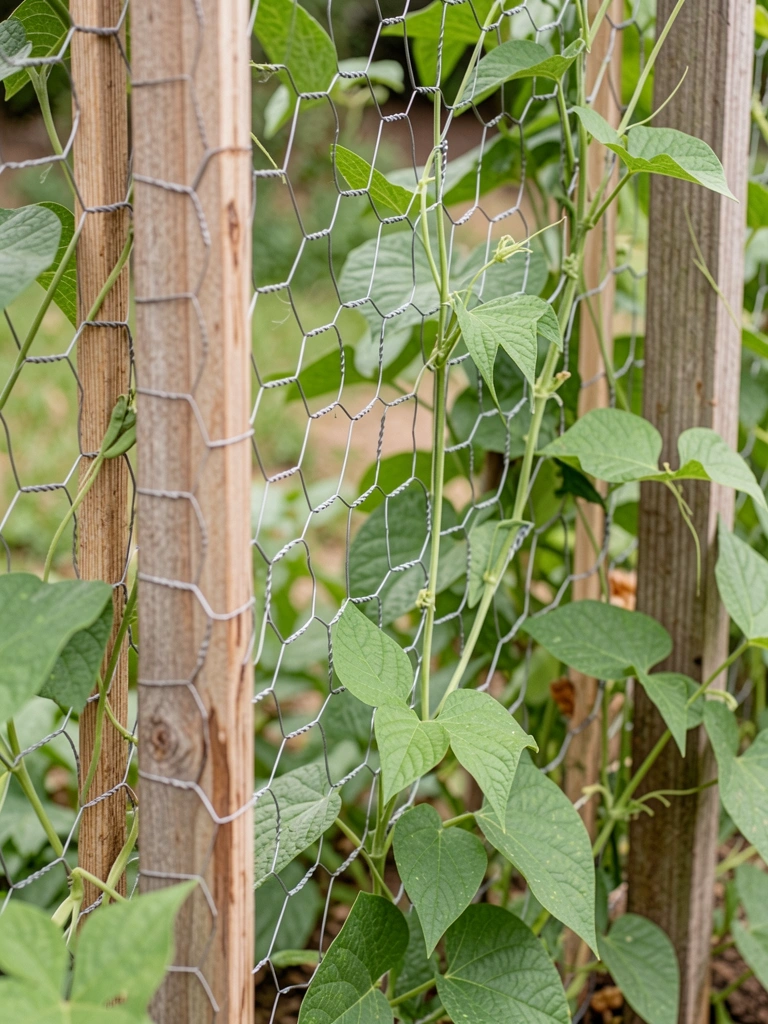
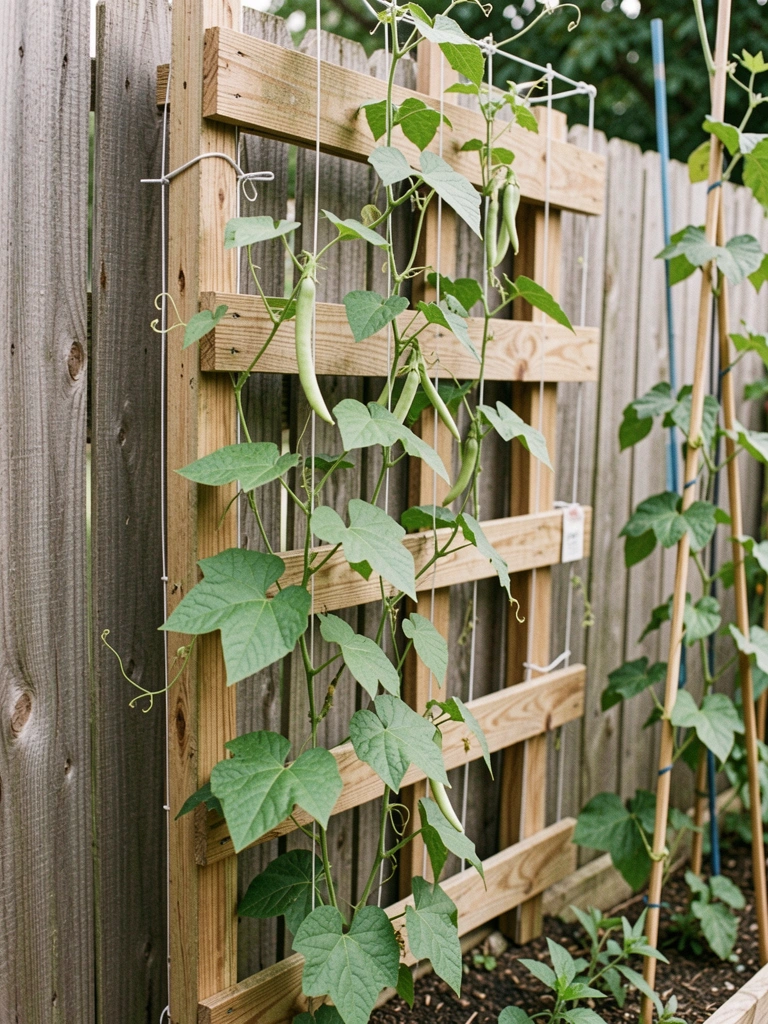
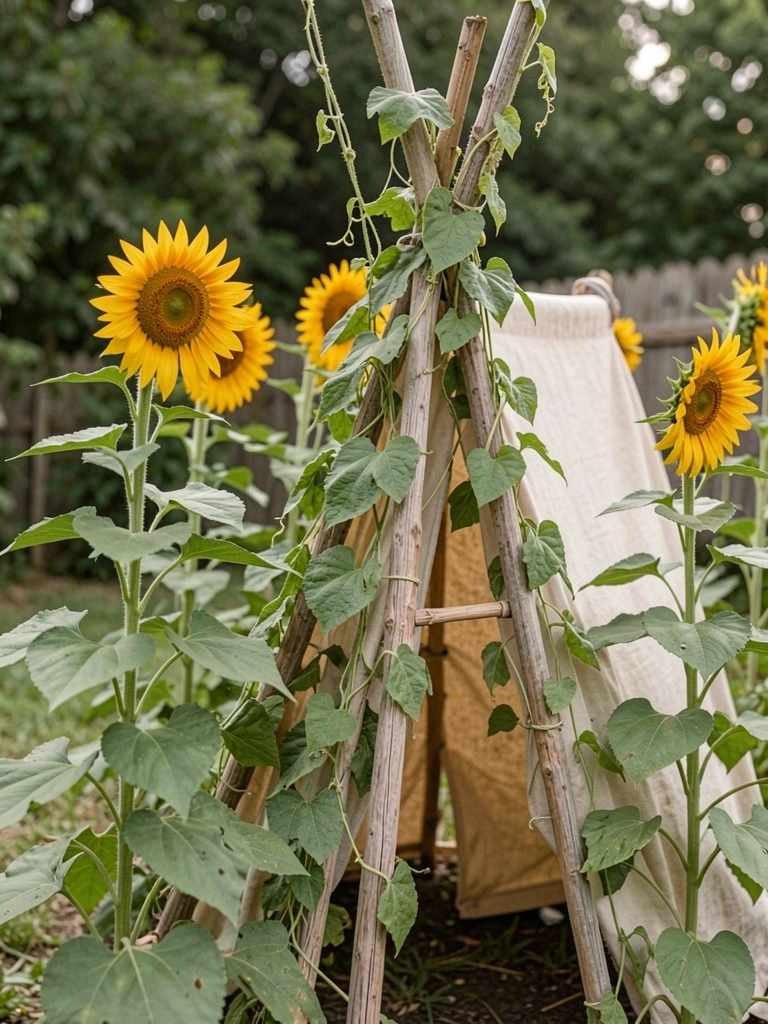
    26. Small Trellis with Edible Climbers like Beans

    We grew pole beans on a small A-frame trellis and harvested enough for salads. Climbers add vertical green and produce. Beans grow fast and train easily.

    I planted them too densely once and airflow suffered. I thin them early and harvest regularly.

    Tip: use twiggy supports for a natural look and quick cost savings.

    What You’ll Need for This Look

    27. Small-Scale Edging Plants to Soften Concrete

    I planted low thyme and mondo grass along the patio edge. They soften hard lines and smell nice in bare feet. The edging plants creep a bit, but in a good way.

    I once used a too-aggressive groundcover that took over. Choose gentle spreaders for small spaces.

    Tip: trim annually to keep a neat line.

    What You’ll Need for This Look

    28. Solar Spotlights to Highlight a Favorite Plant

    I added a couple of solar spotlights to highlight a potted olive tree. They need no wiring and come on automatically. It’s a small effort for big evening presence.

    They dim in very shady corners. I move them to sunniest spots for charging.

    Tip: choose spotlights with adjustable heads and warm LEDs.

    What You’ll Need for This Look

    29. Basket Storage Bench for Tools and Planter Supplies

    I built a small storage bench to hide trowels, gloves, and extra soil. It doubles as seating and cuts clutter. The baskets inside keep things organized and dry.

    I once left a plastic bag of soil inside and it spilled. Now I use metal trays and sealed bags.

    Tip: choose a bench with ventilation and removable baskets for easy access.

    What You’ll Need for This Look

    Final Thoughts

    You don’t need to do all of these. Pick a few that fit your light and lifestyle.

    Small changes add up. I still tinker season to season, and you will too.

    Start with one project and enjoy the slow improvement.

  • How to Decorate A Small Patio Garden On A Budget

    How to Decorate A Small Patio Garden On A Budget

    I stared at my tiny slab of concrete and felt stuck. It looked functional but empty. I wanted a space I’d actually use, not a bare corner.

    Over time I learned small, cheap moves that make a patio feel deliberate and comfortable. This guide is about feel, not fancy spending.

    How to Decorate A Small Patio Garden On A Budget

    I’ll show how I layer plants, furniture, lighting and textiles to make a small patio feel balanced and inviting without a big budget.

    What You’ll Need

    Step 1: Pick a focal corner and claim it

    I start by choosing one corner as the focal point. It gives the eye somewhere to rest. I place the bistro set or a single chair there first. That single decision makes the rest feel like supporting roles.

    Visually, you go from scattered to anchored. A common miss is trying to fill every inch. A small mistake to avoid: don’t cram the focal corner with too many pots. Give negative space so the main pieces breathe.

    Step 2: Use one large container and a couple of smaller ones

    I put one dominant container near the focal point. Then I add one or two smaller pots to form a trio. That scale play reads as intentional. The large planter gives height and visual weight. The smaller ones add texture and rhythm.
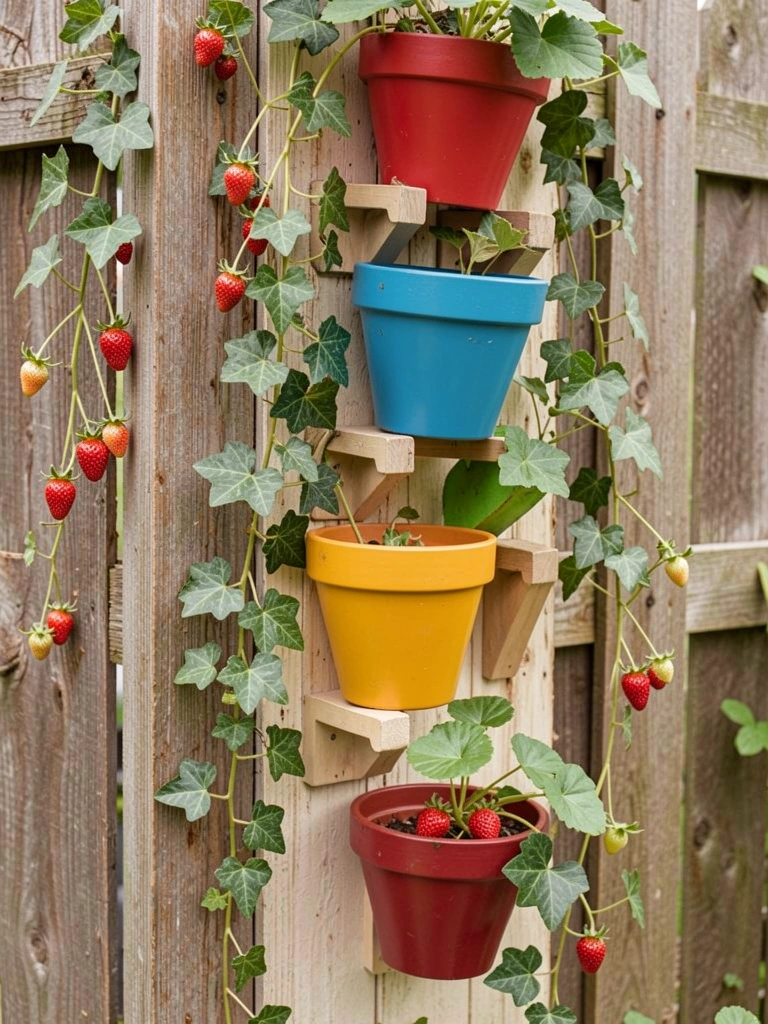
    People often miss scale — tiny pots alone look like clutter. The small mistake is matching everything; instead, mix sizes and materials for balance. The visual change is instant: the area feels planted-in, not scattered.

    Step 3: Layer a rug and compact furniture for a living-room feel

    I roll out a small rug to define the “room.” It grounds the furniture and softens hard concrete. Then I position the bistro table and cushions so they touch the rug edge. That overlap makes the scene read as one place, not separate pieces.

    What visually changes is coherence. People often pick overly bright rugs that shout instead of harmonizing. A small mistake: don’t over-size the rug. Too big swallows the patio; too small looks like an afterthought. Aim for the visual footprint of a small living room.
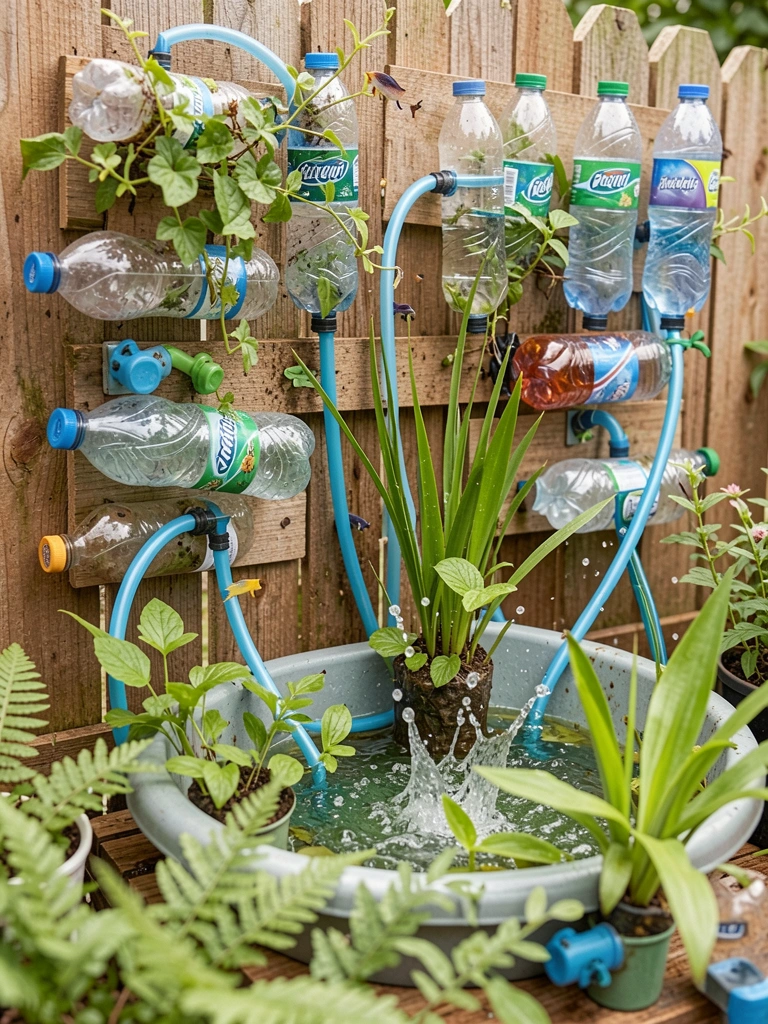
    Step 4: Add vertical and layered greenery

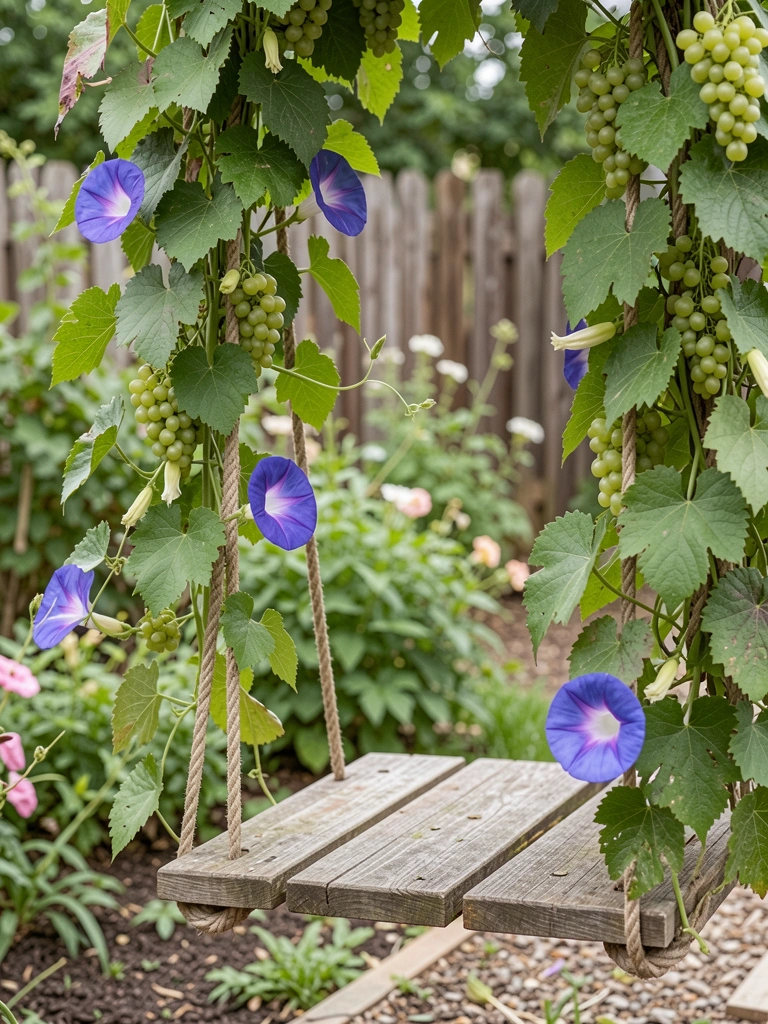
    I look upward when floor space is tight. A simple shelf or a trellis gives a second plane. Hanging pots and a tall planter create a layered backdrop behind the seating. That vertical depth makes a tiny patio feel larger.

    Many people forget to vary leaf size and plant form. The common mistake is piling identical pots in a row. Instead, mix a trailing plant, a sculptural leaf, and a soft filler. The visual result is depth, not flatness.

    Step 5: Light, small accents, and one storage trick

    I hang warm solar string lights to knit the scene together at dusk. Then I add a woven basket to hide an ugly nursery pot and a simple tray for small items. Those tiny touches change mood and make the space feel finished.

    People miss the power of hidden storage. The small mistake is buying too many decorative objects; limit accents so the plants remain the stars. The lighting and basket make the place comfortable and used, not just pretty to look at.

    Plant choices that read well at a glance

    I favor a limited palette of foliage: one bold leaf (like a rubber plant or bird of paradise), a trailing plant (ivy or pothos), and a soft textural filler (lavender or ornamental grass). Sticking to three repeating types keeps things coherent.

    Bulleted approach I use:

    • One structural plant for height.
    • One trailing plant for softness.
    • One small flowering or scented plant for interest.

    Repeat those in different pots to feel curated without fuss.

    Keep the look affordable over time

    I buy one fairly priced statement planter and then use cheaper pots or grow bags for the rest. I also swap seasonal plants instead of replacing furniture. I find bargains at plant swaps, thrift stores, and clearance racks.

    Small habits that help:

    • Repurpose indoor pots outdoors in dry months.
    • Cover trays and pots with baskets for a uniform look.
    • Keep a basic care routine so plants last longer.

    Where I shop and what I skip

    I look for neutrals and natural textures. A cheap bright-patterned cushion can work, but I usually pick muted tones that layer easily. I check local marketplaces first for secondhand furniture.

    What I skip:

    • Overly trendy statement pieces that date quickly.
    • Too many ceramic pots of the same color and size.

    Final Thoughts

    Start with one seat and one large pot. That tiny commitment changes how you use the patio.

    Work in stages. I always add a rug or lights last. Small choices add up.

    You don’t need perfection. Aim for a lived-in, comfortable corner that invites you outside.

  • How to Make A Small Patio Garden Look Bigger And Brighter

    How to Make A Small Patio Garden Look Bigger And Brighter

    I used to step onto my tiny patio and feel boxed in. Potted plants felt like obstacles. The rug and furniture made everything look heavy.

    I kept tweaking placement until it felt airy. Small changes made the space read larger and lighter. You’ll see how to breathe room into tight outdoor spots without rearranging your whole life.

    How to Make A Small Patio Garden Look Bigger And Brighter

    This is the method I use whenever a patio feels tight. You’ll learn how to open sightlines, add light, and balance scale so the space reads larger and more inviting.

    What You’ll Need

    Step 1: Brighten the base and simplify the palette

    I start with the ground. A neutral, light rug makes the floor feel continuous rather than chopped up. I choose one light pot color to repeat. The result is calmer and visually larger because my eye doesn't stop at every different surface.

    People often miss how much the floor anchors the space. One small mistake is using a busy, dark rug that fights with plants. Keep the base simple and let the greenery read as the pattern.

    Step 2: Lift your eyes with verticals and reflections

    I add height to pull the eye up. A slim trellis or a tall planter makes the patio feel taller. Then I hang a mirror where it reflects an attractive corner of the garden. That doubled view tricks the eye into depth.

    Many people hang mirrors facing clutter. A useful insight: angle the mirror to catch greenery or sky, not a trash bin. Don’t cram too many verticals together; that turns openness into clutter.

    Step 3: Layer plants by scale, not quantity

    I work in three heights: tall background plants, medium pots, and low trailing greenery. That layered rhythm creates depth without needing more pots. The space then reads as a series of planes instead of a single crowded surface.

    A lot of gardeners overplant with random sizes. The insight I learned: repeat a shape or color to unify the scene. Avoid mixing too many odd pot sizes; that makes things look accidental rather than intentional.

    Step 4: Create a focal-led flow

    I place one stronger focal pot off-center. It gives the eye somewhere to land and helps the rest of the patio read as background. I leave a small area intentionally empty so the eye can move through the space.

    People forget negative space. Too many focal points compete and shrink the feel. Don’t push the main pot into the middle; that feels crowded. Off to the side is breathing room.

    Step 5: Use soft light and seasonal color sparingly

    I add low, warm light at eye level and a few pops of seasonal color in trailing pots. Lights that sit above or behind plants give a feeling of depth. A few coordinated blooms make the space feel lively without overwhelming it.

    People often put lights in a tangle or use too many bright colors. The insight: keep color limited to two or three tones and place lights where they reflect in the mirror. Avoid harsh, overhead lighting that flattens the space.

    Plant Choices That Open Space

    I pick plants that feel airy. Grasses, narrow-leaved salvias, and trailing petunias are my go-tos. They don’t block sightlines the way big-leafed shrubs do.

    Repeat the same foliage shape two or three times. It creates rhythm. Rhythm is what tricks the eye into length and depth.

    Lighting and Reflection

    Evening light matters. I favor warm solar strings and a single bulb hidden in foliage. The mirror catches that glow and doubles it.

    Place mirrors to reflect greenery or sky. Never mirror clutter. Small adjustments to angle make a big visual difference.

    Keeping It Lived-In Without Clutter

    I leave a spot for a chair and a cup. The garden should invite use. That keeps it from becoming a staged plant shelf.

    Every few weeks I step back and remove one item. If something feels like visual noise, it goes. Less often equals more room to breathe.

    Final Thoughts

    Start with one clear change: the rug, a mirror, or a single tall planter. I promise small edits add up.

    Work in layers and leave breathing room. The patio will feel brighter and more open fast.

    Be kind to yourself. Gardening is making choices, not perfection.