I remember the first time I edged my veggie patch with scrap wood. It looked neat at first, but weeds crept over the top. That's when I started hunting for wooden edges that hold up—ones that blend into the dirt like they grew there.
Over years of trial and error, I've settled on simple wood setups that keep soil in place and make beds feel contained, cozy.
These rustic touches turned my messy yard into something I actually enjoy walking through every morning.
21 Wooden Garden Edging Ideas with Rustic Charm
Here are 21 wooden garden edging ideas with rustic charm that I've gathered from my own gardens and neighbor swaps. They're practical, not fussy. You'll find exactly 21 to pick from—no overwhelm, just real options that work.
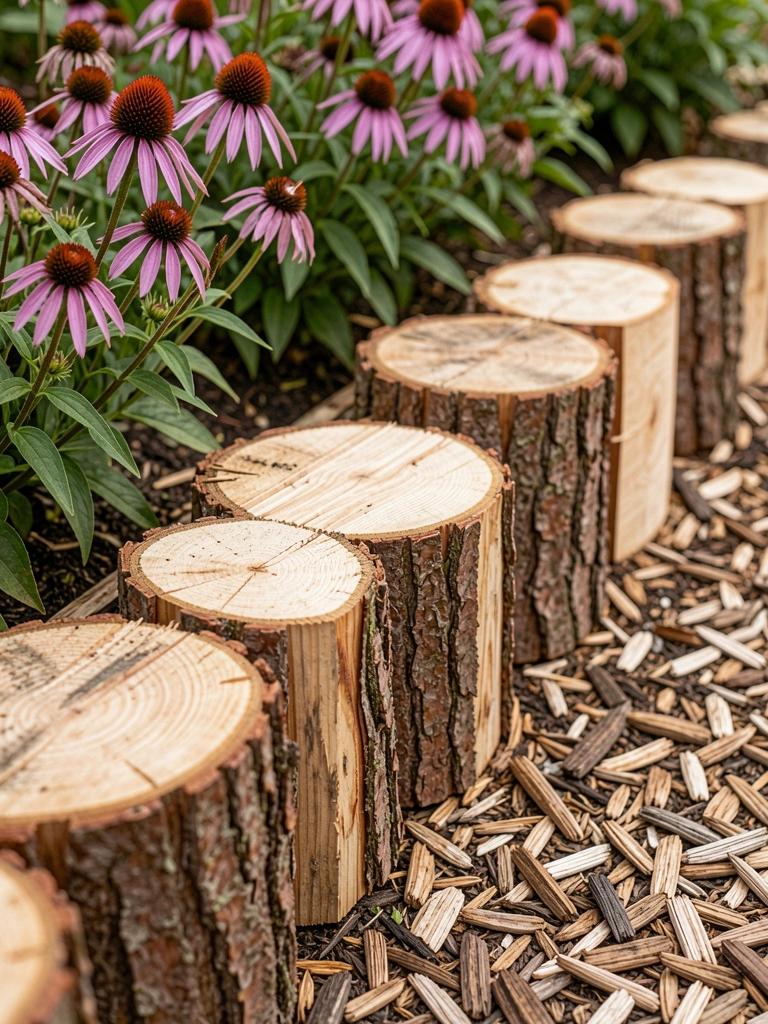
1. Stacked Log Borders for Curvy Flower Beds
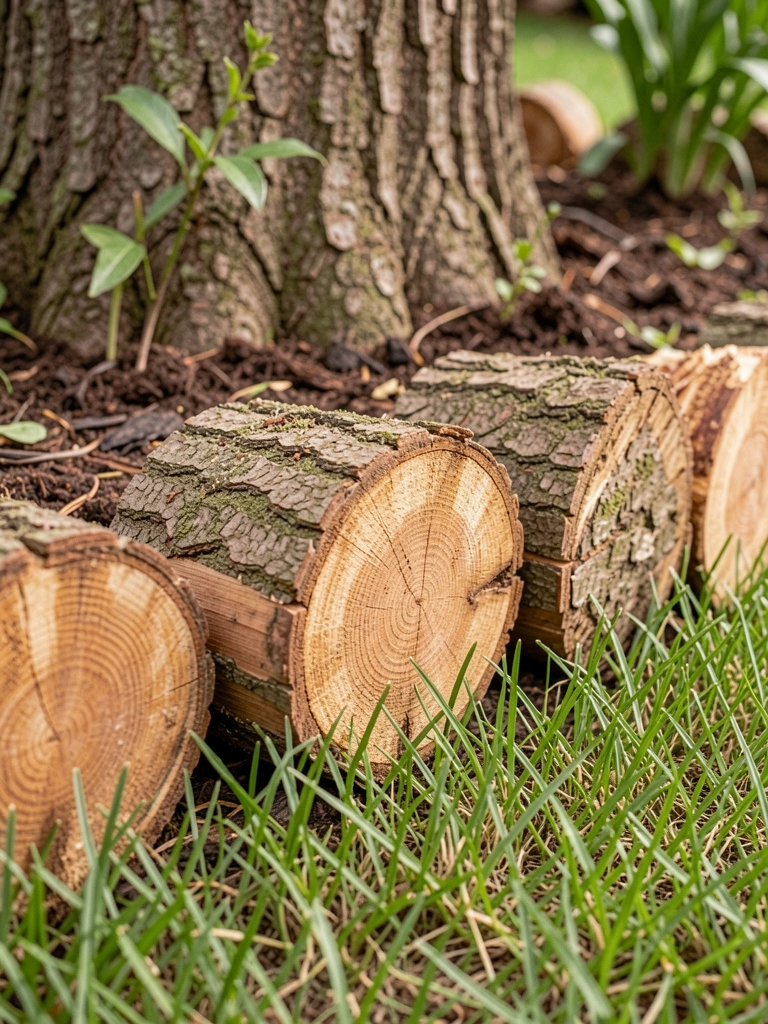
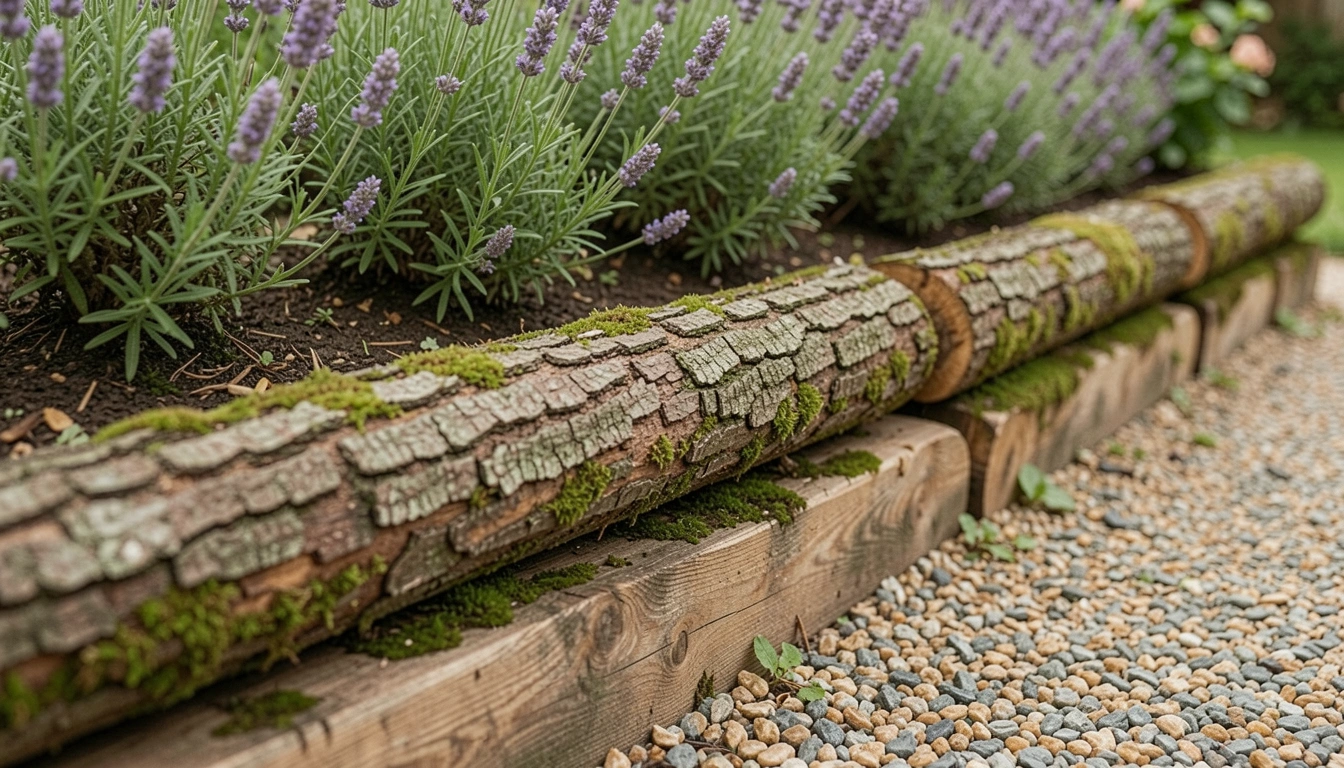
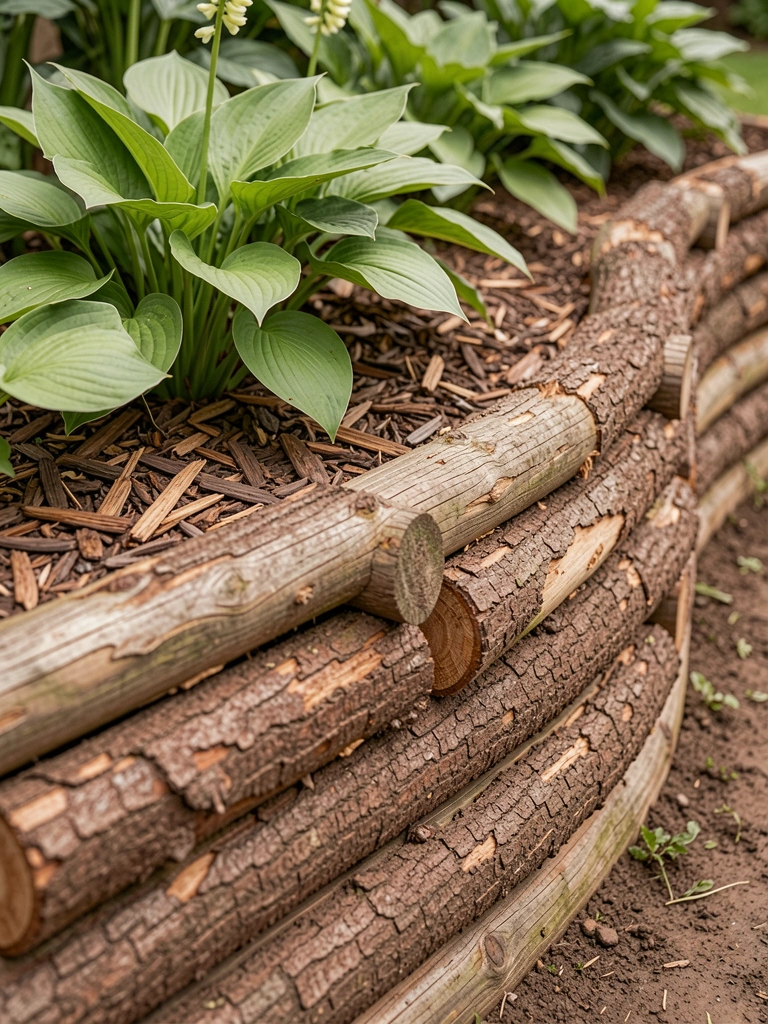
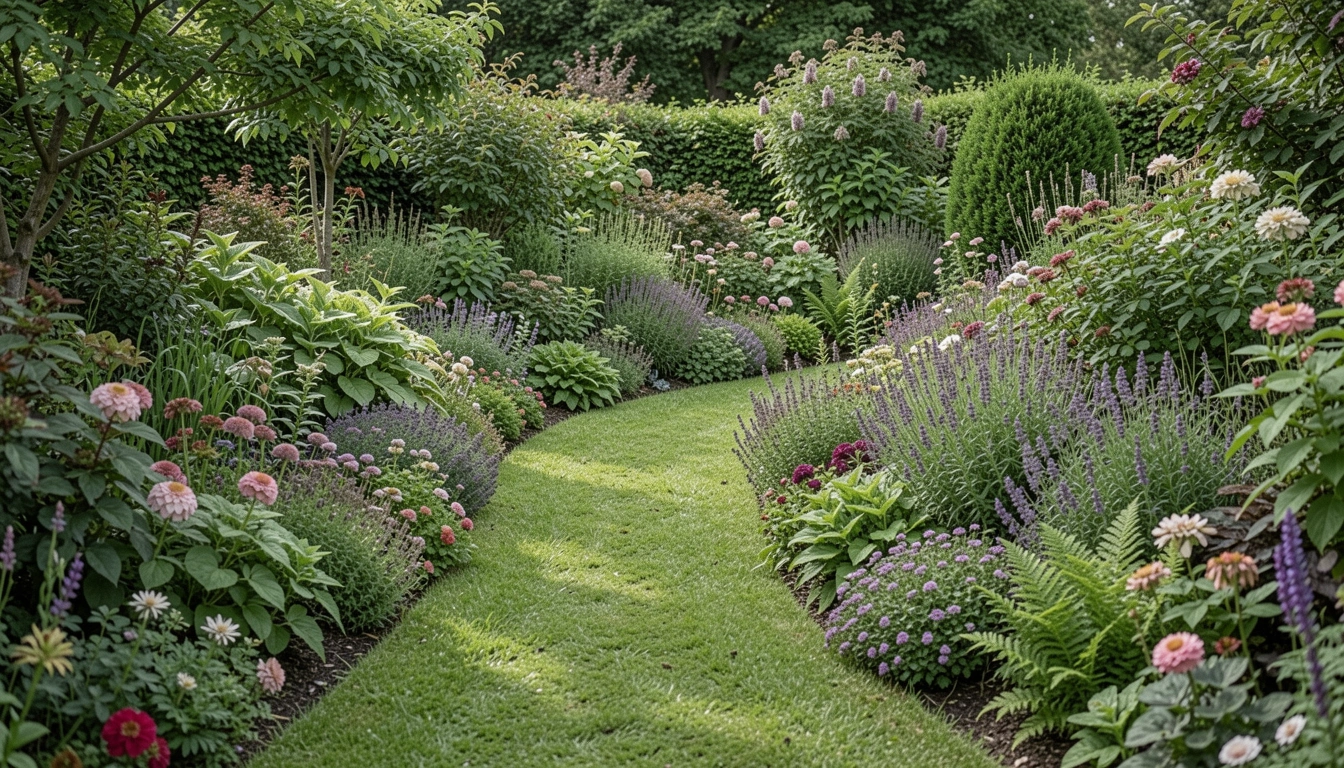
I started with logs from a felled tree in my backyard. Stacked them low along my front flower bed to follow its natural curve. It kept the soil from spilling onto the lawn, and the bark added this earthy texture that makes the whole bed feel grounded.
What I love is how the logs settle into the dirt over time, sprouting moss that matches the shade plants inside. No more straight lines fighting the bed's shape.
Pay attention to log diameter—thicker ones (4-6 inches) stay put better than skinny branches. I buried the bottom layer halfway for stability.
One tip: Seal ends with linseed oil if rain rots them fast in your spot.
What You’ll Need for This Look
[a href="https://www.amazon.com/s?k=landscape+timber+logs+4×4+natural&tag={{flowpinsystem-20}}">Landscape timber logs (4×4 inch, natural cedar)
[a href="https://www.amazon.com/s?k=linseed+oil+for+wood+outdoor&tag={{flowpinsystem-20}}">Boiled linseed oil (quart size)
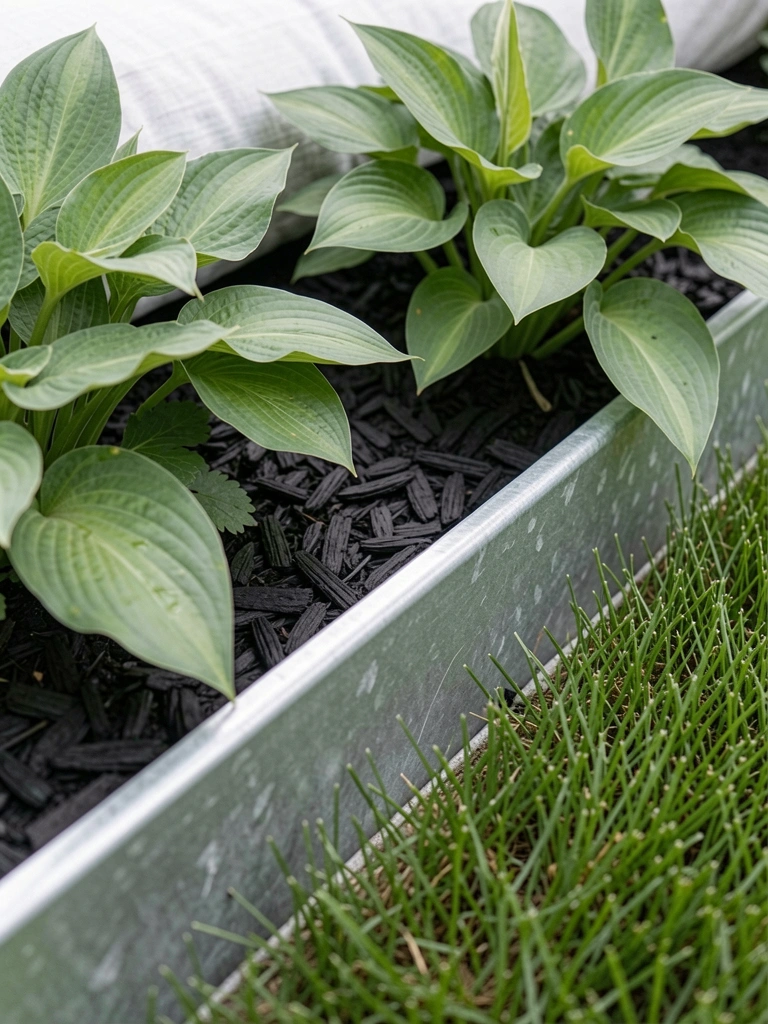
[a href="https://www.amazon.com/s?k=garden+hosta+plants&tag={{flowpinsystem-20}}">Hosta plants (bare root pack)
2. Vertical Pallet Slats for Narrow Herb Strips
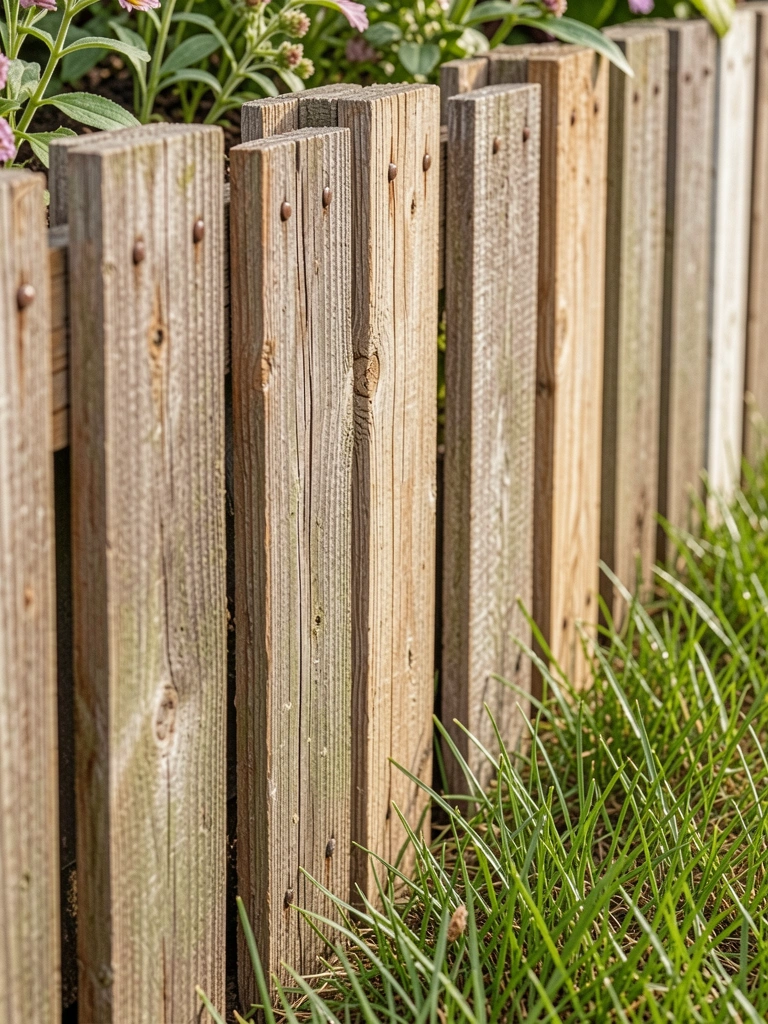
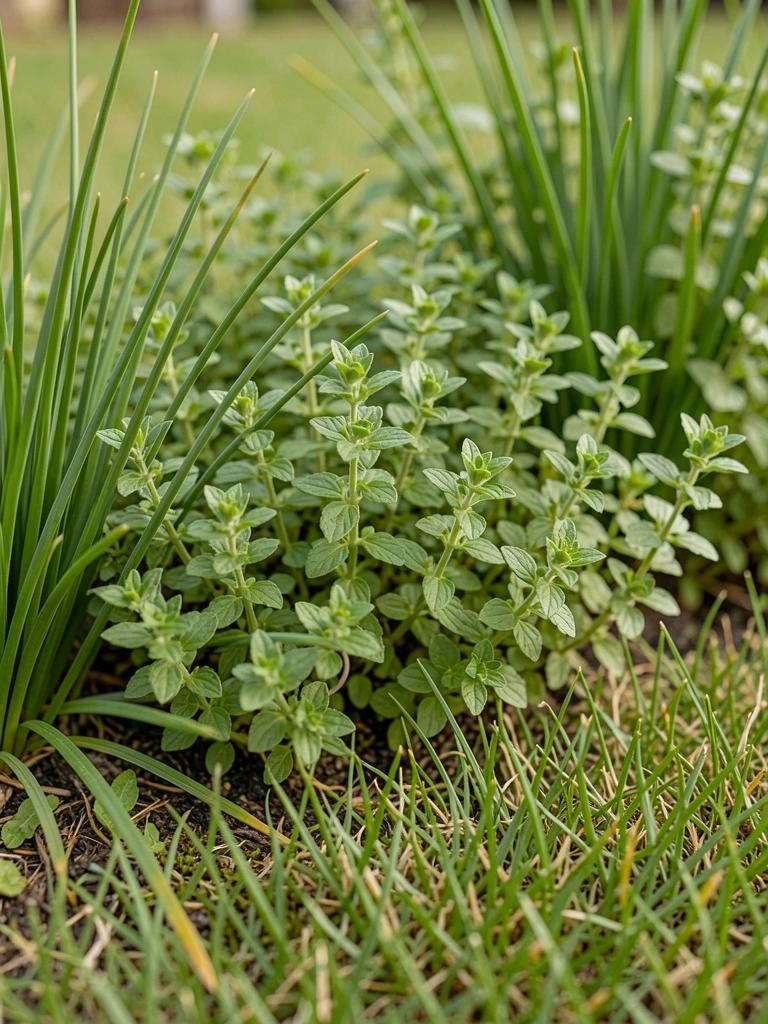
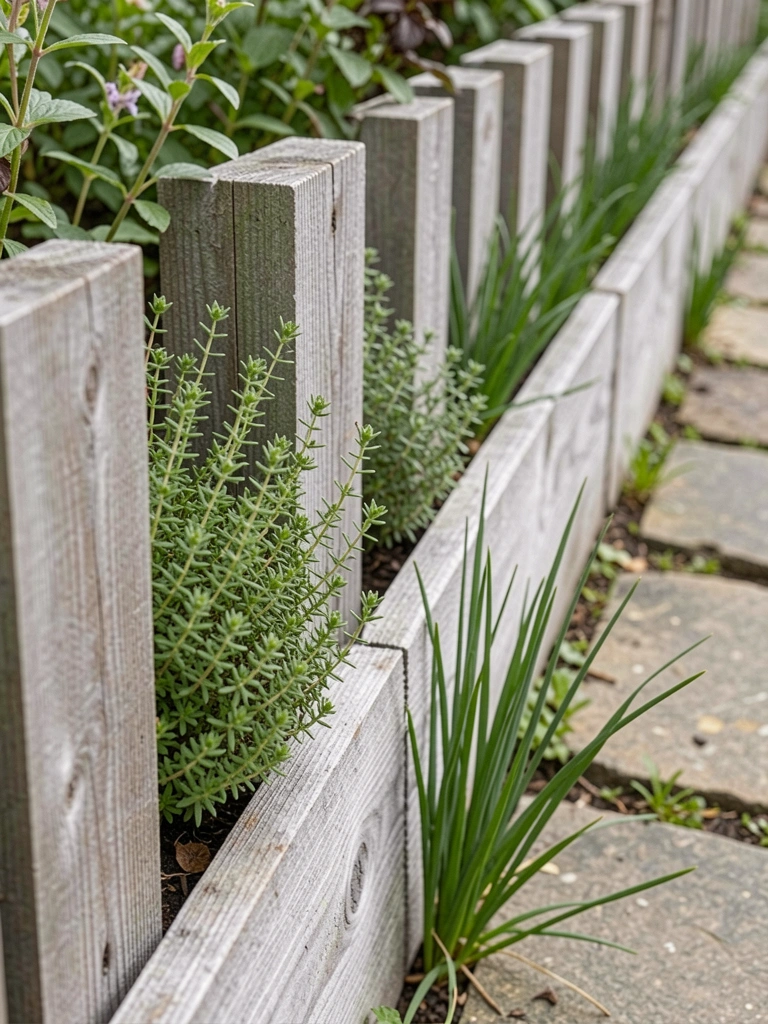
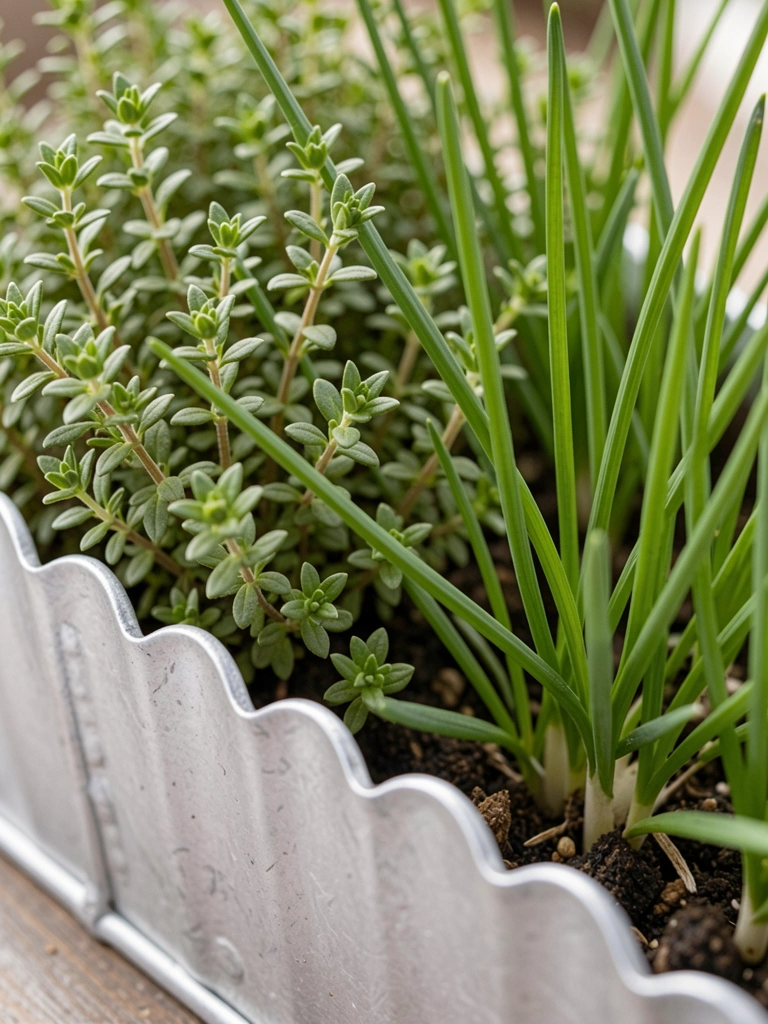
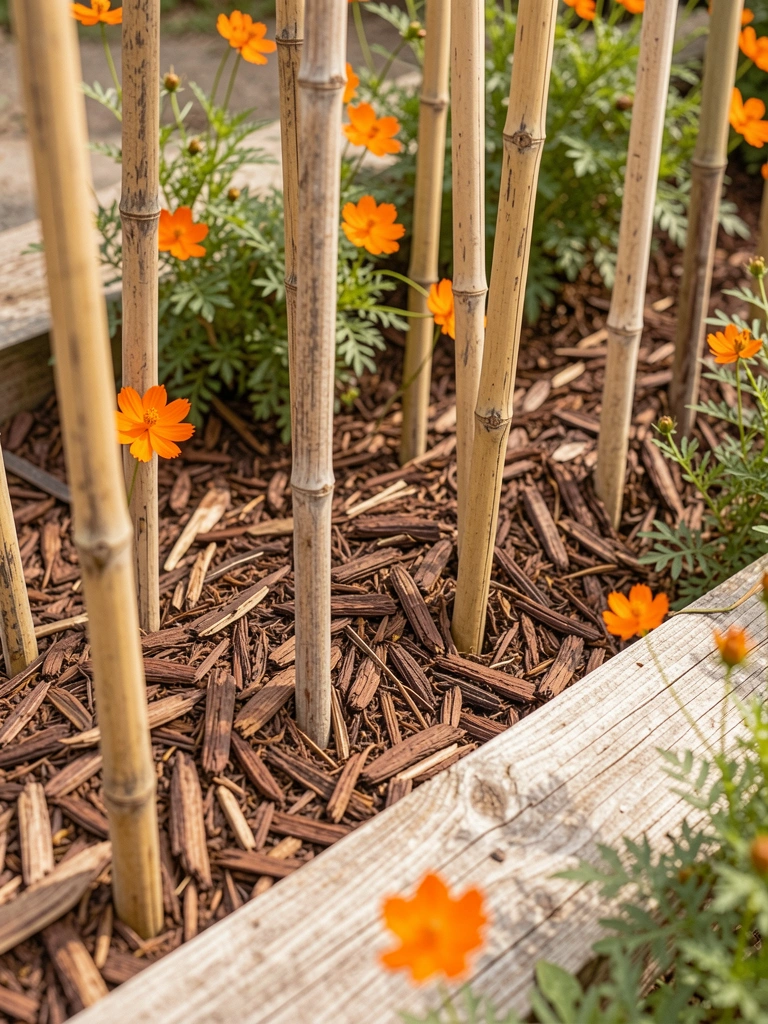
Pallet wood was free from a neighbor's discard pile, so I cut slats and pounded them vertically into my herb strip. It boxed in the chives and thyme perfectly, stopping them from wandering into the grass.
The slats weathered to a soft gray that picks up the stone path nearby. Feels like an old farm edge now.
Drive them 12 inches deep or they'll lean. I forgot once, and a wheelbarrow nudged them over.
Space them 6 inches apart for easy weeding between.
What You’ll Need for This Look
[a href="https://www.amazon.com/s?k=wooden+pallet+slats+outdoor&tag={{flowpinsystem-20}}">Reclaimed pallet wood slats (8 foot lengths)
[a href="https://www.amazon.com/s?k=thyme+herb+plants&tag={{flowpinsystem-20}}">Thyme plant starters (4 pack)
[a href="https://www.amazon.com/s?k=garden+sledgehammer&tag={{flowpinsystem-20}}">Small sledgehammer (2 lb head)
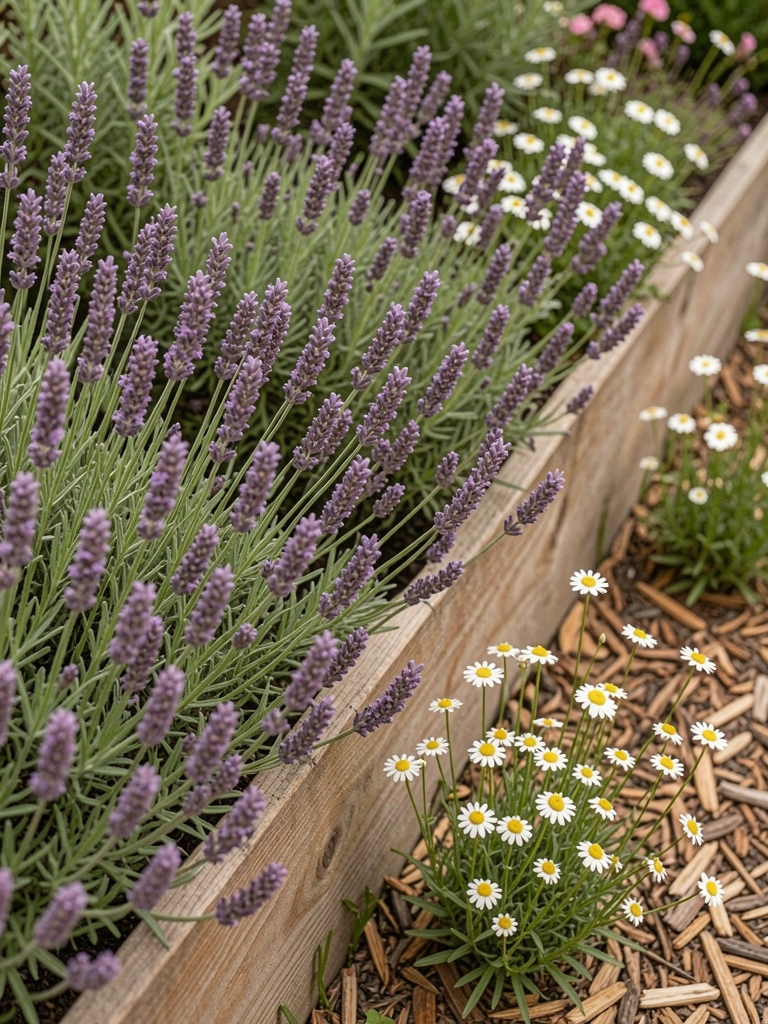
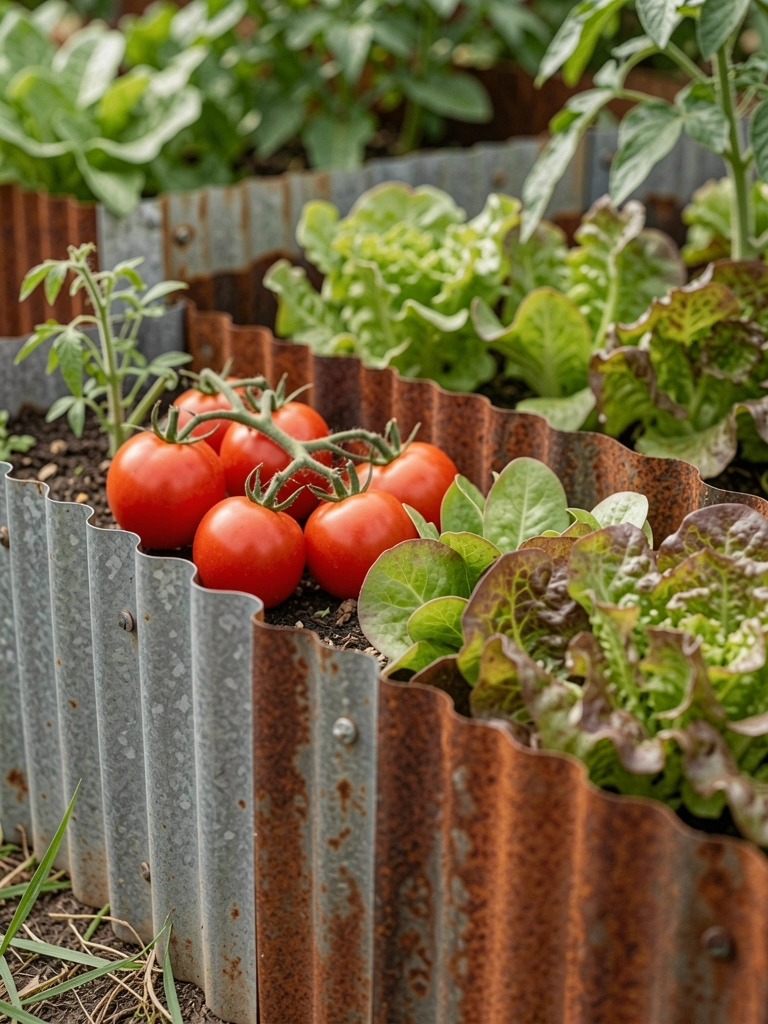
3. Cedar Plank Layers for Raised Veggie Beds
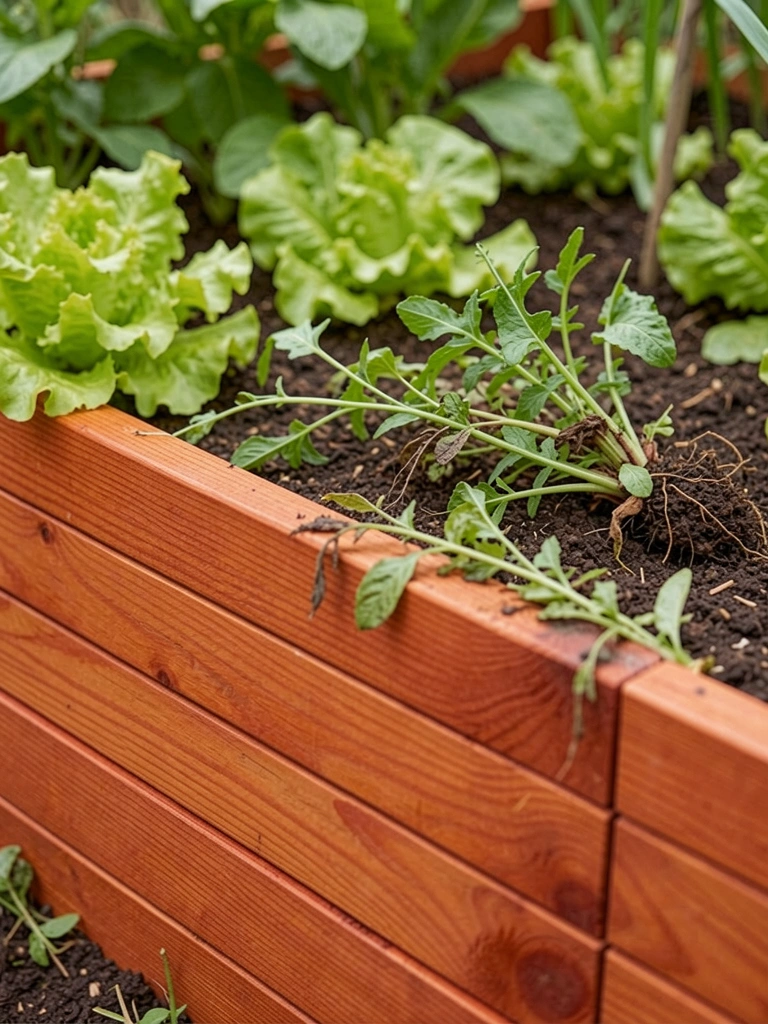
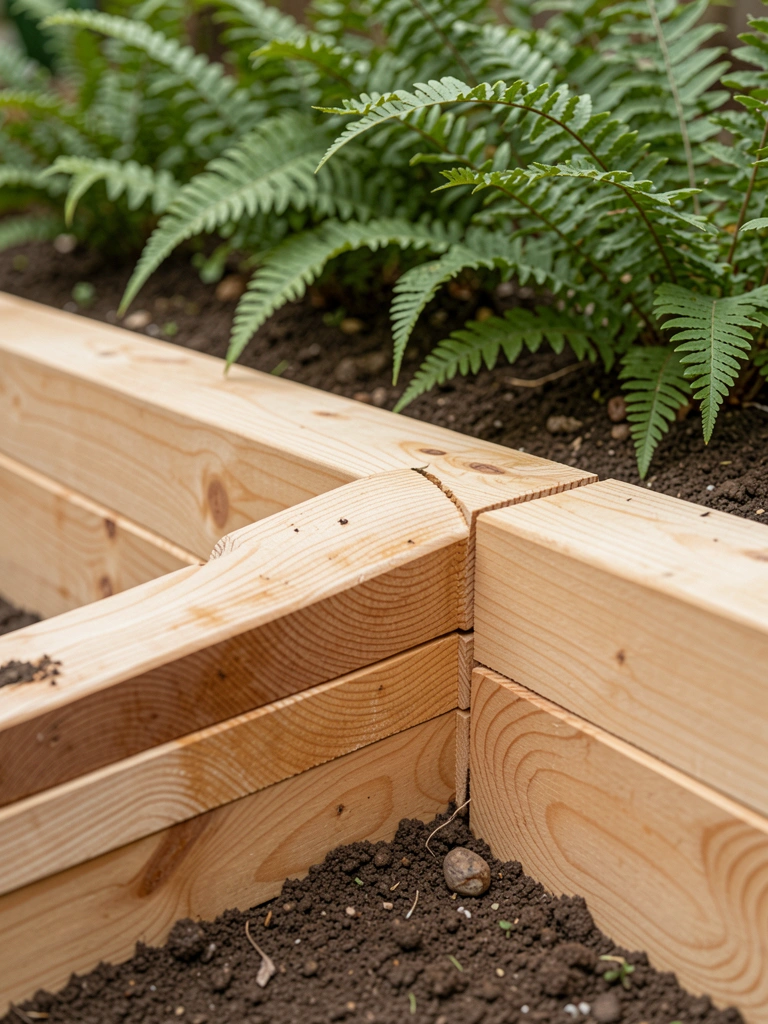
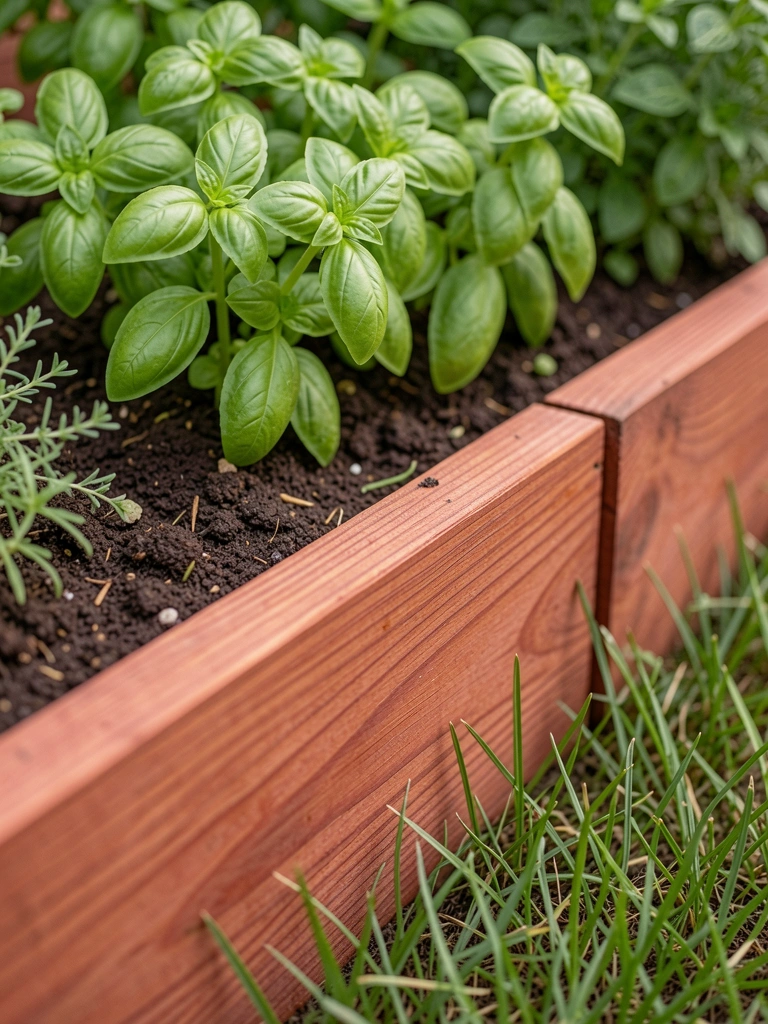
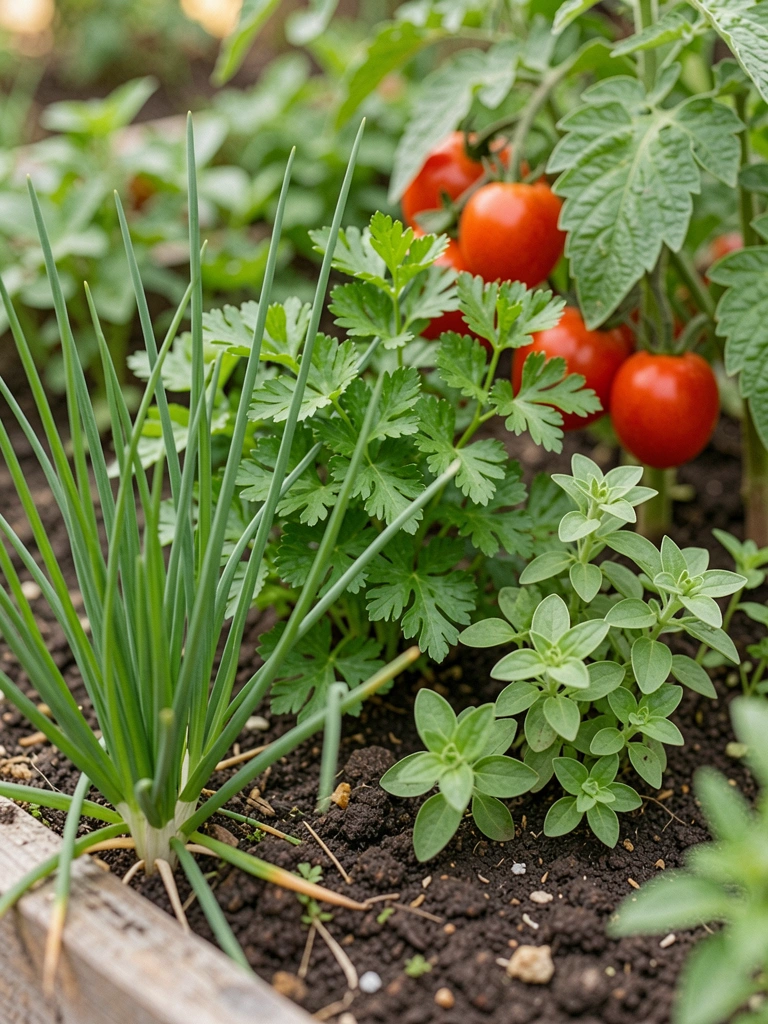
I layered 1×6 cedar planks for my tomato bed after cheap plastic edging cracked. Two layers high kept dirt contained and made harvesting easier—no bending low.
The cedar's warm red fades nicely, warming up the green veggies. Beds feel more intentional this way.
Overlap ends and screw into stakes behind. I skipped stakes first time; it sagged.
Great for slopes—holds back washouts.
What You’ll Need for This Look
Untreated cedar planks (1x6x8 feet)
Galvanized wood stakes (24 inch)
Exterior deck screws (3 inch, galvanized)
4. Willow Woven Edges for Soft Meadow Borders
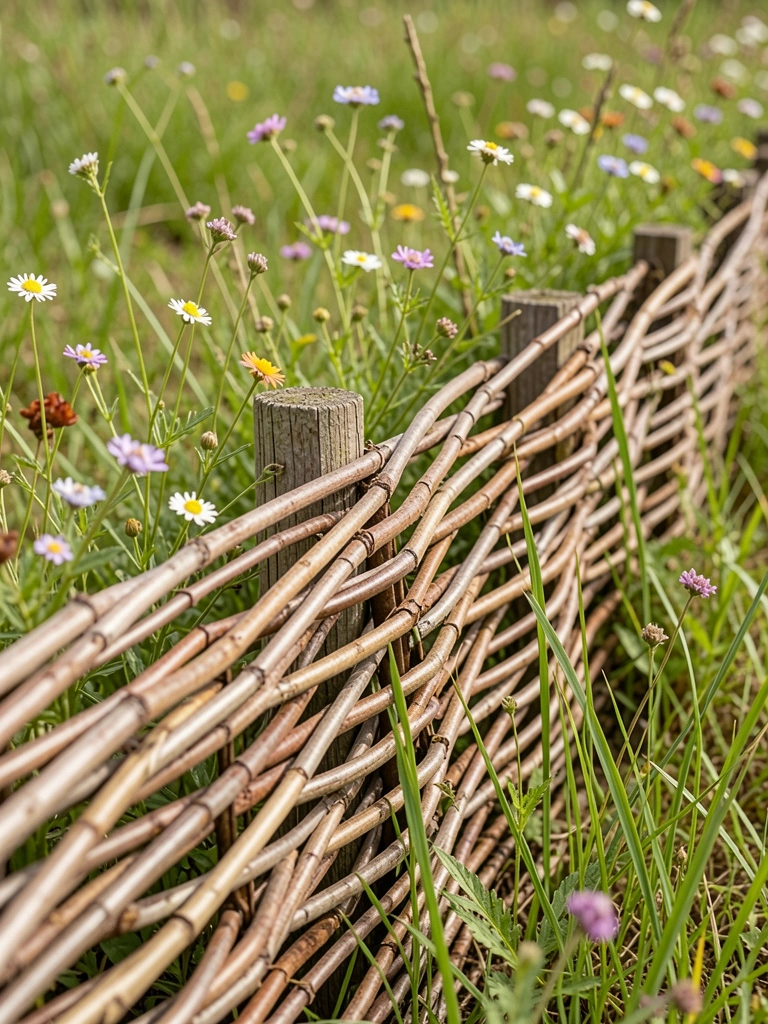
Fresh willow whips from the riverbank—I wove them horizontally between upright stakes for my wildflower edge. It's flexible, hugging the meadow's irregular line.
Gave a cottage feel without stiffness. Flowers spill over just right.
Soak whips overnight first or they snap. Mine did on a dry day.
Harvest local if you can; lasts longer.
What You’ll Need for This Look
Fresh willow branches (bundle of 10)
Pointed wooden stakes (18 inch pack)
Wildflower seed mix (perennial blend)
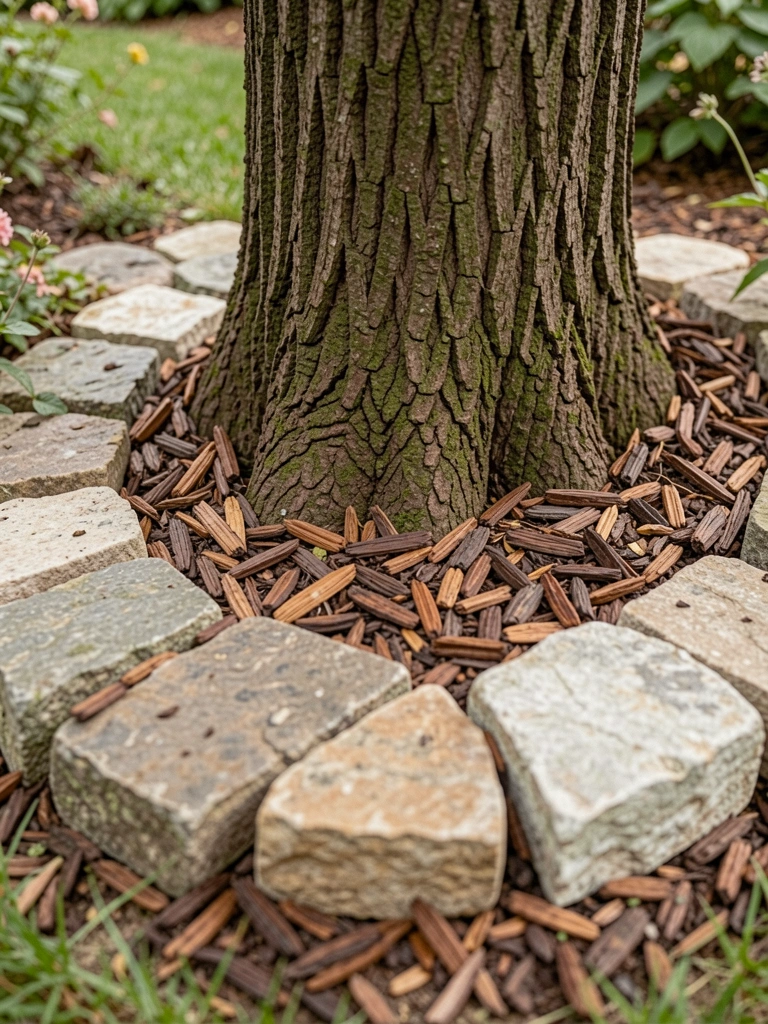
5. Log Slice Circles for Tree Ring Planters
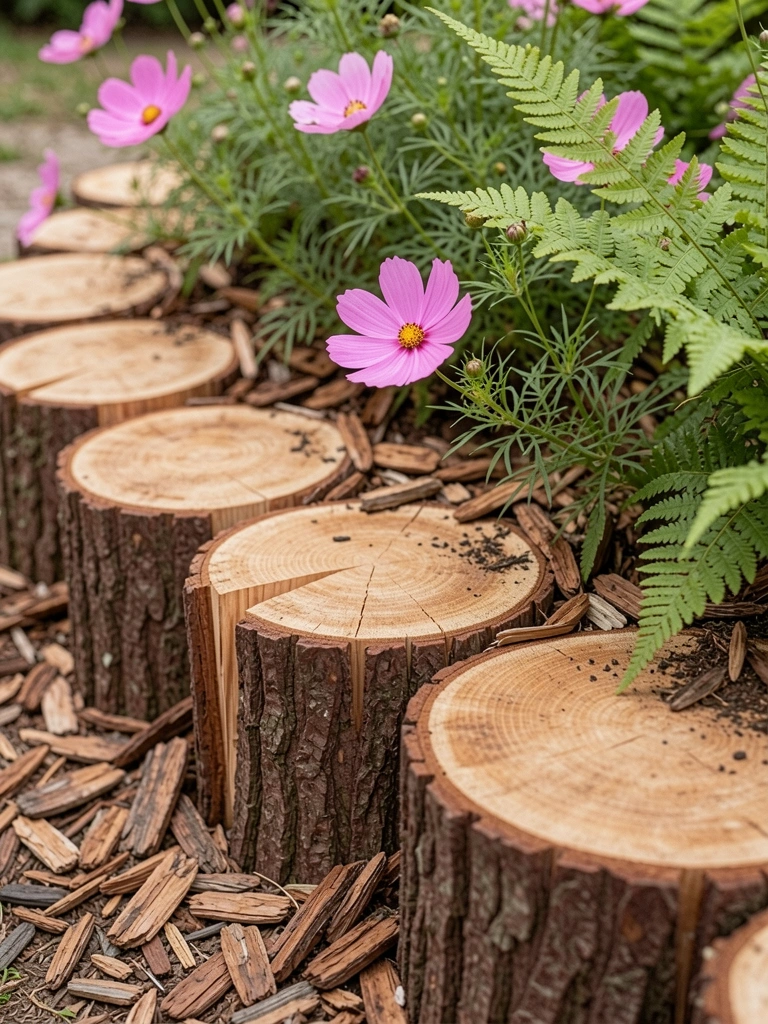
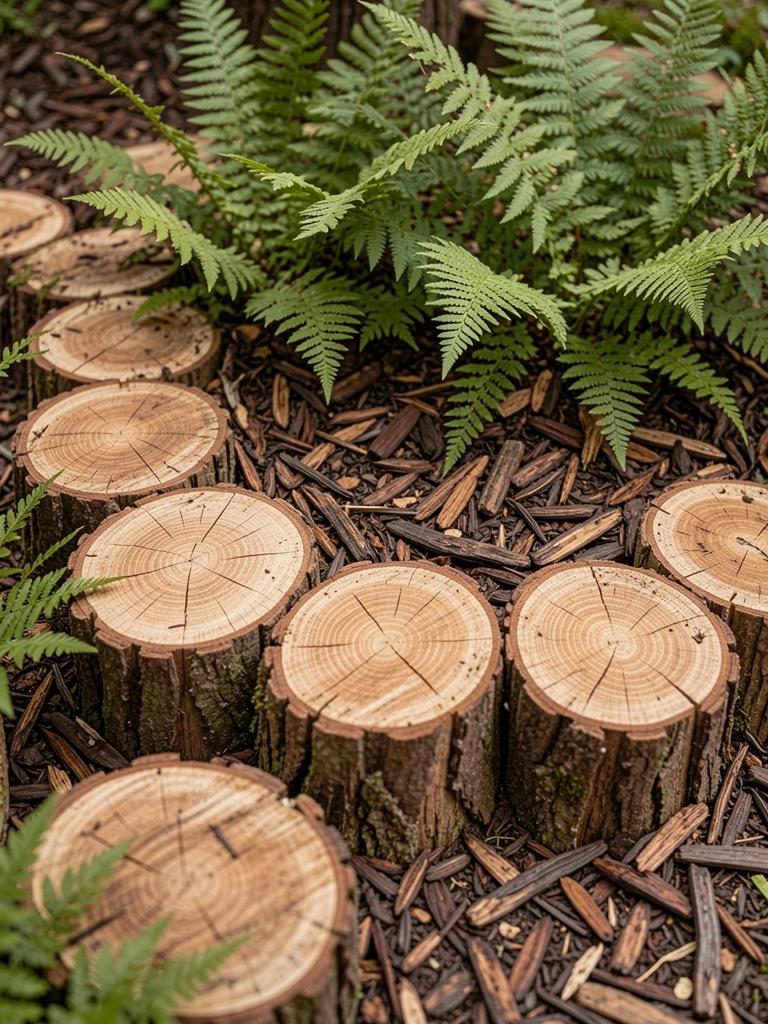
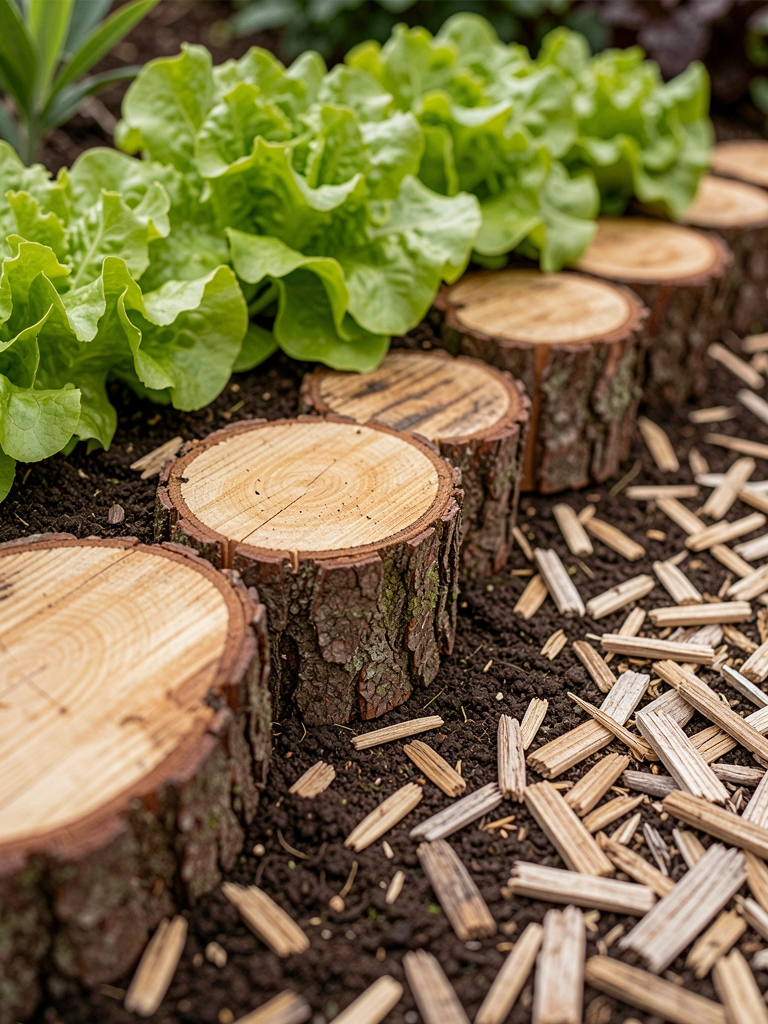
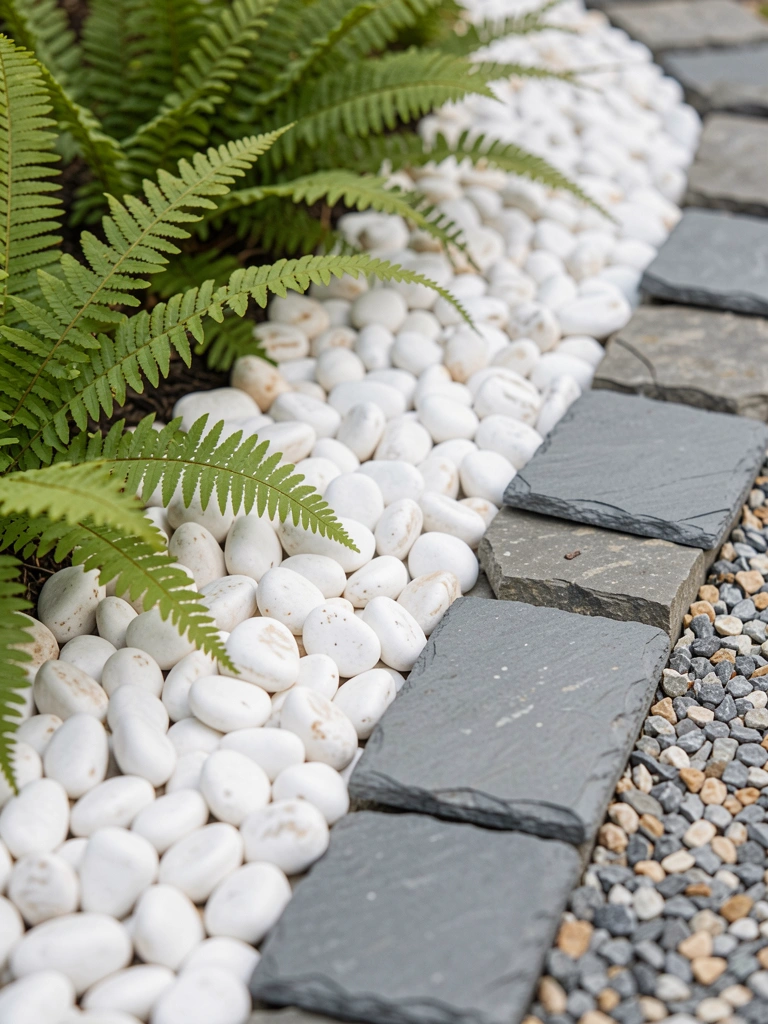
Sliced old oak logs into 2-inch thick rounds and laid them flat around my birch tree. Perfect ring for ferns—no more grass invading the roots.
The grain shows through rain, adding pattern. Feels forest-like right in my yard.
Use a chainsaw for even slices; mine wobbled without.
Level the ground first or gaps form.
What You’ll Need for This Look
14-inch chainsaw bar (for slicing logs)
Fern plants (pack of 6)
Landscape fabric pins (galvanized)
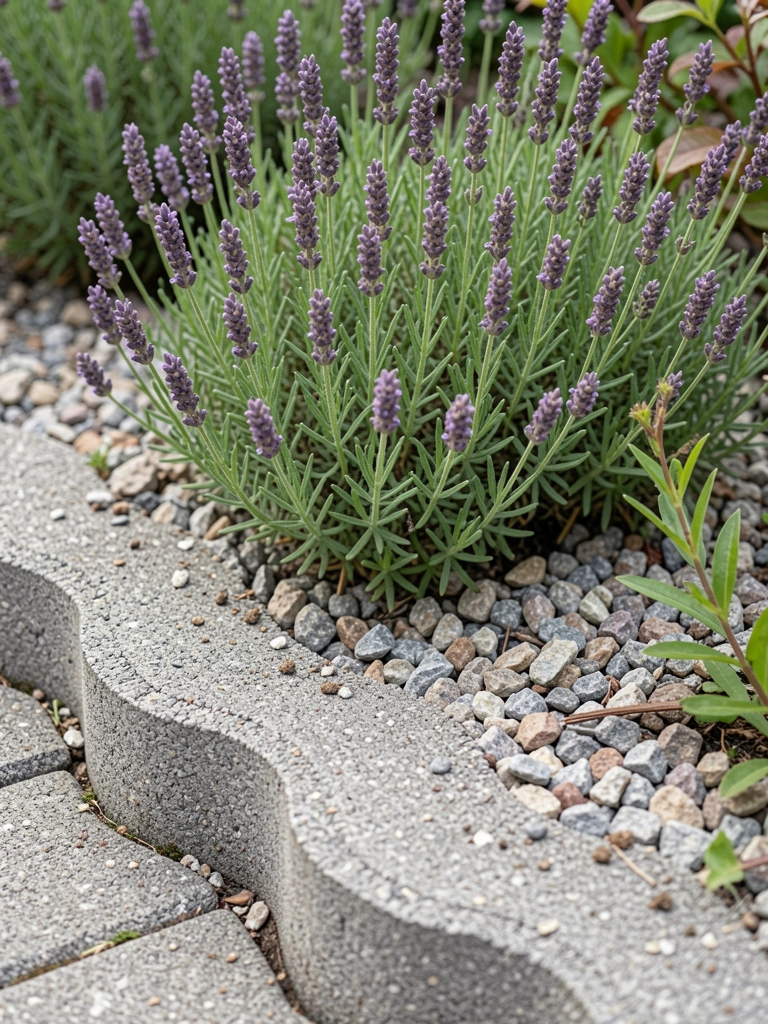
6. Reclaimed Railway Sleeper Stacks
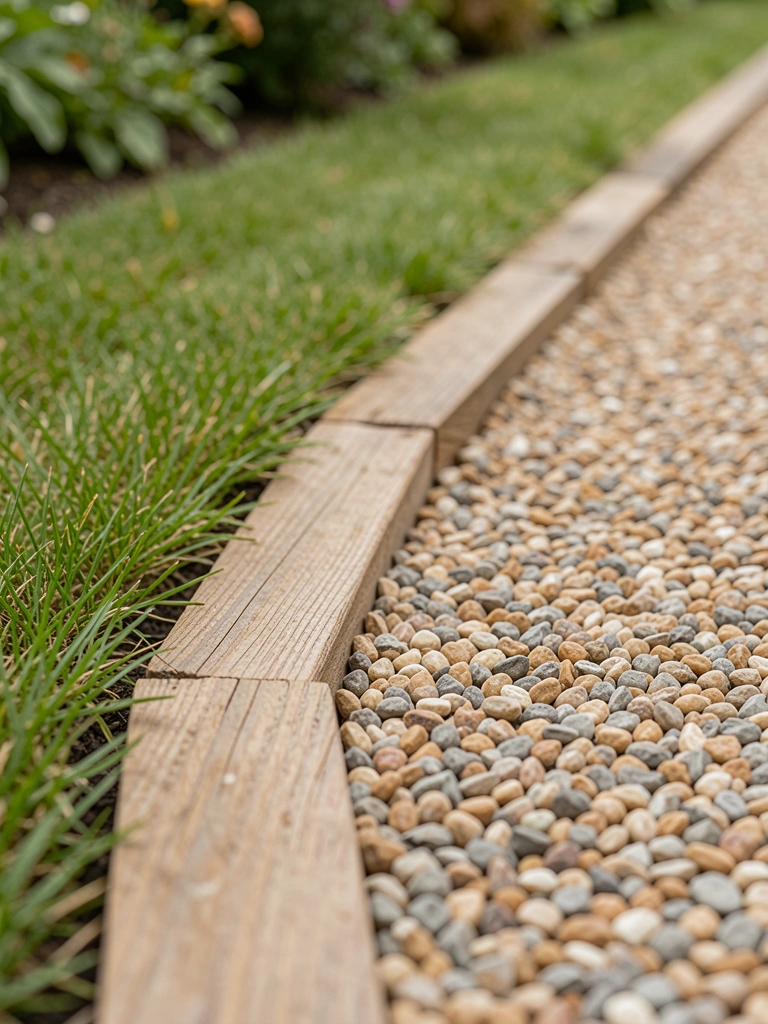
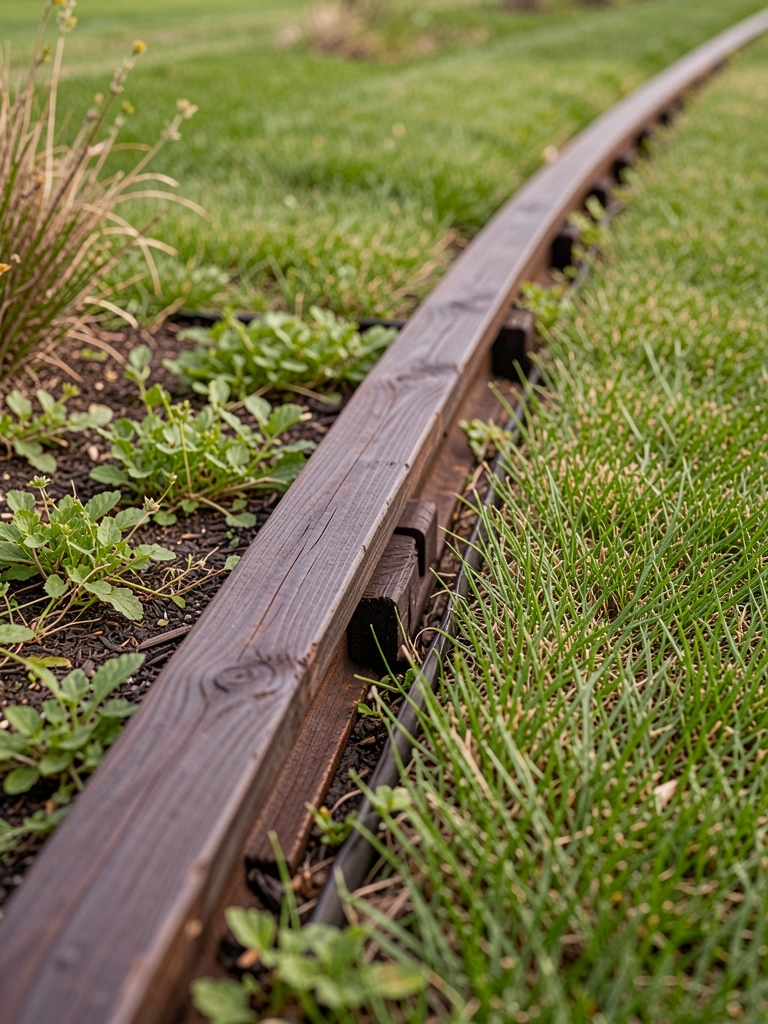
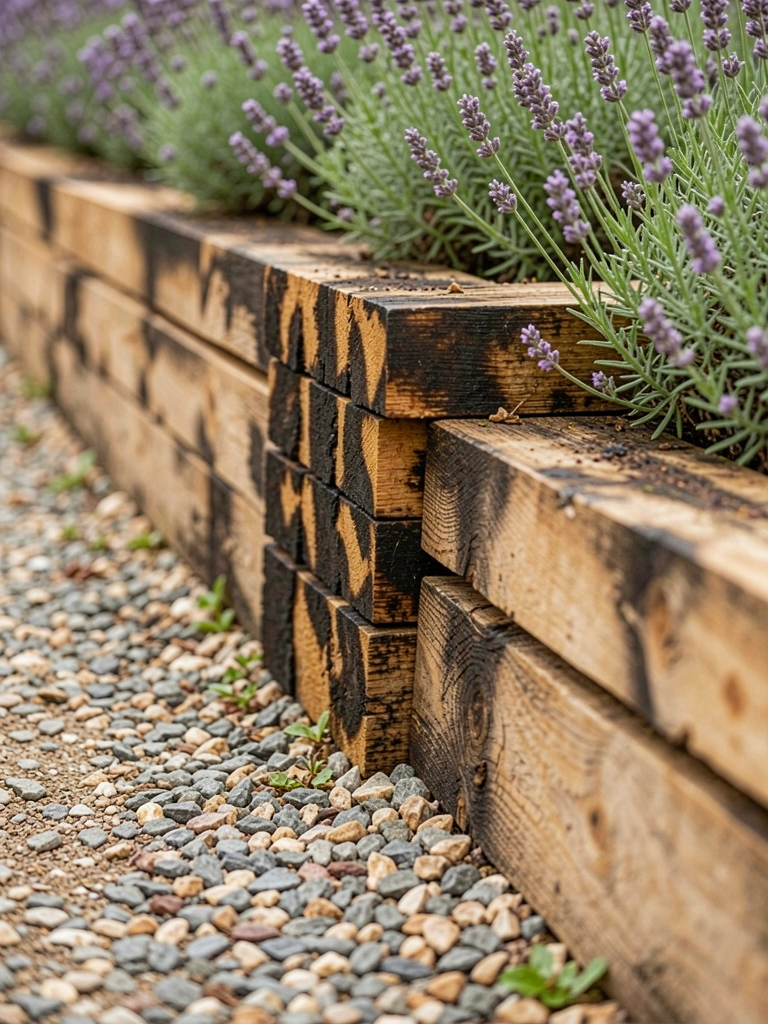
Scored old railway sleepers cheap—they stack solid for my path edges. Heavy, but hold gravel perfectly.
Dark stain weathers to blackish-brown, framing plants like a frame.
Wear gloves; creosote rubs off. I learned that.
Bolt layers if over two high.
What You’ll Need for This Look
Railway sleeper timbers (8x6x8 foot)
Nitrile work gloves (large)
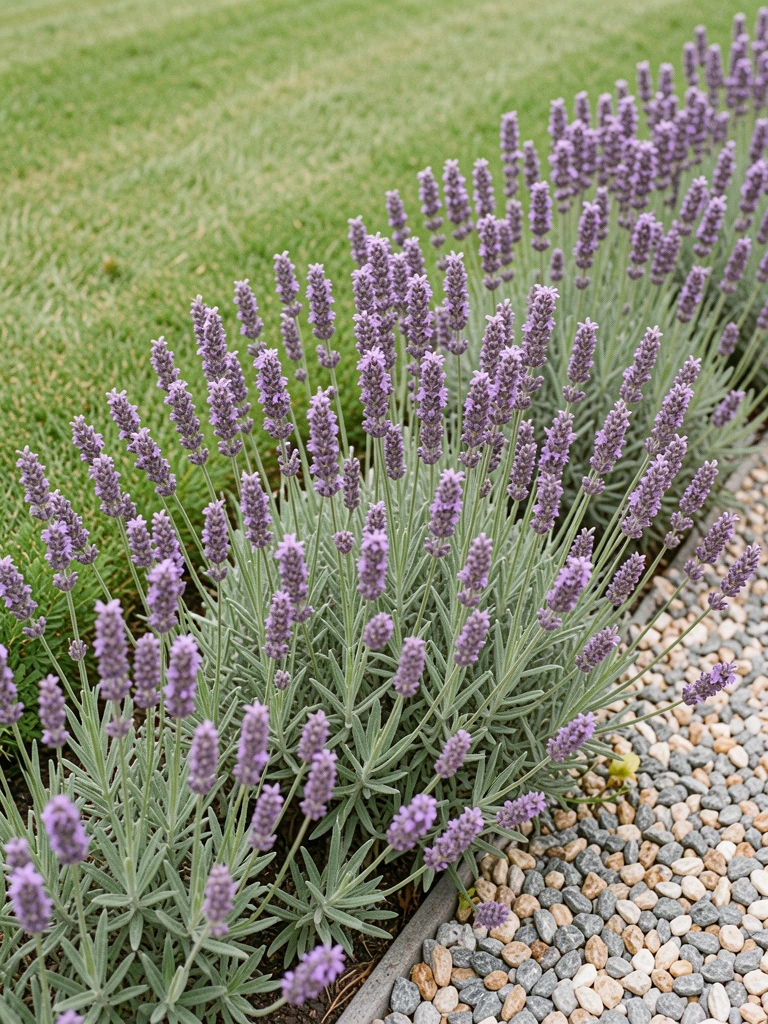
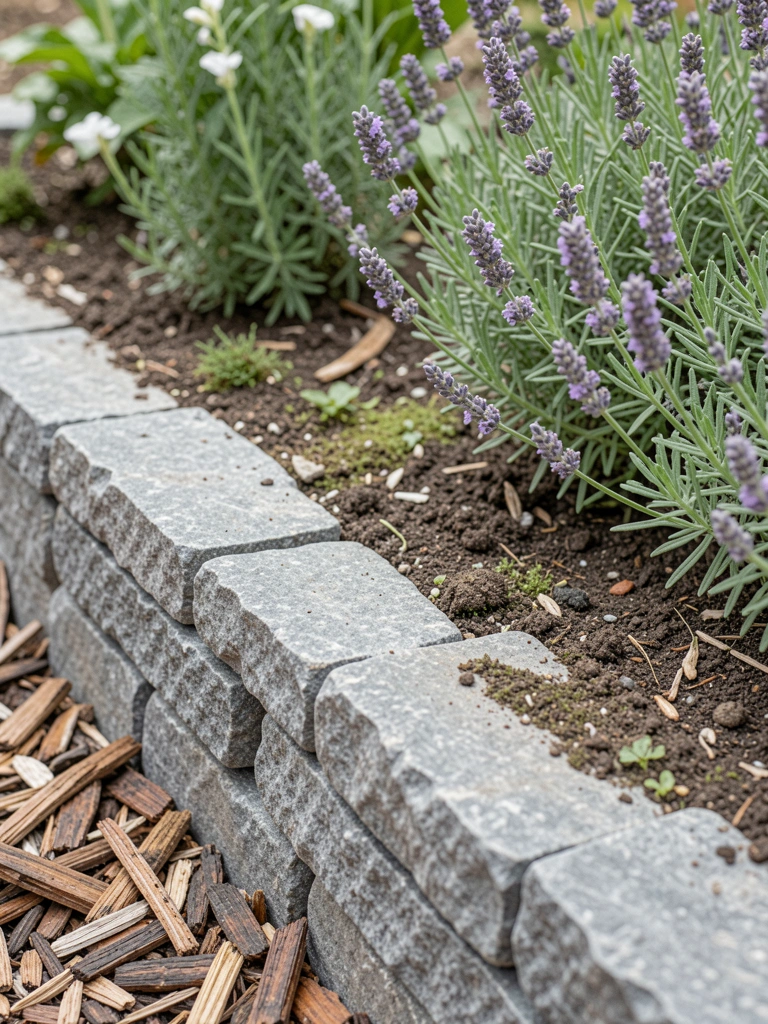
Lavender plants (4 inch pots)
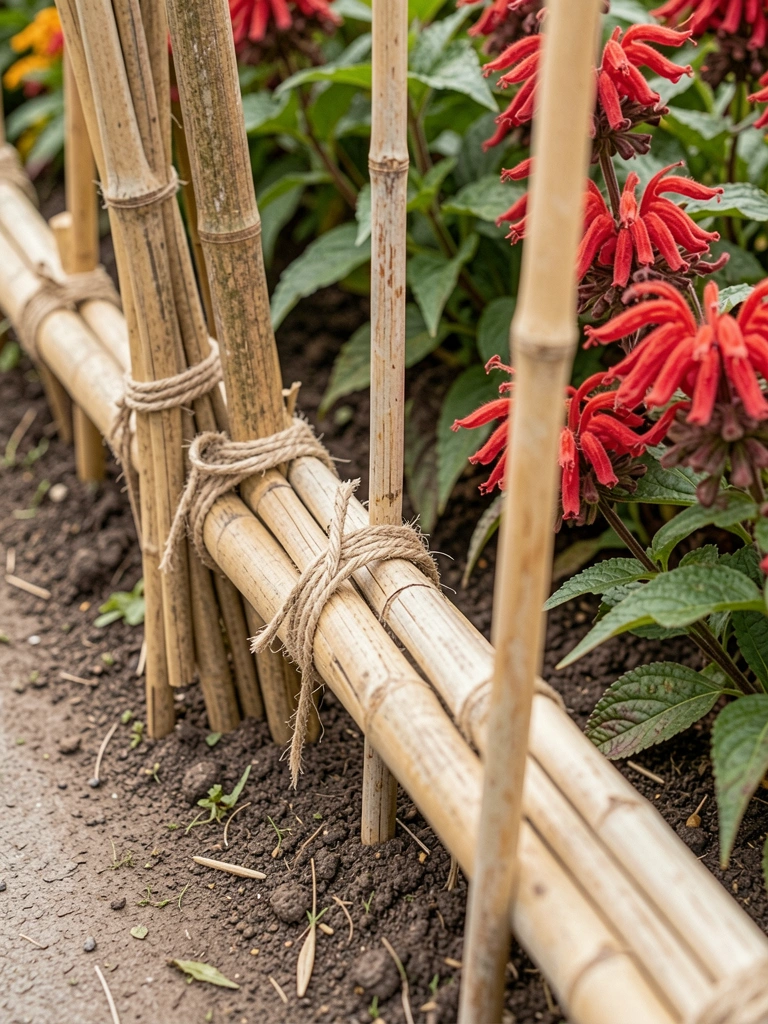
7. Branch Bundle Stakes for Informal Paths
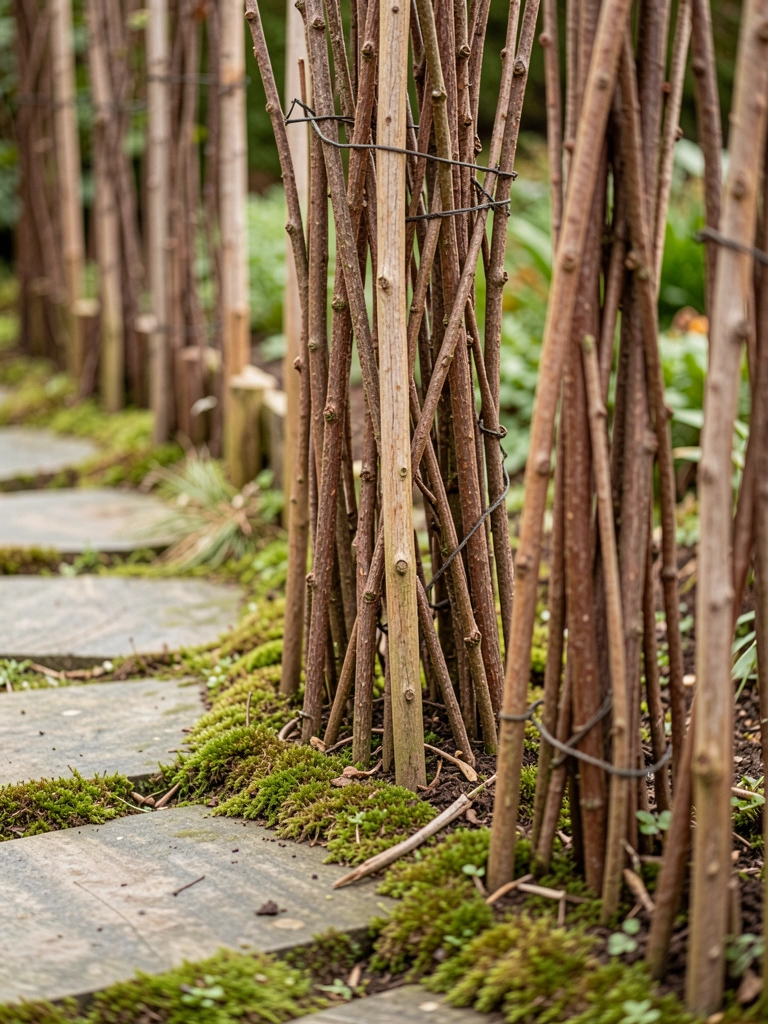
Bundled straight branches from prunings, tied with twine, and hammered along my back path. Keeps edges soft, not rigid.
Branches twist naturally, blending with overhanging limbs. Paths feel wandered, not planned.
Trim ends pointed. Blunt ones slip.
Replace yearly if damp.
What You’ll Need for This Look
Natural jute garden twine (200 foot)
Irregular stepping stones (12 pack)
Curved pruning saw
8. Half-Log Trenches for Straight Lawn Edges
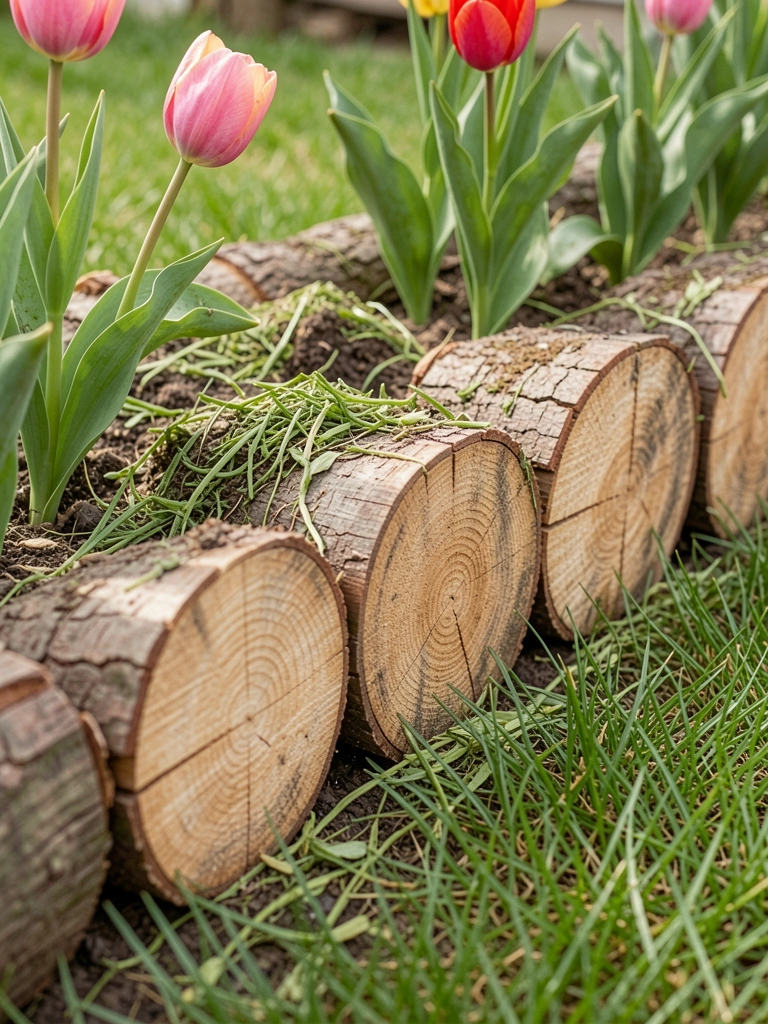
Split logs lengthwise, buried half-deep along my lawn. Clean line for mowing, tulips tucked behind.
Flat top makes a low seat too. Wood darkens evenly.
Chainsaw split carefully—uneven halves tip.
Fill gaps with soil.
What You’ll Need for This Look
Fiberglass log splitting axe
Tulip bulbs (mixed colors, 50 pack)
Round point garden shovel
9. Pallet Crate Sides for Modular Borders
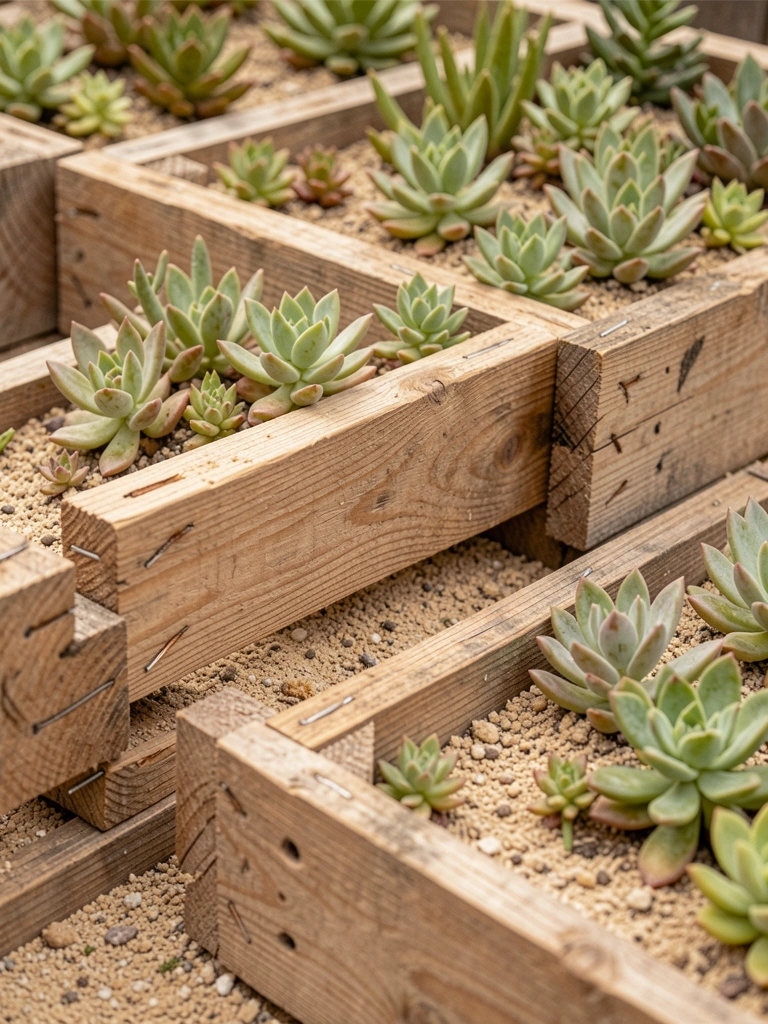
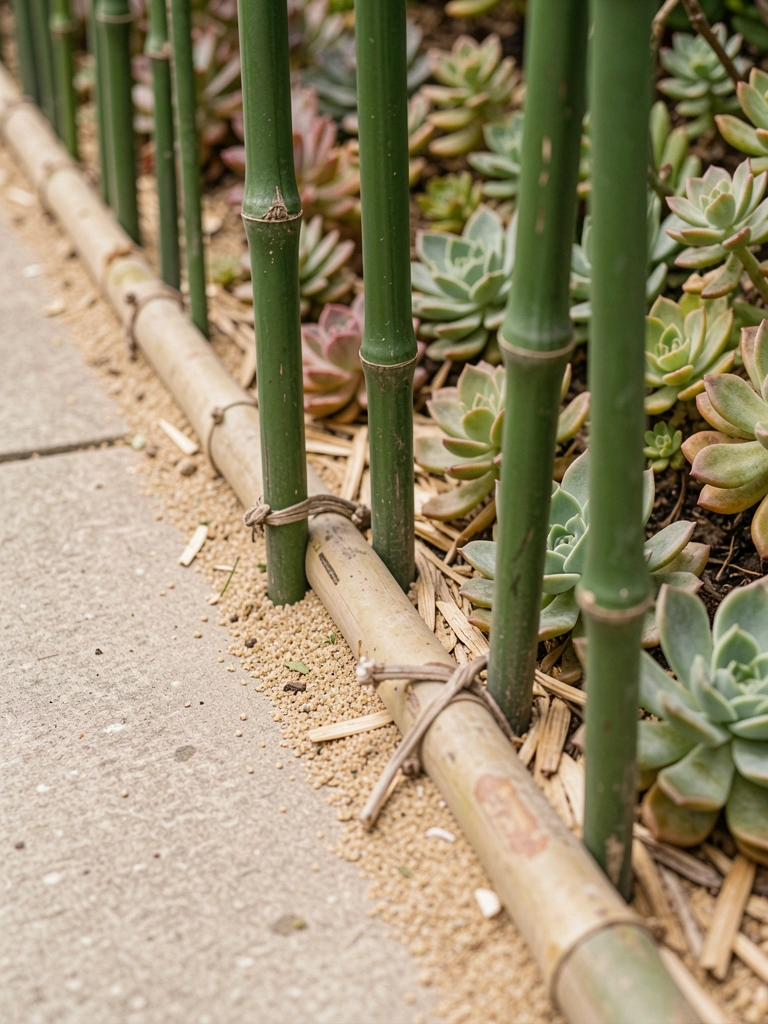
Broke down old crates, reused sides flat for my succulent strip. Movable if I rearrange.
Rough texture suits dry plants. Low profile.
Nails stick out—hammer flat. Hurt my hand once.
Stack two for height.
What You’ll Need for This Look
Reclaimed wooden crate sides
Assorted succulent plants (6 pack)
16 oz claw hammer
10. Barn Board Overlaps for Long Runs
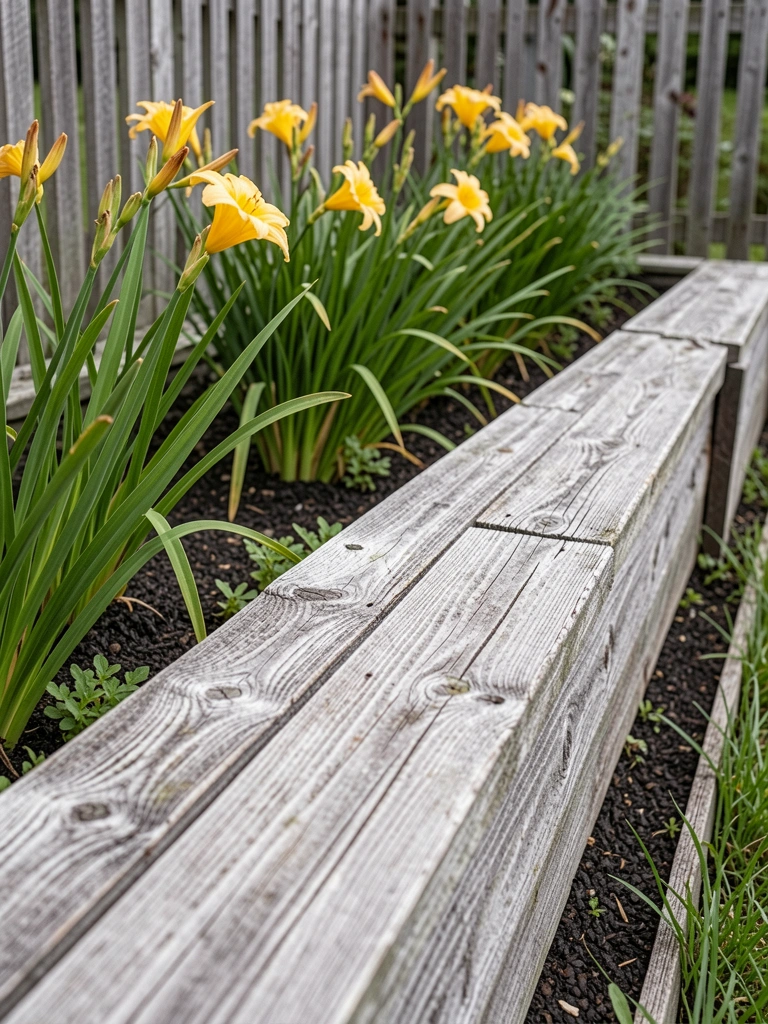
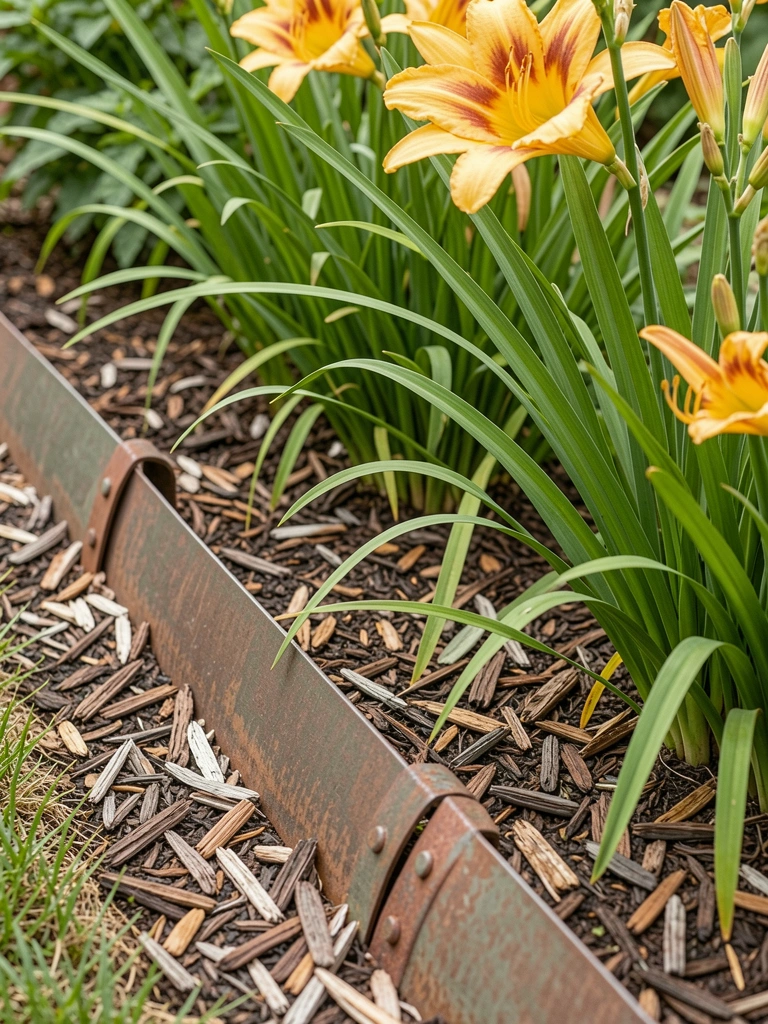
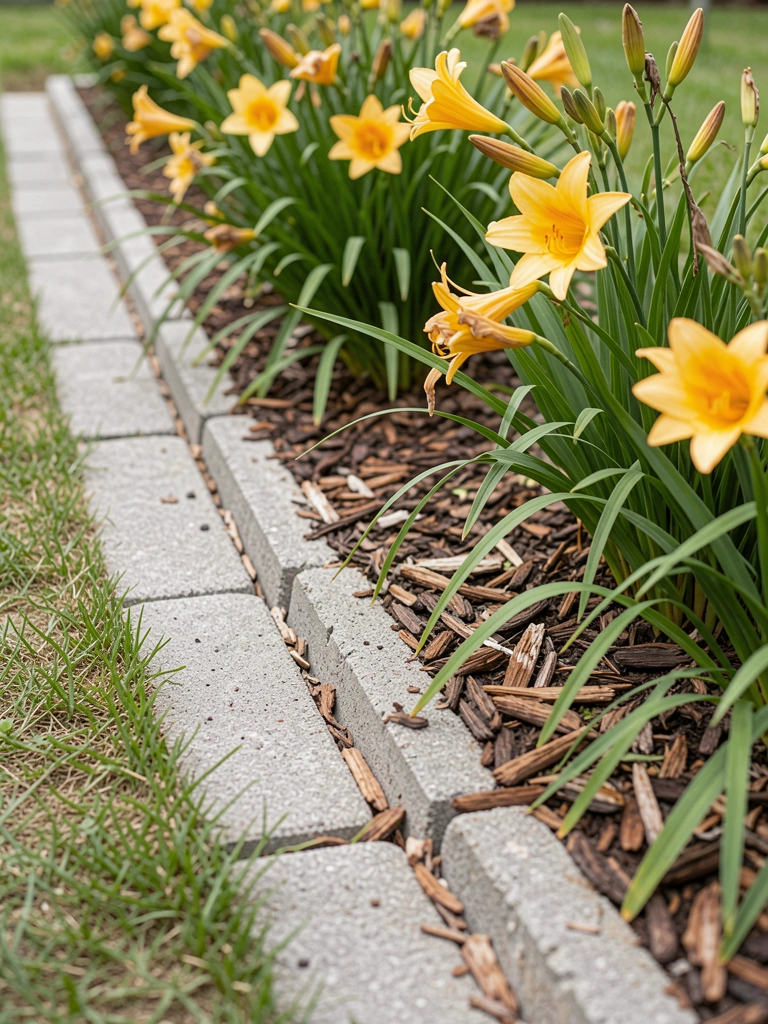
Weathered barn boards overlapped like shingles for my 30-foot daylily run. Seamless look, no gaps.
Gray tone warms the yellow blooms. Feels historic.
Source local barns. Weighs a ton—use truck.
Screw to stakes every 4 feet.
What You’ll Need for This Look
Weathered barn wood boards (1x8x8 foot)
Daylily bare root plants (10 pack)
2.5 inch deck screws (box)
11. Driftwood Jumbles for Coastal Vibes
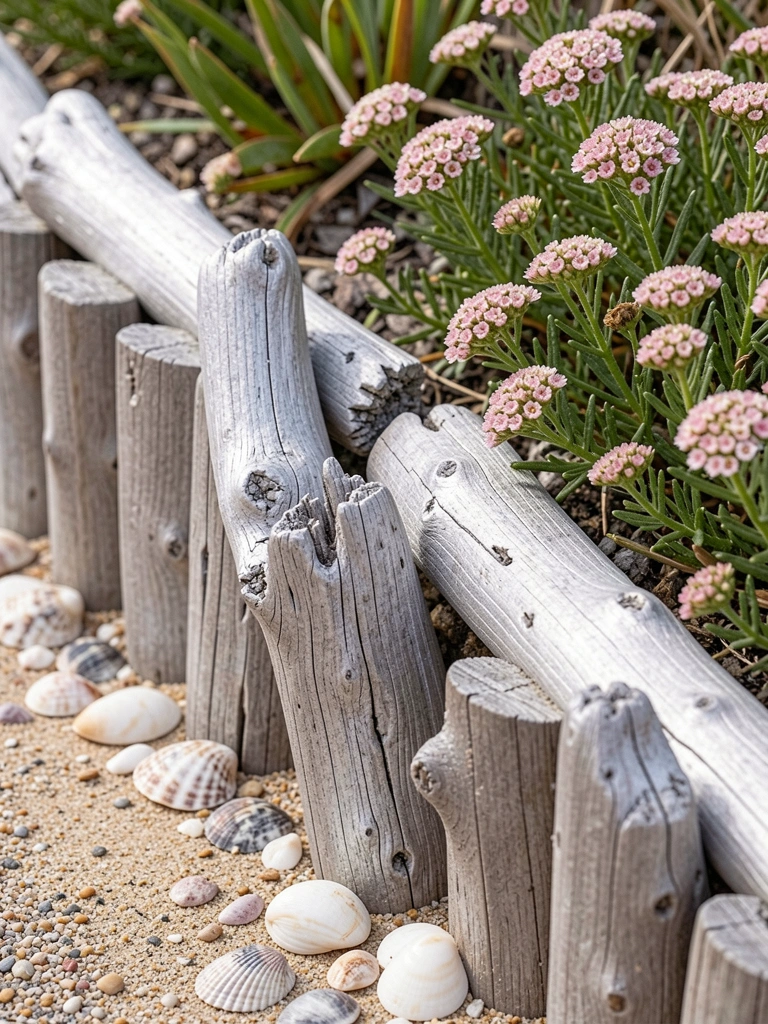
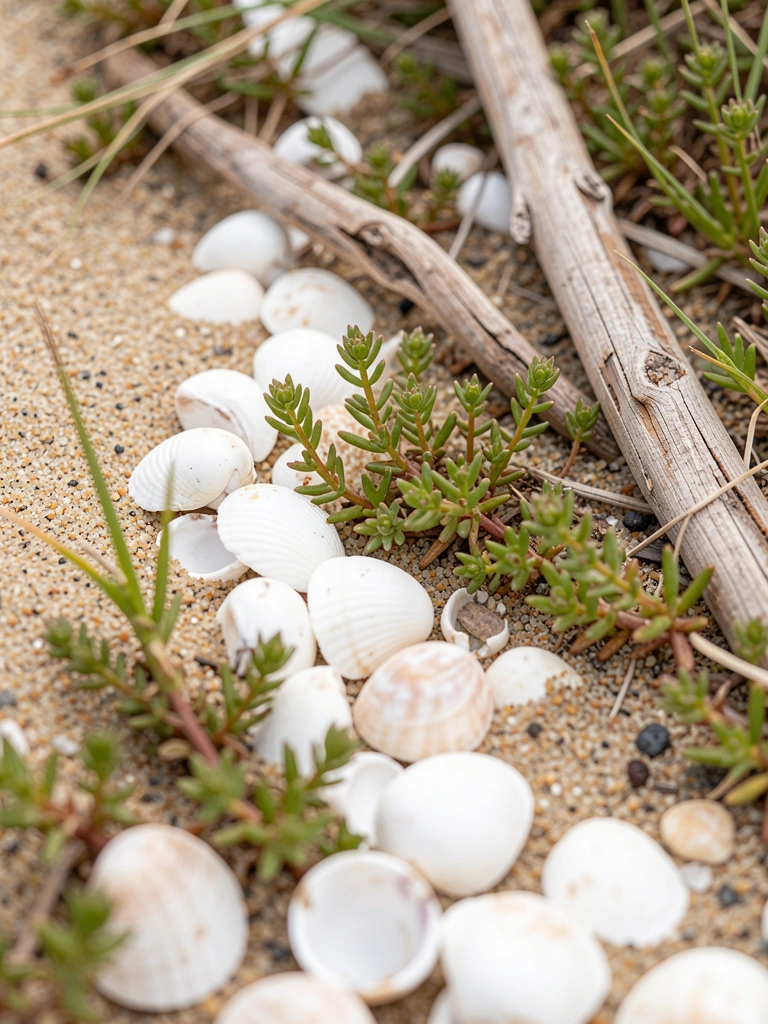
Collected driftwood on walks, tumbled it loose along my seaside bed. Holds back sand, looks gathered by waves.
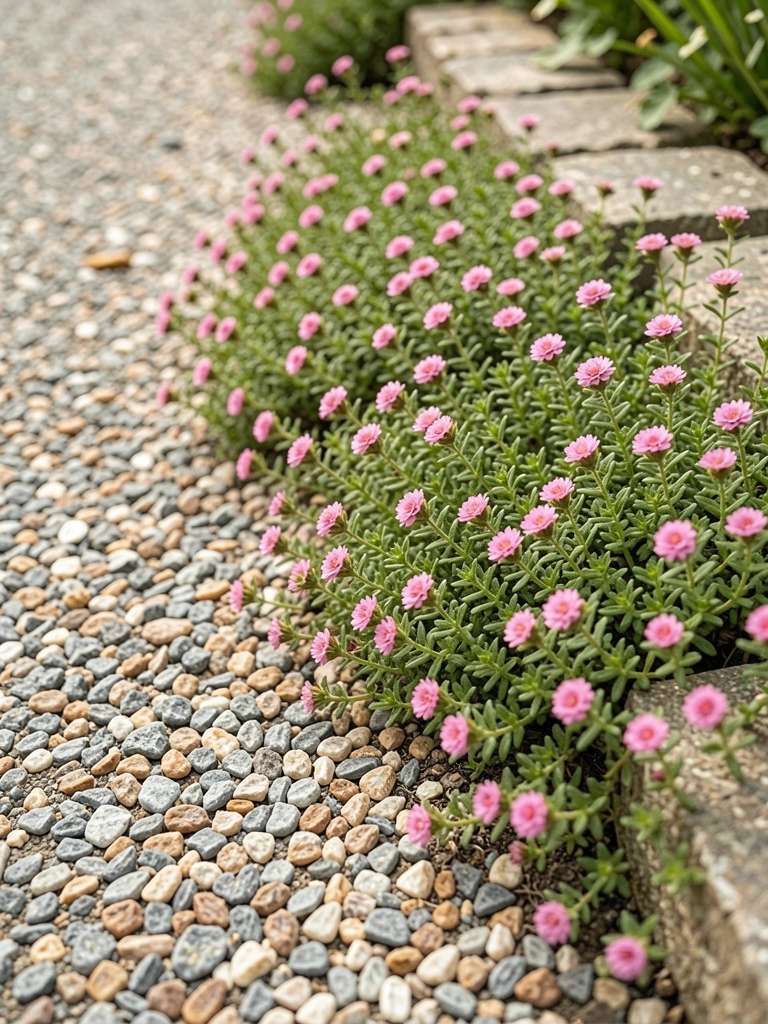
Silver gray shines in sun. Pairs with pink thrift.
Rinse salt first or it rots quick. Mine pitted.
No digging needed.
What You’ll Need for This Look
Natural driftwood pieces (bulk bag)
Sea thrift Armeria plants
Adjustable hose nozzle
12. Timber Stake Rows for Berry Patches
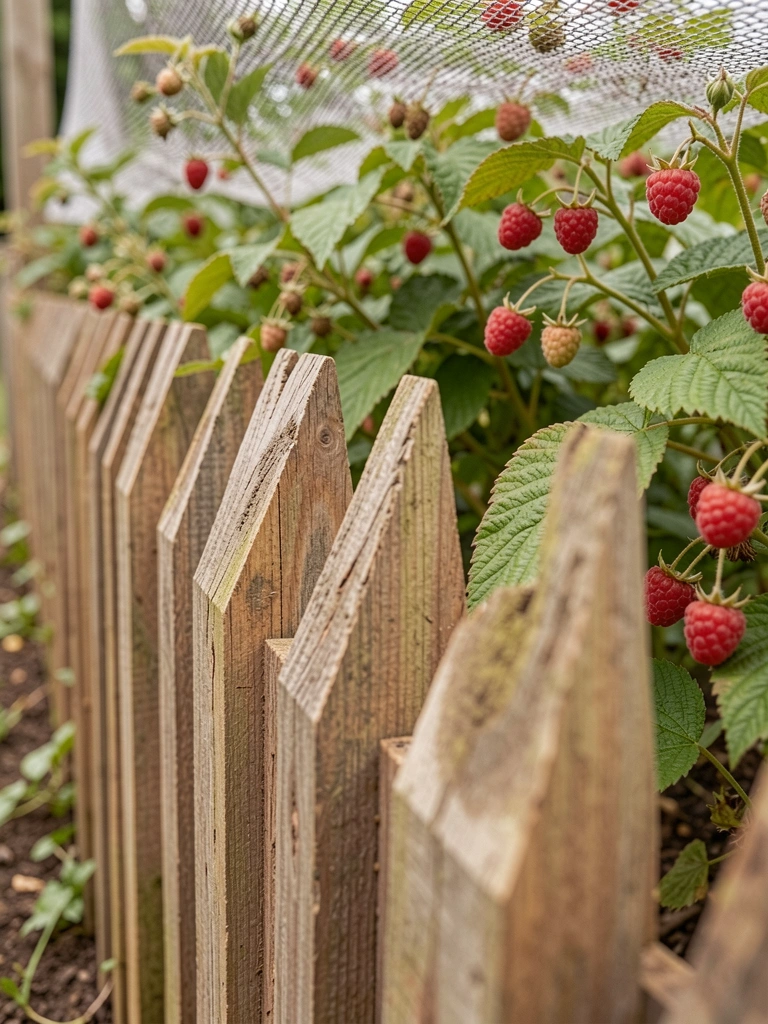
Pointed 2×2 timbers angled in for my raspberries. Supports canes too.
Simple lines let berries show. Sturdy against birds.
Sharpen ends well. Dull ones bend.
Lean outward 10 degrees.
What You’ll Need for This Look
2×2 pressure treated timbers (8 foot)
Raspberry bare root canes (5 pack)
Draw knife for pointing wood
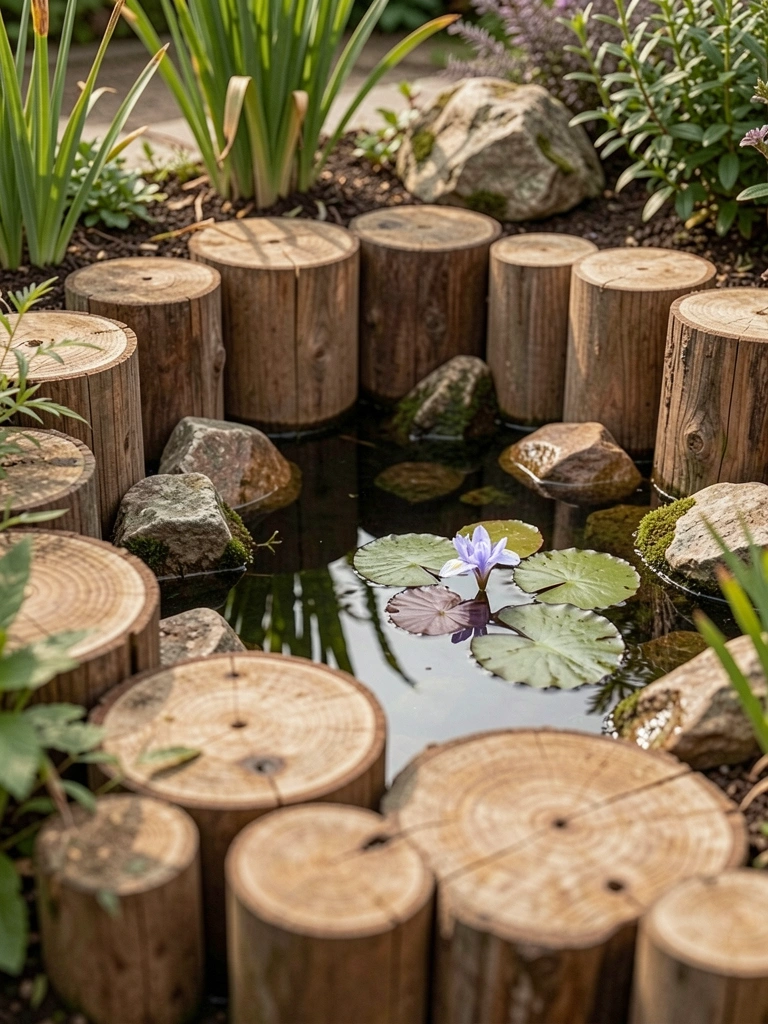
13. Spool End Slices for Round Ponds
Sliced old cable spools into rounds for my pond edge. Circles echo the water.
Grain circles add interest. Iris poke through.
Source free spools. Heavy saw needed.
Sand edges smooth.
What You’ll Need for This Look
Large wooden cable spools
Water iris rhizomes (pack)
7.25 inch wood cutting blade
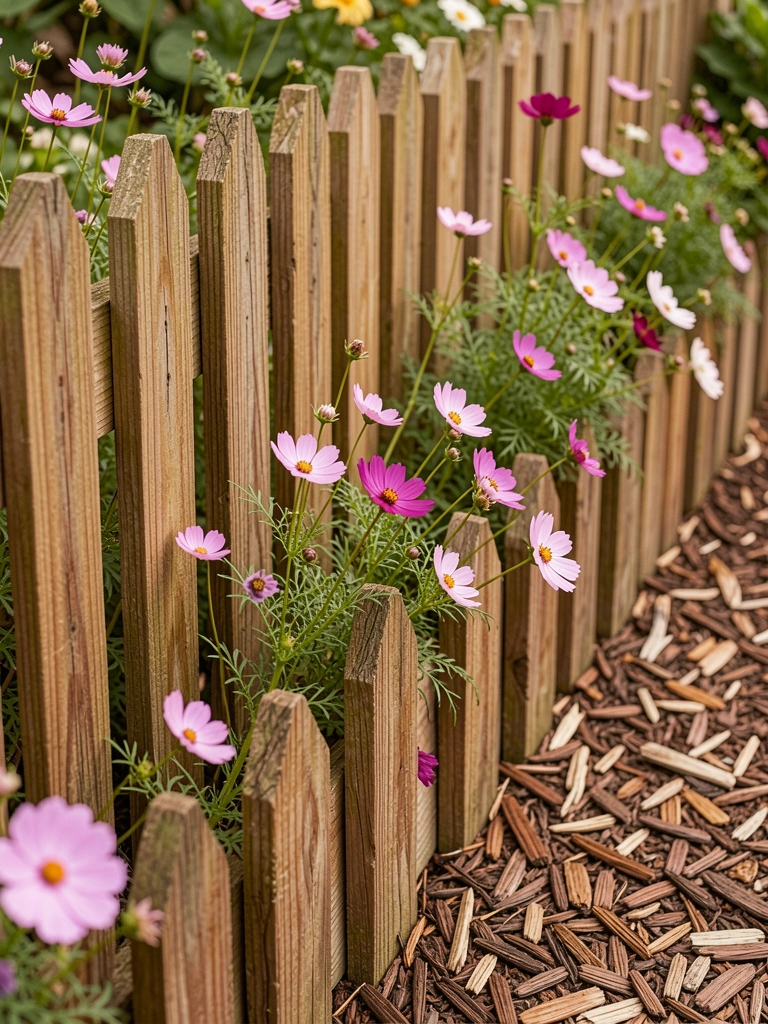
14. Woven Fence Pickets for Flower Walks
Old picket fence pieces woven tight for my cosmos walk. Low weave sways gentle.
White pickets glow against pink flowers. Charming without cute.
Soak pickets to bend. Dry ones crack.
Weave loose for drainage.
What You’ll Need for This Look
Dog-ear fence pickets (4 foot, pack of 10)
Cosmos flower seeds (mixed)
5 gallon soaking bucket
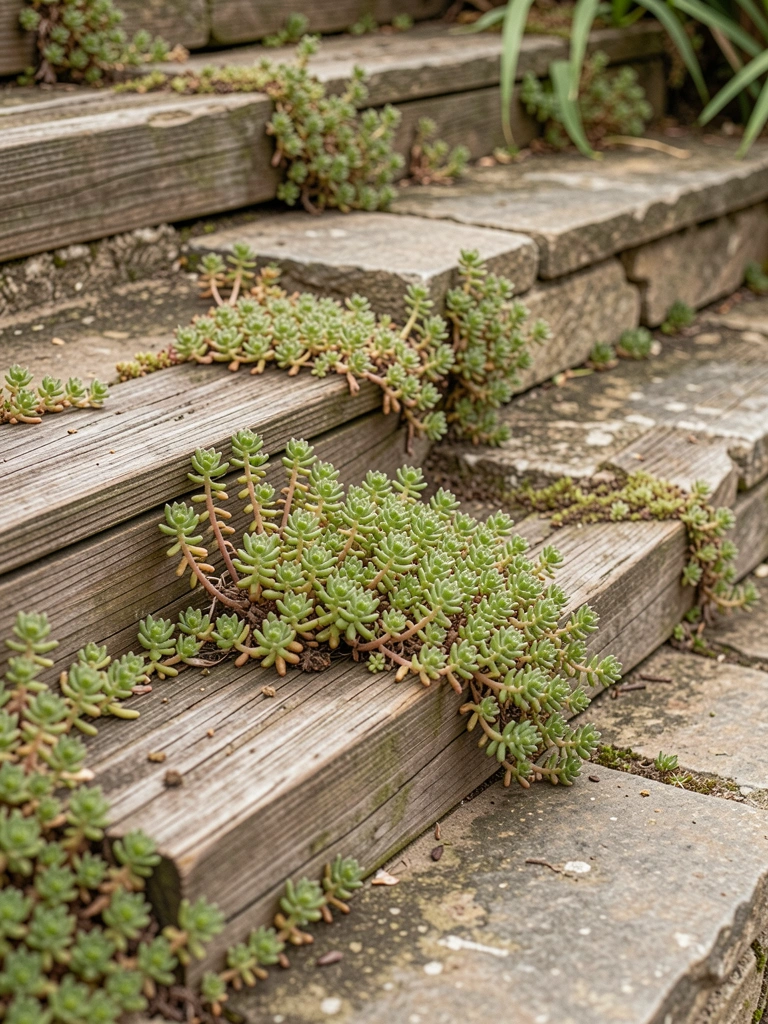
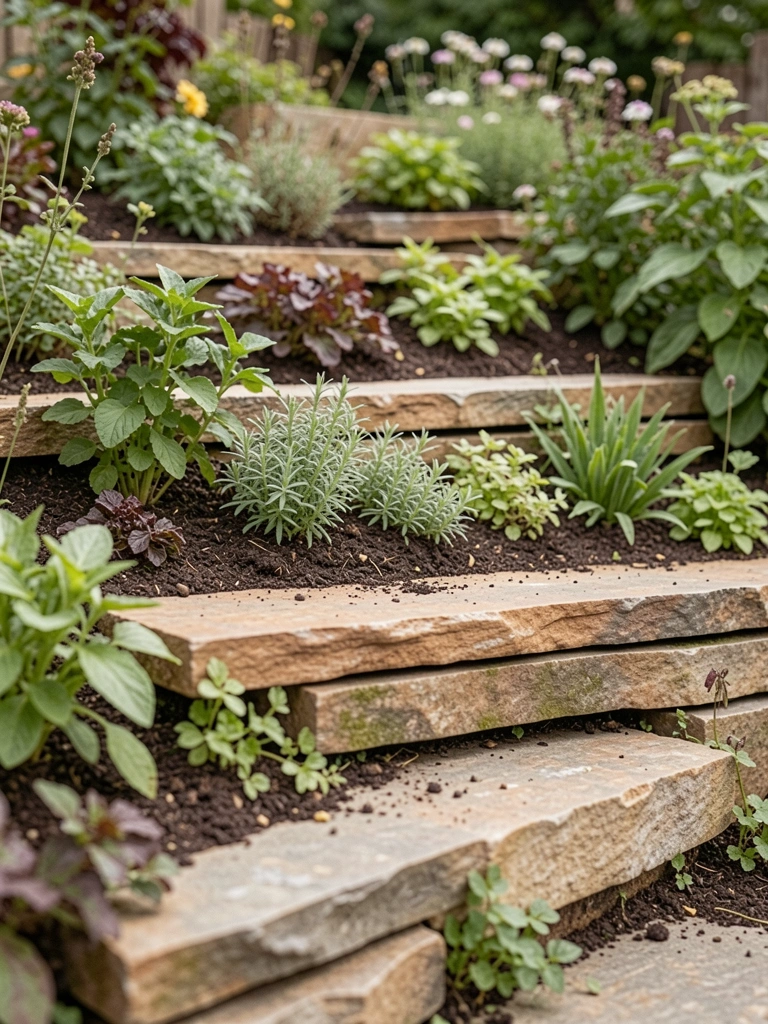
15. Ladder Rung Reuses for Tiered Edges
Dismantled a junk ladder, used rungs flat on my tiered slope. Perfect width for sedum tiers.
Rungs' slots catch water for roots. Sloped beds feel stepped natural.
Check for splinters. Sand rough.
Nail ends down.
What You’ll Need for This Look
Salvaged wooden ladder rungs
Sedum groundcover plants
Medium grit sanding block
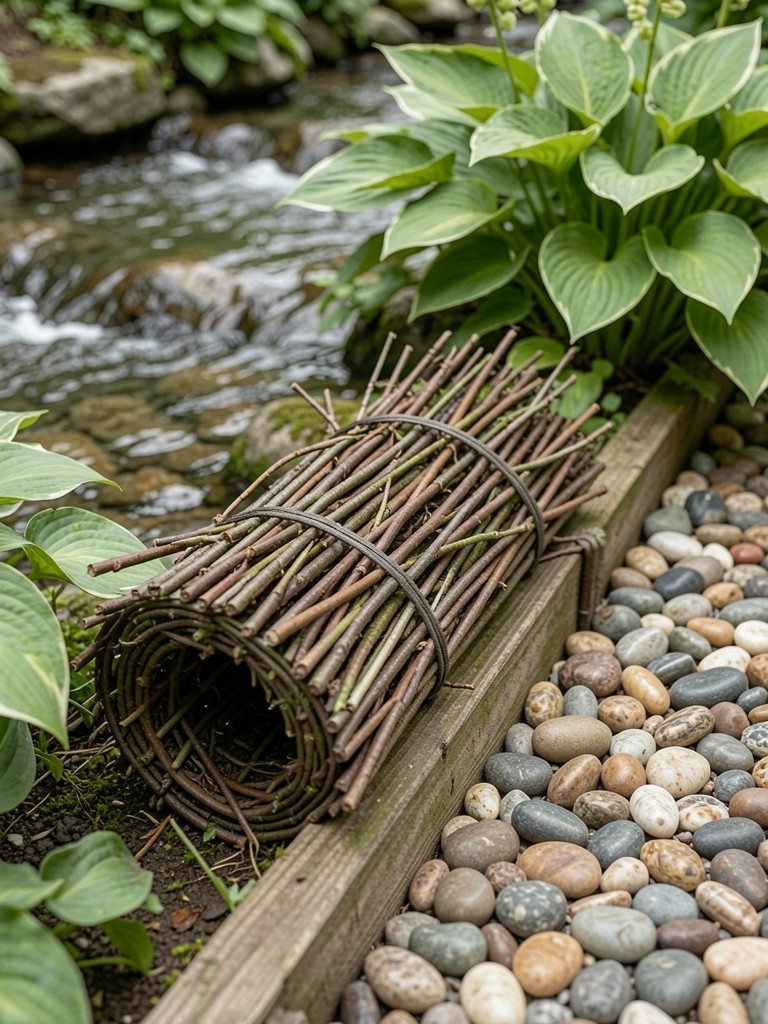
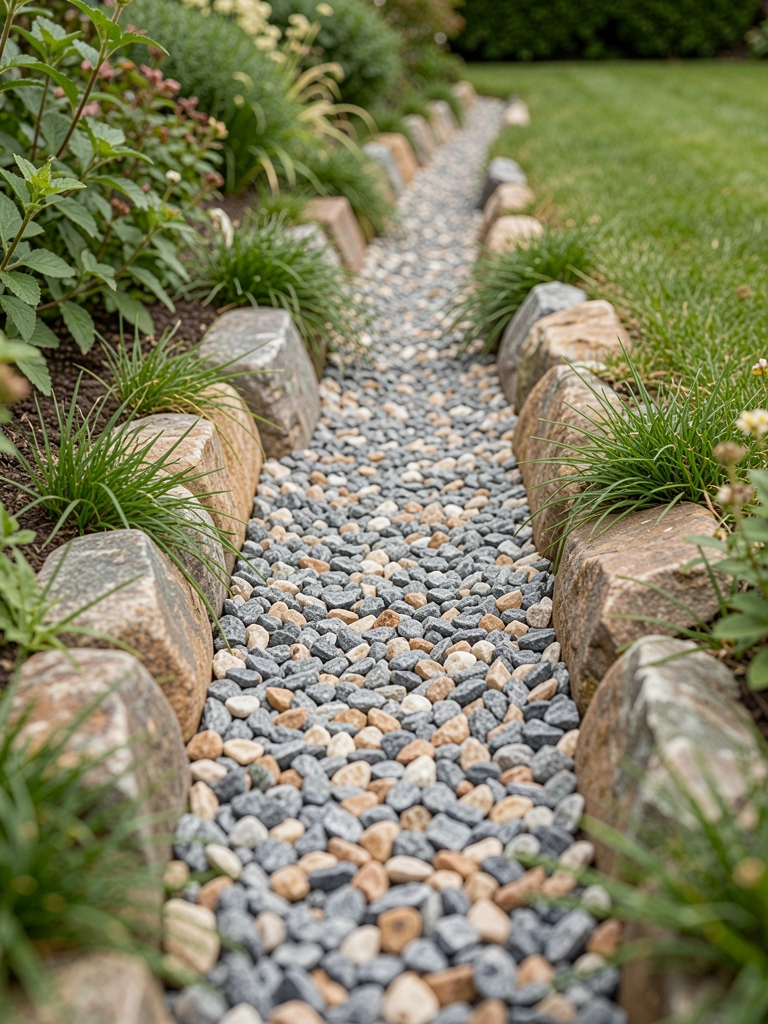
16. Twig Mat Rolls for Meandering Streams
Unrolled twig matting from a roll along my dry stream. Flexible for curves, pins easy.
Twigs soften pebbles. Stream feels alive.
Pin every foot. Wind lifts loose ends.
Trim overhangs.
What You’ll Need for This Look
Natural twig mat roll (3×10 foot)
6 inch landscape staples (pack)
River pebbles (40 lb bag)
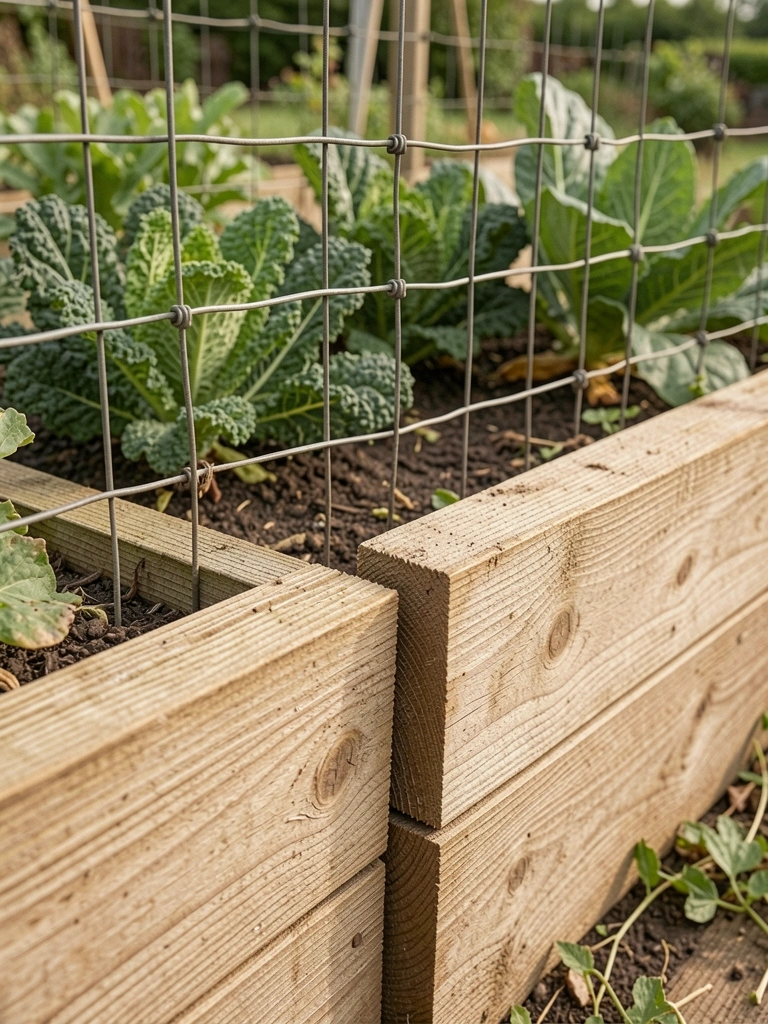
17. Board-on-Edge Frames for Square Plots
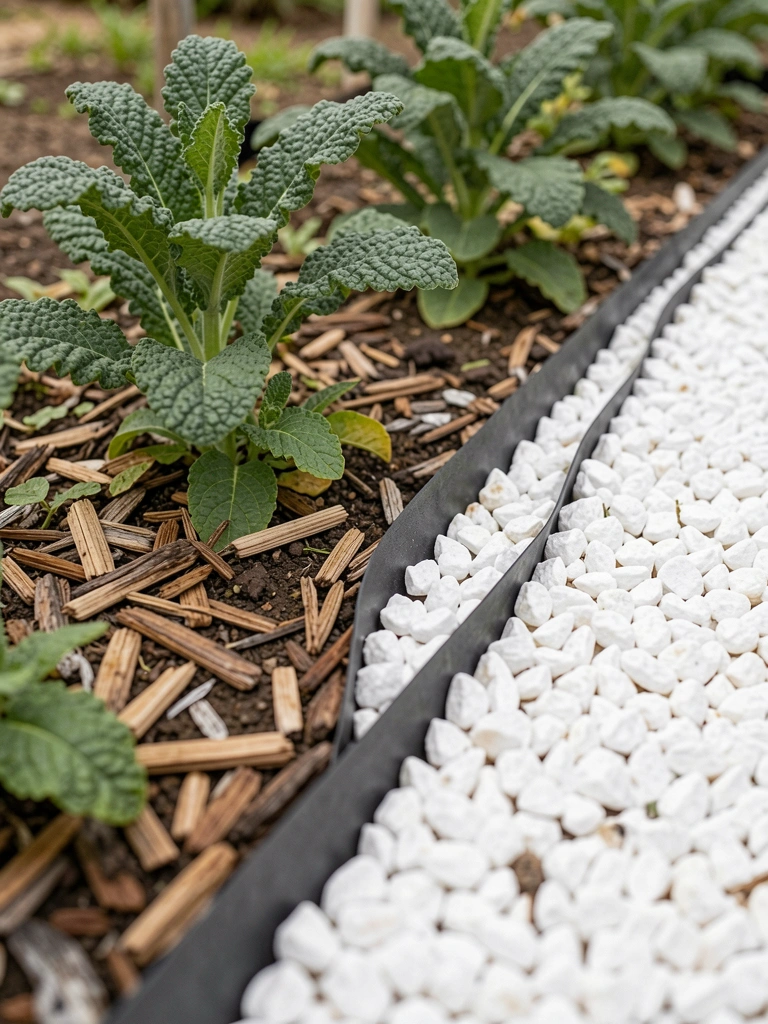
Set 2x4s on edge for my kale squares. Clean frames for crop rotation.
Boards stand tall enough for bunnies. Veggies pop crisp.
Treat ends against wet. Rot starts there.
Miter corners neat.
What You’ll Need for This Look
Untreated 2×4 boards (8 foot lengths)
Kale vegetable seeds (organic pack)
Clear wood preservative (gallon)
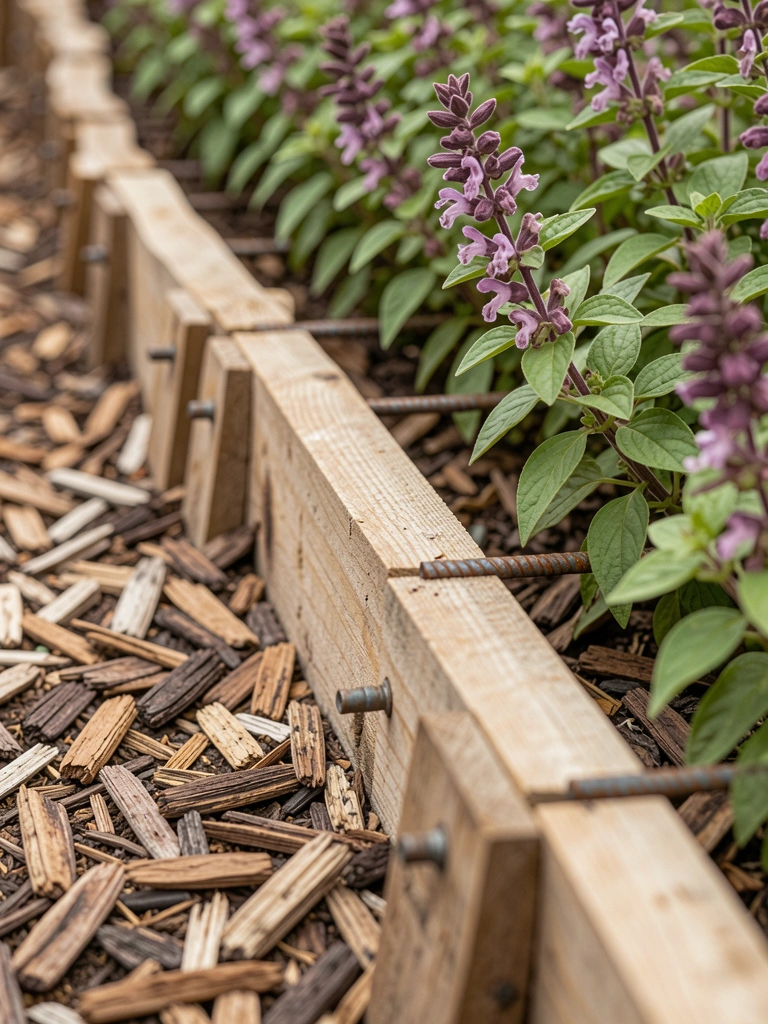
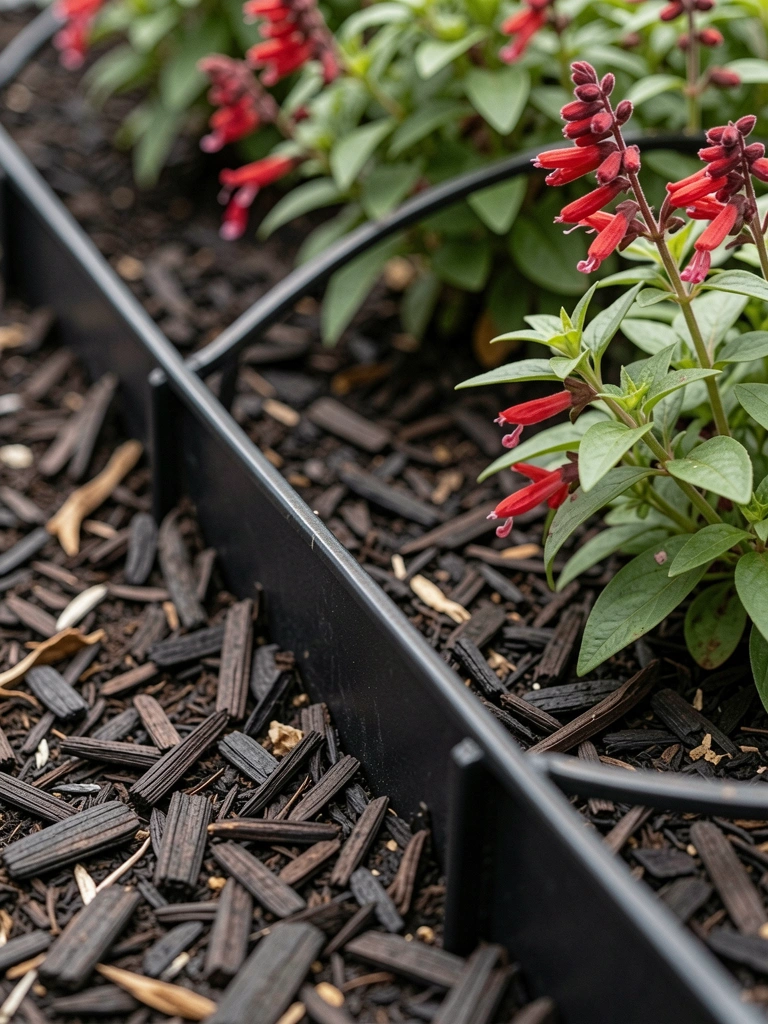
18. Rebar-Threaded Planks for Wavy Lines
Drilled holes in planks, slid on rebar stakes for wavy salvia edge. Bendable to shape.
Waves add movement. Mulch stays put.
Pre-drill straight. Wandering holes gap.
Short rebar for shallow soil.
What You’ll Need for This Look
1/2 inch rebar stakes (24 inch)
Perennial salvia plants
Cordless drill with 1/2 inch bit
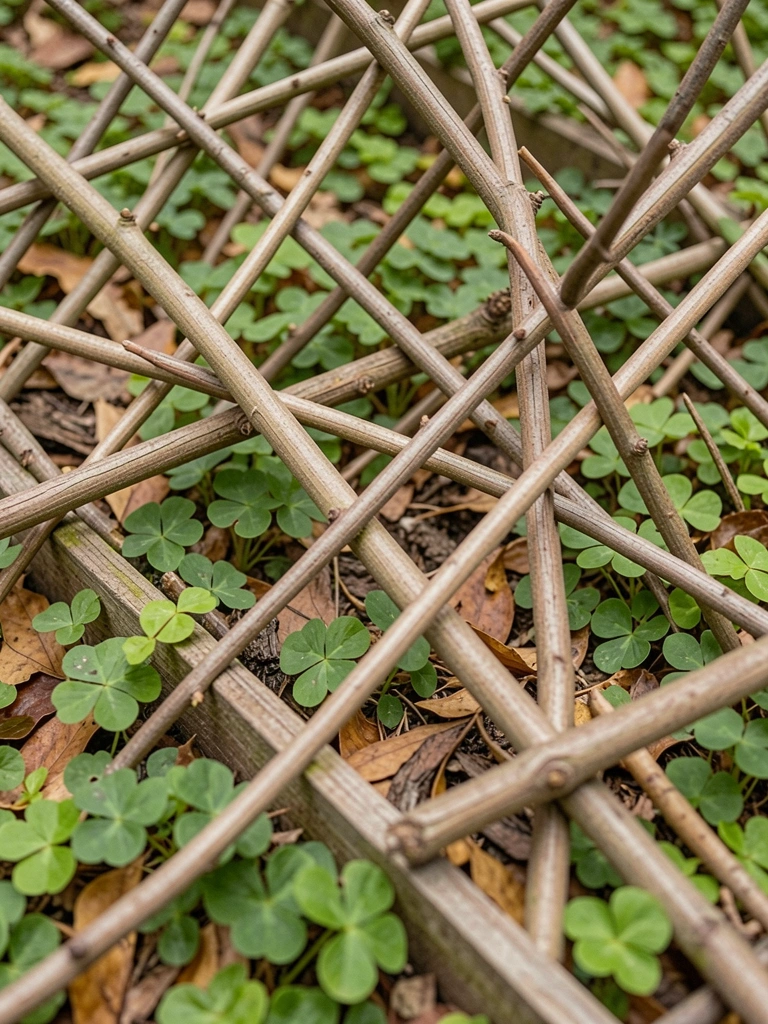
19. Crisscross Branch Grids for Groundcovers
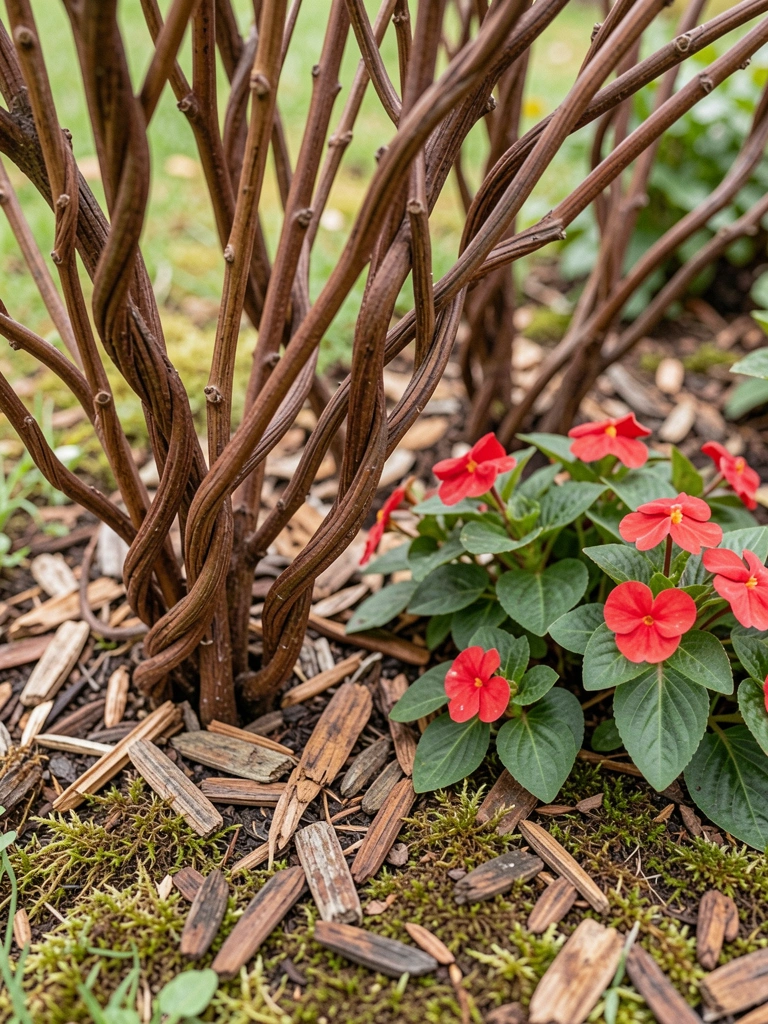
Crisscrossed prunings over vinca to edge lightly. Grid holds without digging.
Branches arch natural. Vinca climbs through.
Use green wood—dries tight.
Rake leaves off.
What You’ll Need for This Look
Vinca minor groundcover plants
Bypass garden pruners
Adjustable leaf rake
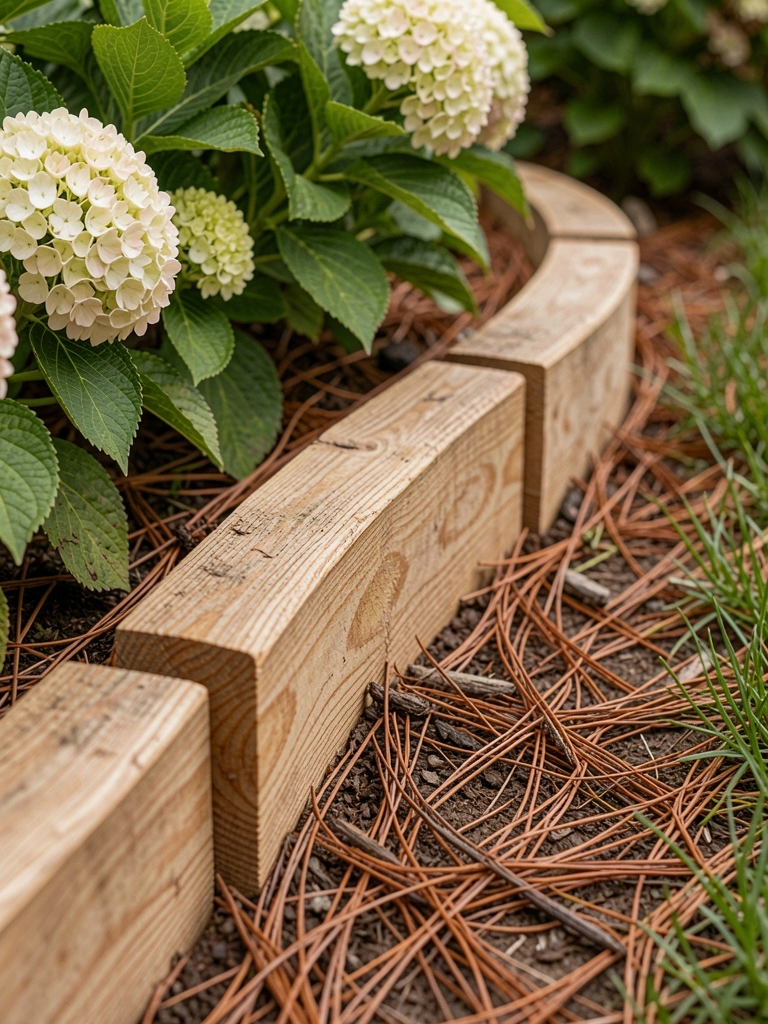
20. Notched Timber Curves for Shrubberies
Notched 4×4 timbers to bend around hydrangeas. Smooth curves hug bushes.
Notches hidden by needles. Shrubs feel sheltered.
Chainsaw kerfs shallow. Deep cuts weaken.
Bend slow.
What You’ll Need for This Look
4×4 landscape timbers (8 foot)
Hydrangea shrubs (1 gallon pots)
Chainsaw file sharpening kit
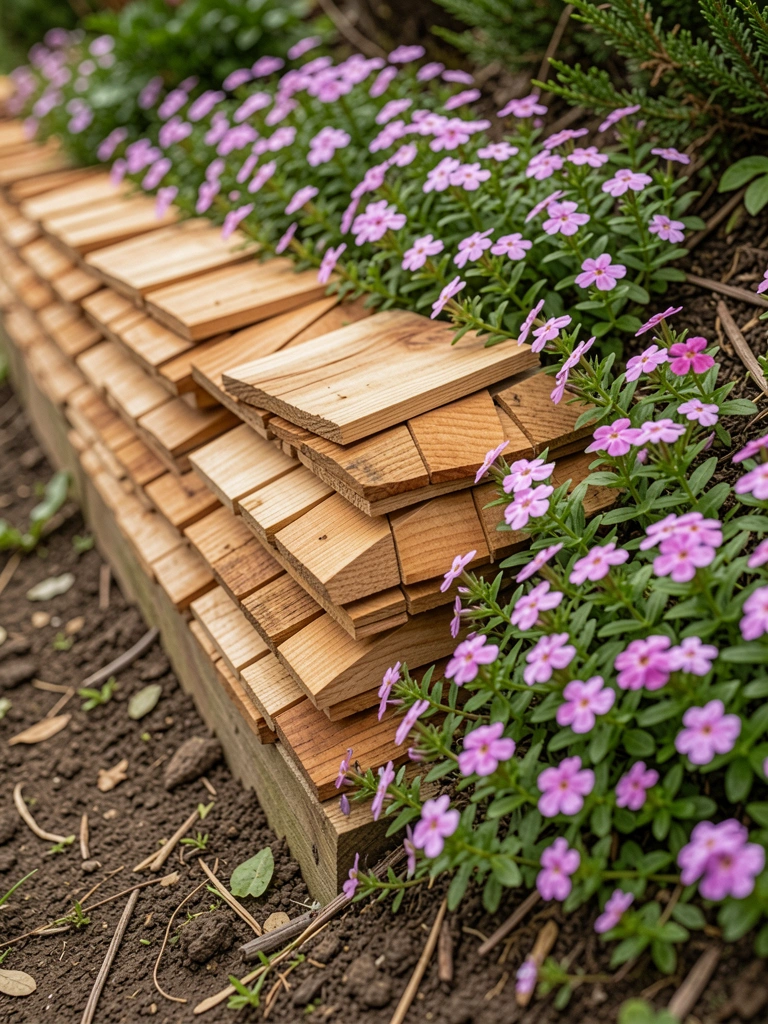
21. Layered Shingle Stacks for Sloped Banks
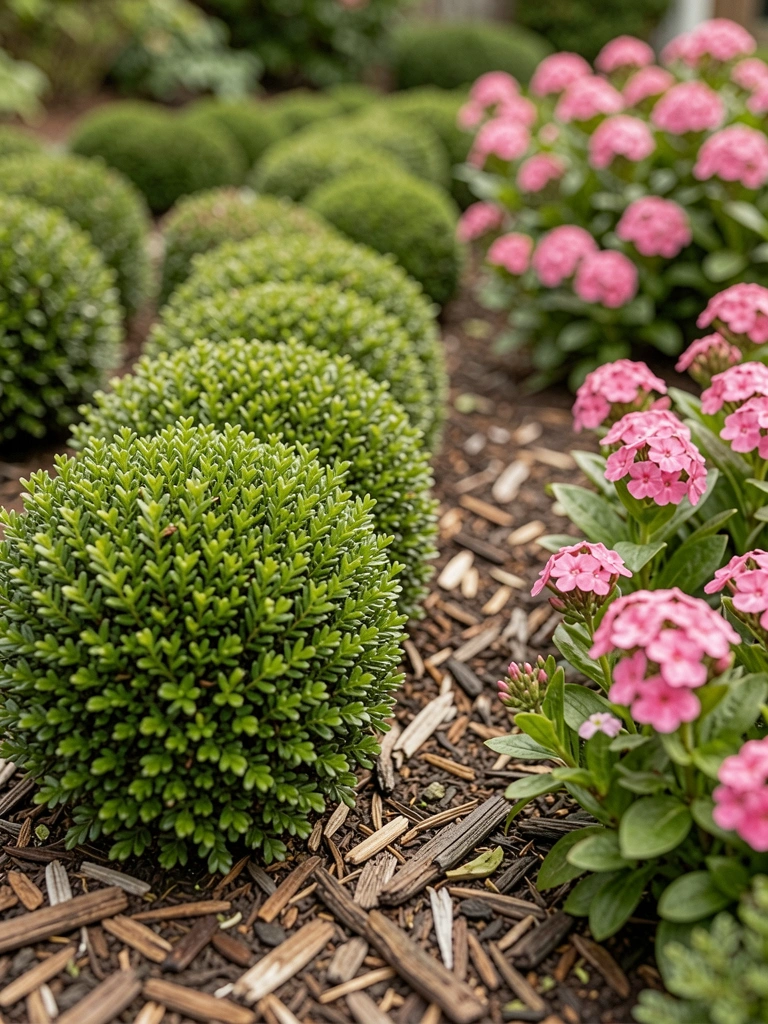
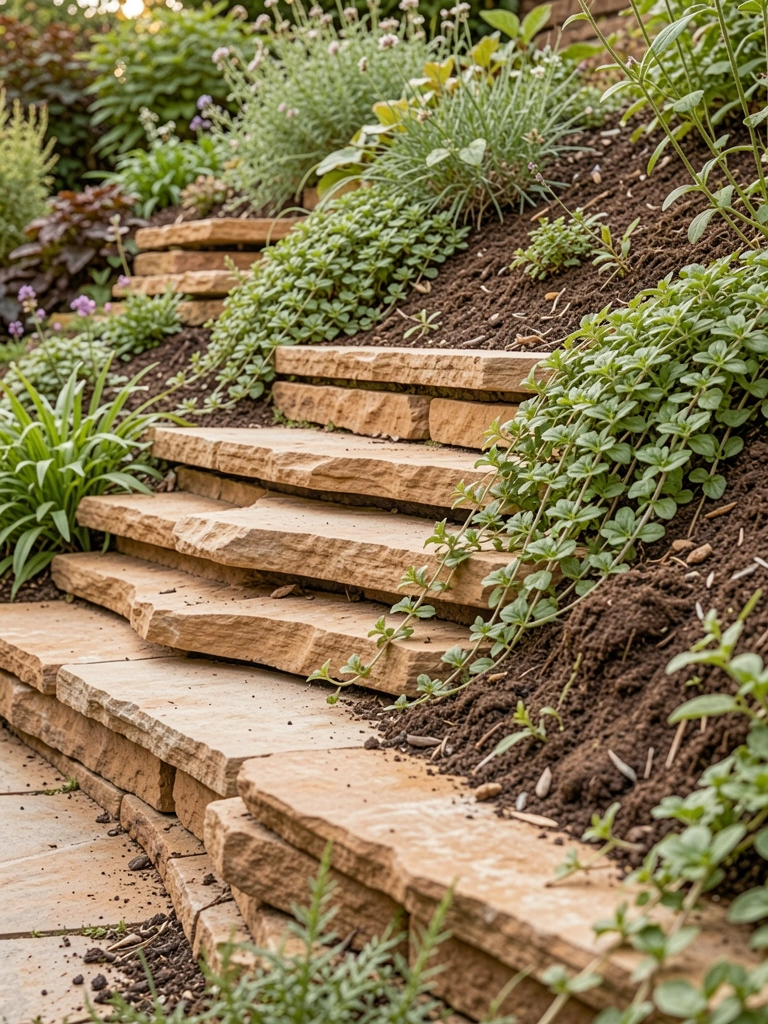
Layered old shingles on my bank slope. Steps soil, stops wash.
Shingles' taper fits tight. Phlox cascades pretty.
Overlap generous. Rain gaps erode.
I overstacked once—toppled. Start low.
What You’ll Need for This Look
Cedar roofing shingles (bundle)
Creeping phlox groundcover
Hand garden tamper
Final Thoughts
Pick one or two ideas that match your yard's quirks—start small. Wood weathers into place over time, forgiving beginner cuts.
Mine have lasted years with minimal fuss. You'll get that cozy border feel soon enough.
Your garden's ready for it.