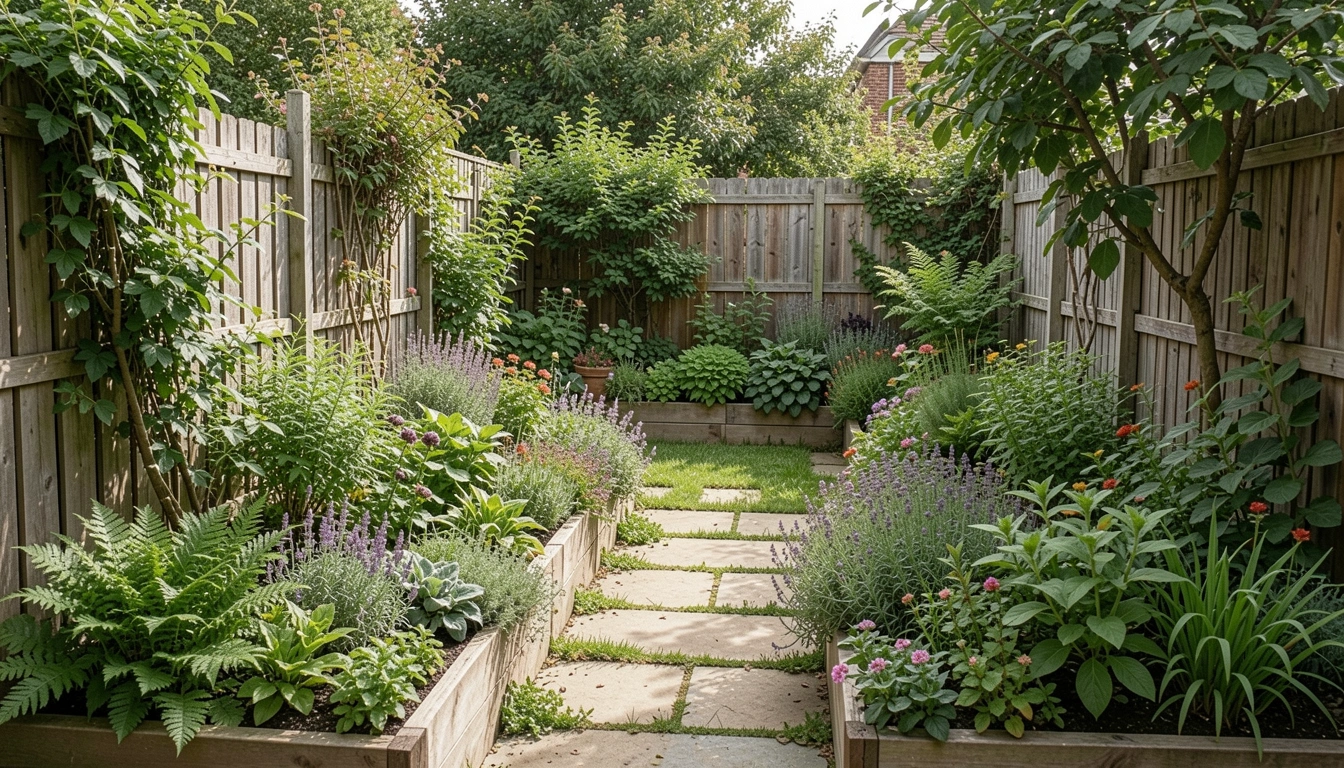
I stared at my backyard last spring. Ten by fifteen feet, hemmed in by tall fences. Plants crowded every inch. It felt tight, like the walls were leaning in.
I’d tried more flowers, brighter pots. Nothing helped. The space just shrank smaller.
Then I stepped back. Saw what was really closing it off.
How to Make a Small Backyard Garden Look Bigger
This is the method I use every time a backyard feels pinched. You’ll end up with a garden that breathes—open sightlines, depth where there wasn’t any before. It works in tight spots.
What You’ll Need
- 6-foot bamboo trellis in natural finish
- Light-colored gravel path stones, 12-inch rounds
- Tall feather reed grass in 1-gallon pots
- White garden bench, 4-foot weathered wood
- Hanging mirror, 24×36-inch arched frame
- Pale blue ceramic pots, 14-inch diameter
- Creeping thyme groundcover plugs, pack of 20
Step 1: Clear the Center
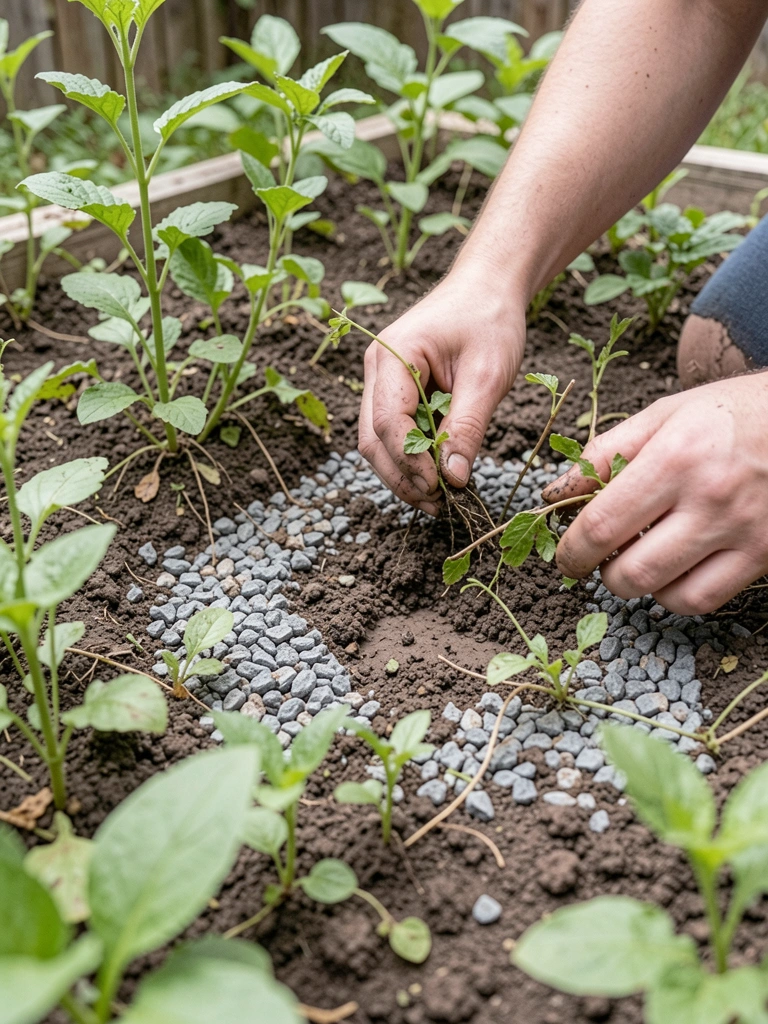
I start by walking the space. Pull everything from the middle third. Why? That bare ground pulls your eye back, creates breathing room.
Visually, fences recede. The yard stretches. One insight folks miss: empty dirt looks bigger than packed soil.
Don’t yank too much at once. I lost a good shrub that way early on. Thin in passes. Let it settle.
Now it feels open. Air moves through.
Step 2: Layer Heights from Back to Front
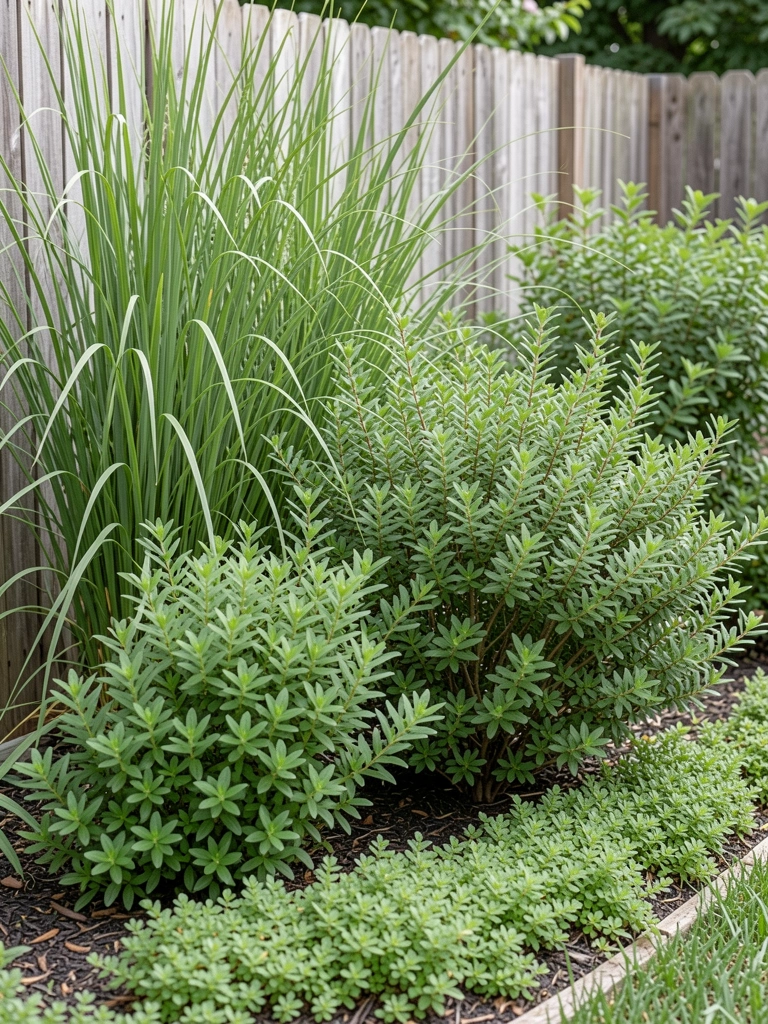
I plant tall first, against the fence. Feather reed grass sways there. Then mid-height perennials. Low creepers hug the front.
This tricks the eye into depth. Back stays distant, front frames it.
People forget: equal heights flatten everything. Vary by two feet minimum.
Avoid cramming layers tight. I did, and it choked the flow. Space them 18 inches apart. Watch it open up.
Step 3: Draw Lines with a Path
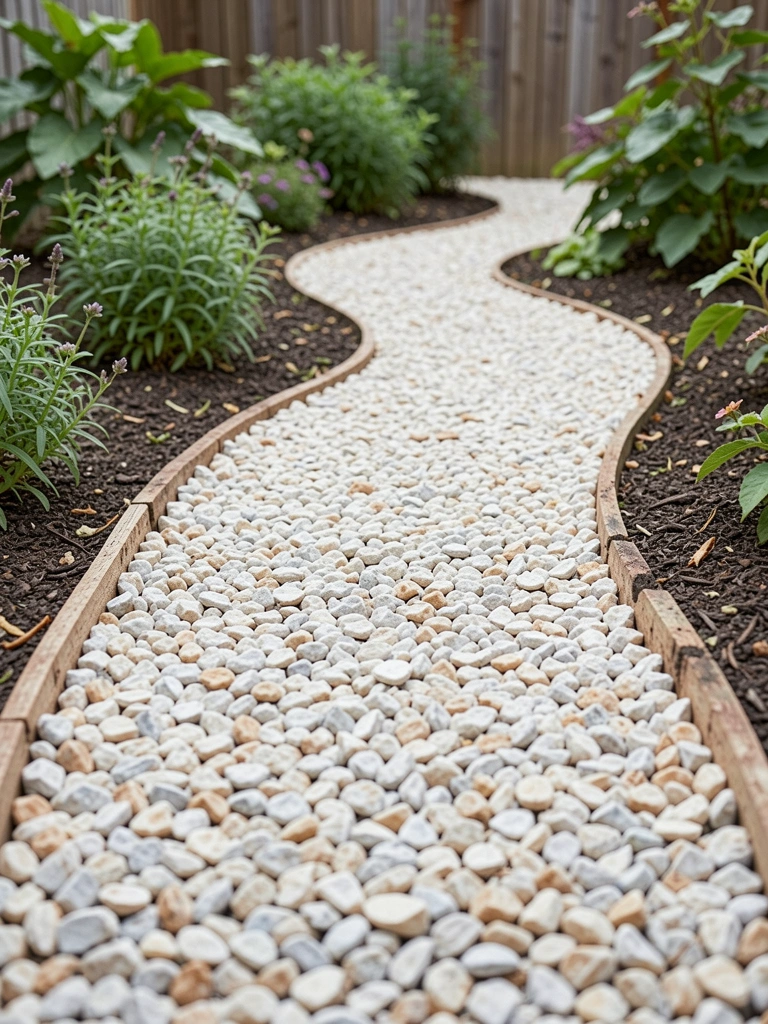
I snake a gravel path from gate to far corner. Light stones catch sun, lead the eye deep.
Suddenly, the yard has direction. Feels twice as long.
Missed insight: straight paths box you in. Curves invite wandering.
Don’t make it wide. Narrow, 18 inches, keeps sides planted. I widened mine once—lost green edges.
Step 4: Add Vertical Lift
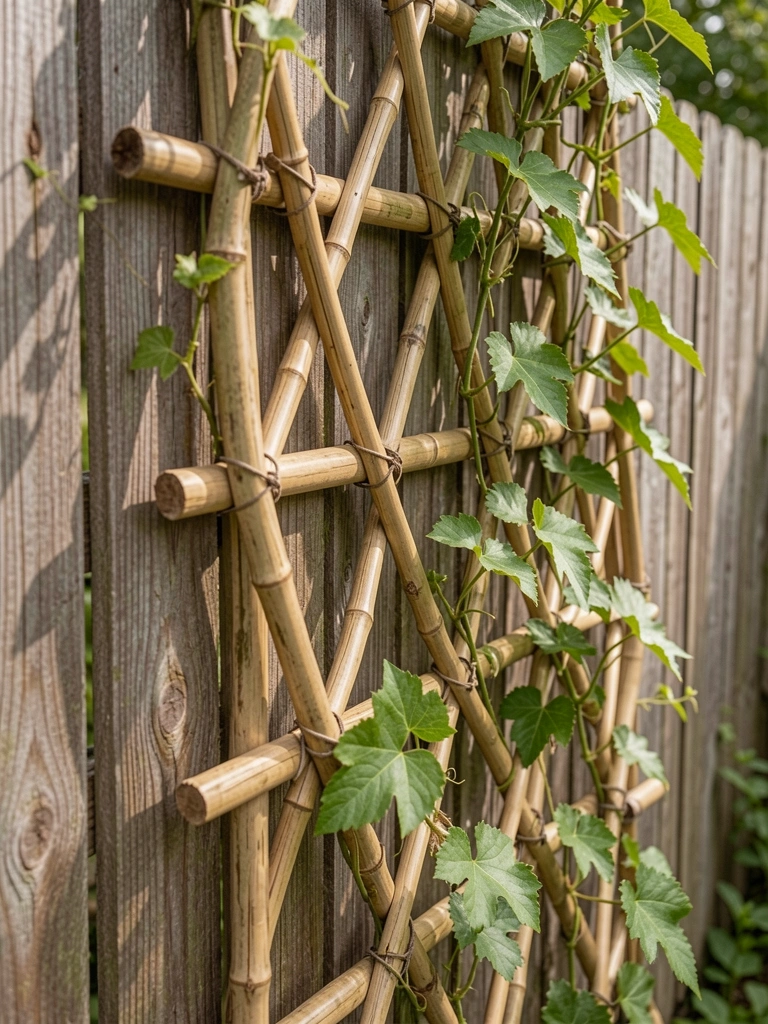
I lean a bamboo trellis on the side fence. Train climbers up it. Eyes go high, yard expands upward.
Fences fade behind green. Space lifts.
Folks overlook: bare fences scream small. Vertical green softens them.
Skip heavy metal frames. They block light. Bamboo lets it through. I switched after one dark corner.
Step 5: Reflect and Lighten Edges
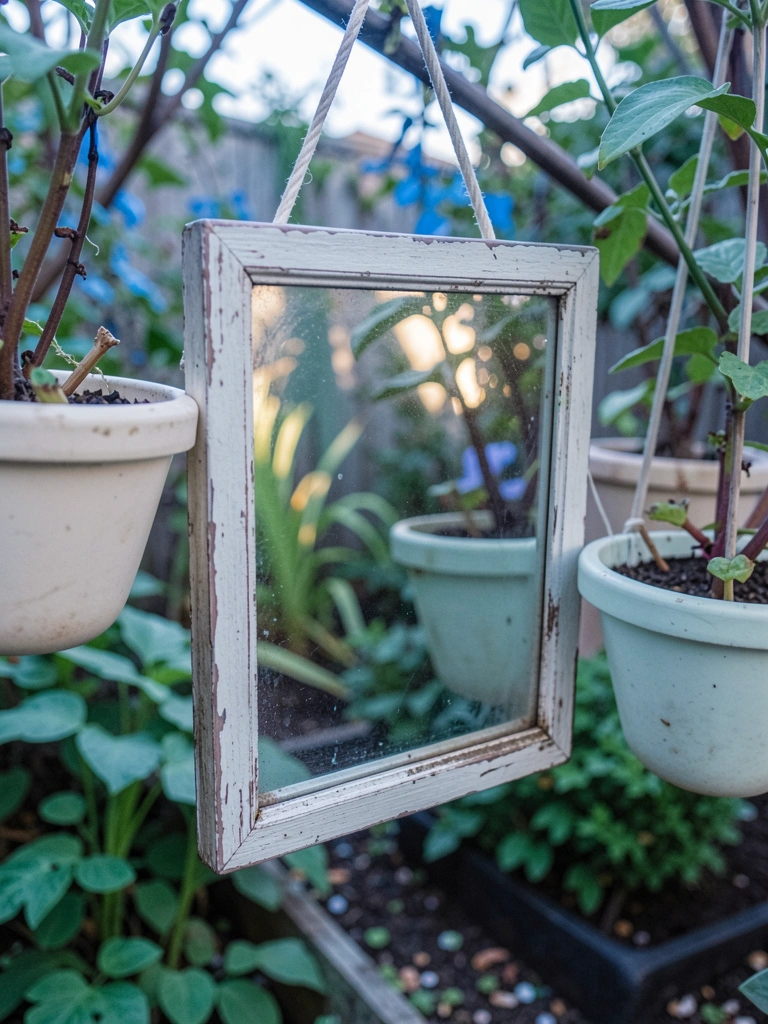
I hang a mirror at eye level on the back fence. Pale pots dot the sides.
Reflections double plants. Light colors push walls away.
Insight: one mirror fools distance better than ten ornaments.
Don’t angle it wrong. Straight on, or it blinds. Test from the door. Edges feel clean now.
Plant Choices That Pull It Off
I stick to a few that play nice in small spaces. They grow tidy, don’t flop.
Tall grasses like miscanthus hold shape. Lavender bushes stay compact.
- Feather reed grass: upright, moves in breeze.
- Creeping thyme: fills gaps without crowding.
- Pale hostas: light leaves brighten shade.
Mix three types max. More muddies the lines.
Fixing Common Pinch Points
Fences too close? Paint them soft gray. It fades them back.
Overhead branches crowding? Trim up, not out.
- Check paths daily at first. Rake leaves—they darken gravel.
- Thin blooms mid-summer. Spent flowers shrink space.
One snag I hit: too many pots. Pick three, repeat shapes.
Keeping the Bigger Feel Year-Round
Winter bare? Evergreens anchor layers. Dwarf conifers work.
Spring refresh: divide clumps that spread.
- Mulch light-colored. Dark eats light.
- Prune verticals lightly. Keep lift.
It holds through seasons if you watch balance.
Final Thoughts
Start with one corner. Clear it, path it. See the shift.
You’ve got this. Small yards reward patience.
Mine feels generous now. Yours will too. Just stand back often.
Leave a Reply