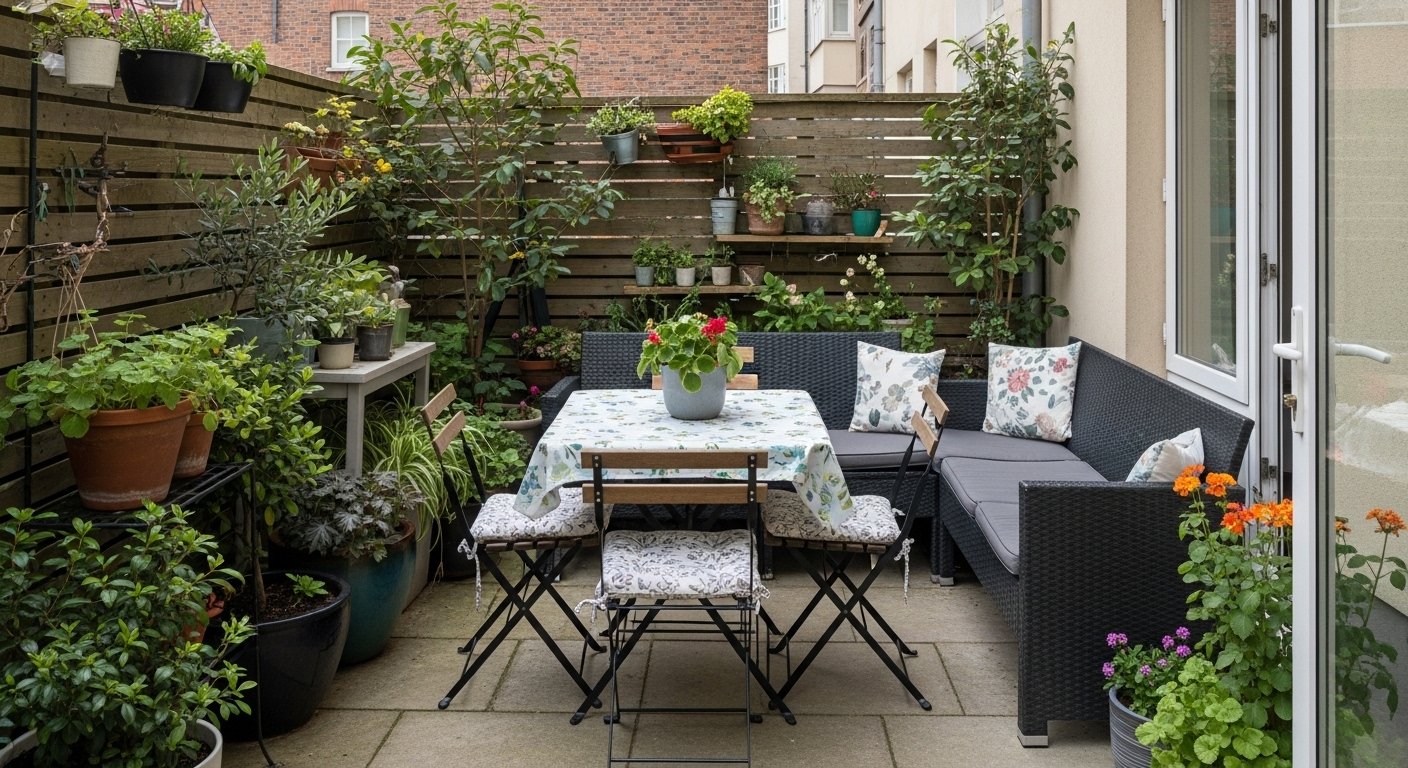
I stared at my tiny slab of concrete and felt stuck. It looked functional but empty. I wanted a space I’d actually use, not a bare corner.
Over time I learned small, cheap moves that make a patio feel deliberate and comfortable. This guide is about feel, not fancy spending.
How to Decorate A Small Patio Garden On A Budget
I’ll show how I layer plants, furniture, lighting and textiles to make a small patio feel balanced and inviting without a big budget.
What You’ll Need
- 24-inch terracotta planter (unglazed clay)
- 10-gallon fabric grow bag (black felt)
- Solar string lights warm white (20 ft, outdoor)
- 2-person metal bistro set (black powder-coated)
- 3×5 outdoor rug (neutral polypropylene)
- All-weather seat cushions (2-pack, muted linen look)
- Seagrass woven basket (natural, medium) for pot cover/storage
Step 1: Pick a focal corner and claim it
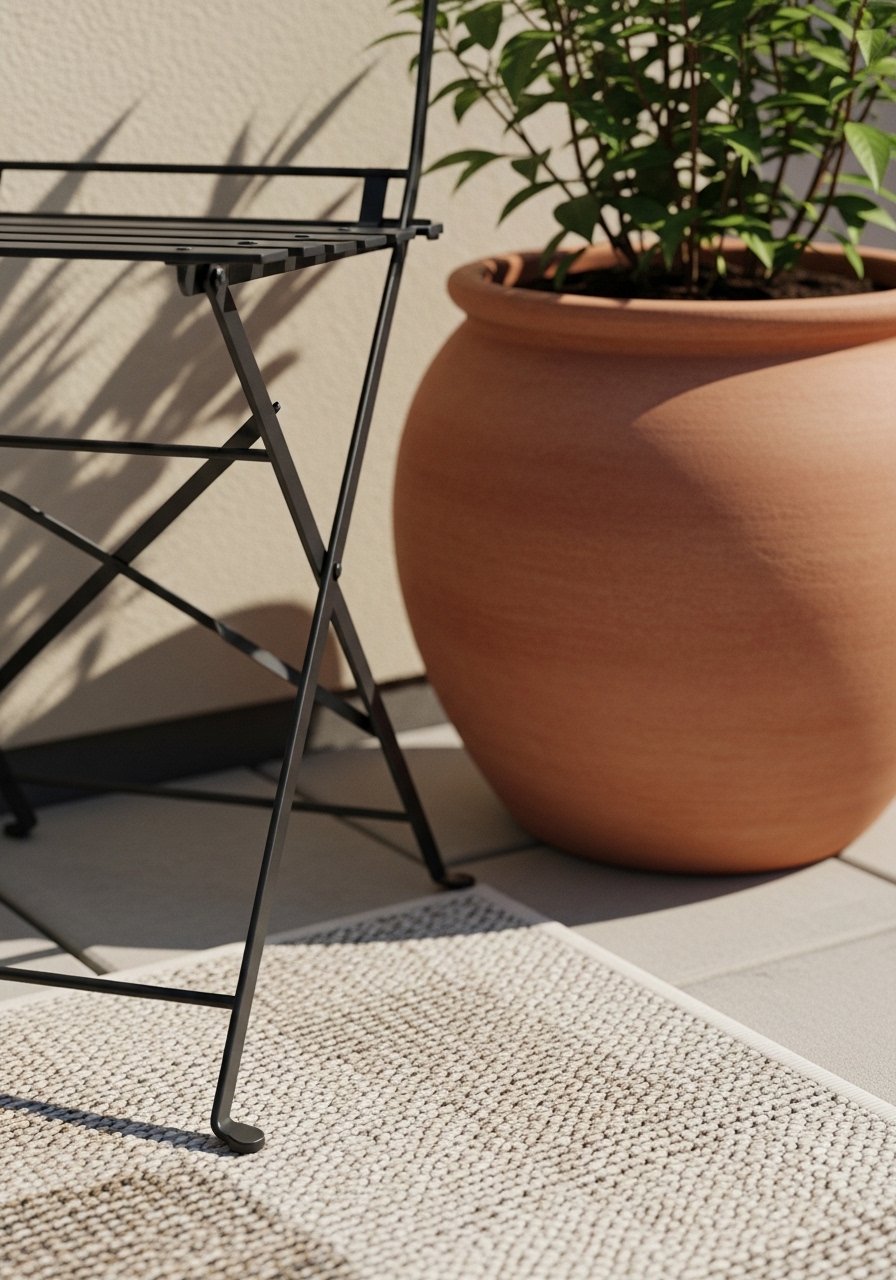
I start by choosing one corner as the focal point. It gives the eye somewhere to rest. I place the bistro set or a single chair there first. That single decision makes the rest feel like supporting roles.
Visually, you go from scattered to anchored. A common miss is trying to fill every inch. A small mistake to avoid: don’t cram the focal corner with too many pots. Give negative space so the main pieces breathe.
Step 2: Use one large container and a couple of smaller ones
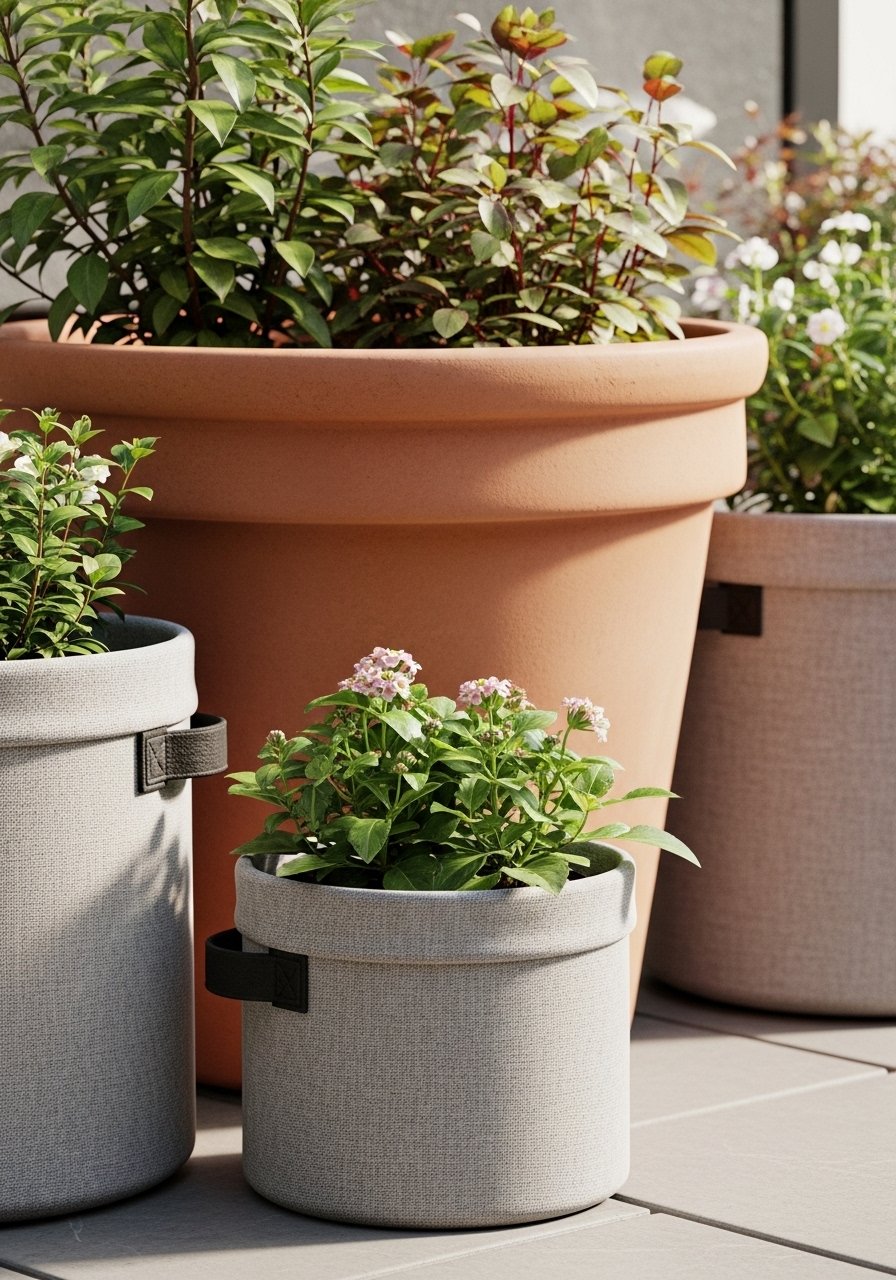
I put one dominant container near the focal point. Then I add one or two smaller pots to form a trio. That scale play reads as intentional. The large planter gives height and visual weight. The smaller ones add texture and rhythm.
People often miss scale — tiny pots alone look like clutter. The small mistake is matching everything; instead, mix sizes and materials for balance. The visual change is instant: the area feels planted-in, not scattered.
Step 3: Layer a rug and compact furniture for a living-room feel
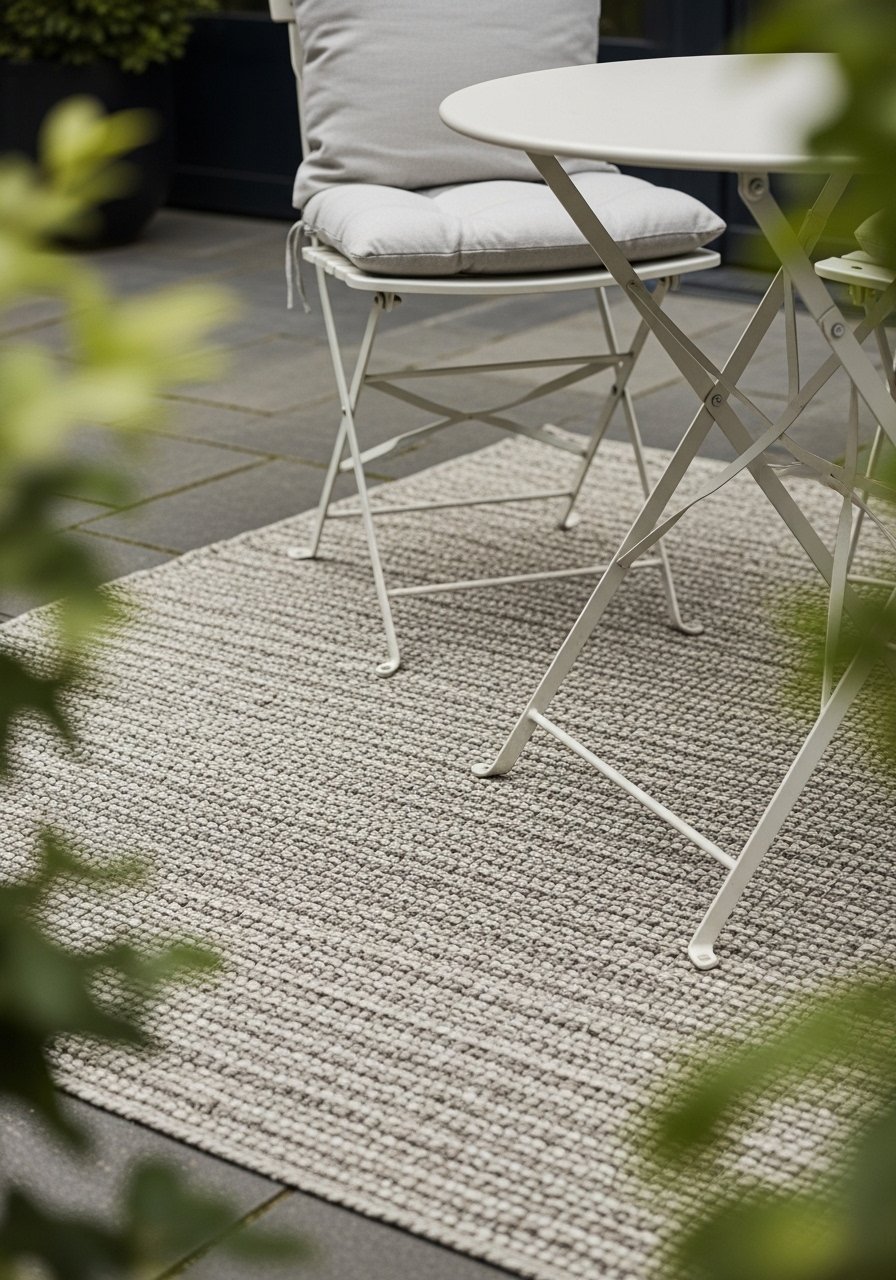
I roll out a small rug to define the “room.” It grounds the furniture and softens hard concrete. Then I position the bistro table and cushions so they touch the rug edge. That overlap makes the scene read as one place, not separate pieces.
What visually changes is coherence. People often pick overly bright rugs that shout instead of harmonizing. A small mistake: don’t over-size the rug. Too big swallows the patio; too small looks like an afterthought. Aim for the visual footprint of a small living room.
Step 4: Add vertical and layered greenery
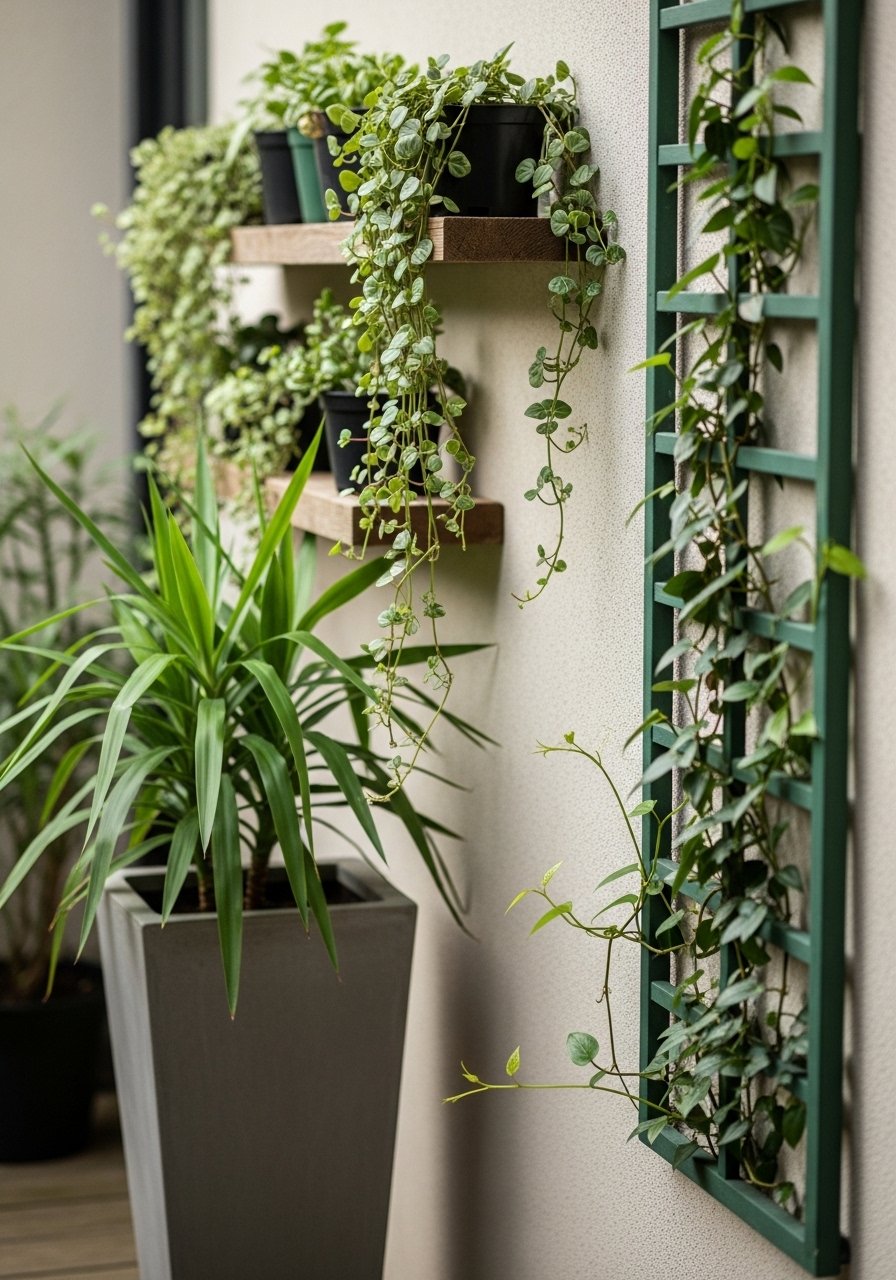
I look upward when floor space is tight. A simple shelf or a trellis gives a second plane. Hanging pots and a tall planter create a layered backdrop behind the seating. That vertical depth makes a tiny patio feel larger.
Many people forget to vary leaf size and plant form. The common mistake is piling identical pots in a row. Instead, mix a trailing plant, a sculptural leaf, and a soft filler. The visual result is depth, not flatness.
Step 5: Light, small accents, and one storage trick
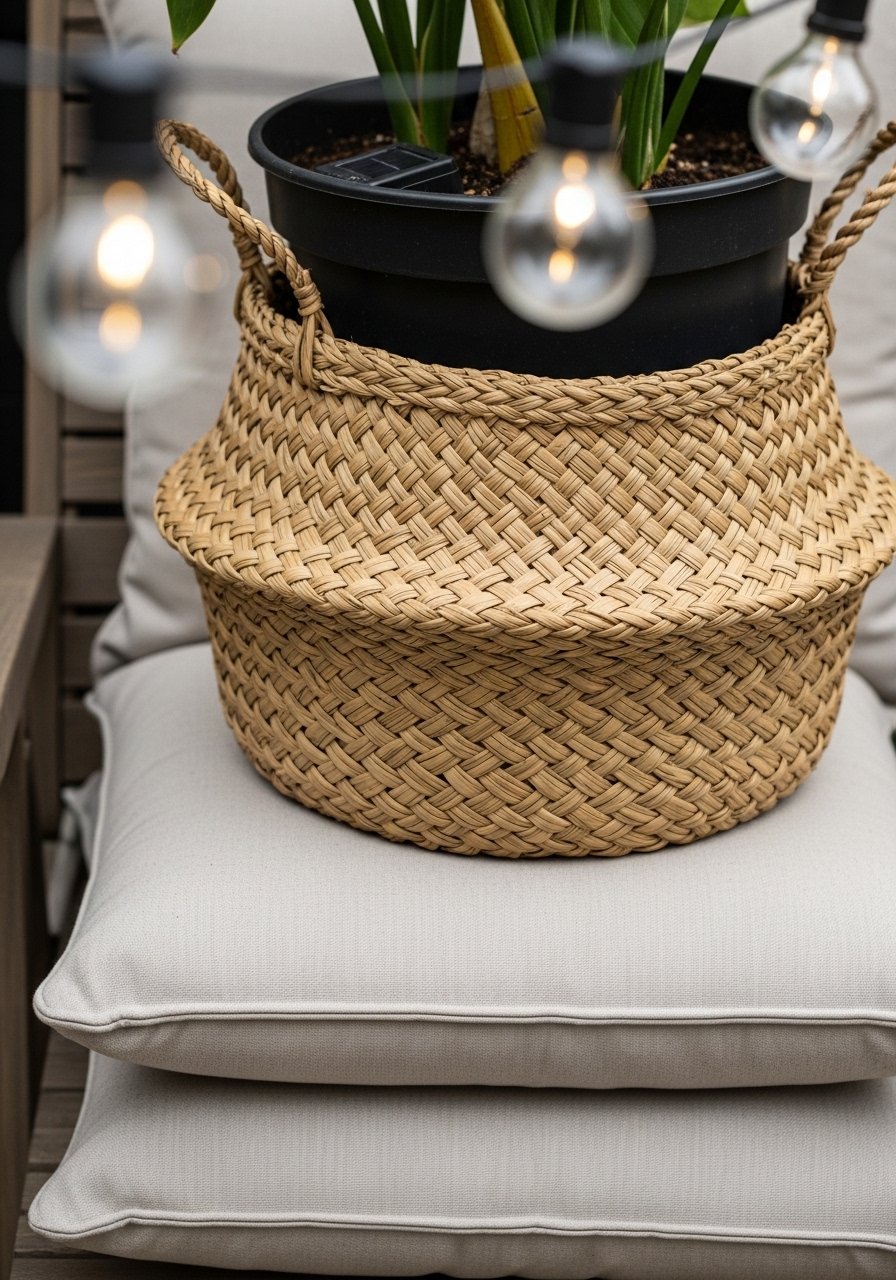
I hang warm solar string lights to knit the scene together at dusk. Then I add a woven basket to hide an ugly nursery pot and a simple tray for small items. Those tiny touches change mood and make the space feel finished.
People miss the power of hidden storage. The small mistake is buying too many decorative objects; limit accents so the plants remain the stars. The lighting and basket make the place comfortable and used, not just pretty to look at.
Plant choices that read well at a glance
I favor a limited palette of foliage: one bold leaf (like a rubber plant or bird of paradise), a trailing plant (ivy or pothos), and a soft textural filler (lavender or ornamental grass). Sticking to three repeating types keeps things coherent.
Bulleted approach I use:
- One structural plant for height.
- One trailing plant for softness.
- One small flowering or scented plant for interest.
Repeat those in different pots to feel curated without fuss.
Keep the look affordable over time
I buy one fairly priced statement planter and then use cheaper pots or grow bags for the rest. I also swap seasonal plants instead of replacing furniture. I find bargains at plant swaps, thrift stores, and clearance racks.
Small habits that help:
- Repurpose indoor pots outdoors in dry months.
- Cover trays and pots with baskets for a uniform look.
- Keep a basic care routine so plants last longer.
Where I shop and what I skip
I look for neutrals and natural textures. A cheap bright-patterned cushion can work, but I usually pick muted tones that layer easily. I check local marketplaces first for secondhand furniture.
What I skip:
- Overly trendy statement pieces that date quickly.
- Too many ceramic pots of the same color and size.
Final Thoughts
Start with one seat and one large pot. That tiny commitment changes how you use the patio.
Work in stages. I always add a rug or lights last. Small choices add up.
You don’t need perfection. Aim for a lived-in, comfortable corner that invites you outside.
Leave a Reply