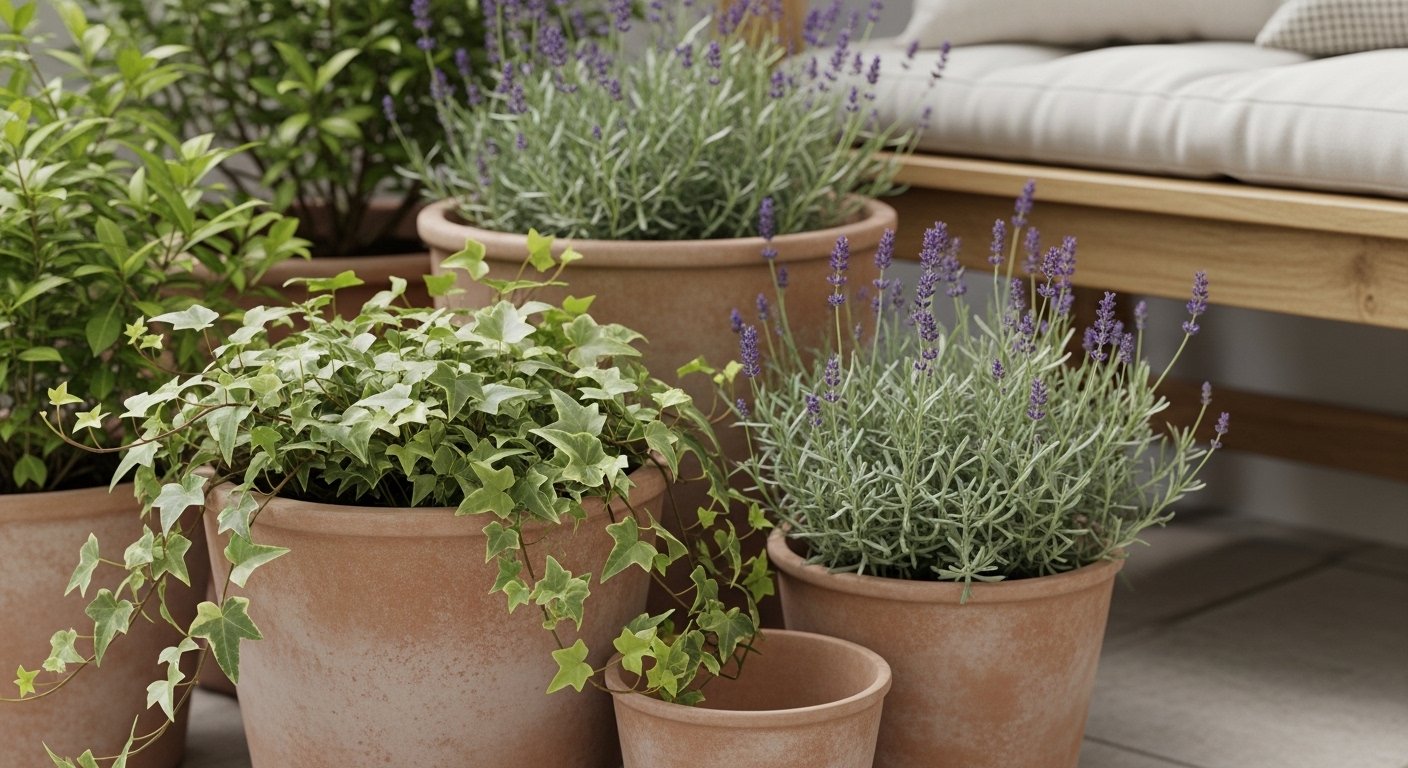
I used to think a tiny patio couldn’t have personality. I was wrong.
I learned by doing. I bought too-big pots, planted sun lovers in shade, and adjusted.
These ideas are from my real, sometimes messy attempts. You’ll get clear, cheap options that actually work.
29 Budget-Friendly Budget Small Patio Garden For An Affordable Makeover
These 29 ideas are practical, low-cost fixes that I’ve tried and kept.
They fit tiny patios and small budgets.
Read them, pick a few, and start planting.
1. Layered Container Planting That Makes a Patio Feel Full
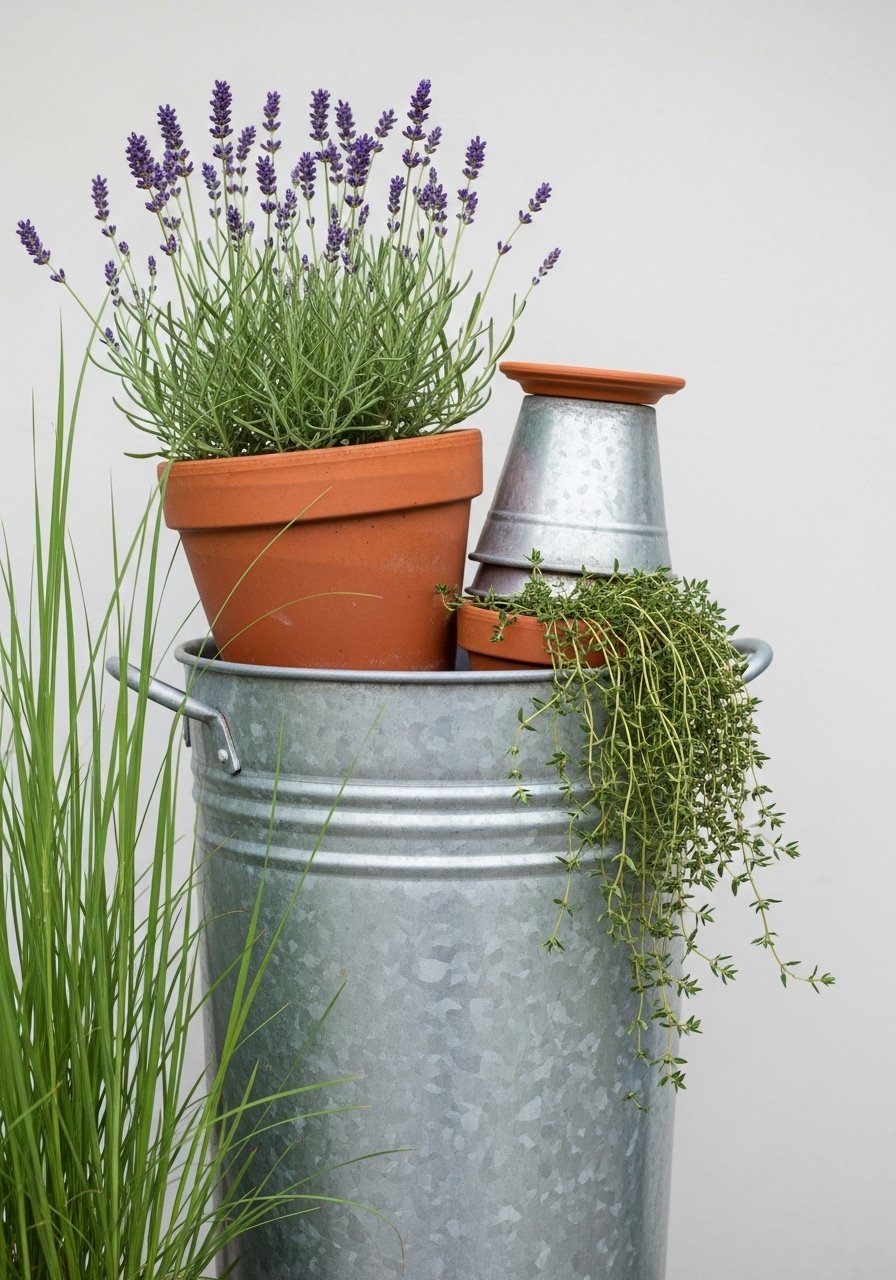
I started with one big pot and felt the space was flat. Then I layered three sizes and it suddenly felt full and intentional. The tall plant gives height, a mid-size bloom gives color, and a trailing plant softens the edges.
I noticed watering needs vary wildly. I swapped soil mixes and now the trailing thyme survives drought while taller grasses get more water.
Tip: group pots by drainage needs and color. It saves plants and time.
What You’ll Need for This Look
- Galvanized tall planter (14 inch)
- Terracotta planter set (12, 8, 6 inch)
- Trailing thyme (small herb plant)
2. Narrow Vertical Shelving for Pots and Herbs
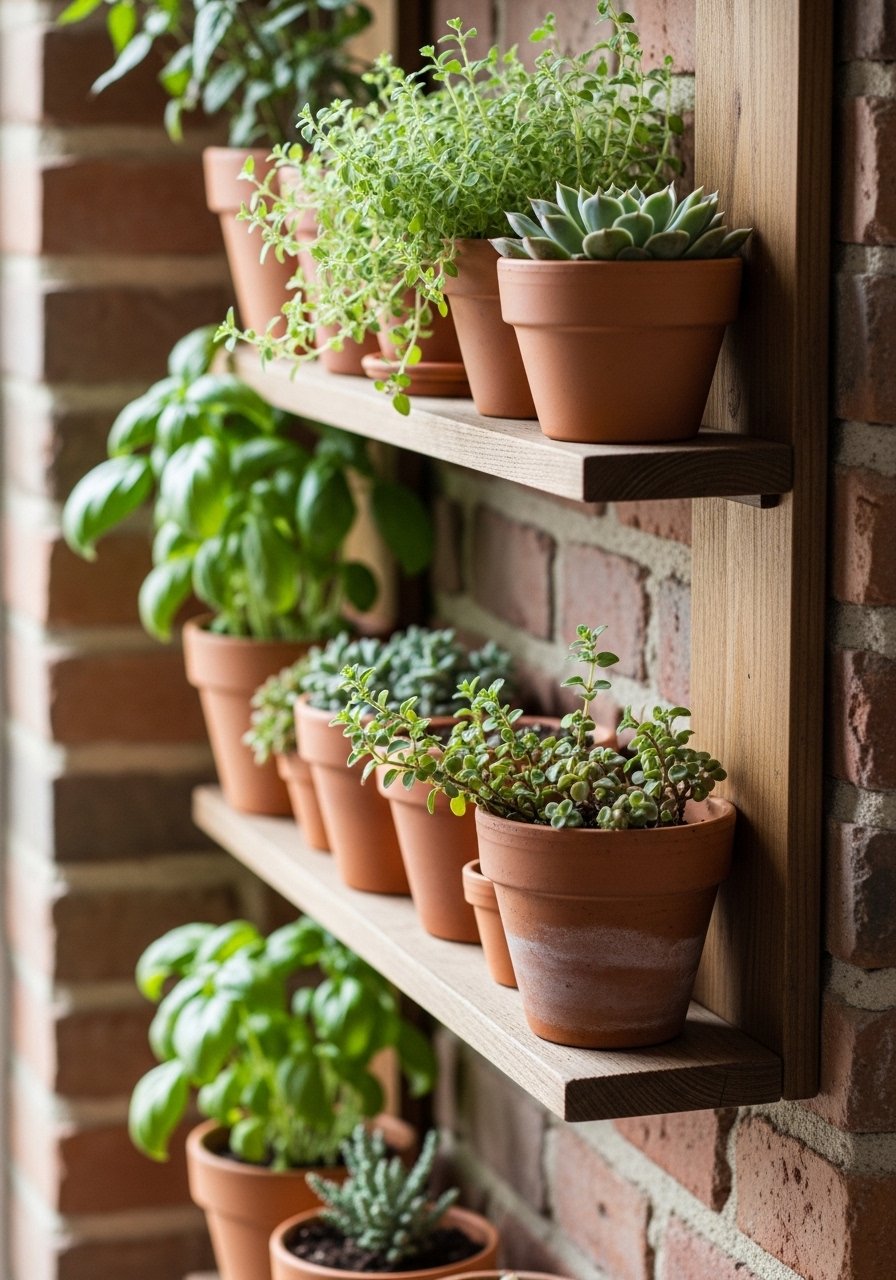
I built a skinny shelf from scrap wood to use vertical space. Herbs fit there perfectly and are easy to snip while cooking. The shelf also keeps pots off the floor, which helps on rainy days.
What I learned: sun exposure changes by the hour. I rotate pots every few weeks. The kitchen herbs responded immediately to daily harvesting.
Tip: stagger pot sizes so roots breathe and water doesn’t pool.
What You’ll Need for This Look
- Narrow vertical wood plant shelf (3-tier)
- Terracotta small pots (4 inch, set of 6)
- Basil starter plants (individual)
3. Pallet Wall Planter for Privacy and Greens (My First Fail, Then Win)
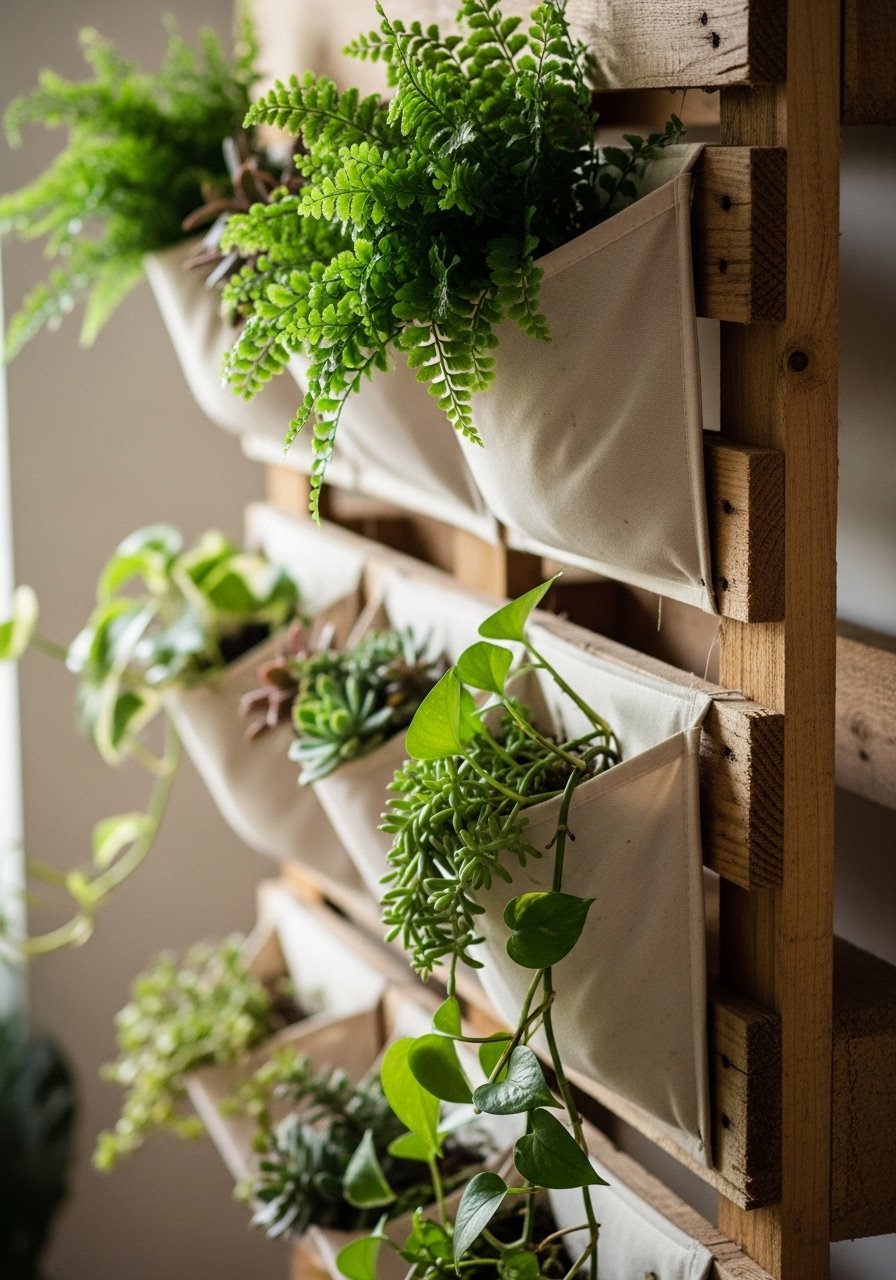
I hammered a pallet to the wall once and it fell because I used the wrong screws. After re-mounting properly, it became my favorite privacy screen. I filled pockets with mixed plants and it softened the concrete wall.
I underestimated weight and watered too heavily at first. Now I line the pallet pockets with landscape fabric to prevent rot.
Tip: use lightweight plants at the top and heavier at the bottom for balance.
What You’ll Need for This Look
- Reclaimed wood pallet planter (vertical)
- Landscape fabric (black roll)
- Small ferns and mixed succulents (assorted)
4. Window Box Herb Rail for Morning Tea
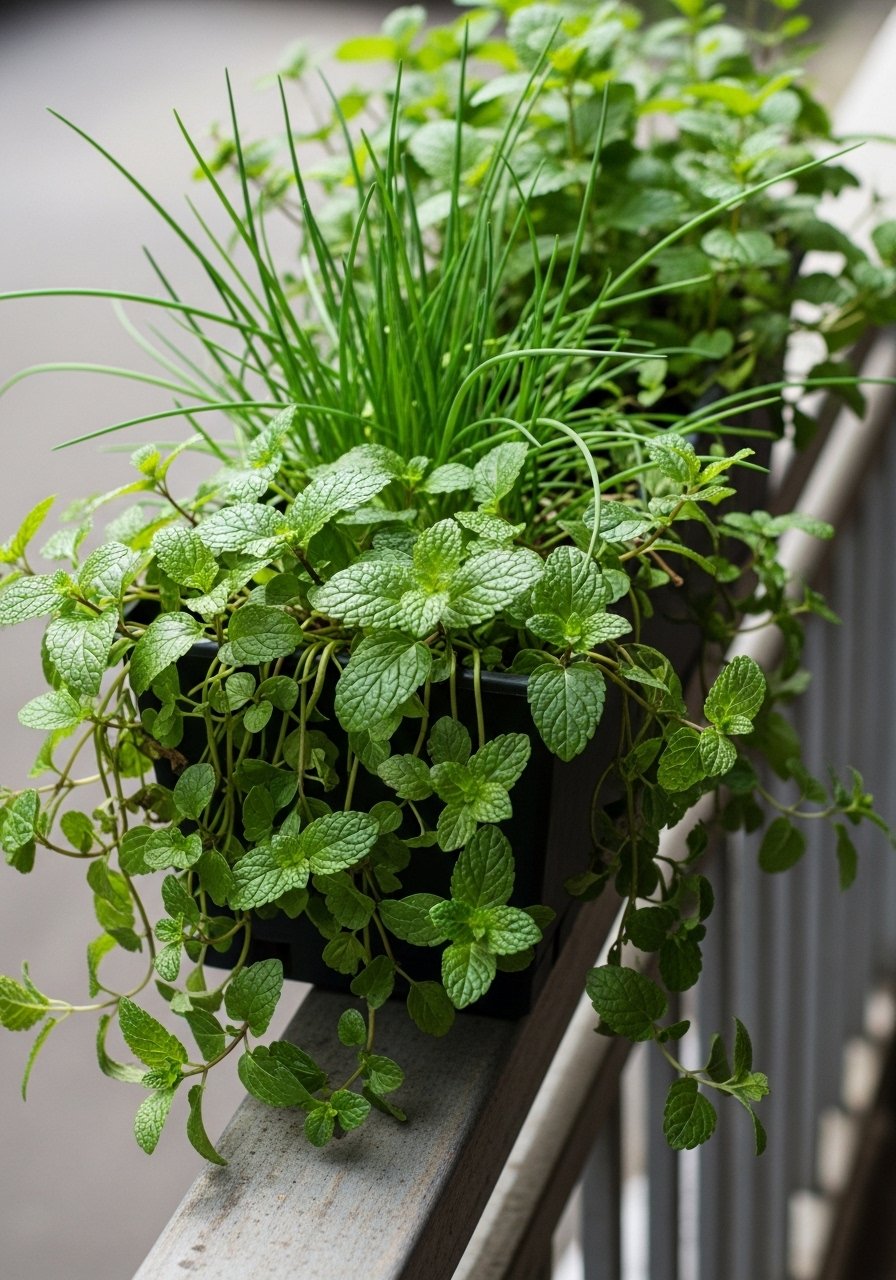
I fitted a window box on my railing when I wanted easy herbs for morning tea. It’s reachable from the chair and smells great when I brush past. Mint does try to take over, so I keep it contained.
I pick sprigs daily. That light pruning keeps plants compact and productive.
Tip: line the box with a thin potting layer and add slow-release fertilizer in spring.
What You’ll Need for This Look
- Window box planter with railing hooks (24 inch)
- Potting mix for herbs (6 qt)
- Mint starter plant (containable herb)
5. Potted Dwarf Fruit Tree for Tiny Yields and Big Smiles
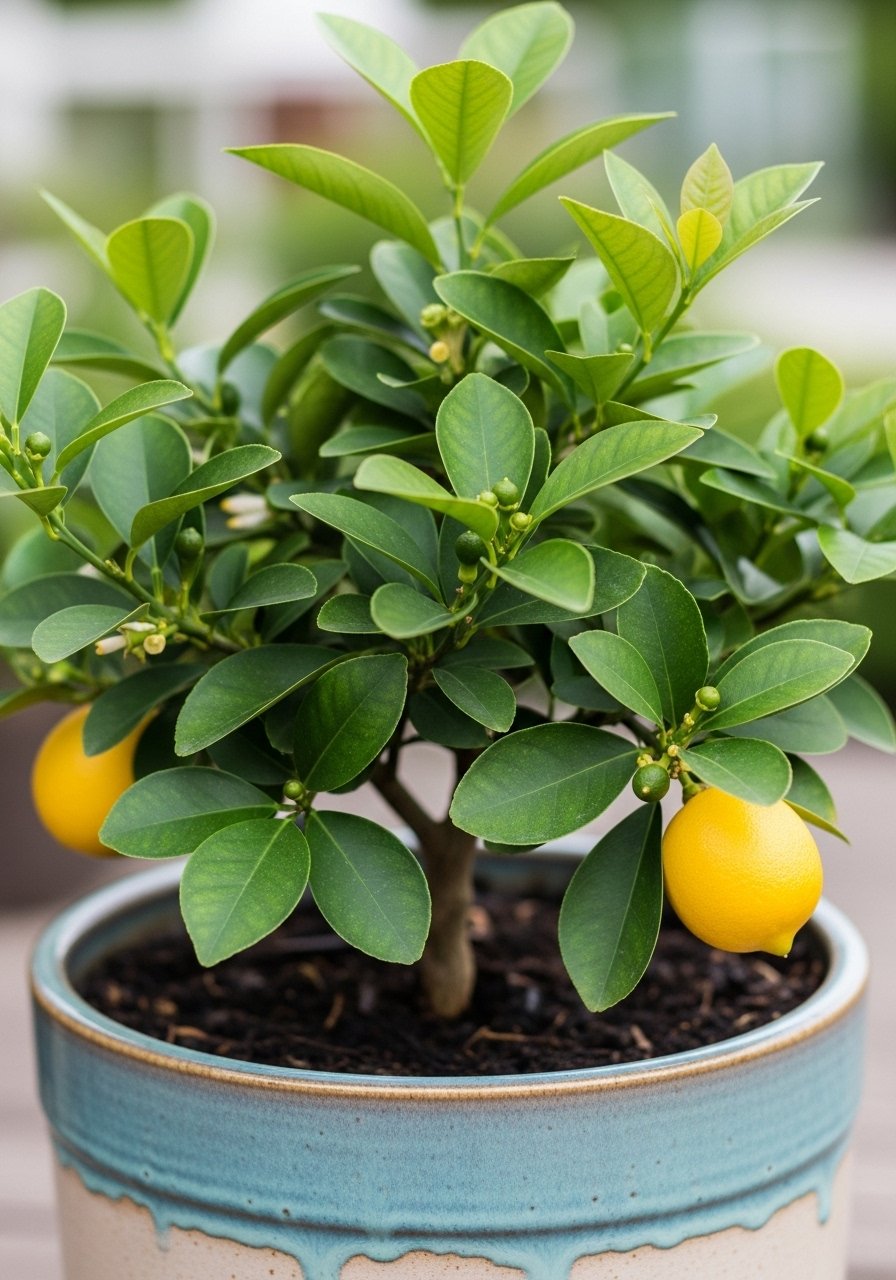
I planted a dwarf lemon tree in a 20-inch pot years ago. It gives me a handful of fruit and a great scent in spring. It’s slower than I expected but the payoff is sweet.
I had it too large for the first winter and lost a few branches. Now I protect the pot and trim lightly.
Tip: repot every 2–3 years and use citrus fertilizer in season.
What You’ll Need for This Look
6. Painted Pot Palette to Tie the Space Together
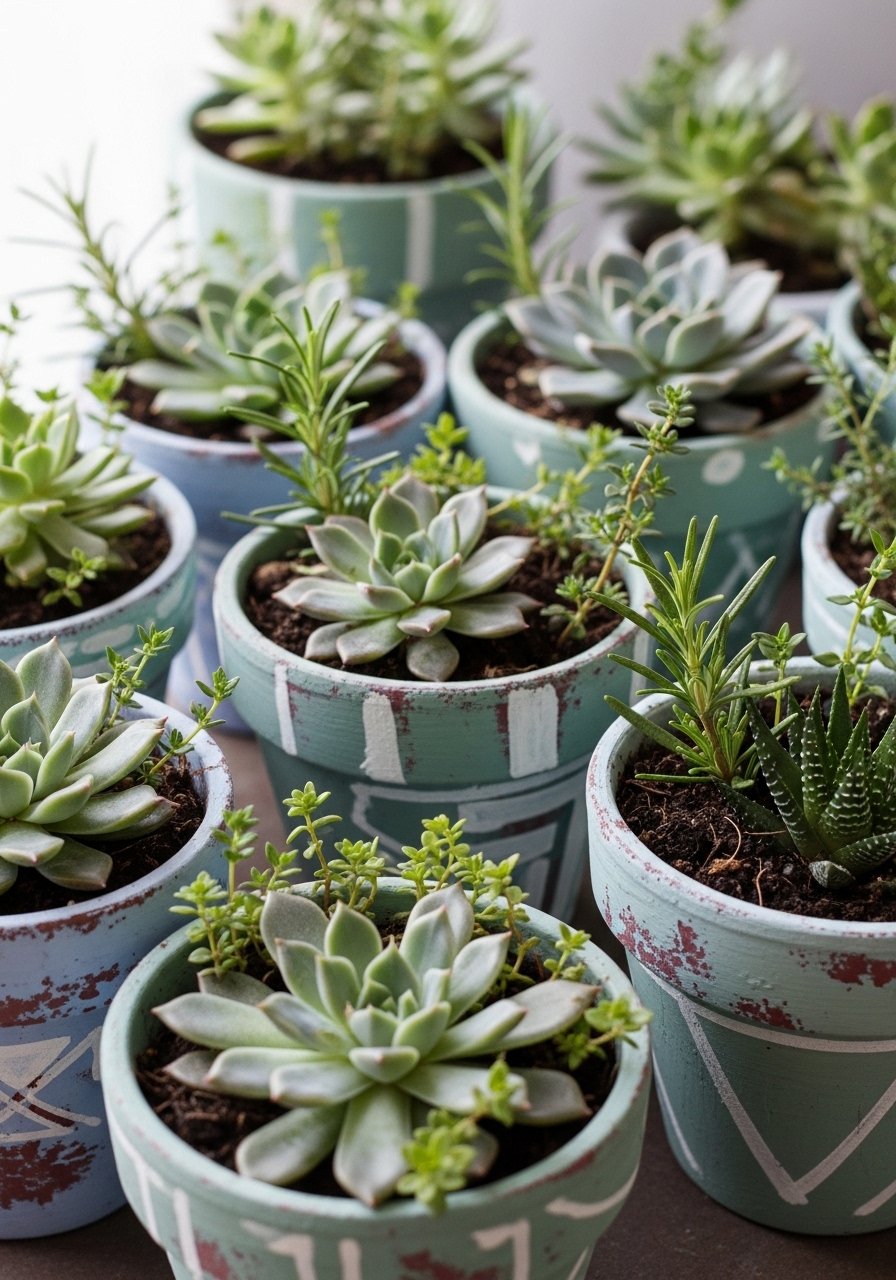
I painted old pots to create a consistent color story. It made mismatched containers feel intentional and cleaned up the visual clutter. The paint also sealed thin terracotta that was flaking.
I learned to use outdoor paint and prime first. The cheap spray sealer saves chips.
Tip: pick two or three colors and repeat them across the patio.
What You’ll Need for This Look
7. Cheap Bistro Set and Cushions for Comfort (I Bought One Too Big)
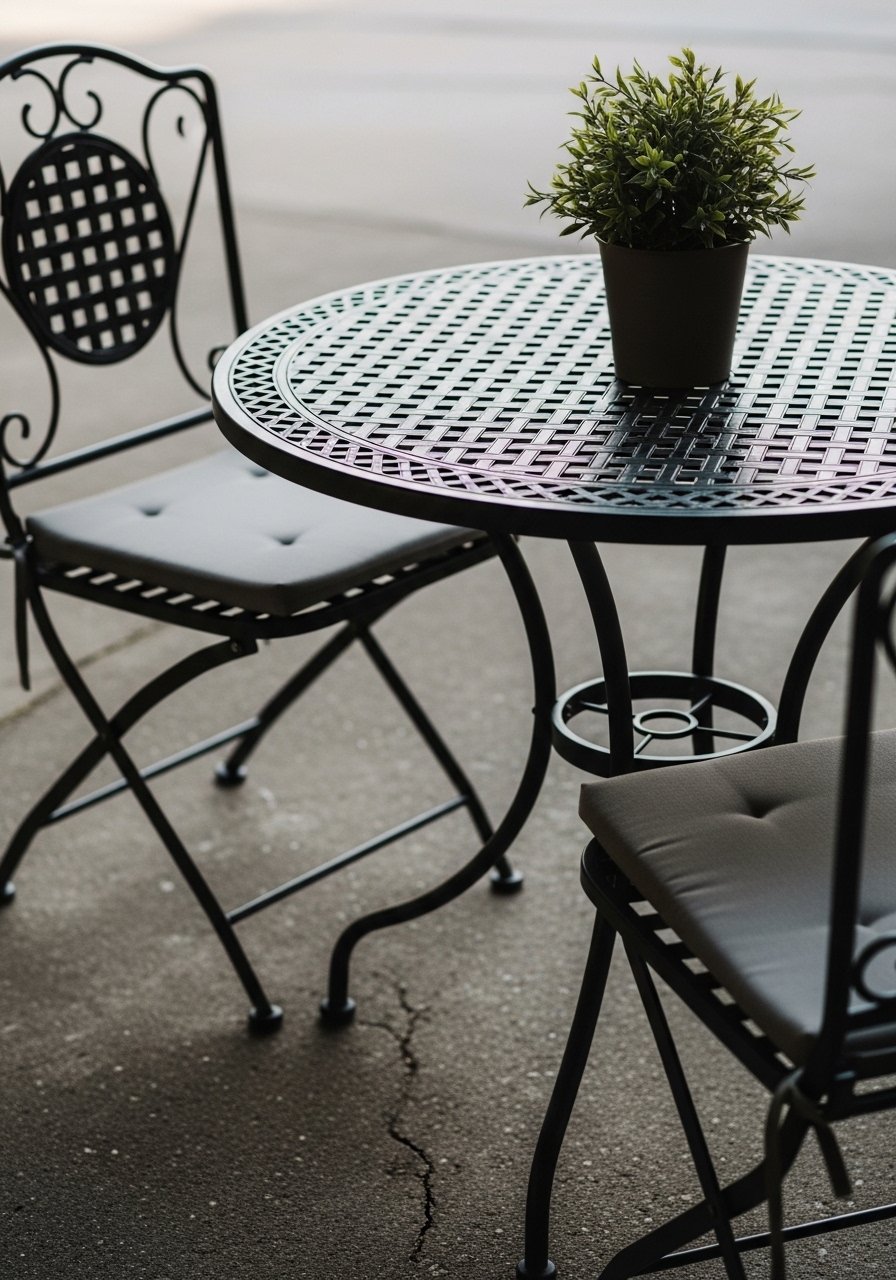
I bought a bistro set that was too large and had to swap it for folding chairs. The folding set freed space and still looks cozy. Cushions make metal chairs usable for longer afternoons.
I once left cushions out in a storm and mildew set in. Now I buy quick-dry cushions and a small storage box.
Tip: measure first. Choose foldable metal or lightweight wood.
What You’ll Need for This Look
- Folding bistro set (small metal)
- Quick-dry outdoor seat cushions (set of 2)
- Small outdoor storage box (bench style)
8. String Lights Overhead for Cozy Evenings
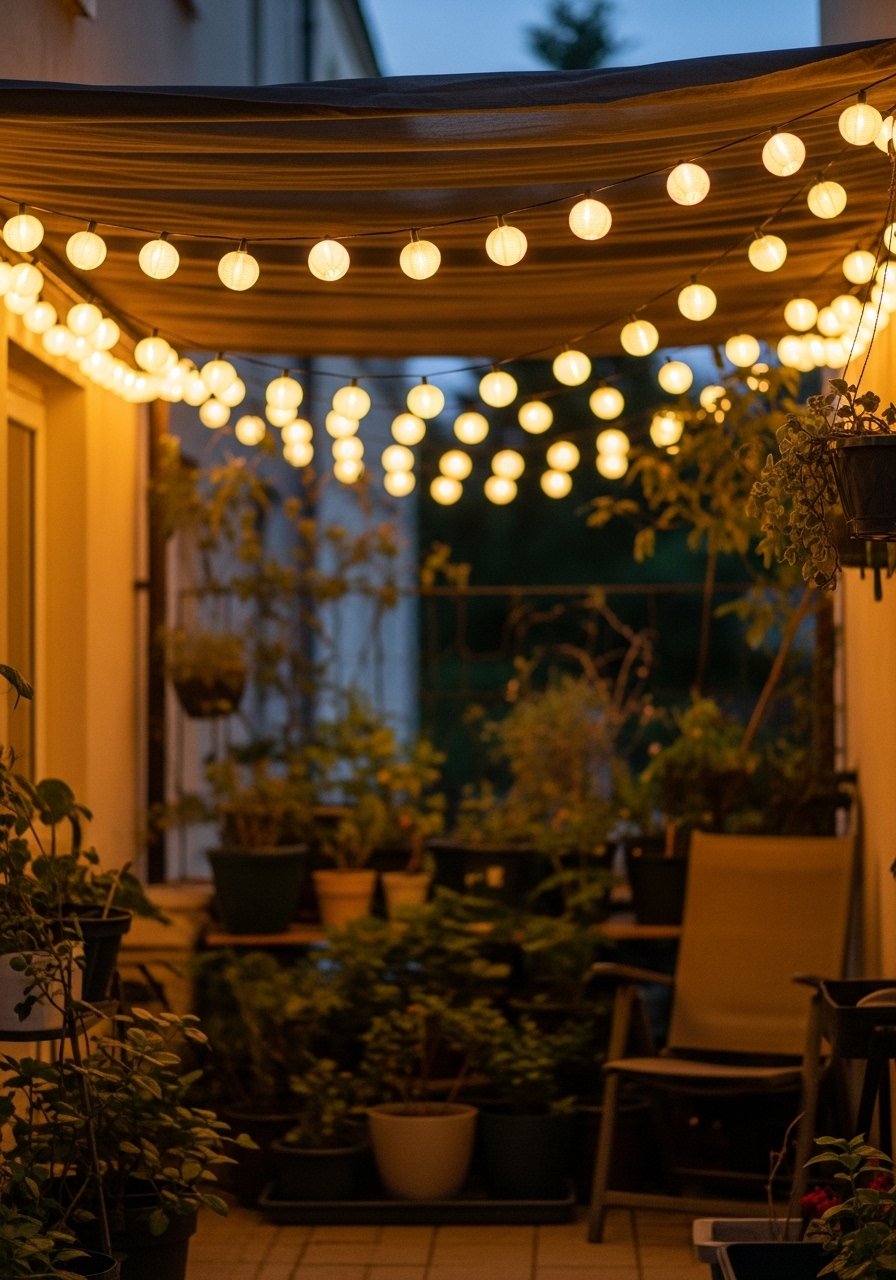
I added globe string lights and suddenly we used the patio at night. The light is soft and forgiving. I clip them to hooks and bring them down in bad weather.
I once tangled the lights badly. Now I coil them neatly and use outdoor-rated sets.
Tip: use warm white bulbs and stagger the lines for depth.
What You’ll Need for This Look
9. Gravel and Pavers for a Low-Cost Compact Floor
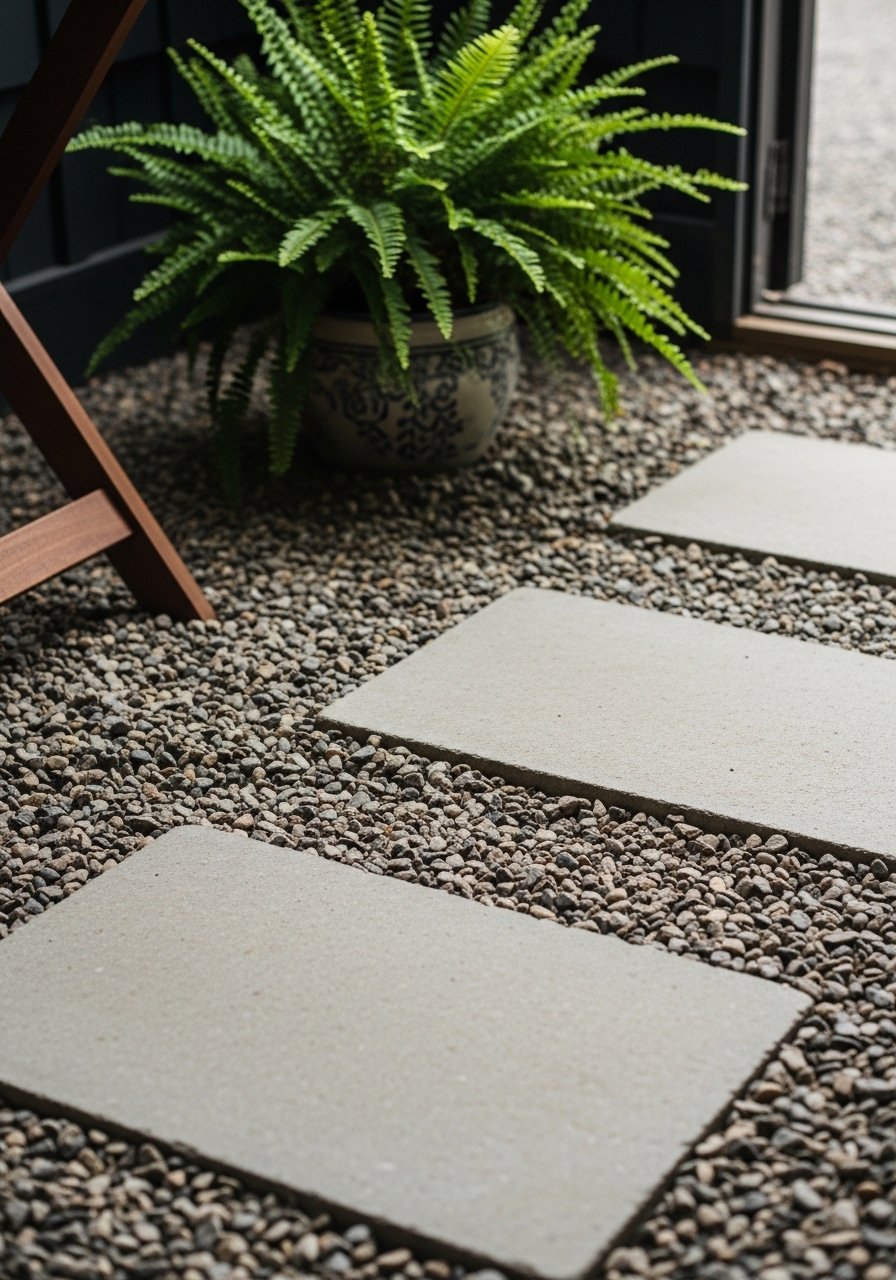
I tore up ugly tiles and laid gravel with a few pavers. It was cheap and drained well. The space looked cleaner and felt more intentional than plain concrete.
I underestimated how much weed barrier I’d need. I fixed it with extra landscape fabric and crushed stone.
Tip: choose pavers as focal points and leave gravel for the rest.
What You’ll Need for This Look
10. Recycled Tin and Can Planters for Charm and Savings
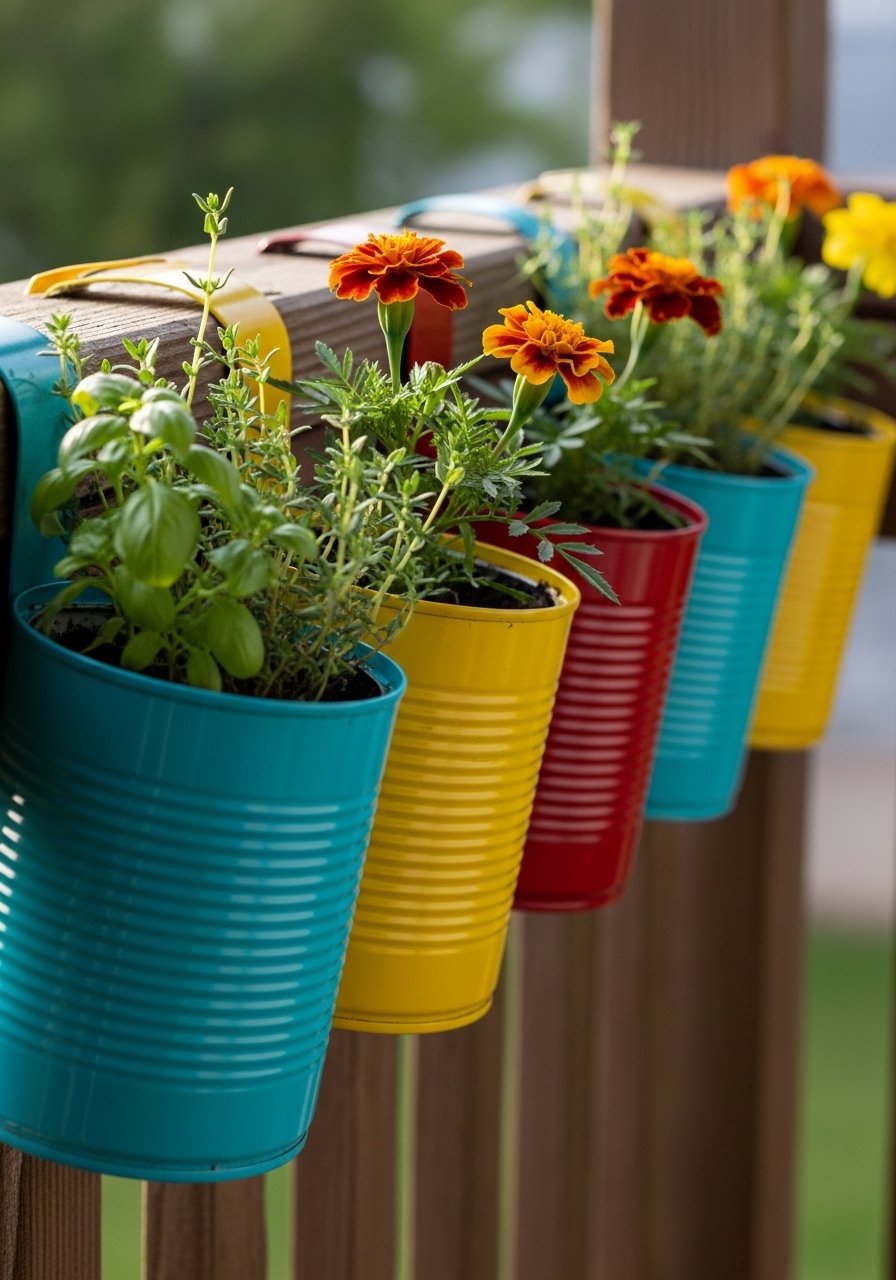
I save cans and tins instead of buying new pots. They’re light and cheap. A coat of outdoor paint and drainage holes turn them into charming planters.
I once forgot drainage and lost seedlings. Now I poke extra holes and raise them on small stones.
Tip: use a mix of herbs and annuals so you can swap them seasonally.
What You’ll Need for This Look
11. Succulent Tray for Minimal Watering and Texture
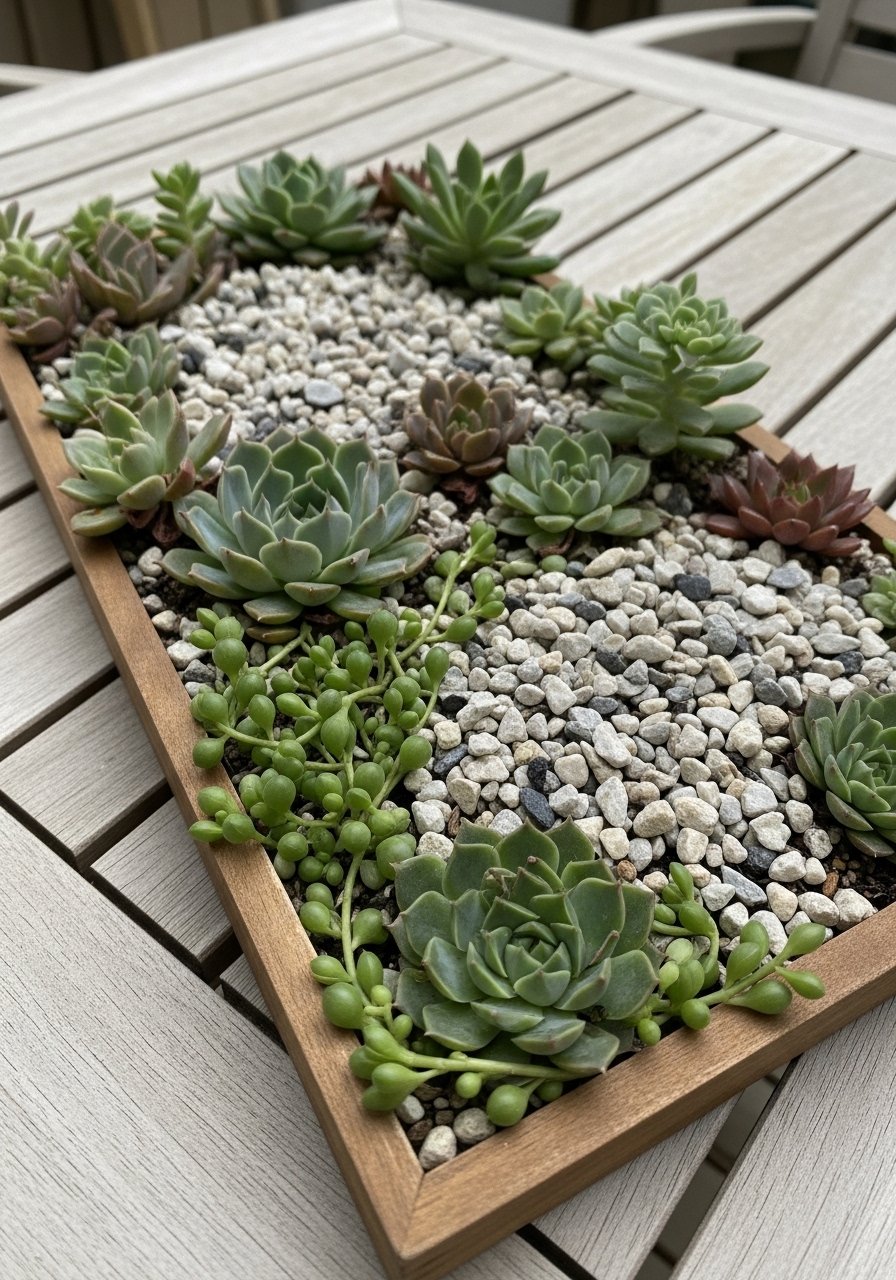
I set a shallow tray of succulents on a side table. They require almost no care and add texture. The tray is light and easy to move into shade when needed.
I crowded the tray too tightly once and a few rotted after heavy rain. I now leave small gaps and use gritty soil.
Tip: top-dress with coarse sand to keep soil dry and neat.
What You’ll Need for This Look
12. Reclaimed Brick Border to Define the Space (I Misjudged Leveling)
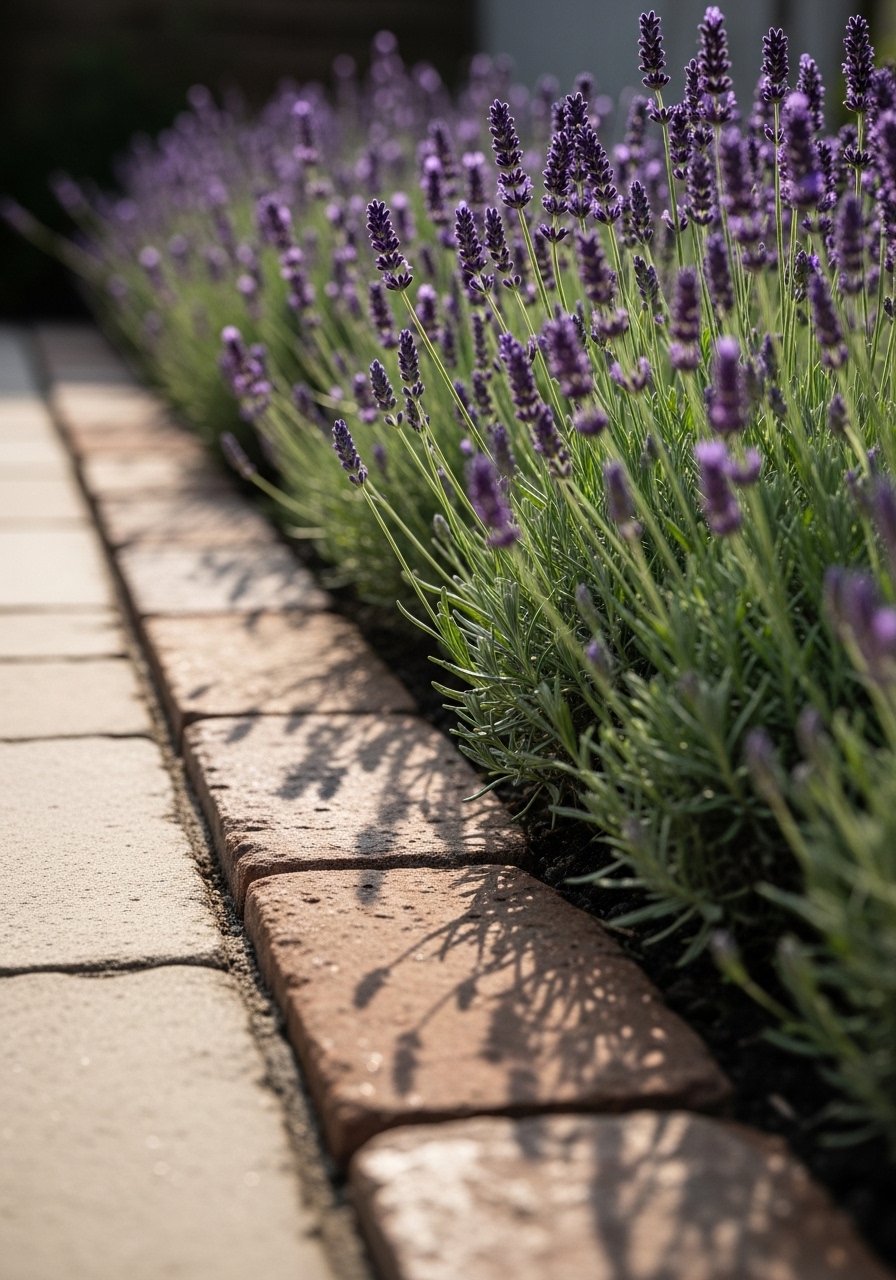
I used leftover bricks to edge the patio and it suddenly felt finished. The bricks warmed the concrete and gave plants a border. I didn’t level them properly at first and had to re-do a corner.
Once leveled, they stay put and are a cheap upgrade.
Tip: pack a gravel base and tap bricks level with a mallet for a snug fit.
What You’ll Need for This Look
13. Hanging Basket Trio for Vertical Interest
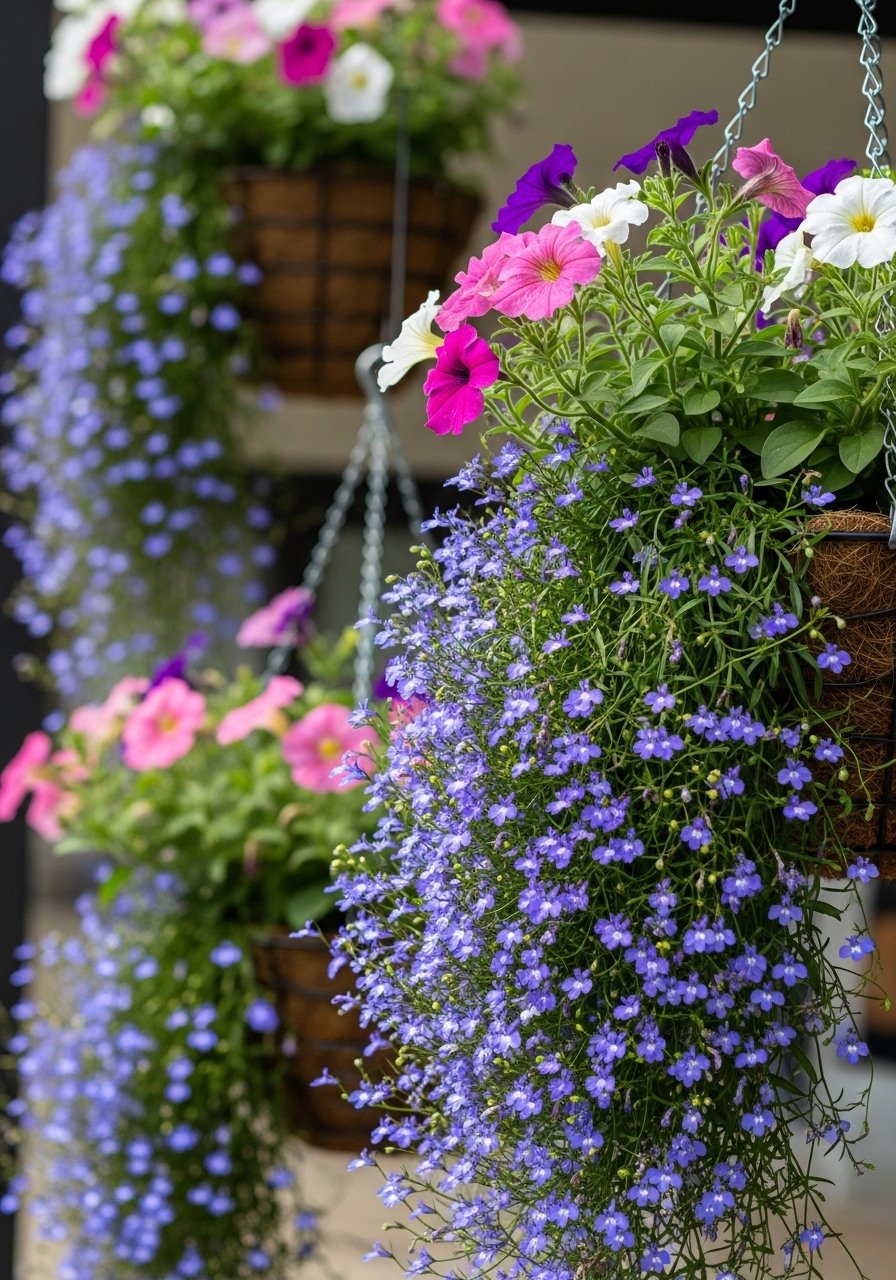
I hung three baskets at different heights to draw the eye up. It added color without taking floor space. The baskets sway and make the patio feel alive when the wind picks up.
I did forget to feed them and the middle basket faded. Now I use a liquid feed weekly.
Tip: rotate baskets for even bloom and put a saucer under them for easy watering.
What You’ll Need for This Look
- Hanging planter basket with coco liner (12 inch)
- Petunia hanging basket (pre-planted)
- Liquid plant fertilizer (8 oz)
14. Mini Water Feature for Sound and Calm
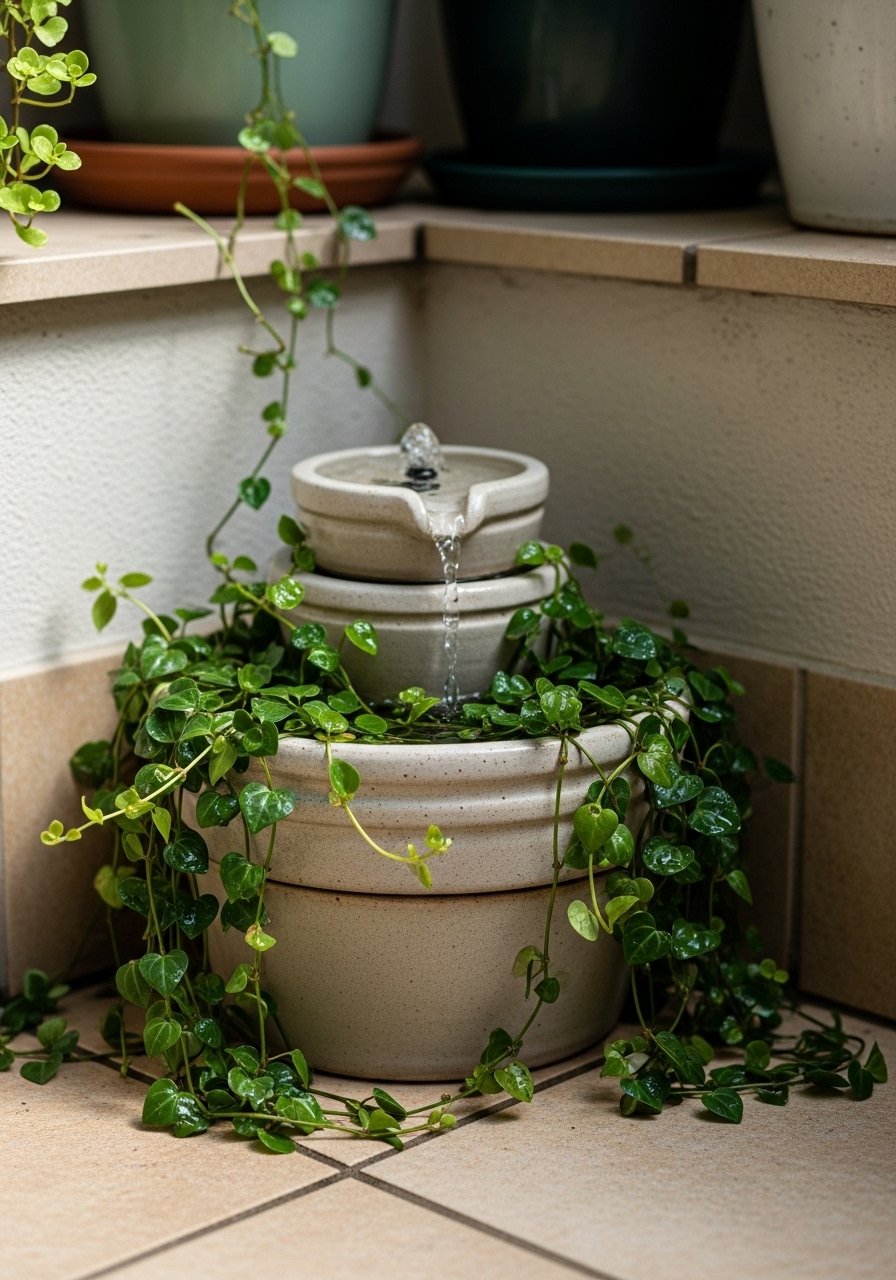
I added a tiny pump fountain and the sound changed the whole patio. It masks city noise and invites birds. The fountain needs occasional cleaning, but the payoff is a calm corner.
I had algae once in the summer. I cut it back by scrubbing monthly and using distilled water.
Tip: pick a low-wattage pump for small spaces; it’s quiet and efficient.
What You’ll Need for This Look
15. Outdoor Rug to Define the Seating Area
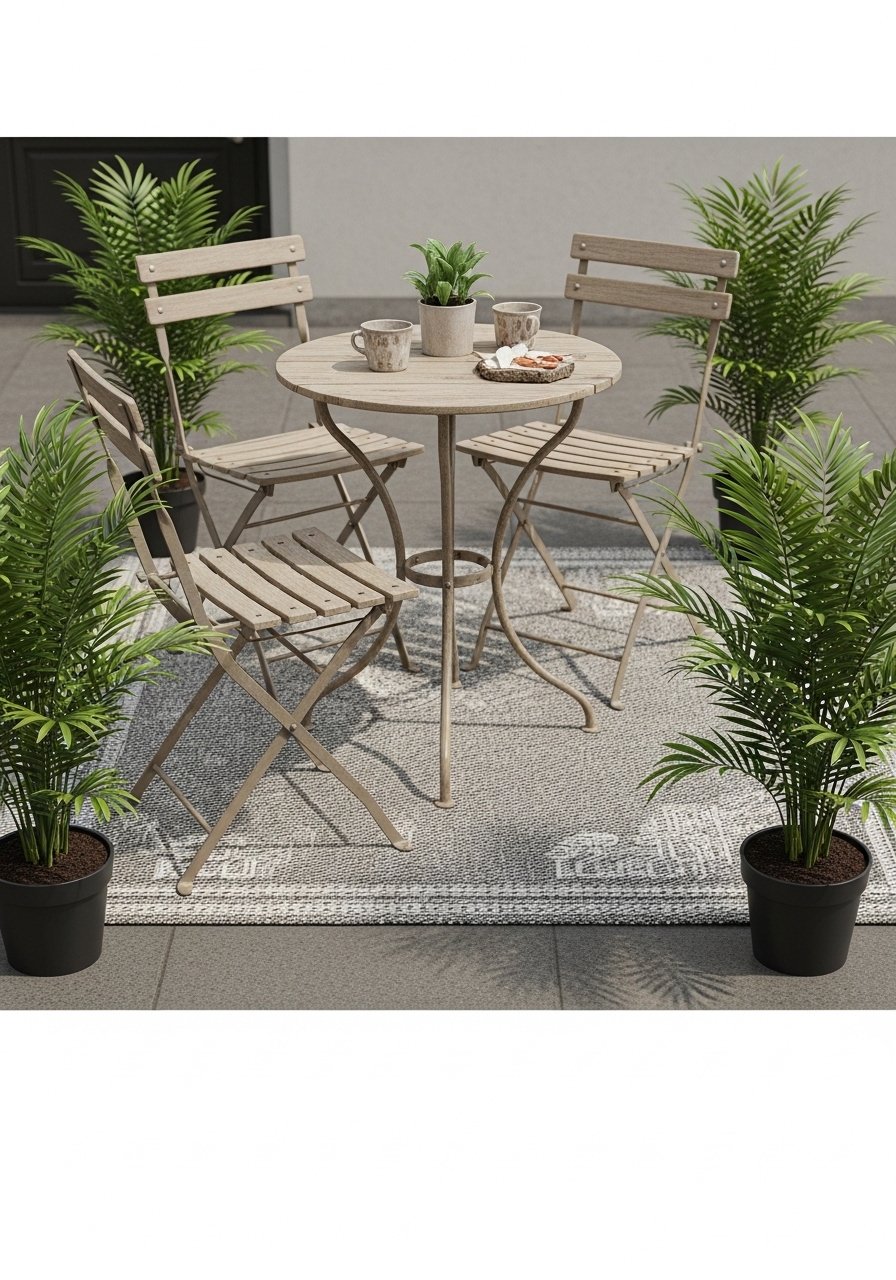
I added an outdoor rug and the seating corner finally read as “room.” It hides stains and makes the space feel cozier. The rug also protects chair legs from scratching the concrete.
It faded in direct sun after two seasons. I now choose UV-resistant rugs and rotate them.
Tip: measure first and let the rug extend under the front legs of furniture.
What You’ll Need for This Look
16. Mini Compost Bin for Kitchen Scraps and Greener Plants
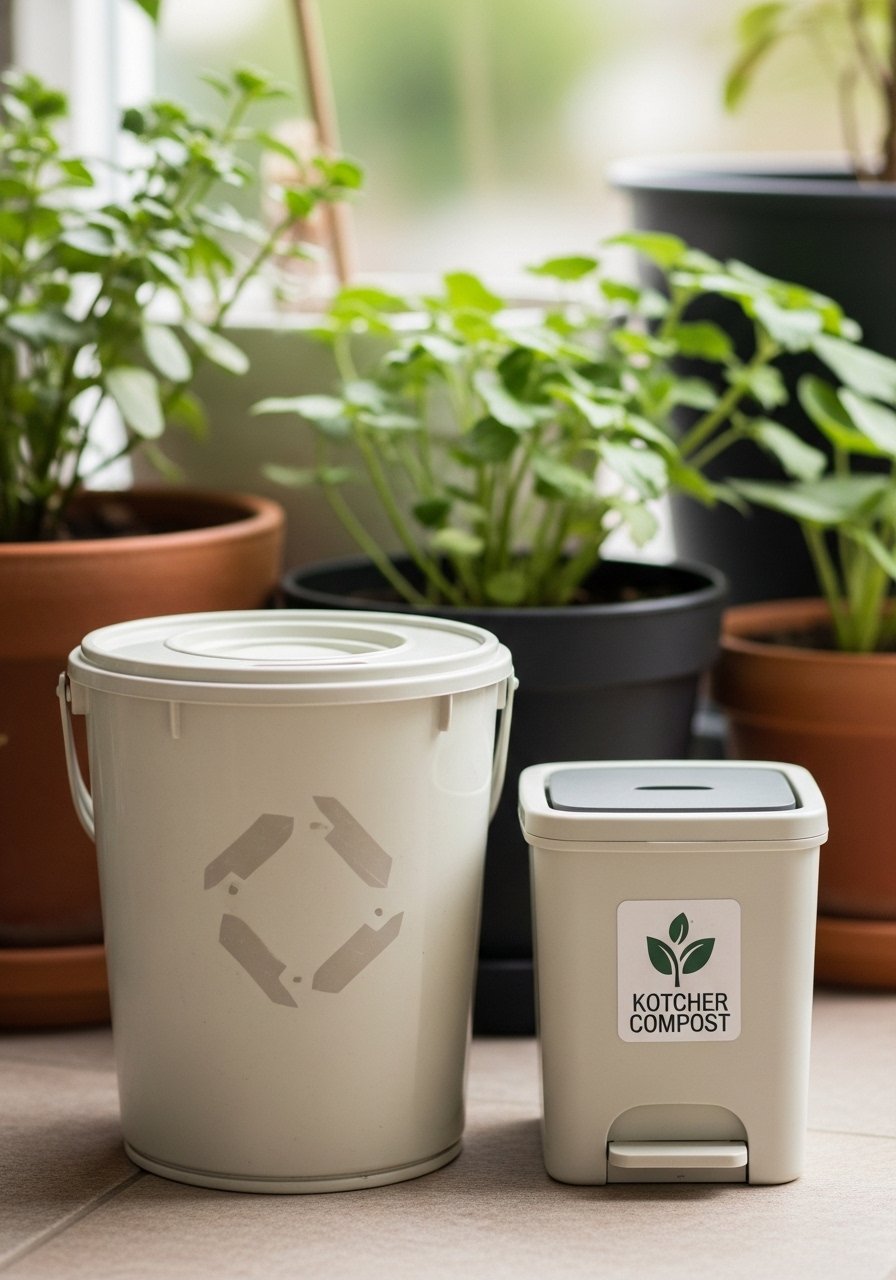
I started a small compost pail for kitchen scraps and it cut waste. A compact outdoor bin breaks down material and gives me rich soil for my pots. The plants noticed the difference in a season.
I once added too many citrus peels and it smelled odd. I balance greens and browns now.
Tip: chop scraps small and aerate weekly for faster composting.
What You’ll Need for This Look
17. Cheap Mirrors to Bounce Light into Shaded Corners
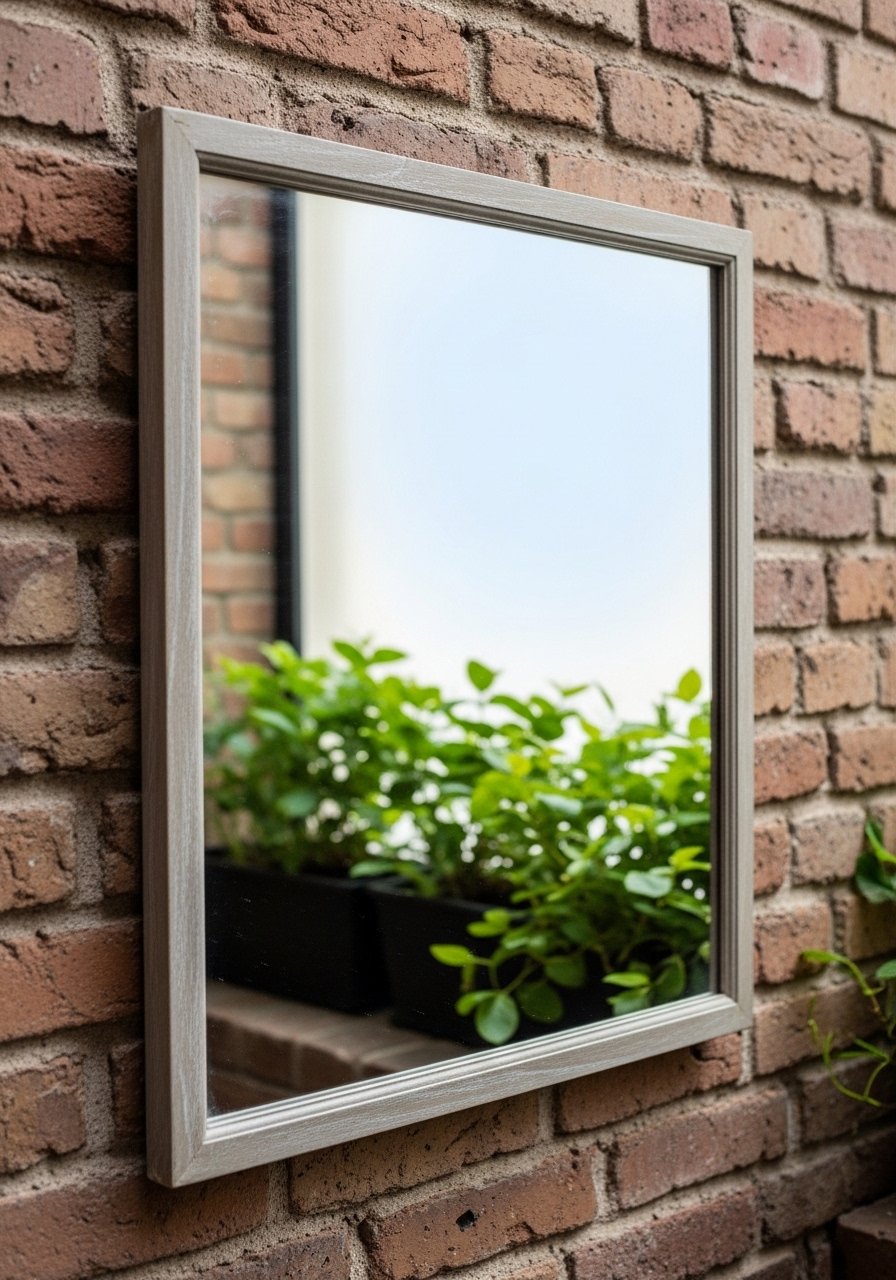
I hung a simple mirror and my shady corner looked brighter. It bounces the little light I get and makes the space feel larger. I chose a weatherproof frame so it holds up.
I almost used an indoor mirror and regretted it after a rainy week. Outdoor-rated is worth the little extra.
Tip: place mirror opposite plants to double the greenery visually.
What You’ll Need for This Look
18. Container Layer with Evergreen for Year-Round Interest
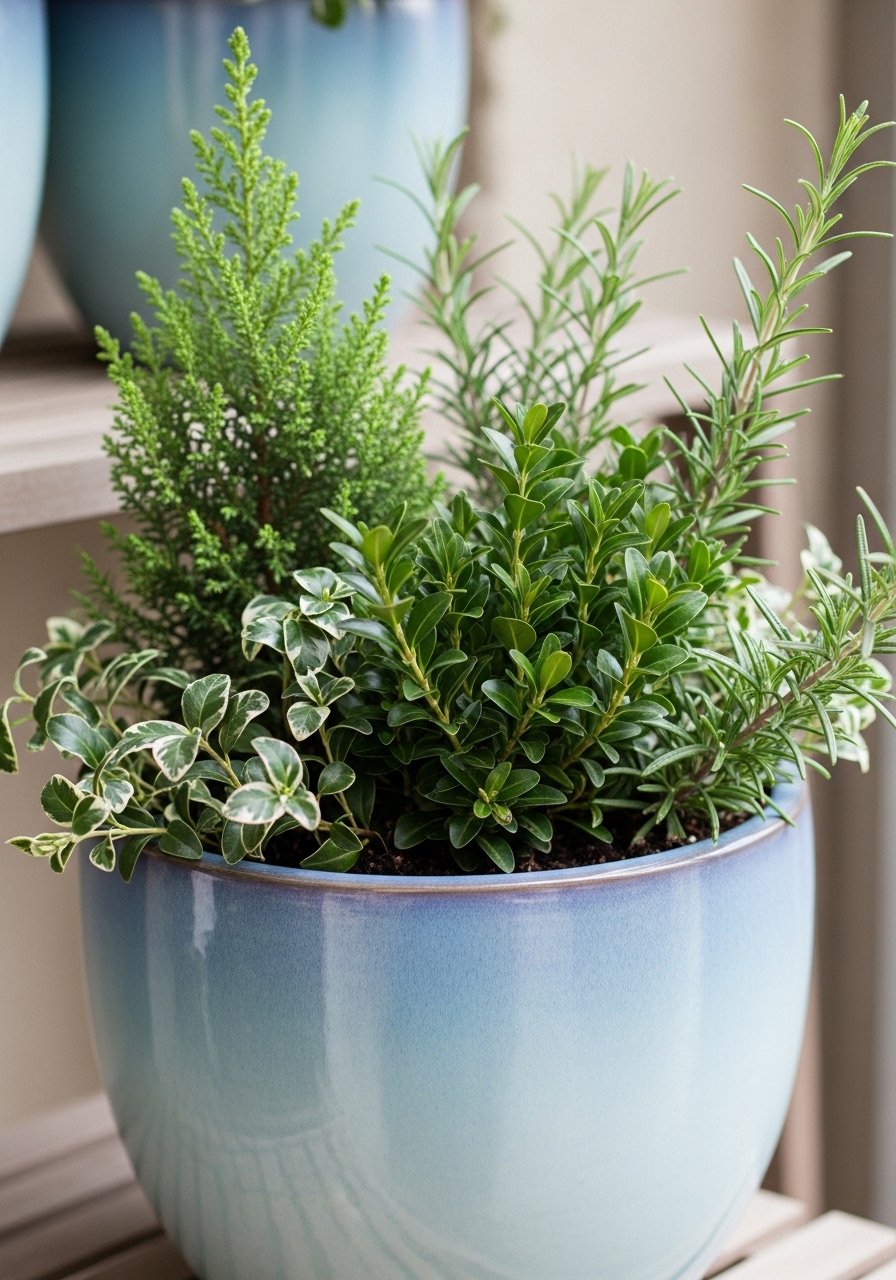
I added small evergreens to a container for winter structure. When annuals fade, the green holds the line. It keeps the patio from looking empty in colder months.
I planted too many evergreens once and lost the seasonal color. Now I mix one evergreen with seasonal companions.
Tip: pick dwarf varieties to keep pots manageable.
What You’ll Need for This Look
19. DIY Trellis from Bamboo for Climbing Plants
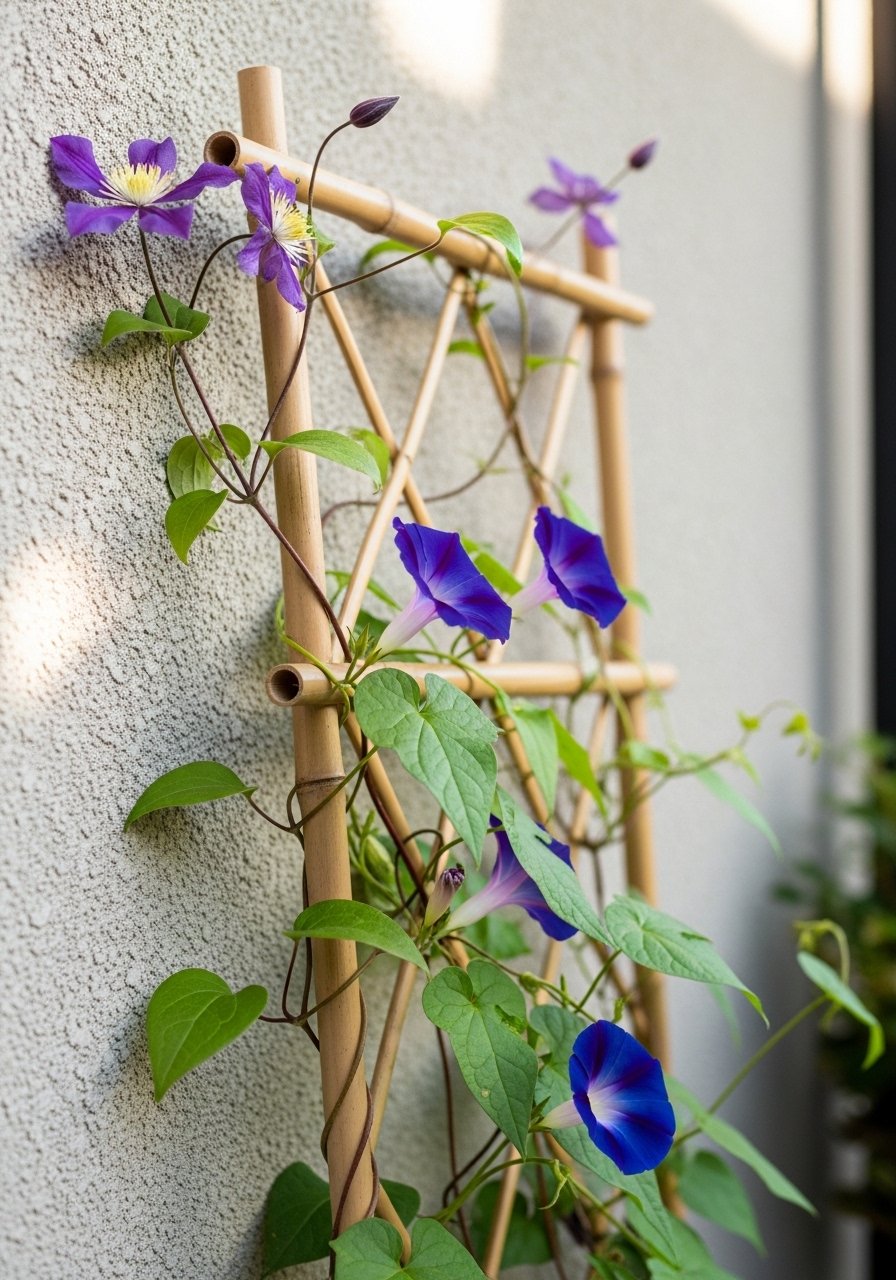
I lashed bamboo poles into a trellis and trained clematis up it. It was cheap and lightweight. The trellis creates height and a soft green wall without heavy hardware.
I learned to secure it well; wind can loosen the ties. I use garden twine and occasional zip ties.
Tip: tie plants gently and add support ties as they grow.
What You’ll Need for This Look
20. Low-Cost Shade Sail for Afternoon Comfort
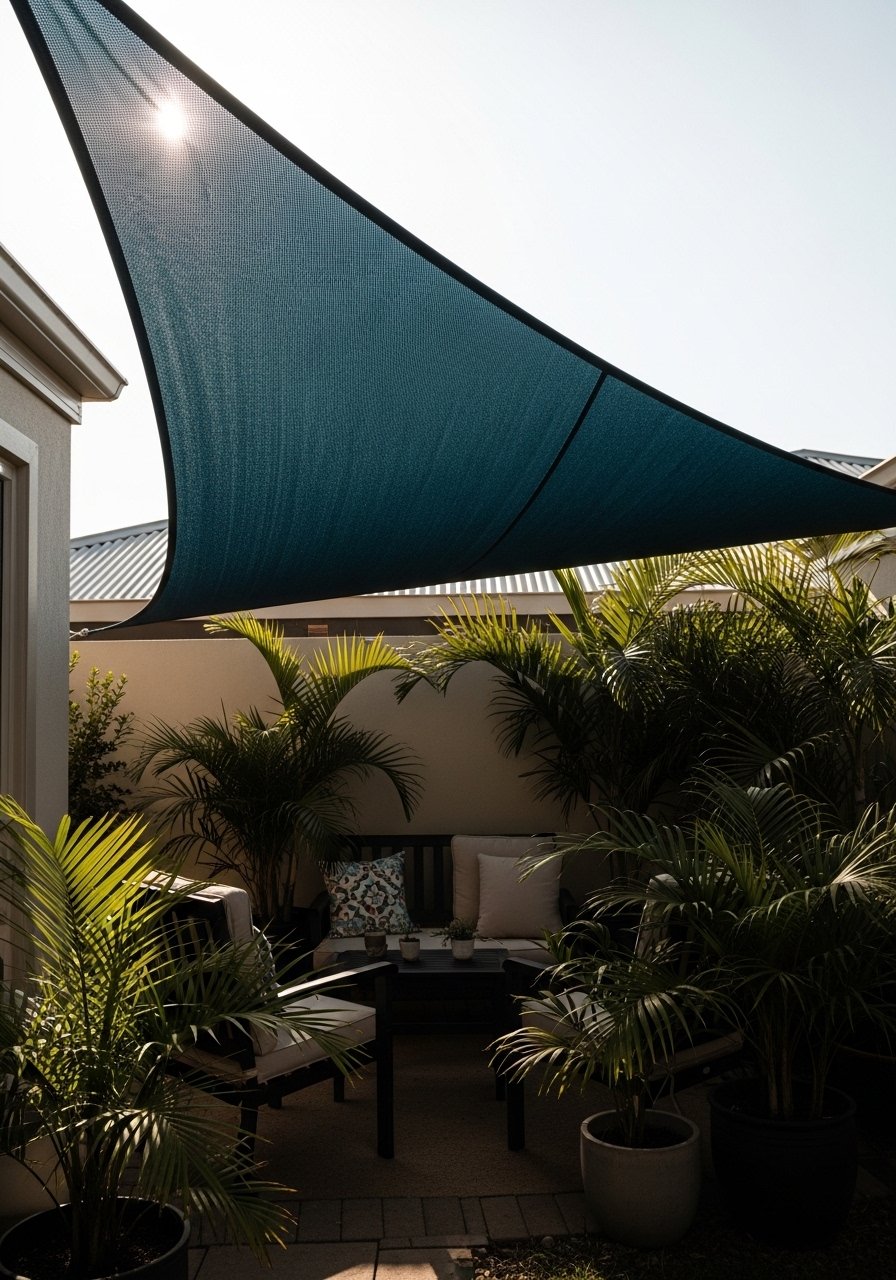
I installed a small shade sail to block hot afternoon sun. It cooled the patio and protected delicate plants. The sail is cheaper than an umbrella and looks modern.
I learned to angle it for wind. I secure corners to hooks and take it down in storms.
Tip: choose breathable fabric and a slight slope for rain runoff.
What You’ll Need for This Look
21. Compact Vertical Veg Garden in Stacked Towers (I Overwatered Once)
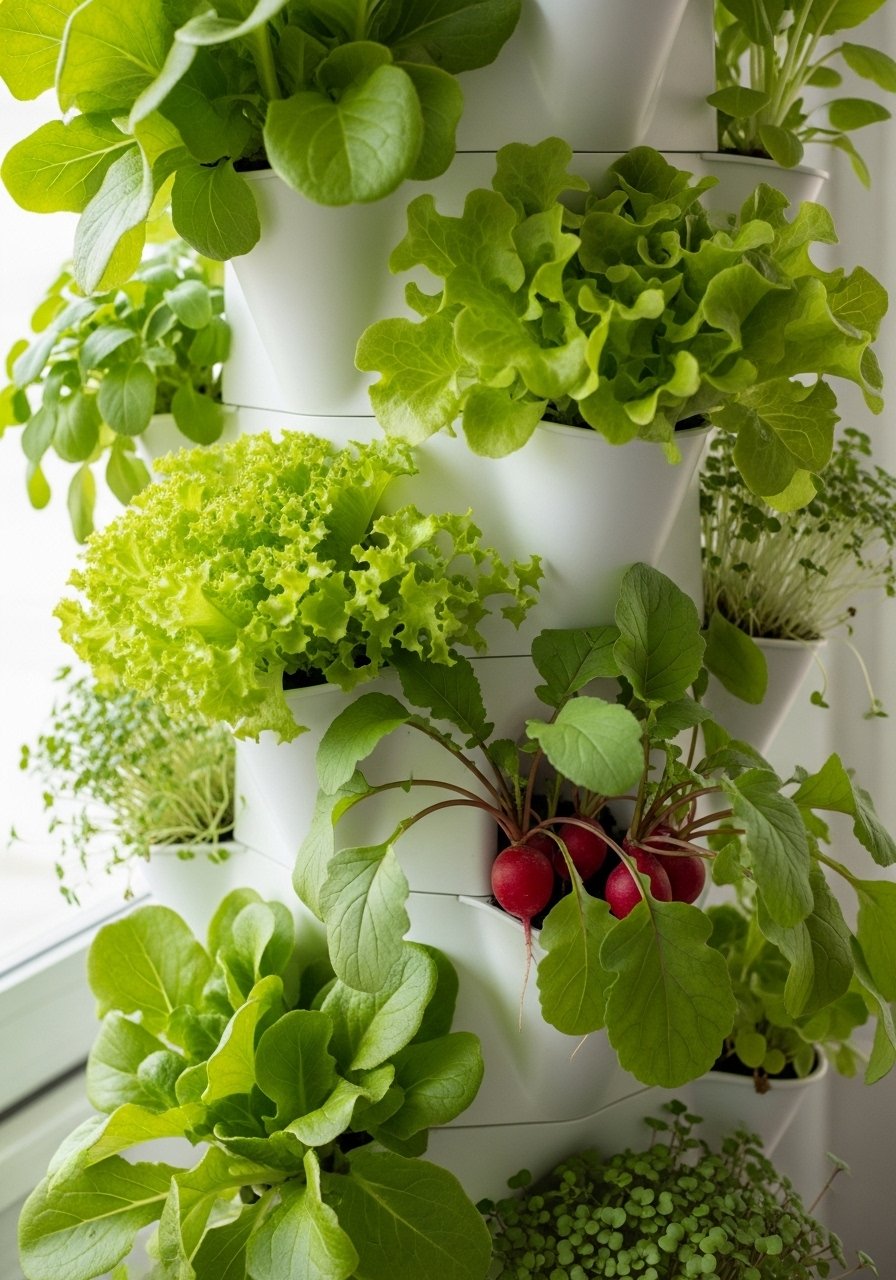
I used a stacked tower to grow lettuces and quick veg. It fits in a corner and gives a surprising harvest. The tower is shallow but productive with regular feeding.
I overwatered it once and bottom plants rotted. I switched to a fast-draining mix and water less.
Tip: sow in waves for continual harvest and choose shallow-rooted crops.
What You’ll Need for This Look
- Stacked vertical planter tower (multi-tier)
- Leafy green seed mix (lettuce, arugula)
- Fast-draining potting mix (1 cu ft)
22. Portable Folding Planters for Flexibility
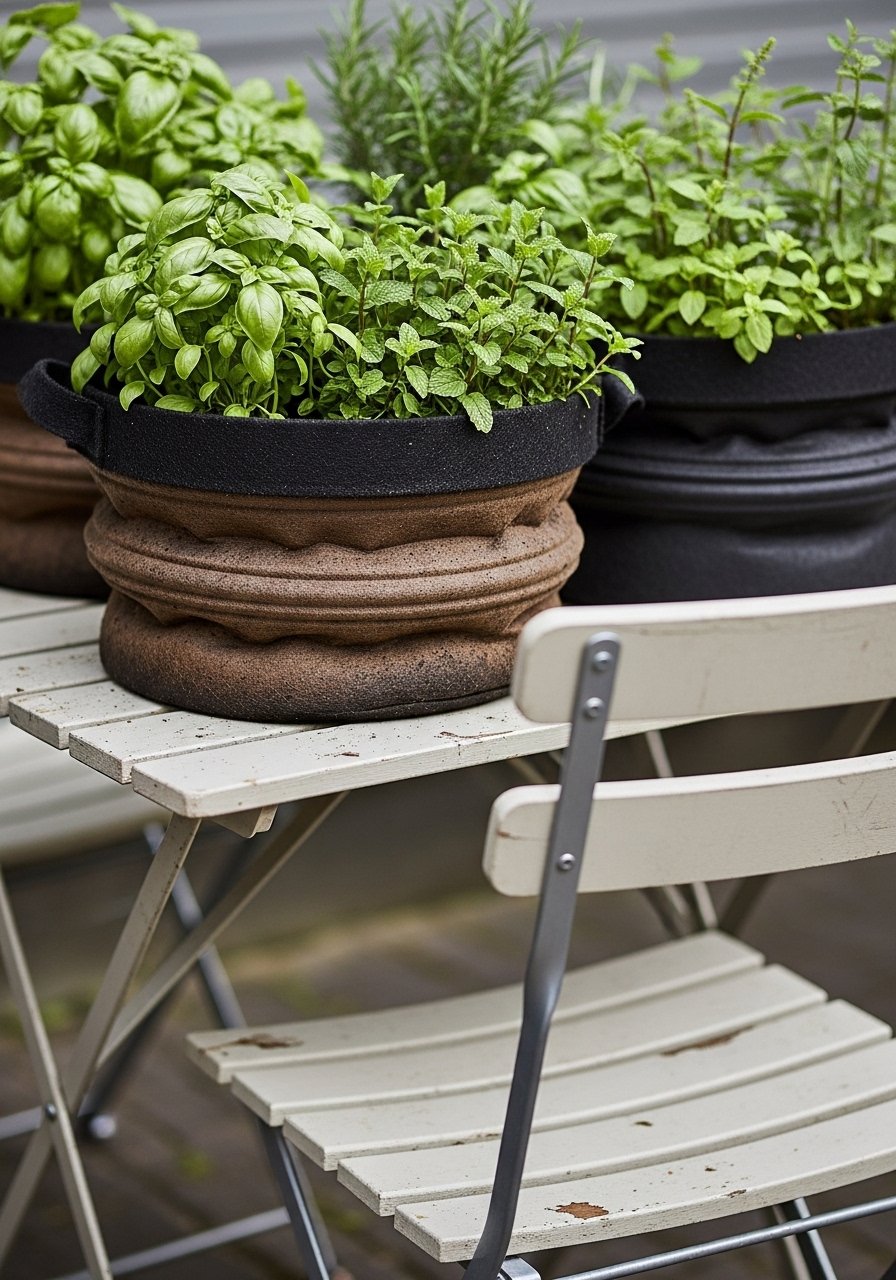
I use collapsible fabric planters when I need to move things around. They’re light and inexpensive. When a spot gets too shady I lift and go.
Fabric planters dry faster. I water more often but the plants seem happier overall.
Tip: choose reinforced bottoms for stability and use saucers if indoors.
What You’ll Need for This Look
23. Paint the Floor to Mimic Tile Without the Cost
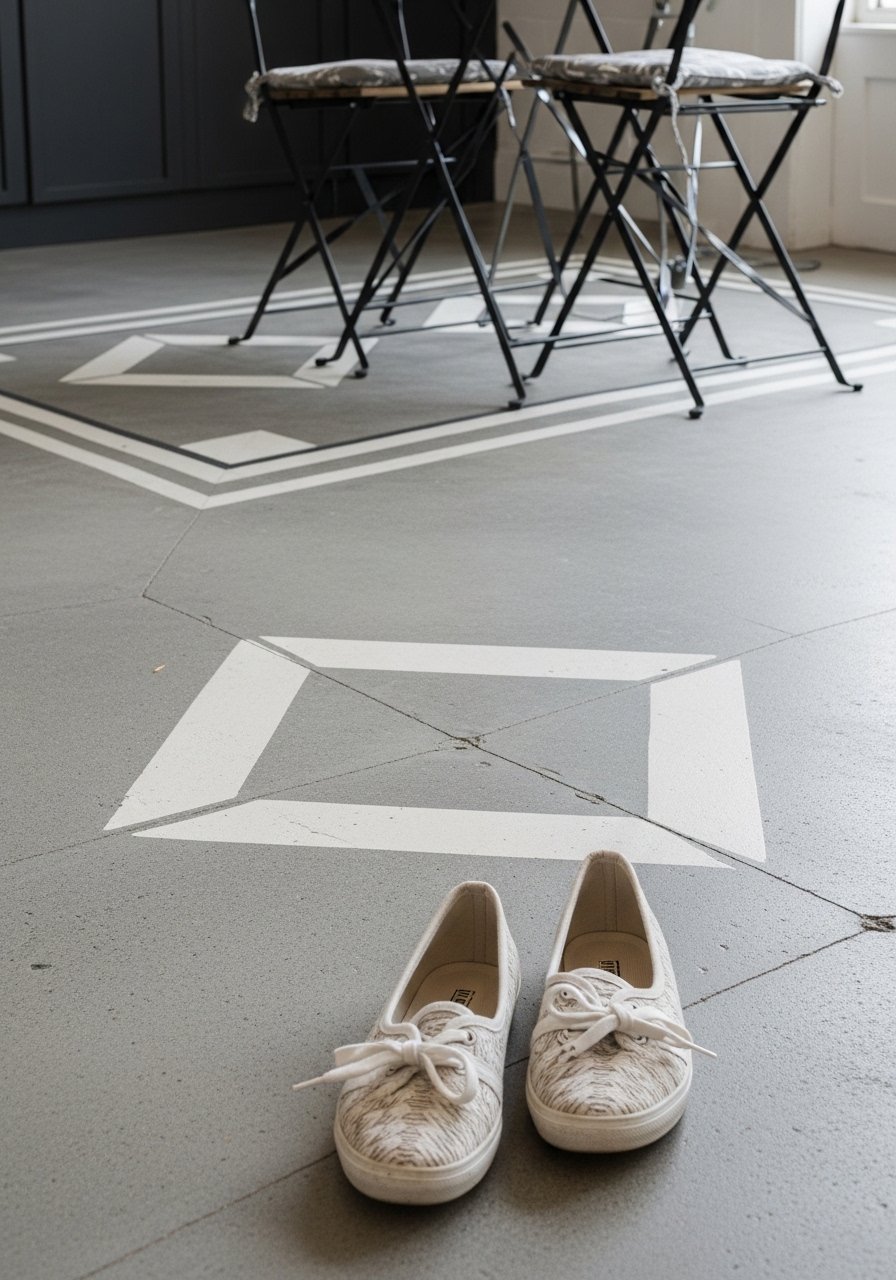
I painted a geometric pattern on my concrete patio and it read like tiles. It brightened the space and cost a fraction of real tile. The paint held up if sealed properly.
I used indoor paint at first and it peeled. Choose outdoor floor paint and a sealer for durability.
Tip: use painter’s tape for crisp lines and two thin coats.
What You’ll Need for This Look
24. Compact Fire Pit for Cool Nights
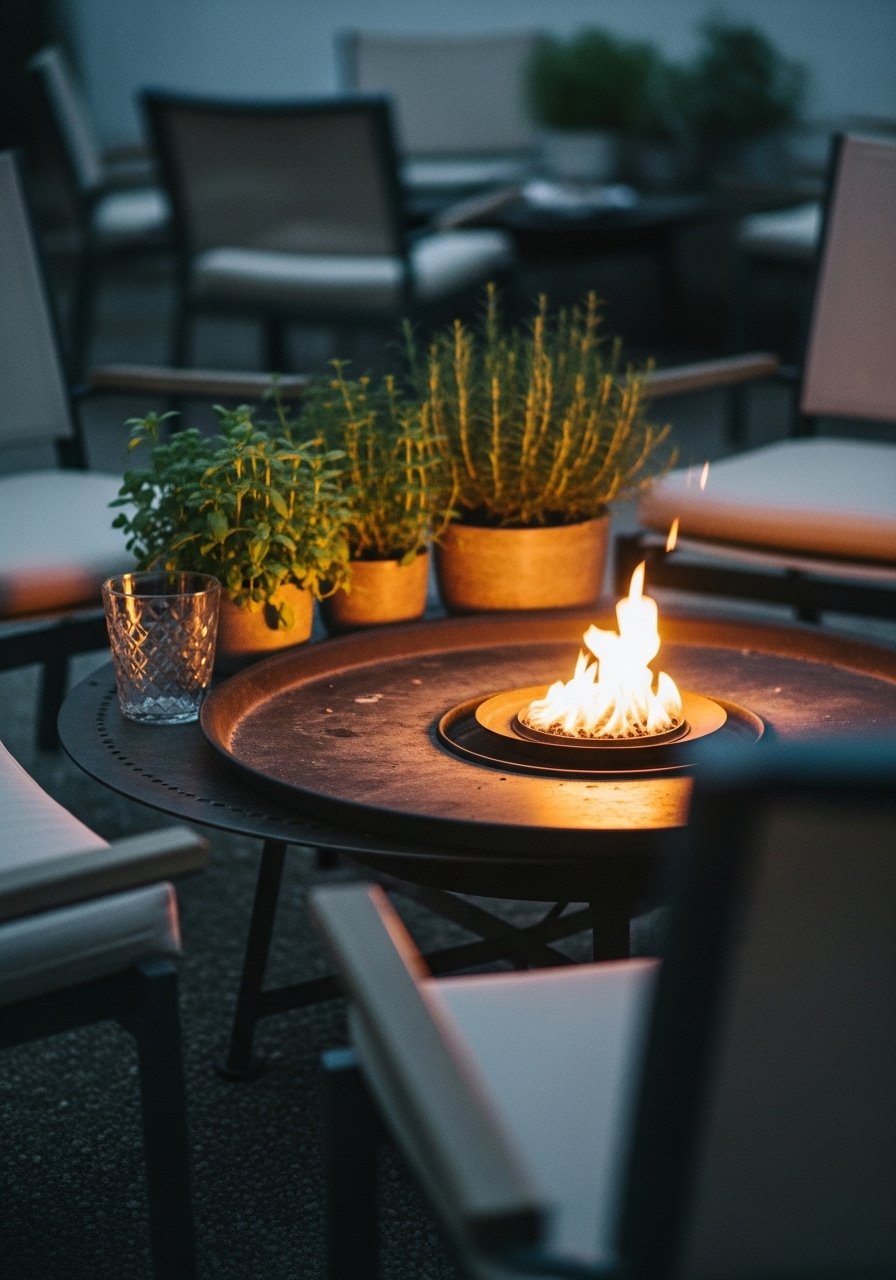
A small tabletop fire pit extends patio season into cool nights. It’s cozy and takes up little space. I use a portable propane model for safety and ease.
I once used a wood option and it smoked too much for our small area. Propane is cleaner here.
Tip: keep a metal tray underneath and check local rules for outdoor flames.
What You’ll Need for This Look
25. Seasonal Annual Swaps in a Single Large Planter
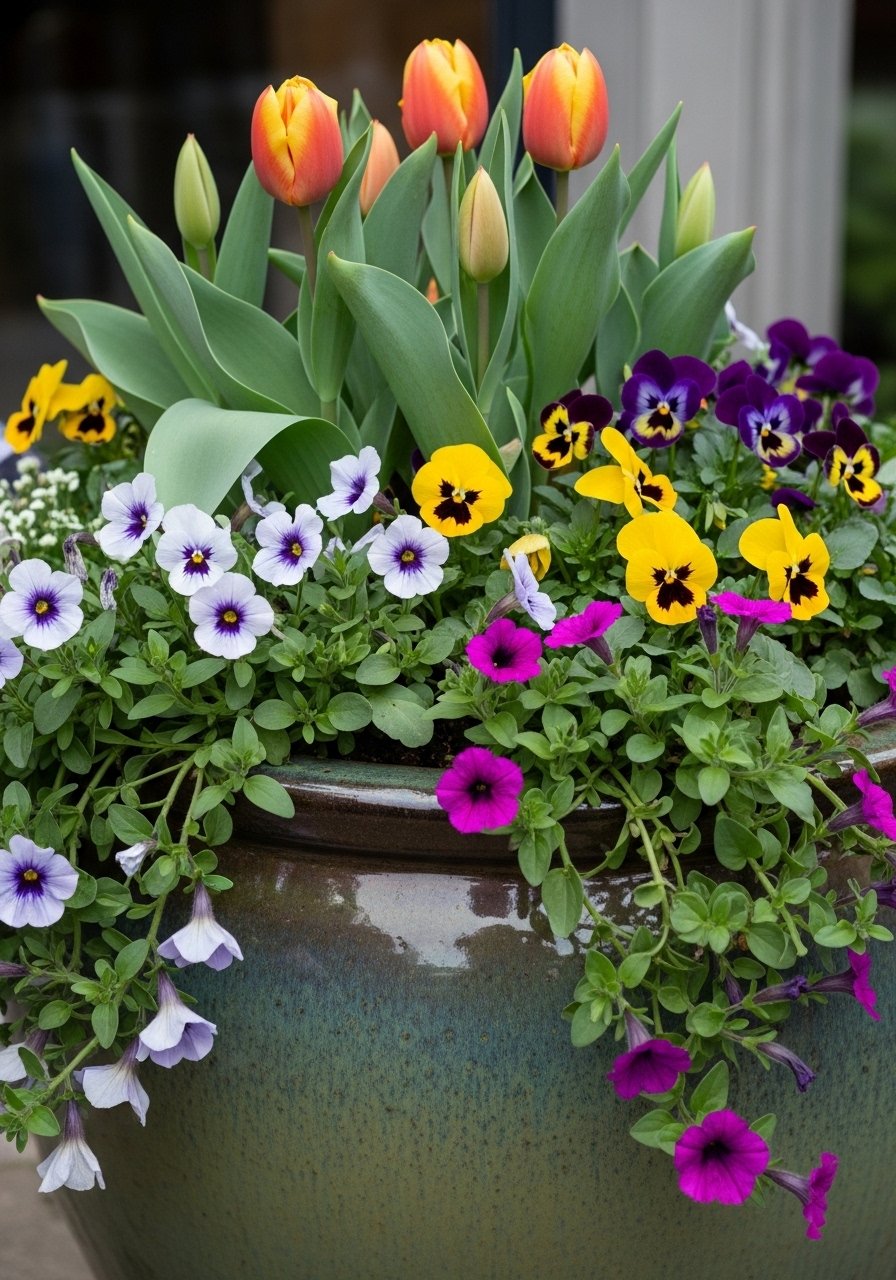
I use one large planter and swap seasonal annuals in it. It’s economical and keeps the patio fresh. Spring bulbs give a burst, summer fills in, and hardy pansies take over in fall.
Sometimes I rushed the swap and mixed incompatible plants. Now I plan transitions and keep soil healthy.
Tip: refresh topsoil and feed between swaps for vigorous display.
What You’ll Need for This Look
26. Small Trellis with Edible Climbers like Beans
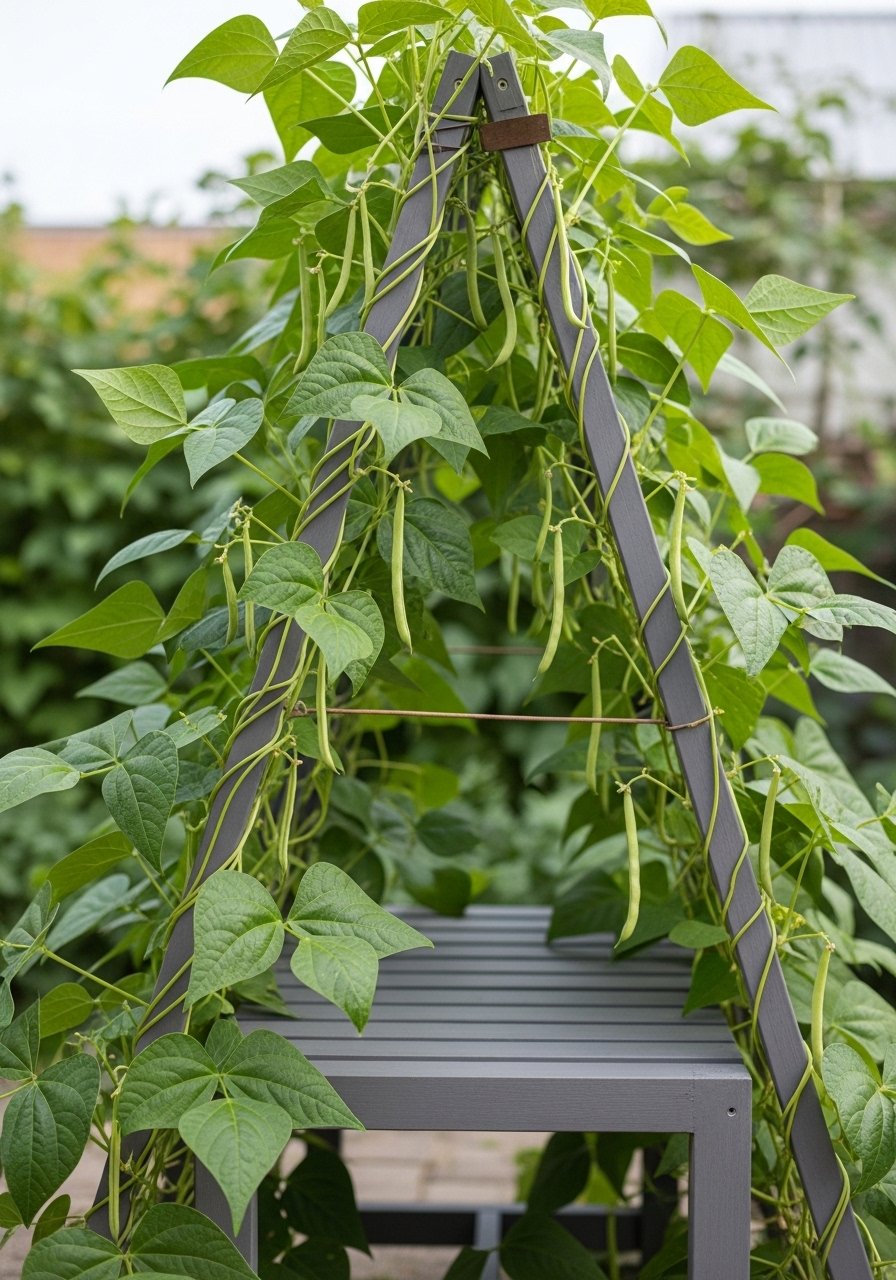
We grew pole beans on a small A-frame trellis and harvested enough for salads. Climbers add vertical green and produce. Beans grow fast and train easily.
I planted them too densely once and airflow suffered. I thin them early and harvest regularly.
Tip: use twiggy supports for a natural look and quick cost savings.
What You’ll Need for This Look
27. Small-Scale Edging Plants to Soften Concrete
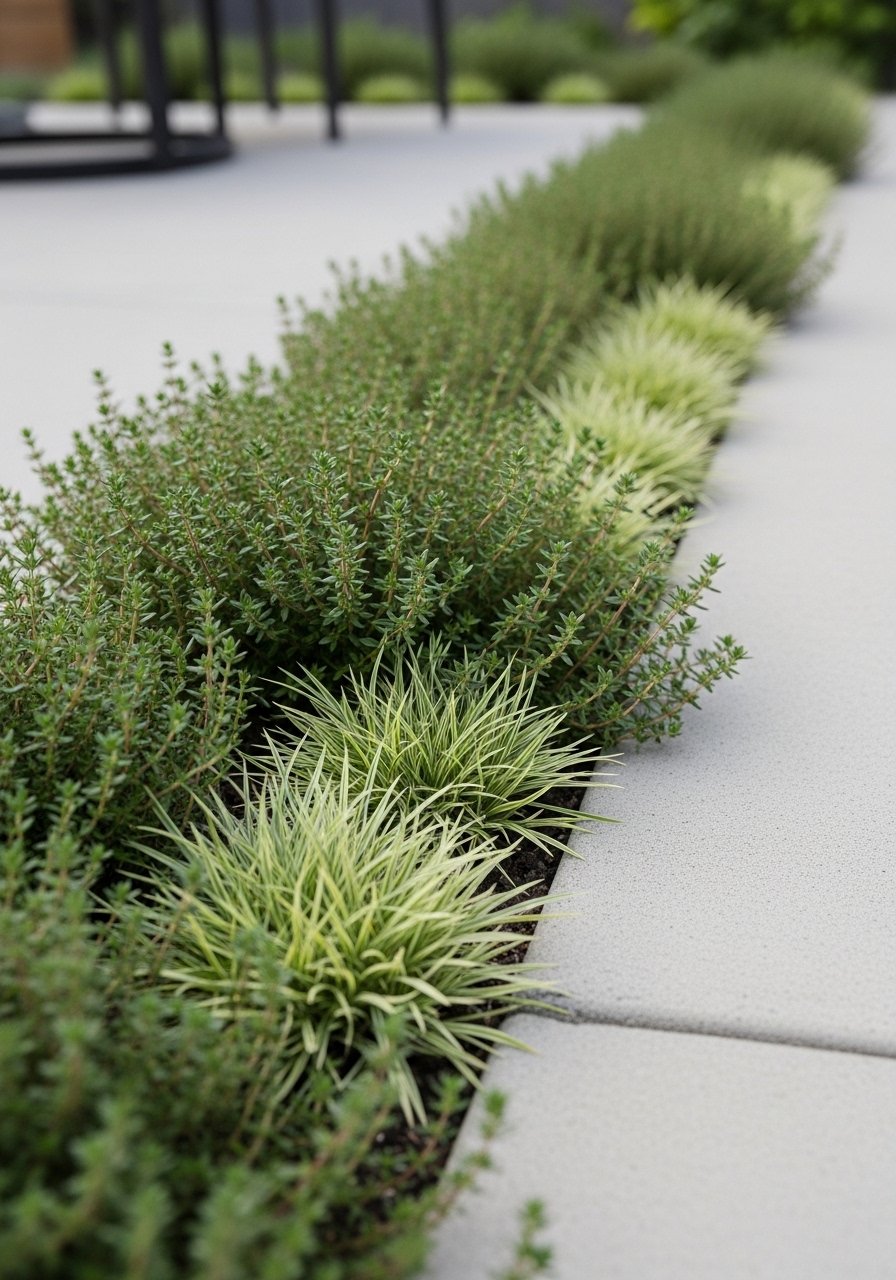
I planted low thyme and mondo grass along the patio edge. They soften hard lines and smell nice in bare feet. The edging plants creep a bit, but in a good way.
I once used a too-aggressive groundcover that took over. Choose gentle spreaders for small spaces.
Tip: trim annually to keep a neat line.
What You’ll Need for This Look
28. Solar Spotlights to Highlight a Favorite Plant
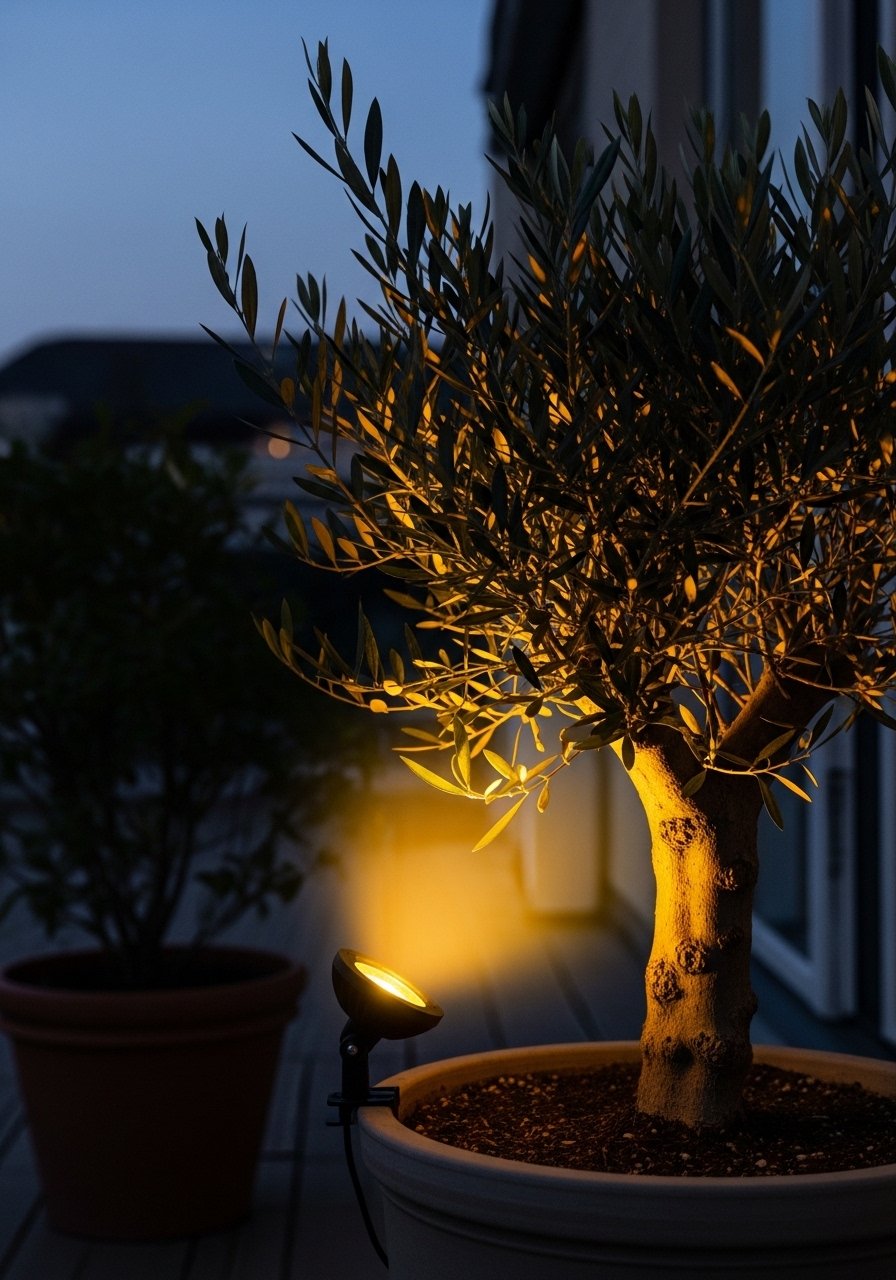
I added a couple of solar spotlights to highlight a potted olive tree. They need no wiring and come on automatically. It’s a small effort for big evening presence.
They dim in very shady corners. I move them to sunniest spots for charging.
Tip: choose spotlights with adjustable heads and warm LEDs.
What You’ll Need for This Look
29. Basket Storage Bench for Tools and Planter Supplies
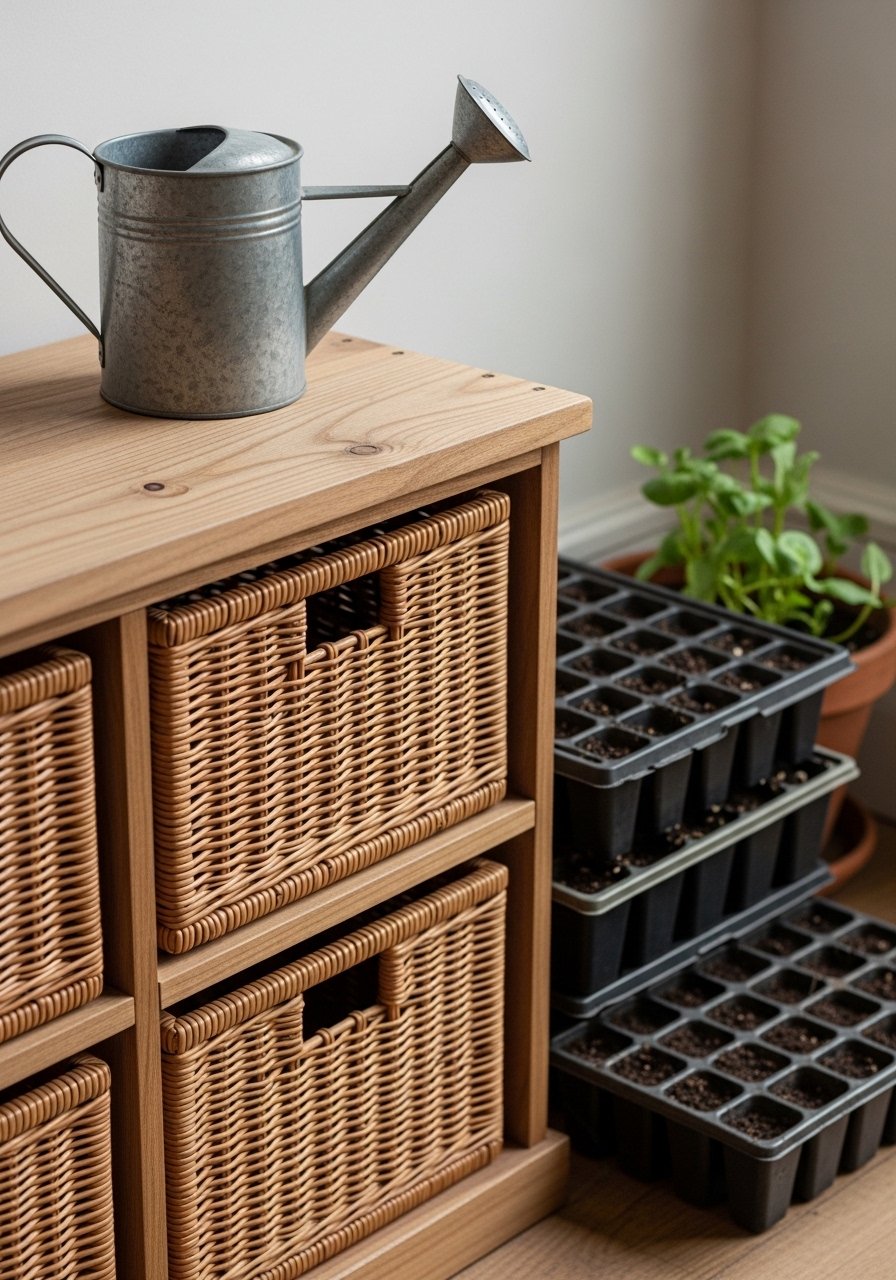
I built a small storage bench to hide trowels, gloves, and extra soil. It doubles as seating and cuts clutter. The baskets inside keep things organized and dry.
I once left a plastic bag of soil inside and it spilled. Now I use metal trays and sealed bags.
Tip: choose a bench with ventilation and removable baskets for easy access.
What You’ll Need for This Look
Final Thoughts
You don’t need to do all of these. Pick a few that fit your light and lifestyle.
Small changes add up. I still tinker season to season, and you will too.
Start with one project and enjoy the slow improvement.
Leave a Reply