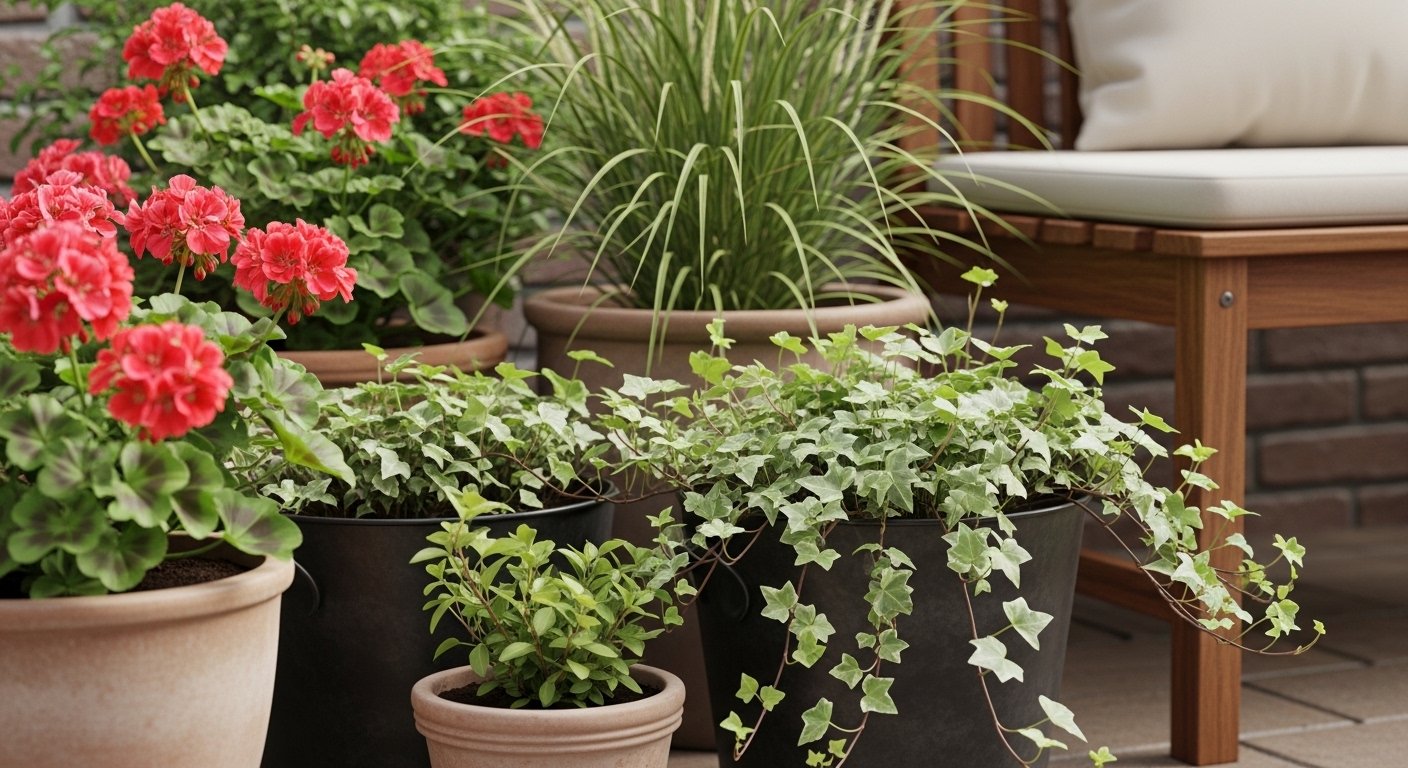
I’d always thought small patios had to be tidy and spare. I was wrong.
After years of trial and error, I learned to layer texture and keep only what I love close to the door. These ideas are honest, easy to copy, and work in real, imperfect spaces.
24 Stunning Small Patio Garden Ideas For A Cozy Outdoor Retreat
These 24 ideas are things I’ve built, replanted, or fixed in real patios. Each idea is practical, visual, and ready to try today.
1. Layered Container Planting That Makes a Patio Feel Full
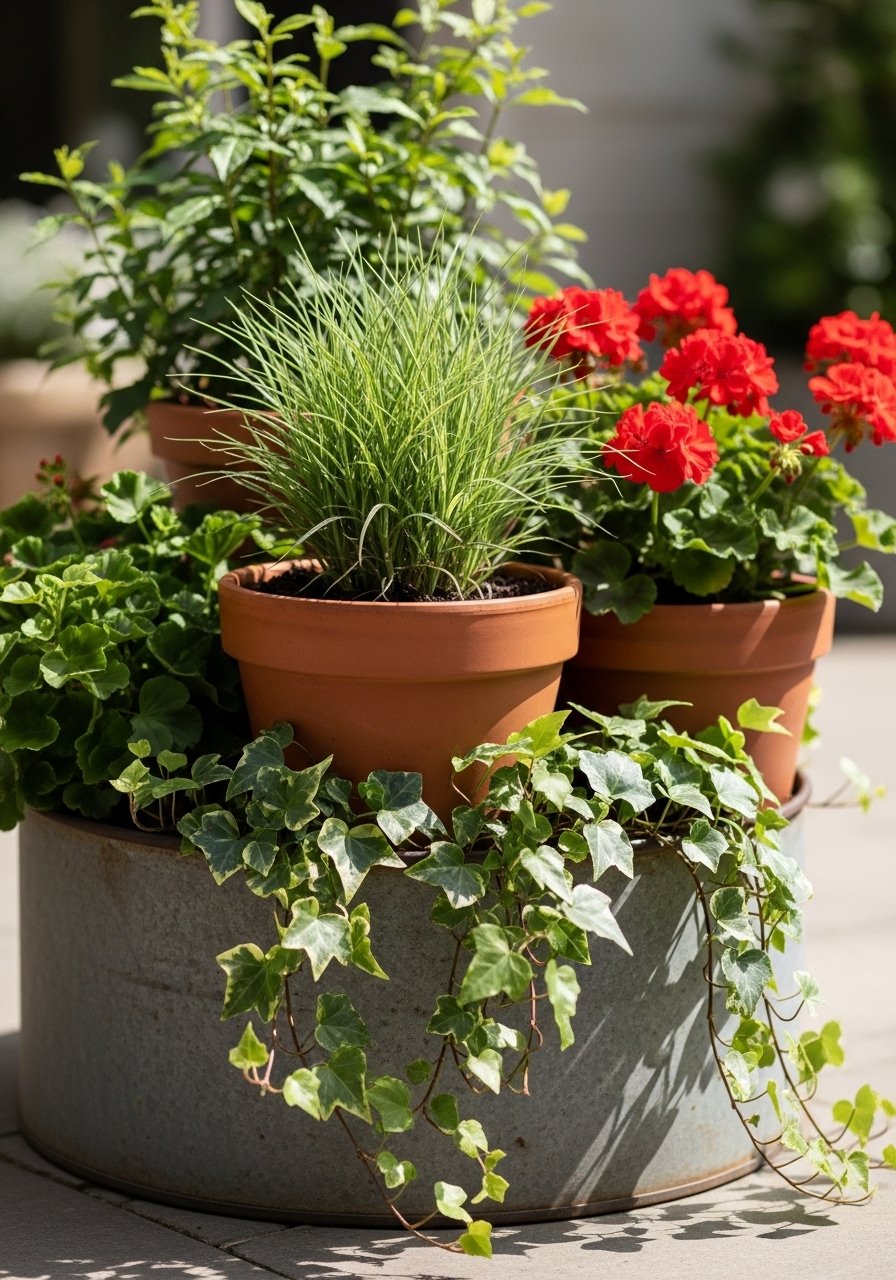
I started with one pot and ended up with a small jungle. Layering tall, mid, and trailing plants gave depth without taking floor space. I learned to stagger heights and repeat colors to avoid that random, cluttered look.
At first I overplanted and had root crowding—my mistake. Thinning after the first season made everything breathe. The patio now reads as intentional and cozy.
Tip: pick repeat plants to tie containers together visually.
What You’ll Need for This Look
- Terracotta planter (12 inch)
- Galvanized metal planter box
- Ornamental grass (container variety)
- Trailing ivy
2. Vertical Herb Wall for Fresh Cooking
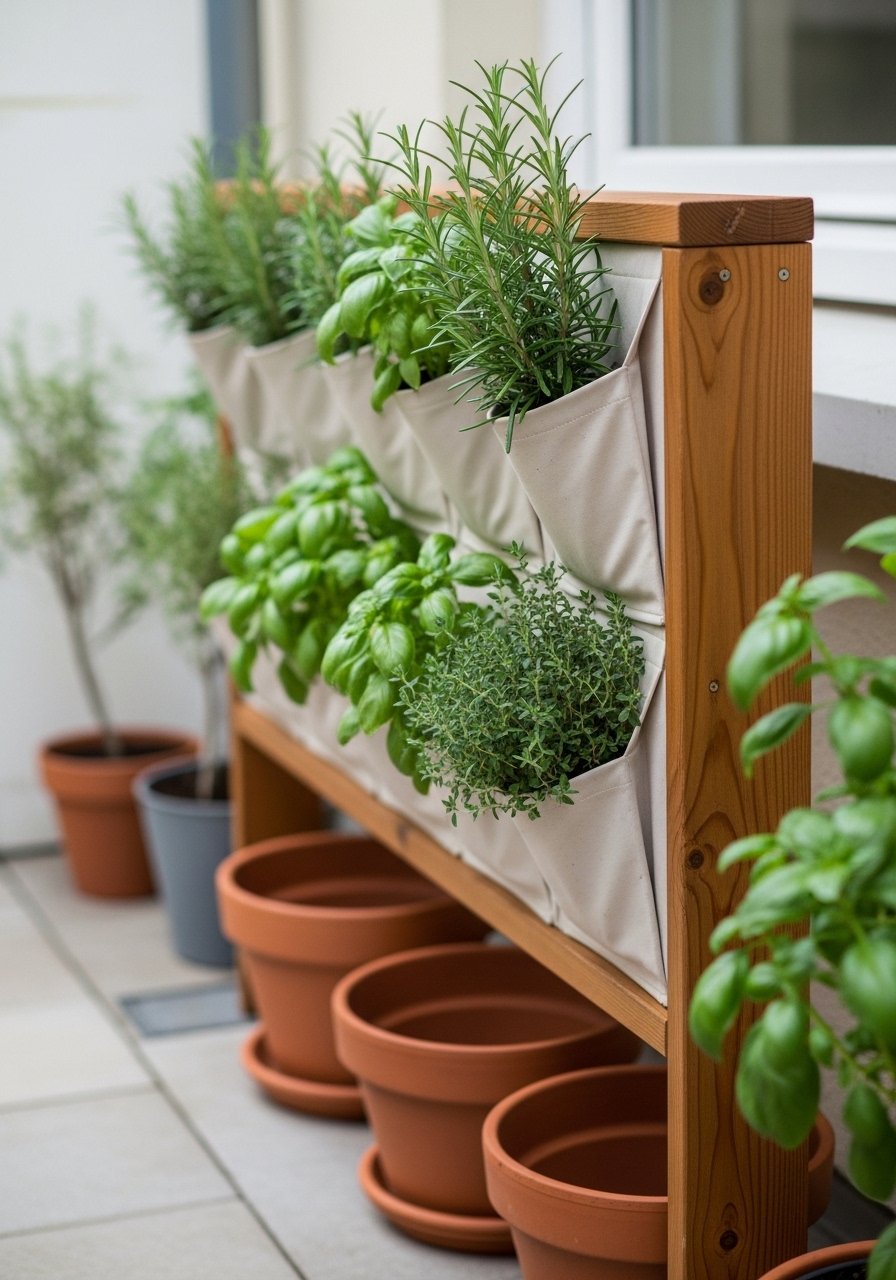
I built a pocketed herb wall for summer dinners. It saved ground space and made grabbing herbs part of my routine. The scent alone invites me outside.
I learned to place sun-loving herbs at the top and shade-tolerant ones lower. Watering is the tricky part—drip irrigation or careful routine keeps things green.
Tip: plant small herbs in breathable soil mixes to avoid soggy roots.
What You’ll Need for This Look
3. Mini Succulent Rock Garden in a Shallow Tray
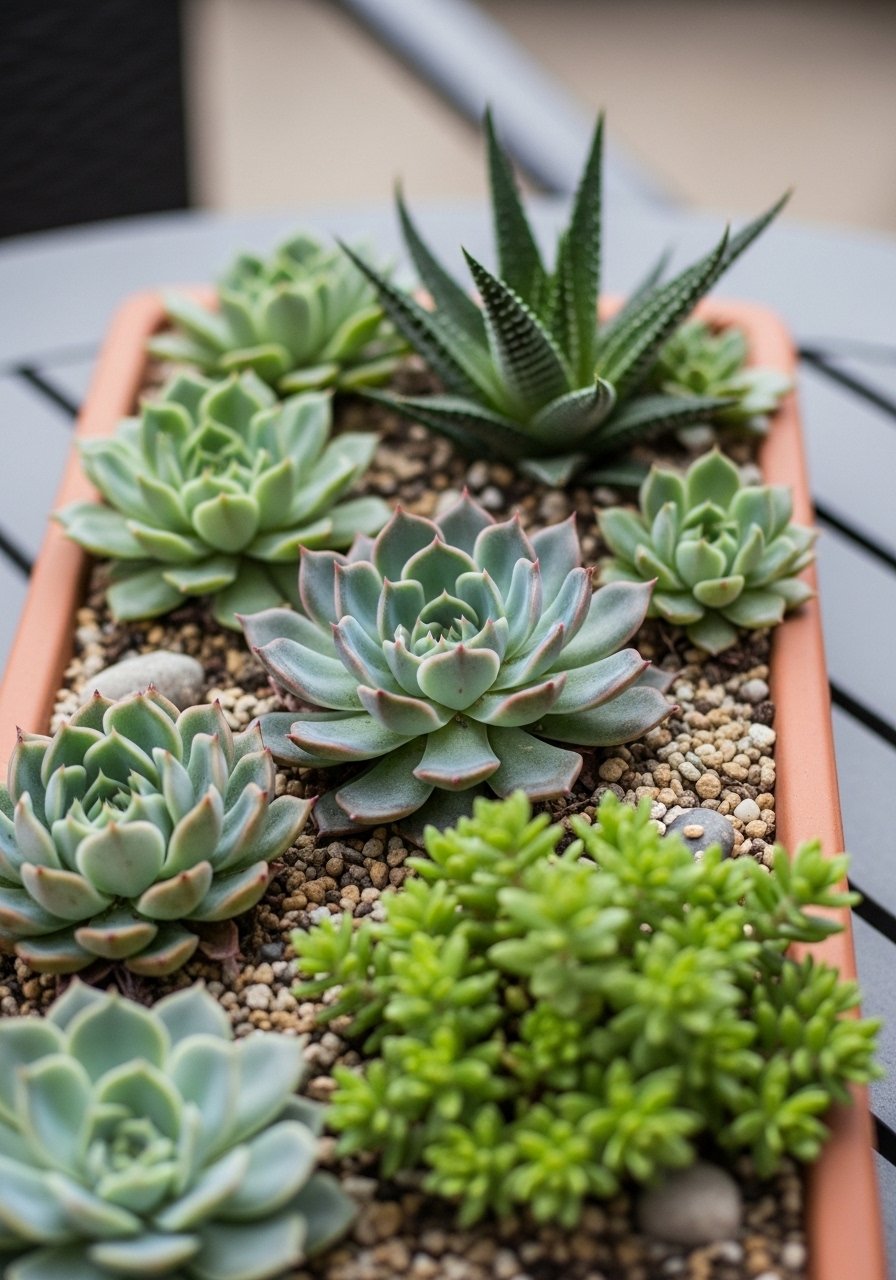
I love succulents for patios because they don’t demand much. My shallow tray on the coffee table became a focal point, especially with mixed textures and stones.
I repotted too small at first and tightened roots; that slowed growth. Now I use a shallow tray with gritty mix and a few larger stones to anchor the arrangement.
Tip: group succulents by water needs and rotate for even sun exposure.
What You’ll Need for This Look
4. Foldable Bistro Set with Potted Accents
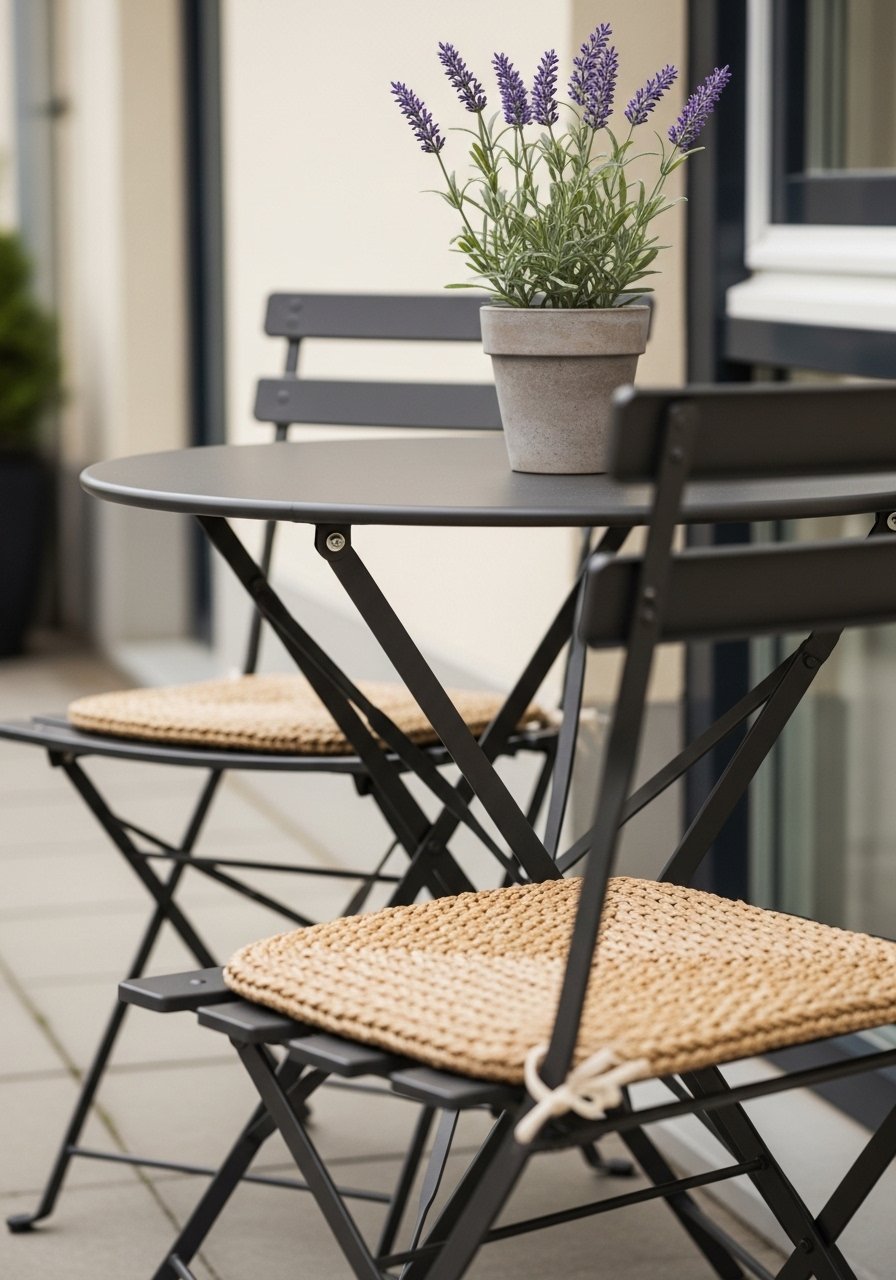
I replaced a bulky patio dining set with a foldable bistro. It fits the space and feels more intimate. I added potted lavender and a small fern to frame the seating.
The chairs get moved often, and I like that flexibility. If you plan to leave cushions out, pick weatherproof fabrics or store them when rain comes.
Tip: keep a tray or small side shelf for drinks to avoid spills on the plants.
What You’ll Need for This Look
- Folding bistro set (for two)
- Potted lavender
- Weather-resistant seat cushions
- Small outdoor side table
5. Scented Night Patio with Jasmine and Lanterns
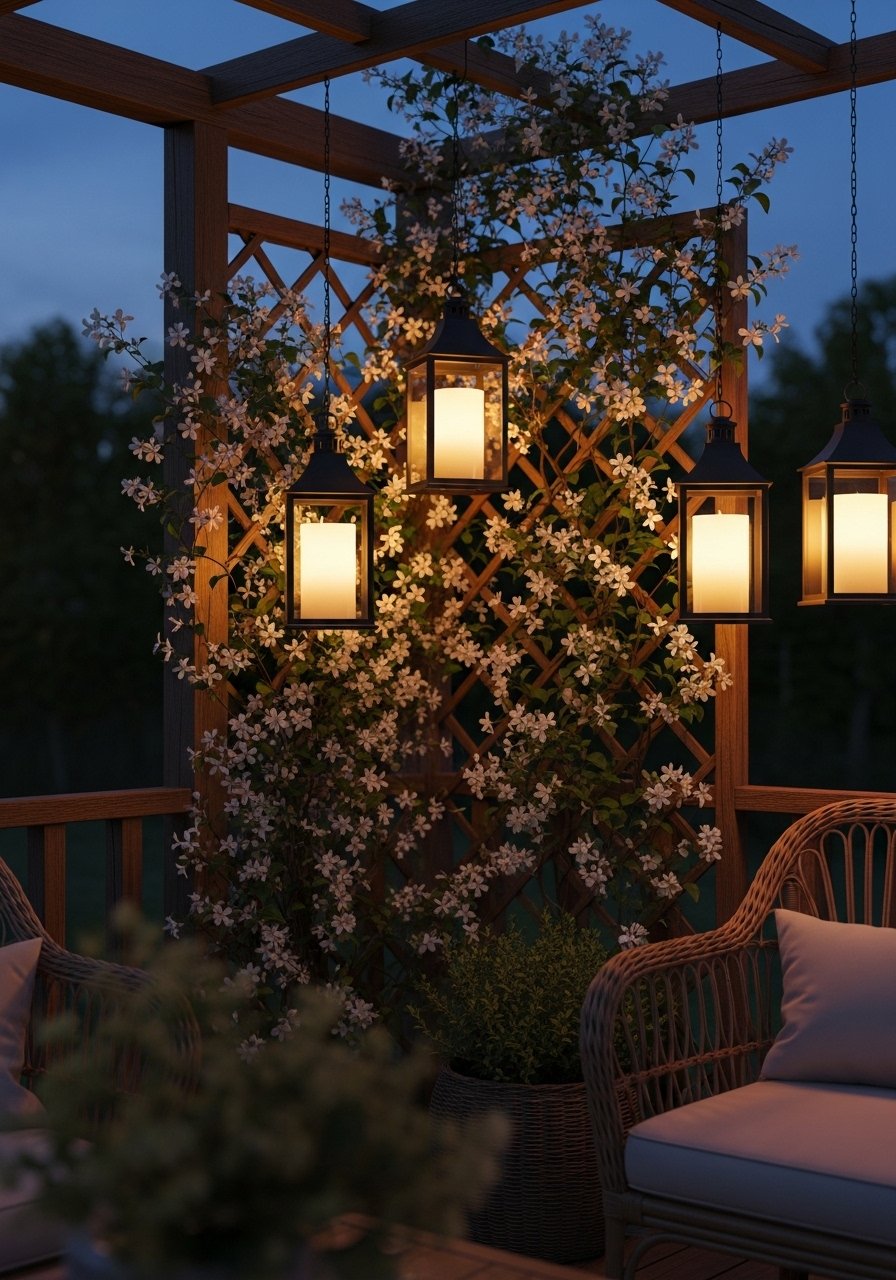
I planted jasmine along the fence and hung warm lanterns. At night the scent is immediate and soft. It turned a bland corner into a place I linger.
I discovered jasmine can be leggy; annual pruning kept it compact. The lanterns create pockets of light so the plants still feel like part of the room.
Tip: choose LED lanterns for safety and long life.
What You’ll Need for This Look
6. Narrow Planter Boxes Along a Railing
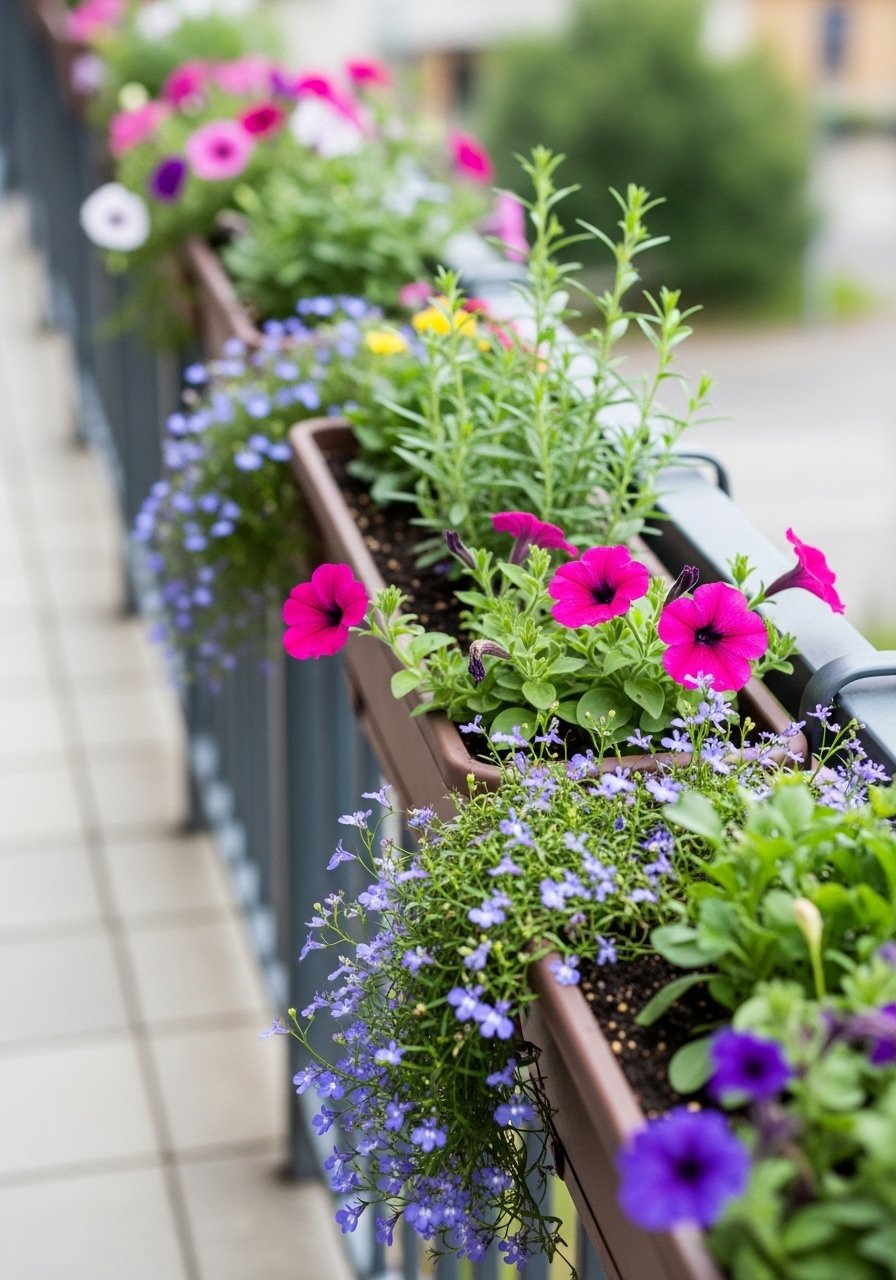
My railing planters freed up floor space and delivered color at eye level. I used narrow boxes and planted a mix of flowers and herbs. It brightened the view from inside.
I once chose thin soil for lighter weight and had drying-out problems. Switching to a lightweight potting mix with water-retentive granules fixed that.
Tip: use brackets rated for outdoor use and check weight when wet.
What You’ll Need for This Look
- Railing planter box (long, narrow)
- Petunia pack for containers
- Water-retaining soil granules
- Planter mounting brackets
7. Shade-Loving Fern and Hosta Nook
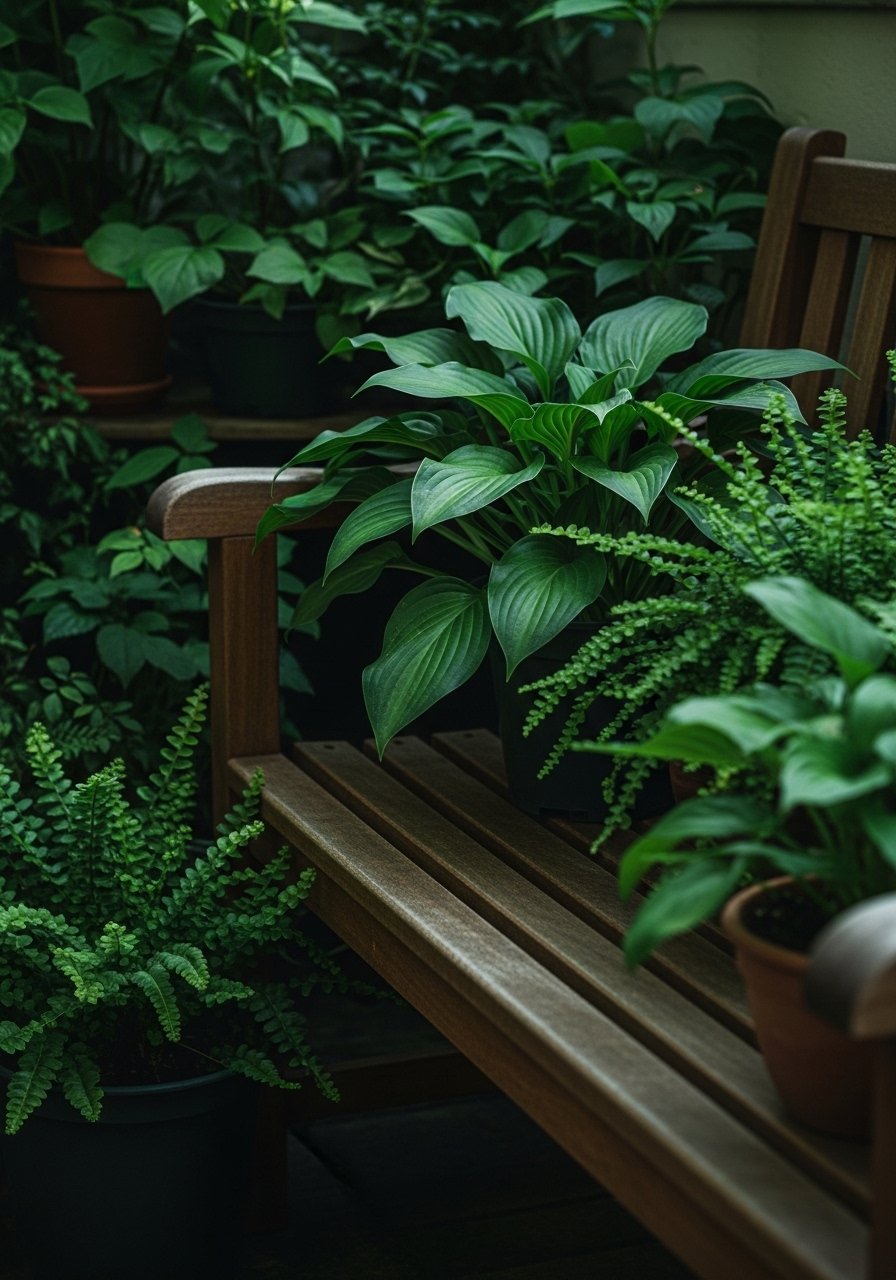
On my north-facing patio I planted hostas and ferns in mismatched pots. The palette is green but layered—bigger leaves, fine fronds, and a mossy saucer or two.
I underfed once thinking shade plants need less fertilizer. They grew better after a gentle monthly feed. Shade needs nutrient support too.
Tip: choose pots with wide mouths to show leaf shapes.
What You’ll Need for This Look
8. Compact Citrus in Big Pots
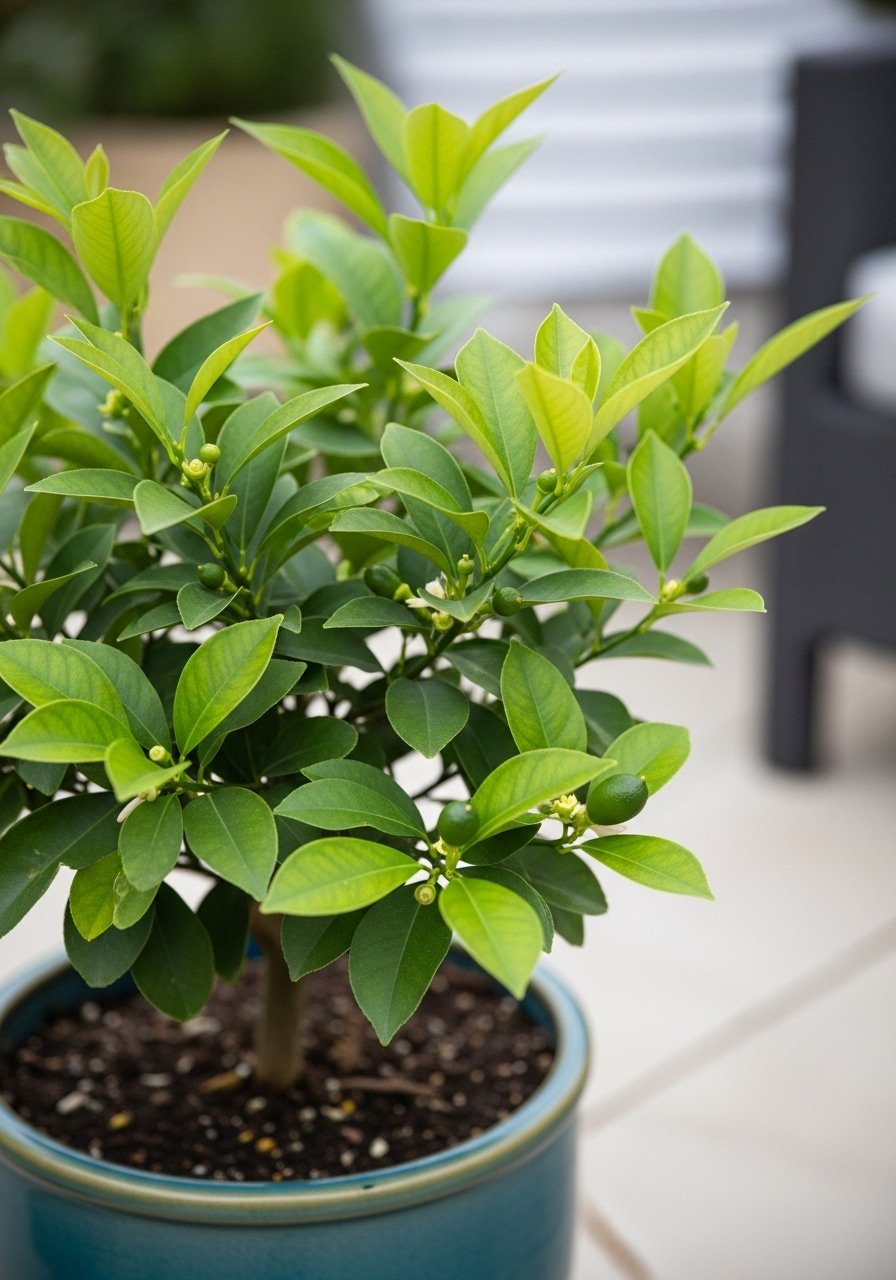
I grew a dwarf lemon in a ceramic pot and it surprised me with fruit in year two. The citrus smells bright and makes the patio feel lively.
Citrus like sun and regular feeding. I moved mine to a sunnier corner and started a monthly fertilizer—both helped. Bring it indoors in colder winters.
Tip: choose a dwarf variety labeled for containers.
What You’ll Need for This Look
9. Mini Meadow with Native Grasses in Containers
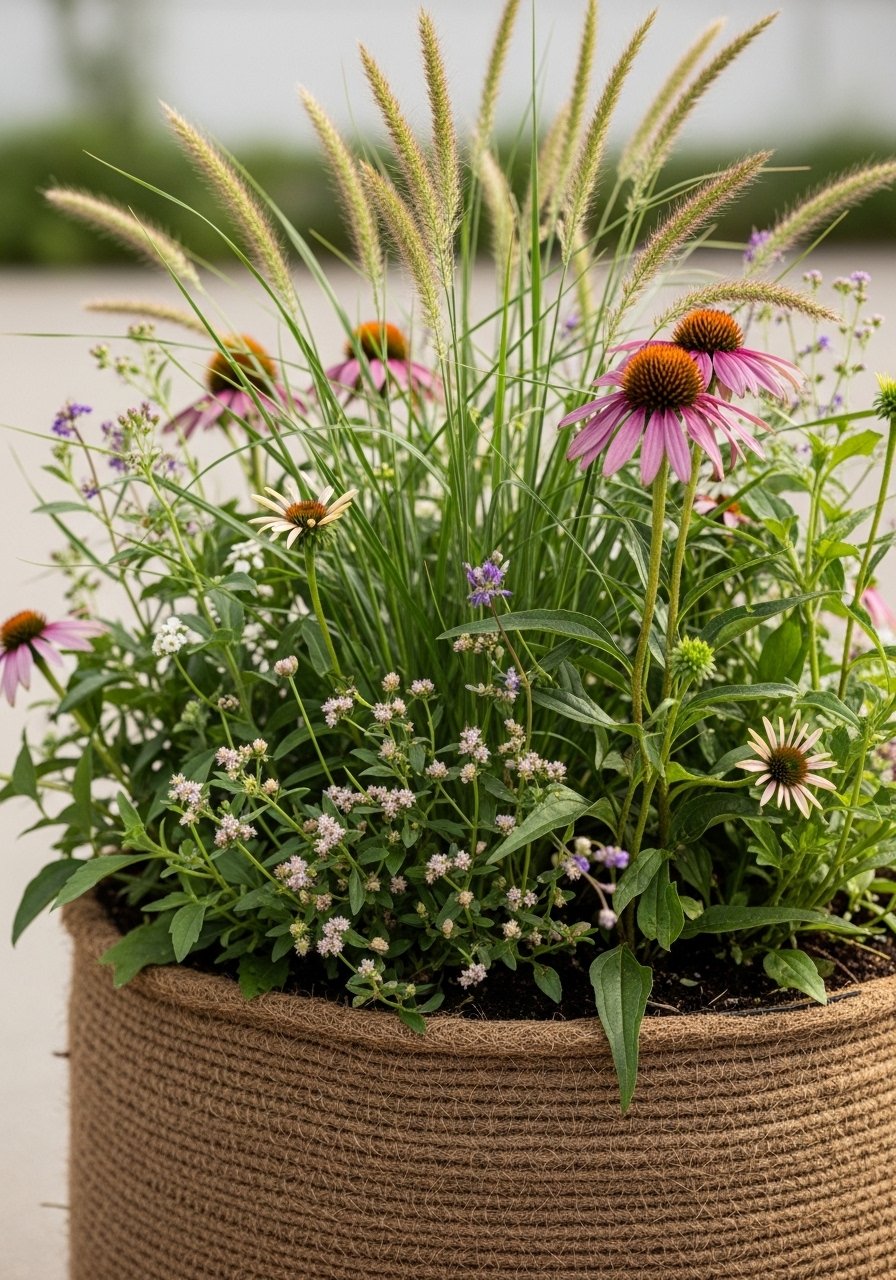
I wanted a low-fuss look that felt wild. Native grasses and a few perennial wildflowers in a large container gave me movement and bees without constant fuss.
The first season I planted too many species together and it looked messy. Thinning to a few reliable perennials made maintenance simple and attractive.
Tip: pick perennials suited to your region for resilience.
What You’ll Need for This Look
10. Raised Bed Narrow Patio Vegetable Strip
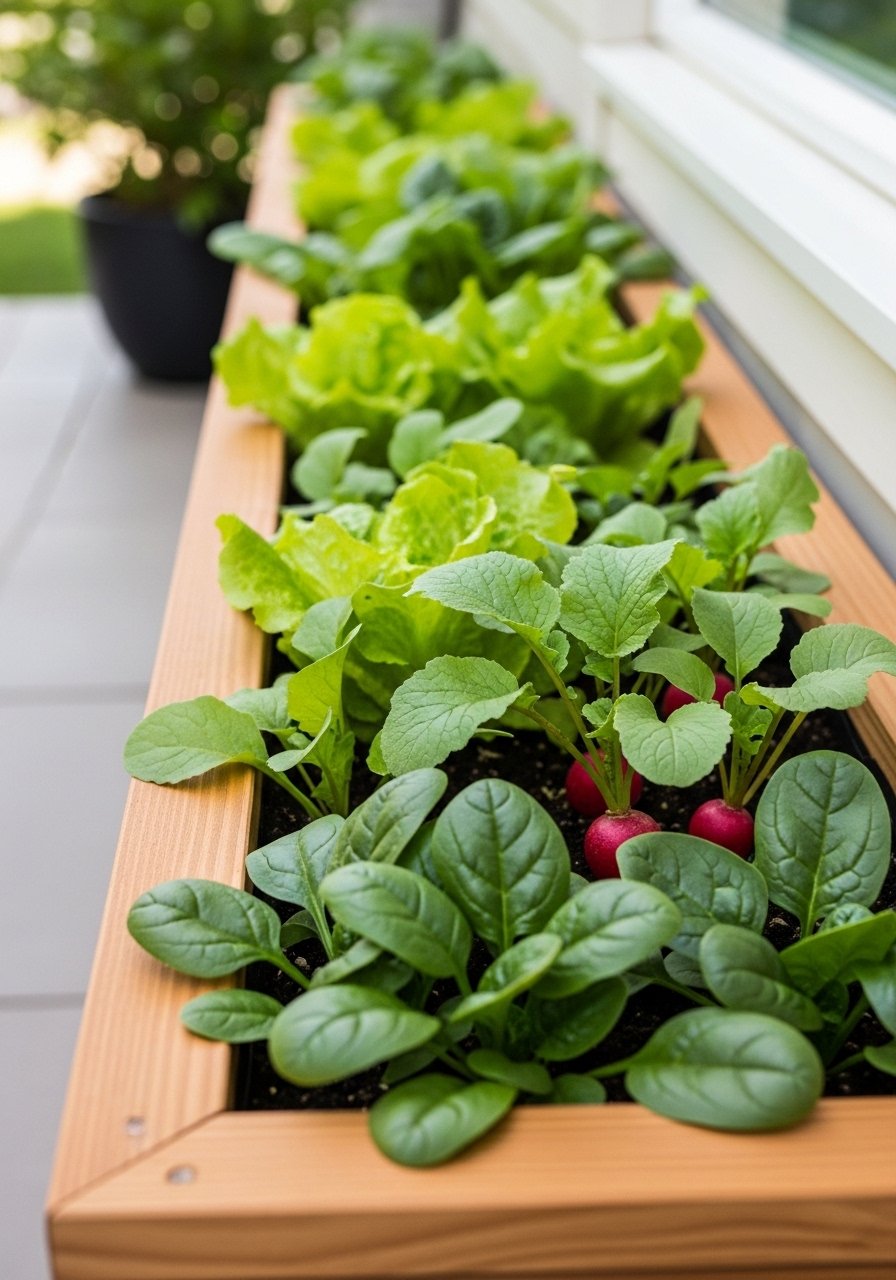
I put a shallow raised bed against a fence and grew salad greens all summer. It’s compact, keeps soil tidy, and harvesting is easy.
I made it too deep at first and it felt heavy on the decking. A shallow cedar bed worked better and warmed faster in spring. Rotate crops and keep compost handy.
Tip: choose shallow-rooted veggies for narrow beds.
What You’ll Need for This Look
11. Trellised Climbing Roses or Clematis
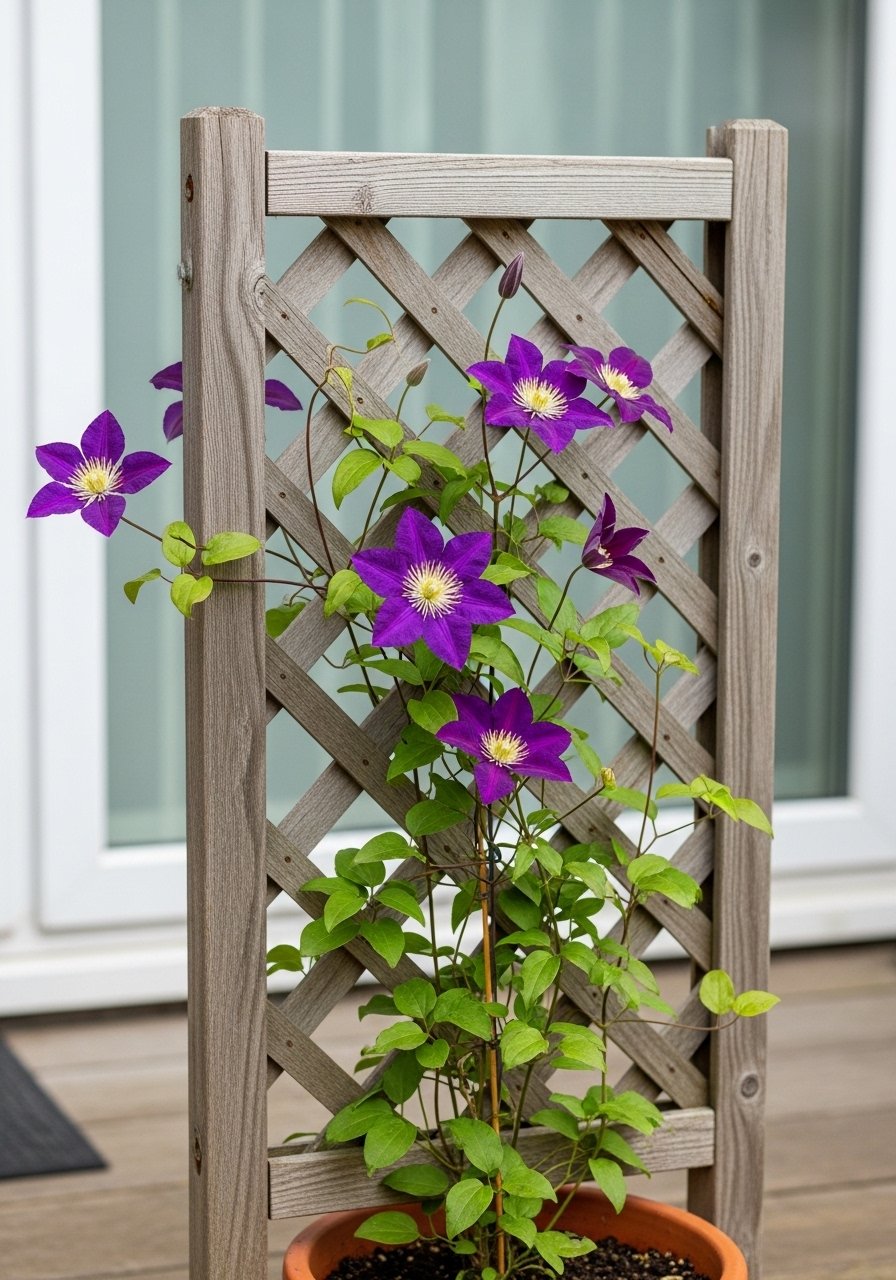
A trellis softens a blank wall. I trained clematis up one year and roses the next. The bloom display feels generous without taking patio space.
I learned to tie new shoots loosely and remove dead wood in late winter. Clematis needed a cool root base—mulch and shade at the roots helped.
Tip: choose a trellis that fits the plant’s mature size.
What You’ll Need for This Look
12. Pallet-Sofa Seating with Built-In Planters
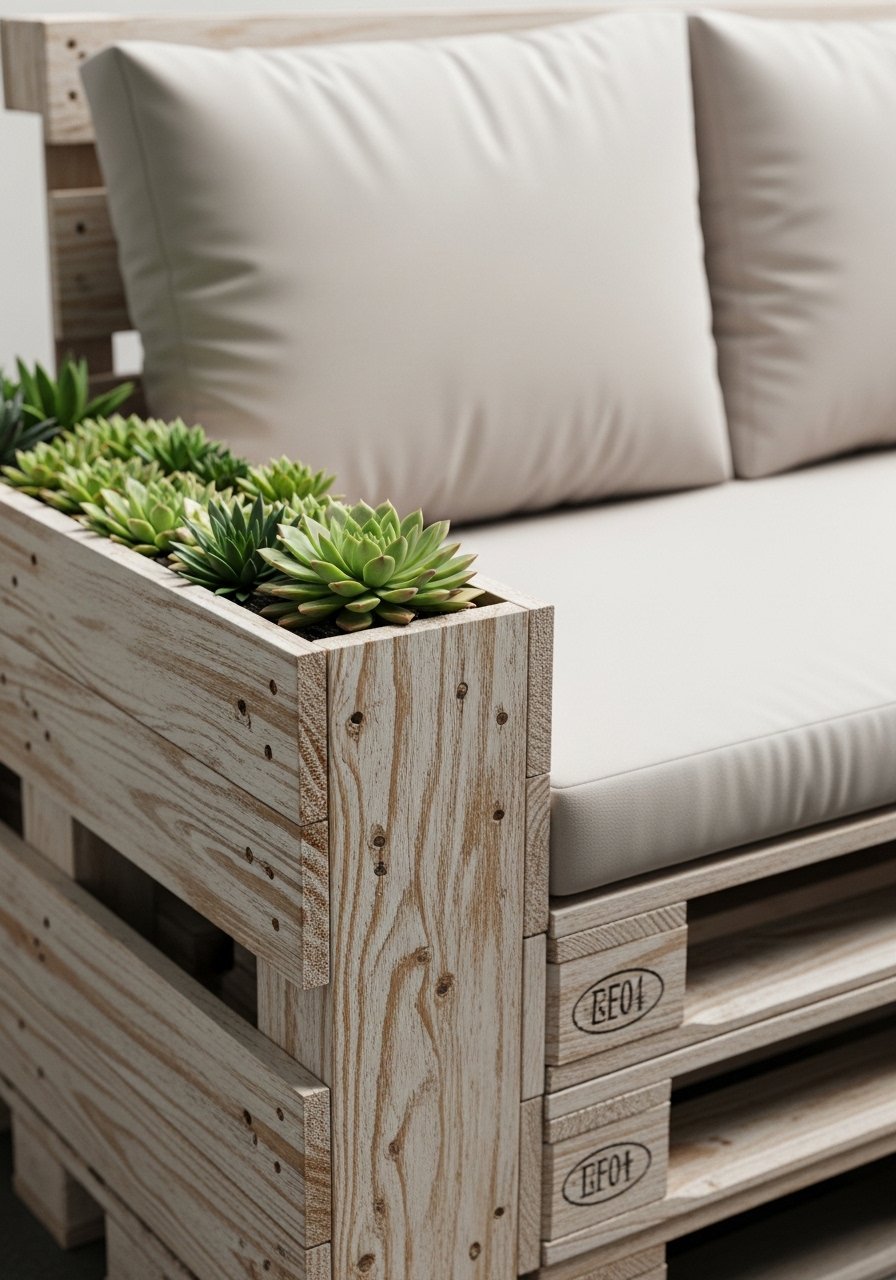
I built a pallet sofa to save space and added planters at the arms. It’s rough around the edges and comfortable. The planters make the seat feel like it belongs in the garden.
My first attempt used untreated wood and warped in wet weather—another lesson. I now seal the wood and add cushions that store inside when it rains.
Tip: secure pallets well and use breathable pots for the planter sections.
What You’ll Need for This Look
13. Water Feature: Small Fountain on a Table
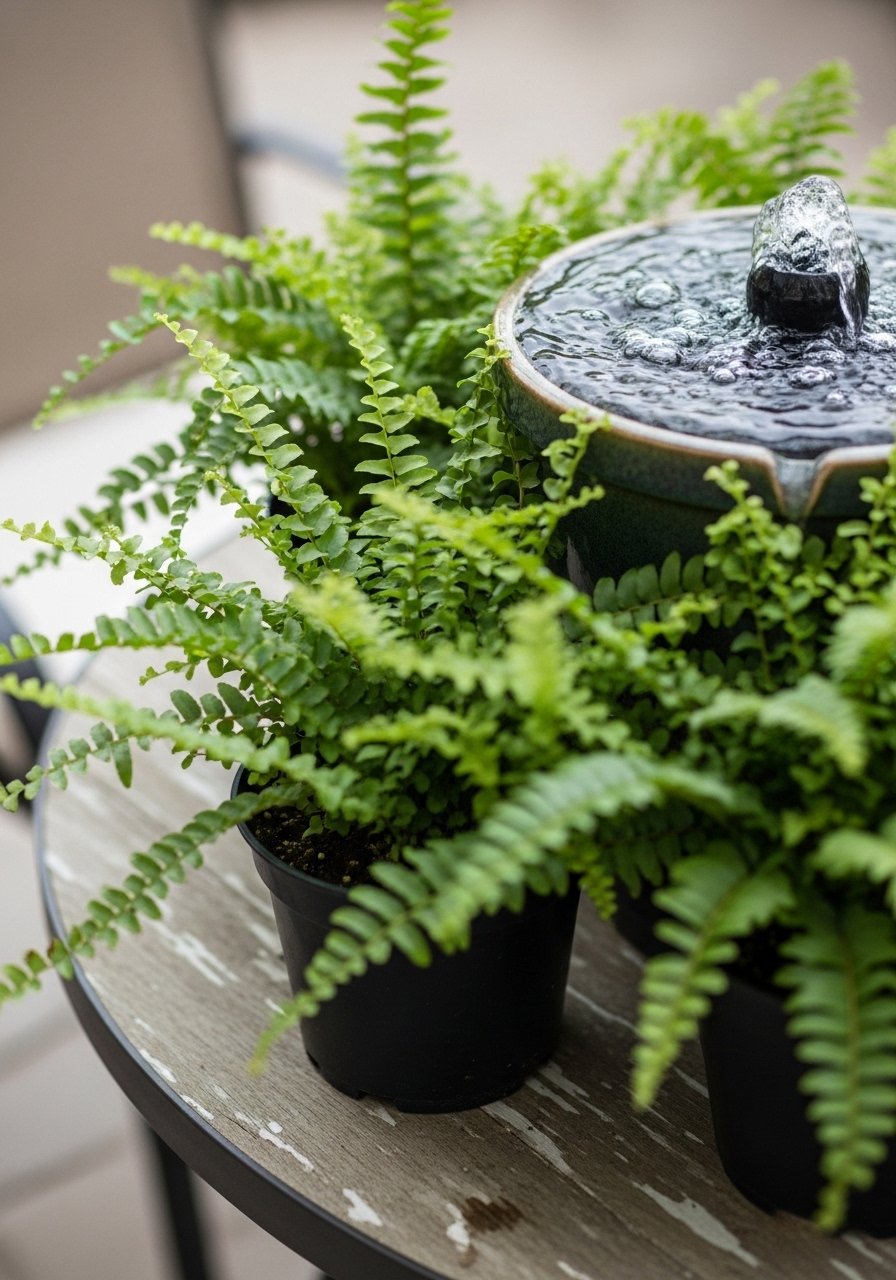
A tabletop fountain added that gentle water sound and cooled the air slightly. It’s small but steady and makes evenings feel calmer.
I once had one with noisy splashing because the pump was too strong. Swapping to a variable-speed pump solved it. Keep an eye on algae and top up water regularly.
Tip: place on a stable table and tuck a mat underneath to catch drips.
What You’ll Need for This Look
14. Cozy Fire-Pit Corner with Heat-Tolerant Plants
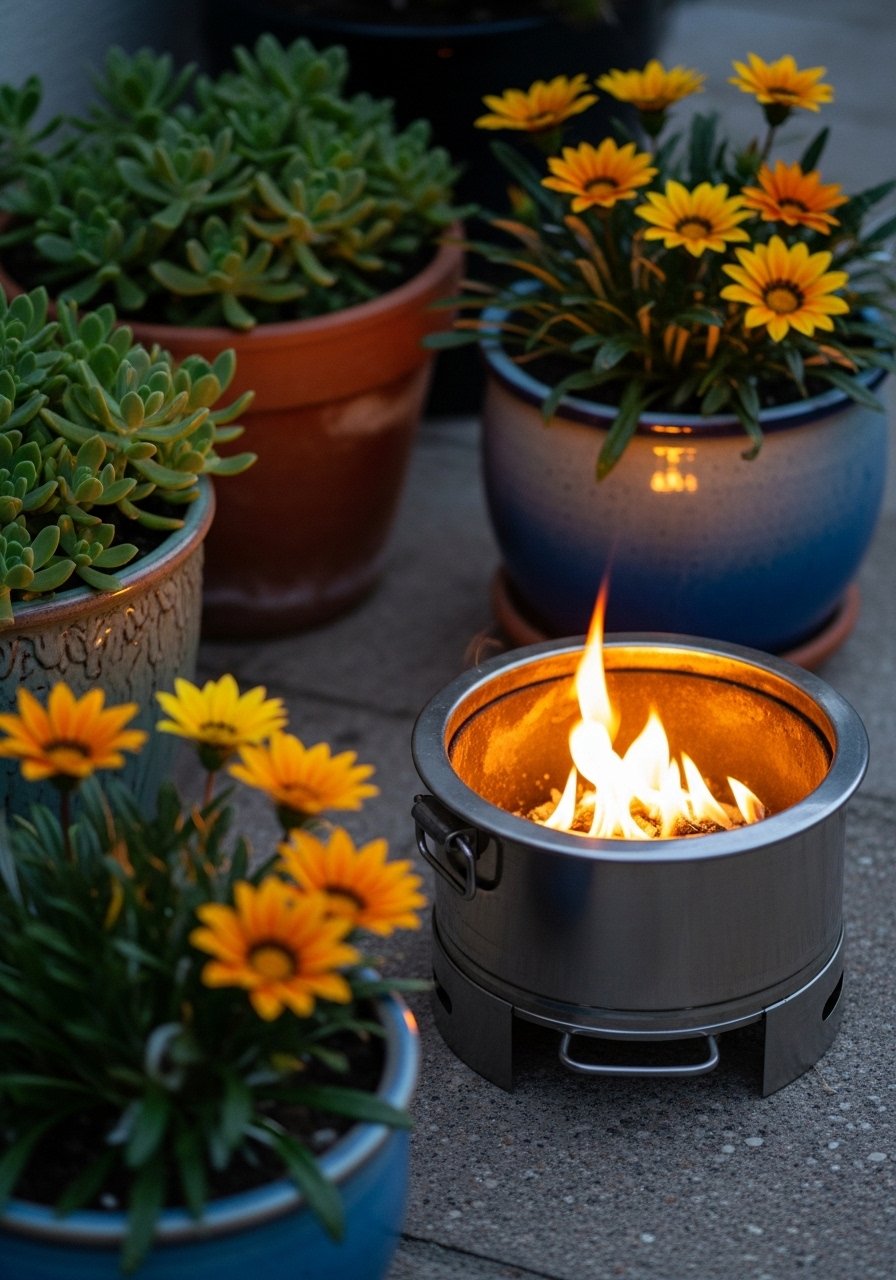
A small propane fire pit turned my patio into a year-round hangout. I planted heat-tolerant succulents and agaves around it in pots to keep the area green but safe.
I once put flammable fabric too close; lesson learned. Now I keep a clear perimeter and choose non-flammable, low-spread plants near the pit.
Tip: check local rules and use a spark screen when needed.
What You’ll Need for This Look
15. Modern Concrete Planters with Textural Grasses
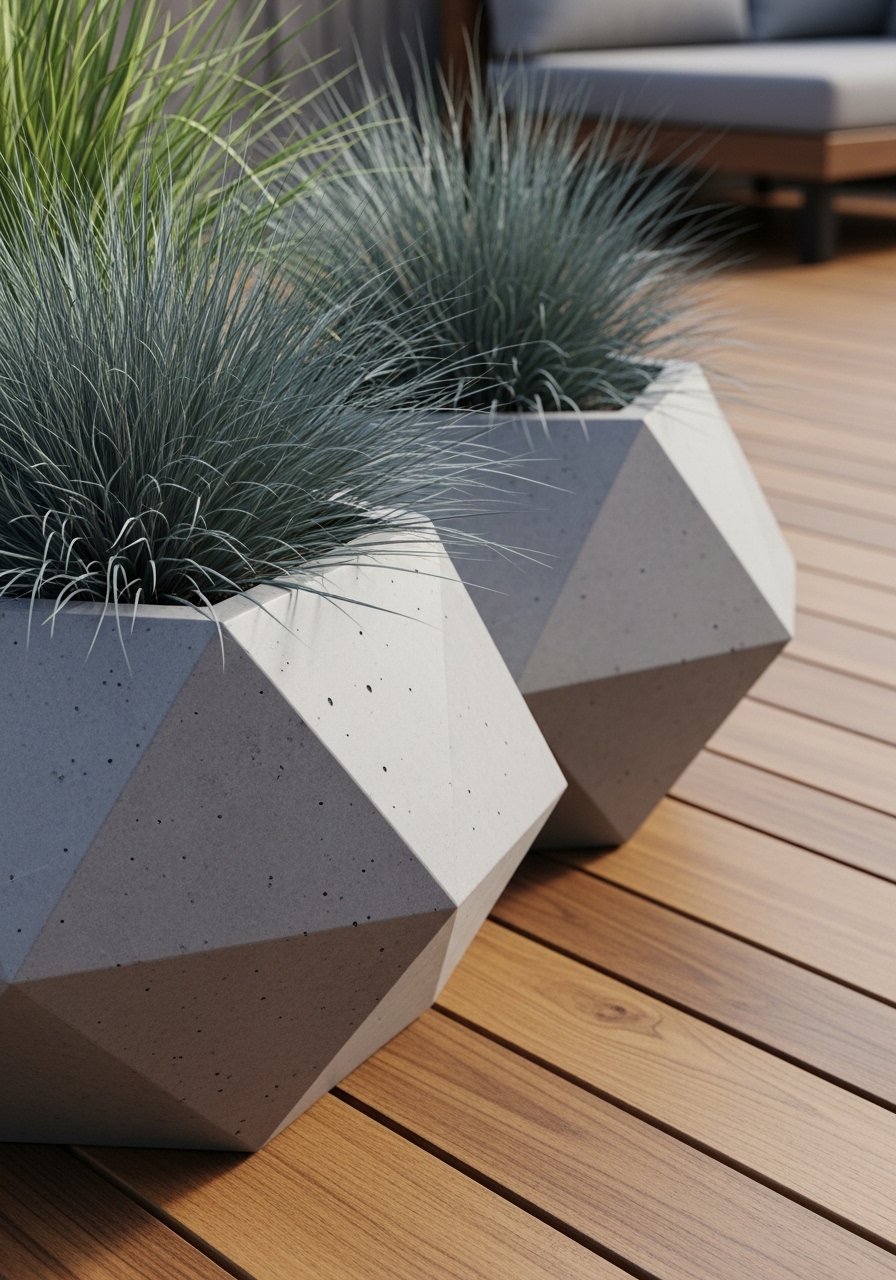
Concrete pots give a modern edge while grasses add movement. I used a few statement concrete planters with blue fescue and carex for contrast.
They’re heavy but stable in wind. If you want the look without weight, choose resin-look concrete alternatives. Grasses need late-season trimming to stay tidy.
Tip: pick grasses that don’t self-seed aggressively in containers.
What You’ll Need for This Look
16. Mediterranean Herb & Olive Look in Terra Cotta
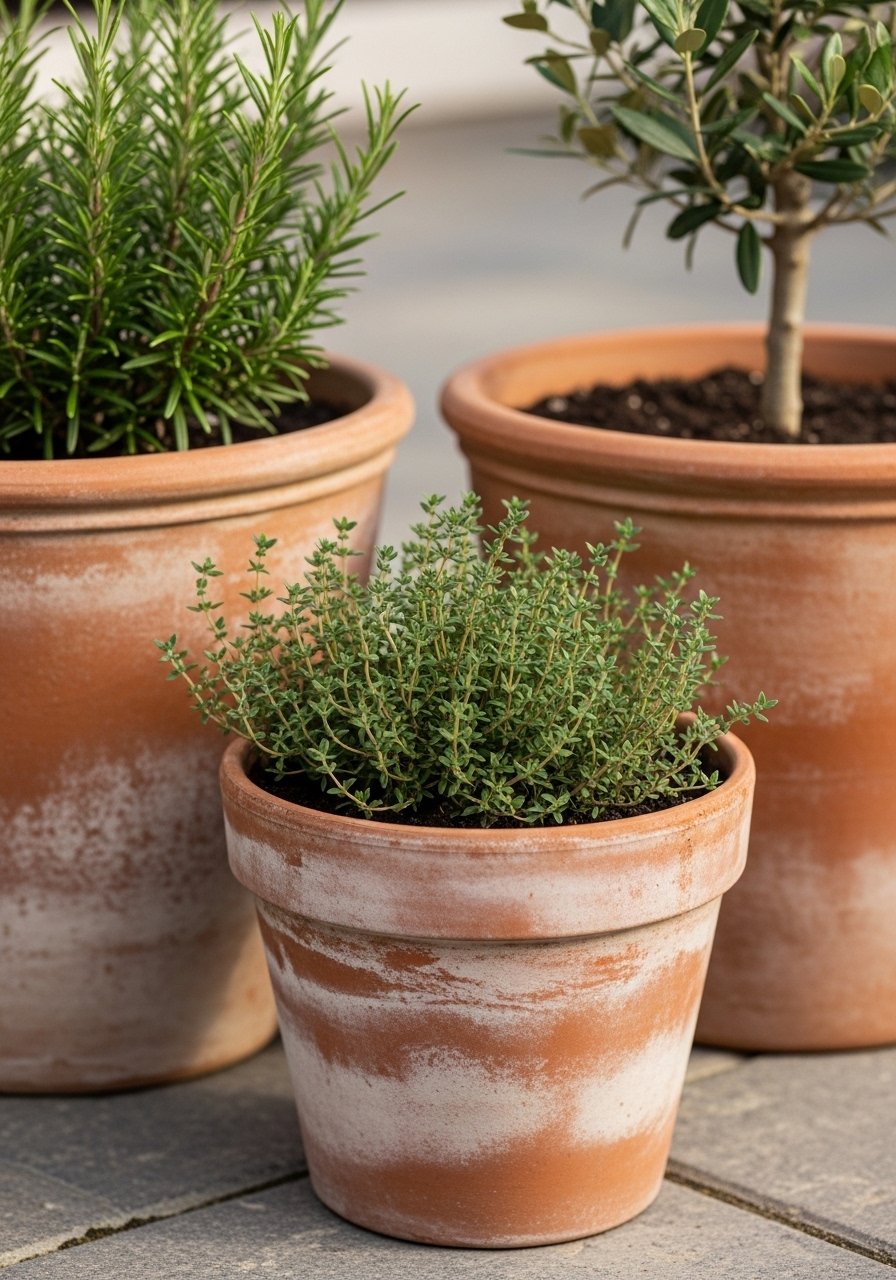
I went Mediterranean with terracotta pots, rosemary hedging, and a small potted olive. It feels warm and relaxed, even on a small balcony.
Terracotta dries fast; I learned to water more frequently in summer or use a terracotta glaze. The scent of rosemary near the seating area is constant and comforting.
Tip: bring tender plants in for winter if you’re in frost zones.
What You’ll Need for This Look
17. Succulent Vertical Frame for a Sunny Corner
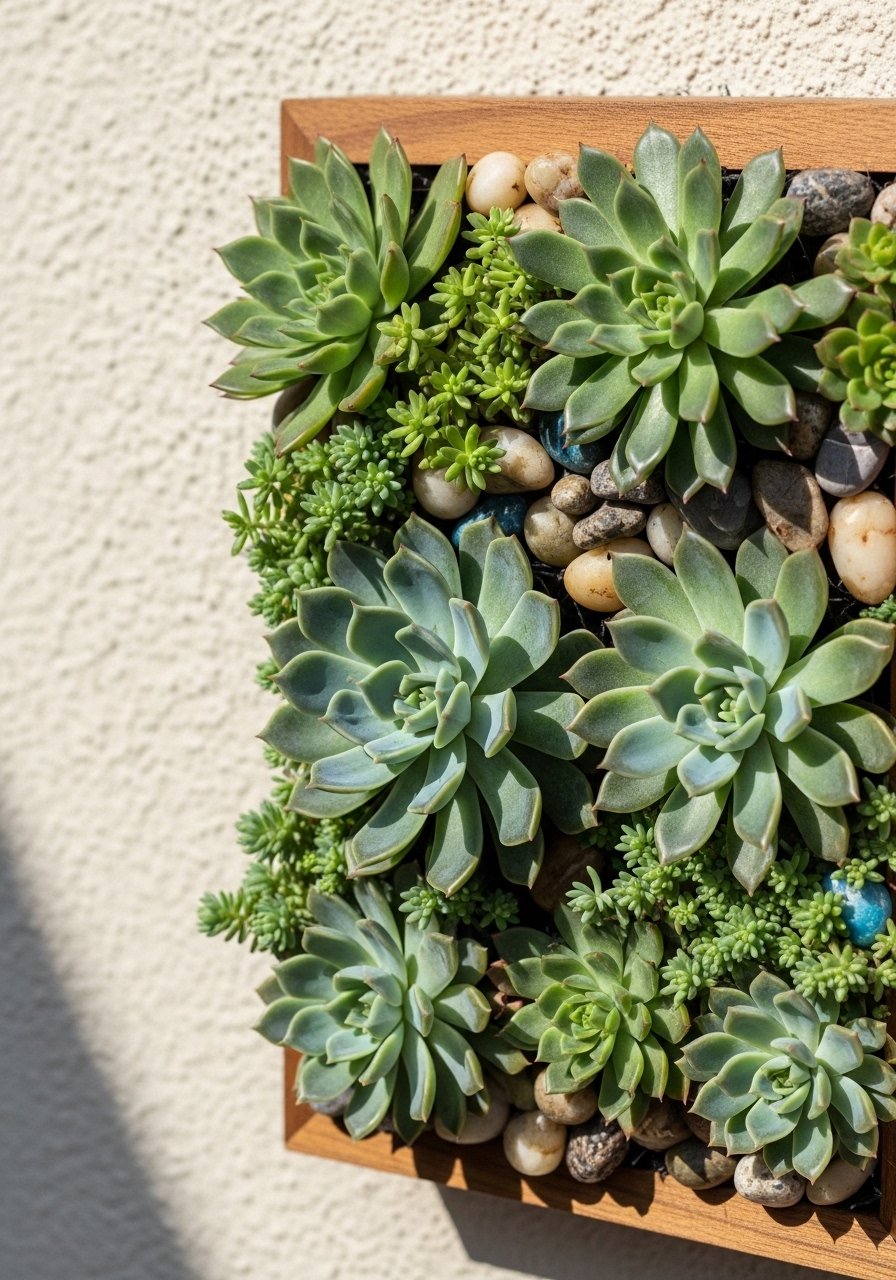
A vertical succulent frame fits into narrow sunny spots. Mine hangs by the door and gets compliments. It’s low-water and sculptural.
Early on, I used a heavy frame and it sagged. A lighter frame and proper backing solved that. Succulents need sharp drainage and occasional rotation for even growth.
Tip: mount securely and swap plants seasonally.
What You’ll Need for This Look
18. Hanging Baskets at Different Heights
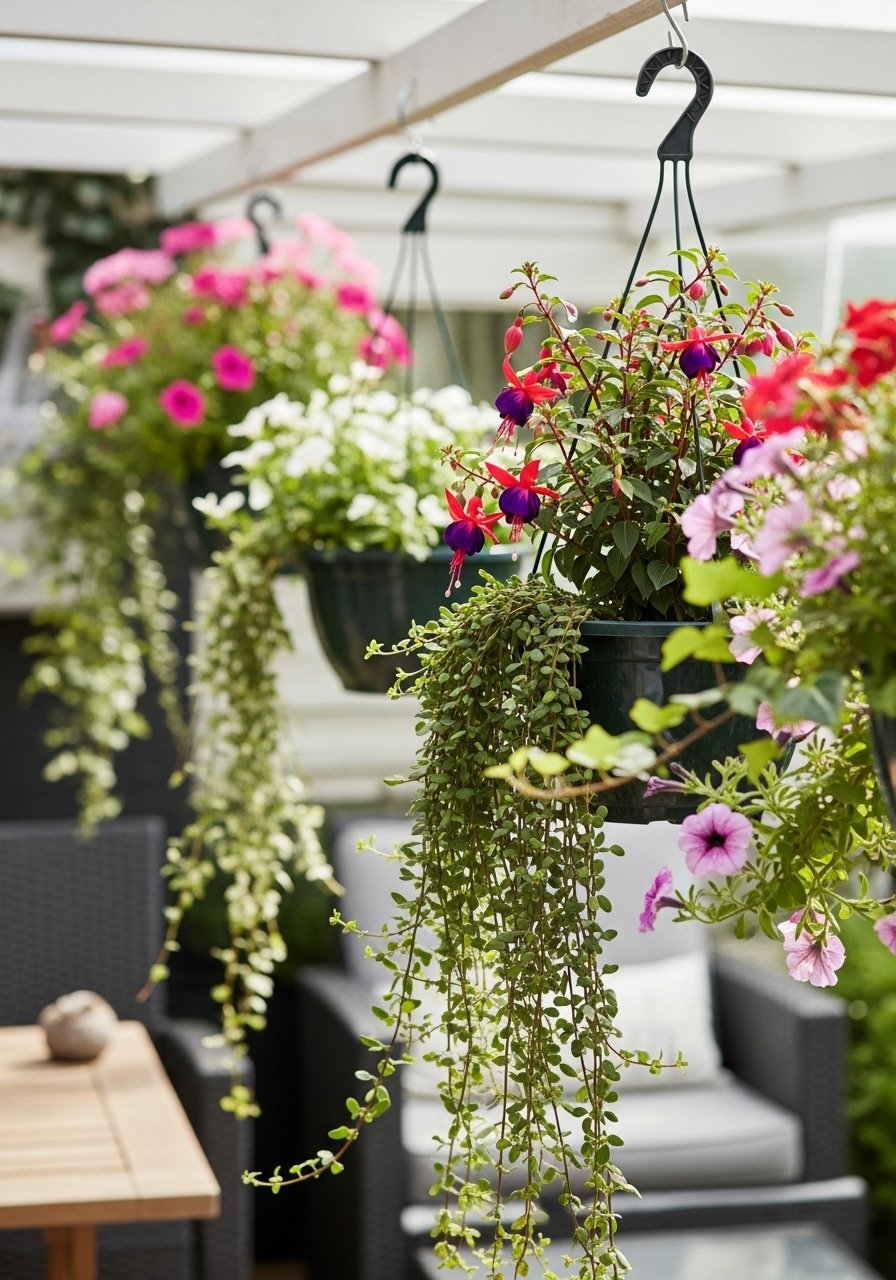
I hung baskets at different heights to create a layered ceiling of blooms. It made the space feel taller and more enclosed in a good way.
I once hung heavy planters from a weak hook and regret it—always use rated ceiling hooks. Watering is messier up high, so use liners or saucers where water can drip into a tray.
Tip: stagger heights to avoid blocking views and to allow light through.
What You’ll Need for This Look
19. Painted Pot Color Story for Small Space Impact
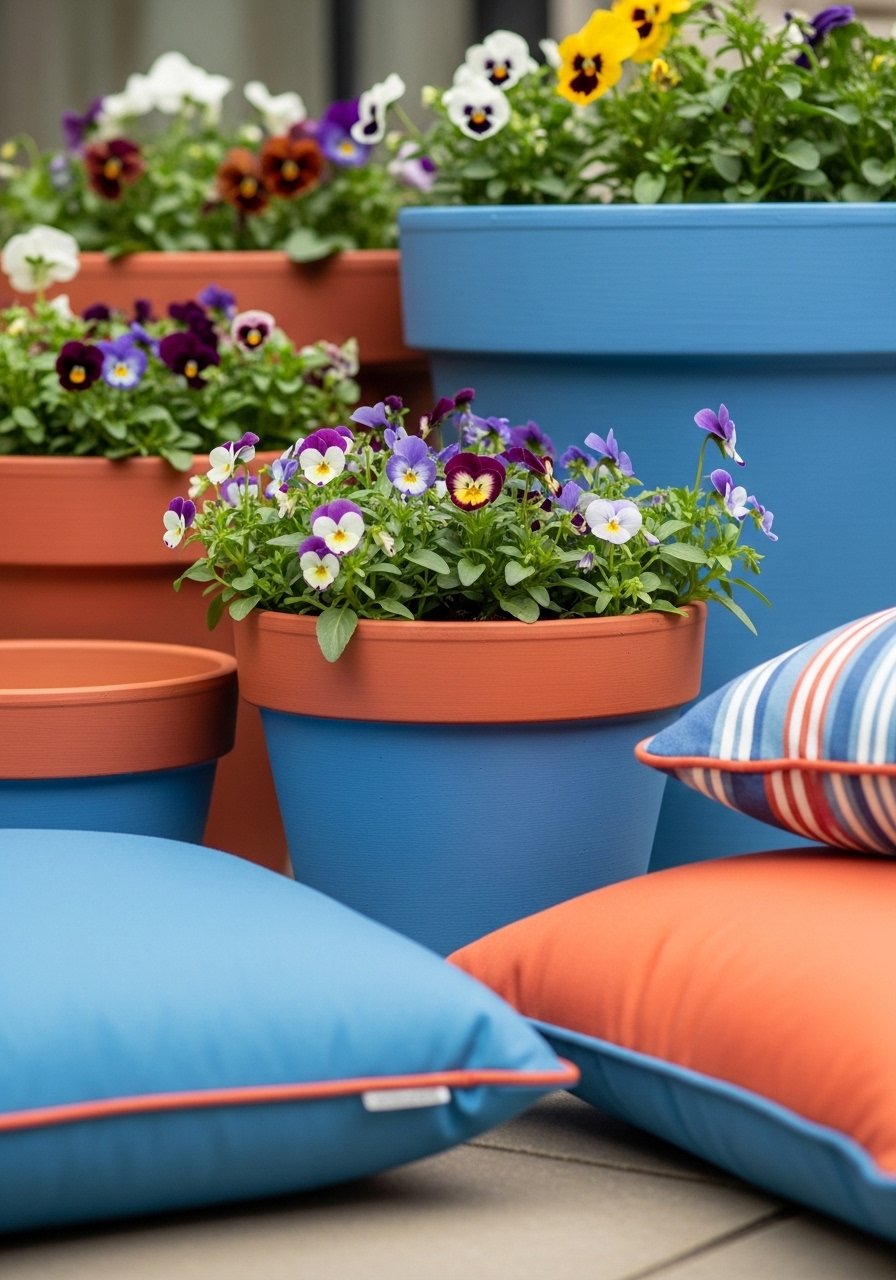
I painted mismatched pots in a simple palette to make the whole patio feel pulled together. It’s an easy way to create a mood without new furniture.
I overdid glossy paint once and the pots sweat. Matte outdoor paint is kinder to plants. Pick two colors and repeat them across pots to unify the look.
Tip: use exterior-grade paint and seal rims where water sits.
What You’ll Need for This Look
20. Lighting-Led Patio Using String and Solar Stakes
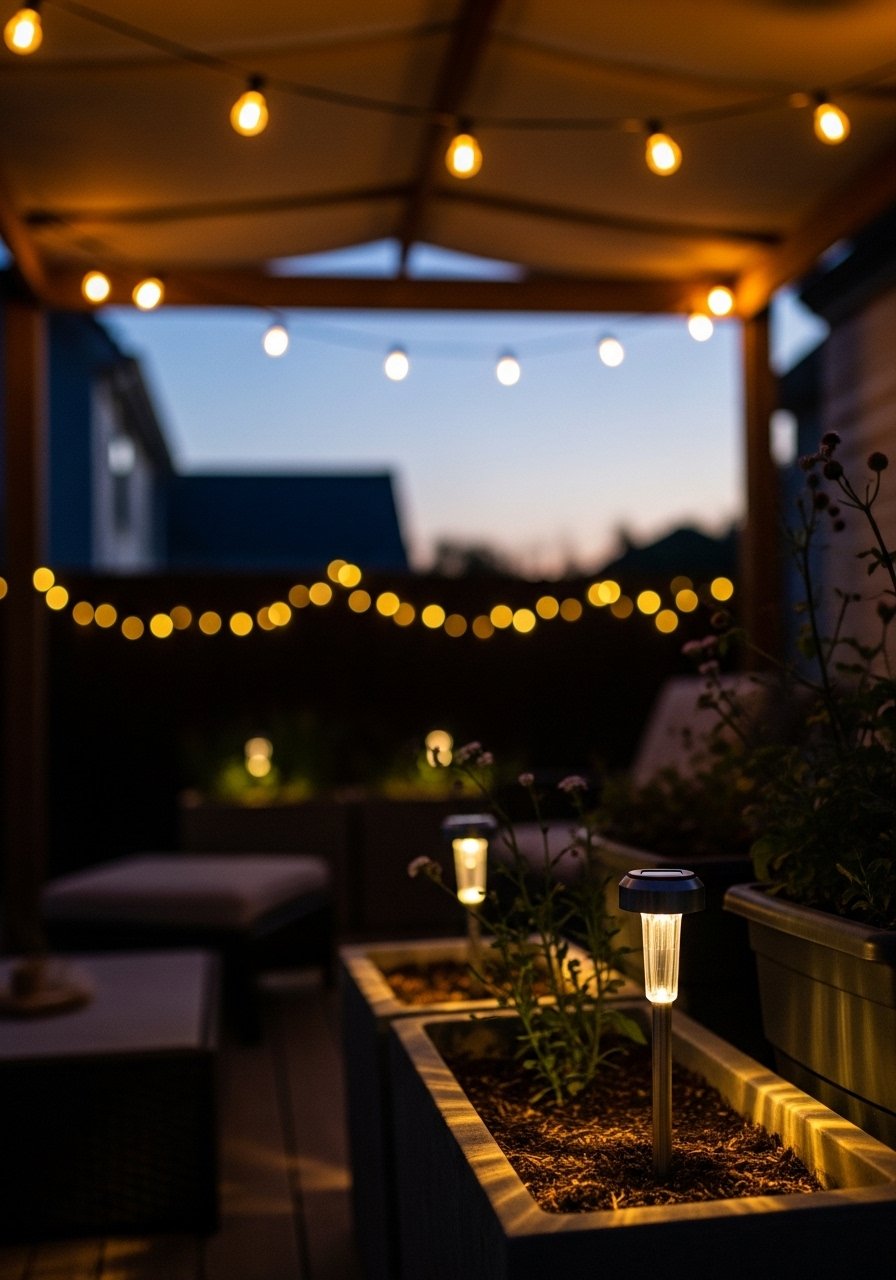
I layered warm string lights overhead and solar stakes in pots for evening atmosphere. It’s affordable and instantly cozy.
I learned cheap string lights fail in rain—invest in outdoor-rated sets. Solar stakes are great but need sun during the day; place them where they actually charge.
Tip: test lighting placement at night before finalizing.
What You’ll Need for This Look
21. Edible Wall: Strawberries and Greens
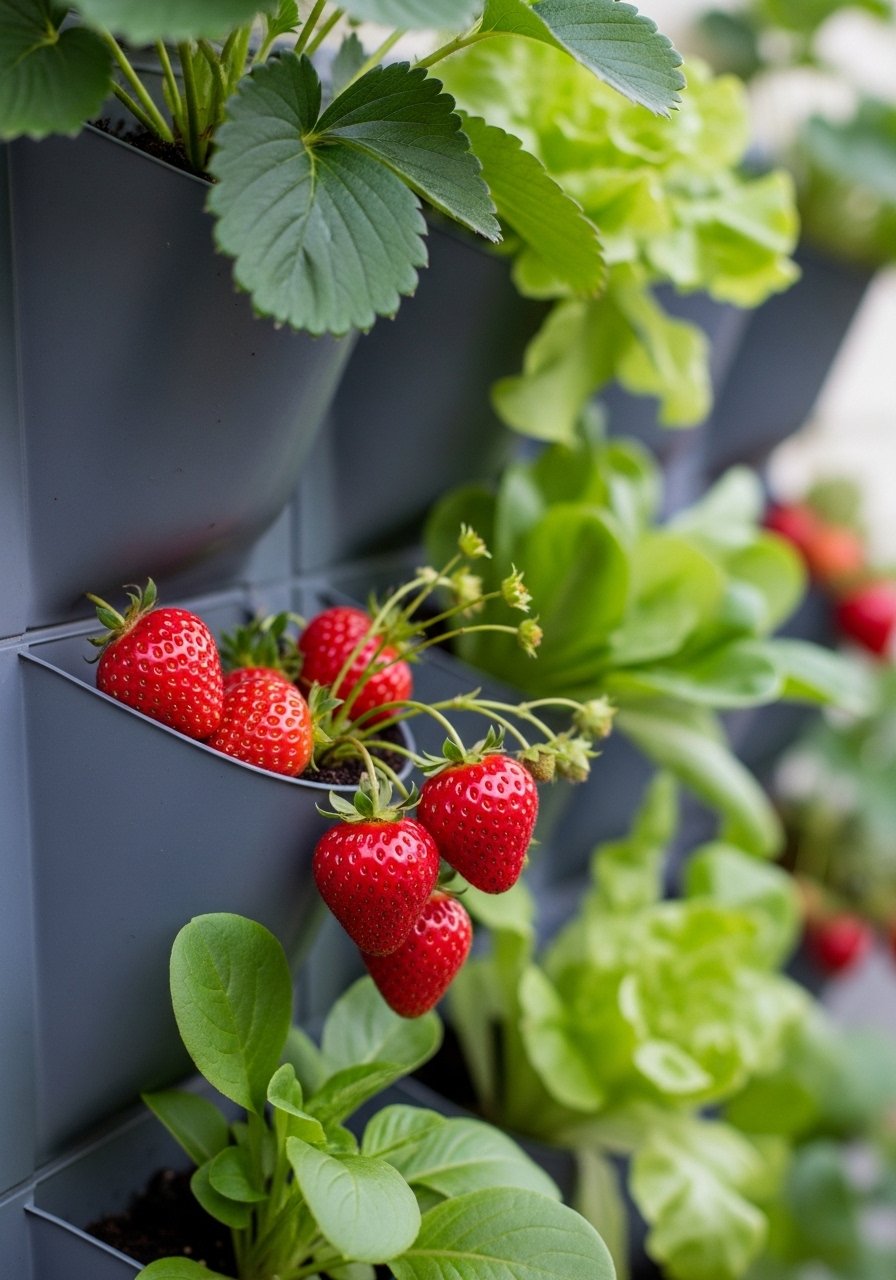
I built an edible wall using shallow pockets for strawberries and baby greens. Fresh bites minutes from my kitchen felt luxurious and honest.
The first season I planted strawberries too deep and they rotted. I repositioned them so crowns stayed above soil and improved drainage.
Tip: rotate lettuce and replant every few weeks for continuous harvest.
What You’ll Need for This Look
22. Mini Pollinator Patch for Bees and Butterflies
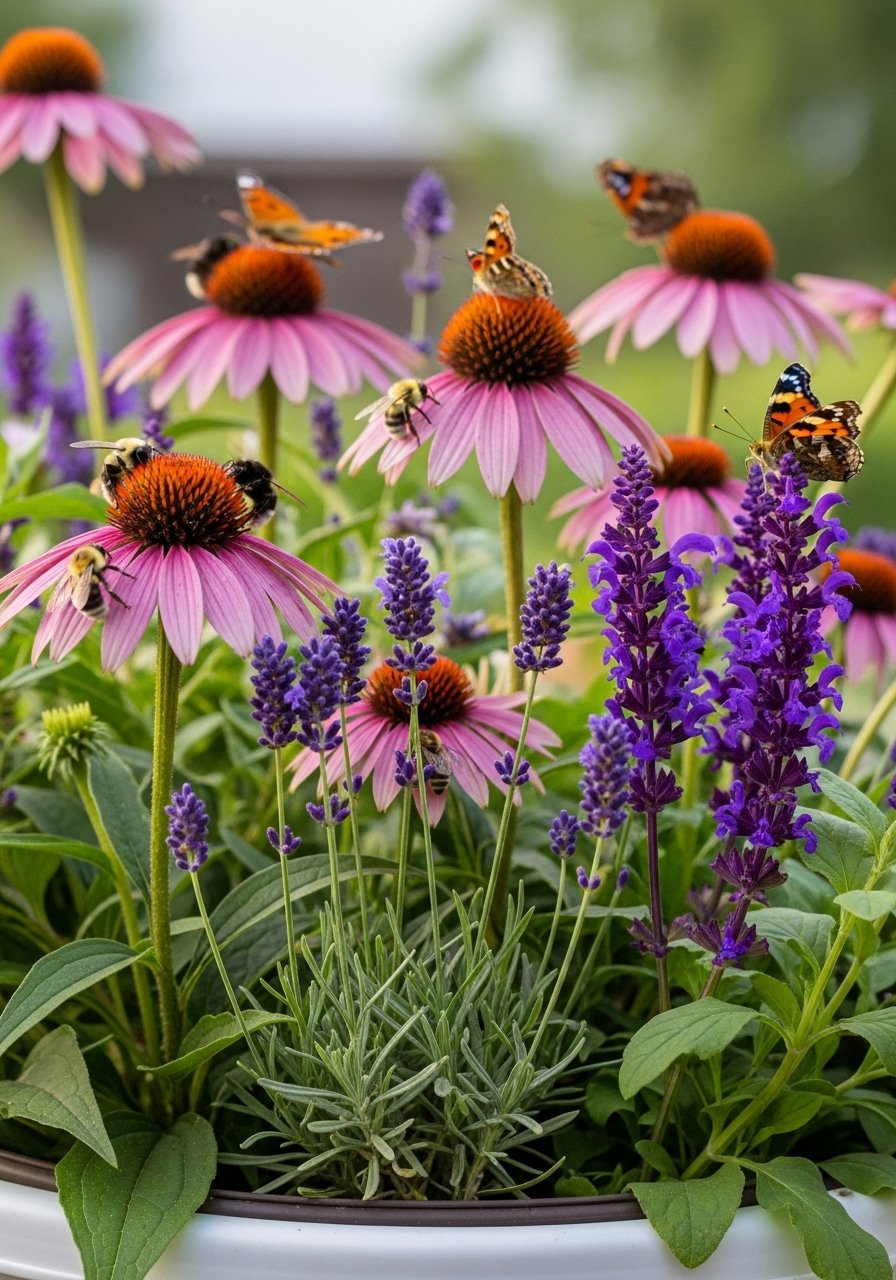
I set aside a sunny container for pollinator-friendly flowers. Coneflowers, lavender, and salvia brought bees and the occasional butterfly and made the patio hum.
I once used heavy mulch that buried seedlings—light mulch worked better. Also, avoid insecticides and choose blooms through the season for steady nectar.
Tip: include single-flowered varieties for easier access to pollen.
What You’ll Need for This Look
23. Compact Rain Garden to Handle Runoff
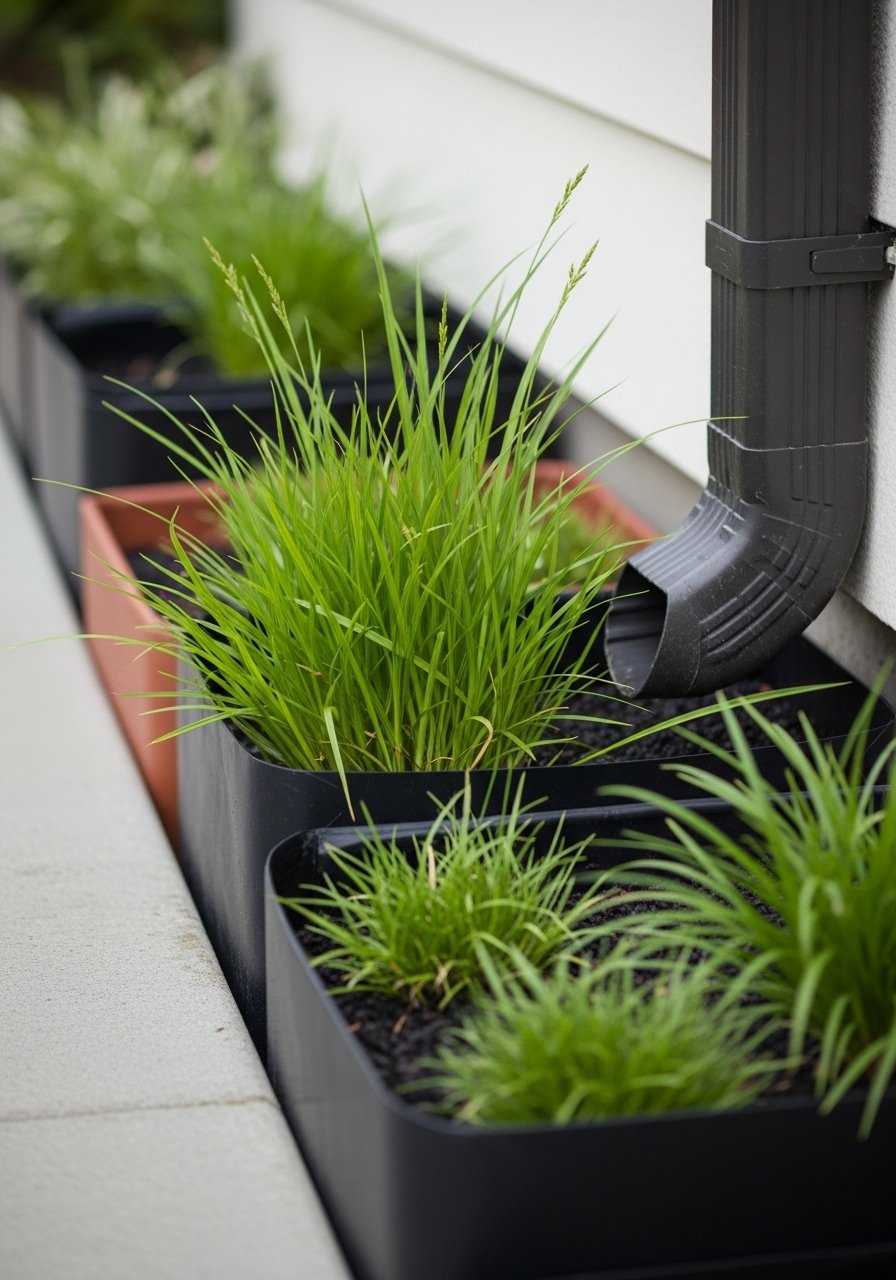
My small patio gets runoff from the roof, so I made a narrow rain garden in a waterproof-lined planter. It absorbs water and adds textural interest.
I originally used an unlined container and it leaked. Lining solved the issue and allowed me to keep moisture-loving plants without soggy decking.
Tip: use plants that tolerate both wet and dry cycles.
What You’ll Need for This Look
24. Storage Bench with Planter Top
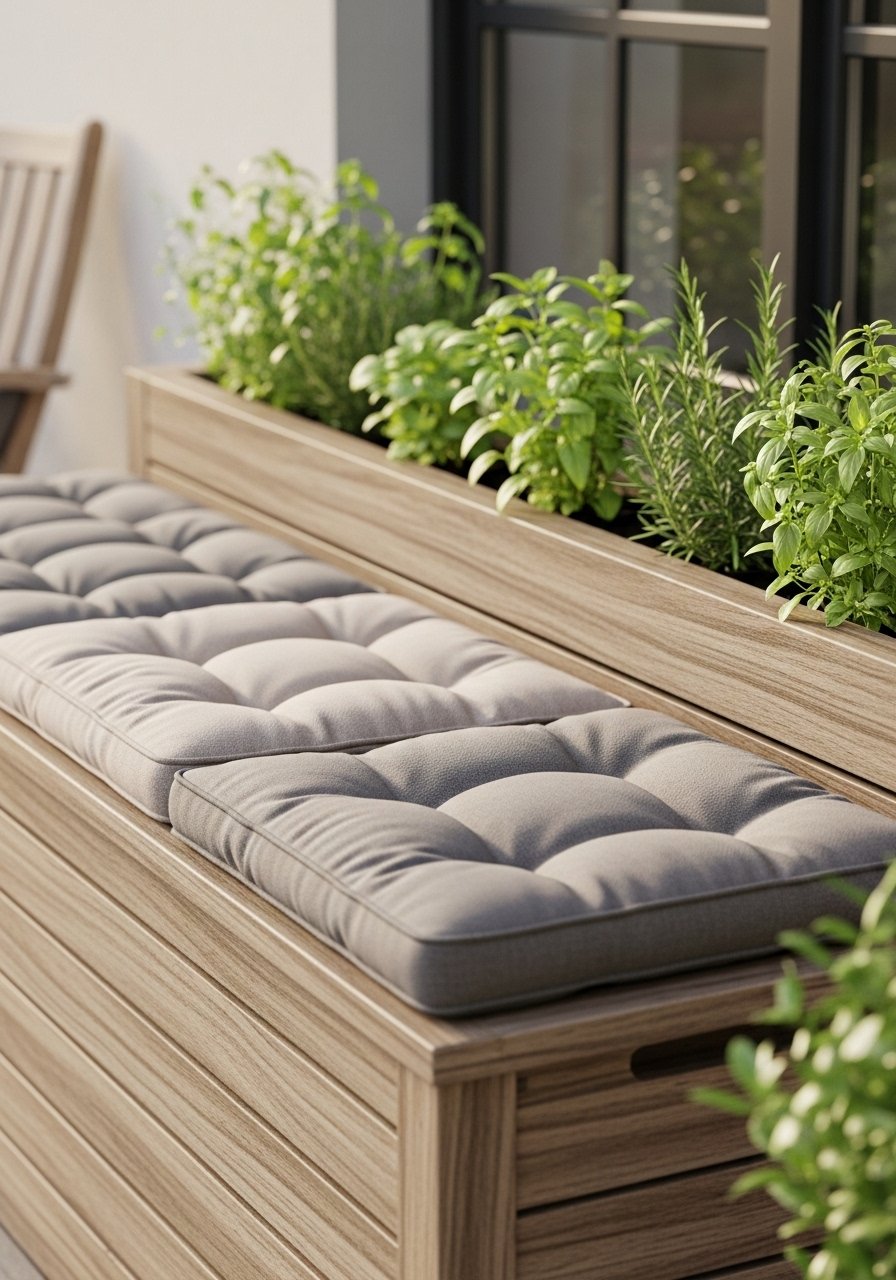
I added a storage bench with a narrow planter along the top to hide pots and keep cushions dry. It doubled as seating and a tidy plant display.
My first bench had poor drainage and soil stained the wood. Now I line the planter and use pot inserts so water drains cleanly and the wood lasts.
Tip: choose a bench with a waterproof lid and good internal ventilation.
What You’ll Need for This Look
Final Thoughts
You don’t need to do all of these. Pick one or two that match your light and mood. I started small and kept what I loved.
Gardens evolve. Small choices—a pot change, a better hook, a different plant—make the patio feel like home.
Leave a Reply