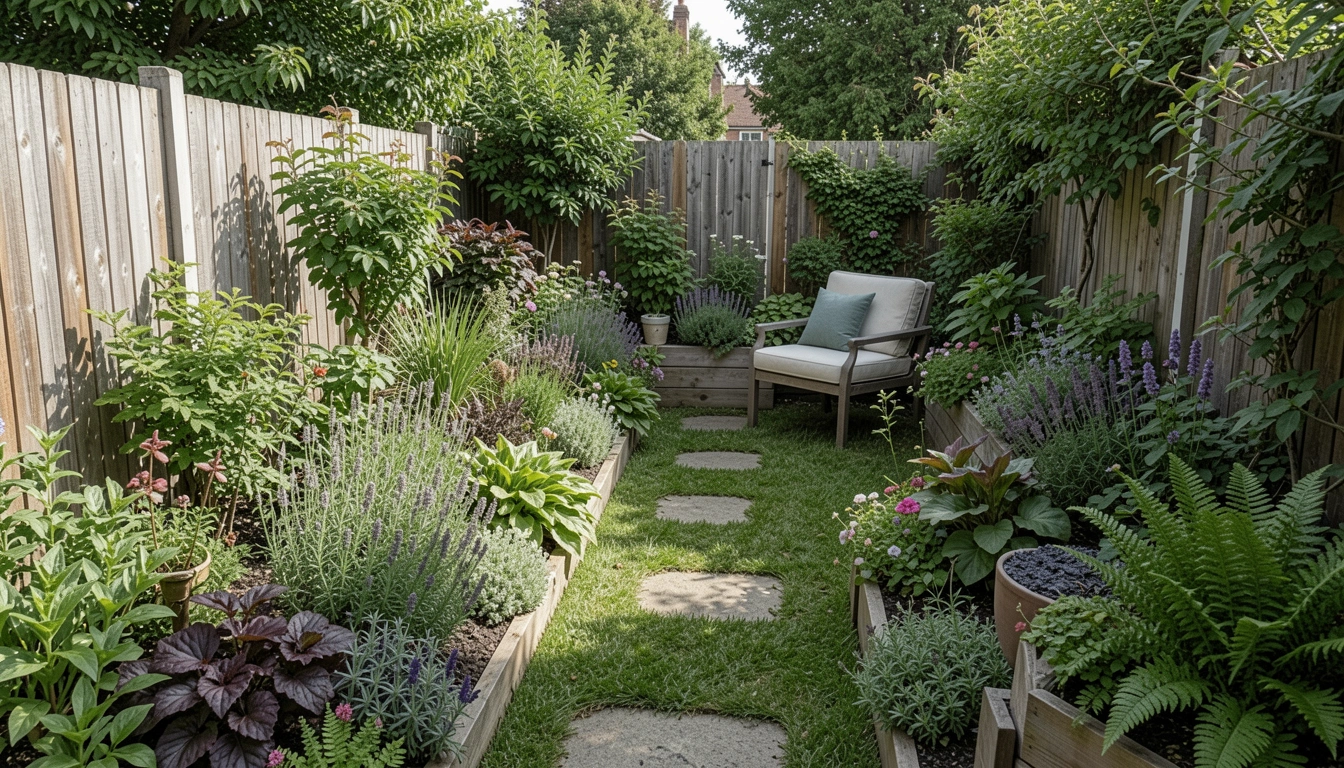
I stared at my backyard last spring. Bare dirt in spots. A fence that closed everything in. Chairs with nowhere to sit comfortably. It felt tight, not open.
I walked it daily, notebook in hand. What worked? What pulled my eye away? Most backyards fight the space instead of settling into it.
You know that feeling. Your yard wants to breathe, but it’s stuck.
How to Design a Backyard Garden
This is the way I shape any backyard into a comfortable spot. You’ll end up with clear zones, easy flow, and plants that fit the light. It feels balanced, like it’s always been there.
What You’ll Need
- Sturdy garden journal with waterproof pages
- 12-inch bamboo plant stakes, natural finish
- 5-quart bag of organic pine bark mulch
- Assorted perennial hosta plants, shade-tolerant
- 20-foot coiled garden hose, lightweight green
- Heavy-duty kneeling pad, dark earth tones
- Set of 6 metal garden edging strips, 24-inch black
- Mix of lavender and salvia perennials, pollinator-friendly
Step 1: Walk Your Space and Note the Light
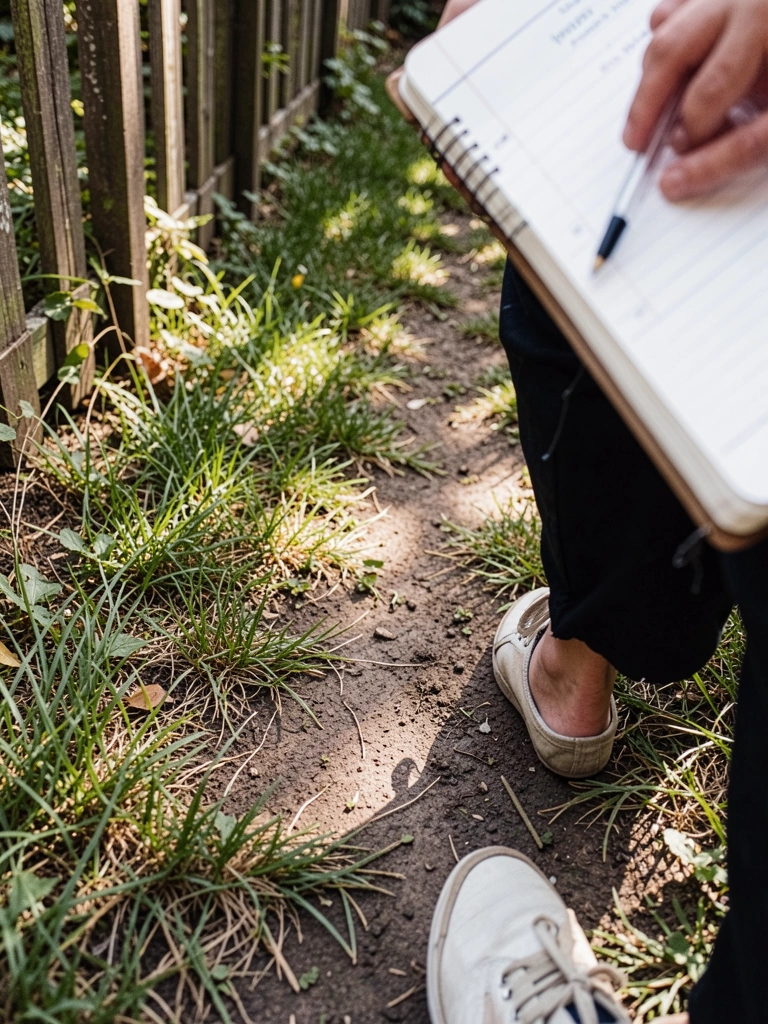
I start by walking my backyard at different times. Morning light hits the fence soft. Afternoon shadows stretch across the grass. I mark where sun lingers longest.
This changes everything. Plants lean toward light, so mismatched spots look forced. Now the yard shows its true shape—open in the center, tight by the house.
People miss how light shifts daily. Jot it down. Avoid planting tall things in full shade; they flop and unbalance the view.
Step 2: Mark Zones for Sitting and Growing
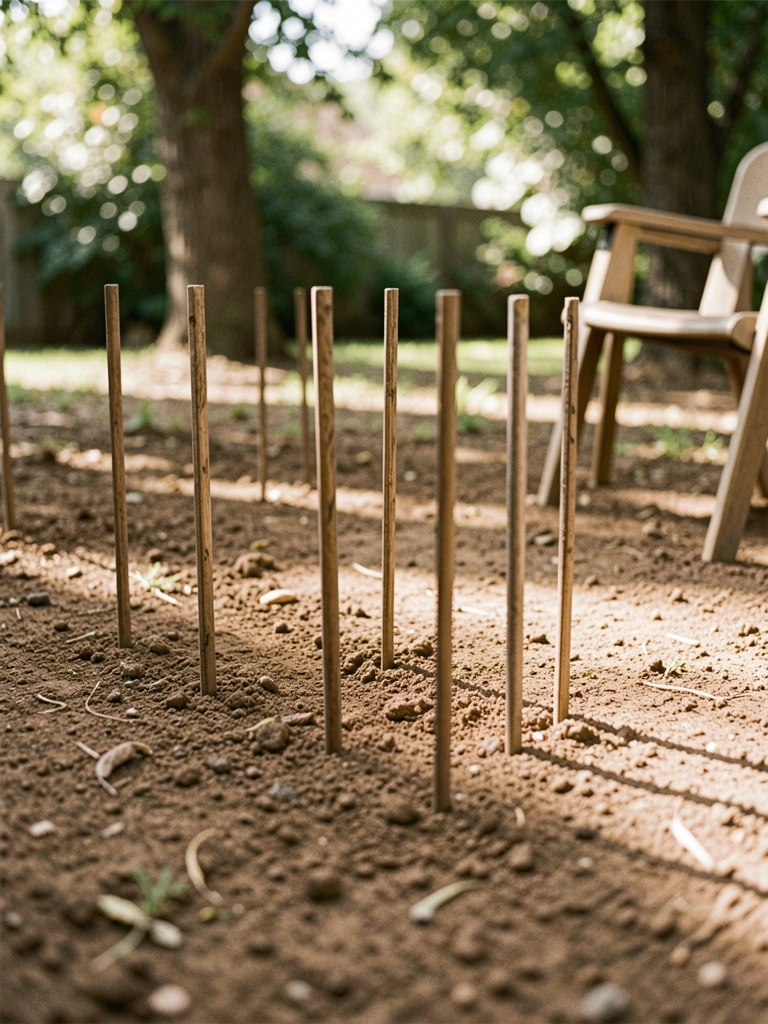
I grab stakes and string to outline zones. One for chairs by the door. Another for veggies along the fence. A curve for flowers where eyes rest.
Visually, lines appear. The yard divides without walls—flow feels natural, not chopped up.
Most skip this; everything blends into mess. Stake loosely first. Don’t force straight edges; curves hug the space better.
Step 3: Place Your Focal Points First
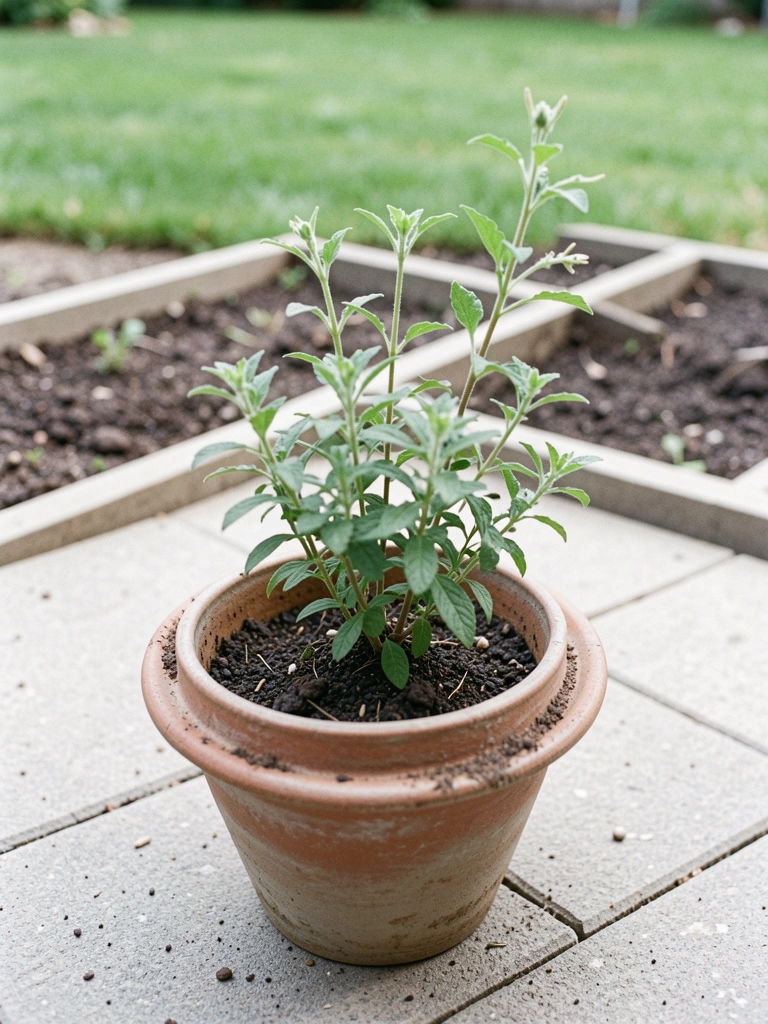
I set one strong piece—a bench or tall pot—in the center zone. It anchors my eye. Then hostas around it, low and leafy.
The space pulls together. Emptiness fades; depth builds from that one spot.
Folks overload early. Start with less—one focal pulls the rest. Avoid crowding it; leave air for balance.
Step 4: Layer Plants by Height and Color
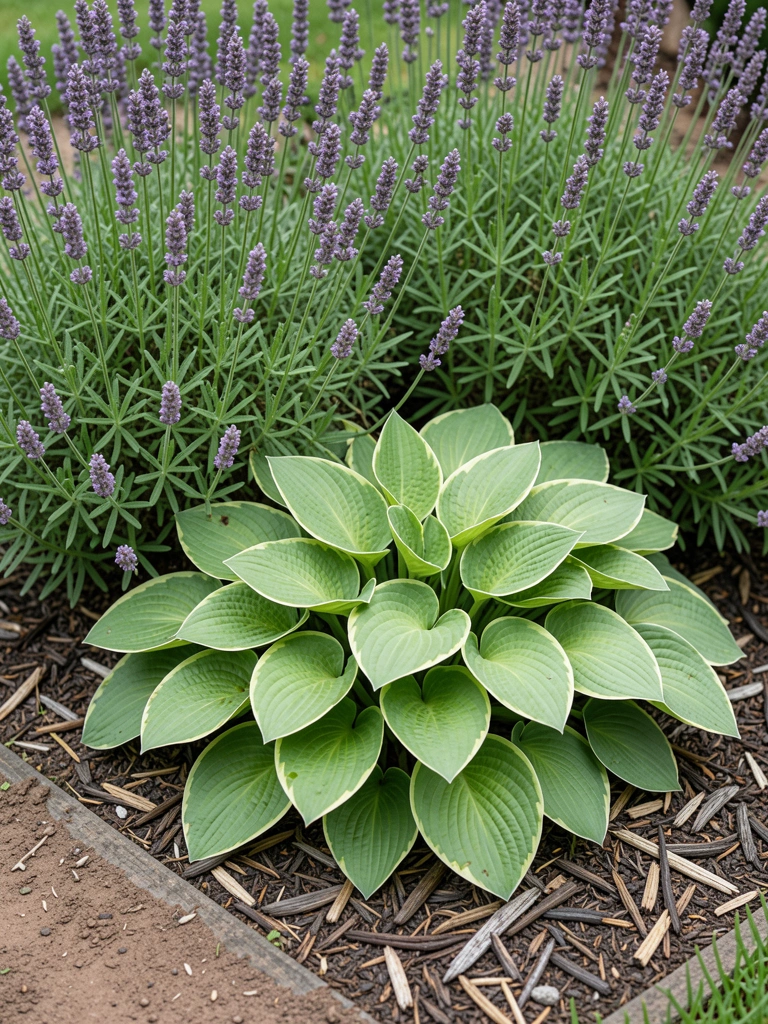
I drop in low plants first, like hostas in shade. Taller lavender and salvia behind. Colors repeat—purples echo across zones.
Layers add comfort. The yard reads front to back, no flat look.
The miss: uniform heights bore the eye. Mix them. Don’t plant all blooms at once; stagger for steady color.
Step 5: Edge and Mulch for Clean Flow
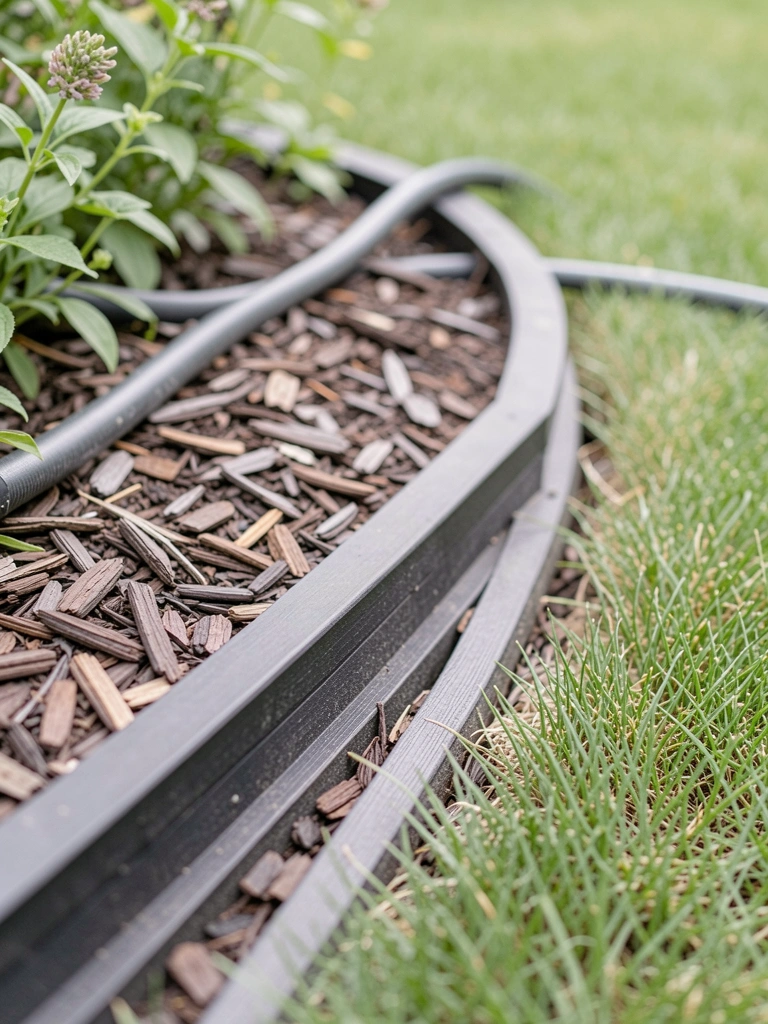
I lay edging strips along paths. Spread mulch even, not thick. It ties beds to lawn.
Boundaries sharpen. Flow improves—walk without snags, eyes glide smooth.
People neglect edges; beds bleed out. Mulch thin. Skip over-mulching; it smothers roots.
Choosing Plants That Fit Your Backyard
I pick plants from my light notes. Hosta for shade corners. Lavender where sun bakes.
They settle in without fight. The yard feels right year-round.
- Match height to spot: Low front, tall back.
- Repeat colors loosely for unity.
- Test soil first—wet spots get ferns.
Building Simple Pathways
Paths make backyards walkable. I use mulch or edging for curves.
They guide without dominating.
- Keep 3 feet wide for comfort.
- Avoid straight lines; curves invite lingering.
- Gravel works if grass thins.
Keeping Balance Through Seasons
Fall cleanup keeps flow. I trim dead bits, add mulch.
Winter shows bones—evergreens hold it.
- Prune lightly in spring.
- Watch for bare spots; fill with bulbs.
- Adjust as trees grow shade.
Final Thoughts
Start with one zone this weekend. Your backyard will shift under your hands.
It won’t be perfect. But it’ll feel like yours—balanced, lived-in.
Walk it often. That’s how it grows into place.
Leave a Reply