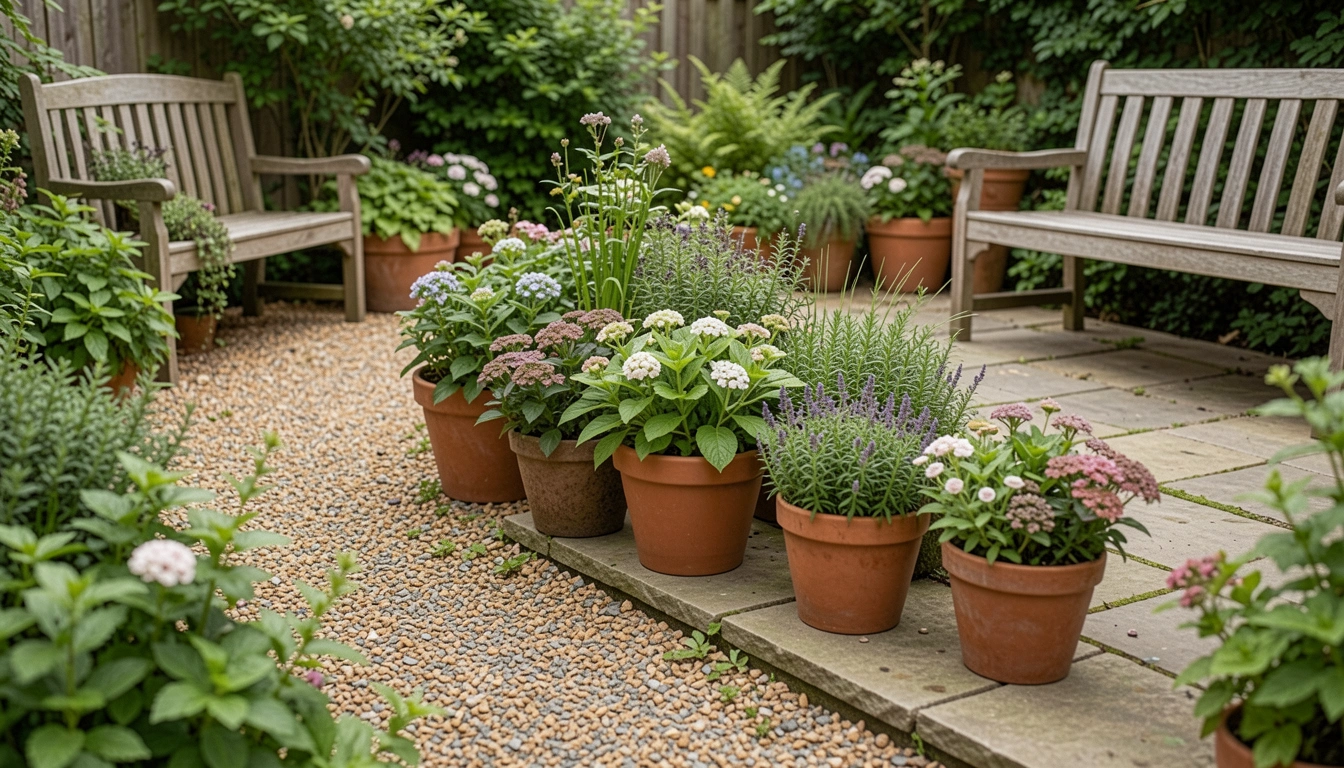
Category: Backyard

  • 17 Backyard Garden Design with Patio Inspiration

    17 Backyard Garden Design with Patio Inspiration

    A few summers back, my backyard patio sat empty, just a slab of concrete underfoot. I’d walk out there with coffee, but it felt cold, disconnected from the garden.

    Then I edged it with pots and low plants. The air softened. Bugs hummed nearby. Now it’s where friends linger till dark.

    You don’t need a big budget or perfect soil. These ideas come from my own trial and error—what actually draws the patio into the yard.

    17 Backyard Garden Design with Patio Inspiration

    Here are 17 backyard garden design with patio ideas pulled from my real gardens and fixes. They’re straightforward, forgiving for beginners. Each one builds that cozy outdoor room feel without fuss.

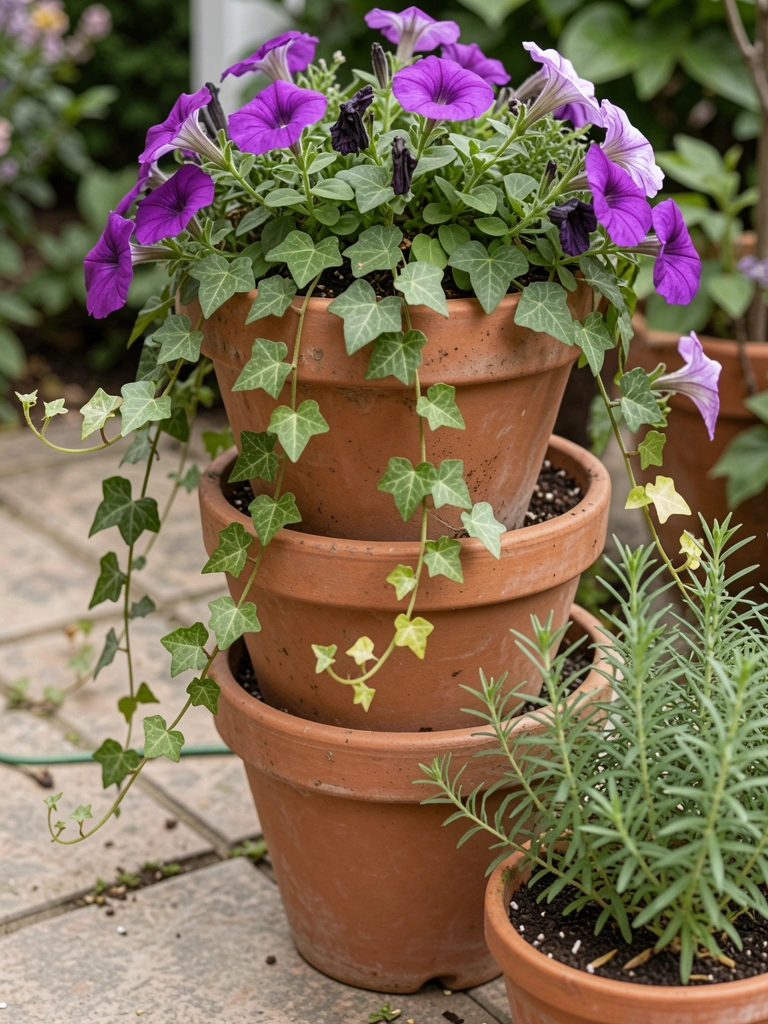
    1. Layered Container Planting That Makes a Patio Feel Full
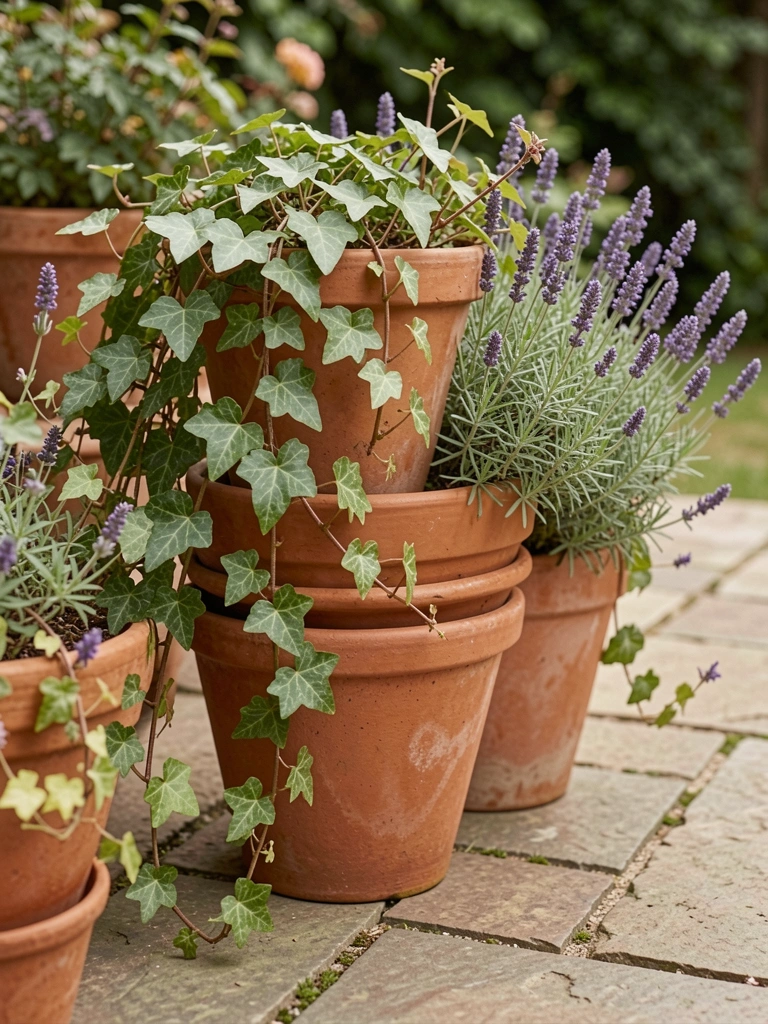
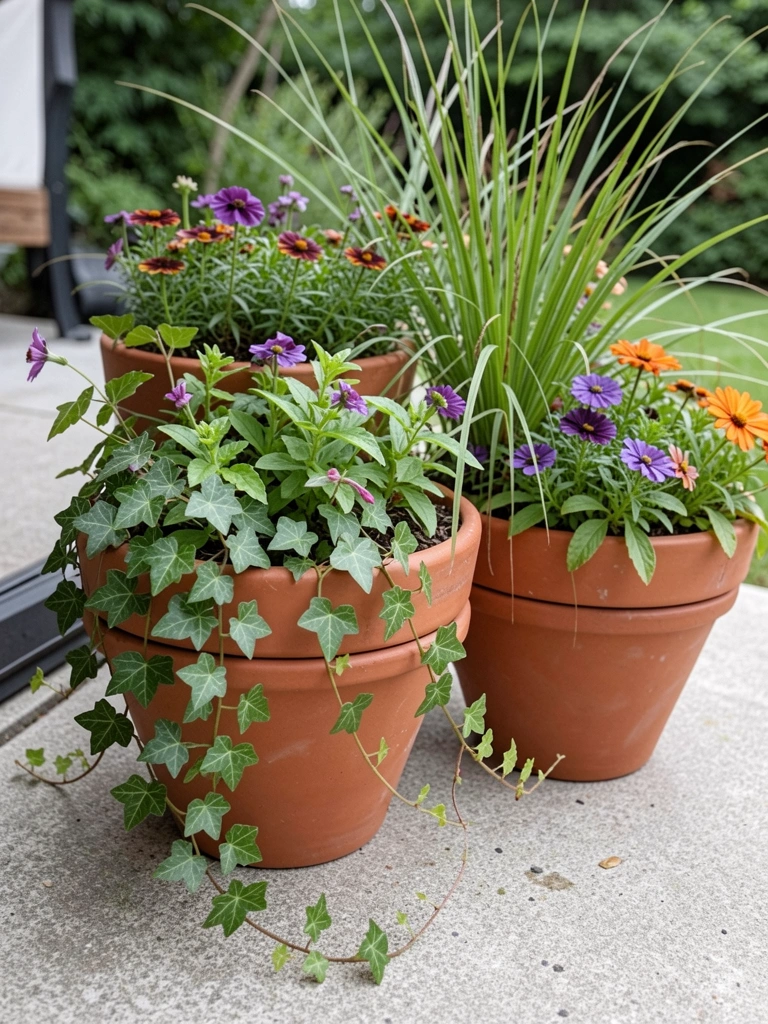
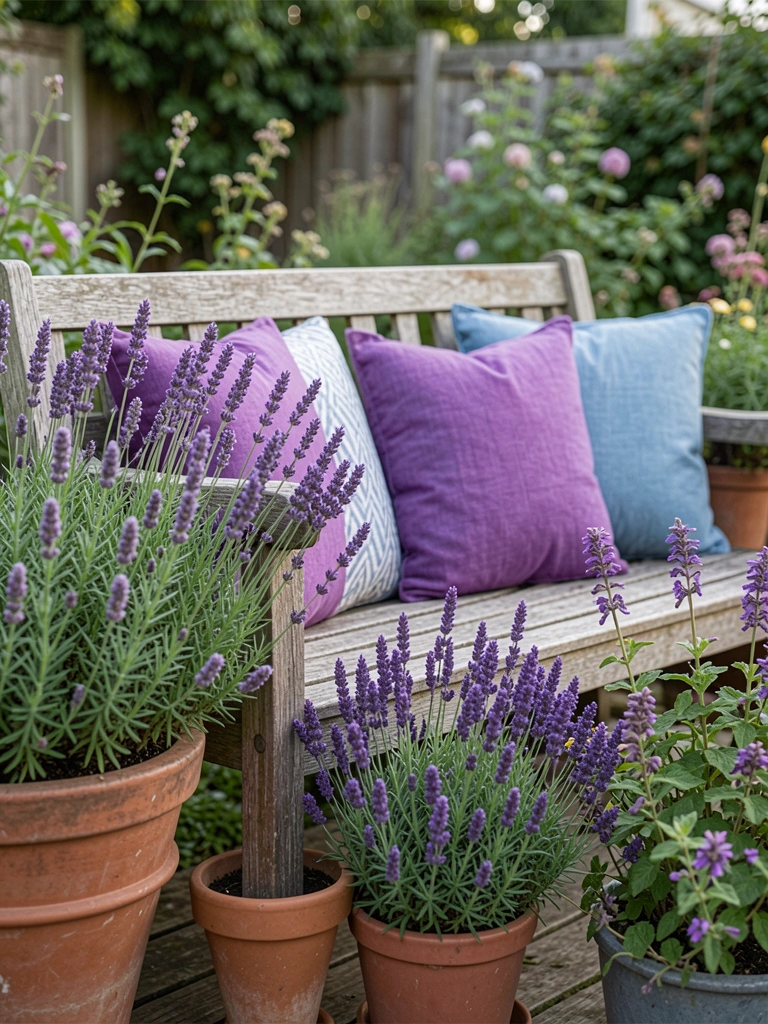
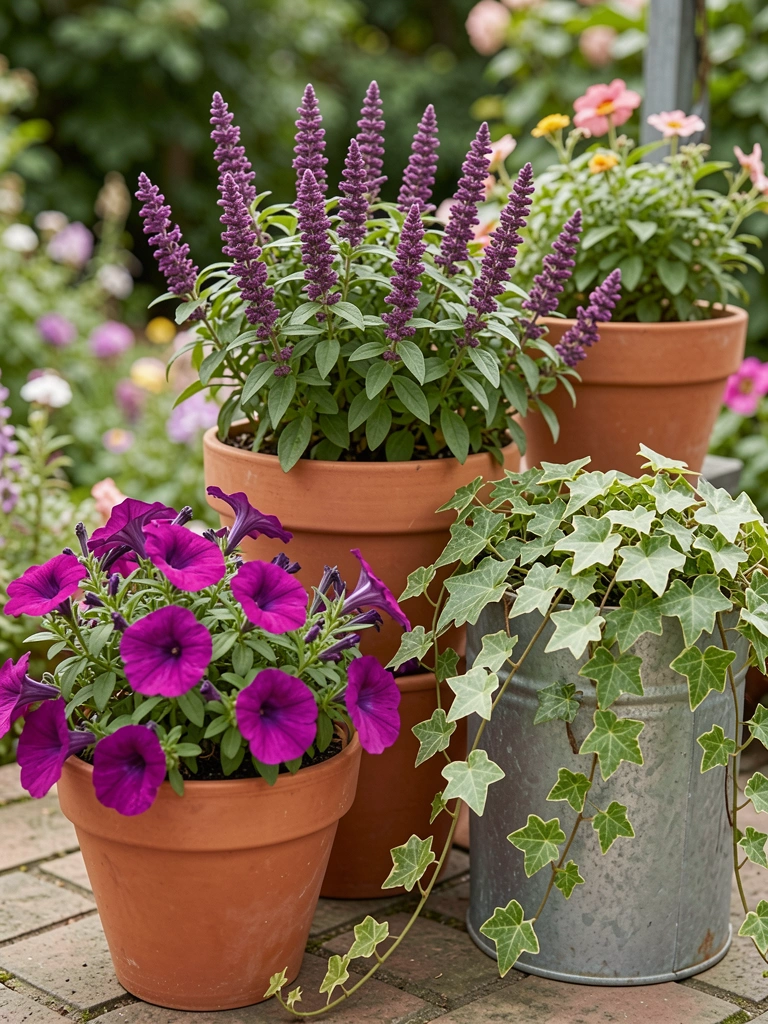
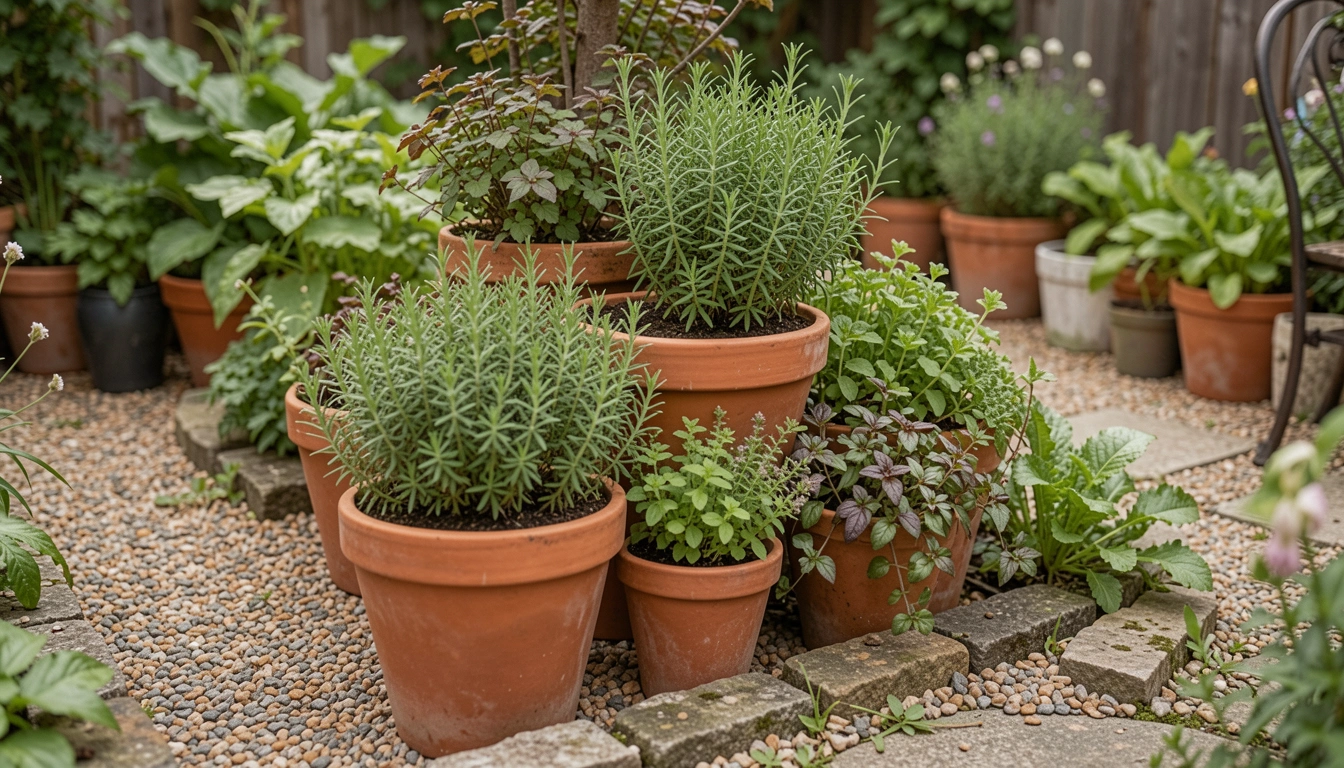
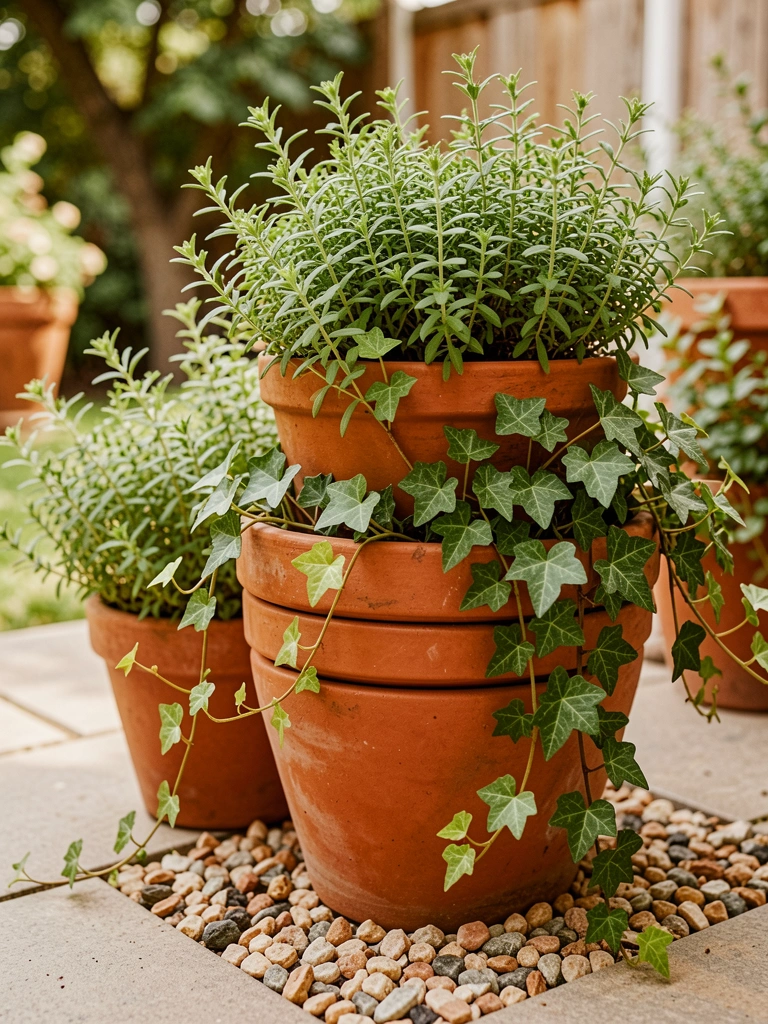
    I started with one pot on my patio corner, but it looked lonely. So I stacked three levels—tall grasses in back, medium herbs mid, trailers spilling forward. Suddenly the concrete vanished under green.

    The patio feels wrapped now, like sitting in a garden room. Wind rustles the leaves overhead. Evenings stay warmer with the plant buffer.

    Watch spacing—too tight, and roots fight. I overcrowded once, lost two plants to rot.

    Leave room to walk. Group in odd numbers for natural flow.

    What You’ll Need for This Look

    Large terracotta planters (18 inch)

    Medium ceramic pots in blue glaze

    Trailing ivy plants

    Lavender starter plants

    2. Vertical Herb Wall Right by the Seating
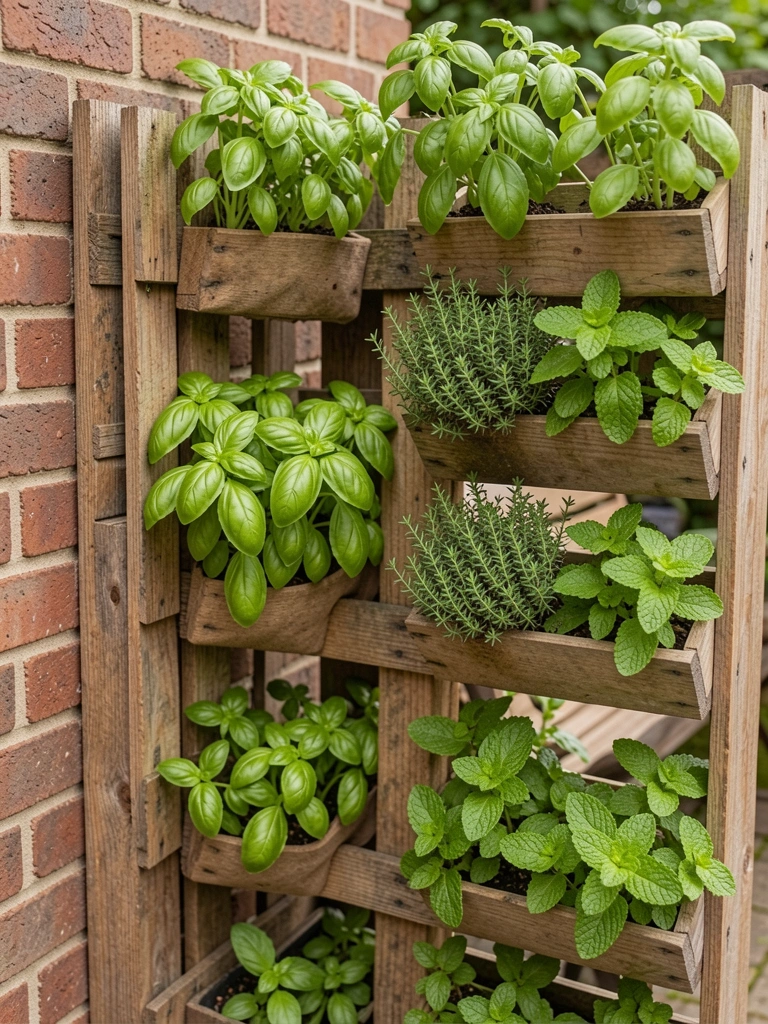
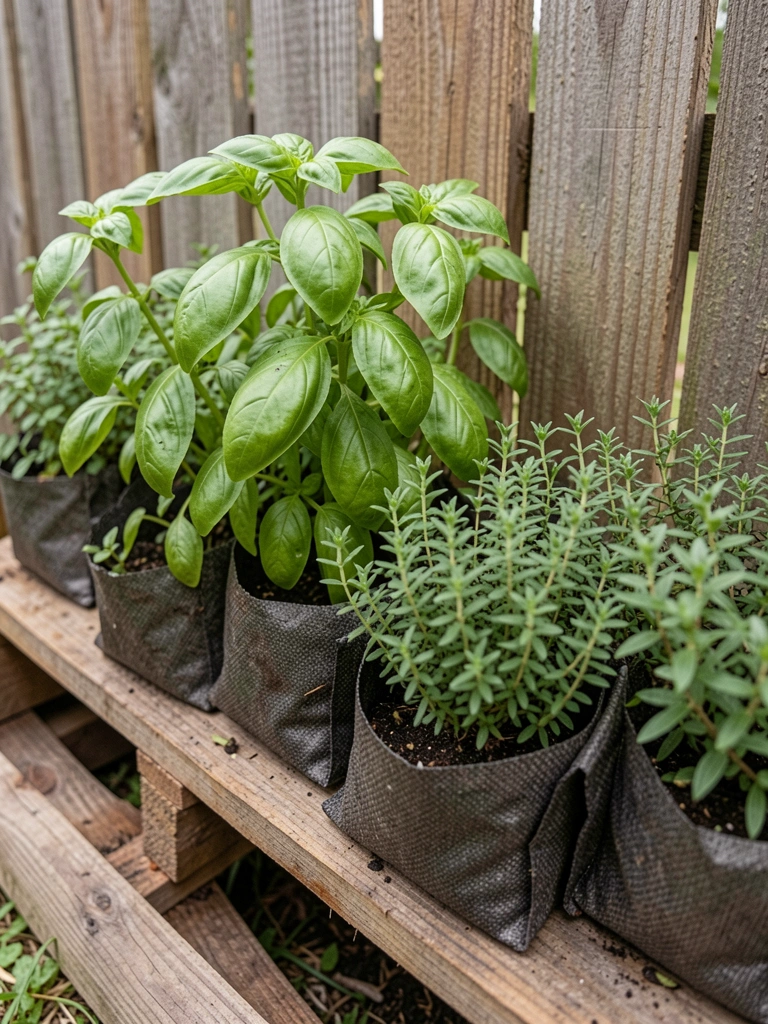
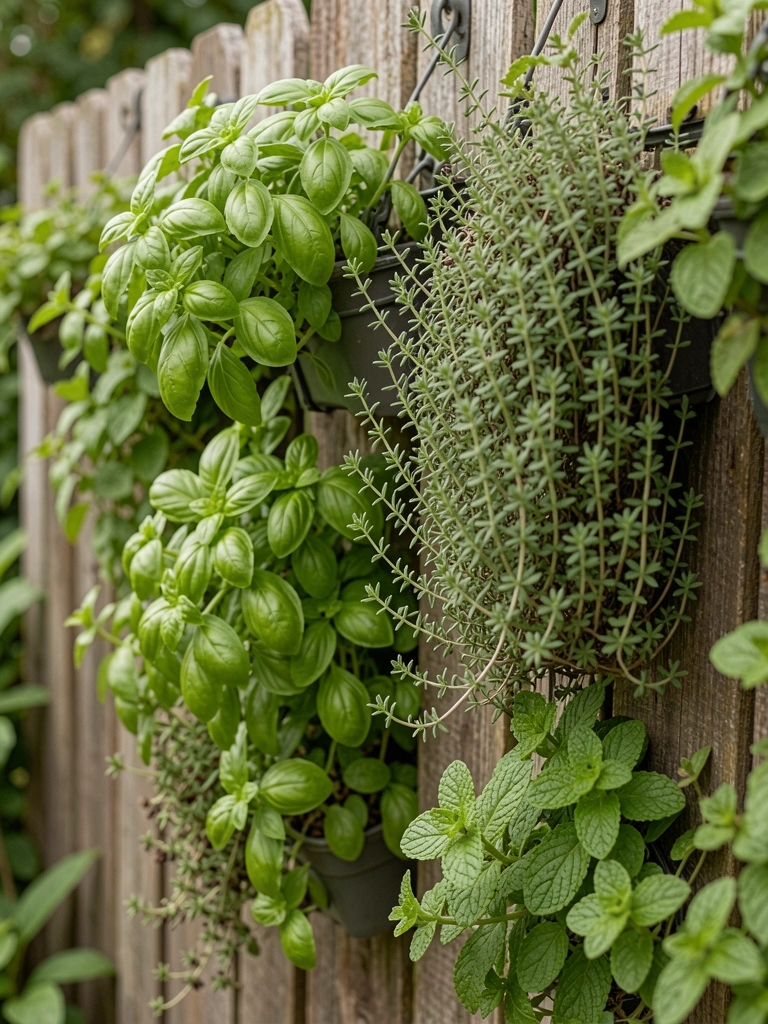
    My patio chairs faced bare fence. I nailed up a pallet, stuffed pockets with herbs. Now I snip rosemary mid-meal—no trekking across yard.

    It smells alive out there, especially mornings. Herbs brush your arm when you lean back. Patio turns kitchen extension.

    Overwatered mint once; it took over. Trim weekly, harvest often.

    Pick sunny wall spot. Herbs love heat off the stone.

    What You’ll Need for This Look

    Recycled wood pallet planter kit

    Basil herb starter pack

    Thyme plants in 4 inch pots

    Outdoor hose nozzle for precise watering

    3. Gravel and Stone Patio Border That Stays Tidy
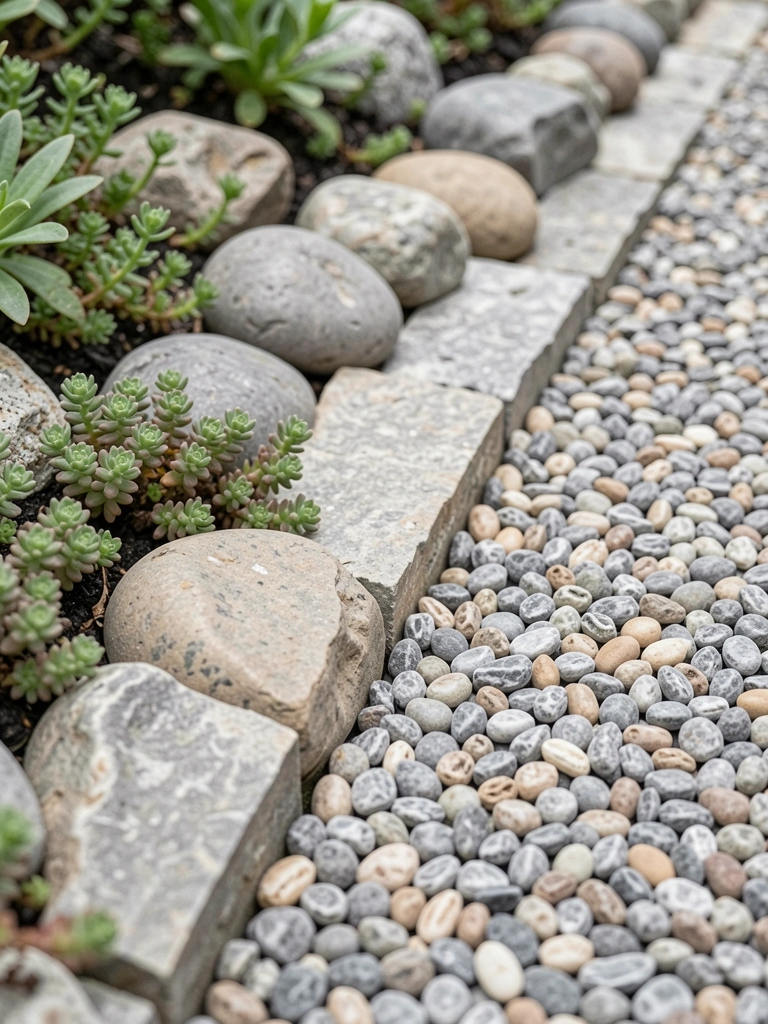
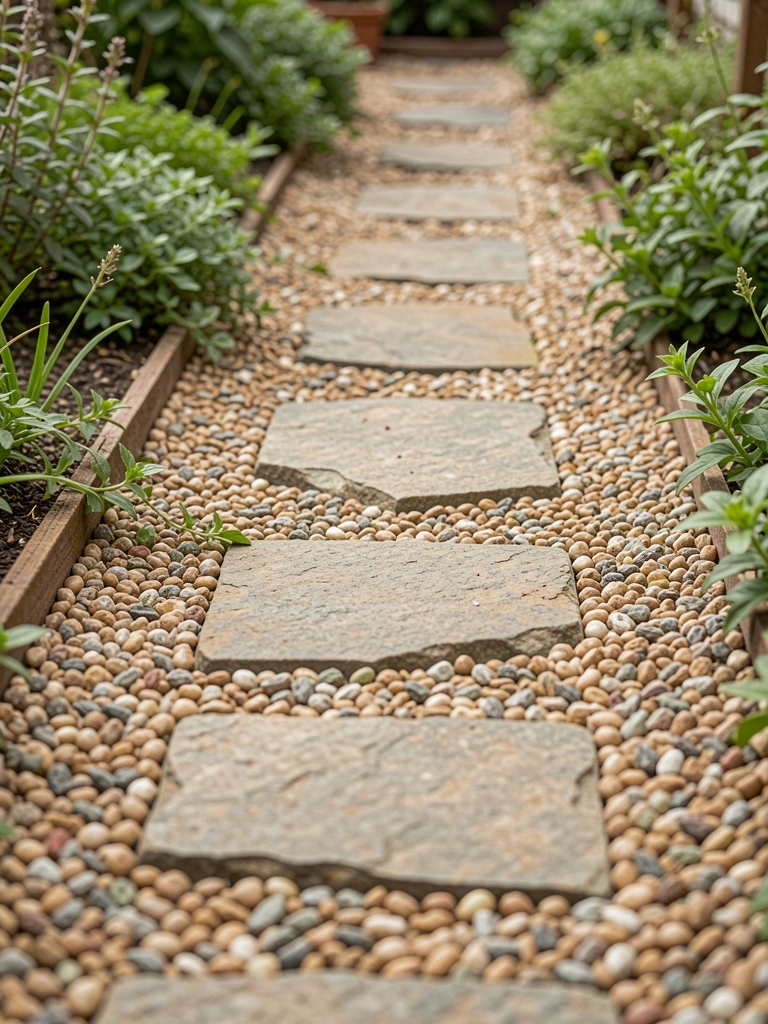
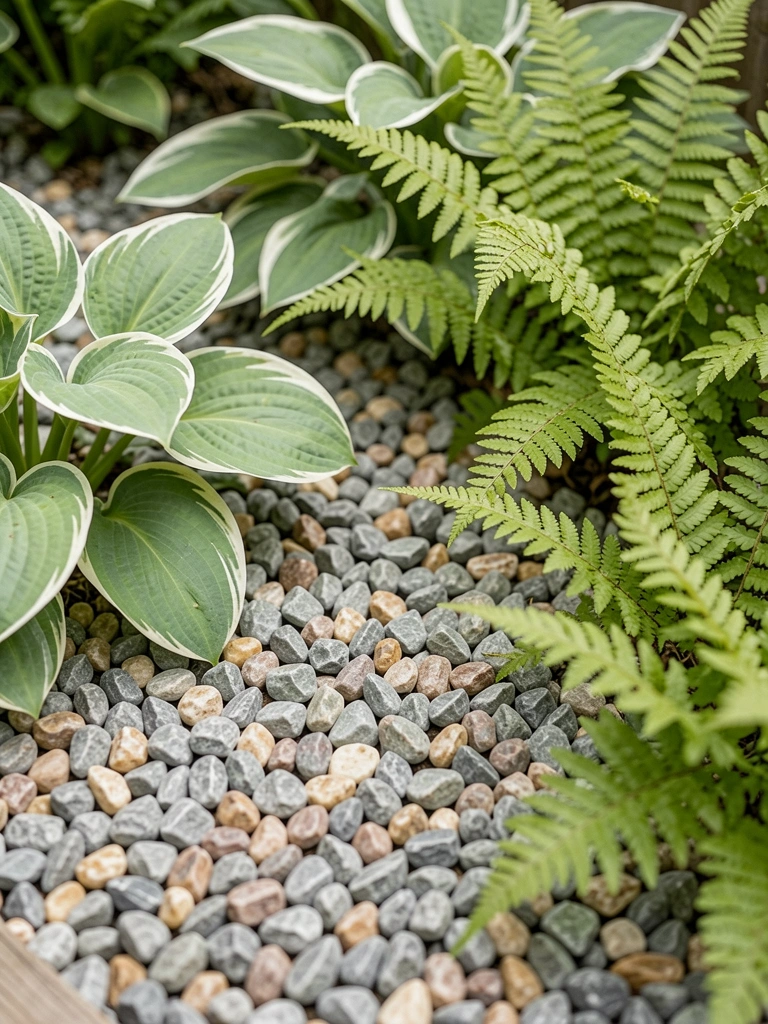
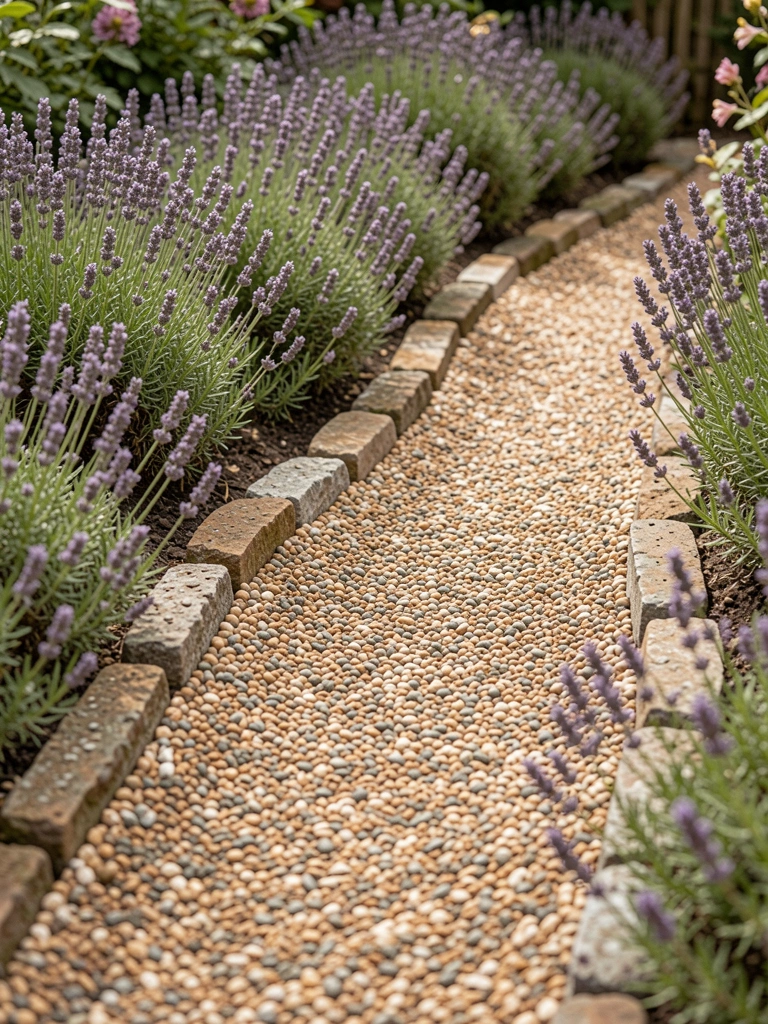
    Weeds crept onto my patio from grass edges. I dug a shallow trench, filled with gravel, topped with flat stones. Clean lines now, no mowing right up to seating.

    Feet feel good on it—crunchy, not muddy. Rain drains fast; patio dries quick.

    Bought fine gravel first; it shifted. Go pea-sized for stability.

    Rake monthly. Add low groundcover to soften.

    What You’ll Need for This Look

    Pea gravel bag (50 lb)

    River rock edging stones

    Sedum groundcover plants

    Landscape fabric underlay roll

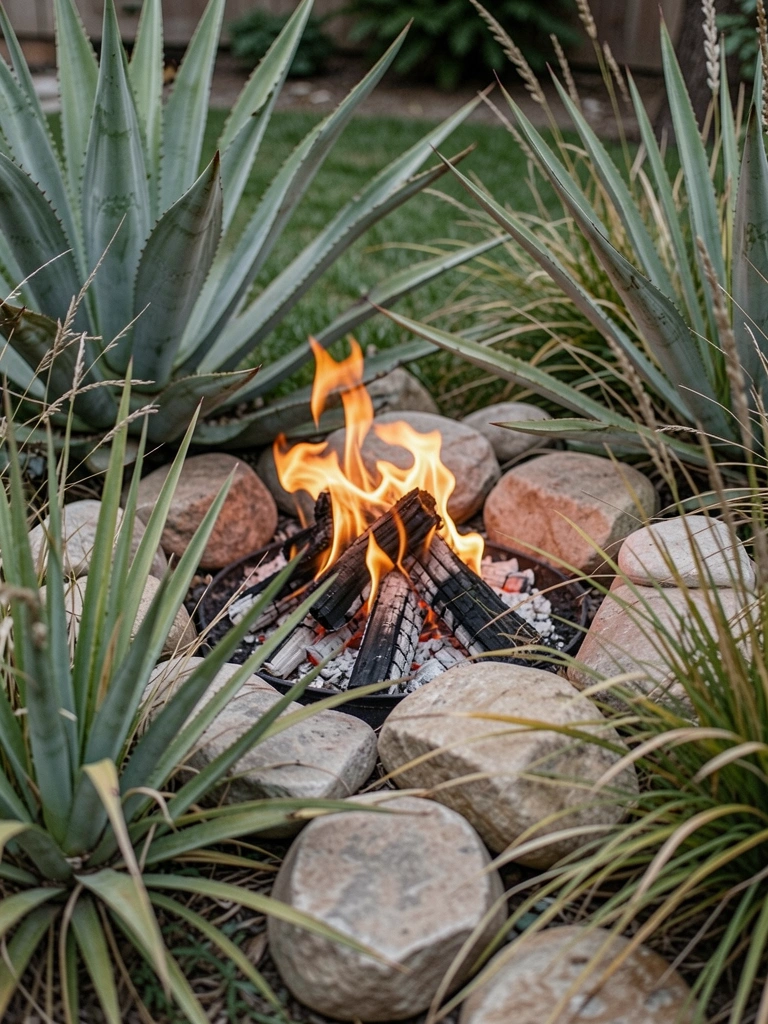
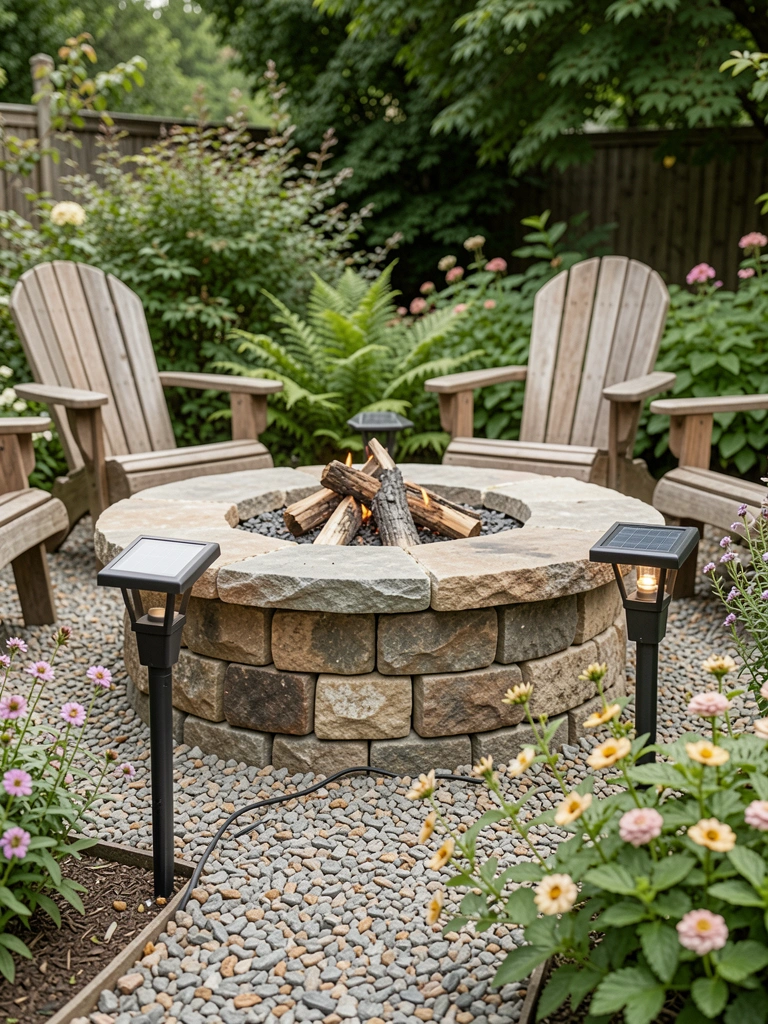
    4. Fire Pit Zone with Heat-Loving Plants
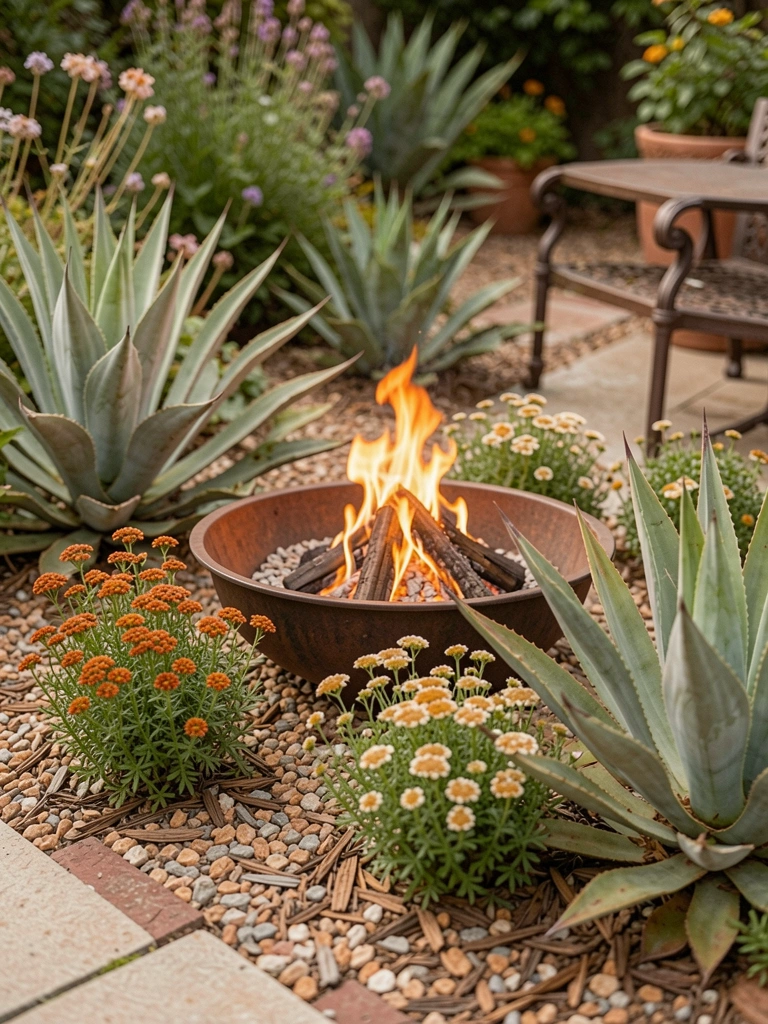
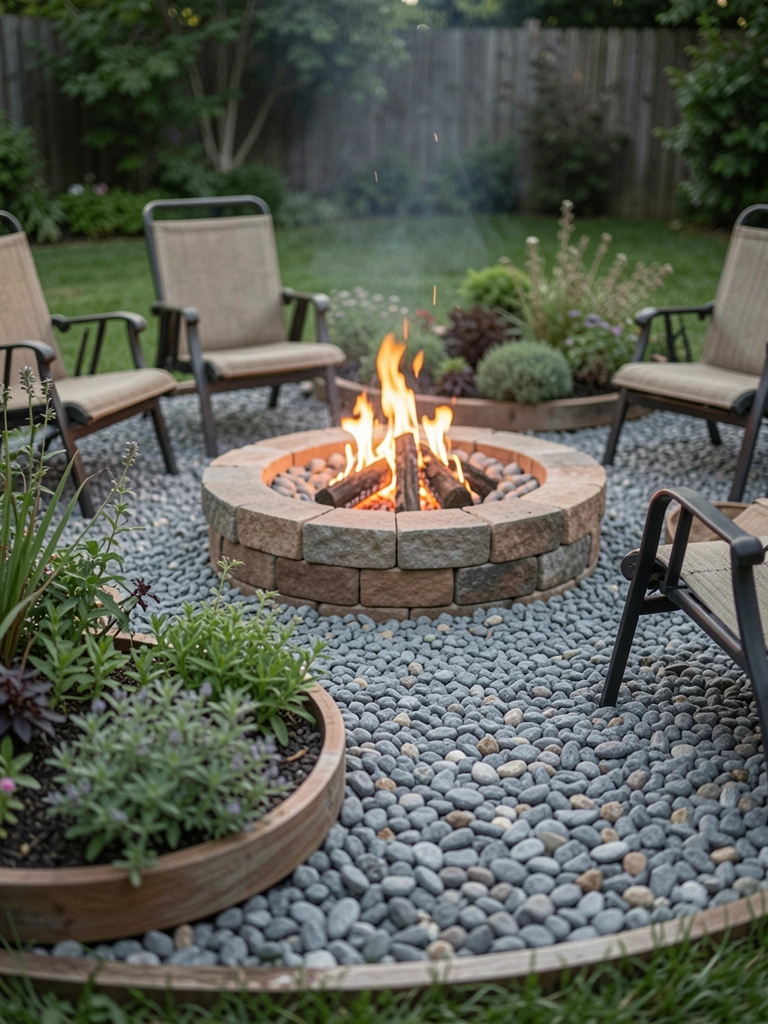
    Cold nights killed patio hangs. Added a simple pit, circled with tough plants that take heat. Now we roast marshmallows weekly.

    Flames reflect off leaves; space feels intimate. Plants hide the pit's base.

    Planted too close once; singed tips. Keep 3 feet clear.

    Choose drought-tough varieties.

    What You’ll Need for This Look

    Portable metal fire pit (36 inch)

    Agave succulent plants

    Yarrow perennials in yellow

    Gravel mulch for heat zone

    5. Overhead Vine Pergola for Dappled Shade
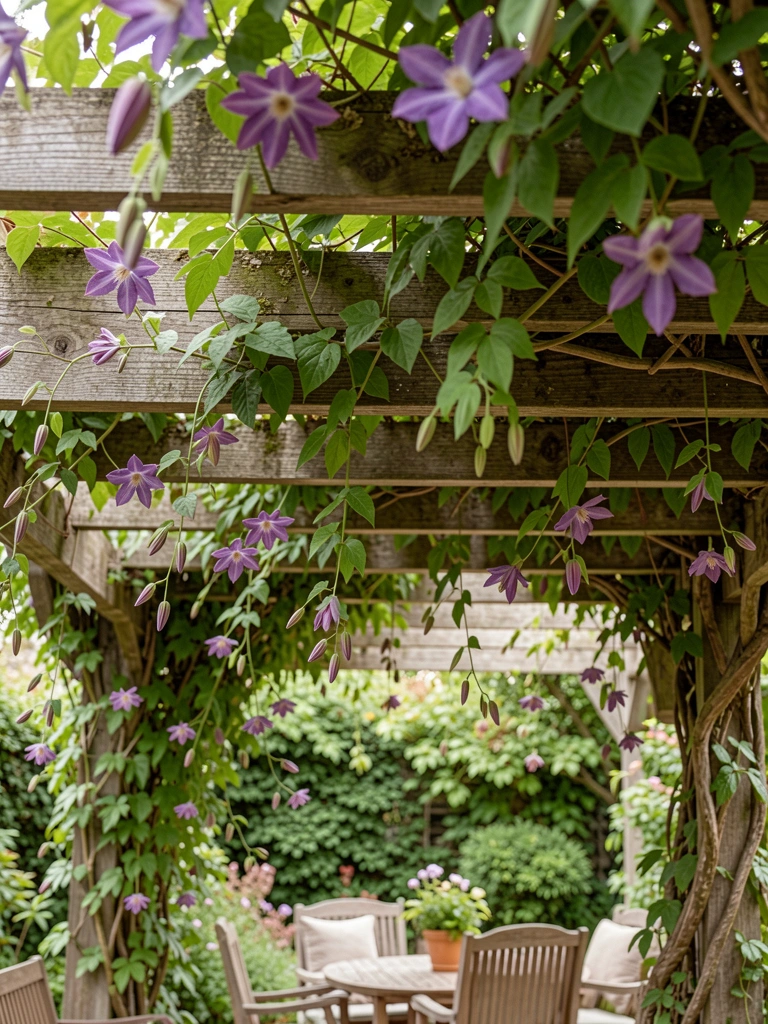
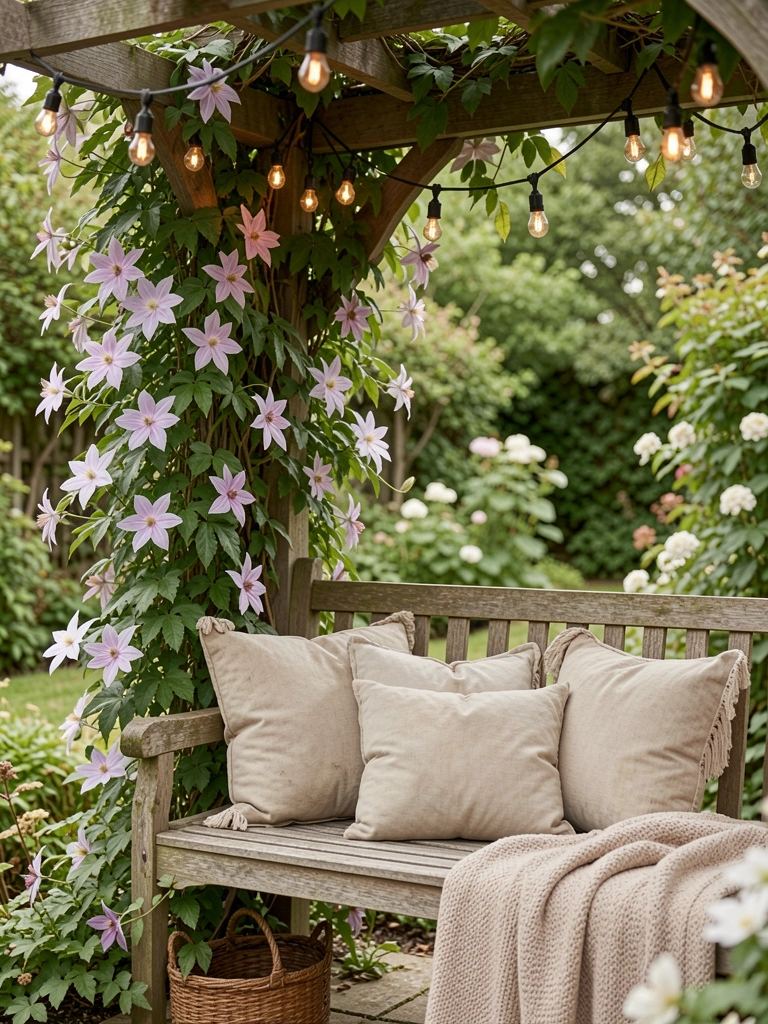
    Full sun baked my patio table. Built a basic pergola from lumber, trained vines over top. Shade filters down gentle.

    Sitting feels sheltered, like a hut. Vines whisper in breeze.

    Vines grew wild first year; prune spring. Start with fast climbers.

    Anchor posts deep.

    What You’ll Need for This Look

    DIY pergola kit in cedar

    Clematis vine starters

    Heavy duty post anchors

    Pruning shears for vines

    6. Built-In Bench with Backrest from Reclaimed Wood
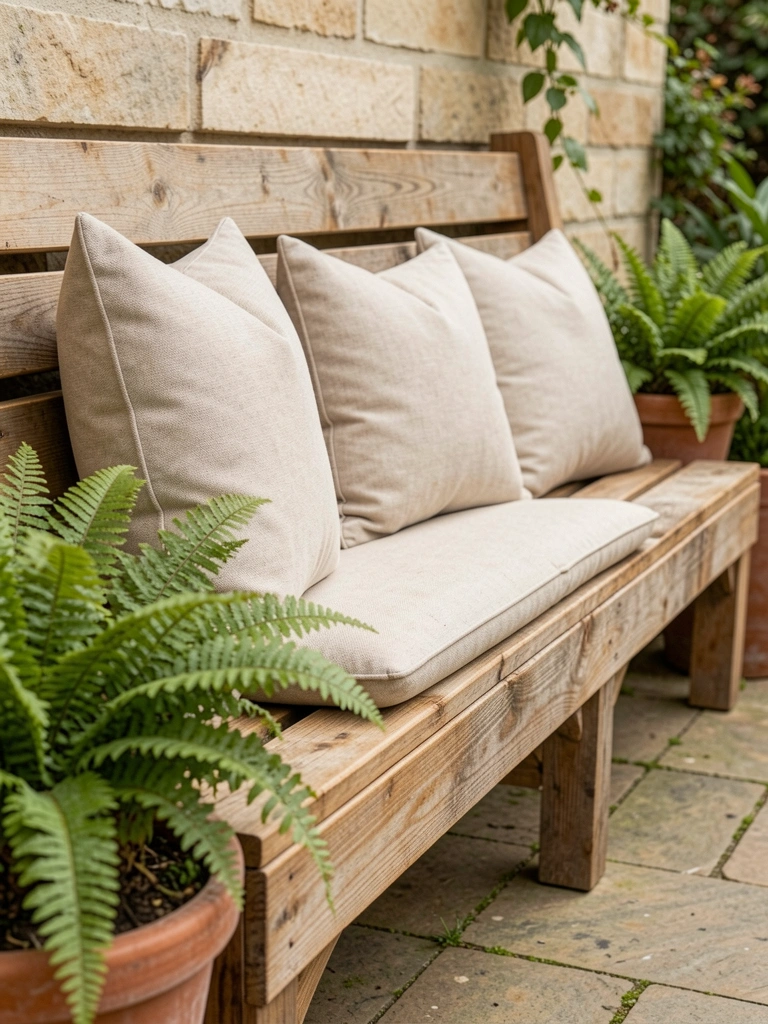
    Chairs blew over in wind. Nailed together a bench from old fence boards against the patio wall. Sturdy spot to read now.

    Wood warms in sun; plants frame it soft. Feels permanent.

    Sand rough edges—splinters hurt first sit.

    Seal against rain.

    What You’ll Need for This Look

    Reclaimed wood plank set

    Outdoor bench cushions (gray)

    Fern plants in hanging pots

    Wood sealer spray

    7. Small Fountain in the Patio Corner

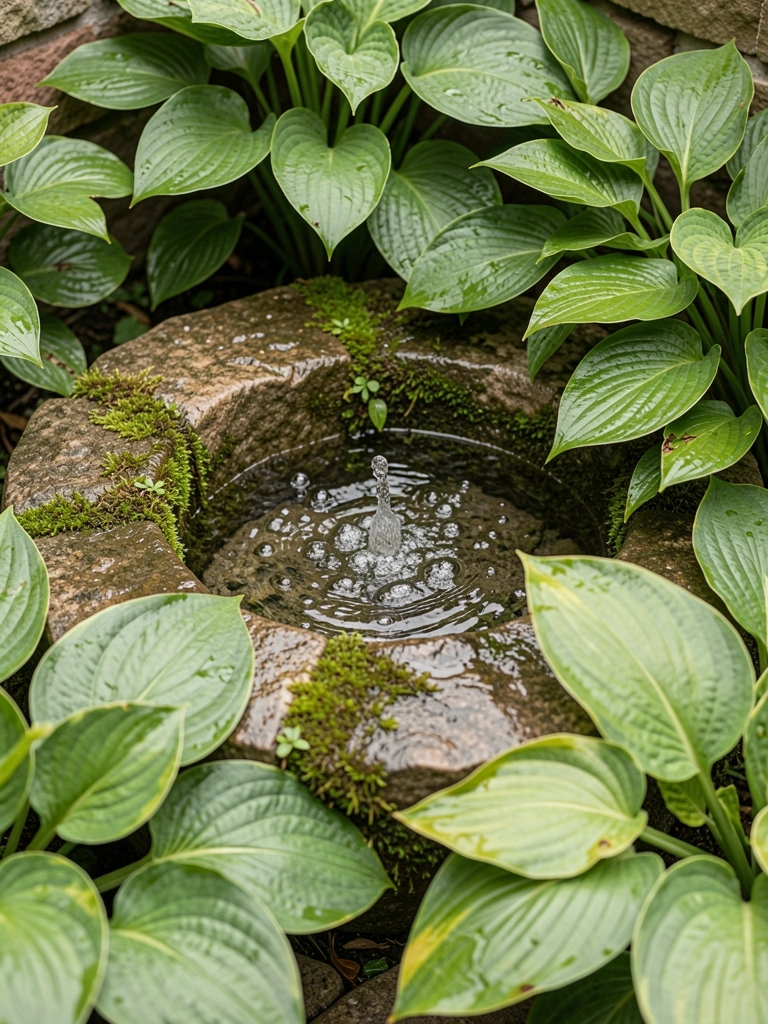
    Quiet patio got noisy neighbors. Tucked a solar fountain in corner, added shade plants. Water trickles constant.

    Masks traffic; birds bathe daily. Corner feels alive.

    Pumped dry once—no sun. Site for full day light.

    Clean monthly.

    What You’ll Need for This Look

    Solar powered fountain pump

    Stone basin planter (24 inch)

    Hostas shade plants

    Sphagnum moss for base

    8. Edible Berry Bushes Along the Patio Edge
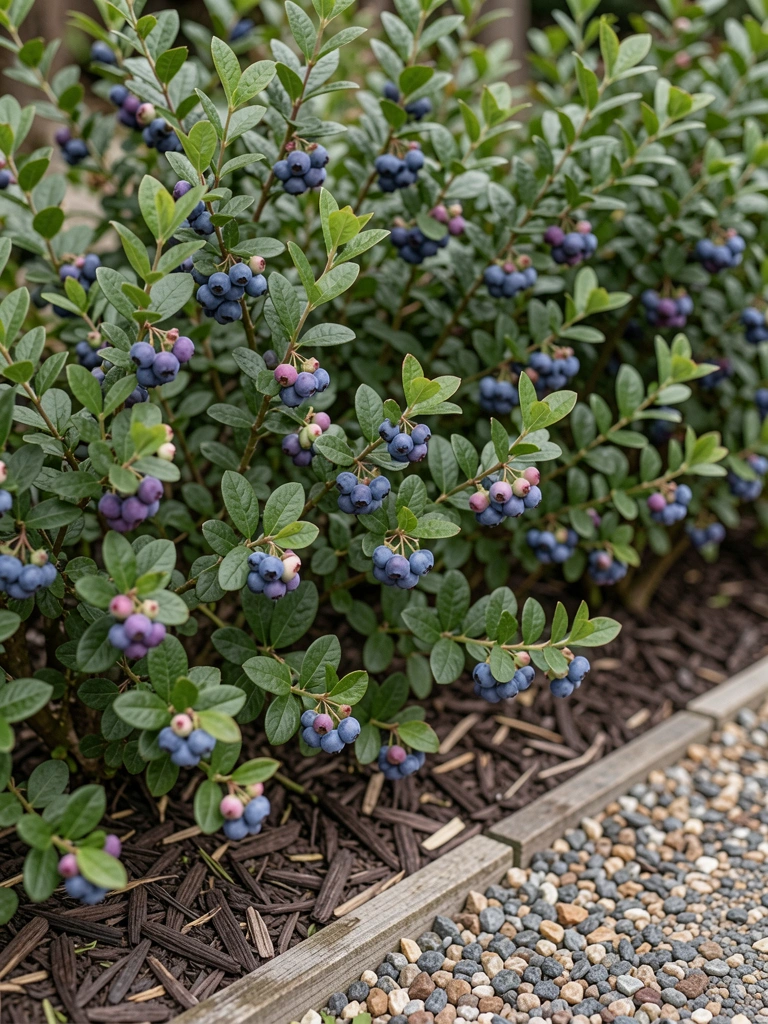
    Bought strawberries; they sprawled messy. Switched to compact blueberries along patio. Pick handfuls with coffee.

    Berries scent the air sweet. Edge feels productive, not wild.

    Net for birds—lesson learned.

    Acid soil mix.

    What You’ll Need for This Look

    Compact blueberry bush duo

    Berry netting kit

    Acid loving plant fertilizer

    Organic mulch bark

    9. String Lights Draped Casually Over Seating
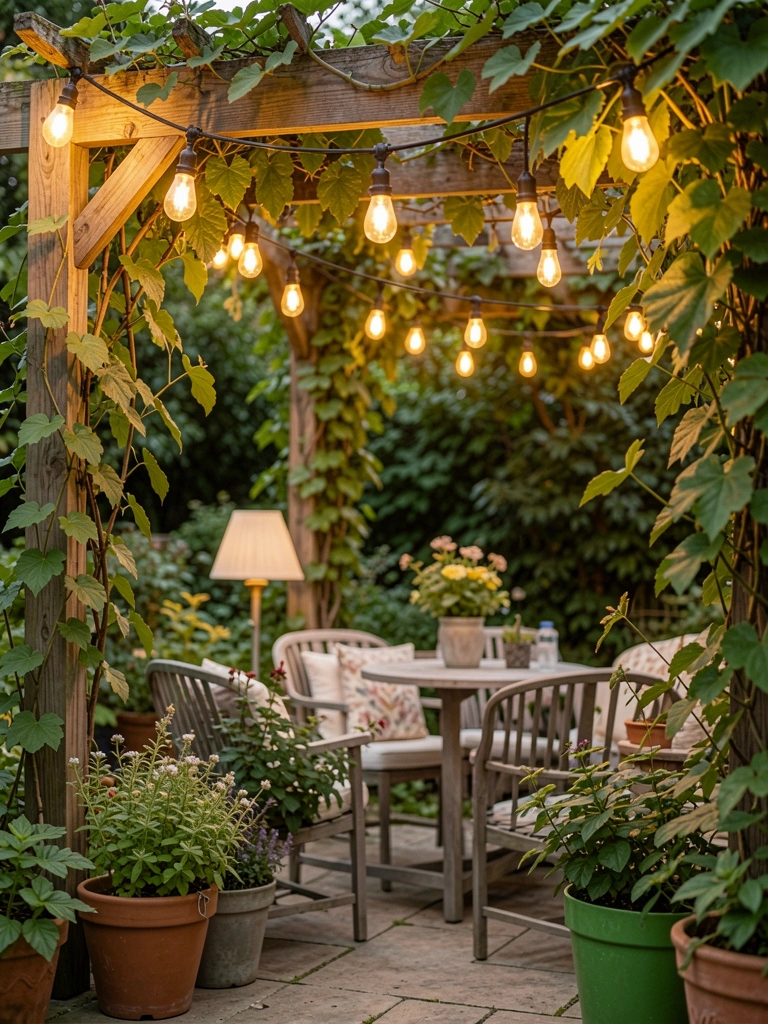
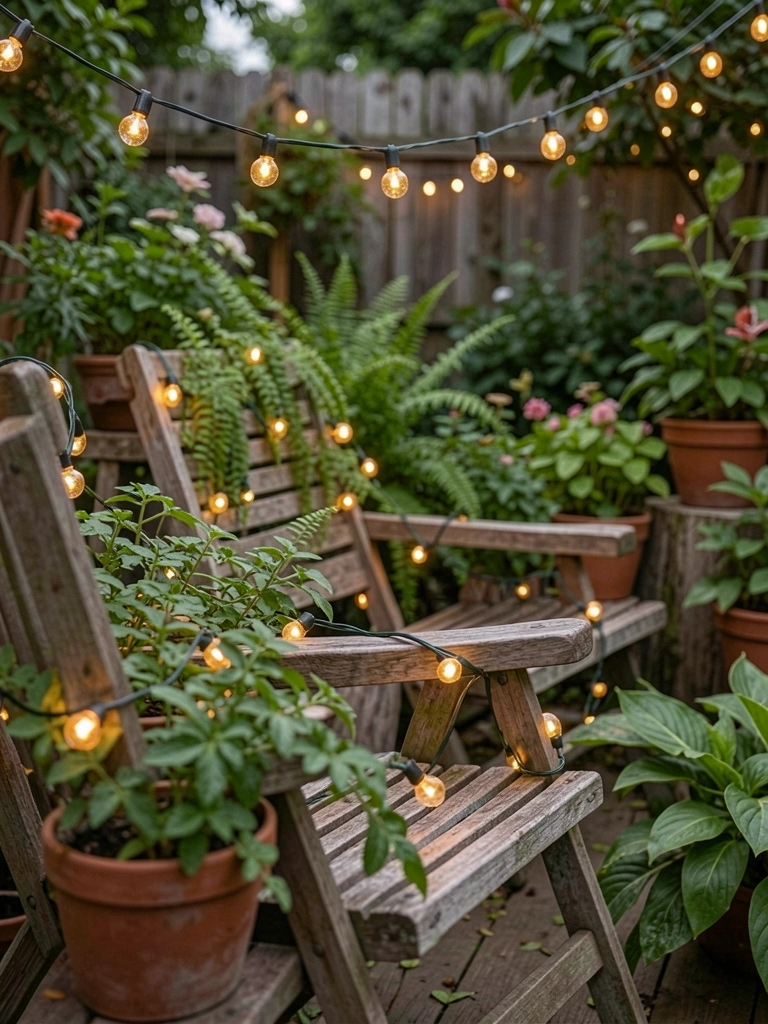
    Dark after 7 PM killed evenings. Hung Edison bulbs loose from pergola to fence. Glow pulls you out late.

    Lights catch dew on leaves; patio hums soft.

    Overloaded extension once—fused. Use outdoor rated.

    Layer heights.

    What You’ll Need for This Look

    Edison string lights (50 ft, warm white)

    Outdoor extension cord (heavy duty)

    Shepherd hook stakes for hanging

    10. Mulched Pathways Between Patio and Beds
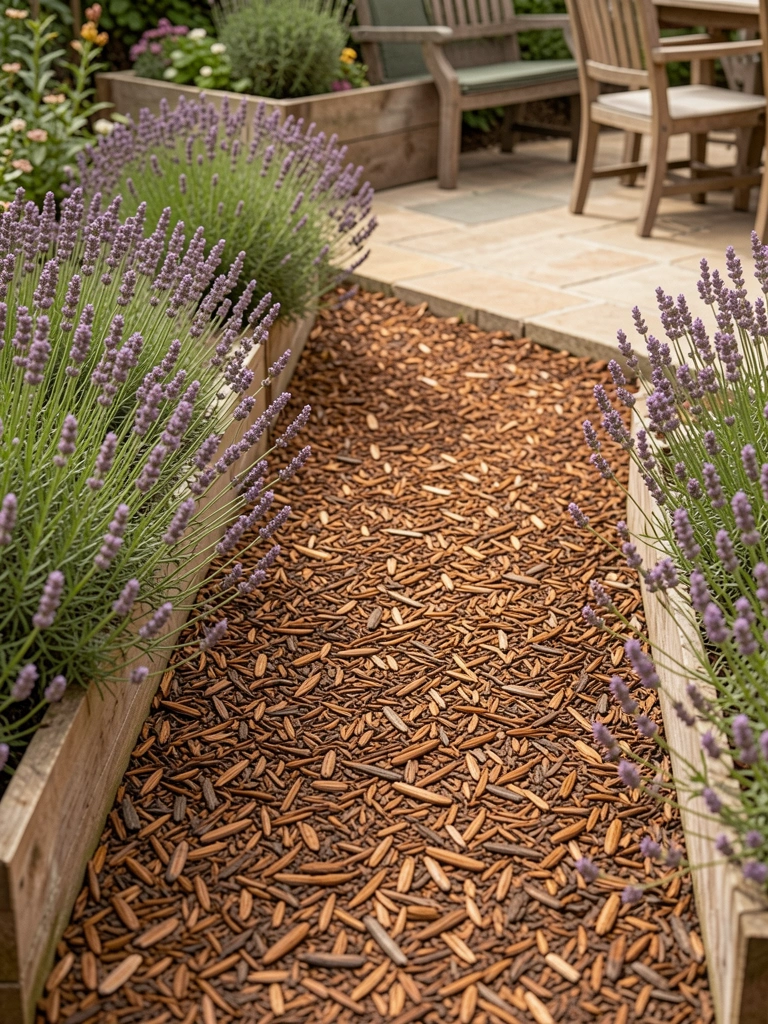
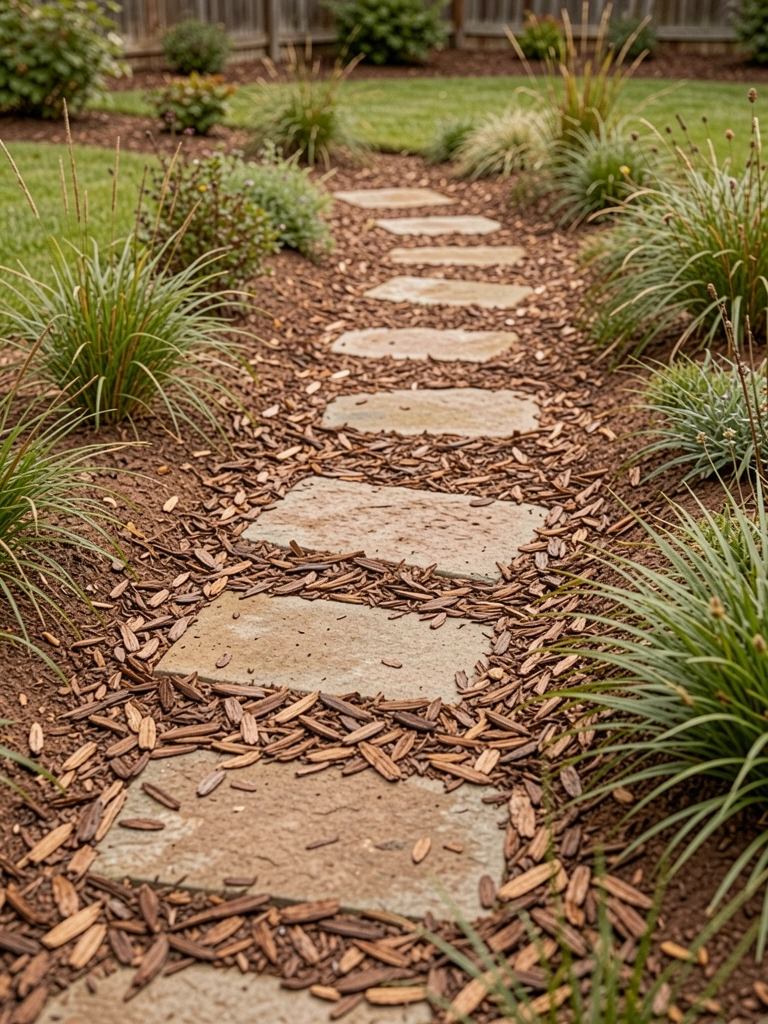
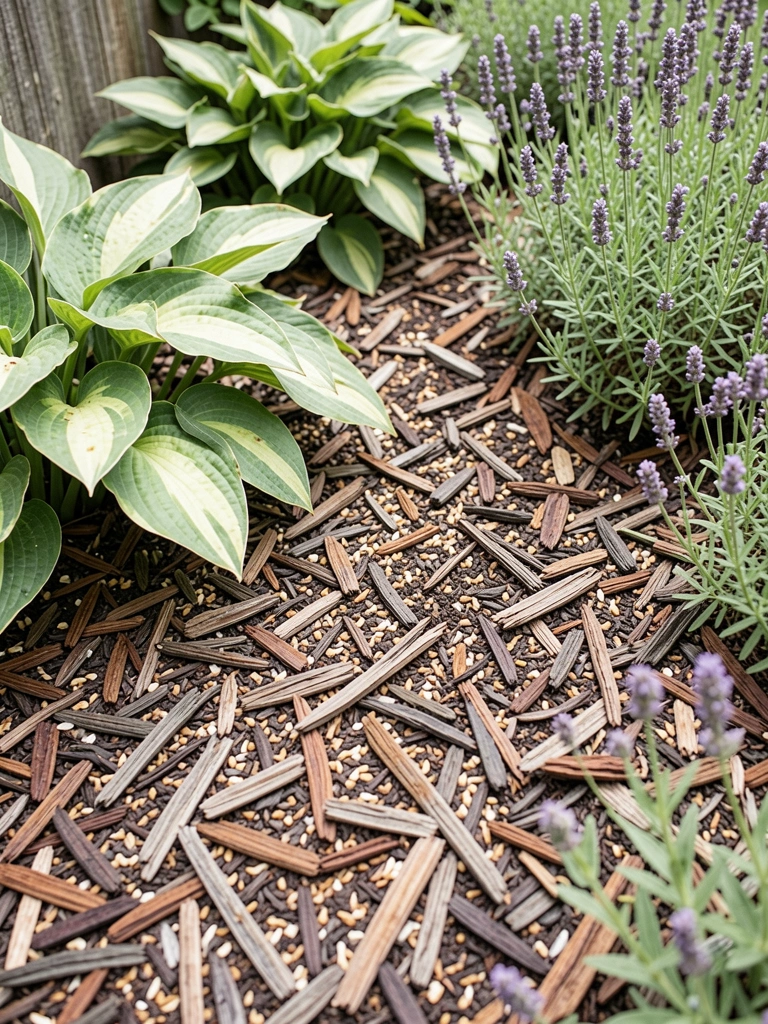
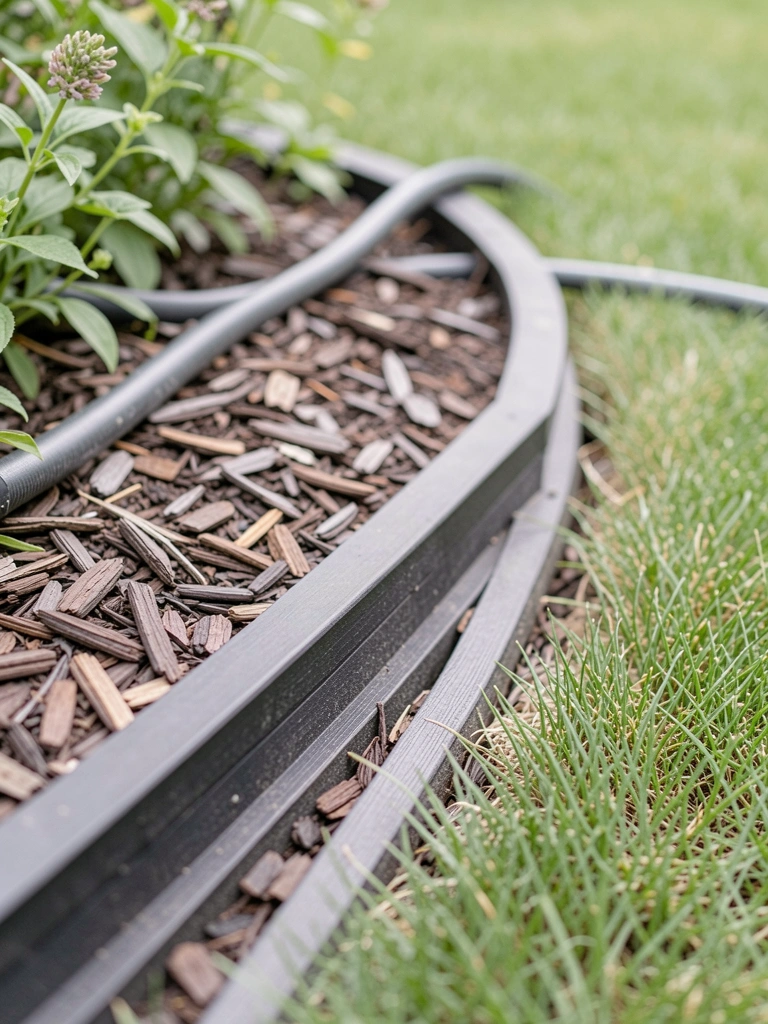
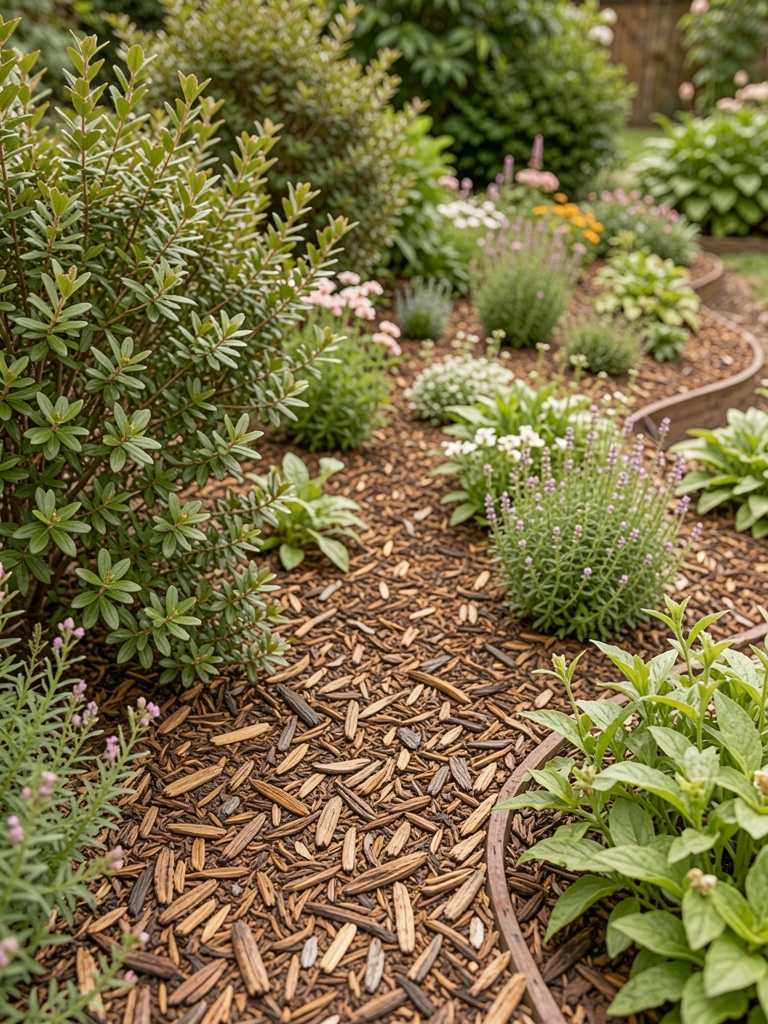
    Mud tracked everywhere post-rain. Spread wood chips in curves from patio to beds. Feet stay dry.

    Paths invite wandering; beds feel accessible.

    Fresh chips sprout weeds—age them first.

    Refresh yearly.

    What You’ll Need for This Look

    Aged wood chip mulch (2 cu ft)

    Landscape edging strips (flexible)

    Lavender edging plants

    11. Pollinator Meadow Patch Beside Lounge Chairs
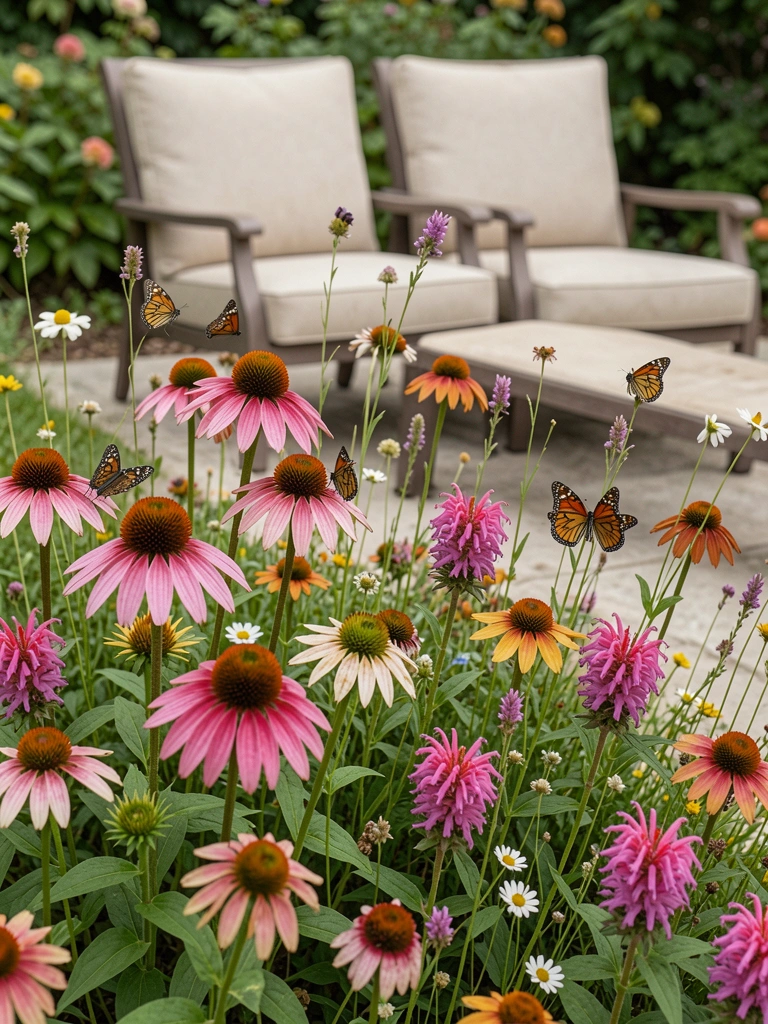
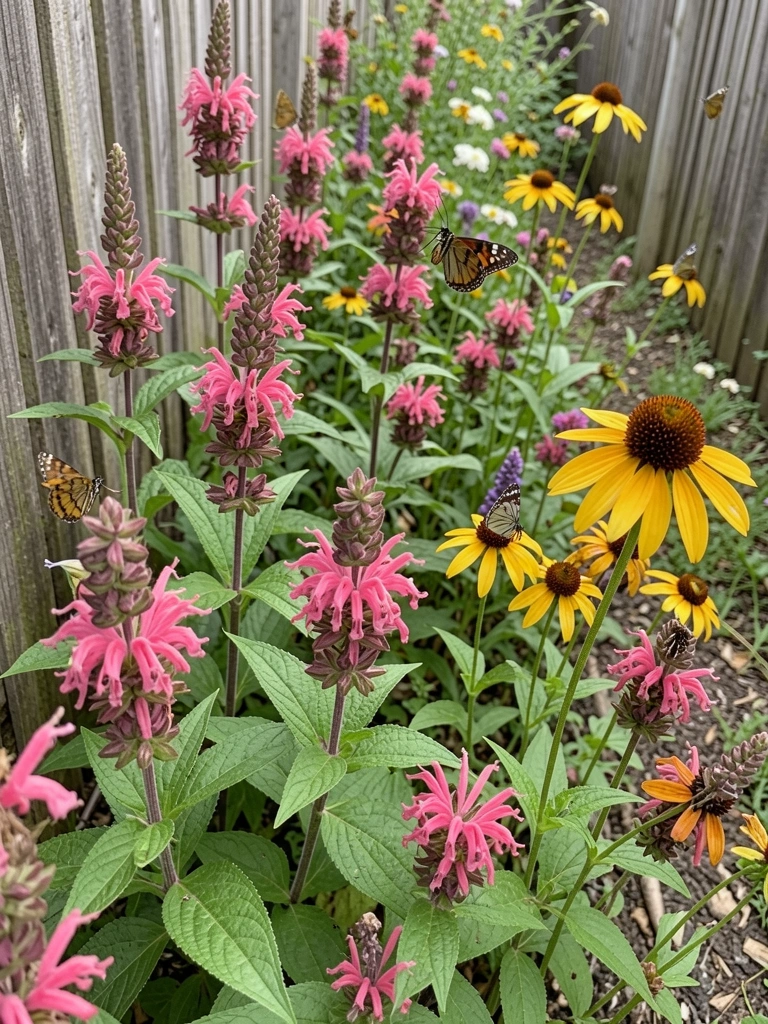
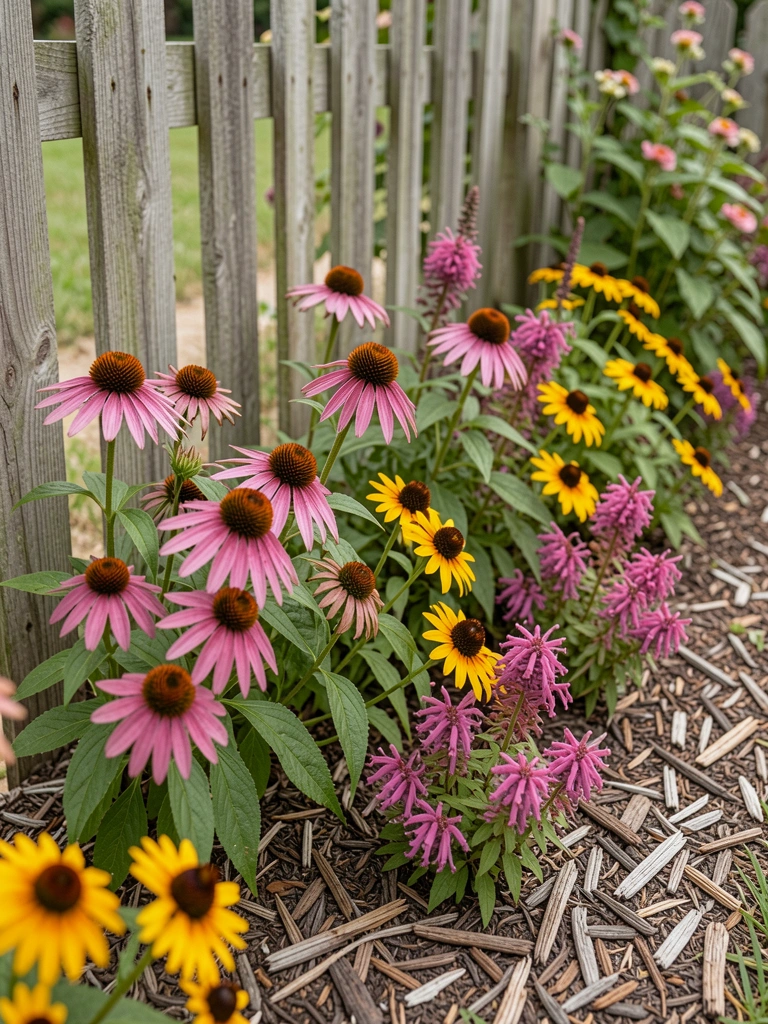
    No bees meant no veggies. Seeded a 4×4 patch of natives by chairs. Bees buzz close now.

    Flowers sway colorful; air alive with wings.

    Deadheaded wrong—reseeds fine left alone.

    Sunny, dry spot.

    What You’ll Need for This Look

    Native pollinator seed mix

    Coneflower echinacea plants

    Bee balm monarda starters

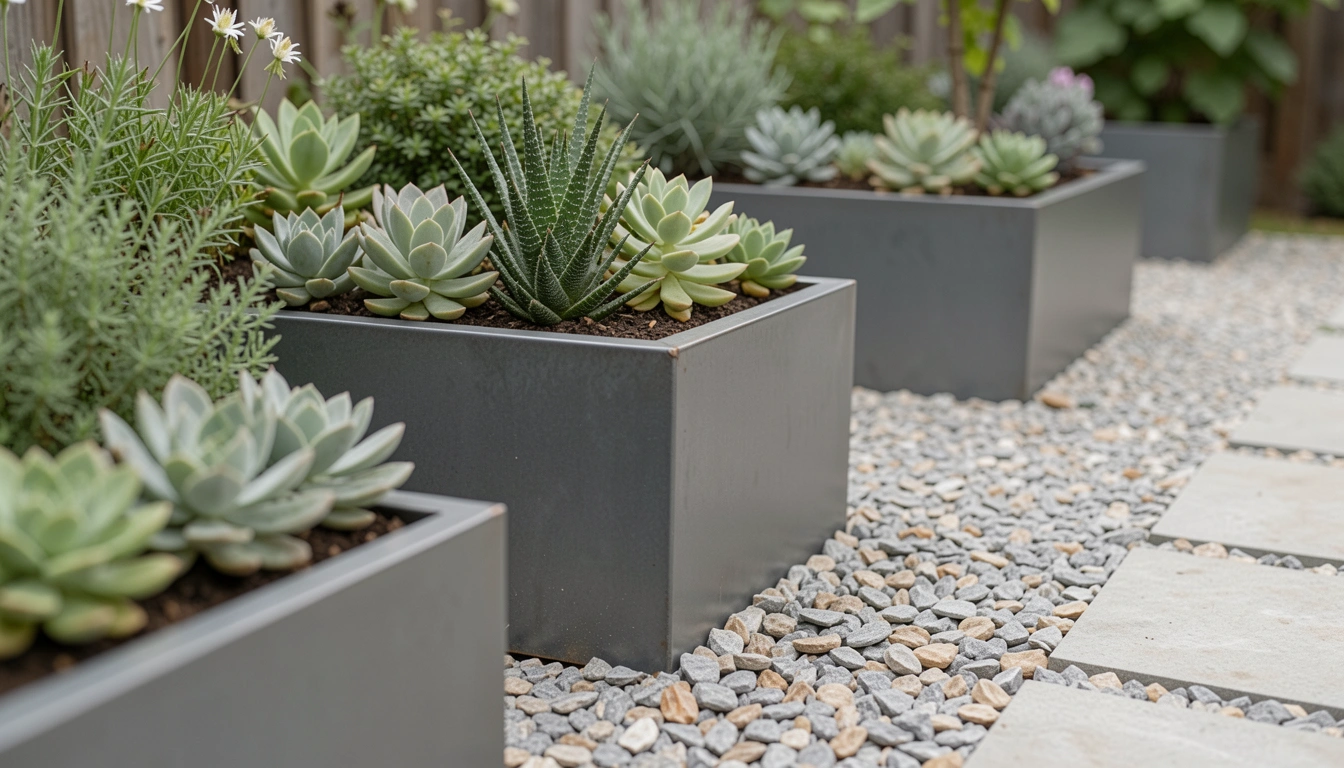
    12. Modern Succulent Arrangements in Geometric Pots
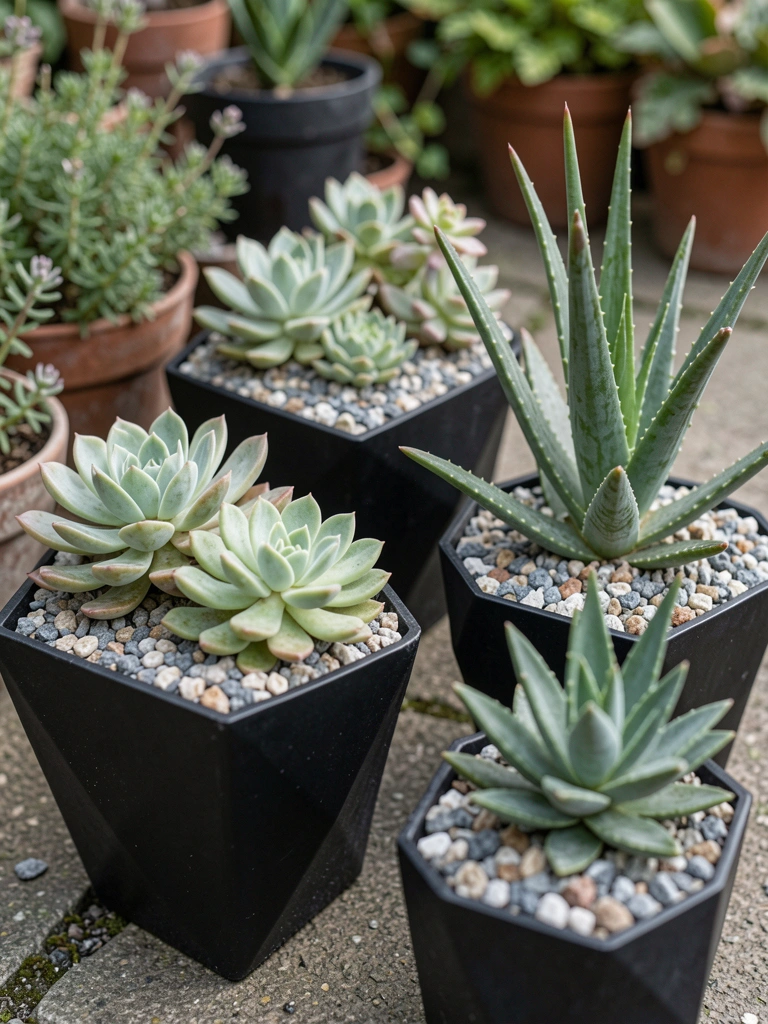
    Fussy flowers wilted fast. Grouped succulents in sharp pots along ledge. Crisp, low-water look.

    They glow at dusk; patio feels sleek.

    Forgot drainage—repotted all. Holes essential.

    Group by size.

    What You’ll Need for This Look

    Geometric concrete planters (set of 3)

    Echeveria succulent assortment

    Aloe vera plants small

    Decorative gravel topdressing

    13. Cozy Hammock Hangout Spot Tucked by Greenery
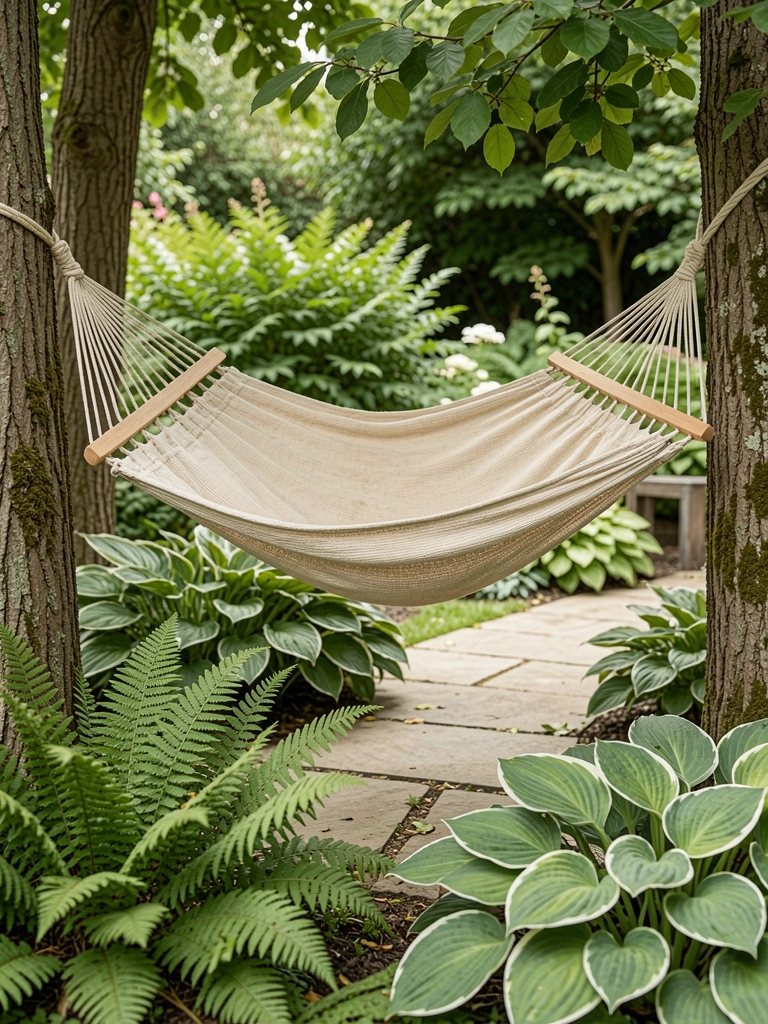
    No lazy afternoons. Rigged hammock between posts, screened with ferns. Sway spot now.

    Leaves overhead; world fades. Patio nearby for drinks.

    Sagged low first—stronger ropes.

    Level anchors.

    What You’ll Need for This Look

    Two-person cotton hammock (Brazilian style)

    Hammock stand steel frame

    Fern understory plants

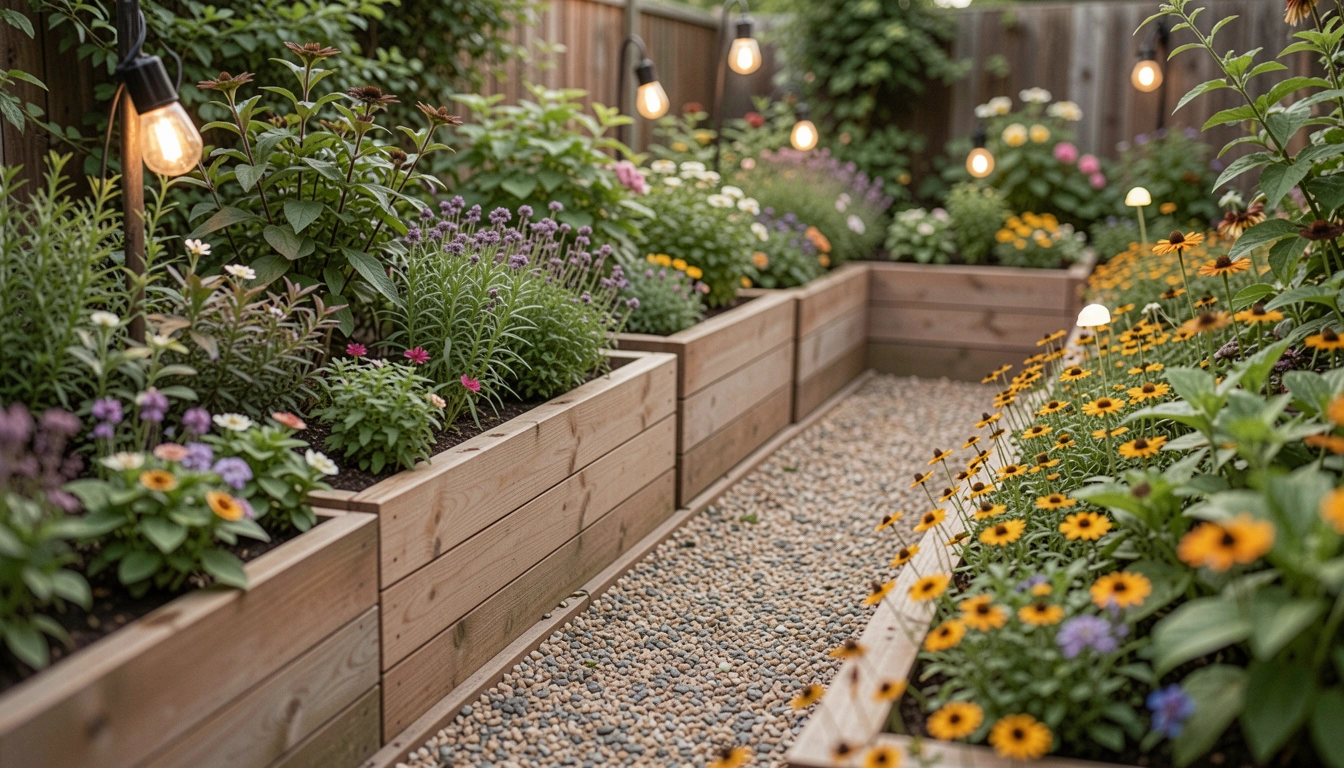
    14. Raised Beds Framing the Patio Sides
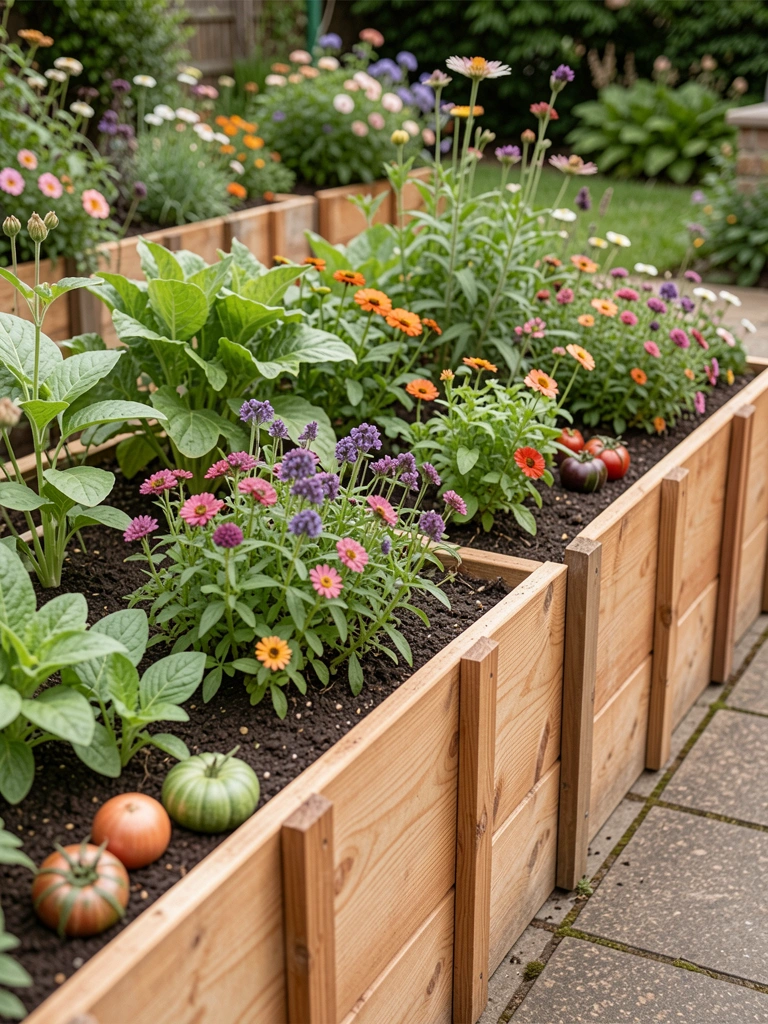
    Patio floated alone. Built 2-foot beds parallel, filled with annuals. Frames it snug.

    Harvest steps away; colors hug the space.

    Leveled wrong—tilted. Check ground first.

    Drainage holes.

    What You’ll Need for This Look

    Cedar raised bed kit (4×8 ft)

    Potting soil bulk bag

    Trailing petunia seeds

    15. Colorful Annuals in Hanging Baskets Overhead
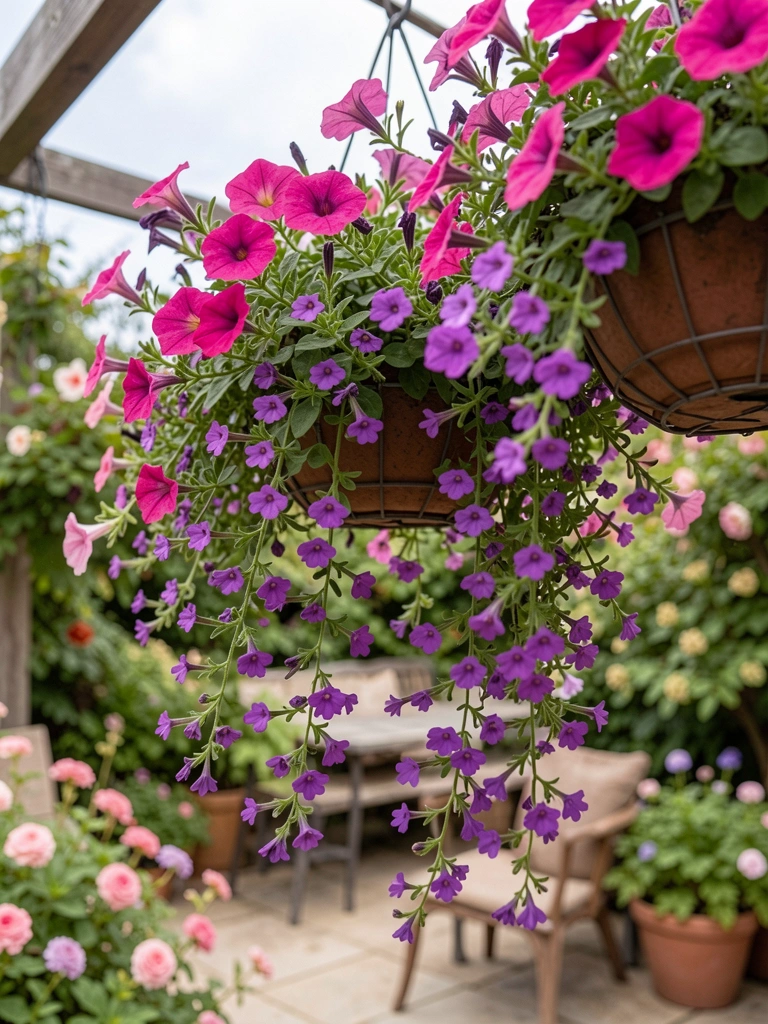
    Blank eaves dripped rain. Hung baskets full of annuals. Blooms swing gentle.

    Color pops against stone; shade underneath.

    Watered from below—lesson, they dry fast.

    Feed weekly.

    What You’ll Need for This Look

    Wire hanging baskets (12 inch, set of 4)

    Petunia annual plant pack

    Lobelia trailing flowers

    Slow release fertilizer spikes

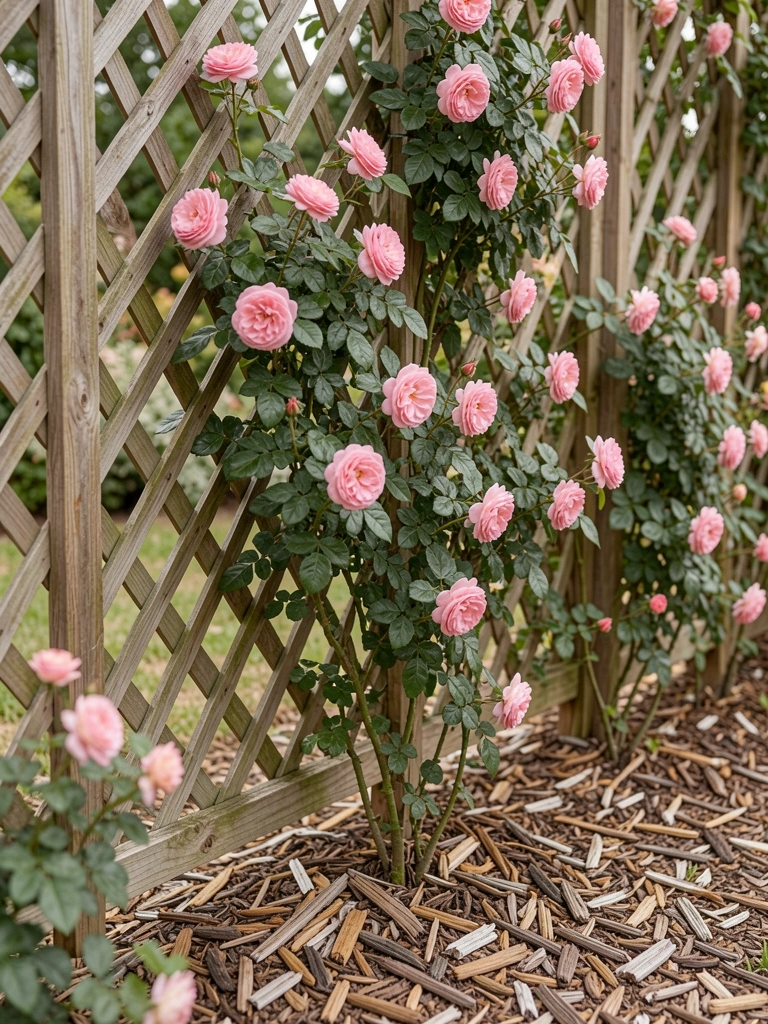
    16. Rustic Trellis for Climbing Roses by the Table
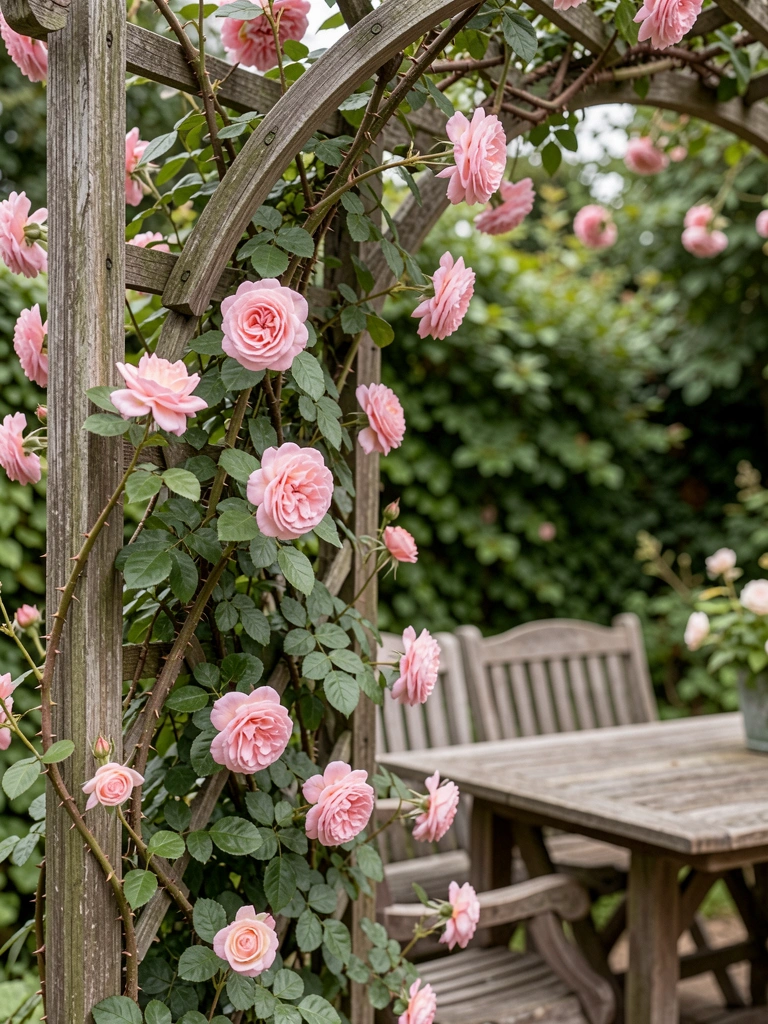
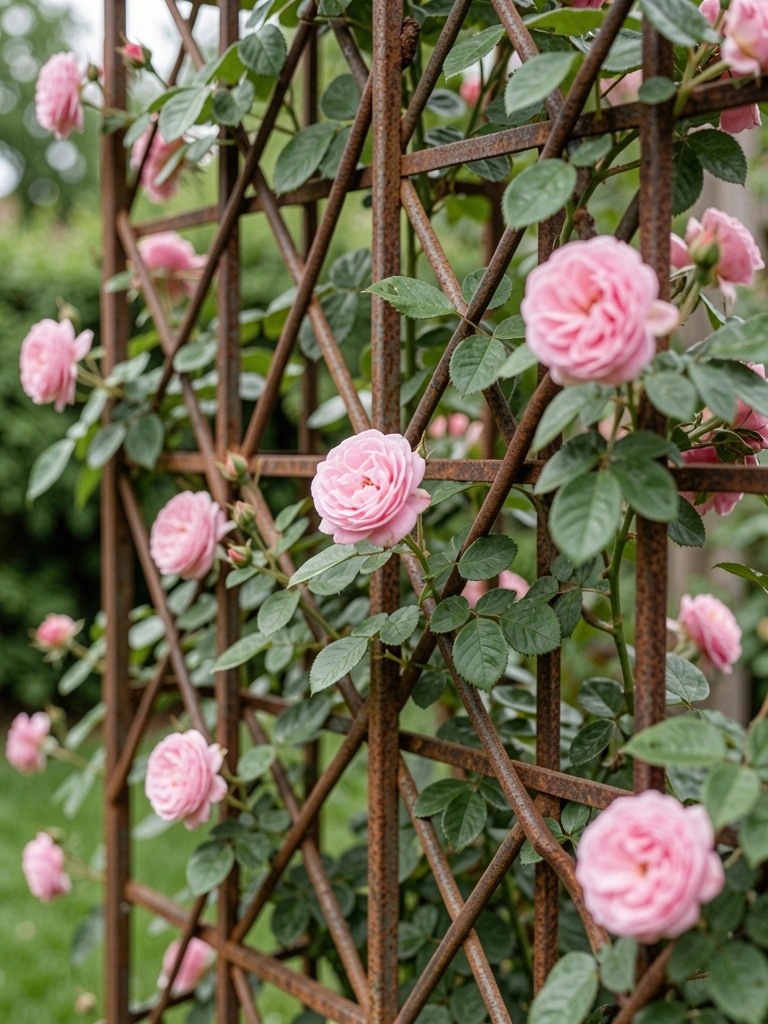
    Table view was dull fence. Leaned a willow trellis, planted rambler roses. Flowers arch over now.

    Scent drifts meals; thorns keep kids back.

    Tied loose—grew straight. Train early.

    Sunny south side.

    What You’ll Need for This Look

    Rustic willow trellis arch

    Climbing rose bush pink

    Garden twine for tying

    17. Low-Maintenance Native Grass Strip Along the Back
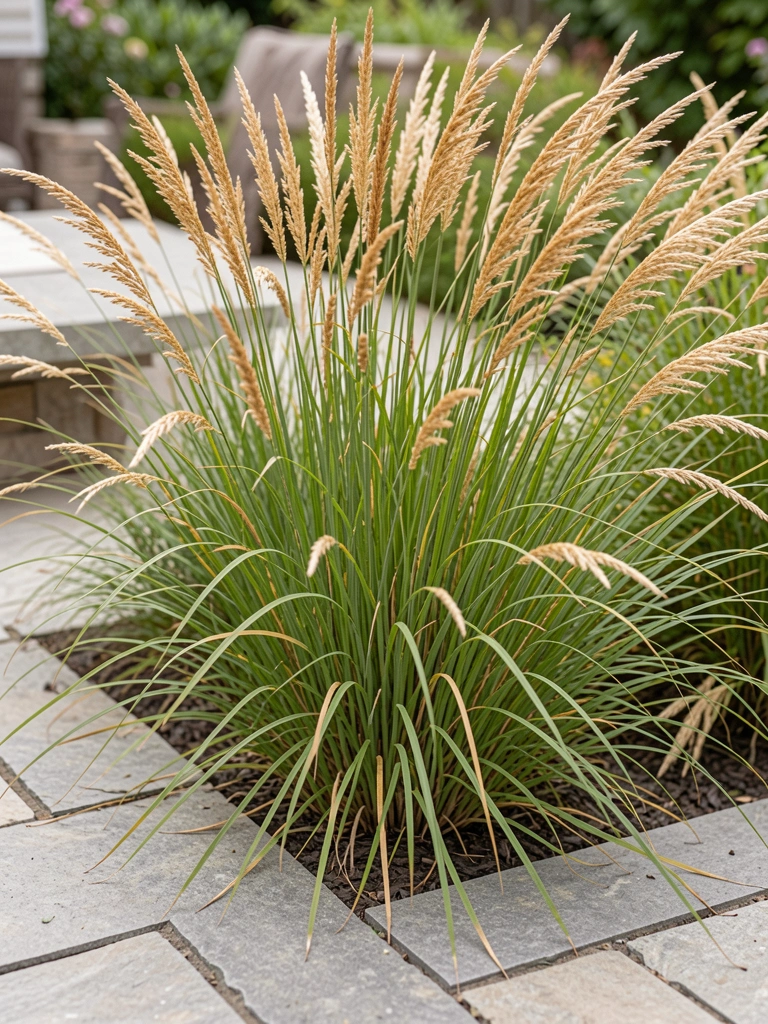
    Mowed grass edged boring. Planted native grasses in narrow strip. Waves in wind now.

    Rustles soft; wildlife visits. No weekly cuts.

    Seeded thin—patchy. Buy plugs.

    Winter interest.

    What You’ll Need for This Look

    Native switchgrass plugs (pack of 10)

    Little bluestem grass seeds

    Deer resistant mulch

    Final Thoughts

    Pick one or two ideas that fit your yard’s light and space. Start small—my best spots grew from single pots.

    They’ll blend over time, feel like yours. You’ve got this; gardens reward patience. Sit back soon.
  • 13 DIY Backyard Garden Design Ideas

    13 DIY Backyard Garden Design Ideas

    I stared at my backyard for years—just patchy grass and a rusty grill. Then one spring, I dragged out some old pots and planted whatever was on sale. That mess turned into something I actually sit in now. No fancy budget. Just trial, dirt under nails, and watching what sticks.

    It taught me gardens grow from small moves. Not magazine spreads. Real ones have weeds you pull weekly and plants that flop but come back stronger.

    You can shape your space the same way. Start where it feels easy.

    13 DIY Backyard Garden Design Ideas

    These 13 DIY backyard garden design ideas come straight from my yard. I've messed up plenty, but these work without big spending or skills. Grab what you need and tweak as you go.

    1. Layered Container Planting That Fills an Empty Patio

    I had a bare concrete patio that echoed every step. So I grouped pots at different heights—tall ones back, short in front. Suddenly it felt like a room outdoors. The herbs brushed my legs when I sat down, and dinner prep happened right there.

    Colors popped against the gray slab. Green on green, but with lavender spikes for height. It hid the cracks too.

    Watch the sun—fiddleleaf ferns burned out on me first try. Swap for tough sedums.

    Now it draws us out every evening. No more eating inside.

    What You’ll Need for This Look

    2. Vertical Pallet Herb Wall for Tight Corners

    My side yard was a forgotten strip, too narrow for beds. I leaned an old pallet against the fence, stapled fabric pockets, and stuffed in herbs. Now it's a fresh wall I brush past daily. Chives wave in the breeze.

    The height saves space. Snip rosemary without bending. It softened that blank fence line too.

    I overpacked thyme once—roots tangled. Space them out next time.

    Cooking tastes better with leaves steps away.

    What You’ll Need for This Look

    3. Curved Mulch Path That Guides the Eye

    Straight paths bored me. I raked out a curve with bark mulch, edged with stones. It pulls you back to the shed without mowing everything. Feels like a walk in the woods now.

    Weeds stay down better than grass. Feet sink just right.

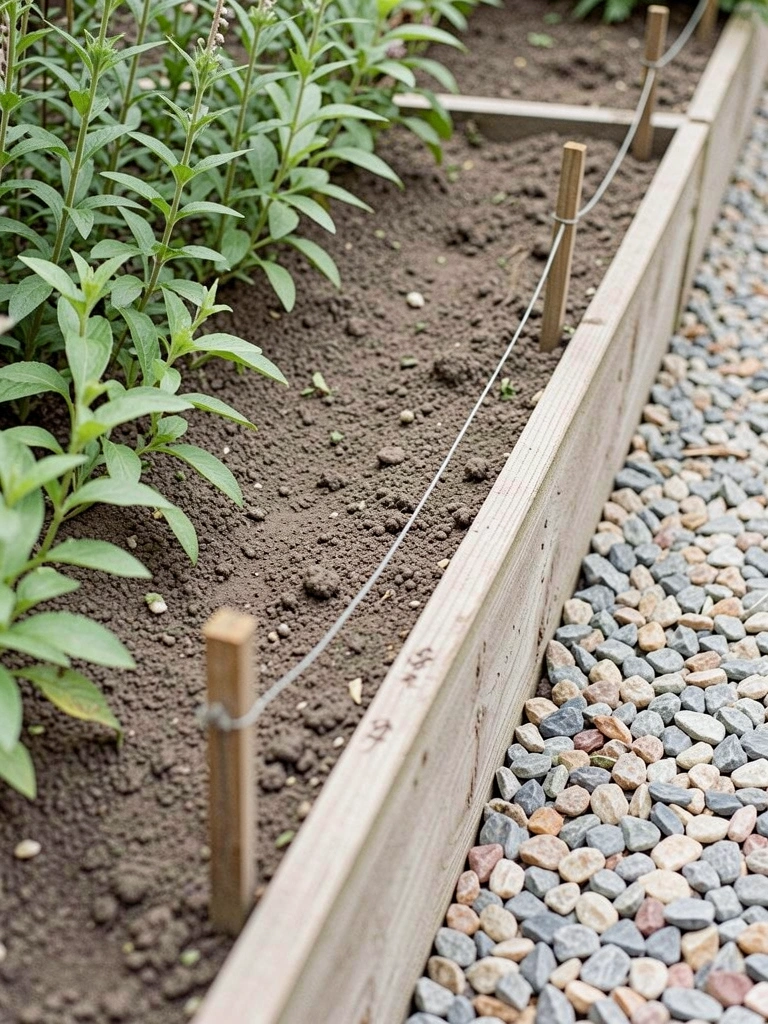
    Edging wire slipped on me early—use deeper stakes.

    Saves time, adds quiet flow.

    What You’ll Need for This Look

    4. Gravel Fire Pit Zone with Adirondack Chairs

    Evenings got lonely around the old pit. I circled it with gravel, tucked chairs in. Flames dance without grass fires. We linger longer now, stories flowing.

    Gravel drains rain fast—no mud pits.

    Chairs tipped on uneven ground once. Level first.

    Cozy spot for fall nights.

    What You’ll Need for This Look

    5. Corner Raised Bed for Everyday Veggies

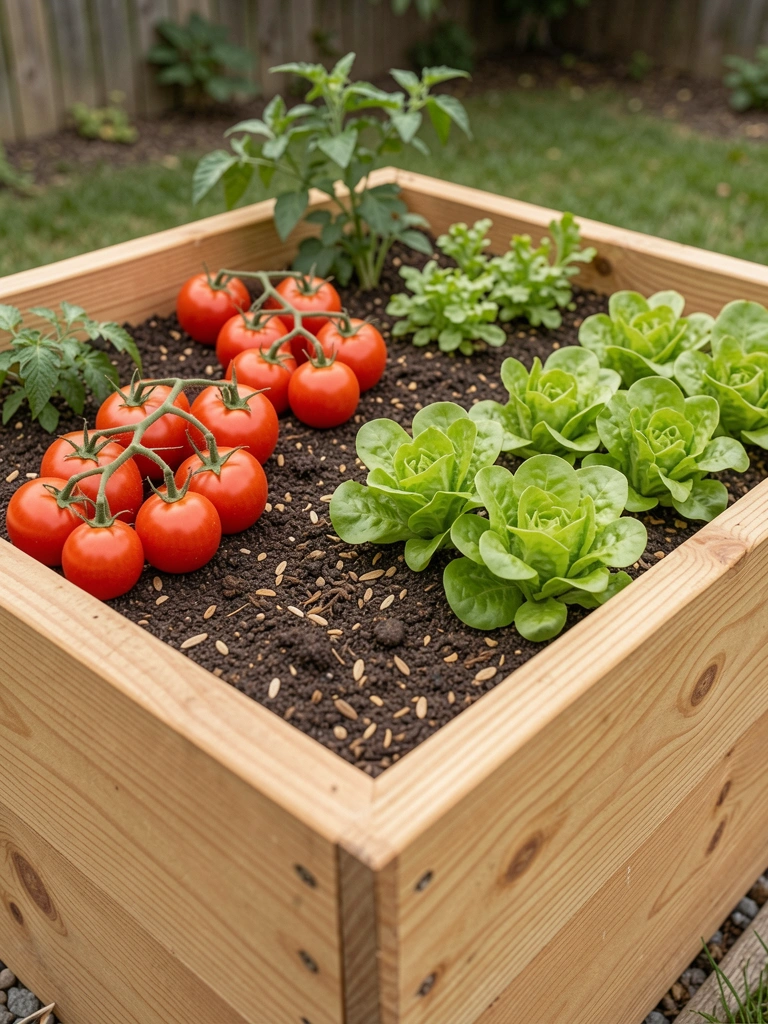
    Dead corner by the garage. Built a low cedar bed, filled with salad greens. Bend less to harvest. Yields beat store stuff.

    Soil warms quick. Roots spread free.

    Forgot drainage holes—soggy roots lesson learned.

    Fresh eats change meals.

    What You’ll Need for This Look

    6. Fence-Line Hanging Baskets for Color Bursts

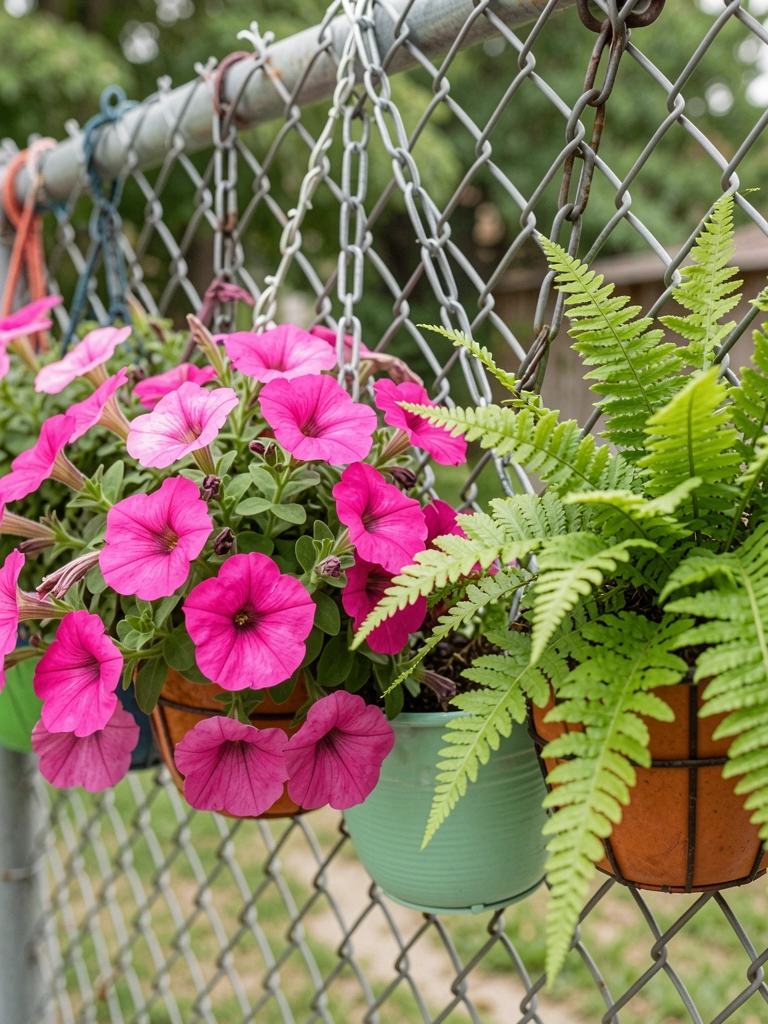
    Plain fence screamed for life. Hung baskets along it—petunias spill down. Softens the metal, adds sway in wind.

    Blooms draw hummingbirds close.

    Water drips muddied paths below. Catch trays fixed it.

    Instant cheer from the gate.

    What You’ll Need for This Look

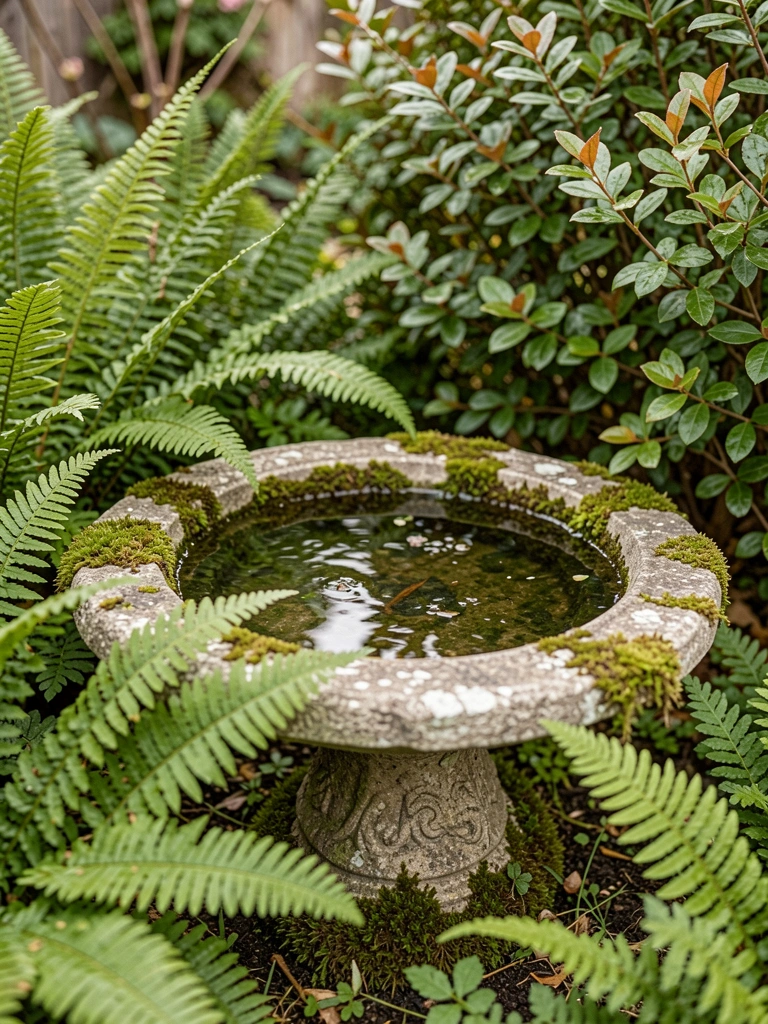
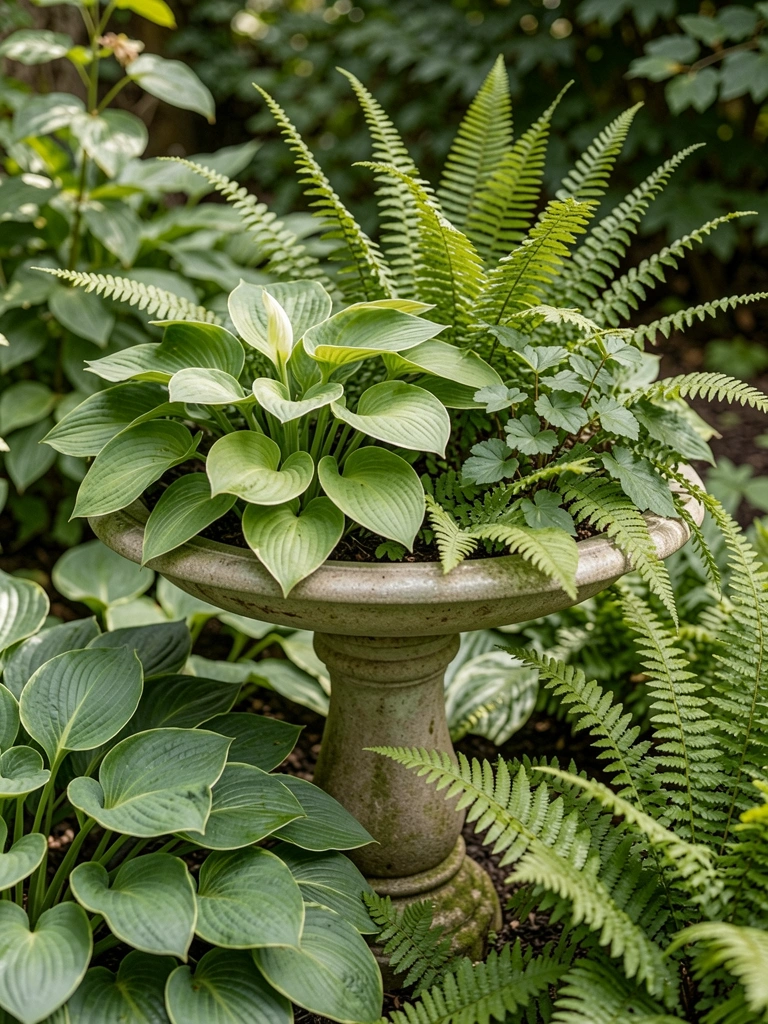
    7. Bird Bath Perennial Circle for Wildlife Draws

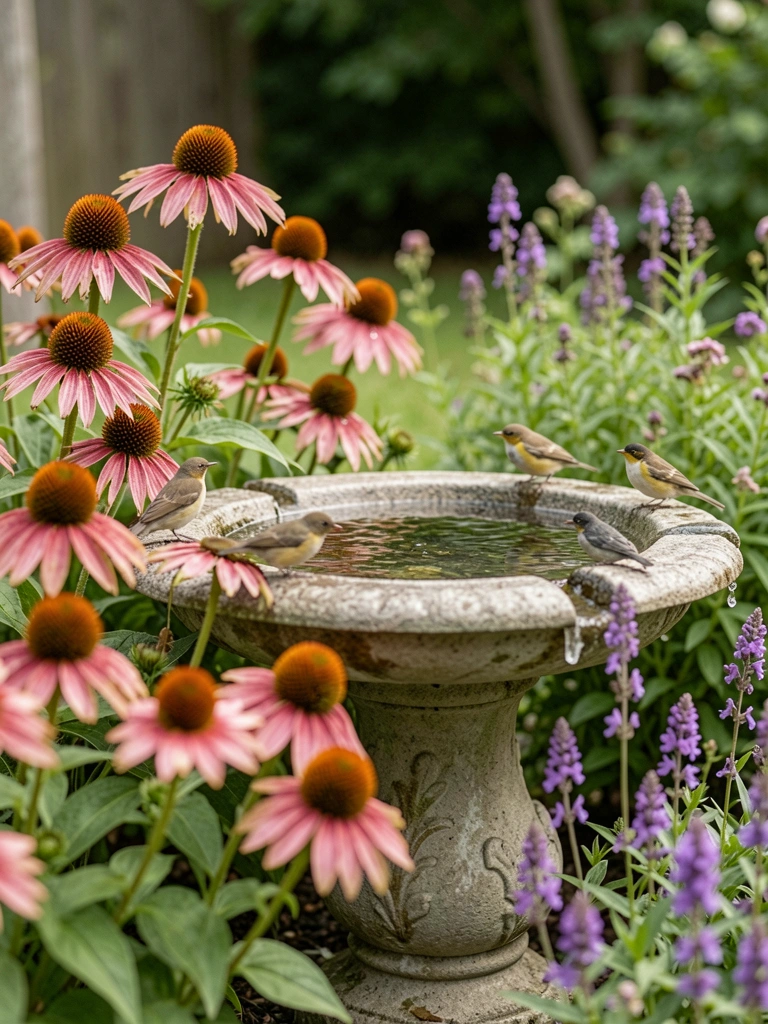
    Center needed focus. Set a bird bath, planted tough perennials around. Birds splash daily, flowers nod hello.

    Quiet mornings with song.

    Deer munched coneflowers first season. Netting helped.
    Life hums there now.

    What You’ll Need for This Look

    8. Overhead String Lights Over the Grill Area

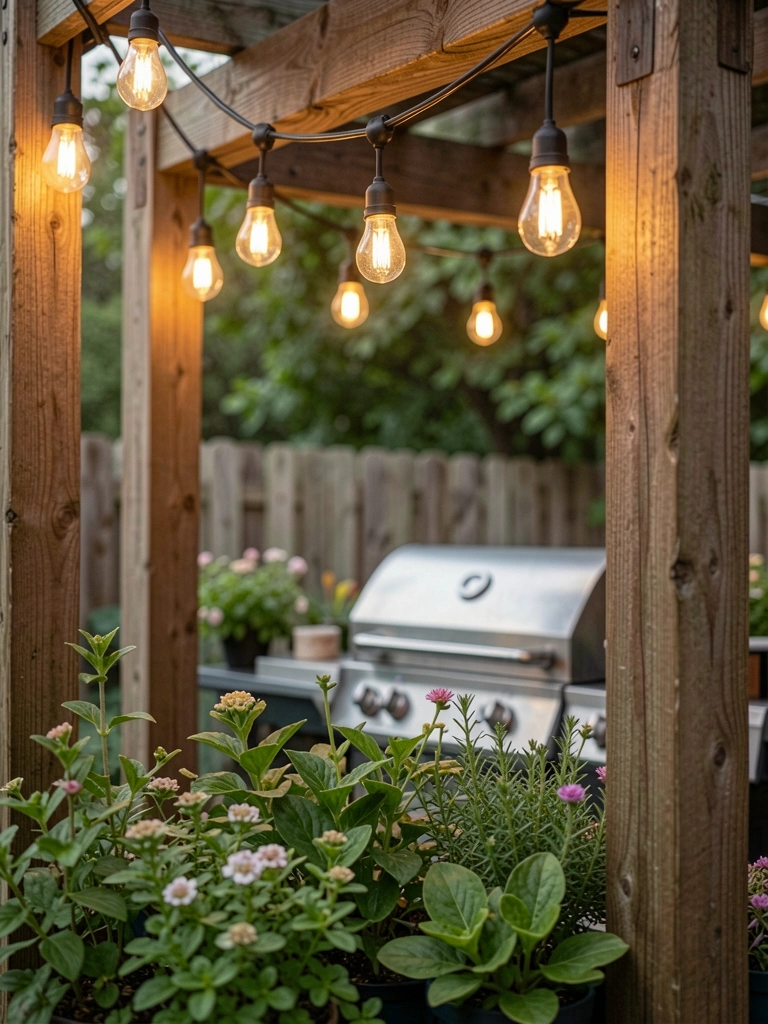
    Grill sat dark after dusk. Strung low lights between posts. Evenings stretch, food smells better.

    Glints off leaves.

    Bulbs tangled in wind once. Zip ties secure them.

    Stays warm year-round.

    What You’ll Need for This Look

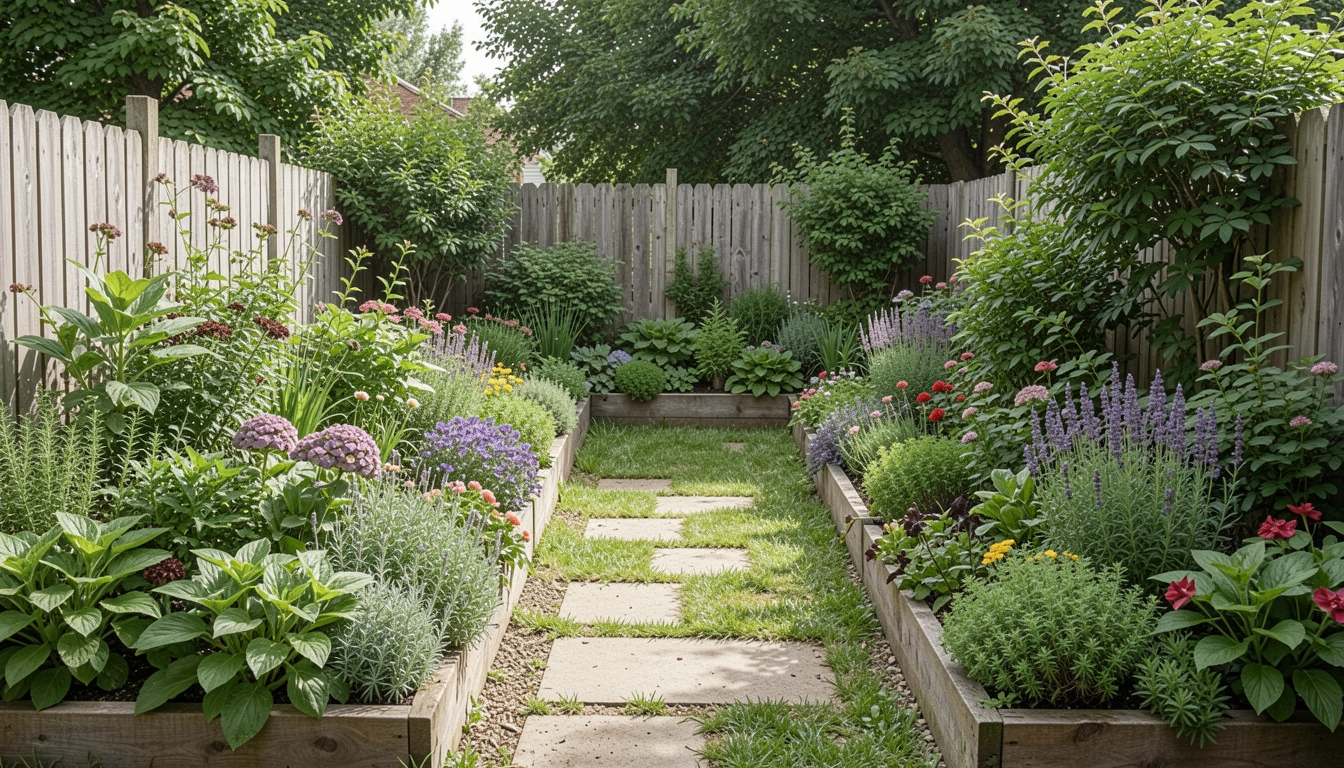
    9. Native Pollinator Strip Along the Back Edge

    Back edge weedy. Planted natives in a strip—bees buzz nonstop. Less work, more buzz.

    Blooms wave tall.

    Grasses flopped over path. Trim yearly.

    Nature joins the yard.

    What You’ll Need for This Look

    10. Bamboo Trellis for Climbing Bean Vines

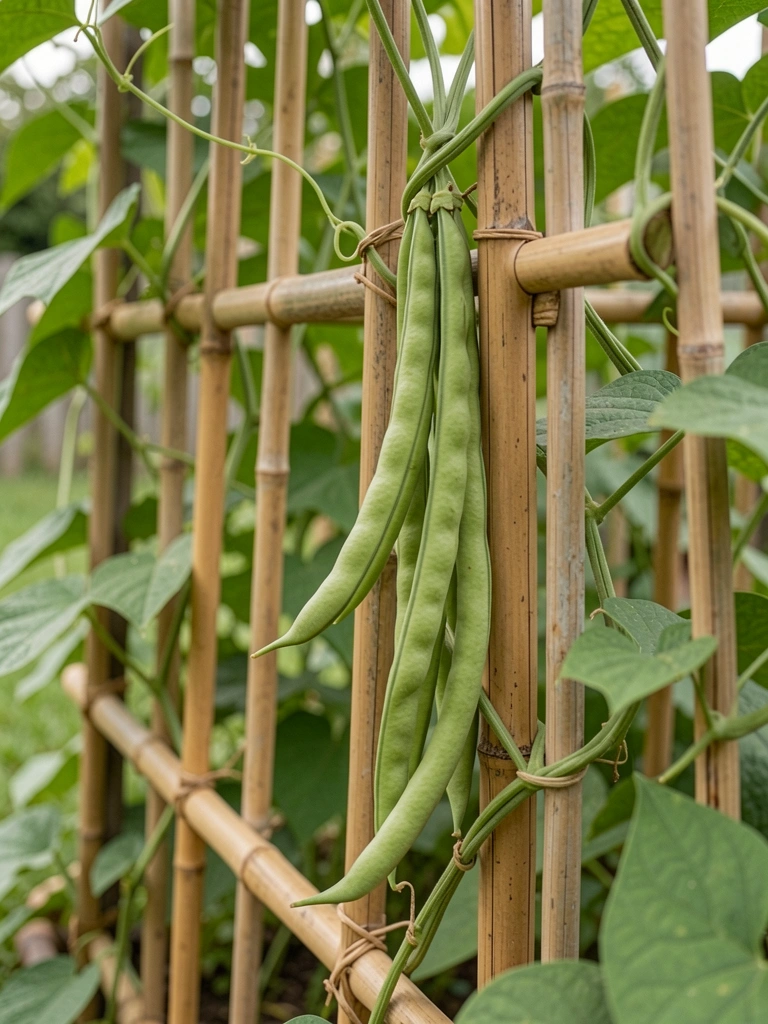
    Shed wall bare. Tied bamboo poles into a trellis, beans raced up. Shade cools the side, harvest dangles.

    Vines screen junk.

    Poles splintered in rain. Seal ends next.
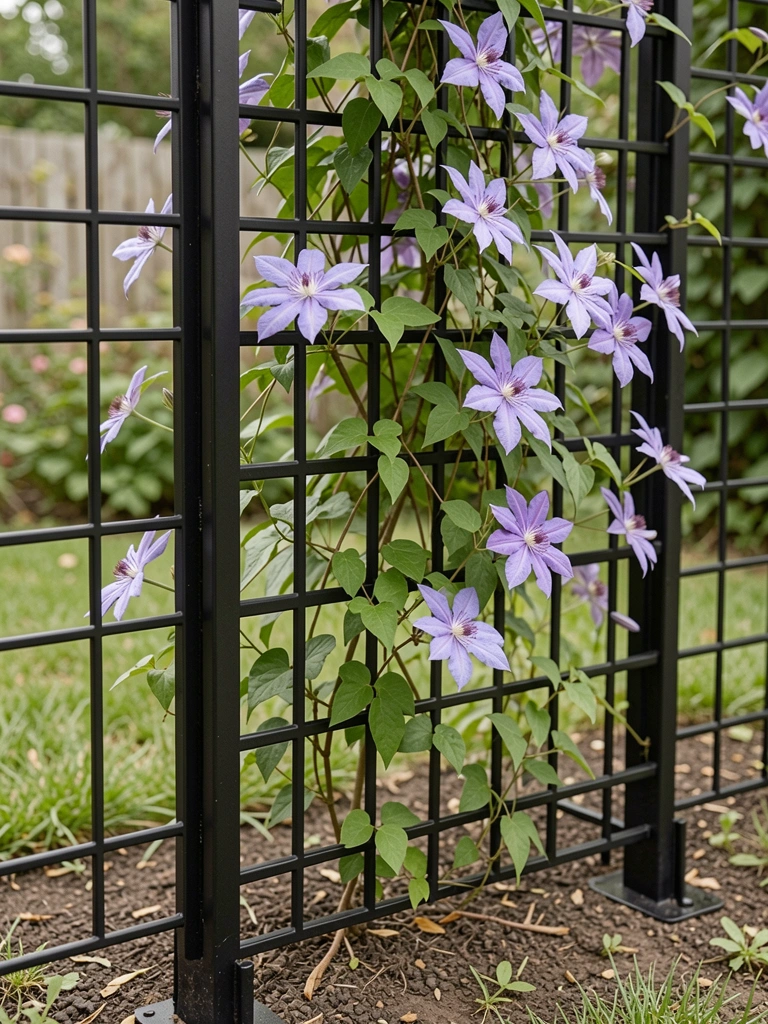
    Eats and cover double.

    What You’ll Need for This Look

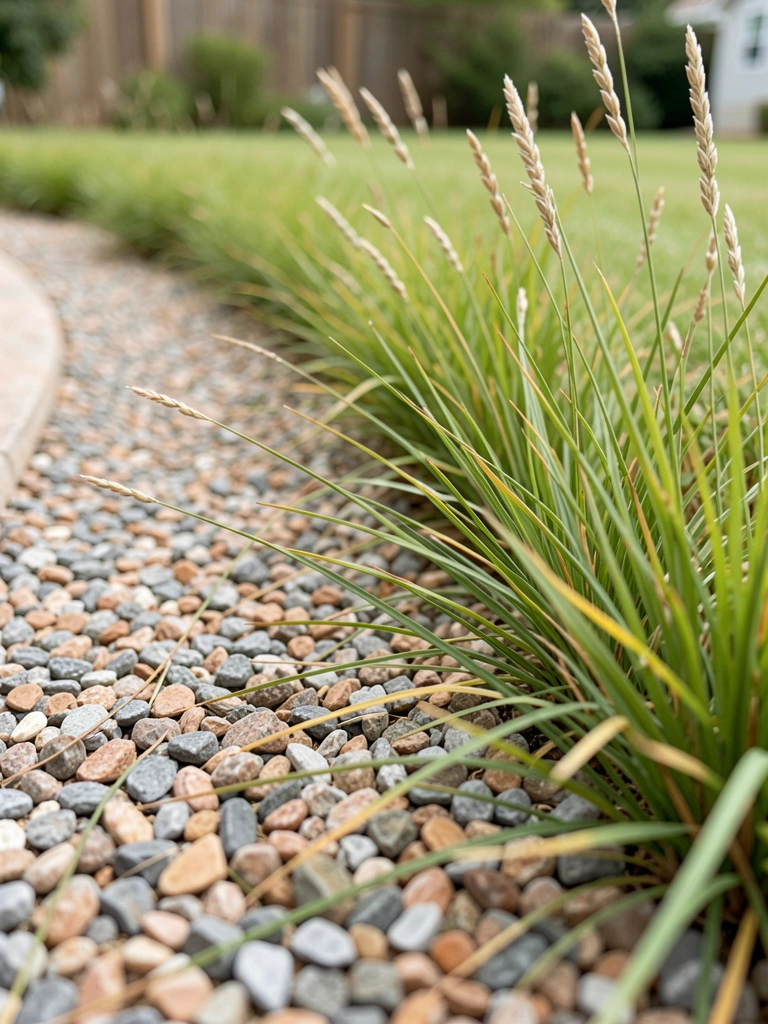
    11. Pebble Zen Corner with a Single Bench

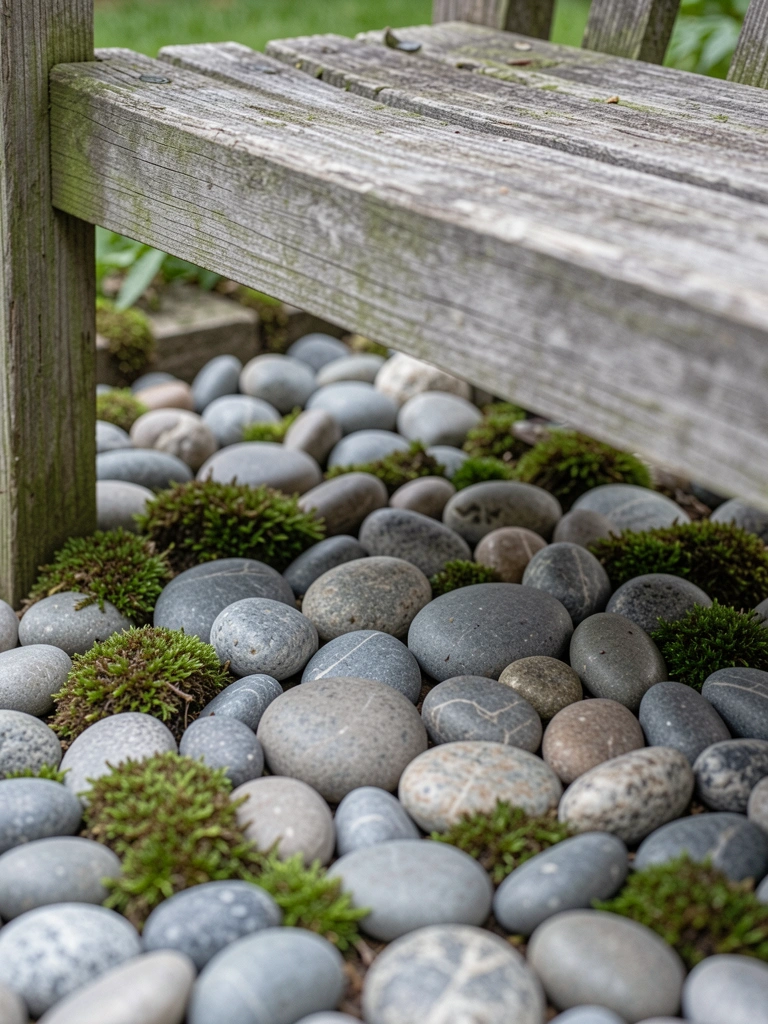
    Needed a sit spot. Raked pebbles, added a bench. Breath slows there, weeds absent.

    Crunching underfoot calms.

    Rocks shifted under weight. Compact base firm.

    Pause without effort.

    What You’ll Need for This Look

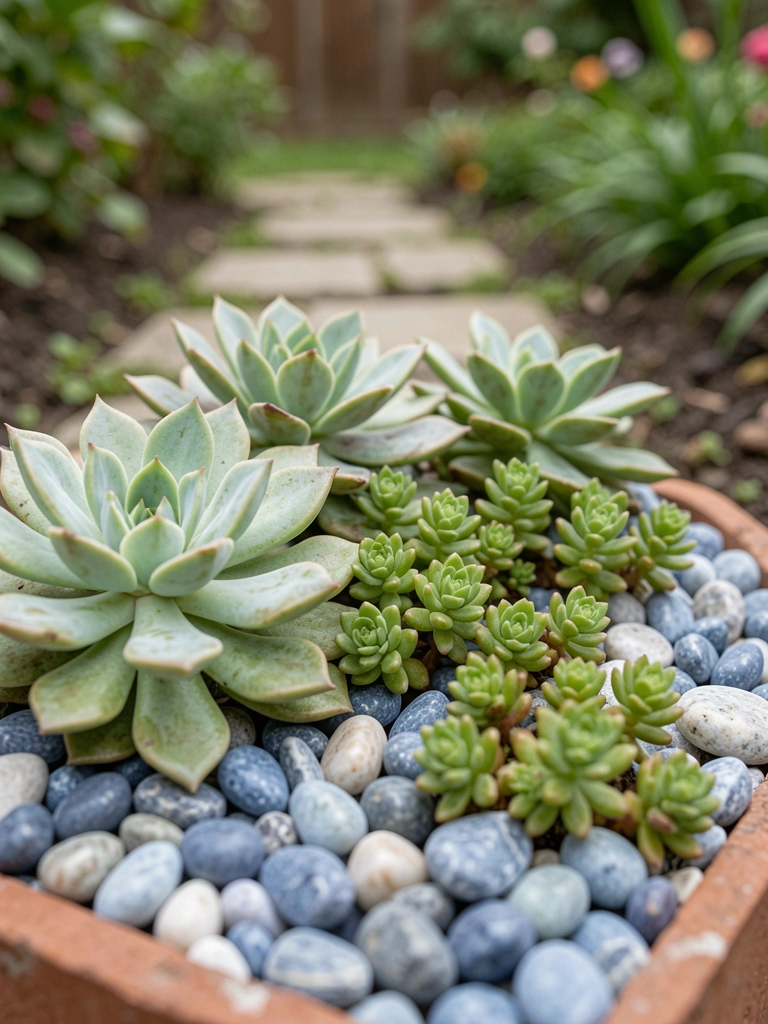
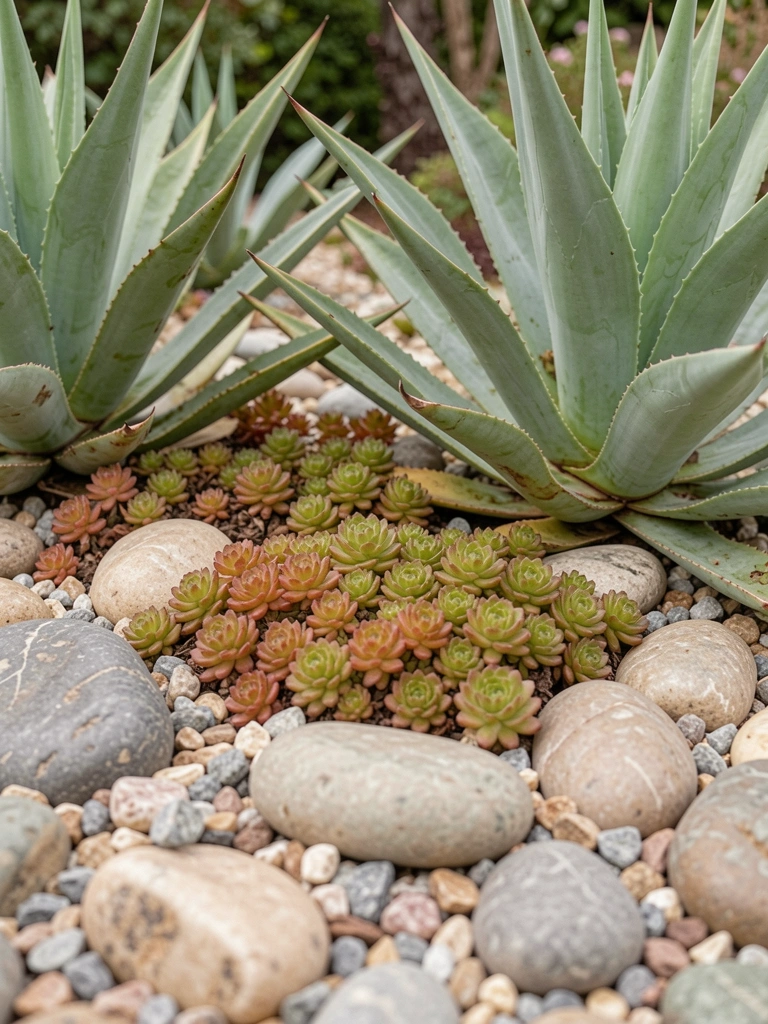
    12. Succulent Rock Garden in Full Sun

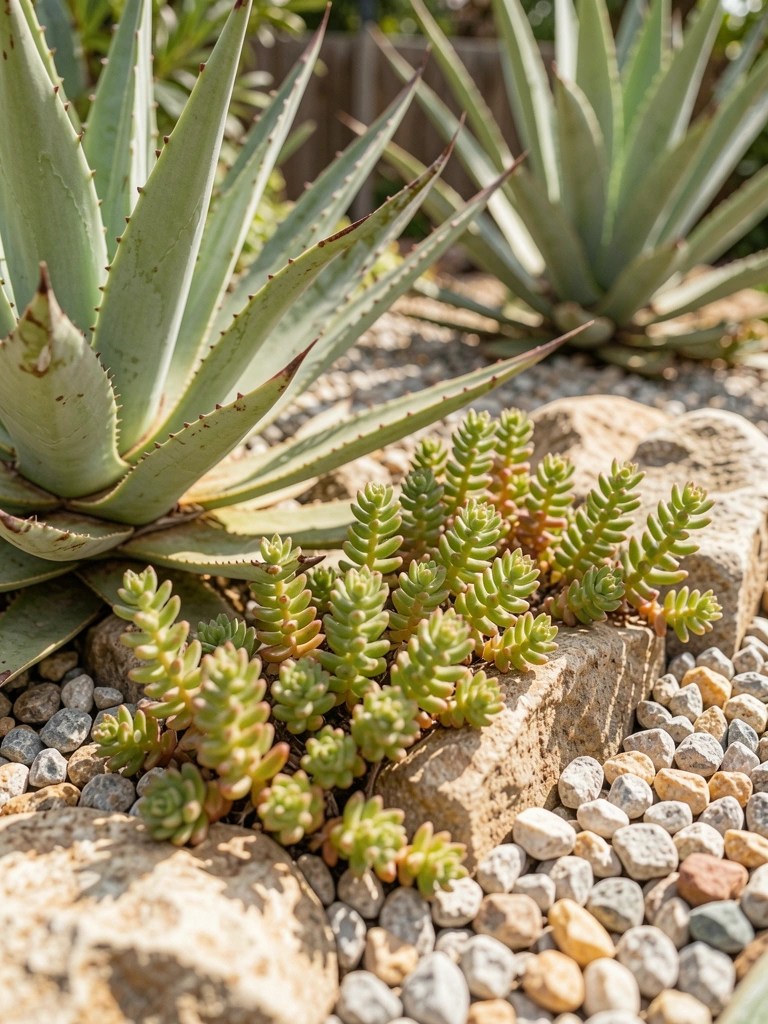
    Hot corner fried grass. Wedged succulents between rocks. They thrive dry, shapes sculpt space.

    No water fuss.

    Overcrowded once—split them.

    Low care, high shape.

    What You’ll Need for This Look

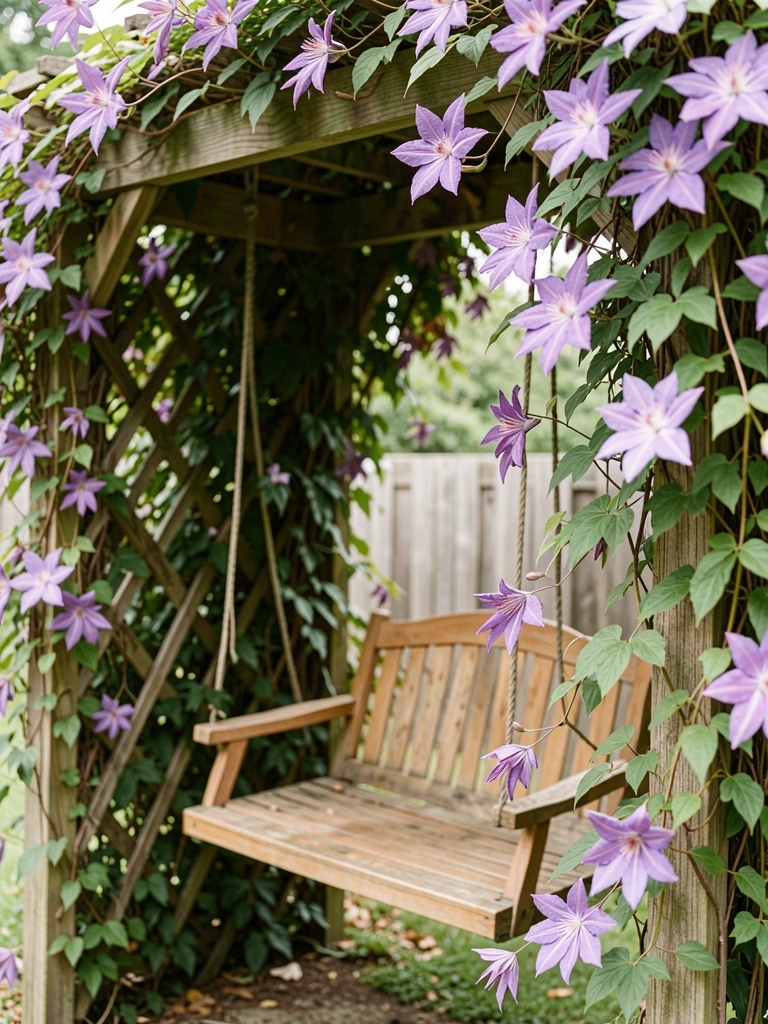
    13. Vine-Draped Arbor Swing for Lazy Afternoons

    End of yard empty. Built a simple arbor, hung a swing, let clematis climb. Sway with shade now.

    Vines whisper.

    Swing creaked loose. Bolt tighter.

    Rest feels earned.

    What You’ll Need for This Look

    Final Thoughts

    Pick one idea that fits your spot. My yard built slow—some corners wait years. That's fine.

    They all layer over time. Yours will too.

    Dig in. You'll sit back surprised how good it feels.

  • How to Create a Backyard Garden Layout

    How to Create a Backyard Garden Layout

    I stood in my backyard last spring, staring at the blank dirt. It felt too open, too empty. Nothing pulled my eye anywhere good.
    I'd planted bits here and there before, but it always looked scattered.
    One afternoon, I stepped back and saw the fix. It's about feel first.

    How to Create a Backyard Garden Layout

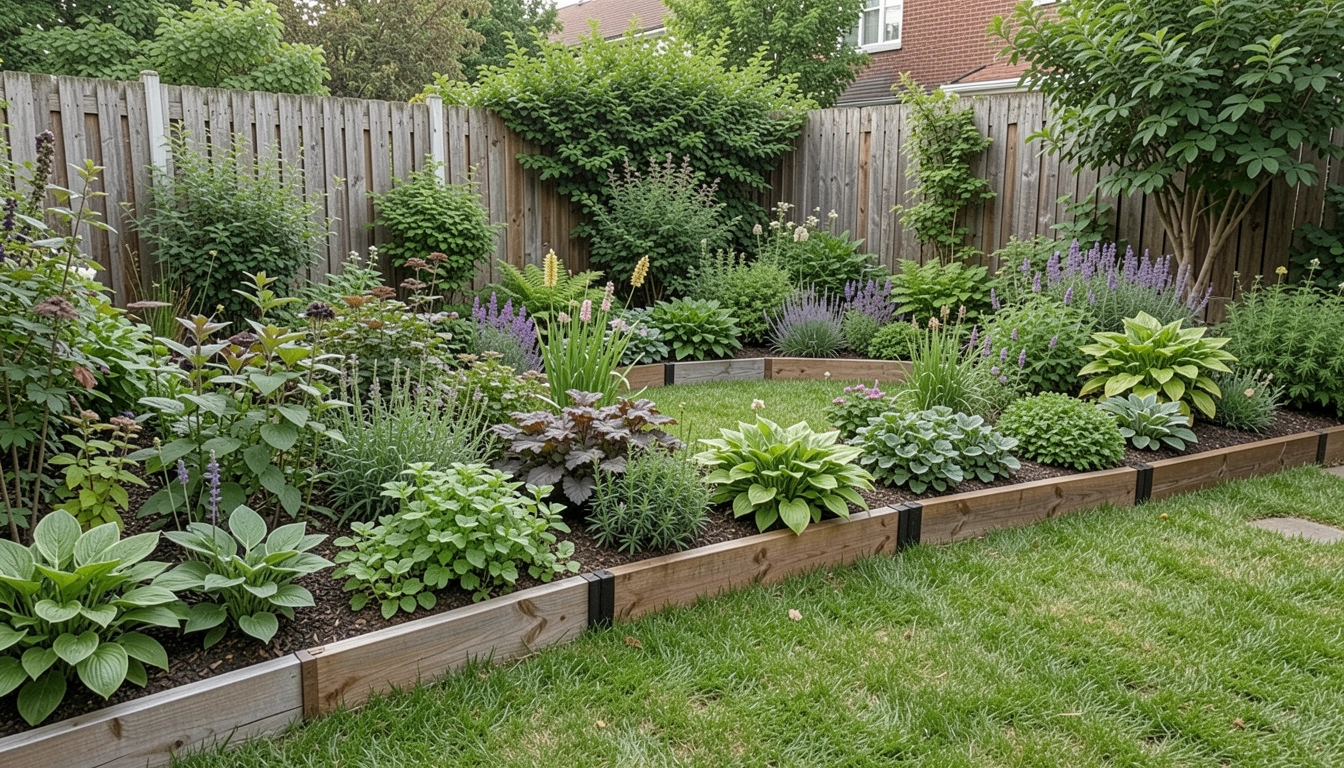
    This is the way I sort a backyard garden layout when it feels off. You'll get a space that settles right—balanced corners, natural flow from patio to fence.

    What You’ll Need

    Step 1: Walk the Space and Spot the Lines

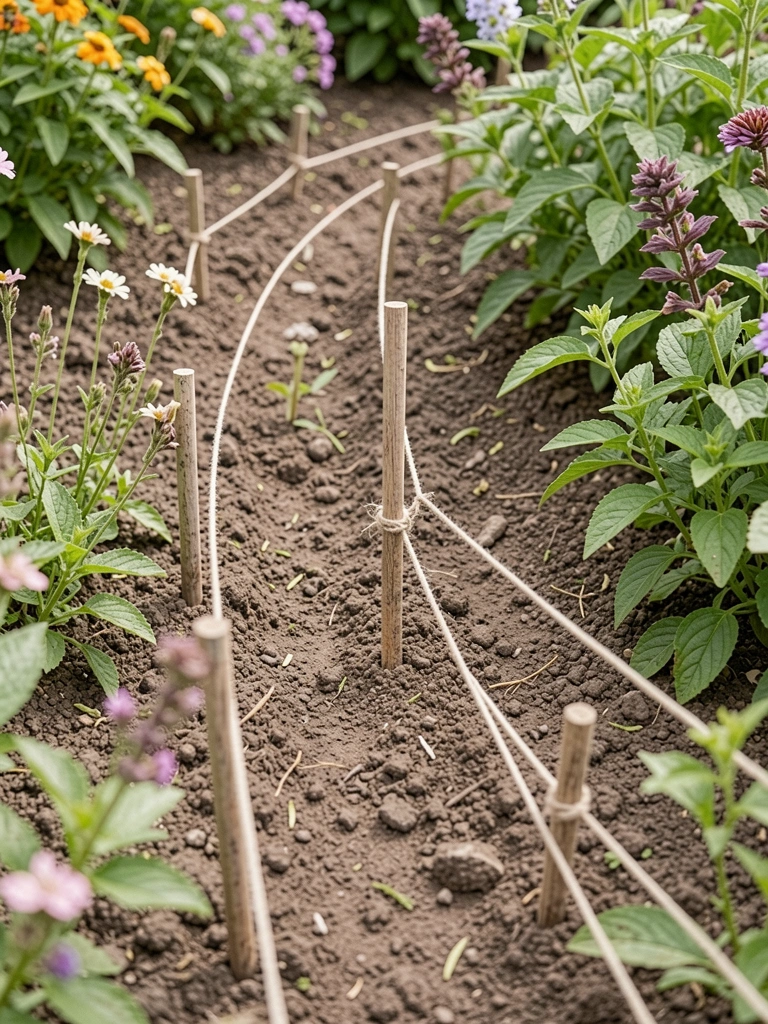
    I walk my backyard slow, eyes at ground level. Stake the straight lines first—fence to patio, tree to shed. Why? It shows where eyes naturally go.
    Visually, the space tightens up. Empty yard turns into sections that make sense.
    Most miss how sun shifts these lines by noon—check that. Don't stake too rigid; leave room to curve.

    I learned this after my first layout washed out in shade. Now it holds.

    Step 2: Mark Anchor Points with Stakes

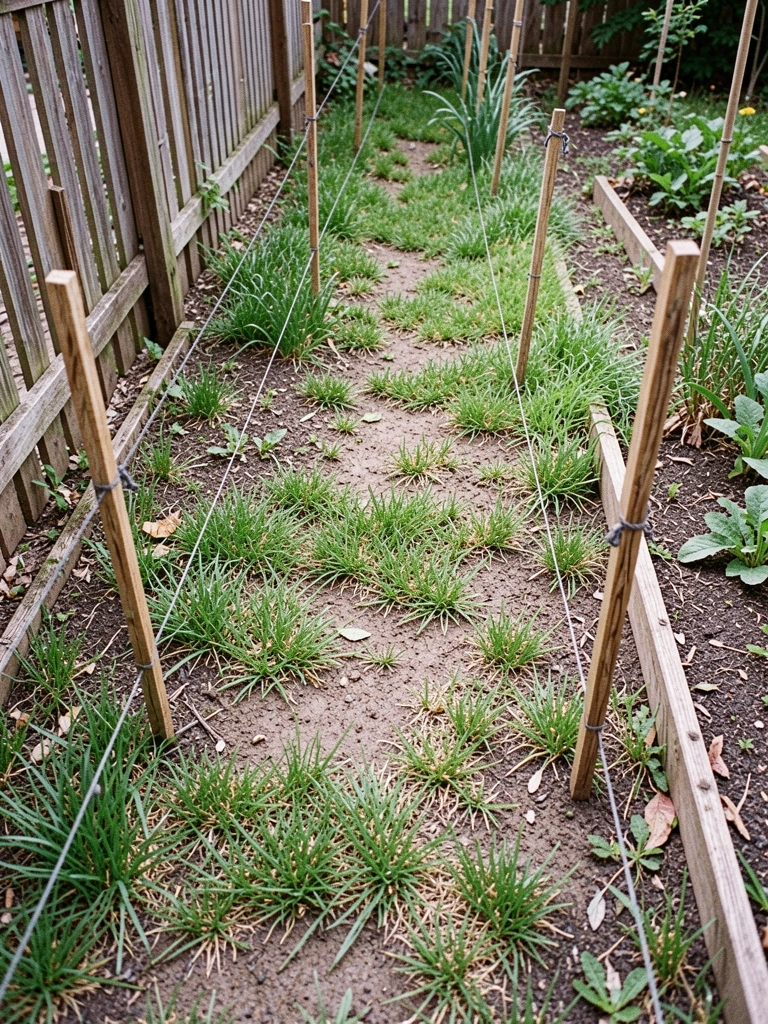
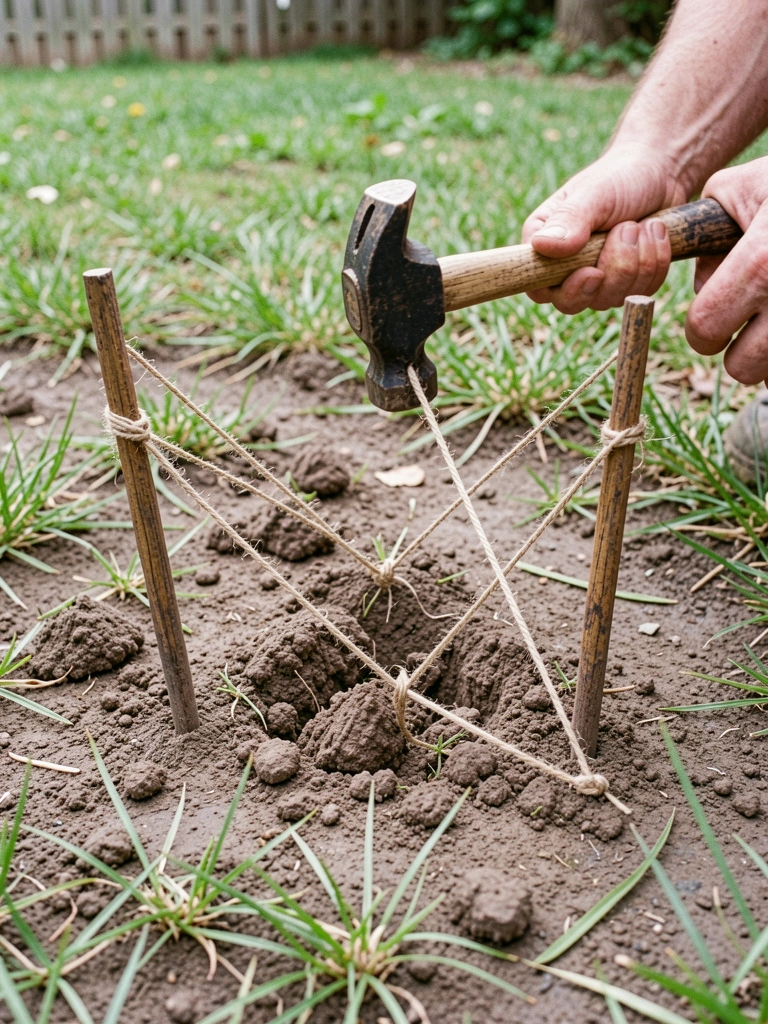
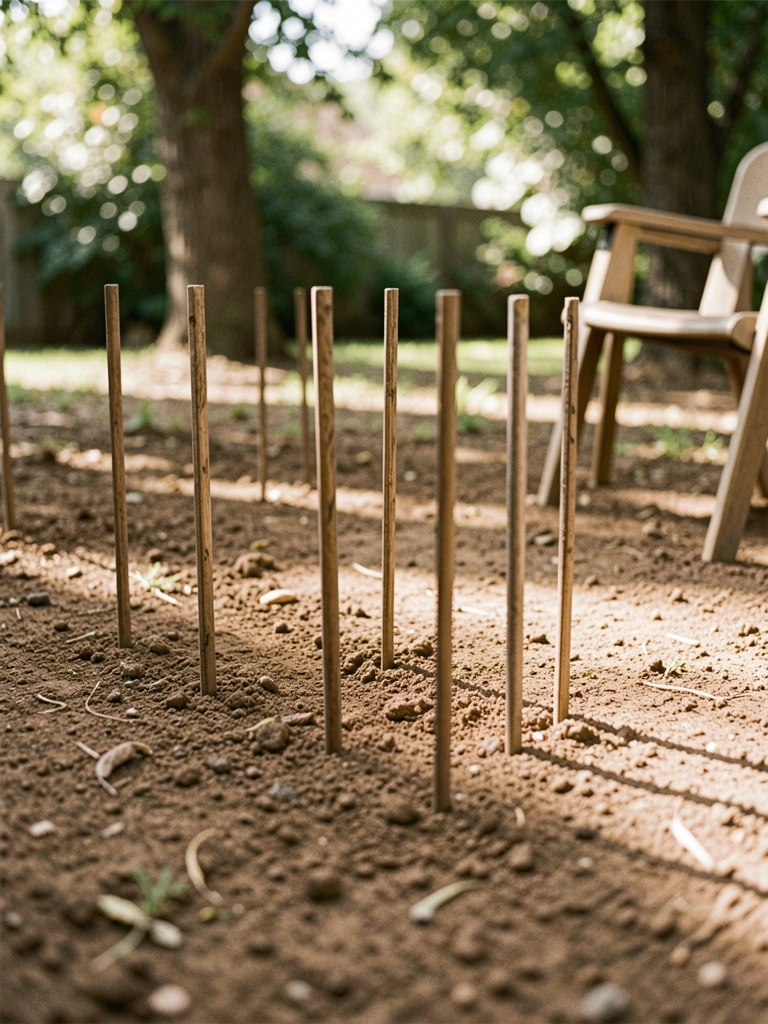
    I pick three anchors—tall spot by fence, low near path, middle filler. Hammer stakes, tie twine loose. This sets balance without crowding.
    The yard starts breathing. Corners feel held, center opens.
    People forget anchors pull the whole layout; skip one and it drifts. Avoid planting tall everywhere—mix heights early.

    My back bed clicked here. No more floppy edges.

    Step 3: Layer in Heights for Flow

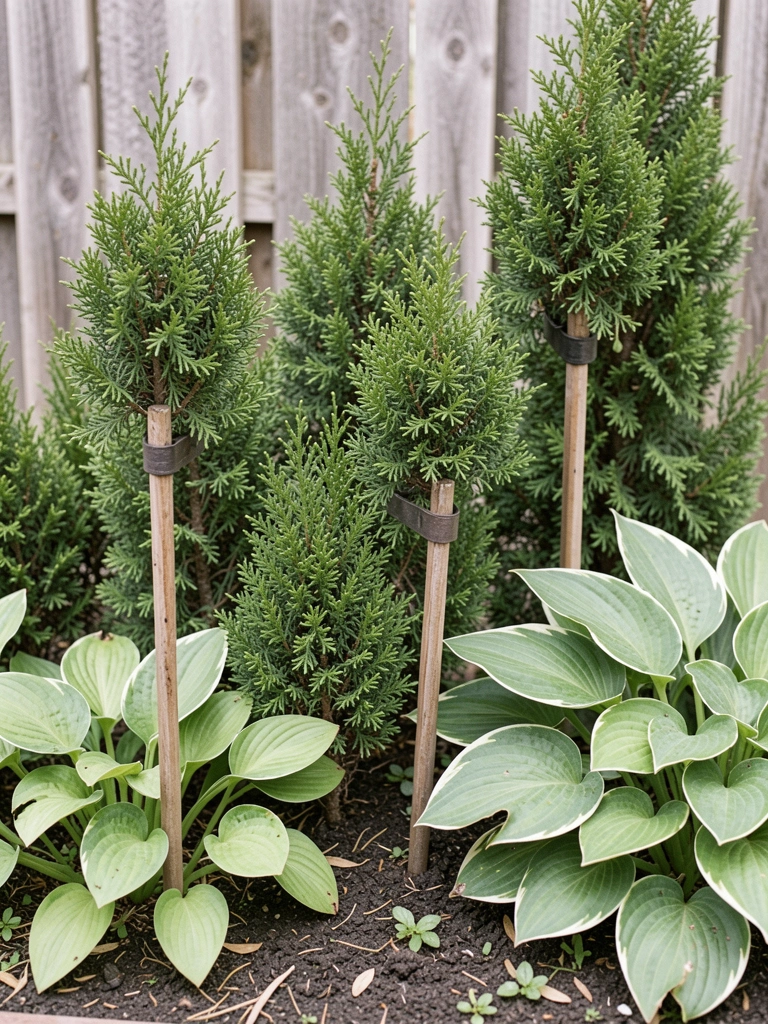
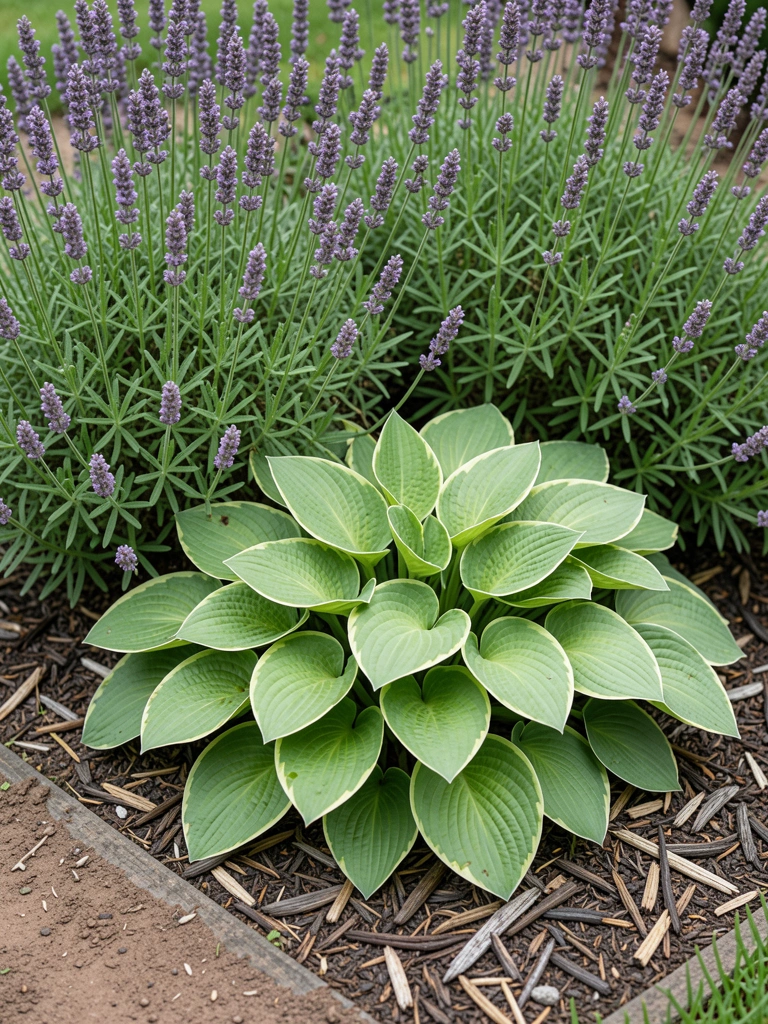
    I drop in tallest first—evergreens at back. Then mid-height lavender, low hostas front. Why? It guides the eye smooth, no blocks.
    Now it flows: back anchors, front spills soft. Space feels deeper.
    Insight: low plants hug paths most miss. Mistake—cramming equals; space chokes fast.

    Patio view settled right after.

    Step 4: Test Paths and Openings

    I walk pretend paths, adjust twine for easy steps. Edge with rocks loose. This keeps it open, invites sitting.
    Visual shift: yard connects, not chopped. Balance shows in stride.
    Missed bit: paths widen at sits. Don't narrow to single file—feels trapped.

    Mine walks better than before.

    Step 5: Mulch and Tweak for Settle

    I mulch thin, rake smooth. Step back, shift one plant if off. Why? It grounds everything, quiets chaos.
    Final look: clean but lived-in, colors pop balanced.
    Folks overlook mulch fade—pick dark. Avoid thick piles; roots drown.

    Sits perfect now.

    Choosing Plants That Fit Your Layout

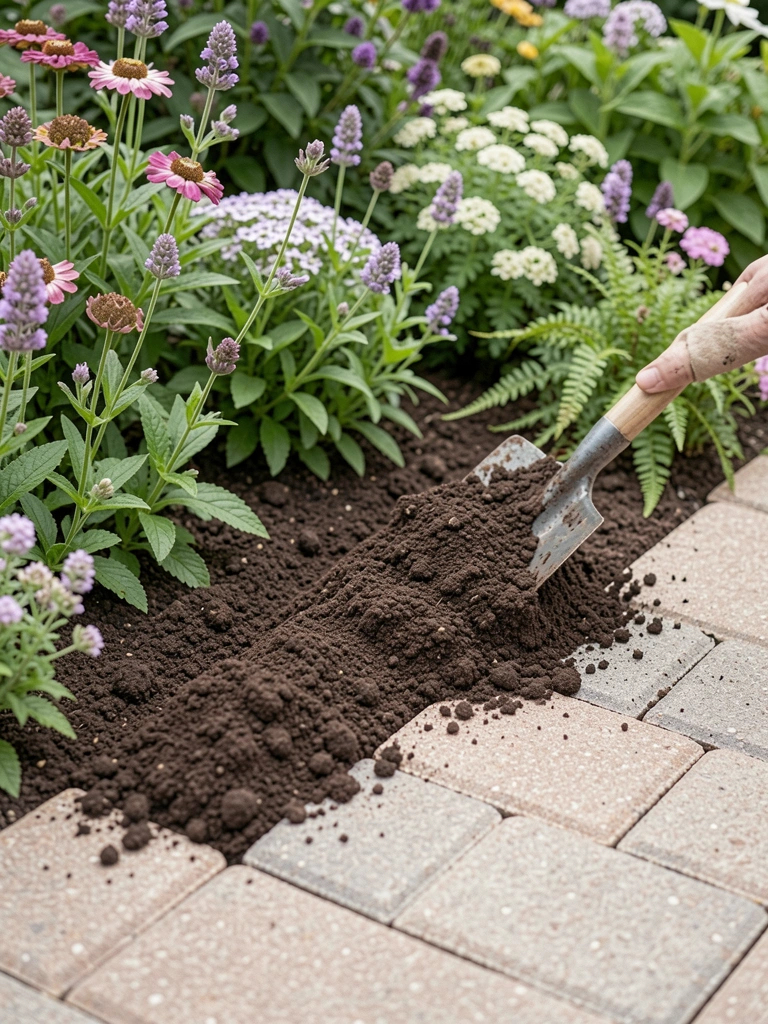
    I pick plants by spot, not wish list. Back anchors need evergreens for year-round hold. Front edges get spillers like hostas—they soften hard lines.

    • Tall backs: dwarf Thuja, stays neat.
    • Mids: lavender, scent pulls you close.
    • Lows: hostas, fill shade gaps.

    Test one season. Swap what fights sun.
    Handling Uneven Backyard Slopes

    Slopes trip me up first. I terrace gentle with rocks, stake to follow contour. Plants hug levels—no slide.

    My side hill worked after. Mulch holds soil, paths zig natural.

    • Stake downhill first.
    • Low plants uphill.
    • Check rain flow.

    Year-Round Layout Tweaks

    Winter bares bones, so I prune back, add bulbs under. Spring, fill gaps same heights.

    It cycles easy. No big redo.

    • Fall: cut mids.
    • Bulbs in fall.
    • Watch bare spots.

    Final Thoughts

    Start with one corner. My first layout was just fence line.
    It grew from there, felt right quick.
    Yours will too. Walk it daily. Balance comes with use.

  • How to Design a Backyard Garden

    How to Design a Backyard Garden

    I stared at my backyard last spring. Bare dirt in spots. A fence that closed everything in. Chairs with nowhere to sit comfortably. It felt tight, not open.

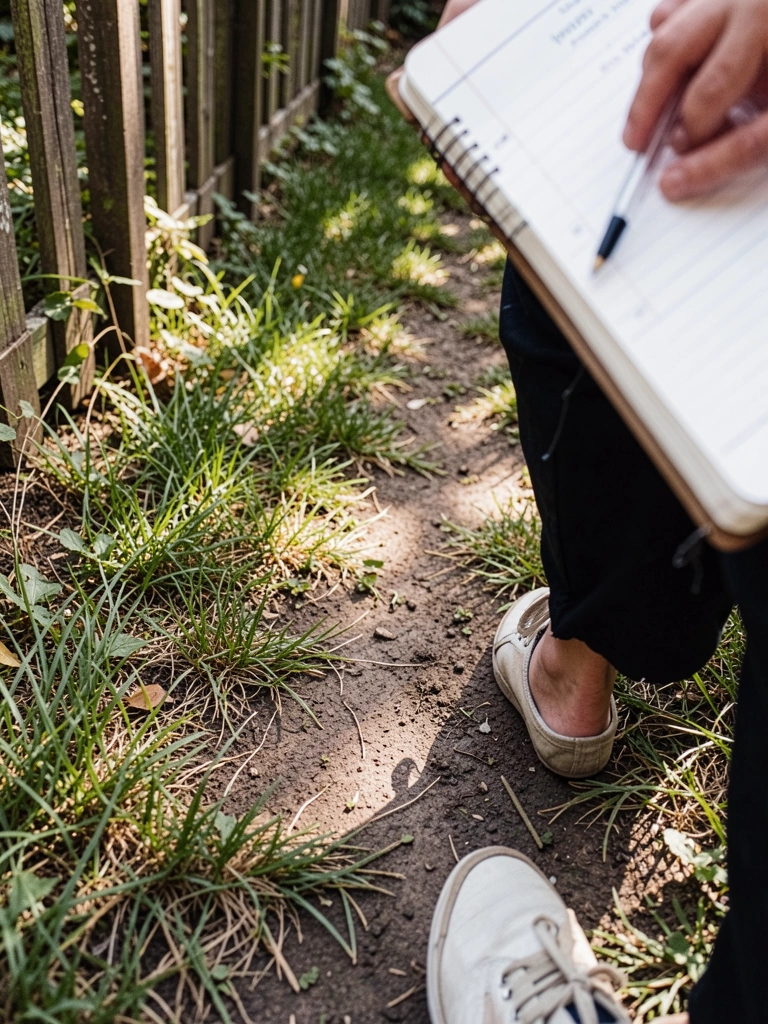
    I walked it daily, notebook in hand. What worked? What pulled my eye away? Most backyards fight the space instead of settling into it.

    You know that feeling. Your yard wants to breathe, but it’s stuck.

    How to Design a Backyard Garden

    This is the way I shape any backyard into a comfortable spot. You’ll end up with clear zones, easy flow, and plants that fit the light. It feels balanced, like it’s always been there.

    What You’ll Need

    Step 1: Walk Your Space and Note the Light

    I start by walking my backyard at different times. Morning light hits the fence soft. Afternoon shadows stretch across the grass. I mark where sun lingers longest.

    This changes everything. Plants lean toward light, so mismatched spots look forced. Now the yard shows its true shape—open in the center, tight by the house.

    People miss how light shifts daily. Jot it down. Avoid planting tall things in full shade; they flop and unbalance the view.

    Step 2: Mark Zones for Sitting and Growing

    I grab stakes and string to outline zones. One for chairs by the door. Another for veggies along the fence. A curve for flowers where eyes rest.

    Visually, lines appear. The yard divides without walls—flow feels natural, not chopped up.

    Most skip this; everything blends into mess. Stake loosely first. Don’t force straight edges; curves hug the space better.

    Step 3: Place Your Focal Points First

    I set one strong piece—a bench or tall pot—in the center zone. It anchors my eye. Then hostas around it, low and leafy.

    The space pulls together. Emptiness fades; depth builds from that one spot.

    Folks overload early. Start with less—one focal pulls the rest. Avoid crowding it; leave air for balance.

    Step 4: Layer Plants by Height and Color

    I drop in low plants first, like hostas in shade. Taller lavender and salvia behind. Colors repeat—purples echo across zones.

    Layers add comfort. The yard reads front to back, no flat look.

    The miss: uniform heights bore the eye. Mix them. Don’t plant all blooms at once; stagger for steady color.

    Step 5: Edge and Mulch for Clean Flow

    I lay edging strips along paths. Spread mulch even, not thick. It ties beds to lawn.

    Boundaries sharpen. Flow improves—walk without snags, eyes glide smooth.

    People neglect edges; beds bleed out. Mulch thin. Skip over-mulching; it smothers roots.

    Choosing Plants That Fit Your Backyard

    I pick plants from my light notes. Hosta for shade corners. Lavender where sun bakes.

    They settle in without fight. The yard feels right year-round.

    • Match height to spot: Low front, tall back.
    • Repeat colors loosely for unity.
    • Test soil first—wet spots get ferns.

    Building Simple Pathways

    Paths make backyards walkable. I use mulch or edging for curves.

    They guide without dominating.

    • Keep 3 feet wide for comfort.
    • Avoid straight lines; curves invite lingering.
    • Gravel works if grass thins.

    Keeping Balance Through Seasons

    Fall cleanup keeps flow. I trim dead bits, add mulch.

    Winter shows bones—evergreens hold it.

    • Prune lightly in spring.
    • Watch for bare spots; fill with bulbs.
    • Adjust as trees grow shade.

    Final Thoughts

    Start with one zone this weekend. Your backyard will shift under your hands.

    It won’t be perfect. But it’ll feel like yours—balanced, lived-in.

    Walk it often. That’s how it grows into place.

  • 15 Modern Backyard Garden Design You’ll Love

    15 Modern Backyard Garden Design You’ll Love

    A few years back, my backyard was just dirt and a rusty grill. I wanted modern without fuss. Started small, one corner at a time.

    Now, evenings there pull me outside. Clean lines, quiet greens. It feels intentional, like an extension of the house.

    You can build this too. No big budget needed.

    15 Modern Backyard Garden Design You'll Love

    These 15 ideas come straight from my yard fixes. Modern backyard garden designs that fit real life. Grab one to start—simple steps, real results.

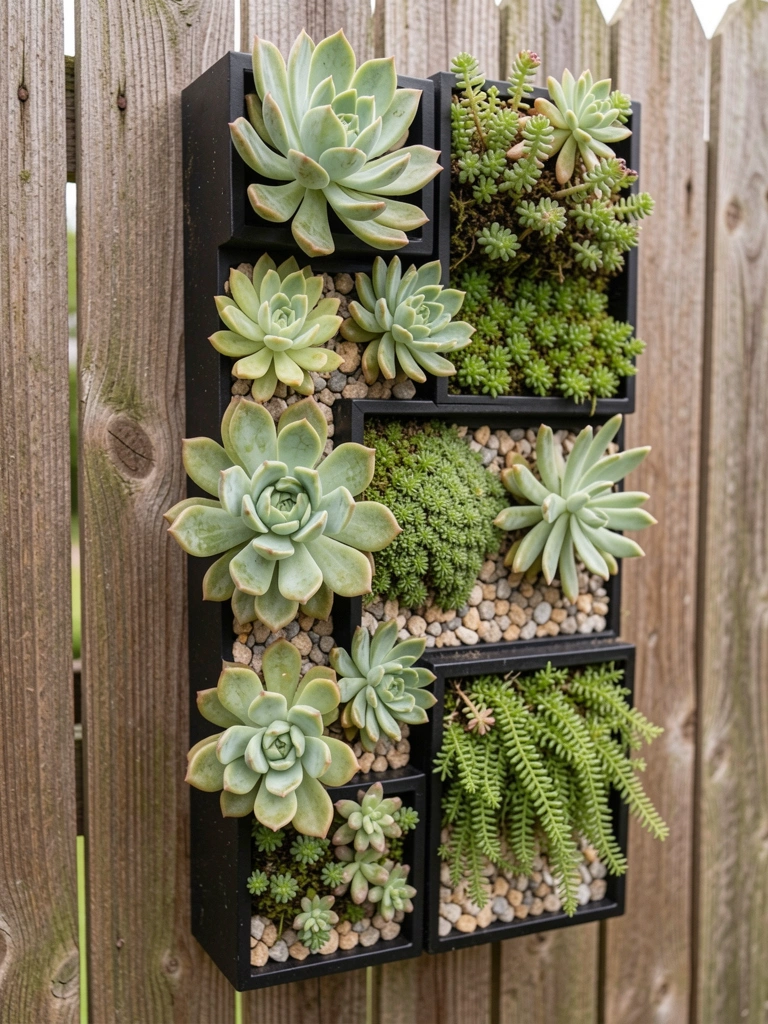
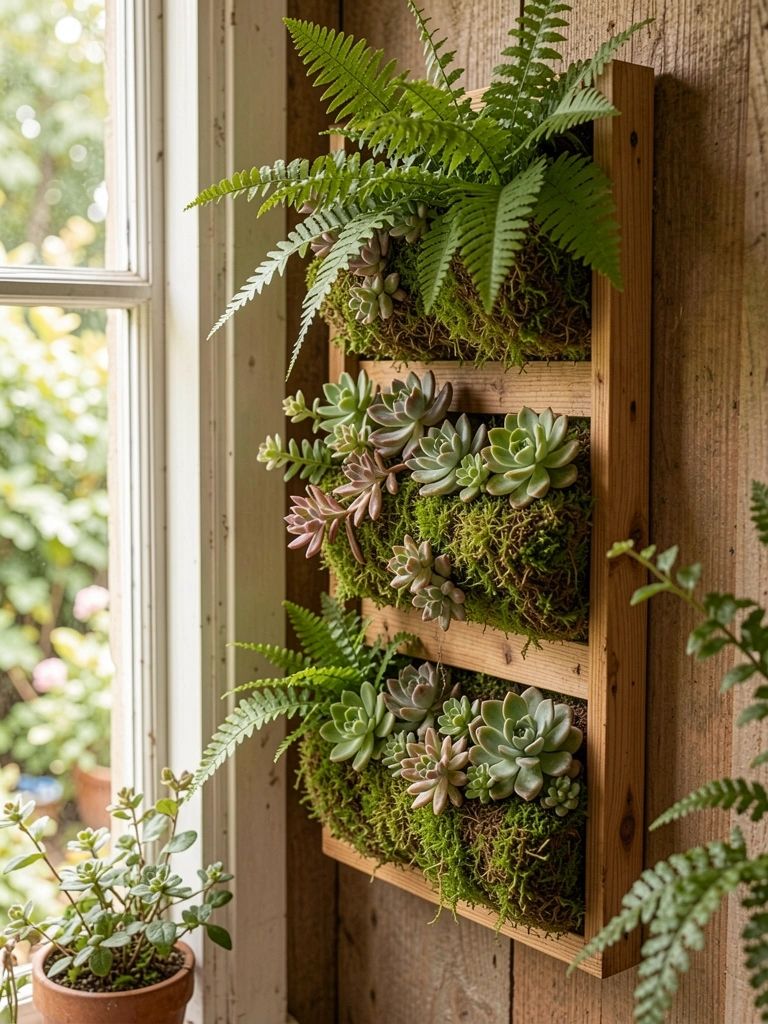
    1. Vertical Succulent Wall That Hides a Fence

    I built this on my chain-link fence last spring. Succulents in slim frames turned an eyesore into a green backdrop. It softens the yard's edges without eating space.

    Airflow keeps them happy—no rot like my first try with too much soil. Mornings, dew clings to leaves, catching light. Feels calm, pulls your eye up.

    Watch drainage holes. Overwater once, and they slump. Mine thrives on rain alone now.

    What You’ll Need for This Look

    Vertical succulent wall kit (black metal)
    Echeveria and sedum assorted pack
    Potting soil for succulents (2 quart)

    2. Geometric Gravel Paths Between Raised Beds

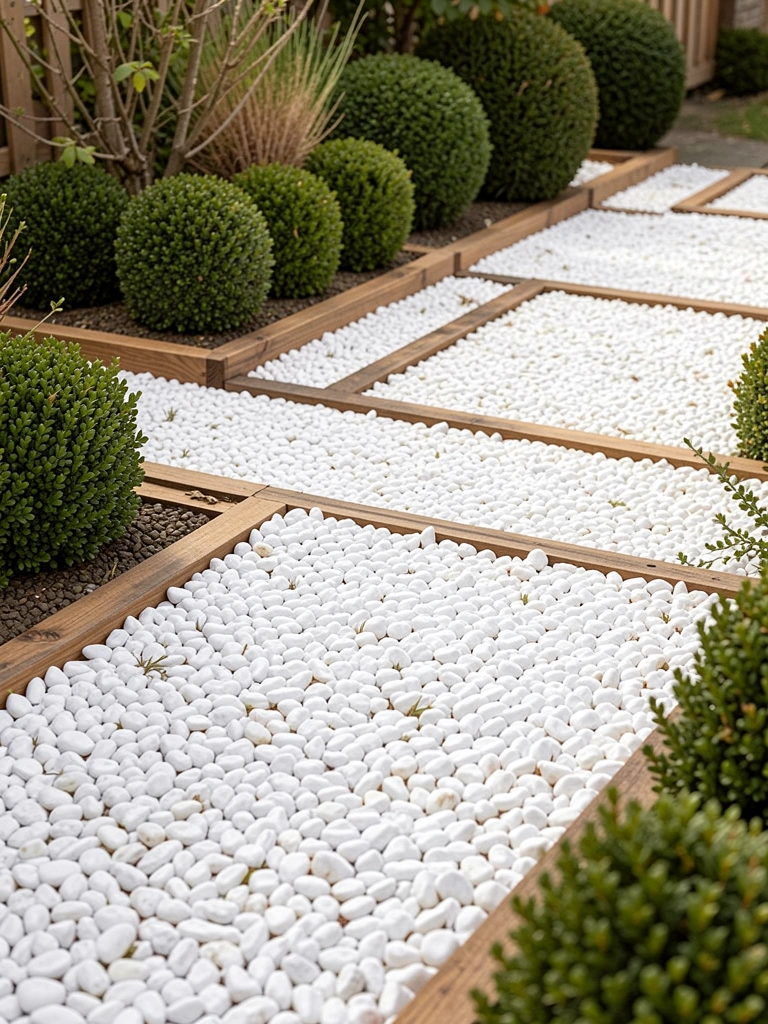
    Laid these paths after mud ruined my shoes one too many times. Straight gravel lines between cedar beds give clean flow. No more weeds crowding plants.

    Stepping stones align perfectly now. Yard feels wider, modern. Dinners outside, feet stay dry.

    Edging strips keep gravel in place—skipped that first, regretted it. Rake smooth weekly.

    What You’ll Need for This Look

    White pea gravel (50 lb bag)
    Cedar raised bed kit (4×4 foot)
    Metal landscape edging (10 foot)

    3. Corten Steel Planters in a Clean Grid

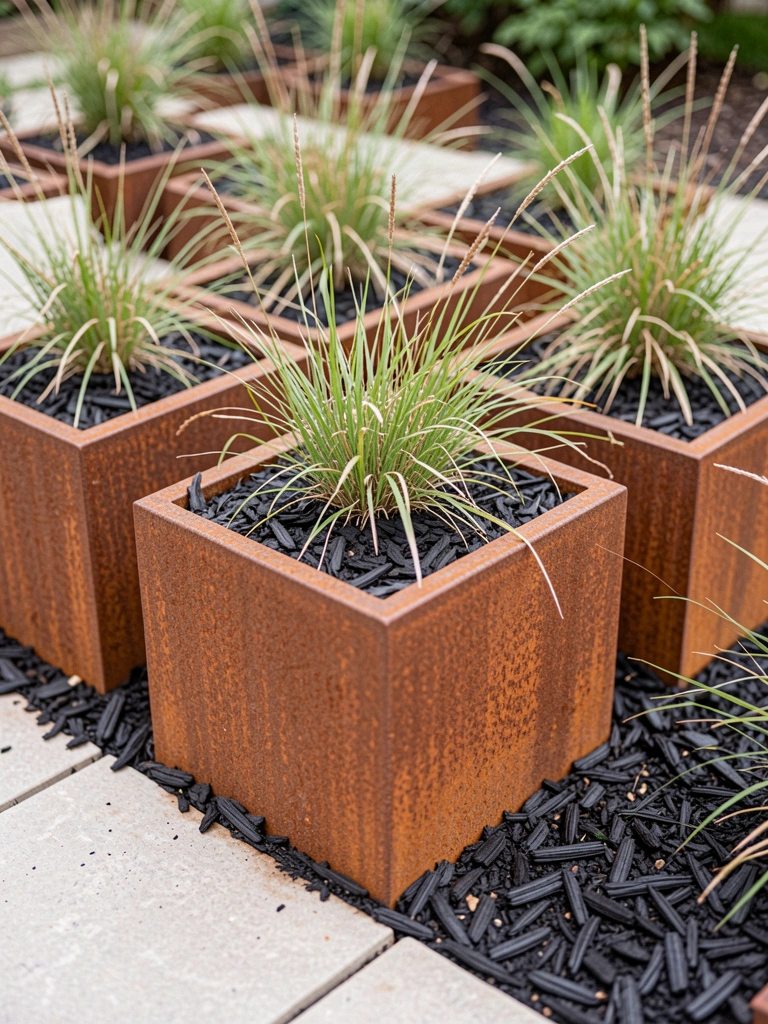
    Planted these rusty steel boxes after plastic ones cracked. Grid layout on my patio looks sharp, holds tall grasses that sway.

    Rust weathers to warm brown—pairs with concrete. Space feels structured, not stiff. Coffee there hits different.

    Bought short ones first; they drowned roots. Go deeper for perennials.

    What You’ll Need for This Look

    Corten steel planter (18 inch square)
    Ornamental grass mix (feather reed)
    Solar spotlights for planters (warm white)

    4. Minimalist Fire Pit with Pebble Surround

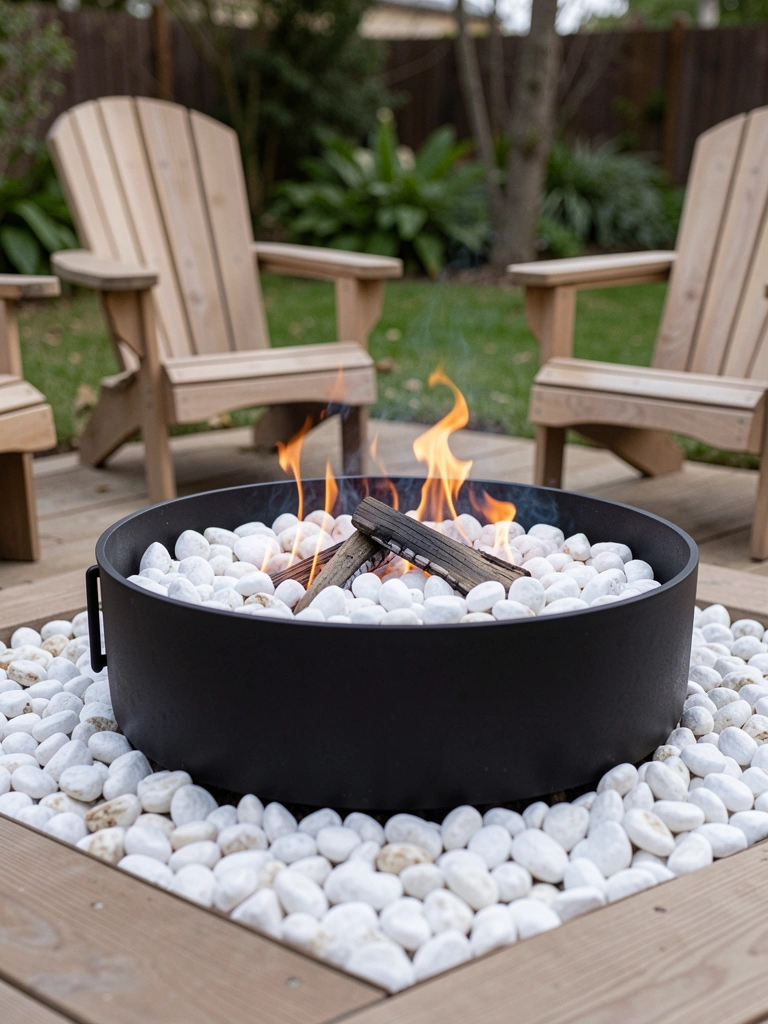
    Dug this pit after smoky barbecues frustrated me. Pebbles around keep it tidy, modern edge. Chairs tuck close.

    Nights glow soft—no ash mess. Conversations linger. Yard's heart now.

    Pavers underneath stopped grass fire once. Essential.

    What You’ll Need for This Look

    Portable fire pit (36 inch steel)
    White river pebbles (40 lb)
    Low-profile Adirondack chairs (teak)

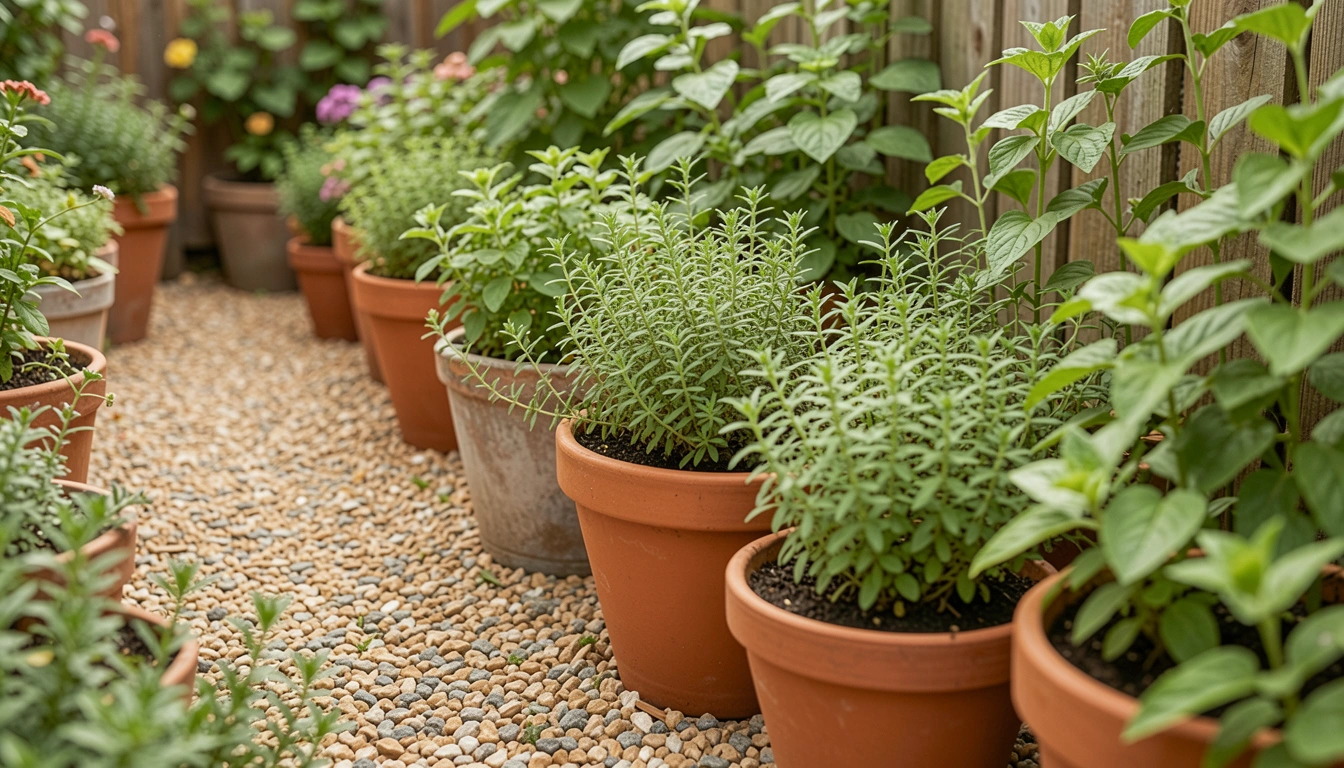
    5. Linear Herb Strips Along the House

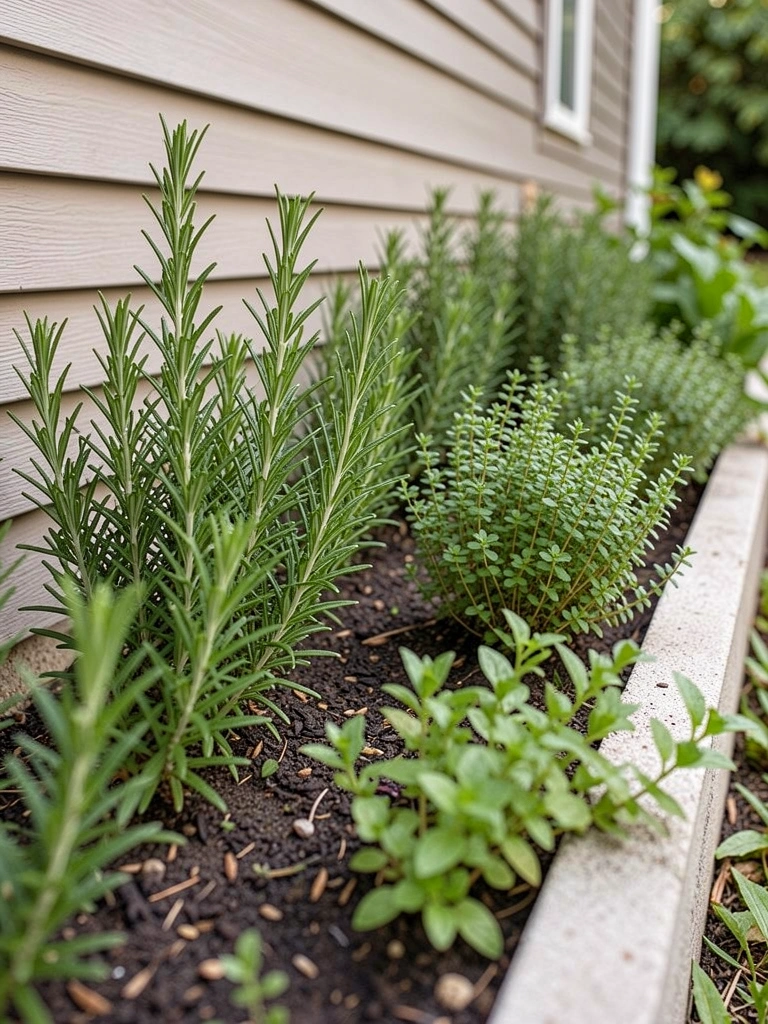
    Ran these slim beds by my back door for fresh cuts. Thyme and rosemary fill without sprawl. Clean lines hug the wall.

    Snip for dinner—handy, smells amazing. Feels useful, sleek.

    Overplanted basil first; crowded out. Space them 12 inches.

    What You’ll Need for This Look

    Narrow raised herb bed (galvanized steel)
    Rosemary plant (4 inch pot)
    Concrete paver edging (12 inch)

    6. Bamboo Screening for Soft Privacy

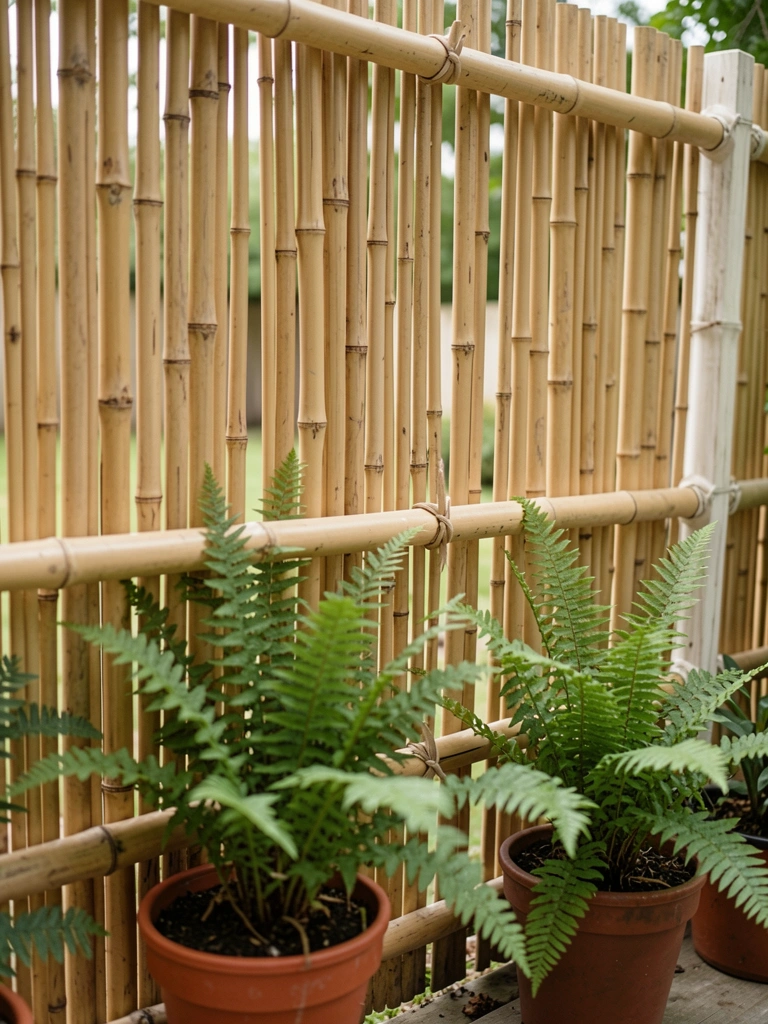
    Rolled this up after neighbors peeked over. Blocks views but lets breeze through. Ferns below soften it.

    Yard feels private, airy. Lounging without stares.

    Tied loosely—wind snapped tight ones. Check ties yearly.

    What You’ll Need for This Look

    Bamboo privacy screen (6×8 foot)
    Boston fern in hanging pot
    UV-resistant zip ties (100 pack)

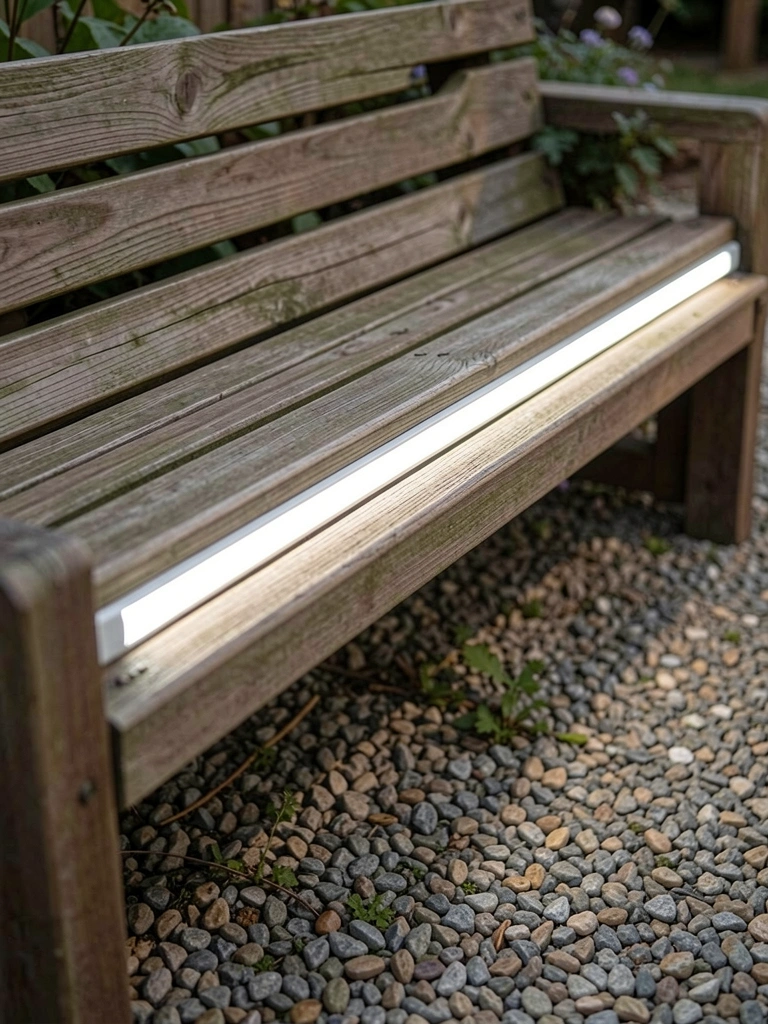
    7. LED Linear Lights Under Benches

    Tucked these under my benches for night paths. Clean glow outlines edges, no glare.

    Evenings feel safe, modern. Reads like indoor lighting outside.

    Battery ones died fast; wired solars last.

    What You’ll Need for This Look

    LED linear strip lights (solar, 10 foot)
    Modern concrete bench (4 foot)
    Weatherproof extension cord (25 foot)

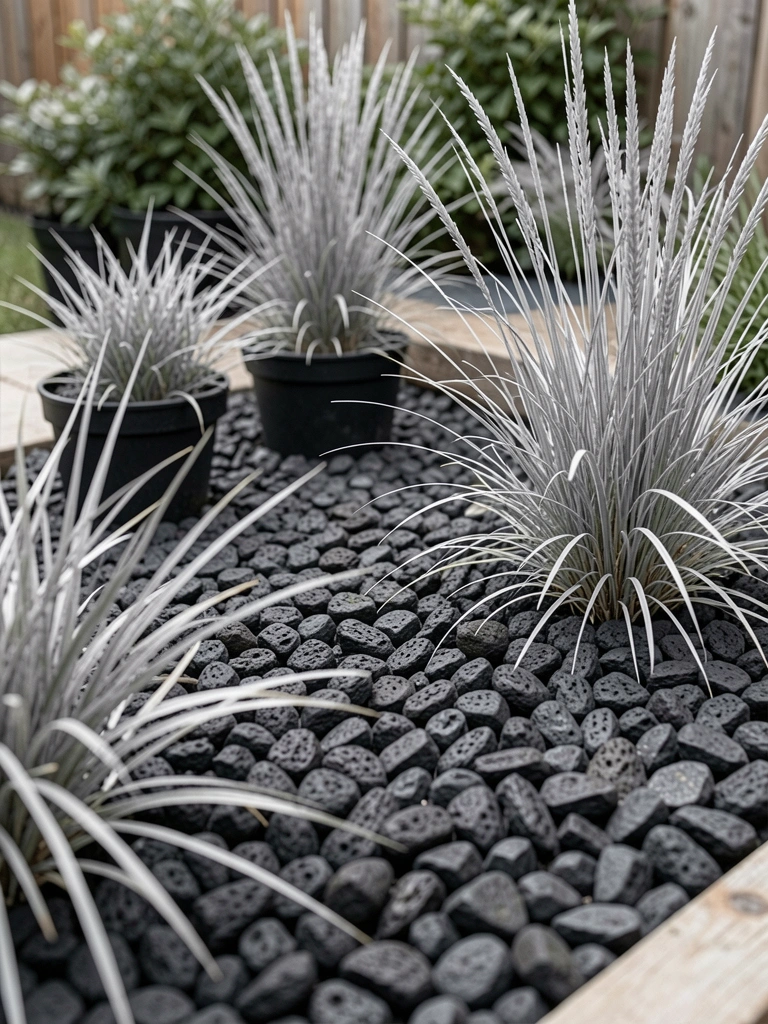
    8. Monochrome Gravel Mulch Beds

    Switched to black gravel after colors clashed. Silver grasses pop against it—sleek, low fuss.

    Yard reads calm from afar. Less weeding too.

    Light gravel faded; dark hides dirt.

    What You’ll Need for This Look

    Black lava rock mulch (30 lb)
    Blue fescue grass plugs
    Black plastic weed fabric (3×50 foot)

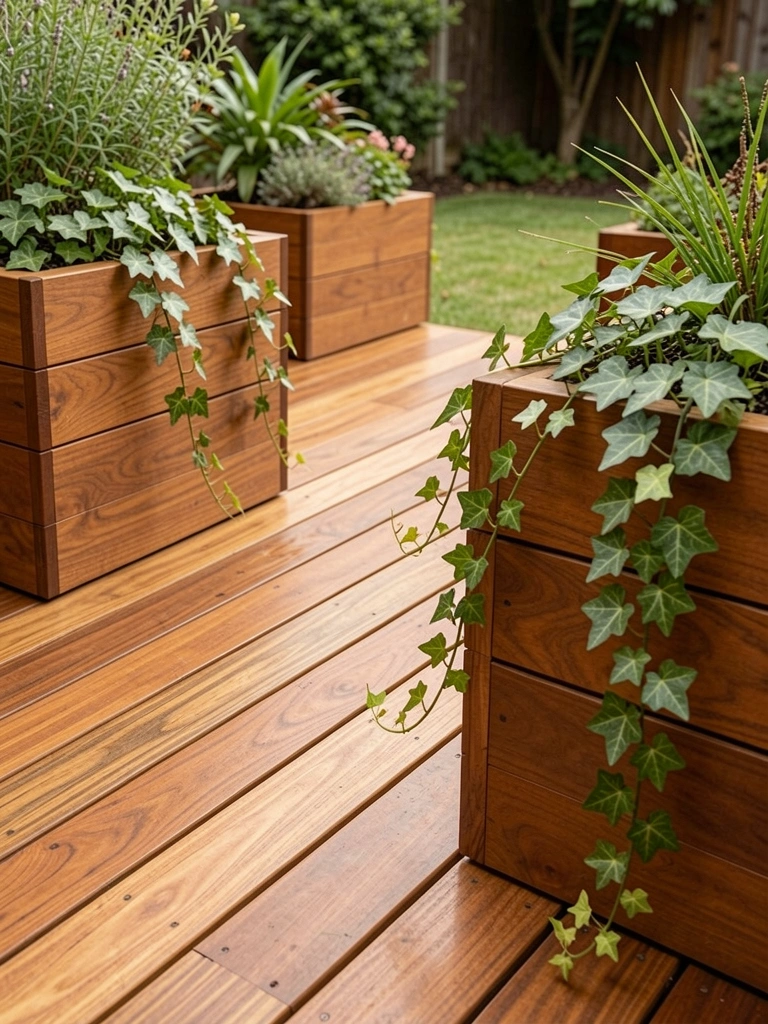
    9. Floating Wooden Deck with Edge Planters

    Raised this deck low to ground—planters on edges drip green over sides.

    Feels expansive, modern platform. Bare feet love it.

    Level blocks first; uneven warped boards.

    What You’ll Need for This Look

    Composite decking boards (5.5 inch x 12 foot)
    Built-in planter boxes (cedar)
    English ivy trailing plants

    10. Sleek Water Blade Feature

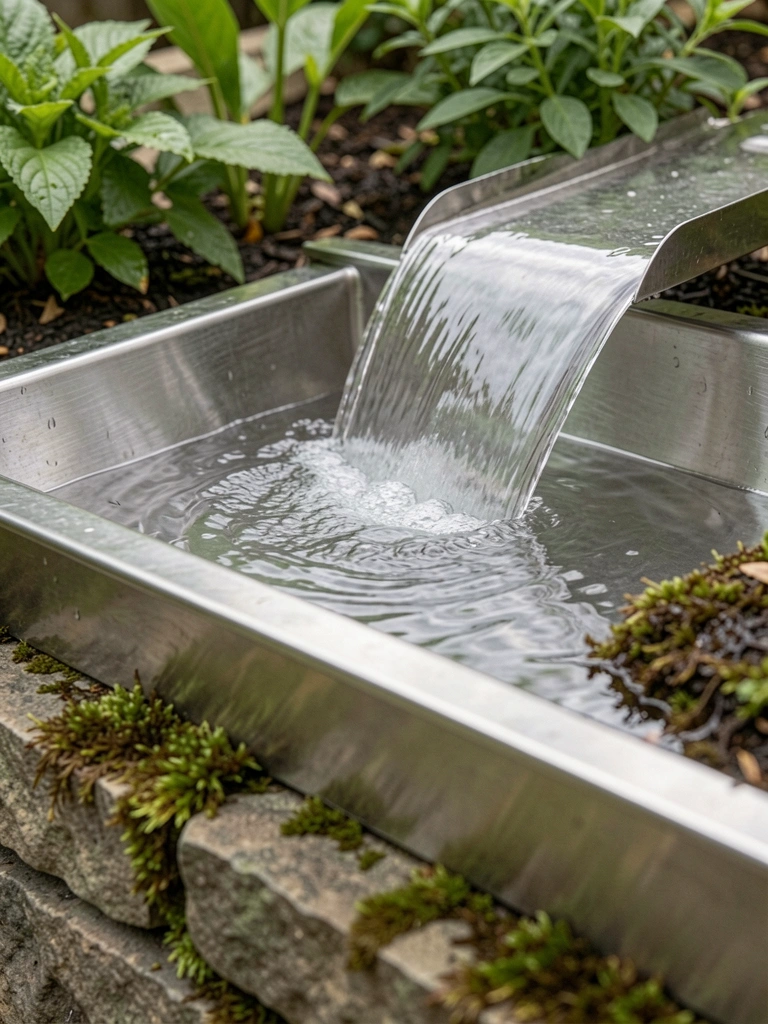
    Installed this thin water sheet after birds splashed my old fountain. Steady flow, no spray.

    Sound soothes, cools air. Modern focal point.

    Pump clogged with leaves; screen it.

    What You’ll Need for This Look

    Stainless steel water blade (24 inch)
    Submersible pond pump (300 GPH)
    Natural stone basin (18×24 inch)

    11. Modular Metal Trellis for Vines

    Set these panels for clematis after sprawl took over. Grid climbs neat, screens shed.

    Green curtain grows in—privacy builds slow.

    Wire too thin bent; go heavy gauge.

    What You’ll Need for This Look

    Modular black metal trellis (4×8 foot)
    Clematis vine starter plant
    Ground anchor stakes (galvanized)

    12. Low-Water Native Grass Swale

    Shaped this shallow dip for runoff. Native grasses wave soft—no hose needed.

    Looks textured, modern meadow vibe. Bees love it.

    Sowed thick; sparse spots showed. Overseed year two.

    What You’ll Need for This Look

    Native grass seed mix (buffalo grass)
    Decomposed granite (50 lb)
    Drip irrigation tubing (1/2 inch)

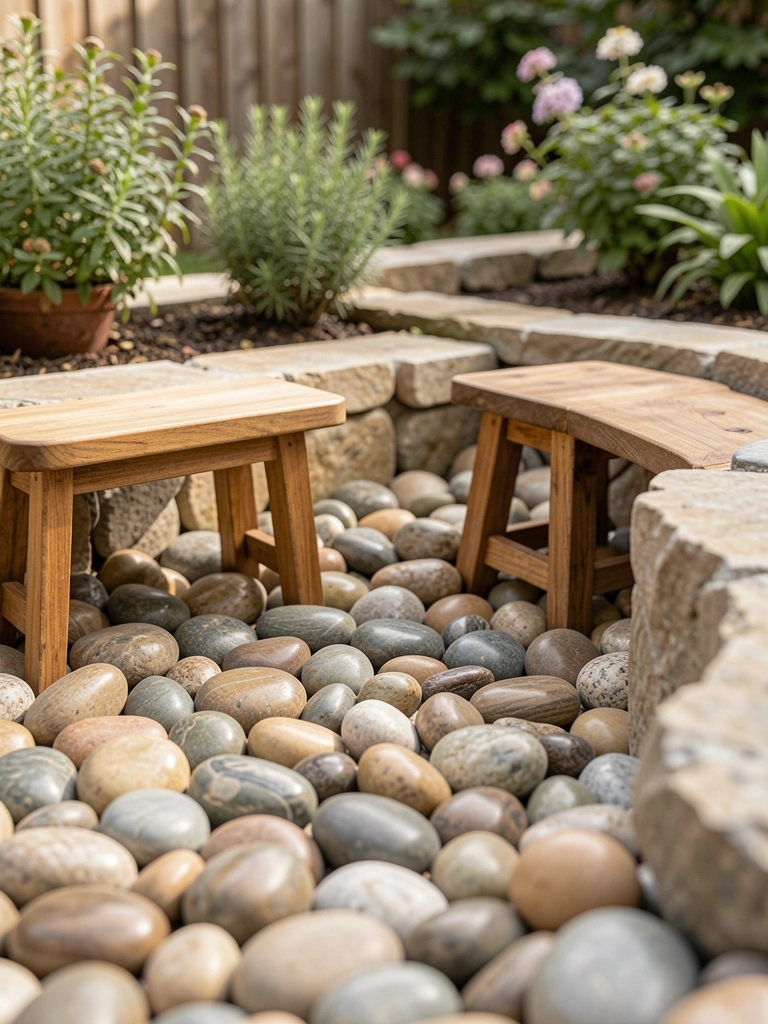
    13. Polished Pebble Seating Nook

    Piled pebbles into low walls around a stool. Smooth underfoot, holds shape.

    Nook invites pause—quiet read spot.

    Mixed sizes first; all same locks tight.

    What You’ll Need for This Look

    Polished river pebbles (mixed sizes, 40 lb)
    Teak garden stool (round)
    Landscape fabric pins (50 pack)

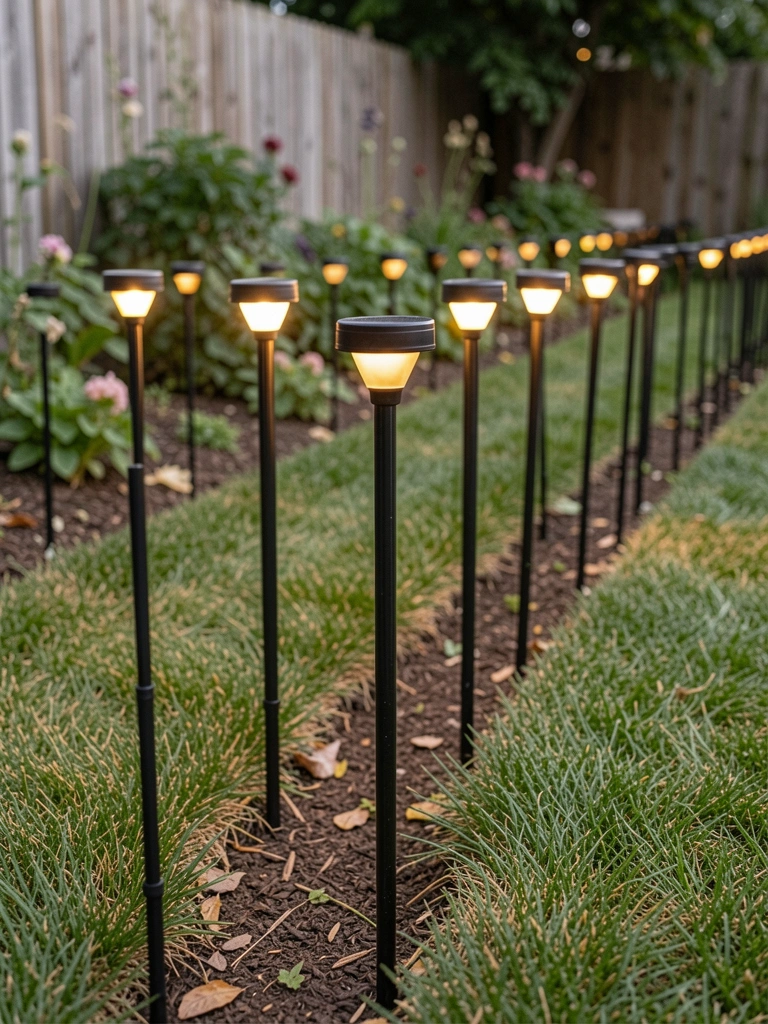
    14. Solar Path Stakes in Straight Lines

    Staked these along walks after tripping in dark. Thin lines light precise.

    Nights guide soft—no wires. Modern minimal.

    Cheap ones flickered; stake deep.

    What You’ll Need for This Look

    Solar path stakes (black, 10 pack)
    Ground spike extensions (6 inch)
    Black rubber mulch (20 lb)

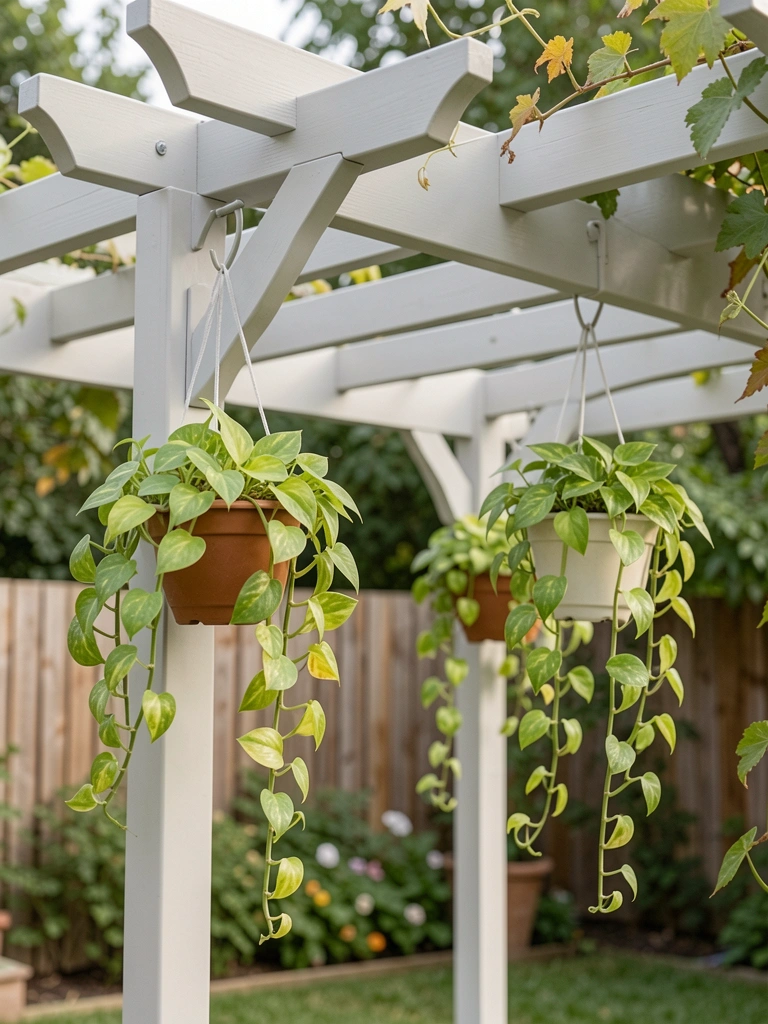
    15. Clean-Line Pergola with Hanging Pots

    Framed this open pergola for shade. Pots hang straight, trail pothos down beams.

    Dining under feels sheltered, airy. Green frames sky.

    Wood warped; metal holds true.

    What You’ll Need for This Look

    Aluminum pergola kit (10×10 foot)
    Hanging planter pots (metal, 10 inch)
    Pothos trailing plant (6 inch)

    Final Thoughts

    Pick one idea that fits your yard's spot. Mine grew slow, piece by piece.

    No rush for all 15. Yours will settle in real.

    You'll sit back soon, glad you started.

  • 7 Budget Backyard Garden Design Ideas That Work

    7 Budget Backyard Garden Design Ideas That Work

    I stared at my backyard last spring—just patchy grass and bare dirt. Felt like a blank canvas I couldn't afford to paint. Then I started small, grabbing cheap pots from a garage sale. Suddenly, it felt alive. Green spilling over edges. You can do this too. No big budget needed. Just honest tweaks that stick.

    7 Budget Backyard Garden Design Ideas That Work

    These 7 ideas come from my own yard trials. Each one's under $100, easy to pull off in a weekend. They'll make your space feel full and welcoming without breaking the bank.

    1. Layered Container Planting That Fills a Bare Patio

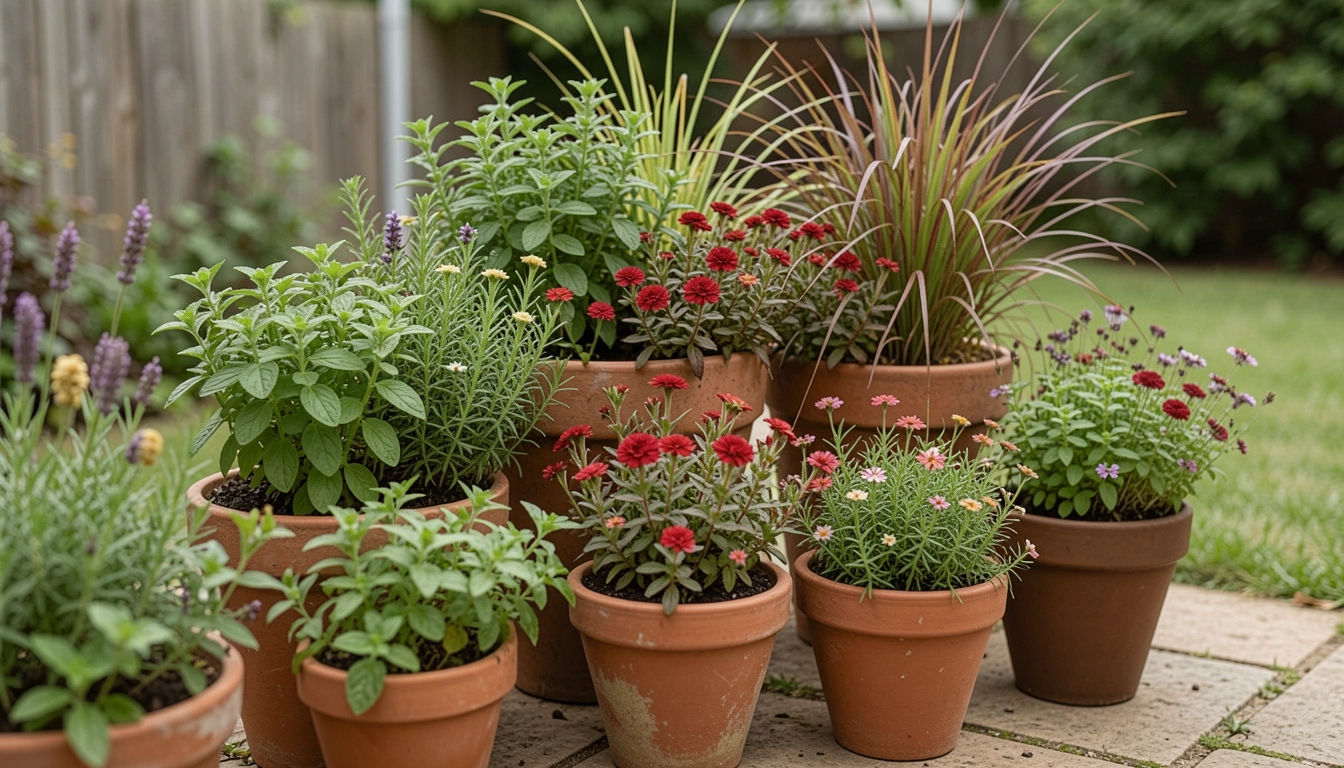
    I had this empty concrete patio that echoed when I walked on it. Started stacking pots—tall ones in back with lavender, shorter ferns in front. Filled gaps with trailing vinca. Now it feels cozy, like a secret spot. The layers trick your eye into seeing abundance.

    Wind knocked one pot over early on. Learned to nestle them close, weighted with rocks at the base. Pay attention to drainage holes—water pools otherwise.

    Sun hits here late, so I picked shade lovers. It softened the hard edges overnight.

    What You’ll Need for This Look

    2. Gravel Mulch Paths That Cut Weeding Time

    My grass paths turned to mud after rain. Spread pea gravel over cardboard—no digging. Weeds stopped popping up. Now I walk back there without soggy shoes. It pulls the eye to the beds.

    I skimped on landscape fabric once; weeds snuck through. Cardboard works better, breaks down into soil.

    Keeps things tidy, lets water soak in. Feels intentional, not fancy.

    What You’ll Need for This Look

    3. Vertical Herb Wall on a Plain Fence

    Fence was bare, staring back at me. Hung gutters sideways for herbs—basil up top, mint below. Picked fresh for dinner daily. Turns dead space into something useful.

    Overwatered at first; roots rotted. Now I check soil with a finger. Herbs love the air flow here.

    Saves ground space. Smells amazing on hot days.

    What You’ll Need for This Look

    4. Pallet Raised Beds for Root Crops

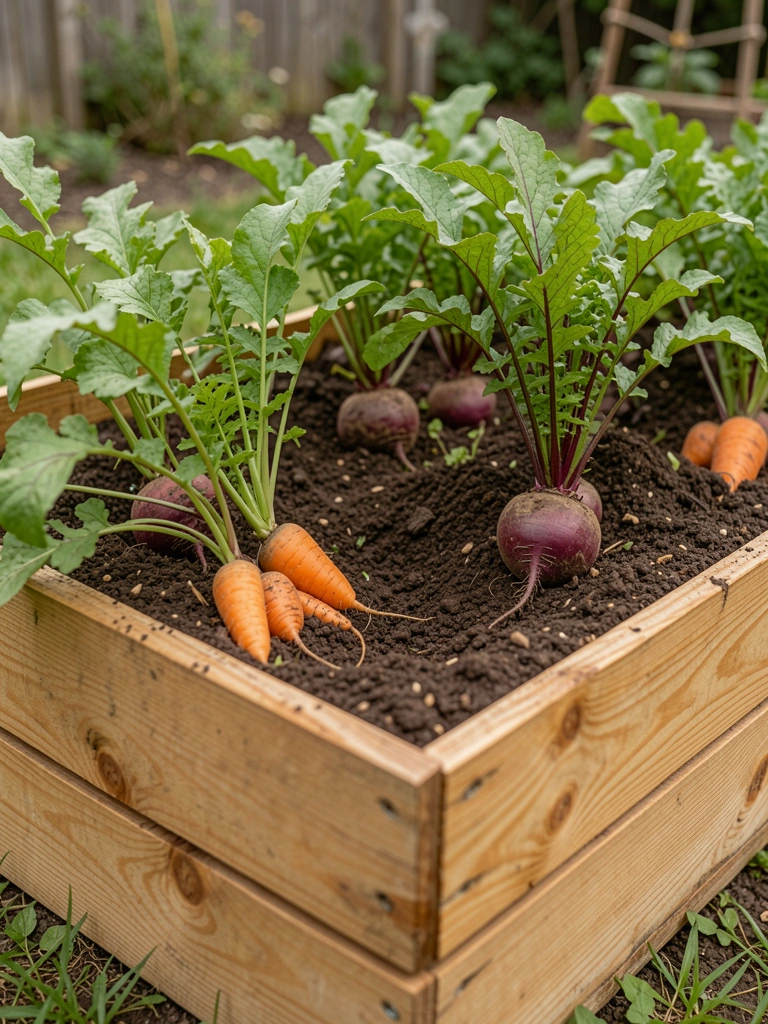
    Tried direct sowing; poor soil killed everything. Built raised beds from free pallets—lined with plastic. Carrots pushed through deep. Harvest feels like winning.

    Pallets splintered once. Chose heat-treated ones now. Fill halfway with compost for roots.

    Easier on my back. Stays put through storms.

    What You’ll Need for This Look

    5. Solar String Lights Along Bed Edges

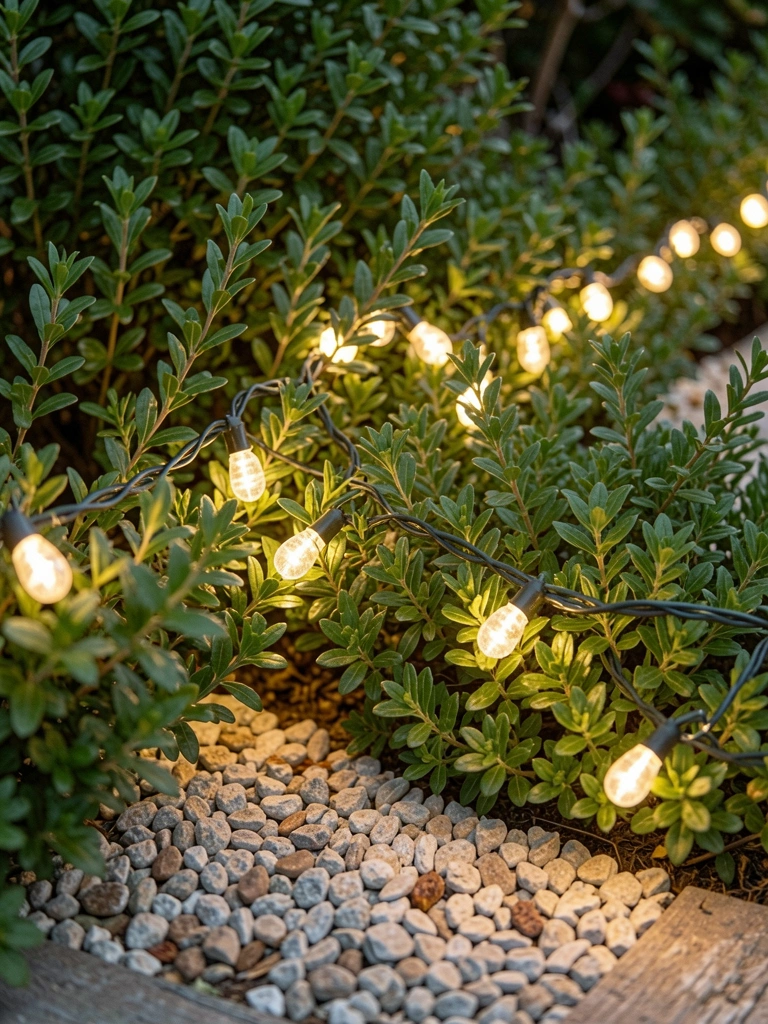
    Backyard went dark at dusk. Draped solar strings along beds—low voltage, no wiring. Now evenings feel inviting, bugs lit up softly.

    Bought cheap ones; faded fast. These hold color. Stake them down against wind.

    Draws you out after dinner. Simple glow.

    What You’ll Need for This Look

    6. Recycled Brick Edging That Holds Soil Back

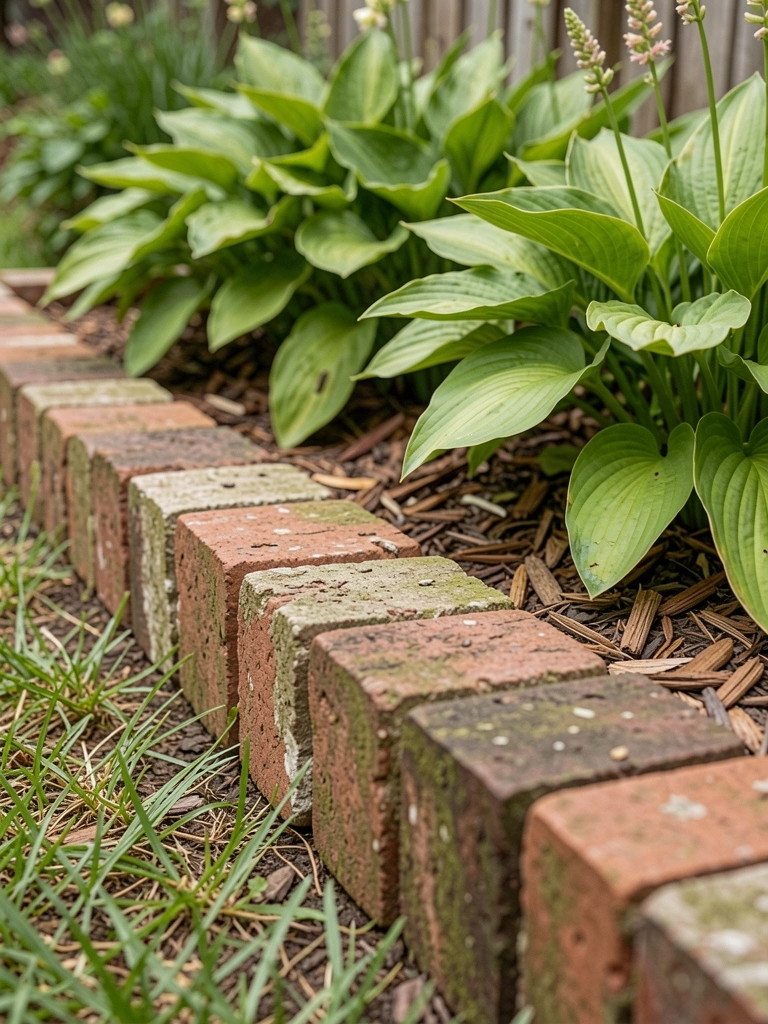
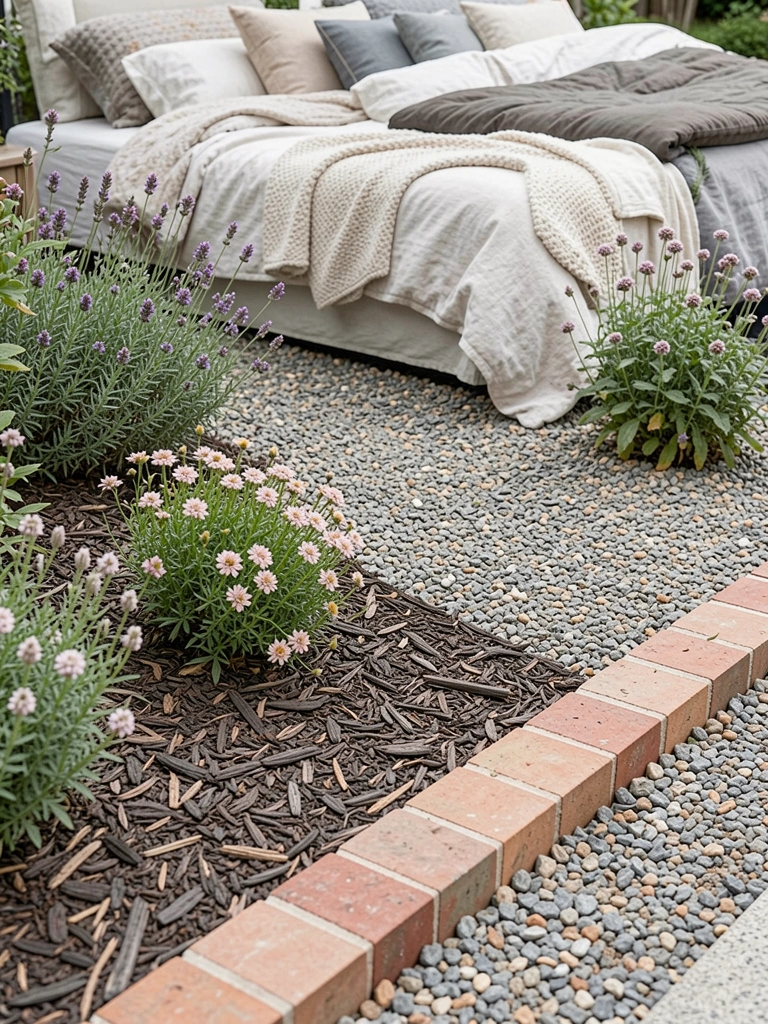
    Soil washed into paths every rain. Scrounged bricks from a neighbor—dug trench, set them in. Beds stay neat, flowers pop against the red.

    Buried too shallow first time; shifted. Half-bury now, tamp firm.

    Clean lines without cost. Lasts years.

    What You’ll Need for This Look

    7. Thrifted Bench Nook with Potted Accents

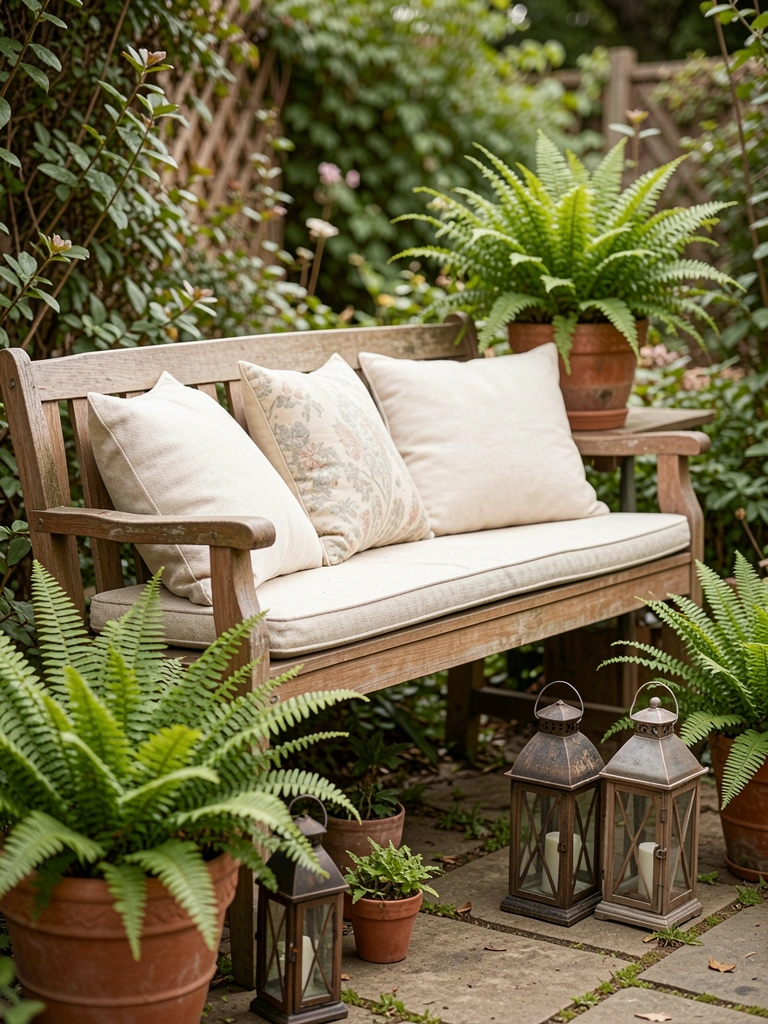
    No place to sit back there—just mowed lawn. Found a bench curbside, sanded it, added pots around. Now it's my coffee spot mornings.

    Cushions faded in sun. Chose outdoor fabric next. Cluster pots uneven for flow.

    Feels like mine. Quiet retreat.

    What You’ll Need for This Look

    Final Thoughts

    Pick one idea to start—maybe the containers if your patio's bare. My yard grew bit by bit, not all at once. You'll see changes fast. It's your space. Make it comfortable. You've got this.

  • 21 Smart Small Backyard Garden Design Solutions

    21 Smart Small Backyard Garden Design Solutions

    I stared at my cramped backyard last spring, just a slab of concrete and a few sad pots. It felt like wasted space, not a place to unwind. Then I started layering plants right where I walked most. Suddenly, it breathed—greener, softer, alive.

    That shift hit me: small yards aren't about big changes. They're about stacking what fits, watching it fill in over weeks.

    Now, every corner pulls me outside. You can do this too, step by step.

    21 Smart Small Backyard Garden Design Solutions

    Here are 21 ideas from my own small backyard trials. Each one fits tight spaces, uses what I had or grabbed cheap. You'll see exactly 21 smart solutions to try.

    1. Layered Container Planting That Fills a Bare Patio

    I grouped three sizes of pots on my plain patio last year—tall grasses in the back, bushy herbs mid-level, spillers like sweet potato vine dangling front. It turned dead space into a green wall that sways in the breeze. Walked out one morning, coffee in hand, and it just felt full, not crowded.

    The key was uneven heights; no straight lines. Plants grew together, hiding pot edges after a month.

    Watch drainage—my first stack tipped once from soggy soil. Elevate the biggest pot on bricks.

    What You’ll Need for This Look

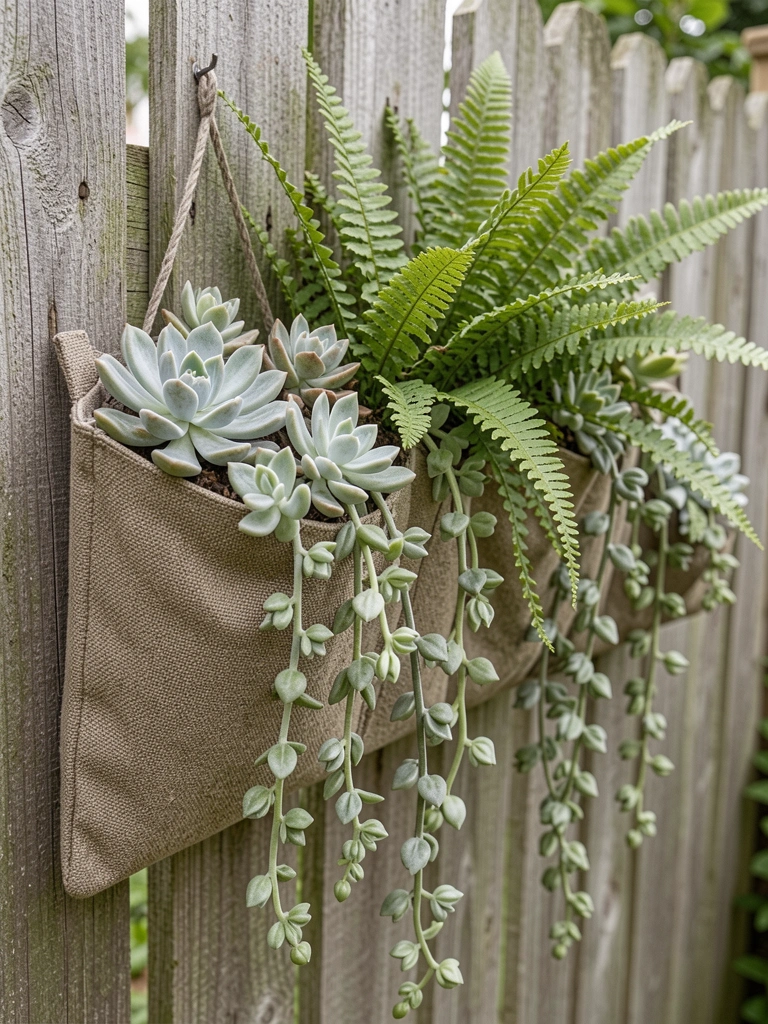
    2. Vertical Pocket Planters Climbing a Plain Fence

    My fence was an eyesore, bare wood staring back. I hung felt pockets stuffed with sedums and hens-and-chicks. They cascade now, softening the whole yard without taking floor space. Sit on the bench, and it's like a living backdrop.

    Started small, five pockets high. Filled out by summer, birds perch there.

    Overlap them slightly for coverage. Water from the top; bottoms stay drier.

    What You’ll Need for This Look

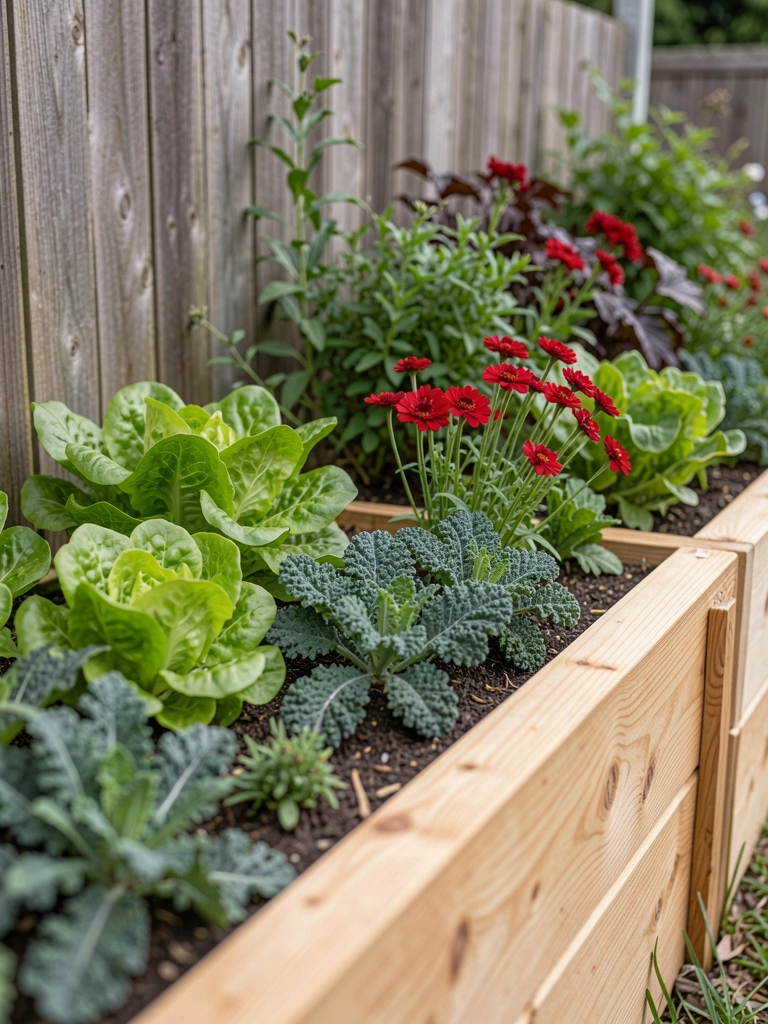
    3. Narrow Raised Beds Hugging the Backyard Edge

    I built slim 2-foot-wide beds against the fence for veggies. Planted lettuces close, marigolds edging. Harvested salads weekly, and the green line makes the yard feel longer, not squeezed.

    Soil warmed fast; things bolted less than in ground.

    Screw them secure—wind rocked mine first try. Fill with cheap compost mix.

    What You’ll Need for This Look

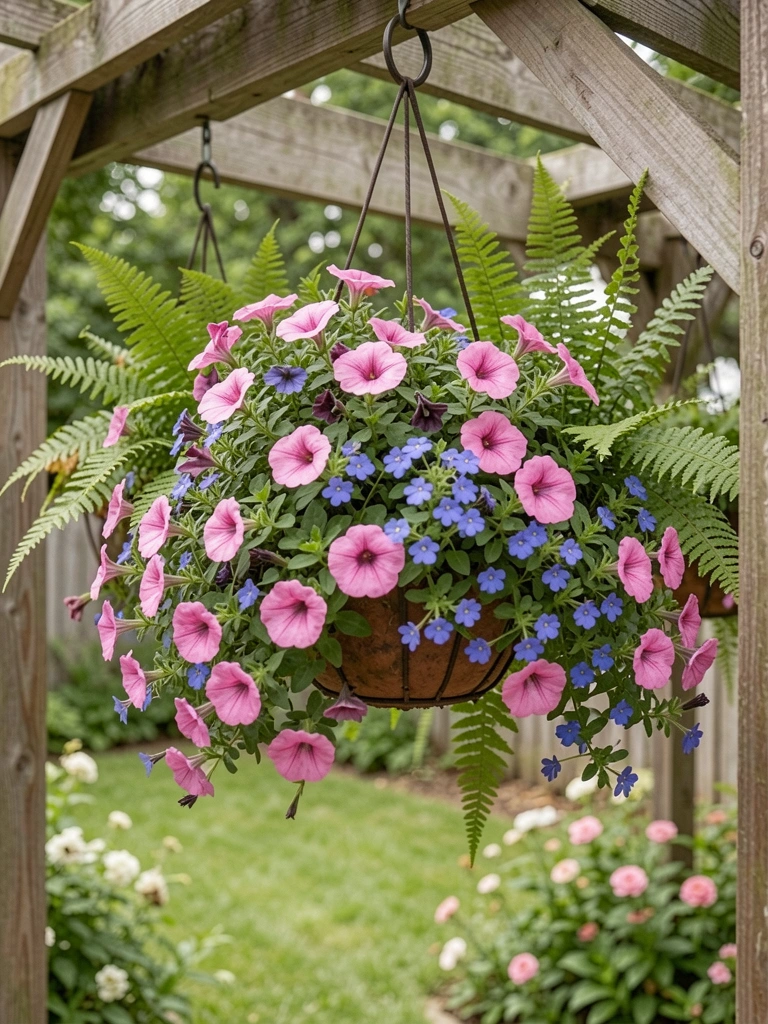
    4. Overhead Hanging Baskets Dripping Color

    Strung baskets from a simple pergola over my table. Million bells and fuchsias trail down, shading lunch spots. Breeze catches them; it's cooler under there now.

    They sway without hitting heads—space feels taller.

    Chain lengths vary for layers. Deadhead weekly or they sparse out.

    What You’ll Need for This Look

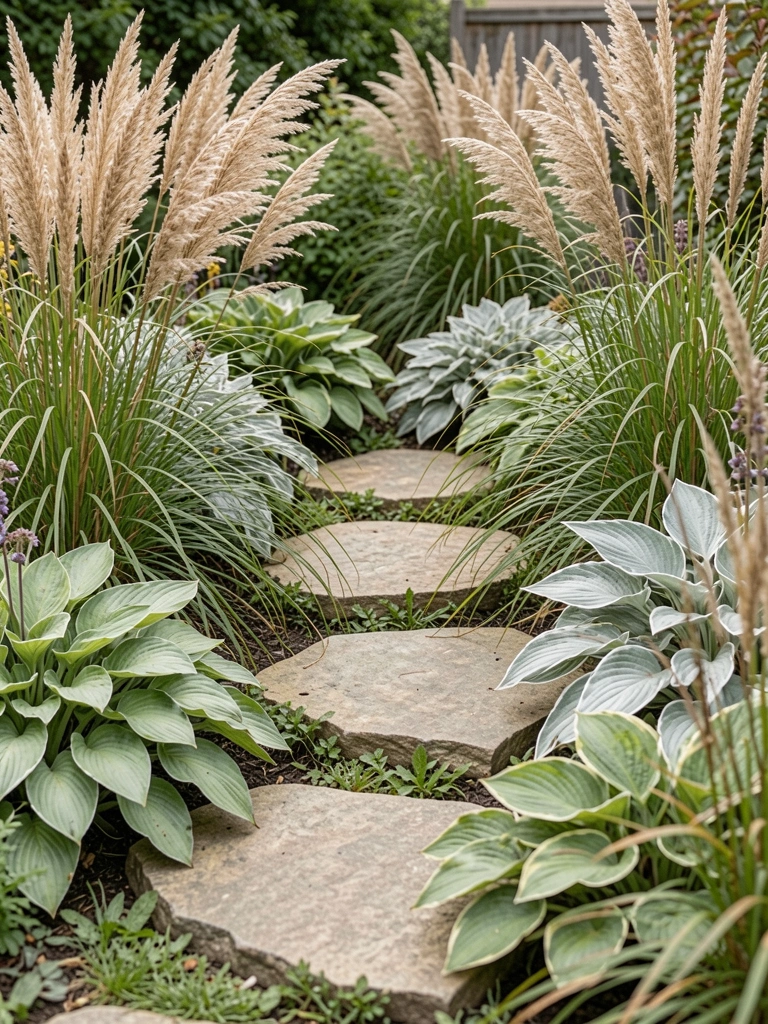
    5. Winding Stepping Stone Path Through Grasses

    Laid flat stones in a curve through knee-high grasses. Guides feet without mowing everything. Feels secret, peaceful—grasses whisper past legs.

    But I spaced stones too far first; tripped once muddy. Closer now, 18 inches apart.

    Sink them level. Grasses hide edges over time.

    What You’ll Need for This Look

    6. Built-In Bench Nook with Encircling Pots

    Cobbled a bench from pallets, ringed it with pots of lavender and catmint. Sit there evenings; scents rise warm. Yard feels like it has a heart now.

    Pots on risers keep plants at nose height.

    Anchor bench sturdy—mine wobbled till braced.

    What You’ll Need for This Look

    7. Trellis Frame for Climbing Roses

    Erected a fan trellis on the shed; 'Zephirine Drouhin' roses clamber up. Flowers nod over the path, scent hits walking by. Screens junk without bulk.

    Tied loose canes early; they grip now.

    Face south for blooms. Prune lightly.

    What You’ll Need for This Look

    8. Gravel Mulch Zones for Clean Walkways

    Dumped pea gravel between beds—no more mud tracking in. Weeds stay down; rakes easy. Yard looks tidy without daily work.

    Drains fast after rain. Plants edge it neat.

    Weed fabric under, or it'll sprout through.

    What You’ll Need for This Look

    9. Soft Solar String Lights Over Seating

    Draped solar strings across my chairs. Glows gentle at dusk, pulls evenings longer. Plants silhouette pretty—no harsh glare.

    Stays on 8 hours; recharges daily.

    Stake bases secure; wind tangles.

    What You’ll Need for This Look

    10. Simple Birdbath Nestled in Foliage

    Set a shallow birdbath in ferns; birds splash daily. Draws finches close—watch from kitchen. Mistake: too deep first, birds ignored. Half-filled now.

    Clean weekly; algae builds.

    Level it firm on soil.

    What You’ll Need for This Look

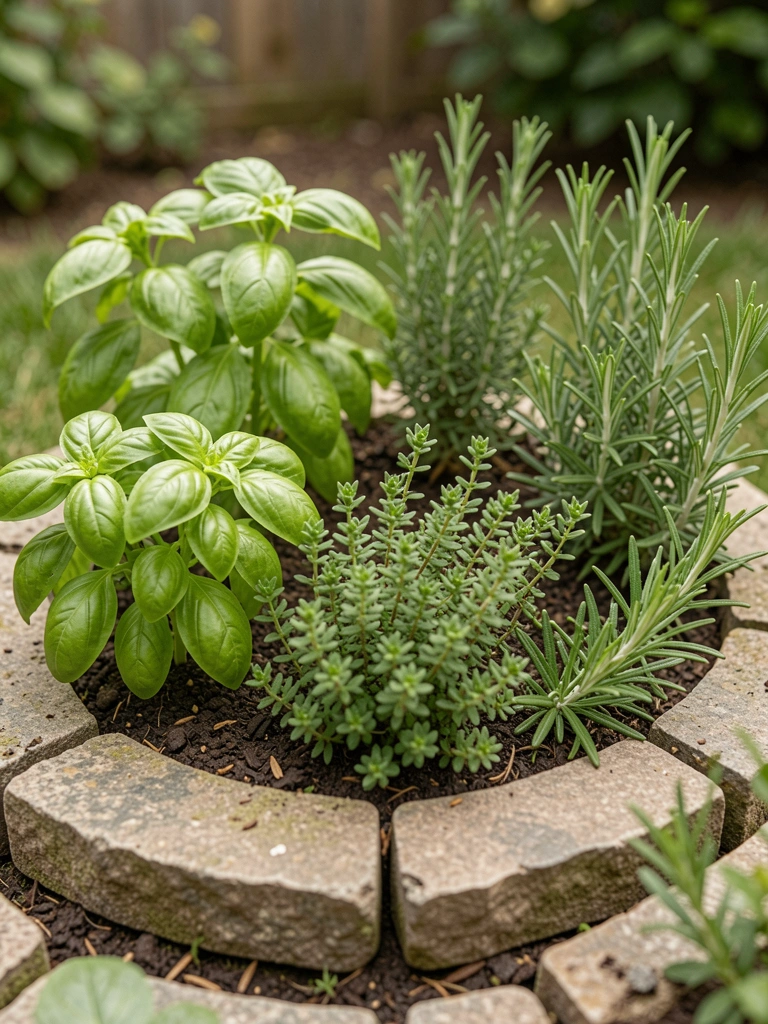
    11. Spiral Herb Bed for Fresh Picks

    Wound rocks into a spiral; thyme low, basil mid, rosemary top. Sunny spot—snip for dinner easy. Microclimates work: drier up high.

    Holds soil without slumping.

    Drainage rocks base.

    What You’ll Need for This Look

    12. Succulent Gravel Tray Border

    Lined my path with a long tray of succulents in gravel. Low water, no flop—crunch underfoot inviting. Fills skinny strips perfect.

    Offsets spread slow but sure.

    Group by water needs.

    What You’ll Need for This Look

    13. Heat-Loving Plants Around Fire Pit

    Planted agave and lemongrass circling my pit. Withstand heat, glow in firelight. Nights feel cozy, contained.

    Space 2 feet from edge—singed leaves once.

    Drought tolerant saves water.

    What You’ll Need for This Look

    14. Vine-Draped Hammock Hideaway

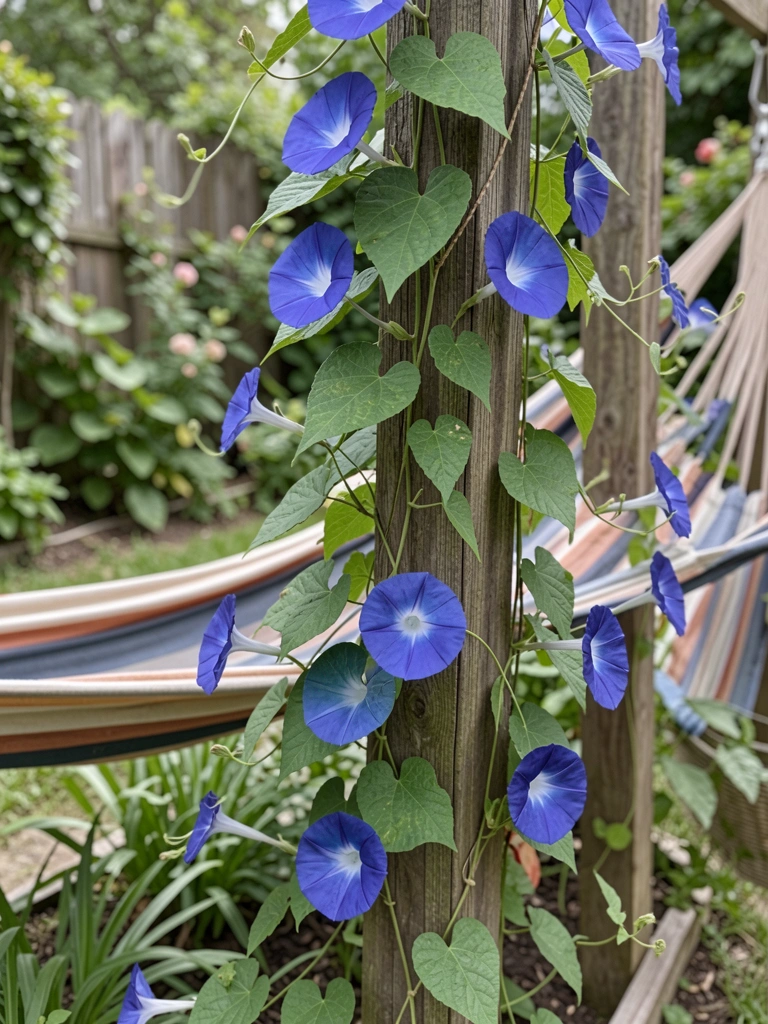
    Strung hammock between posts, trained morning glories up. Blooms curtain it mornings—nap spot heaven. Shade sneaks in free.

    Train young; they grab fast.

    Stand sturdy posts.

    What You’ll Need for This Look

    15. Native Wildflower Patch for Pollinators

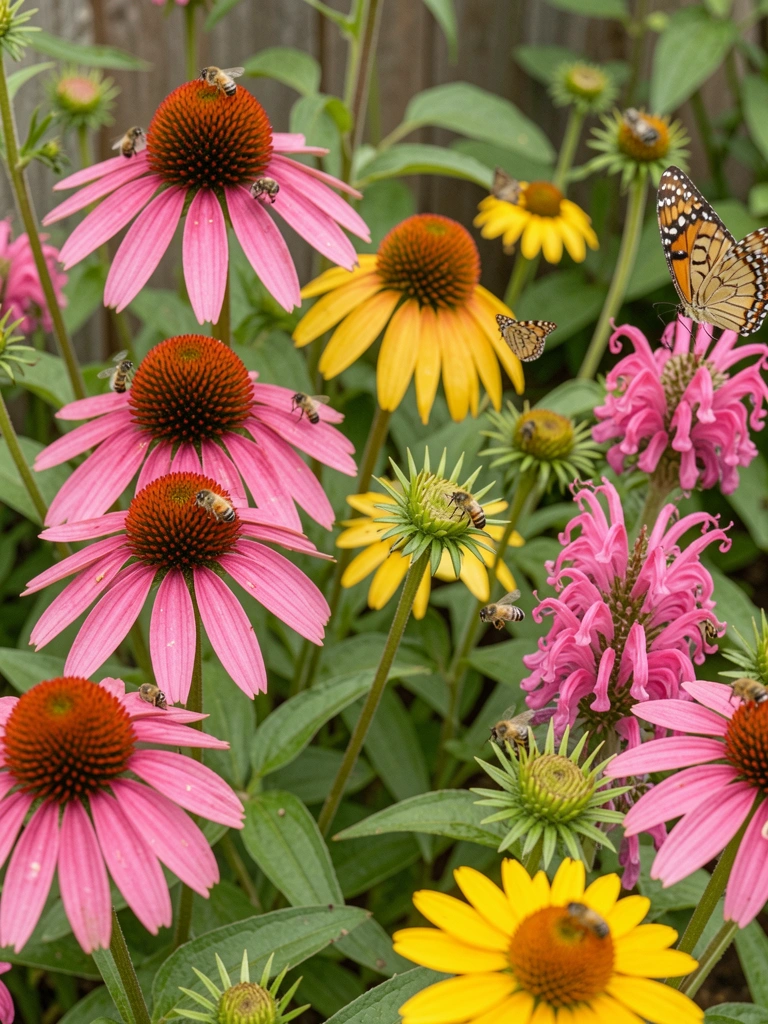
    Seeded a 4×4 patch with natives—coneflowers, milkweed. Bees hum all summer; feels alive, not lonely. Planted too dense first; thinned now, better air.

    Self-seeds gentle.

    No fertilizer needed.

    What You’ll Need for This Look

    16. Full-Length Mirror Behind Tall Plants

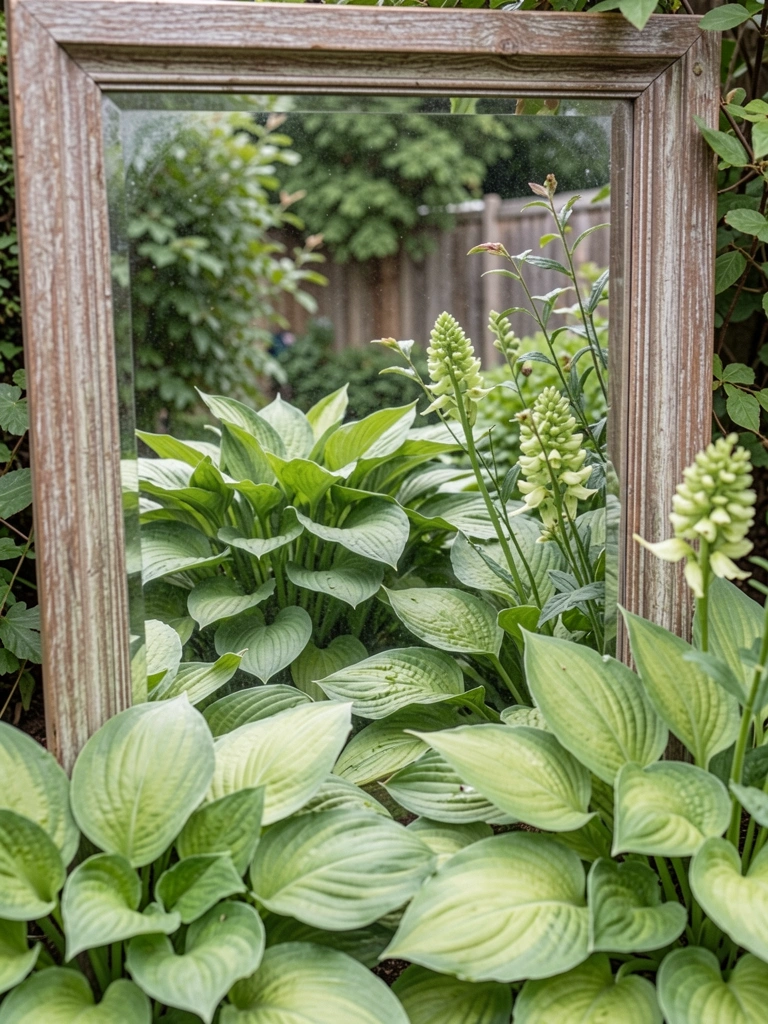
    Hung a tall mirror behind hostas. Doubles the view—yard seems twice deep. Light bounces, brightens corners.

    Wipe smudges; birds see glass.

    Rust-proof frame.

    What You’ll Need for This Look

    17. Stacked Tire Planters for Curves

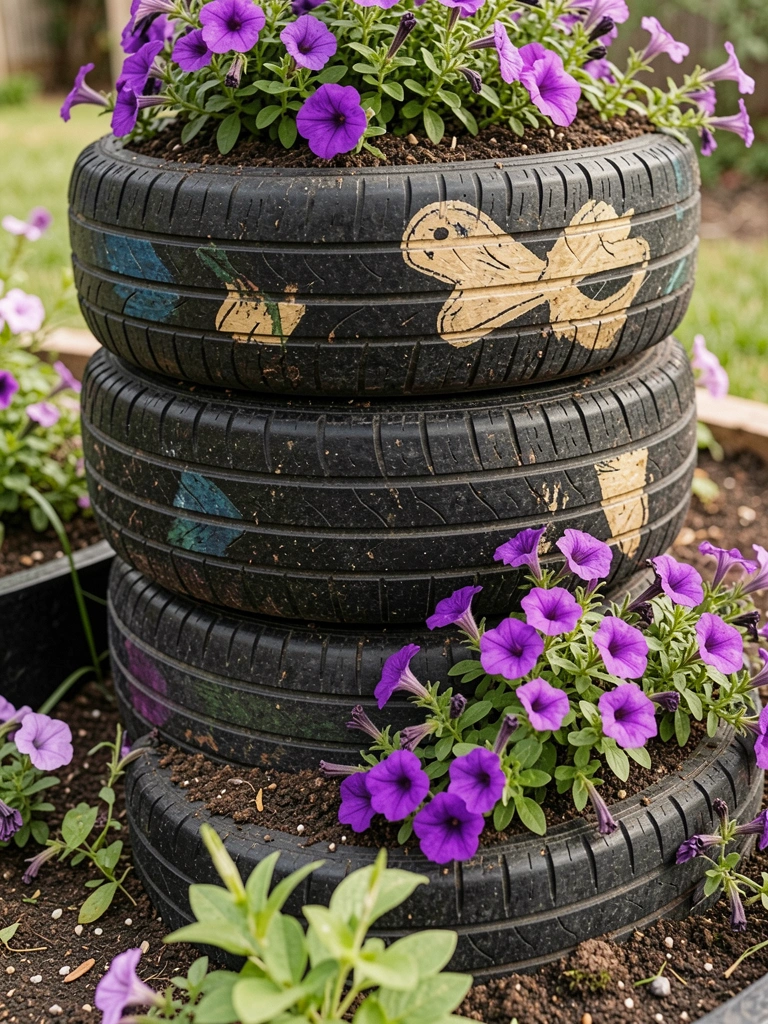
    Cut and stacked old tires, filled with petunias. Curves add play; drains perfect. Free from tires—plants spill fun.

    Poke holes bottom.

    Paint if faded.

    What You’ll Need for This Look

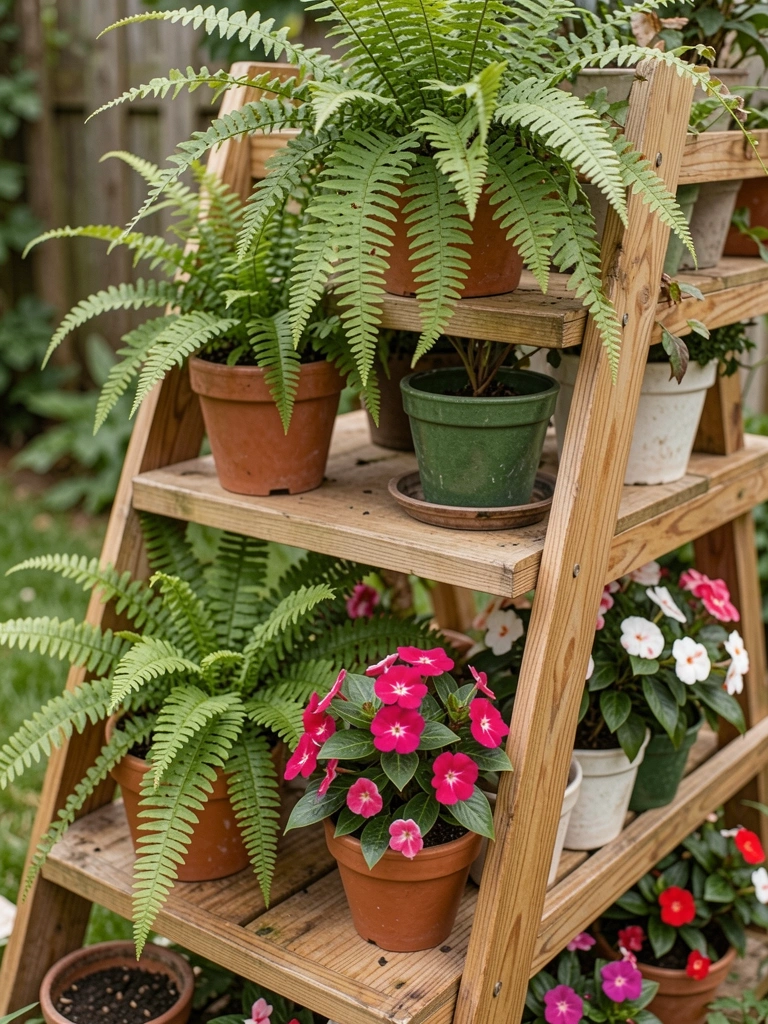
    18. Tiered Wooden Stands for Height

    Built tiers from scrap wood; pots climb up. Maximizes vertical—floor stays open. Ferns shade lowers.

    Stable base wide.

    Rotate for sun.

    What You’ll Need for This Look

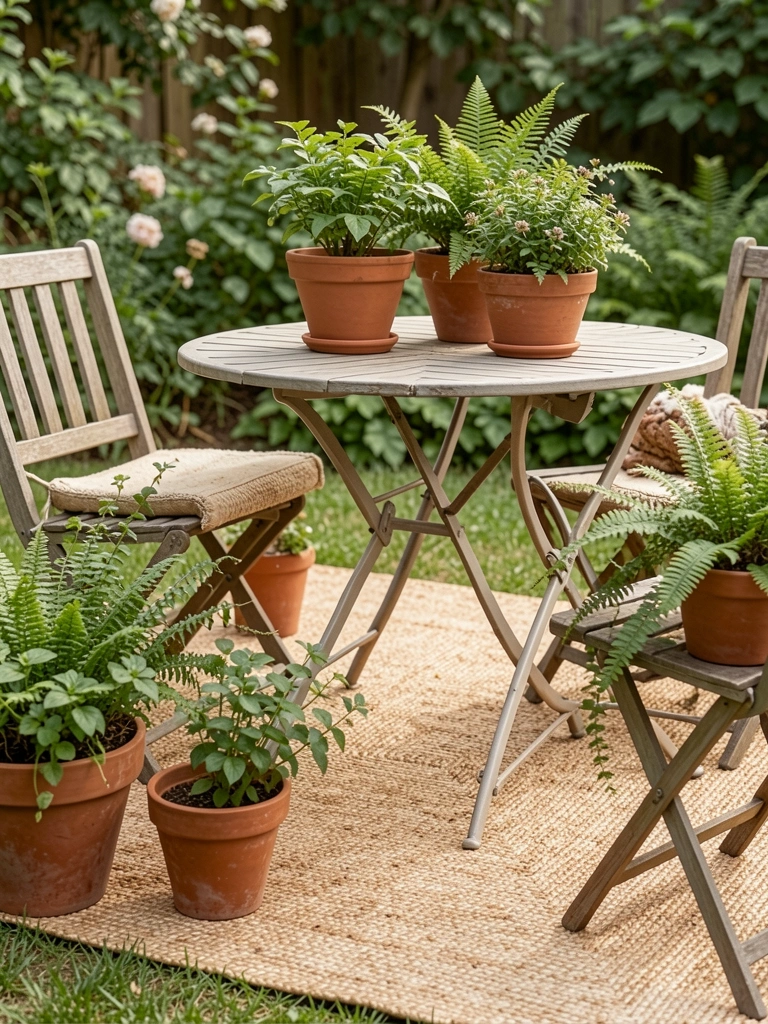
    19. Woven Rug Defining a Lounge Spot

    Rolled out a rug under chairs; anchors the sit area. Pots edge it—feels like indoor room outside.

    Shake dirt weekly.

    All-weather weave.

    What You’ll Need for This Look

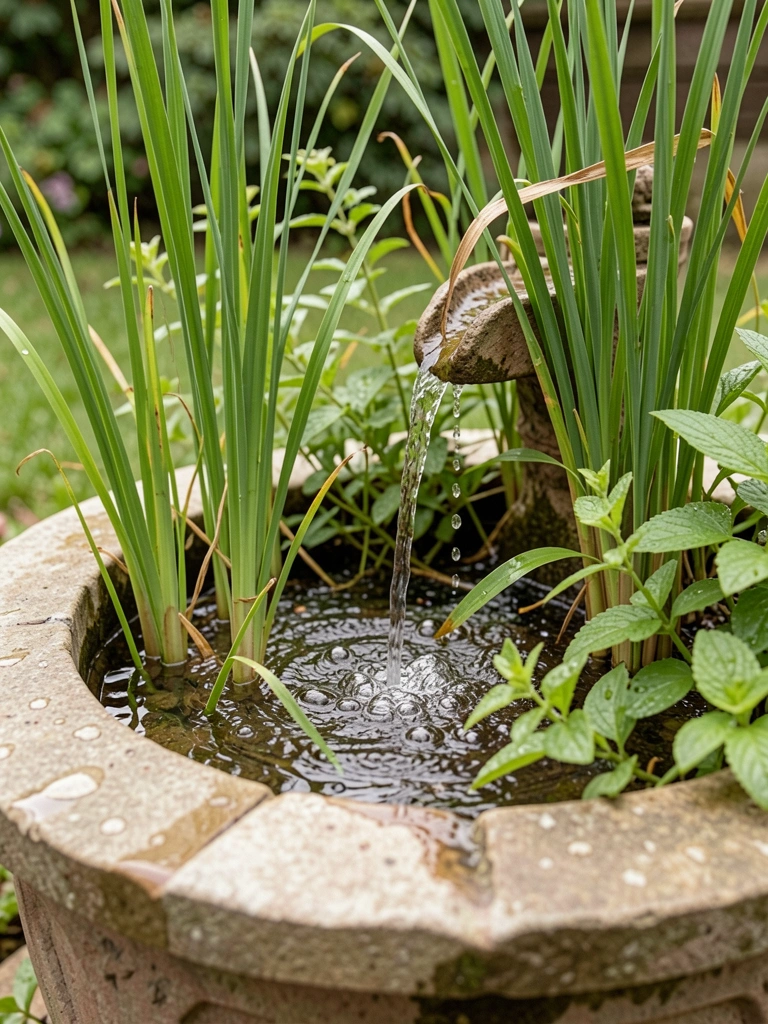
    20. Bubbling Mini Fountain in Pots

    Dropped a pump in a big pot; reeds around. Gurgle masks traffic—calm oasis. Overpumped first, splashed everywhere. Smaller now.

    Hide cord neat.

    Refill weekly.

    What You’ll Need for This Look

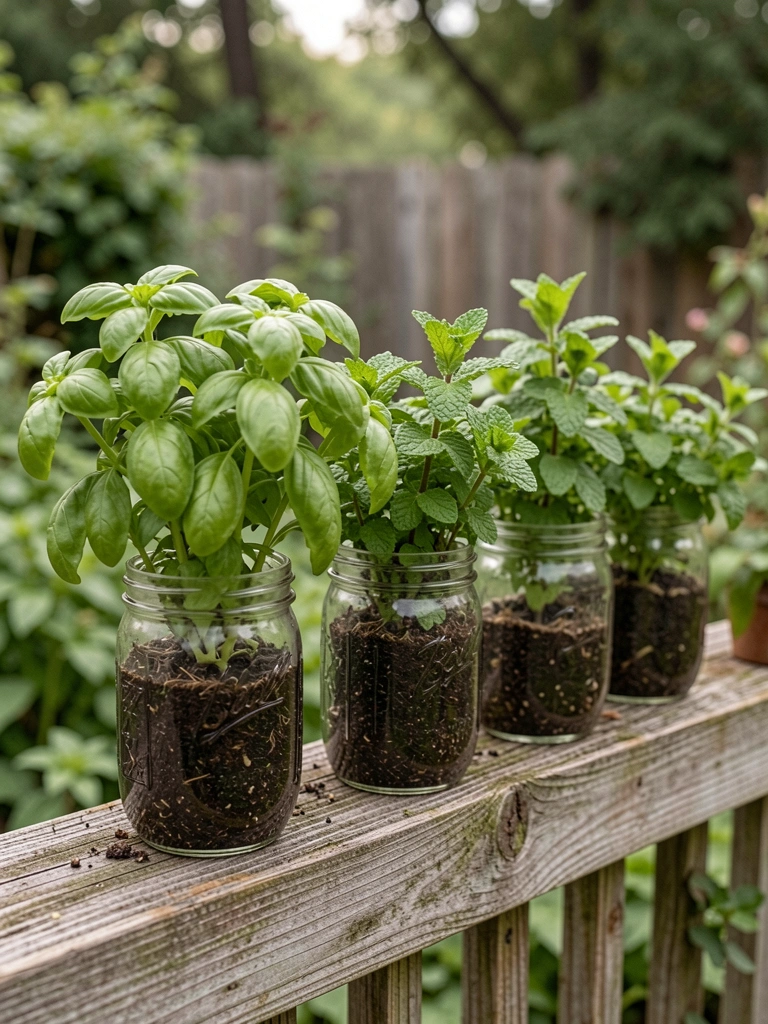
    21. Rail-Mounted Herb Jars for Fence Edge

    Clamped jars to the fence rail; basil, chives thrive. Snip fresh without bending. Herbs brush knees sitting nearby.

    Sun south side.

    Empty drain saucers.

    What You’ll Need for This Look

    Final Thoughts

    Pick one or two ideas that match your light and time. My yard built slow, mistakes and all—it works because it's mine.

    You'll mess up a plant or two; that's how it grows on you. Start small. Your backyard waits.

  • 11 Stunning Backyard Garden Design Ideas to Copy

    11 Stunning Backyard Garden Design Ideas to Copy

    I remember staring at my backyard that first summer—mostly dirt, a few scraggly bushes, nothing pulling me outside. I fixed it one patch at a time, learning what holds up to real life: kids running through, uneven ground, my own impatience.

    Now it wraps around the house like an old friend. You don't need perfection. Just start with what fits your dirt and time.

    11 Stunning Backyard Garden Design Ideas to Copy

    These 11 backyard garden design ideas come straight from my yard. They're forgiving, use everyday stuff, and build that pull to sit outside longer. Copy one, see what grows.

    1. Layered Container Planting That Makes a Patio Feel Full

    I crammed my concrete patio with pots last year—tall ones in back, low spillers in front. It hid the boring slab and made dinners out there feel cozy. Colors pop without mowing everything.

    The key? Group in odd numbers, three or five. Water stays even, and it shifts with seasons. I overplanted once, stems flopped, but thinning fixed it quick.

    Now that corner draws us in, even on gray days.

    What You’ll Need for This Look

    2. Gravel Pathways That Wind Through Planting Beds

    My straight paths turned muddy fast—kids tracked it everywhere. Switched to curves with gravel, edged by flat stones. It guides your eye soft, separates beds without walls.

    Feet crunch pleasantly now, weeds stay out if you sweep monthly. I cheaped out on depth first, gravel sank; double layer fixed it.

    Beds feel bigger, air moves better between.

    What You’ll Need for This Look

    3. Vertical Wall Garden for Tight Corners

    That narrow spot by the shed collected junk. Hung a pocket planter, stuffed with ferns and tough succulents. Green climbs up now, softens the fence without eating floor space.

    It cools the air there, pulls birds close. Mist weekly, they hold soil better than I thought.

    Fills dead air without sprawl.

    What You’ll Need for This Look

    4. Pollinator-Friendly Flower Border Along the Fence

    Fence line was bare, bugs ignored it. Planted tall coneflowers and bee balm close, shorter black-eyed Susans out. Bees hum all summer, seeds feed birds winter.

    Blooms layer height, fence disappears. Deadhead to keep tidy, they reseed anyway.

    Life buzzes right at the edge.

    What You’ll Need for This Look

    5. Cozy Bench Nook Under a Pergola

    I shoved a bench against the wall—too exposed. Built a simple pergola over, let clematis climb. Shade dappled, pillows make it sink-in soft.

    Wind protected now, evenings stretch longer. Forgot anchors first, it wobbled in gusts; screws fixed that.

    Pulls you to rest without trying.

    What You’ll Need for This Look

    6. Raised Veggie Beds That Double as Storage

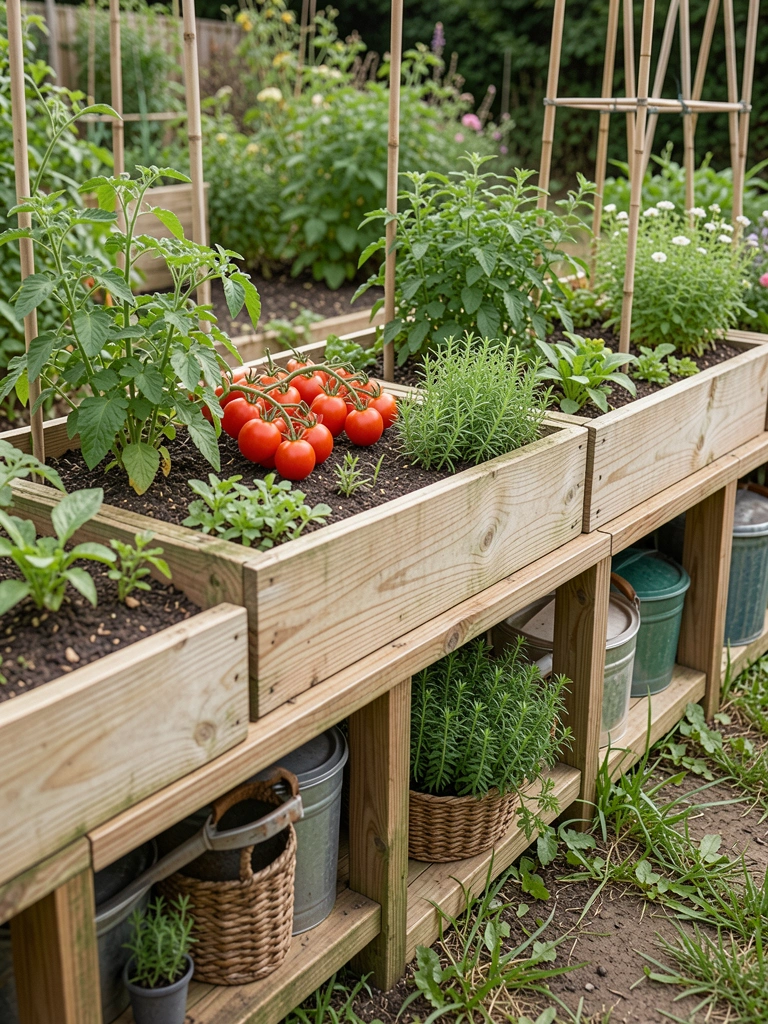
    Lawn wasted good sun. Set up cedar raised beds with shelves below for tools. Tomatoes climb one end, herbs fill edges—harvest steps away.

    Soil warms fast, roots deep. Legs keep it off wet ground.

    Food grows intentional, close.

    What You’ll Need for This Look

    7. Mulch-Covered Island Beds for Easy Weeding

    Grass choked plants before. Carved islands, mulched heavy around shrubs and daylilies. Edges curve soft, mower rolls easy.

    Weeds pop less, soil holds wet. Rake edges weekly, stays neat.

    Yard breathes open now.

    What You’ll Need for This Look

    8. Solar Lights Framing a Stone Fire Pit

    Fire pit sat dark after dusk. Stuck solar stakes in gravel ring. Glow outlines seats, sparks dance longer.

    No cords, angles shift with sun. Planted too close first, shadows killed charge; spaced them out.

    Nights warm up easy.

    What You’ll Need for This Look

    9. Bird Bath Surrounded by Hostas and Ferns

    Dry corner needed sound. Set a shallow bird bath, ringed hostas and ferns. Drips trickle, birds splash daily.

    Shade thrives there, leaves rustle soft. Refill often, slugs hide under—coarse grit scatters them.

    Quiet pulls you near.

    What You’ll Need for This Look

    10. Climbing Roses on a Wooden Trellis

    Blank fence begged coverage. Leaned a trellis, trained rambling roses up. Blooms scent the air, thorns keep deer off.

    Prune light yearly, they bush thick. Ties hold loose canes gentle.

    Screen softens the yard.

    What You’ll Need for This Look

    11. Low-Water Succulent Rock Garden

    Hose broke too often there. Piled rocks, tucked sedum and agave in pockets. Textures crunch dry spells, no wilt.

    Drain fast, slugs skip it. Chose small starters first—too big shifted rocks; now stable.

    Dry spots turn calm.

    What You’ll Need for This Look

    Final Thoughts

    Pick one idea that matches your light or space. My yard built slow, corners first. It won't look magazine day one, but it'll feel yours.

    You'll mess up a plant or two—that's how it grows on you. Start digging.

  • How to Make Cheap Garden Edging

    How to Make Cheap Garden Edging

    I stared at the uneven edge of my front bed last spring. Weeds crept in, and the soil spilled onto the lawn. It bugged me every time I walked by.

    I'd tried plastic strips before. They buckled and looked cheap in the wrong way.

    Then I found a simple fix using bricks and gravel. It settled everything into place.

    How to Make Cheap Garden Edging

    This shows you my go-to way to edge beds with bricks and gravel. It costs under $2 a foot. The border feels clean and holds soil back for years.

    What You’ll Need

    Step 1: Walk the Line and Feel the Curve

    I walk the bed's edge first. I let my eye follow the natural flow. Straight lines work near paths, but curves soften corners.

    I tie string between stakes to mark it. Step back. Does it balance the bed's shape? This sets a calm rhythm.

    People miss how a slight curve makes beds feel wider. Don't force straight—avoid that tense look. It pulls the garden together right away.

    Now the edge has purpose. Soil looks contained already.

    Step 2: Dig a Shallow Trench

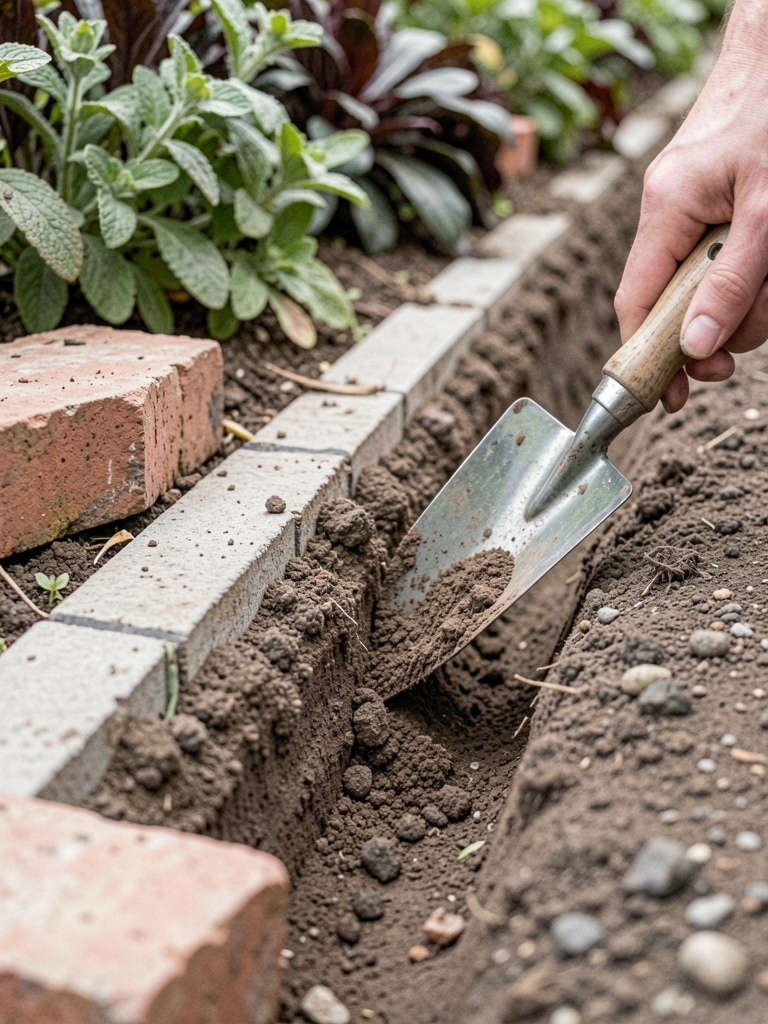
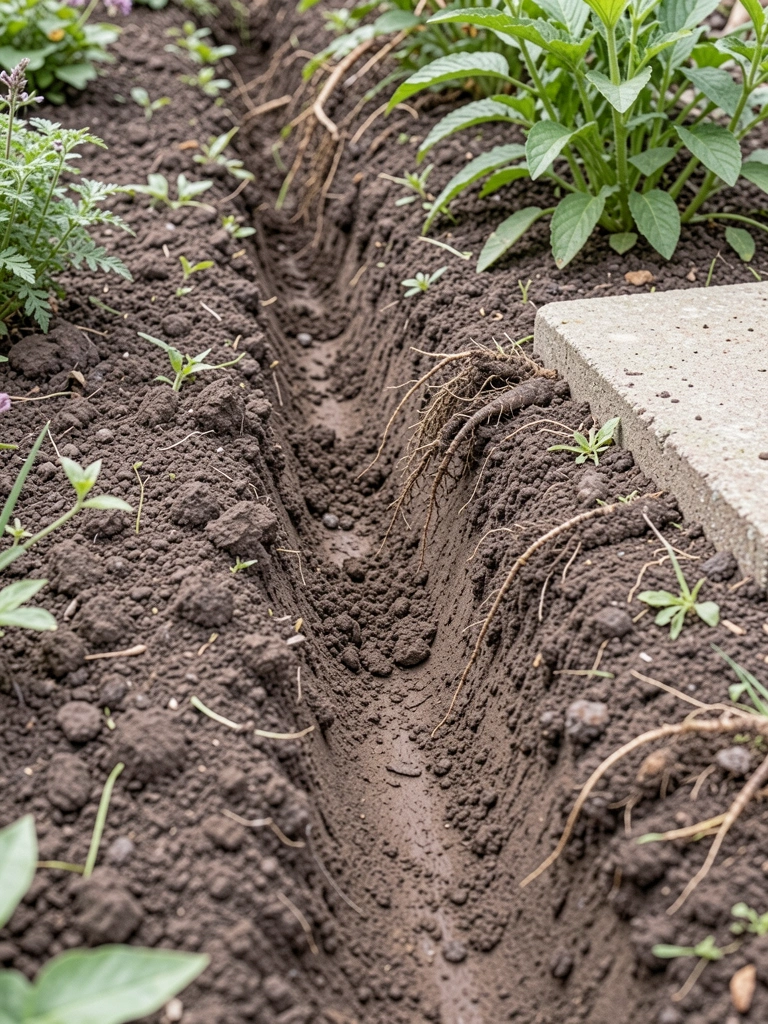
    I dig a trench 4 inches deep, just wider than one brick. Follow the string. It doesn't need to be perfect—soil's forgiving.

    This depth lets bricks sit level without tipping. Visually, the bed lifts, edges sharpen.

    Most overlook loose soil at the base—it shifts later. Pack it firm. Skip that, and bricks lean. Now the line feels solid.

    The bed breathes easier. Lawn stops blurring in.

    Step 3: Line with Landscape Fabric

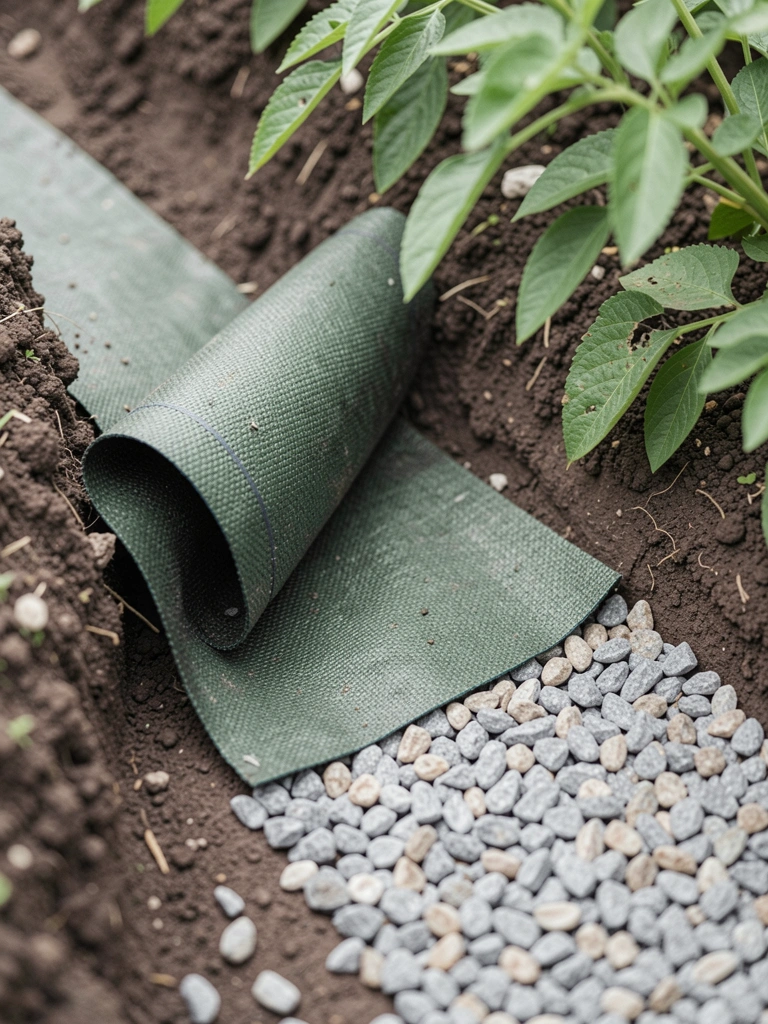
    I unroll fabric along the trench bottom. Cut overlaps short. Pin it down. It blocks weeds without choking drainage.

    The fabric fades back fast. Beds stay neat longer. Insight: it evens small dips people ignore.

    Don't overlap too much—avoids bulges. The edge gains quiet strength. Gravel will peek through nicely.

    Soil holds steady. The border hints at finish.

    Step 4: Set Bricks in Place

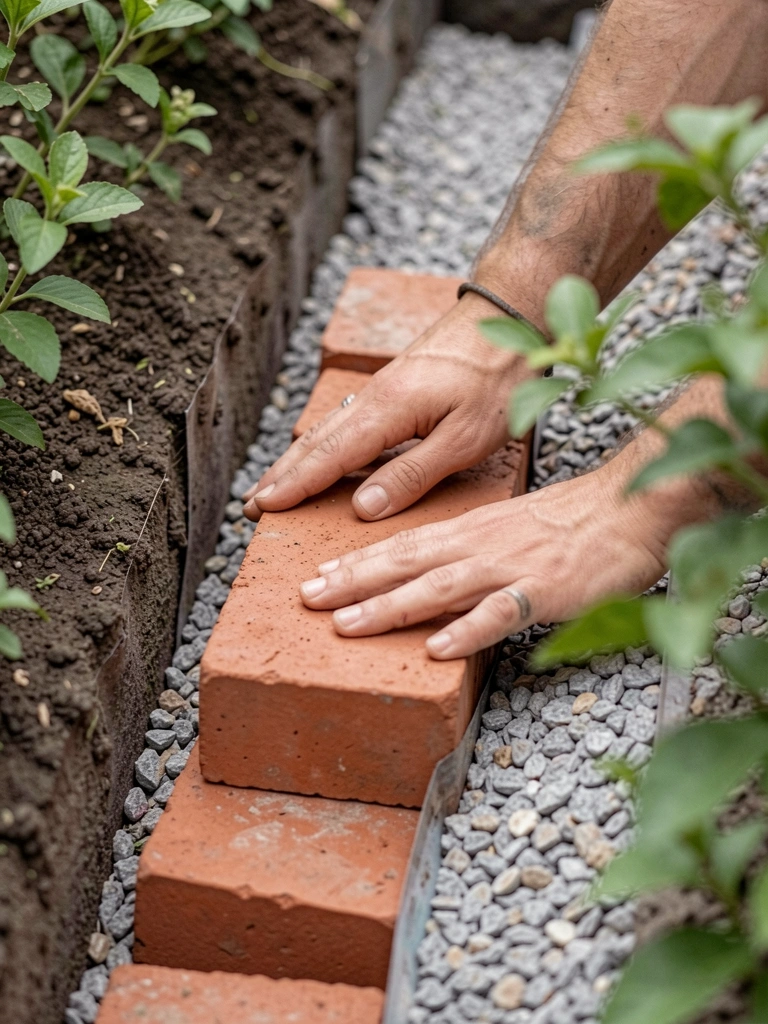
    I lay bricks end to end, tapping level. Butt them tight—no gaps. Add gravel behind for backfill.

    They nestle in, creating a low wall. The bed feels framed, balanced.

    Folks miss tapping for contact—it prevents wobbles. Avoid stacking high; low keeps it cheap and stable.

    Curves hug plants now. The line flows.

    Step 5: Backfill and Mulch Top

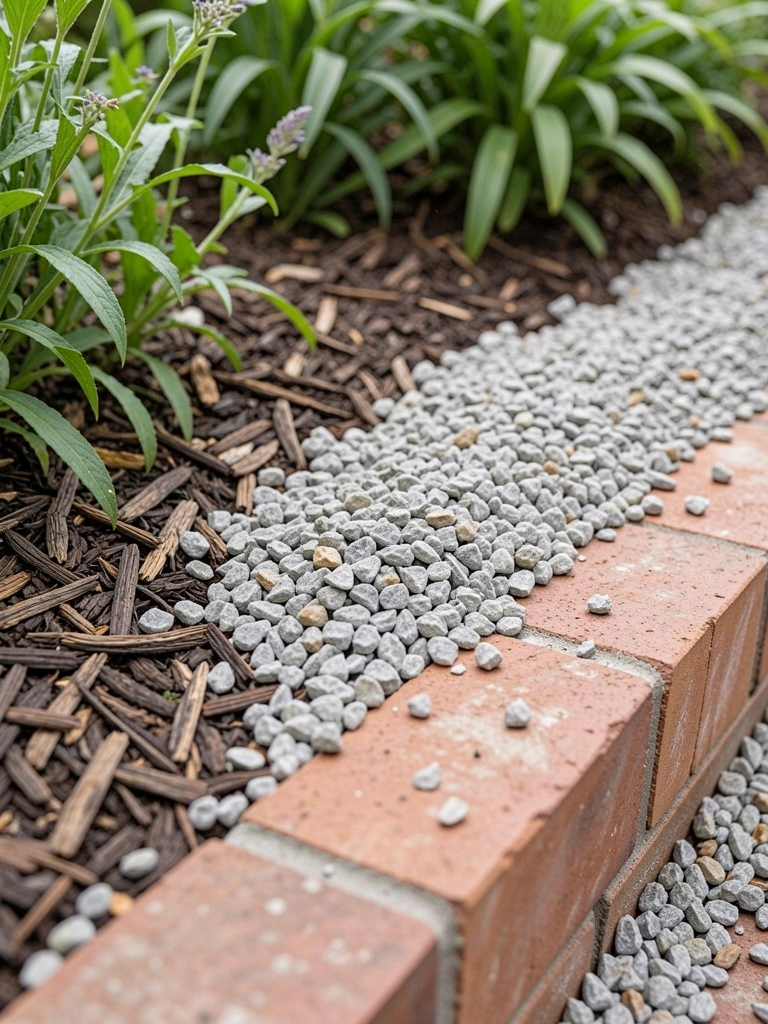
    I shovel gravel behind bricks, firm it down. Top the bed side with mulch. It locks everything.

    Gravel drains, mulch warms soil. The edge recedes, letting plants lead.

    People forget to slope backfill—it sheds water. Don't over-mulch; thin layer blends best.

    Now it's done. Beds look tended, costs stay low.

    Step 6: Settle and Check Balance

    I water it in, walk around at different times. Tweak any high spots. Let it settle a week.

    Light shifts reveal balance. It feels right from the path.

    Missed insight: edges unify mismatched beds. Avoid rushing—wait for dirt to compact.

    The garden holds its shape. Simple as that.

    Why This Edging Fits Everyday Gardens

    I've used this on herb beds and veggie patches. It doesn't shout. Just holds things in.

    Curves follow house lines. Straight for lawns.

    • Costs $1.50 per foot.
    • Lasts 5+ years.
    • Hides bare soil.

    No fancy installs. It works where life happens.

    Variations for Your Space

    Swap bricks for flat stones if you have them. Gravel stays key.

    Sunny spots? Light gravel shows weeds less.

    • Shade: Darker mulch.
    • Slopes: Taller bricks.
    • Paths: Mirror the edge.

    Keeps it cheap. Matches your feel.

    Keeping It Looking Good

    Check after rain. Rake gravel smooth.

    Weeds poke rarely thanks to fabric.

    • Refresh mulch yearly.
    • Lift and reset shifted bricks.
    • Add low plants along top.

    Stays balanced with little work.

    Final Thoughts

    Start with one short bed. See how it settles your eye.

    You'll notice the difference right away. Gardens feel less scattered.

    It's not about perfection. Just edges that do their job.

  • How to Use Pavers for Garden Edging

    How to Use Pavers for Garden Edging

    I stared at my flower bed last spring. The grass kept creeping in, blurring every line. It looked messy, unfinished. I wanted a clean edge that held the plants in place without feeling rigid.

    I'd tried plastic strips before. They warped and showed. Pavers changed that. They sit low, let soil breathe, and ground the whole bed.

    You know that spot where the garden feels off? This fixes it.

    How to Use Pavers for Garden Edging

    This shows you how I edge beds with pavers. It creates a quiet border that settles into the ground. Your garden will feel balanced and held together.

    What You’ll Need

    Step 1: Mark Your Edge Line

    I walk the bed's edge first. I kneel and run my hand along the soil. Where does the grass push in? That's my line. I use string and stakes to outline it, keeping it soft—straight for veggies, curved for flowers.

    Visually, the string pulls the bed into focus. It shows the shape before anything changes. One insight: curves feel natural but need a steady hand to avoid wobbles.

    Don't pull the string too tight. It straightens everything. I step back often to check balance from the path.

    This sets a quiet frame. The bed starts to breathe.

    Step 2: Dig the Trench

    I dig a trench just wider than one paver. Depth matches the paver height plus an inch for sand. I go slow, feeling the soil give. This keeps roots safe and drainage open.

    Now the line sinks in. Soil piles beside it, ready for backfill. People miss how a shallow trench lets water flow away—no puddles.

    Avoid digging too deep. Pavers sink unevenly. I test with one paver early.

    The bed looks contained already, even empty.

    Step 3: Level and Base It

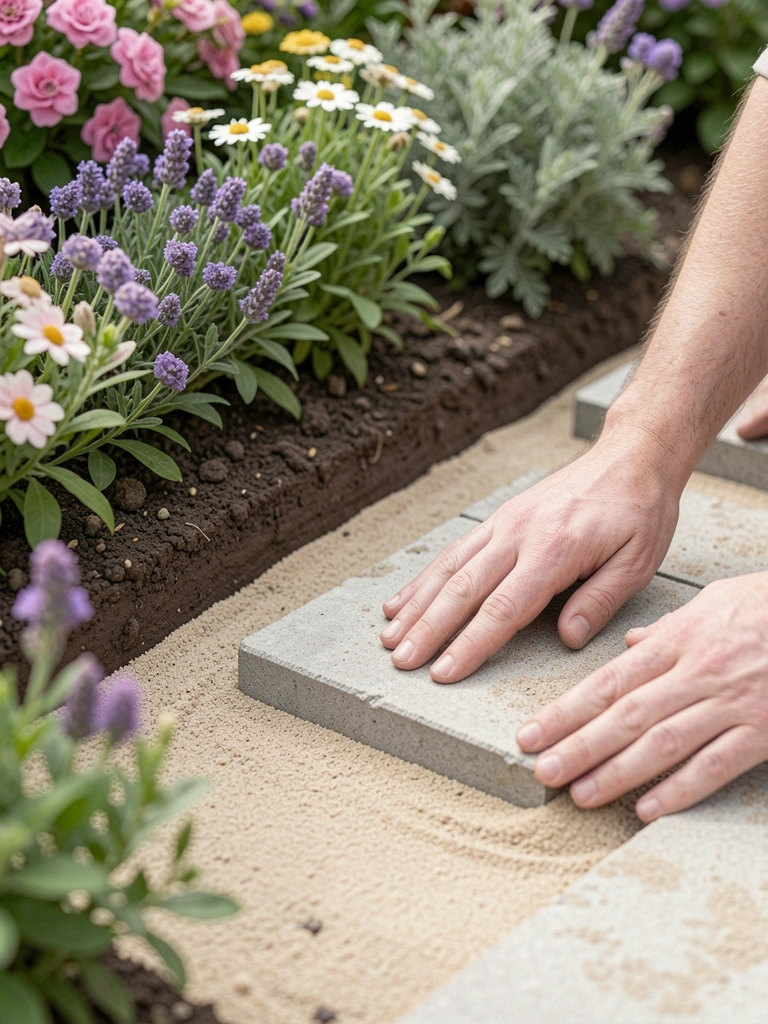
    I lay landscape fabric first, then coarse sand and gravel. I tamp it firm but not packed. A level checks from side to side. Why? It holds pavers steady through freezes.

    The base vanishes under pavers, but the surface evens out. Insight: slight slope away from plants prevents rot.

    Skip fabric and weeds punch through. I wet the sand lightly—it settles true.

    Feels solid now, like the garden's foundation.

    Step 4: Set the Pavers

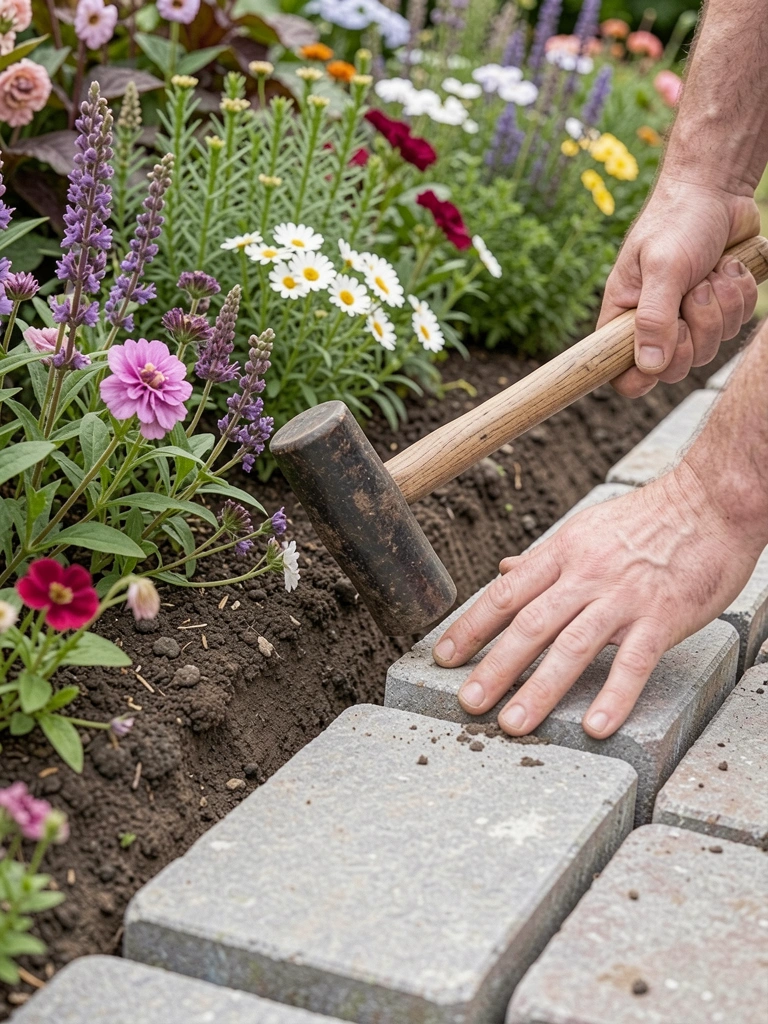
    I drop pavers in one by one. Butt them close, tap with a mallet. Eyes on the line—adjust for flow. They hug the soil, low profile.

    The edge appears crisp against plants. Balance shifts; beds look deeper. Most miss checking every third paver with level—gaps form otherwise.

    Don't force curves tight. Let them ease. Step back.

    It grounds the whole space.

    Step 5: Backfill and Settle

    I backfill soil tight against pavers, then sweep polymeric sand into joints. Mist it light—it sets. Why? Locks them without grout lines.

    Joints disappear, edge blends. One missed bit: overwatering sand makes it runny.

    Avoid loose soil backfill. It shifts. Water the bed gently after.

    Now it feels finished, lived-in.

    Choosing Pavers for Your Soil and Style

    I pick pavers by my dirt. Clay holds heavy concrete ones. Sandy soil needs lighter. Gray suits most plants—doesn't fight greens.

    Size matters for flow. 12-inch works beds; smaller for paths.

    • Gray concrete: clean, fades back.
    • Tumbled stone: softer curve.
    • Check thickness: 2-inch for foot traffic.

    Test one in your bed first. It shows fit.

    Planting Alongside Paver Edges

    Pavers frame plants best when low. I tuck hostas tight, let sedum spill over.

    Balance heights: tall behind, trailers forward.

    • Low growers: creeping phlox.
    • Mid: daylilies.
    • Avoid invasives—they overrun.

    Mulch inside, gravel outside. It stays neat.

    Keeping Edges Sharp Over Time

    Edges shift yearly. I check after rain. Re-tamp low spots.

    Weeds pull easy from sand joints.

    • Sweep sand yearly.
    • Hose off dirt.
    • Lift and reset every two years.

    Simple care keeps balance.

    Final Thoughts

    Start with one short bed. See how it settles your space.

    Pavers aren't forever fixes, but they hold steady.

    Yours will feel right after a season. Just walk it daily at first.